

Last August, IKEA Philippines engaged with Better World Smokey Mountain, a newly opened community center operated by the San Miguel Foundation, which shares a similar goal of improving the lives of many Filipino people. Through this partnership, IKEA Philippines provided and assembled home furnishings for the classrooms and library of Better World Smokey Mountain community… Continue reading Help Create a Better World with IKEA Soft Toys
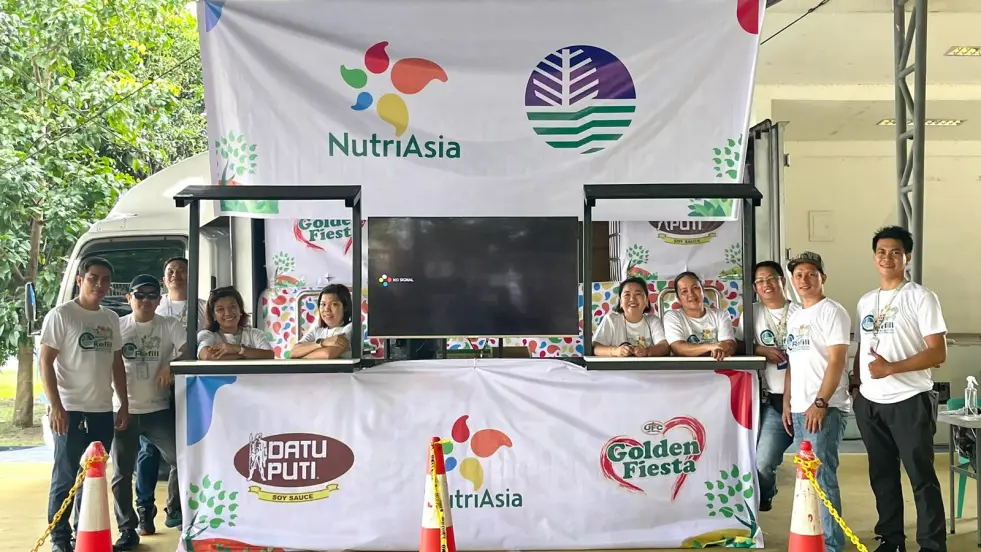
NutriAsia, the country’s top producer of condiments and sauces, continues its support of Refill Revolution; a project by the Department of Environment and Natural Resources EMB 3 that aims to help reduce Filipinos’ single-use plastics consumption. At Refill Revolution, residents get to recycle their single-use plastic bottles by reusing and filling it with their choice… Continue reading NutriAsia and DENR renews partnership for Refill Revolution

What to expect at your baby’s 6-month checkup in the Philippines
A six-month checkup is an important milestone in your baby’s first year. At this visit, a paediatrician or health worker reviews growth, feeding, sleep, movement, communication, and immunisations. The appointment also gives you time to raise concerns that may seem small, such as frequent spit-up, unsettled sleep, eczema, or changes in nappies.
Families in the Philippines may attend a private clinic, hospital outpatient department, or local barangay health centre. The exact process varies by location and provider, while families in Australia may recognise parts of it from visits with a GP or child and family health nurse. If you are visiting relatives in Manila, Cebu, Davao, or another Philippine city, bring your baby’s health record and ask which vaccines and screening checks are due.
Growth and physical development checks
The healthcare professional will usually measure your baby’s weight, length, and head circumference. These measurements are plotted on a growth chart to show a pattern over time. A single number rarely tells the whole story; steady growth, feeding, alertness, and overall development matter as well.
Your baby may be examined from head to toe. The clinician can listen to the heart and lungs, feel the abdomen, assess muscle tone, and check the hips, eyes, ears, mouth, and skin. They may look for signs of anaemia, infection, persistent reflux, or other conditions requiring closer follow-up.
At around six months, many babies can roll, reach for toys, bring objects to their mouth, and sit with support. Some begin sitting independently, while others need more time. The clinician may watch how your baby moves, responds to sounds, makes eye contact, smiles, babbles, and interacts with familiar people. Developmental milestones are useful guides rather than a strict race between babies.
Australian parents may be familiar with the blue or green state-based child health record, such as the Victorian My Health and Development Record or the Queensland Personal Health Record. Philippine clinics may use a different booklet or handwritten record, so keep photographs or scanned copies of previous entries if you are moving between providers.
Feeding, solids, and common health concerns
The six-month visit often includes a detailed conversation about breast milk, formula, and the introduction of complementary foods. Breastfeeding or infant formula remains an important source of nutrition, while suitable soft foods can be introduced when your baby shows readiness. A clinician may discuss iron-rich foods, smooth textures, gradual variety, and safe drinking water.
Readiness signs can include sitting upright with support, controlling the head and neck, opening the mouth for food, and swallowing rather than pushing food out with the tongue. Begin with small amounts and supervise every meal. Honey should be avoided before 12 months because of the risk of infant botulism, and whole nuts, hard raw vegetables, popcorn, and other choking hazards should not be offered.
Tell the clinician about vomiting, constipation, diarrhoea, blood or mucus in stools, poor appetite, or feeding refusal. Skin rashes, wheezing, facial swelling, or repeated vomiting after a particular food need prompt medical attention. For background on symptoms that can be confused with ordinary feeding discomfort, read about milk allergy signs before the appointment.
Families in Australia may hear advice about introducing common allergens such as well-cooked egg and smooth peanut paste in safe forms, usually around the time solids begin. Guidance can differ when a baby has severe eczema, an existing allergy, or a strong family history, so follow an Australian GP, paediatrician, or dietitian when you are back home. A Philippine doctor can also advise on foods, brands, and ingredients commonly available locally.
Immunisations and preventive care
Vaccines are a central part of a baby health visit. At six months, the vaccines due depend on the child’s previous doses, the Philippine immunisation schedule, the clinic’s stock, and whether the baby is following a private or public programme. Bring the vaccination card so the provider can check dates, vaccine names, and catch-up needs.
The clinician may discuss routine protection against illnesses such as polio, diphtheria, tetanus, pertussis, hepatitis B, Haemophilus influenzae type b, pneumococcal disease, and measles. Some vaccines are given in combination, and schedules may differ between the Philippines and Australia. Do not assume a dose is unnecessary because a similar vaccine was given in another country; the records should be reviewed carefully.
Ask what reactions are normal after vaccination. Mild fever, soreness, sleepiness, or irritability can occur, but your provider should explain when to seek medical care. In Australia, parents often check the Australian Immunisation Register through Medicare, while Philippine records may depend more heavily on the paper booklet and clinic documentation. Keep both physical and digital records when travelling.
Preventive advice may cover mosquito protection, handwashing, safe water, sun exposure, smoke-free spaces, and travel. In tropical parts of the Philippines, the clinician may discuss dengue prevention and mosquito nets. Australian families returning to places such as Cairns, Darwin, or regional Queensland may also need practical advice about heat, insects, and sun safety for a young baby.
Questions about sleep, safety, and daily routines
The provider may ask where your baby sleeps, how often they wake, and whether they are swaddled. Safe sleep guidance generally includes placing babies on their backs, using a firm flat sleep surface, keeping pillows and loose blankets away, and avoiding overheating. Room-sharing without bed-sharing is commonly recommended during early infancy.
At six months, babies become more mobile and can reach surprisingly far. Discuss rolling, falls from beds or sofas, bath safety, burns, medicines, cords, small objects, and car travel. A rear-facing car seat is essential in Australia, where child restraint laws apply, and the seat should be installed according to the manufacturer’s instructions. Similar care is needed when travelling by car in the Philippines, even if enforcement and road conditions vary.
Sleep advice may sound different from family traditions. Relatives might recommend pillows, positioners, herbal drinks, or letting a baby sleep prone, but these can carry risks. You can acknowledge well-meaning advice while following current guidance from your child’s healthcare professional. A six-month checkup is a useful time to discuss gentle settling approaches that suit your family’s circumstances.
What to pack and record
A small amount of preparation can make the appointment calmer, especially if you are attending a busy public clinic or travelling across a large city. Pack the essentials and write down observations while they are fresh.
- Baby health and vaccination records
- A list of medicines, vitamins, and supplements
- Spare nappies, wipes, clothing, and a feeding bottle
- Notes about symptoms, sleep, stools, and feeding
Before leaving, note the questions you want answered rather than relying on memory during a short consultation. These details can help the clinician identify patterns and decide whether your baby needs tests, a referral, or a routine review.
- How much milk and solid food is suitable?
- Are the growth and milestones progressing as expected?
- Which vaccines are due today or next?
- When should we return for follow-up?
When extra assessment may be needed
Most six-month appointments are routine, but the clinician may recommend additional assessment if your baby is not gaining weight, has persistent breathing problems, or shows delays in movement, hearing, vision, or social response. A referral could be made to a paediatrician, feeding specialist, physiotherapist, occupational therapist, or developmental service.
Seek urgent medical help for trouble breathing, blue or grey lips, a seizure, severe dehydration, unusual limpness, repeated projectile vomiting, or a baby who is difficult to wake. Fever in a young infant can require prompt assessment, and the appropriate response depends on age, temperature, symptoms, and local medical advice.
For Australian families, a GP, nurse-on-call service, state health line, or emergency department can guide you when you are home. Healthdirect is available nationally, while local maternal and child health services vary by state or territory. In the Philippines, families may contact their paediatrician, hospital, barangay health centre, or emergency department according to the seriousness of the symptoms.
A six-month checkup should leave you with a clear record of your baby’s growth, the next immunisation dates, feeding guidance, and instructions for follow-up. Whether the visit takes place in a Manila clinic or an Australian GP practice, carrying accurate records and describing your baby’s everyday habits will help the healthcare team provide more personalised care.

Mercato Centrale, in collaboration with Indian Women in Enterprise Philippines (I-We), is set to host "The Great Indian Fiesta" to mark 75 years of friendship between India and the Philippines. The dynamic two-day event is scheduled to take place on September 30 to October 1, 2023, at Paseo De Roxas Street, Makati City. Aiming to… Continue reading Mercato Centrale Partners with I-We to Host ‘The Great Indian Fiesta’, Commemorating 75 Years of India-Philippines Friendship

My stomach would usually start growling at 10 am even after taking a big breakfast. This is probably because I am a morning person and I move a lot throughout the day hence snacking is something that I can't avoid. This potatoes and chicken wrap recipe is easy to prepare and would keep me full… Continue reading Potato and Chicken Wrap
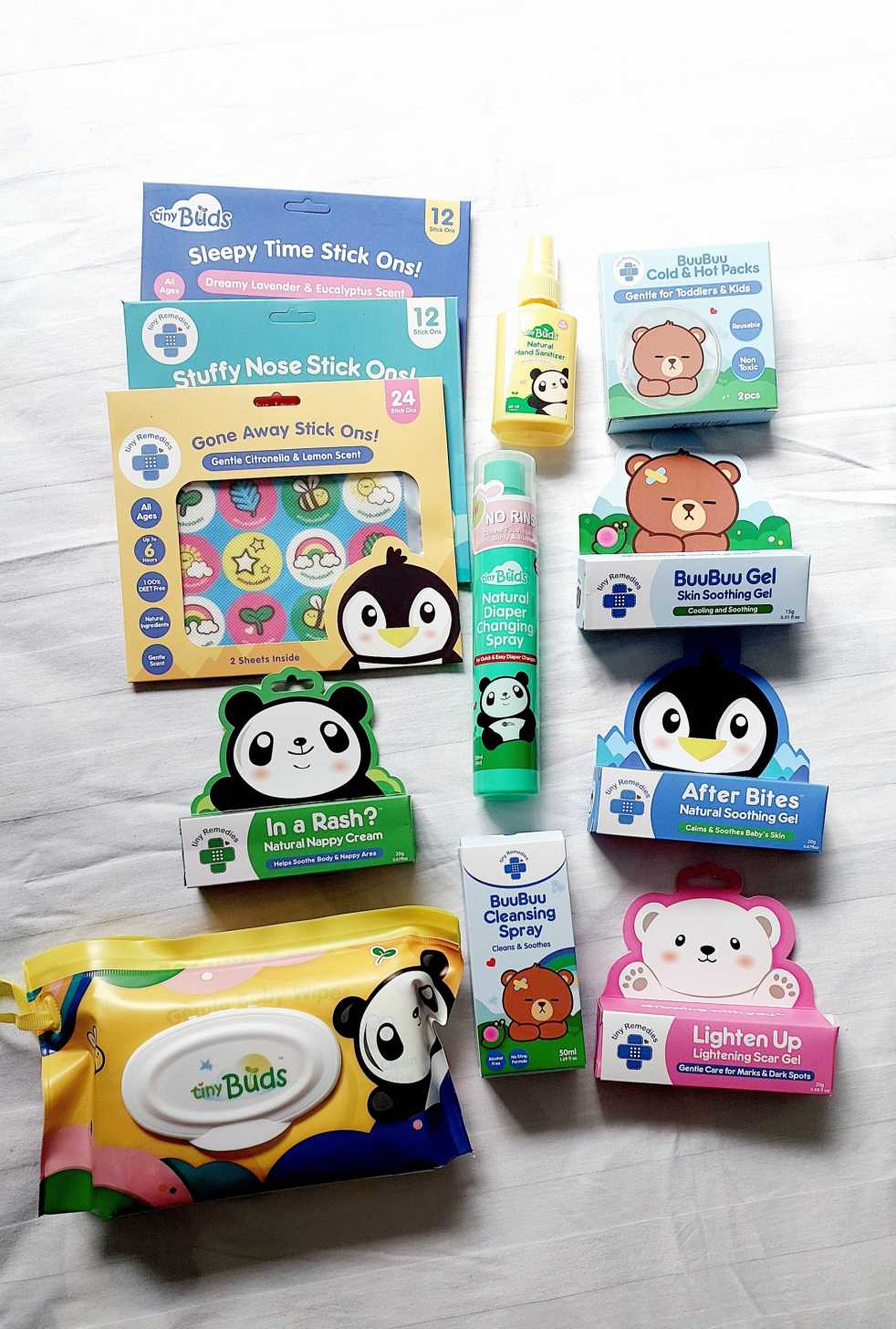
Your baby’s skin is more delicate than most, this is why you have to choose products that are designed for sensitive skin. Tiny Buds is a pioneer in integrating natural ingredients into baby care and today has over 50 innovative natural baby care essentials and is one of the Top Baby Personal Care brands. Here… Continue reading Product Review: Tiny Buds Baby Naturals Baby Essentials
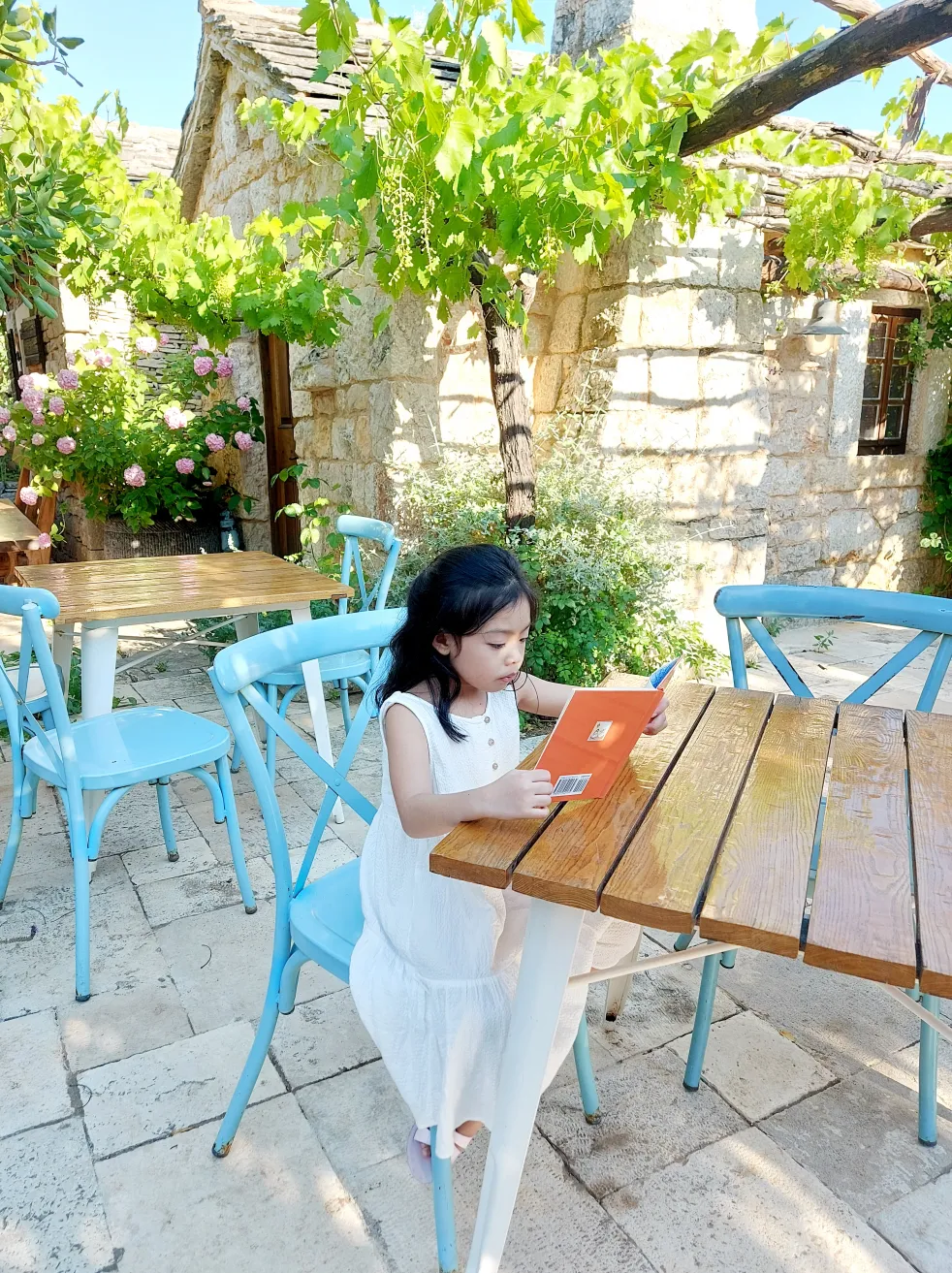
Where your child goes to school is a big decision and shouldn’t be taken lightly. Given how their education can impact their future, you might be tempted to take control and decide for them. However, you might be doing more damage than helping them in the long run. Your job as parents is to support… Continue reading HOW TO CHOOSE THE BEST SCHOOL FOR YOUR CHILD

As poet and philosopher Rumi once eloquently said, “raise your words, not your voice. It is rain that grows flowers, not thunder.” Parenting is a challenging journey, and the truth is that nobody has everything figured out. One parenting style might suit others best, and some might favor other methods. However, children respond better to… Continue reading A SIMPLE GUIDE TO GENTLE PARENTING

Whether you’re a new mom to be, mom of a toddler, mom who have school-aged kids, you’re bound to have so many questions. Let's start with your baby's skin. Infant skin has unique needs; gentle care is essential to prevent damage to the skin barrier, which can lead to irritation. When caring for infant skin,… Continue reading Keeping Baby’s Diapered Skin Healthy
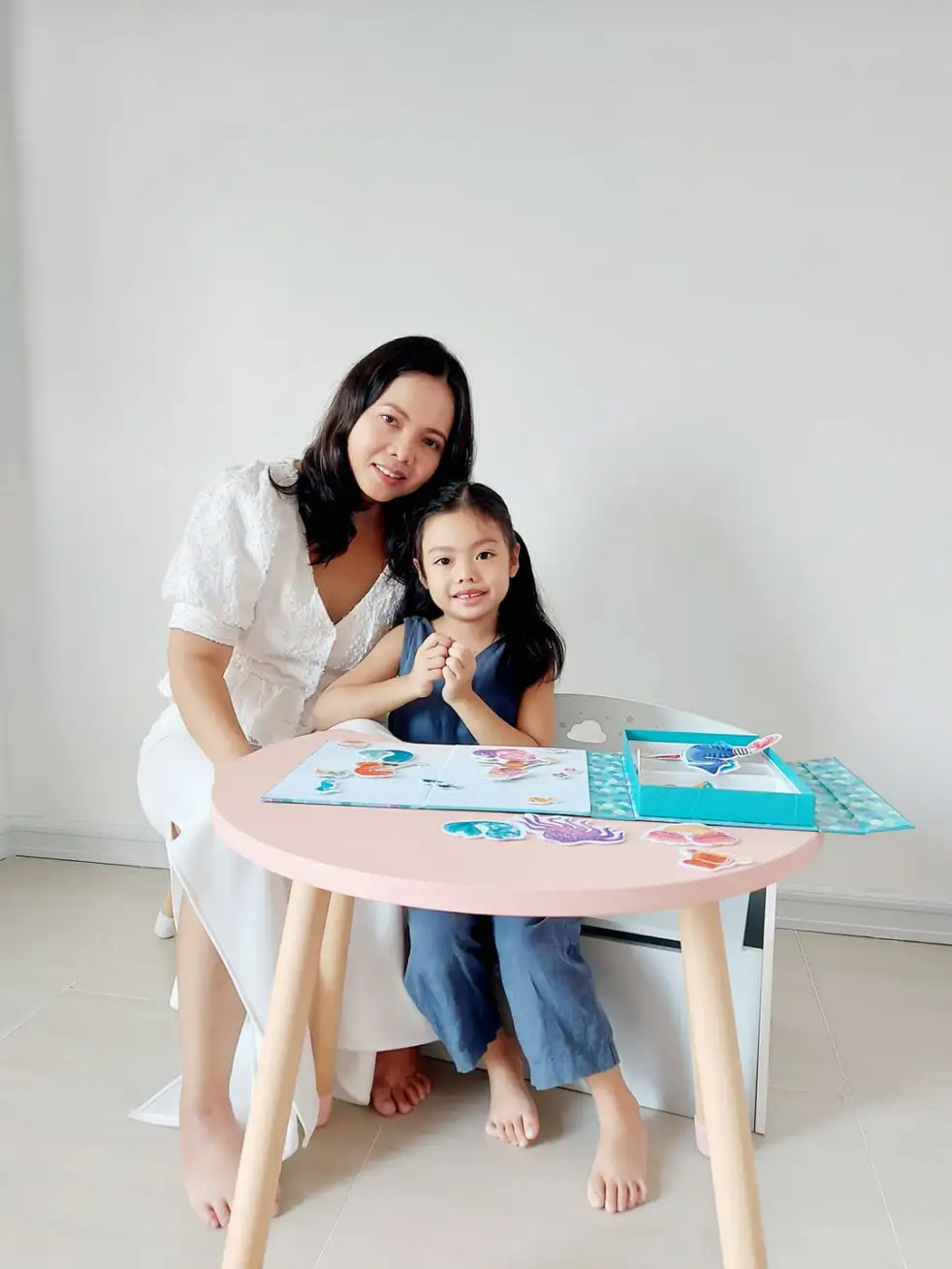
As parents, we want to give our child the best possible start in life and that begins with nurturing their intelligence. Throughout history, the notion of success has been linked to academic intelligence. However, there has been an increased awareness on the importance of emotional intelligence. This question gets at the heart of the never-ending… Continue reading IQ or EQ, which one is a better predictor of your child’s success?
 wondermomma.net