

Last August, IKEA Philippines engaged with Better World Smokey Mountain, a newly opened community center operated by the San Miguel Foundation, which shares a similar goal of improving the lives of many Filipino people. Through this partnership, IKEA Philippines provided and assembled home furnishings for the classrooms and library of Better World Smokey Mountain community… Continue reading Help Create a Better World with IKEA Soft Toys

NutriAsia, the country’s top producer of condiments and sauces, continues its support of Refill Revolution; a project by the Department of Environment and Natural Resources EMB 3 that aims to help reduce Filipinos’ single-use plastics consumption. At Refill Revolution, residents get to recycle their single-use plastic bottles by reusing and filling it with their choice… Continue reading NutriAsia and DENR renews partnership for Refill Revolution

Signs Your Baby May Be Reacting to Milk
Feeding concerns can feel especially worrying when your baby develops diarrhea, frequent spit-up, a rash, or unusual crying. Milk is often considered the cause, but several conditions can produce similar symptoms. A baby may have a cow’s milk protein allergy, lactose intolerance, reflux, an infection, or another digestive issue that needs different care.
Cow’s milk protein allergy is an immune reaction to proteins found in cow’s milk. Lactose intolerance involves difficulty digesting lactose, the natural sugar in milk. The two conditions are different, and lactose intolerance is uncommon in young babies unless it develops temporarily after an illness or intestinal irritation.
Learning what to watch for can help you describe your baby’s symptoms clearly to a pediatrician. It is important to avoid removing major foods or changing formula without medical guidance, particularly when your baby is very young or is not gaining weight well.
Symptoms That Can Point To A Milk Reaction
Milk protein allergy may affect the skin, digestive system, or breathing. Possible signs include hives, facial swelling, eczema that becomes difficult to control, vomiting, loose stools, mucus or blood in the stool, wheezing, and sudden distress after feeding. Some babies develop symptoms quickly, while others show delayed reactions over several hours or days.
A baby with a delayed allergy may have ongoing colic-like crying, feeding refusal, constipation, reflux-like discomfort, or poor weight gain. These symptoms do not prove an allergy, because they can also occur with ordinary infant reflux, viral illness, overfeeding, or other food sensitivities.
Lactose intolerance usually causes digestive symptoms rather than hives or breathing problems. Gas, bloating, watery diarrhea, abdominal cramps, and a sore bottom after frequent acidic stools are more typical. A baby may seem uncomfortable during or after feeds but generally will not develop an immediate allergic rash from lactose alone.
Allergy And Lactose Intolerance Are Different
Milk allergy happens when the immune system reacts to milk proteins, usually casein or whey. Even a small amount can trigger symptoms in a sensitive child. A reaction may occur after standard infant formula, dairy consumed by a breastfeeding parent, or dairy-based complementary foods, depending on the baby’s sensitivity and feeding pattern.
Lactose intolerance occurs when the body produces too little lactase, the enzyme needed to digest lactose. Undigested lactose draws water into the intestine and is fermented by gut bacteria, leading to gas and loose stools. Most newborns produce plenty of lactase because milk is their main source of nutrition.
| Feature | Cow’s Milk Protein Allergy | Lactose Intolerance |
|---|---|---|
| What causes it | Immune response to milk proteins | Difficulty digesting milk sugar |
| Common symptoms | Hives, eczema, vomiting, mucus or blood in stool, wheezing | Gas, bloating, watery diarrhea, cramps |
| Timing | Immediate or delayed | Usually during or soon after feeds |
| Common in young babies | Possible | Primary form is uncommon |
| Breastfeeding relevance | May occur from dairy proteins passing into breast milk | Lactose in breast milk is usually not removed by avoiding dairy |
| Management | Medical assessment and an appropriate elimination plan | Treat the underlying cause; use alternatives only with professional advice |
Temporary lactose malabsorption can follow gastroenteritis or another condition that damages the intestinal lining. In contrast, a baby who reacts to breast milk is not usually reacting to the lactose in breast milk. Human milk naturally contains lactose, whether or not the breastfeeding parent consumes dairy.
Feeding Patterns And Other Clues
Keep track of when symptoms appear, what your baby consumed, and how long the symptoms lasted. Note whether the reaction follows breast milk, standard formula, a mixed feed, or a particular new food. Record stool changes, vomiting, skin symptoms, wet diapers, temperature, and your baby’s behavior during feeds.
The pattern matters more than one isolated episode. A single spit-up or loose stool is common in infancy and does not automatically suggest a food allergy. Repeated symptoms, symptoms involving several body systems, or signs of poor hydration deserve prompt medical attention.
Poor feeding, fewer wet diapers, persistent diarrhea, or slow growth can indicate that your baby is not receiving or absorbing enough nutrition. A pediatrician may review feeding technique, formula preparation, latch, reflux symptoms, recent infections, and growth charts before deciding whether milk is involved.
Parents also sometimes connect every change in mood or sleep with feeding. A consistent feeding and symptom diary can help separate a possible milk reaction from normal developmental changes. Keeping daily routines predictable, including age-appropriate media habits later in childhood, can also support family observations; guidance on screen time limits can help parents notice how routines affect behavior without attributing every change to food.
When A Baby Needs Urgent Care
Seek emergency help if your baby has trouble breathing, swelling of the lips or tongue, widespread hives with vomiting, sudden extreme sleepiness, pale or floppy behavior, or signs of collapse after feeding. These may indicate a serious allergic reaction called anaphylaxis. Do not wait to see whether symptoms settle on their own.
Blood in the stool should be discussed promptly with a healthcare professional, especially when it is accompanied by vomiting, fever, pain, diarrhea, or poor feeding. A small anal fissure can also cause streaks of blood, but the source should be checked rather than assumed.
Contact your pediatrician soon for repeated vomiting, ongoing diarrhea, feeding refusal, persistent eczema, severe discomfort, or inadequate weight gain. In the Philippines, families may begin with their pediatrician or a child-focused clinic and ask whether referral to a pediatric allergist or gastroenterologist is appropriate.
How Doctors Identify The Cause
There is no reliable home test that can confirm milk allergy or lactose intolerance in a baby. A clinician will consider the medical history, physical examination, growth pattern, feeding details, and symptom timing. Allergy testing may be useful for certain immediate reactions, but it cannot diagnose every delayed milk protein reaction.
For suspected cow’s milk protein allergy, a doctor may recommend a carefully planned elimination period followed by a supervised or clearly instructed reintroduction. Improvement during avoidance is more meaningful when symptoms return after milk is reintroduced. Unsupervised long-term restriction can create nutritional problems and may make it harder to identify the true trigger.
Lactose intolerance may be considered after a gut infection or when diarrhea and gas occur without allergic skin or respiratory symptoms. The doctor may recommend temporary dietary changes while the intestine heals. Infants should not be given lactose-free formula, plant-based drinks, or homemade substitutes without professional advice, because these products may not provide the nutrition a baby needs.
Safe Feeding Support At Home
If you breastfeed, do not stop automatically. Milk protein allergy and lactose intolerance require different approaches, and removing dairy from your diet may be unnecessary or incomplete. If an elimination diet is advised, ask for guidance on calcium, vitamin D, protein, and other nutritional needs, particularly during postpartum recovery.
If your baby uses formula, prepare it exactly according to the product instructions. Do not dilute formula, concentrate it, or switch repeatedly between brands. A pediatrician may recommend an extensively hydrolyzed formula or, in selected cases, an amino acid formula for suspected cow’s milk protein allergy.
When solid foods are introduced, offer new foods one at a time in age-appropriate forms and keep notes about reactions. Never smear food on the skin as an allergy test. Follow local feeding guidance and discuss high-risk foods with your child’s healthcare provider, especially if your baby has eczema or a known allergy.
Practical Steps For Parents
- Record feeds, symptoms, stool appearance, wet diapers, and the timing of each change.
- Arrange a pediatric appointment for recurring digestive, skin, or feeding symptoms.
- Seek emergency care for breathing difficulty, facial swelling, widespread hives, or unusual limpness.
- Avoid changing formula, stopping breastfeeding, or restricting dairy without medical advice.
- Ask for a nutrition plan if a milk-free diet or special formula is recommended.
Milk-related symptoms can be confusing because normal infant behavior and common digestive problems often look similar. A careful history, growth monitoring, and medically guided feeding trial are safer and more useful than relying on internet checklists or home intolerance tests.
Bring your symptom notes and any formula packaging to your baby’s appointment. With timely assessment and the right nutritional plan, most families can identify the trigger, protect healthy growth, and make feeding more comfortable.

Mercato Centrale, in collaboration with Indian Women in Enterprise Philippines (I-We), is set to host "The Great Indian Fiesta" to mark 75 years of friendship between India and the Philippines. The dynamic two-day event is scheduled to take place on September 30 to October 1, 2023, at Paseo De Roxas Street, Makati City. Aiming to… Continue reading Mercato Centrale Partners with I-We to Host ‘The Great Indian Fiesta’, Commemorating 75 Years of India-Philippines Friendship

My stomach would usually start growling at 10 am even after taking a big breakfast. This is probably because I am a morning person and I move a lot throughout the day hence snacking is something that I can't avoid. This potatoes and chicken wrap recipe is easy to prepare and would keep me full… Continue reading Potato and Chicken Wrap
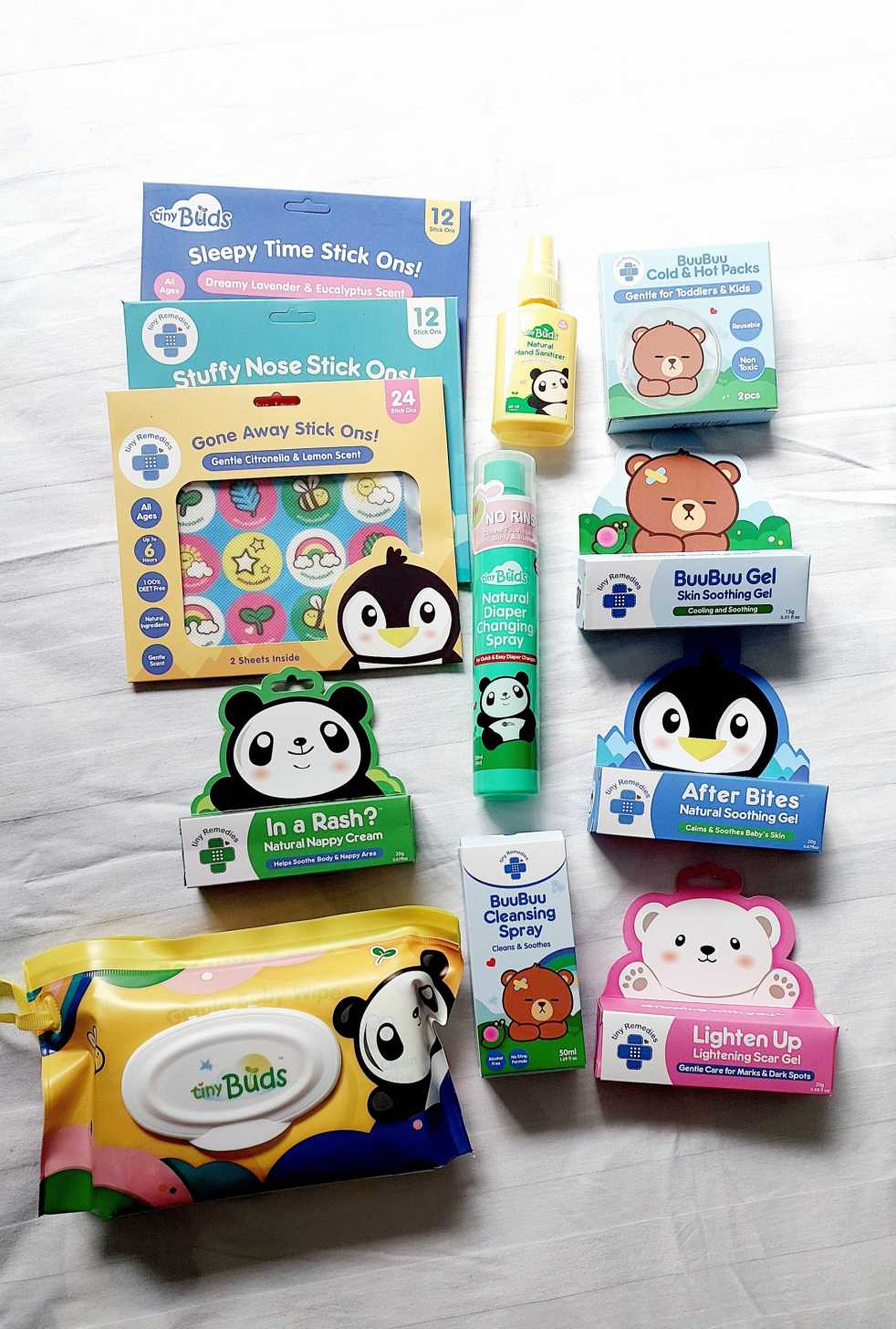
Your baby’s skin is more delicate than most, this is why you have to choose products that are designed for sensitive skin. Tiny Buds is a pioneer in integrating natural ingredients into baby care and today has over 50 innovative natural baby care essentials and is one of the Top Baby Personal Care brands. Here… Continue reading Product Review: Tiny Buds Baby Naturals Baby Essentials

Where your child goes to school is a big decision and shouldn’t be taken lightly. Given how their education can impact their future, you might be tempted to take control and decide for them. However, you might be doing more damage than helping them in the long run. Your job as parents is to support… Continue reading HOW TO CHOOSE THE BEST SCHOOL FOR YOUR CHILD

As poet and philosopher Rumi once eloquently said, “raise your words, not your voice. It is rain that grows flowers, not thunder.” Parenting is a challenging journey, and the truth is that nobody has everything figured out. One parenting style might suit others best, and some might favor other methods. However, children respond better to… Continue reading A SIMPLE GUIDE TO GENTLE PARENTING

Whether you’re a new mom to be, mom of a toddler, mom who have school-aged kids, you’re bound to have so many questions. Let's start with your baby's skin. Infant skin has unique needs; gentle care is essential to prevent damage to the skin barrier, which can lead to irritation. When caring for infant skin,… Continue reading Keeping Baby’s Diapered Skin Healthy

As parents, we want to give our child the best possible start in life and that begins with nurturing their intelligence. Throughout history, the notion of success has been linked to academic intelligence. However, there has been an increased awareness on the importance of emotional intelligence. This question gets at the heart of the never-ending… Continue reading IQ or EQ, which one is a better predictor of your child’s success?
 wondermomma.net