

Last August, IKEA Philippines engaged with Better World Smokey Mountain, a newly opened community center operated by the San Miguel Foundation, which shares a similar goal of improving the lives of many Filipino people. Through this partnership, IKEA Philippines provided and assembled home furnishings for the classrooms and library of Better World Smokey Mountain community… Continue reading Help Create a Better World with IKEA Soft Toys

NutriAsia, the country’s top producer of condiments and sauces, continues its support of Refill Revolution; a project by the Department of Environment and Natural Resources EMB 3 that aims to help reduce Filipinos’ single-use plastics consumption. At Refill Revolution, residents get to recycle their single-use plastic bottles by reusing and filling it with their choice… Continue reading NutriAsia and DENR renews partnership for Refill Revolution

What To Do When Your Child Wakes Scared From a Nightmare
A nightmare can leave a child wide awake, tearful and certain that the frightening story is still happening. Even older children may struggle to separate a dream from real life for a few minutes. Your calm presence helps their nervous system feel safe before any explanation or problem-solving begins.
The best response is gentle, predictable and suited to your child’s age. You do not need to dismiss the dream, analyse every detail or promise that scary dreams will never happen again. A cuddle, a quiet voice and a familiar bedtime routine can carry a lot of reassurance through the dark hours.
Understand What A Nightmare Means
Nightmares are common during childhood because imagination, memory and emotional processing are still developing. They may follow an exciting day, a scary program, a change in family life, illness, overtiredness or a new concern at preschool or school. A child might dream about monsters, getting lost, animals, accidents or people they love being hurt.
A nightmare is different from a night terror. With a night terror, a child may sit up, scream, sweat or appear frightened while remaining partly asleep and difficult to comfort. They often have little or no memory of it in the morning. A child who wakes fully, seeks you out and describes a frightening dream has more likely experienced a nightmare.
Avoid treating the dream as silly or telling your child to “be brave”. Fear feels real in the moment, even when the cause is imaginary. You can acknowledge the feeling while gently explaining that a dream is something the brain makes during sleep and cannot harm them.
Respond In The First Few Minutes
Go to your child promptly, especially if they are very young. Keep the room dim rather than switching on bright lights, and use a low, steady voice. Say, “You had a scary dream. You are awake, and you are safe. I’m here with you.” Simple sentences are easier to understand when a child is still groggy.
Offer physical comfort if your child wants it: a cuddle, hand-holding or sitting beside the bed. Check the room briefly for ordinary sources of alarm, such as a shadow, a noisy air conditioner or a pet moving outside the door. A short explanation can settle the concern, but lengthy checking can accidentally make the danger seem more credible.
If your child wants water or the toilet, help them and return to bed without turning the moment into playtime. In Australia, where summer nights can stay warm and daylight saving can make evening routines feel later in New South Wales, Victoria, Tasmania, South Australia and the ACT, extra reassurance may be needed when a child is overtired.
Help Their Body Settle
Children often need help calming their bodies before they can listen to logic. Invite slow breaths without making it a performance: breathe in through the nose while counting to three, then breathe out slowly. You could say, “Let’s make our breathing quiet and soft.” A favourite stuffed animal can be held against the chest as a comforting focus.
Use familiar sensory cues. Pull up the quilt, offer a sip of water, rub their back or play quiet white noise if it is part of their usual sleep routine. Keep screens off, as the light and stimulation can make returning to sleep harder. A night-light is fine if it helps, though a constantly changing projector may create more shadows and distractions.
If your child wants to sleep in your bed, decide what is manageable for your household. You might sit beside them for five minutes, keep their bedroom door open or make a temporary plan for the rest of the night. Consistency matters, but one disrupted night does not create a permanent habit.
Talk About The Dream In Daylight
Morning is usually a better time to discuss what happened. Ask whether your child remembers the dream and listen without pressing for details. You might invite them to draw it, change the ending or imagine a safe helper arriving. A preschool child could turn a monster into a tiny character who needs directions home; an older child may prefer writing a different ending.
Explain that brains sometimes mix worries, memories and pretend ideas while people sleep. Avoid saying, “It was just a dream,” because the word “just” can sound dismissive. Try, “It felt very real and frightening, but it cannot hurt you now.” This validates the emotion while restoring a sense of control.
Keep an eye on daytime stress. Family conflict, a move, friendship problems, frightening news or a new school setting may appear in dreams before a child can explain the worry directly. If your family is also working through challenging behaviour, calm, age-appropriate guidance such as gentle biting strategies can help make the wider home environment feel more predictable.
Protect Sleep Without Creating Fear
A steady pre-bed routine gives the brain repeated signals that sleep is safe. Aim for the same general order each night: bath or wash, pyjamas, toothbrushing, a story, cuddles and lights out. The exact clock time may vary, especially during school holidays or when travelling between Australian time zones, but the sequence can remain familiar.
Choose calm books and conversations before bed. Give your child a chance to mention worries earlier in the evening, rather than beginning a serious discussion once they are under the covers. A “worry box” for drawings or notes can help school-aged children place concerns somewhere outside their head before sleep.
Review practical sleep conditions. The room should be comfortable, dark enough and reasonably quiet, with suitable bedding for the season. During a Brisbane summer, a fan may provide helpful background noise; during a cold Melbourne night, warm layers may prevent repeated waking. Avoid frightening media, even if a child seems interested while watching it.
Know When Extra Support Is Needed
An occasional nightmare is usually part of normal childhood development. Seek professional advice if nightmares happen frequently, continue for several weeks, cause intense fear of sleep or lead to ongoing daytime tiredness. Speak with your GP or child and family health nurse if your child’s mood, behaviour, school participation or appetite changes as well.
Extra support is also sensible after a traumatic event, such as a serious accident, family violence, bereavement or frightening medical experience. A child may need more than bedtime reassurance when dreams are connected with a real event. In Australia, Healthdirect on 1800 022 222 can provide general health guidance, while urgent danger or immediate safety concerns require emergency services on 000.
Keep notes for a short period if you are concerned. Record the date, approximate time, possible triggers, what your child remembers and how long it takes to settle. This information can help a GP identify patterns without making your child feel watched or blamed.
Use Calm Words And Simple Plans
A few prepared phrases can help you stay composed when you are tired. Choose language that reassures without promising that nightmares will never return. The goal is to show your child that frightening feelings pass and that trusted adults can help.
For younger children, a brief ritual works well. For example, check the room once, place the toy beside them, take three slow breaths and repeat the same goodnight phrase. Older children may appreciate a plan they can follow independently after waking.
- “You are awake, safe and at home.”
- “Dreams can feel real, but they cannot hurt you.”
- “Let’s help your body become calm.”
- “We can talk about it properly in the morning.”
A plan can be printed or drawn and kept beside the bed. Keep it short enough to follow when sleepy, and practise it during the day when your child is calm.
- Sit up and take three slow breaths.
- Look for a familiar object in the room.
- Call Mum, Dad or another trusted adult.
- Return to the usual sleep routine.
Compare Helpful Responses
Different children need different amounts of comfort. A toddler may need close physical reassurance, while a primary-school child may settle with a brief check and a clear plan. Teenagers can still have nightmares, though they may prefer privacy and a conversation the next day rather than a long cuddle at midnight.
The comparison below is a guide rather than a strict rule. Consider your child’s temperament, development and current circumstances. A normally independent child may need extra support after illness or a major family change.
| Child’s response | Helpful adult approach | What to avoid |
|---|---|---|
| Toddler cries and reaches for you | Cuddle, name the feeling, use a short repeated phrase | Long explanations or playful stimulation |
| Preschooler describes monsters | Check the room once, offer a safe helper or changed dream ending | Pretending to hunt for monsters repeatedly |
| Primary-school child asks many questions | Explain dreams simply and create a return-to-sleep plan | Arguing about whether the dream was “real” |
| Older child stays awake and worries | Listen the next day, discuss stress and support practical sleep habits | Forcing them to disclose every detail |
Responding calmly is more important than finding perfect words. With patience, a predictable routine and attention to daytime worries, most children gradually learn that a nightmare is frightening but temporary.

Mercato Centrale, in collaboration with Indian Women in Enterprise Philippines (I-We), is set to host "The Great Indian Fiesta" to mark 75 years of friendship between India and the Philippines. The dynamic two-day event is scheduled to take place on September 30 to October 1, 2023, at Paseo De Roxas Street, Makati City. Aiming to… Continue reading Mercato Centrale Partners with I-We to Host ‘The Great Indian Fiesta’, Commemorating 75 Years of India-Philippines Friendship

My stomach would usually start growling at 10 am even after taking a big breakfast. This is probably because I am a morning person and I move a lot throughout the day hence snacking is something that I can't avoid. This potatoes and chicken wrap recipe is easy to prepare and would keep me full… Continue reading Potato and Chicken Wrap
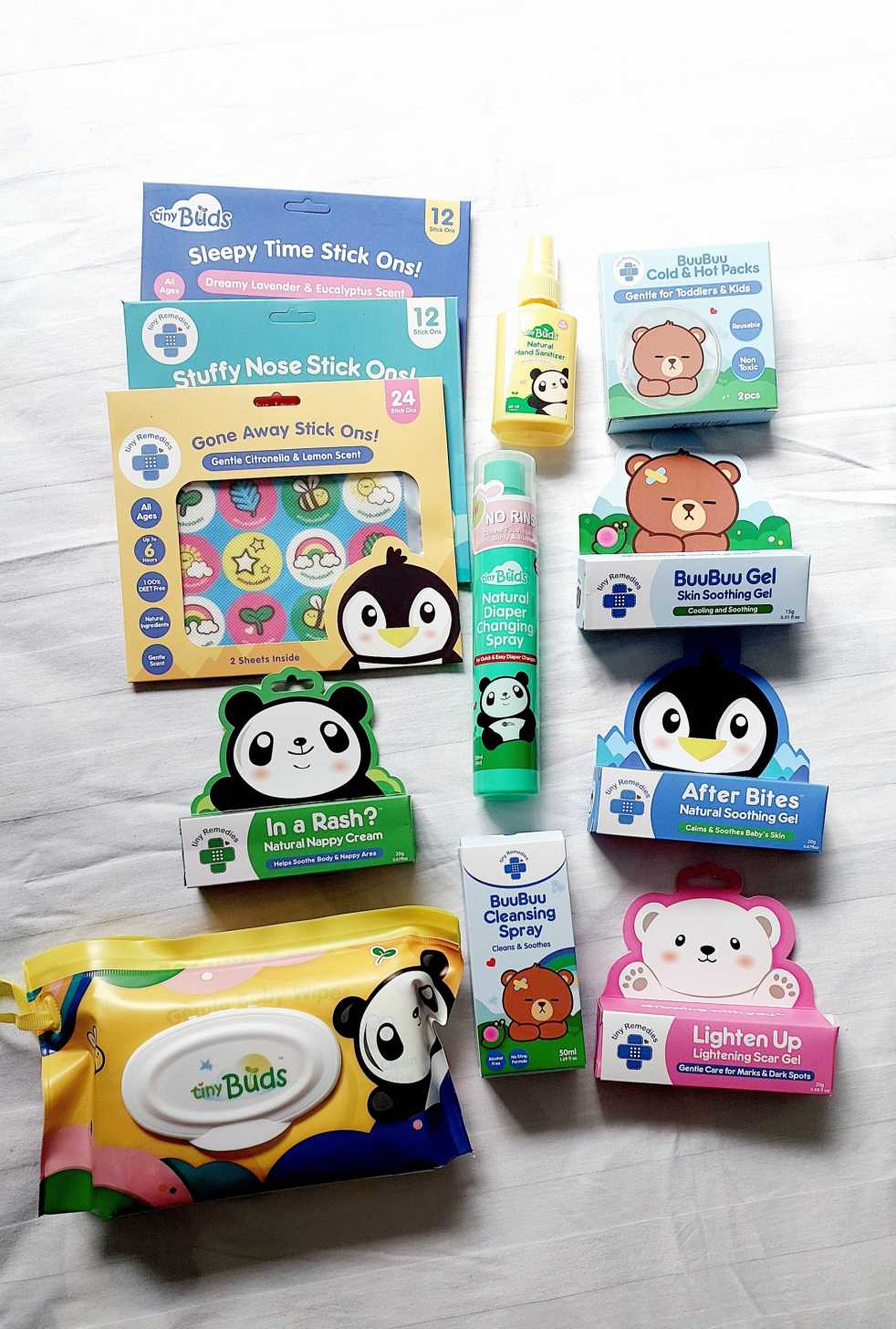
Your baby’s skin is more delicate than most, this is why you have to choose products that are designed for sensitive skin. Tiny Buds is a pioneer in integrating natural ingredients into baby care and today has over 50 innovative natural baby care essentials and is one of the Top Baby Personal Care brands. Here… Continue reading Product Review: Tiny Buds Baby Naturals Baby Essentials
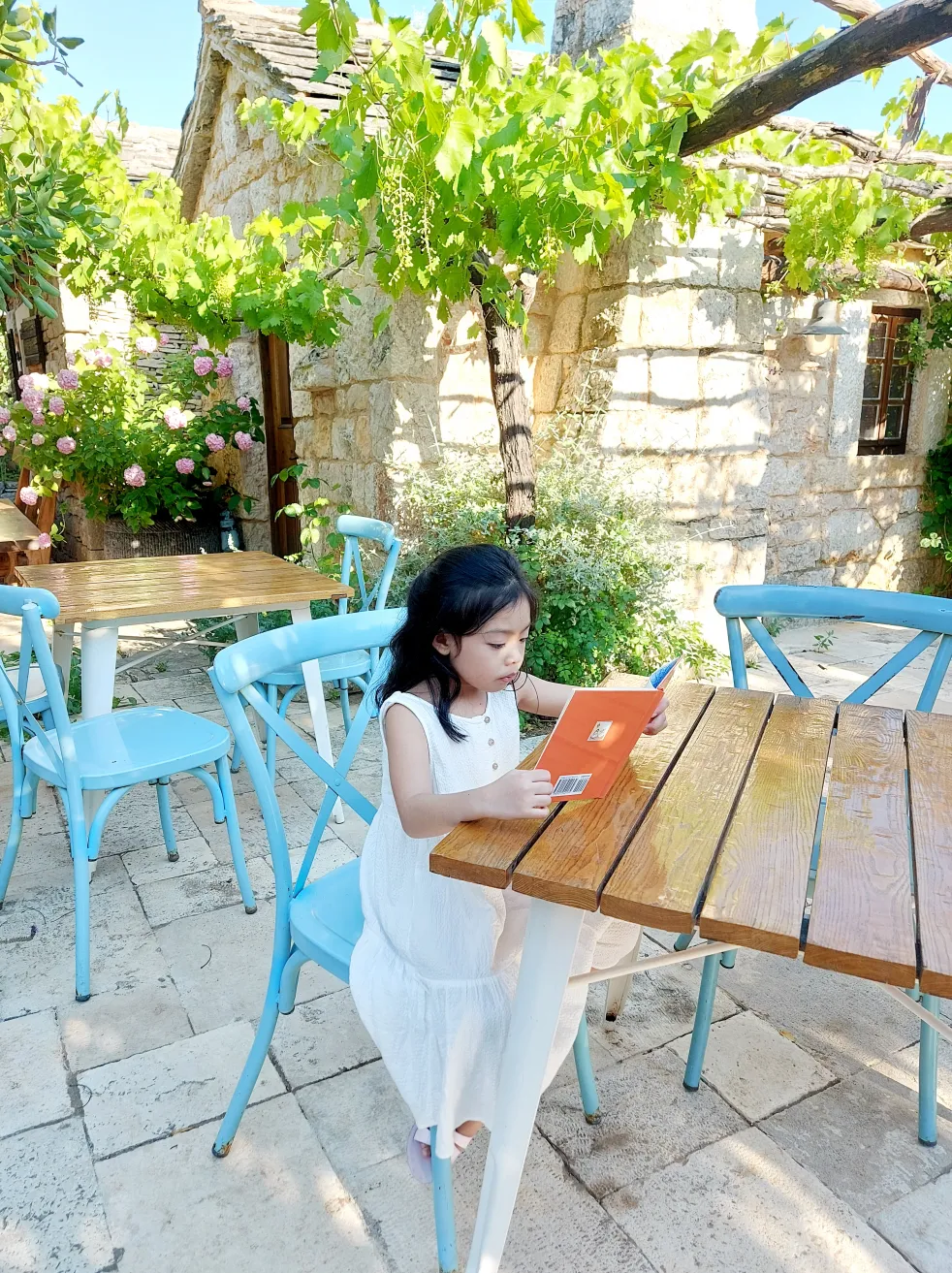
Where your child goes to school is a big decision and shouldn’t be taken lightly. Given how their education can impact their future, you might be tempted to take control and decide for them. However, you might be doing more damage than helping them in the long run. Your job as parents is to support… Continue reading HOW TO CHOOSE THE BEST SCHOOL FOR YOUR CHILD
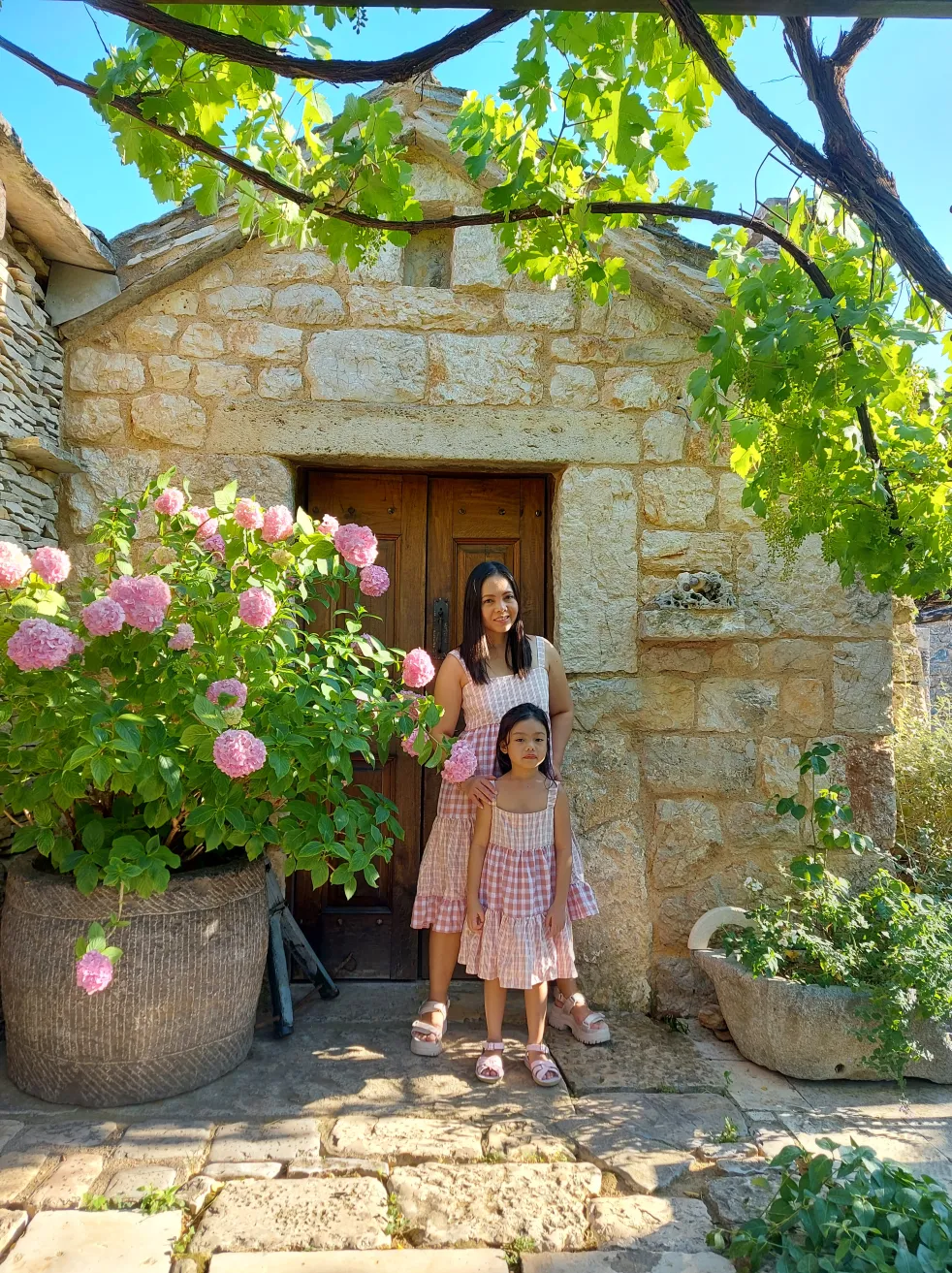
As poet and philosopher Rumi once eloquently said, “raise your words, not your voice. It is rain that grows flowers, not thunder.” Parenting is a challenging journey, and the truth is that nobody has everything figured out. One parenting style might suit others best, and some might favor other methods. However, children respond better to… Continue reading A SIMPLE GUIDE TO GENTLE PARENTING

Whether you’re a new mom to be, mom of a toddler, mom who have school-aged kids, you’re bound to have so many questions. Let's start with your baby's skin. Infant skin has unique needs; gentle care is essential to prevent damage to the skin barrier, which can lead to irritation. When caring for infant skin,… Continue reading Keeping Baby’s Diapered Skin Healthy
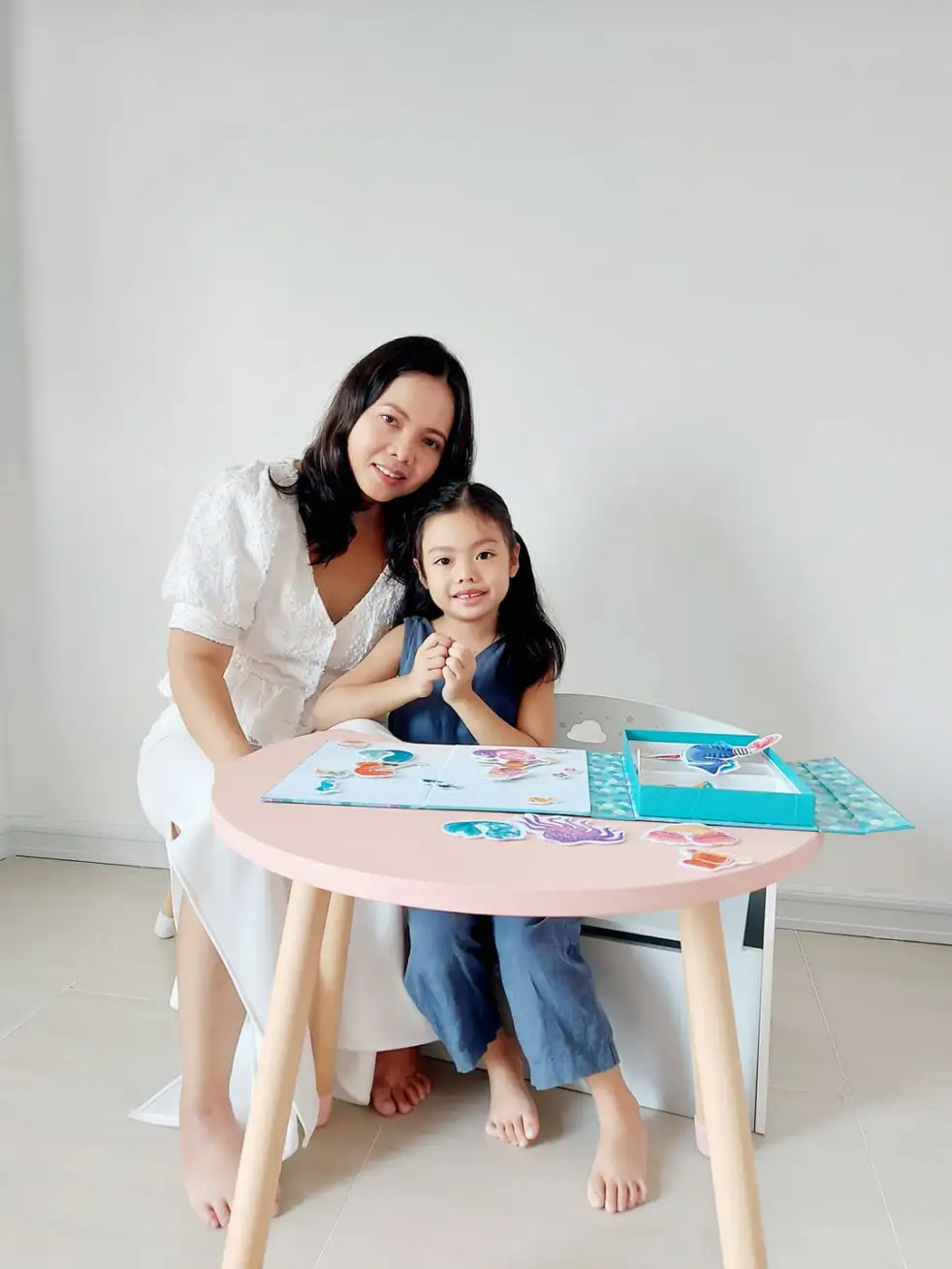
As parents, we want to give our child the best possible start in life and that begins with nurturing their intelligence. Throughout history, the notion of success has been linked to academic intelligence. However, there has been an increased awareness on the importance of emotional intelligence. This question gets at the heart of the never-ending… Continue reading IQ or EQ, which one is a better predictor of your child’s success?
 wondermomma.net