

Last August, IKEA Philippines engaged with Better World Smokey Mountain, a newly opened community center operated by the San Miguel Foundation, which shares a similar goal of improving the lives of many Filipino people. Through this partnership, IKEA Philippines provided and assembled home furnishings for the classrooms and library of Better World Smokey Mountain community… Continue reading Help Create a Better World with IKEA Soft Toys

NutriAsia, the country’s top producer of condiments and sauces, continues its support of Refill Revolution; a project by the Department of Environment and Natural Resources EMB 3 that aims to help reduce Filipinos’ single-use plastics consumption. At Refill Revolution, residents get to recycle their single-use plastic bottles by reusing and filling it with their choice… Continue reading NutriAsia and DENR renews partnership for Refill Revolution

Gentle strategies for dealing with a toddler who bites
A toddler who bites can leave parents feeling embarrassed, worried, and unsure of what to do next. Biting may happen at home, daycare, playgroup, or during a sibling disagreement. Although it can be upsetting, this behavior is common in the early years and usually reflects an unmet need rather than deliberate cruelty.
Young children are still learning how to manage strong emotions, communicate clearly, wait for a turn, and control impulses. A child may bite because they are frustrated, tired, overwhelmed, excited, teething, or unable to express “stop” in another way. The goal is to keep everyone safe while teaching a more appropriate response.
A calm, consistent approach works better than shame or harsh punishment. Families looking for practical guidance across childhood, routines, and family life can also explore WonderMomma’s parenting resources for age-appropriate support.
Why toddlers bite
Biting is often a form of communication. A toddler who has limited language may use their mouth when they cannot say, “That toy is mine,” “Move away,” or “I need help.” Some children bite during energetic play because they have not yet learned that playful excitement can still hurt another person.
Physical causes can contribute as well. Teething discomfort, hunger, illness, poor sleep, or sensory overload may lower a child’s ability to cope. Notice whether biting occurs at a predictable time, such as before lunch, after a busy outing, or when several children are competing for the same toy.
The setting matters too. A child who bites at daycare may be struggling with noise, transitions, crowded play, or separation from a parent. A simple record of what happened before and after each incident can reveal patterns and make prevention easier.
Respond immediately and calmly
Move close to the children and stop the biting without shouting. Use a brief, firm statement such as, “I won’t let you bite. Biting hurts.” Your voice should communicate safety and certainty, not panic or humiliation. Long explanations are difficult for a distressed toddler to process.
Attend to the child who was bitten first. Offer comfort, check the skin, and follow the childcare center’s first-aid procedure if needed. This models empathy without turning the moment into a dramatic performance that may accidentally reward the biter with intense attention.
Once everyone is safe, speak privately and briefly with the child who bit. Say, “You were angry when Maya took the truck. You can say, ‘My turn,’ or come to me for help.” Keep the focus on what to do next rather than repeatedly asking why the child did it.
Teach replacement skills
A toddler needs a practical alternative to biting. Practice short phrases when the child is calm: “Stop,” “Mine,” “Help please,” “My turn,” and “I’m mad.” Pair each phrase with a simple gesture, such as holding up a hand for stop. Children often need many rehearsals before they can use these skills during a conflict.
Role-play common situations with stuffed animals or dolls. Pretend one toy grabs another toy and guide your child through saying, “Please give it back,” moving away, or asking an adult for assistance. Keep the practice playful and short so it feels like learning rather than a lecture.
For children with developing speech, visual prompts can help. A small card showing a hand for “stop,” a helper for “ask for help,” and a calm face for “take a breath” may be easier to understand than spoken instructions alone. Praise specific behavior: “You used your words when you were upset,” or “You came to me instead of biting.”
Prevent predictable incidents
Prevention is especially valuable while a toddler is still learning self-control. Offer snacks, water, rest, and quiet breaks before the child becomes overtired or overwhelmed. During busy play, stay close enough to intervene early when grabbing, pushing, stiff body language, or loud protesting begins.
Prepare your child before transitions and shared activities. Say, “We are going to play with Leo. If you want the train, tap my arm and I will help you wait.” Use a timer, turn-taking language, or duplicate favorite toys when possible. These small supports reduce the need for a toddler to defend space or possessions physically.
Keep teething-friendly items available if chewing seems connected to mouth discomfort. A safe teether or crunchy food suitable for the child’s age may help, but never offer an object as a reward immediately after biting. The message should remain clear: biting stops the interaction, while safe chewing has its own appropriate place.
What to say after a biting incident
After the child has calmed down, help them understand the effect of their action without labeling them as bad. Try, “Your teeth hurt Sam’s arm. Sam is crying. We use gentle hands and gentle mouths.” This connects the behavior with its impact in language a young child can understand.
A forced apology is rarely meaningful for a toddler who is still developing empathy. Instead, guide a simple repair: bringing a cold pack, fetching a tissue, checking whether the other child is okay, or drawing a picture later. Repair should never become a way to prolong shame or force physical affection.
Avoid biting back, laughing, threatening, or demanding that the child explain themselves immediately. Statements such as “You are a biter” can become a damaging identity label. Correct the action while preserving the child’s sense that they can learn and make a different choice next time.
| Situation | Helpful response | Skill to practice |
|---|---|---|
| A child bites during a toy dispute | Separate the children and say, “I won’t let you bite” | Ask for a turn or request help |
| Biting happens during active play | Pause the game and lower the energy | Use a stop gesture |
| The child bites when tired or hungry | Offer rest, water, or a snack before conflict grows | Notice body signals |
| Teething appears to be a factor | Provide a safe, age-appropriate teether | Chew on an approved item |
| Biting continues at daycare | Share patterns and agree on the same response | Use consistent words across settings |
| The child bites themselves | Block gently and look for distress or sensory triggers | Seek comfort and calming support |
Work with caregivers and childcare providers
Consistency between adults helps a toddler understand boundaries. Tell grandparents, babysitters, and teachers the exact words you use, such as, “Biting hurts. I won’t let you bite.” Ask them to record what happened before the incident, how they responded, and what helped the child recover.
Avoid presenting the child as dangerous or asking caregivers to punish them. A neutral description is more useful: “Biting has happened during crowded free play, especially when another child takes a toy.” This encourages adults to focus on supervision, environmental changes, and communication skills.
If another child was bitten, communicate respectfully with that child’s family according to the setting’s policy. You can acknowledge the harm, explain that you are working on prevention, and protect the privacy of both children. Calm cooperation is more helpful than blame.
When extra support may help
Occasional biting usually decreases as language, emotional regulation, and impulse control develop. However, speak with a pediatrician or child development professional if biting is frequent, severe, causes broken skin, continues for many months without improvement, or happens alongside significant speech, social, sensory, or developmental concerns.
Seek medical advice promptly for a serious wound, signs of infection, or a bite involving the face, eye, or another vulnerable area. Human bites can require careful cleaning and professional assessment, particularly when the skin is broken.
A professional can help identify triggers and create a behavior support plan suited to your child. Early guidance is not a sign of failure; it gives families clearer tools and can prevent the pattern from becoming more established.
Practical habits that make a difference
- Use the same short boundary every time: “I won’t let you bite.”
- Comfort the injured child first, then support the toddler who bit.
- Watch for hunger, fatigue, teething, crowding, and toy conflicts.
- Teach phrases, gestures, and ways to ask for help during calm moments.
- Praise gentle touches, waiting, sharing, and using words immediately.
Biting is a behavior to guide, not a permanent description of your child. With steady limits, close supervision, emotional coaching, and appropriate support, toddlers can learn safer ways to communicate big feelings. Start with one replacement phrase today, share the plan with the adults who care for your child, and return to the same calm response each time.

Mercato Centrale, in collaboration with Indian Women in Enterprise Philippines (I-We), is set to host "The Great Indian Fiesta" to mark 75 years of friendship between India and the Philippines. The dynamic two-day event is scheduled to take place on September 30 to October 1, 2023, at Paseo De Roxas Street, Makati City. Aiming to… Continue reading Mercato Centrale Partners with I-We to Host ‘The Great Indian Fiesta’, Commemorating 75 Years of India-Philippines Friendship

My stomach would usually start growling at 10 am even after taking a big breakfast. This is probably because I am a morning person and I move a lot throughout the day hence snacking is something that I can't avoid. This potatoes and chicken wrap recipe is easy to prepare and would keep me full… Continue reading Potato and Chicken Wrap
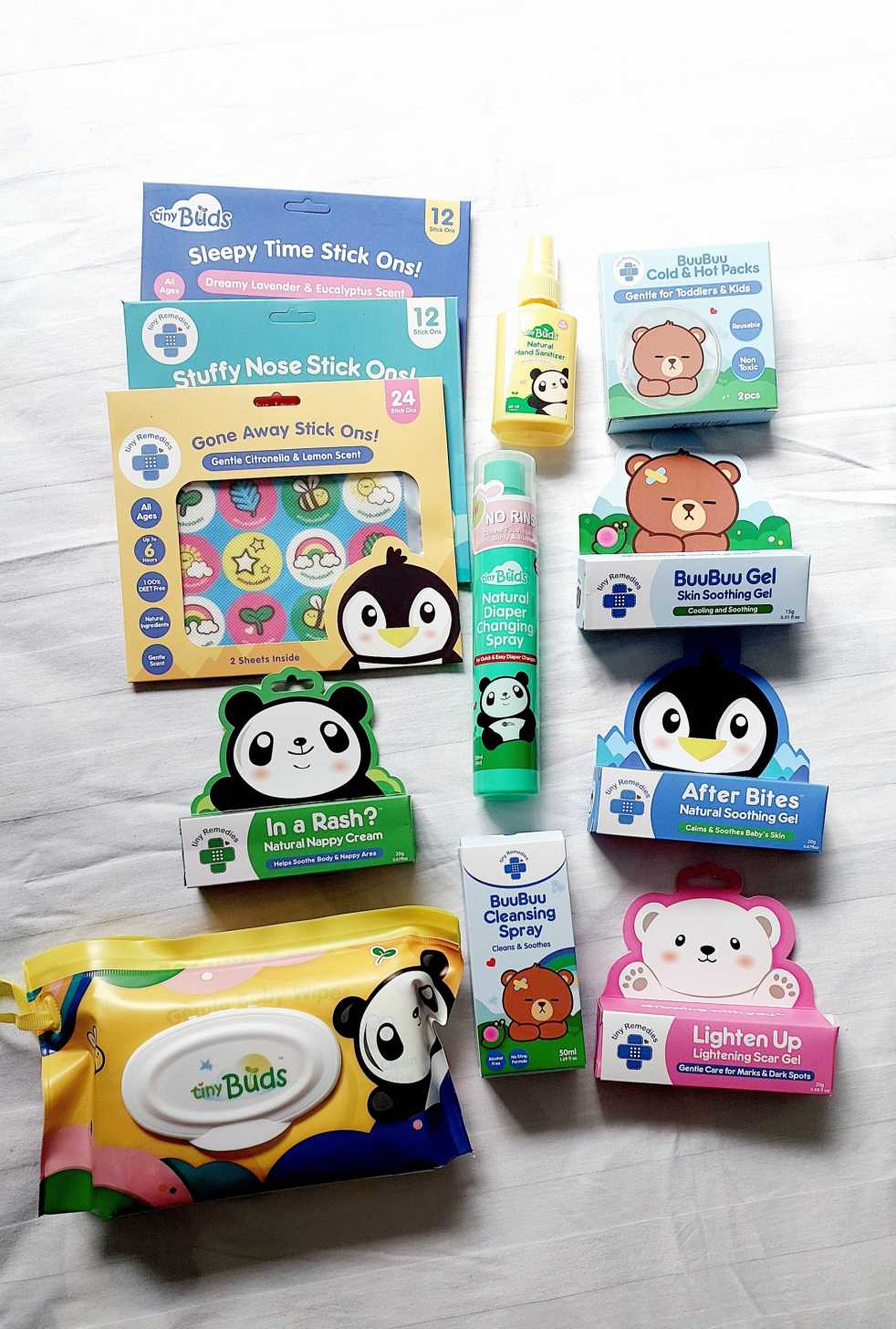
Your baby’s skin is more delicate than most, this is why you have to choose products that are designed for sensitive skin. Tiny Buds is a pioneer in integrating natural ingredients into baby care and today has over 50 innovative natural baby care essentials and is one of the Top Baby Personal Care brands. Here… Continue reading Product Review: Tiny Buds Baby Naturals Baby Essentials
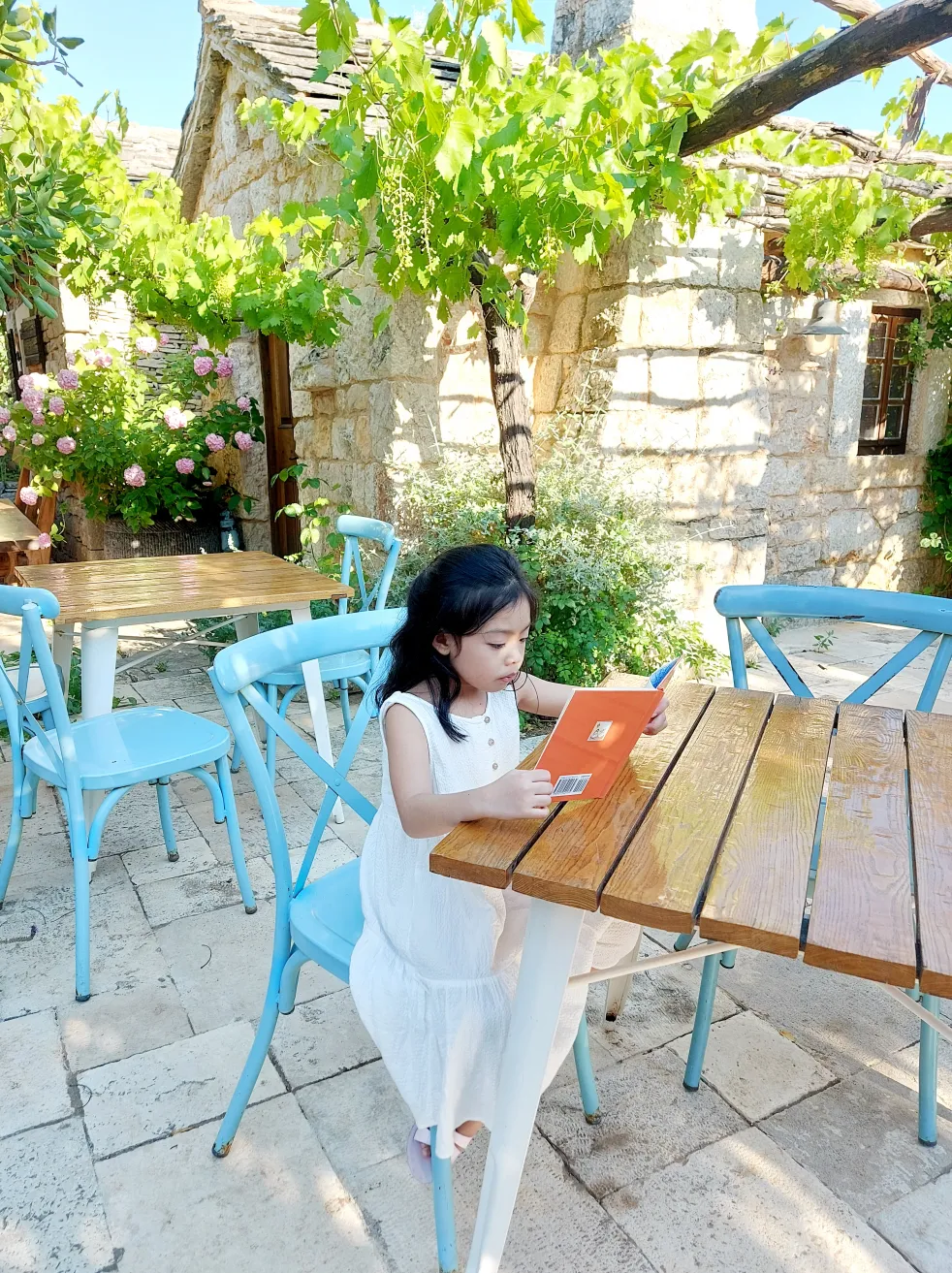
Where your child goes to school is a big decision and shouldn’t be taken lightly. Given how their education can impact their future, you might be tempted to take control and decide for them. However, you might be doing more damage than helping them in the long run. Your job as parents is to support… Continue reading HOW TO CHOOSE THE BEST SCHOOL FOR YOUR CHILD

As poet and philosopher Rumi once eloquently said, “raise your words, not your voice. It is rain that grows flowers, not thunder.” Parenting is a challenging journey, and the truth is that nobody has everything figured out. One parenting style might suit others best, and some might favor other methods. However, children respond better to… Continue reading A SIMPLE GUIDE TO GENTLE PARENTING

Whether you’re a new mom to be, mom of a toddler, mom who have school-aged kids, you’re bound to have so many questions. Let's start with your baby's skin. Infant skin has unique needs; gentle care is essential to prevent damage to the skin barrier, which can lead to irritation. When caring for infant skin,… Continue reading Keeping Baby’s Diapered Skin Healthy

As parents, we want to give our child the best possible start in life and that begins with nurturing their intelligence. Throughout history, the notion of success has been linked to academic intelligence. However, there has been an increased awareness on the importance of emotional intelligence. This question gets at the heart of the never-ending… Continue reading IQ or EQ, which one is a better predictor of your child’s success?
 wondermomma.net