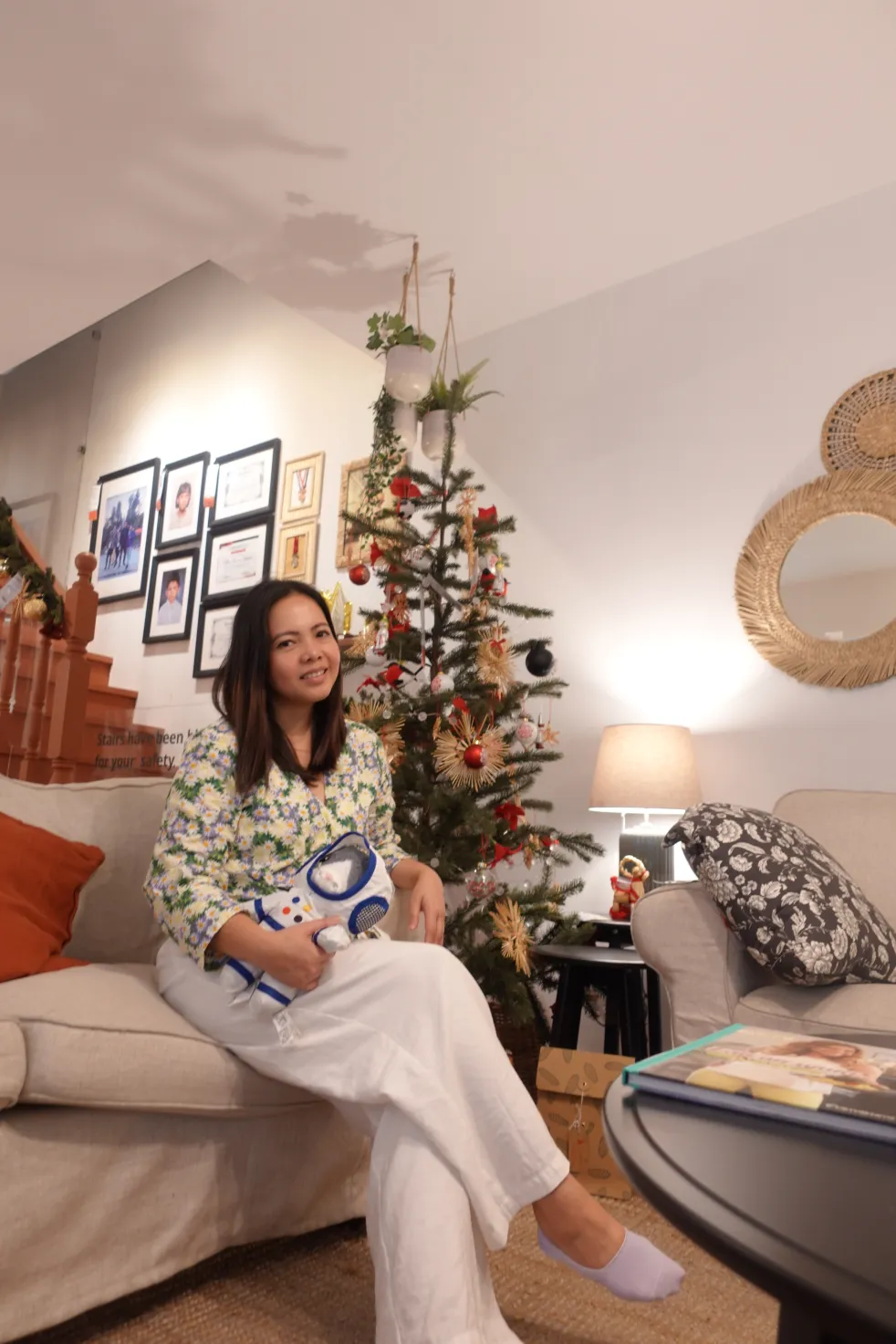
Last August, IKEA Philippines engaged with Better World Smokey Mountain, a newly opened community center operated by the San Miguel Foundation, which shares a similar goal of improving the lives of many Filipino people. Through this partnership, IKEA Philippines provided and assembled home furnishings for the classrooms and library of Better World Smokey Mountain community… Continue reading Help Create a Better World with IKEA Soft Toys
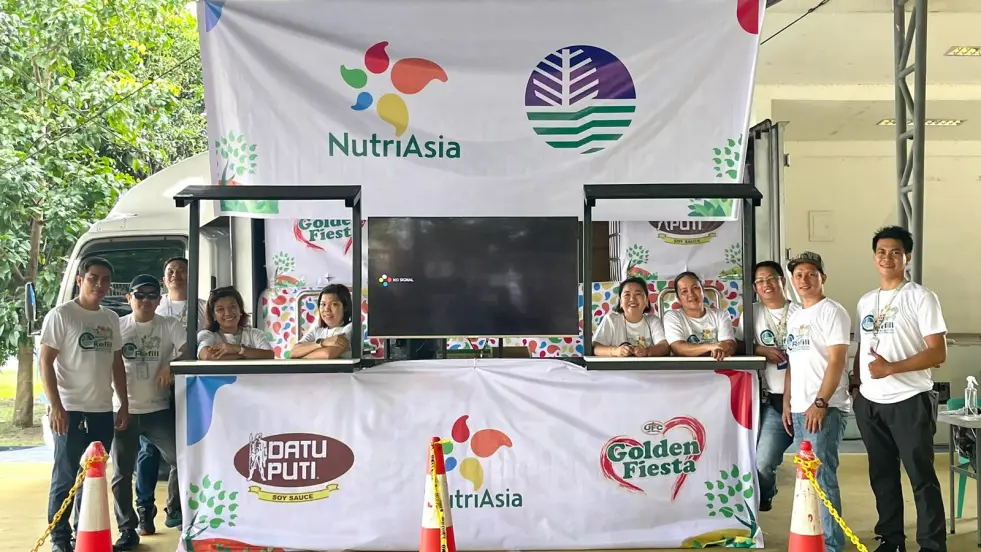
NutriAsia, the country’s top producer of condiments and sauces, continues its support of Refill Revolution; a project by the Department of Environment and Natural Resources EMB 3 that aims to help reduce Filipinos’ single-use plastics consumption. At Refill Revolution, residents get to recycle their single-use plastic bottles by reusing and filling it with their choice… Continue reading NutriAsia and DENR renews partnership for Refill Revolution
Baby and Toddler Swaps Worth Crossing the Equator For
Parenting in Australia comes with a hefty price tag, and any parent who has walked through a baby store in Sydney or Melbourne knows how quickly the costs of nappies, clothing, and gear pile up. Across the country, hand-me-downs and preloved items have become a quiet cornerstone of household budgets. Communities in suburbs from Parramatta to Footscray have long relied on informal swaps, but the organised swap culture in the Philippines offers a different kind of experience altogether.
The Philippine version of a baby swap is not a garage sale or a car-boot affair. It is closer to a community fiesta, blending commerce with friendship, and often running alongside feeding programs for mothers and free dental check-ups for children. For Australian readers with Filipino family ties, or for parents planning a holiday with a practical purpose, these gatherings offer a window into a culture where looking after one another's children is considered a shared responsibility rather than a private burden.
Swaps in the Philippines also tend to be remarkably well-organised. Hosted by paediatric clinics, mum-and-baby cafés, or local government units, they operate on a barter basis where one bag of outgrown rompers can be exchanged for a stack of board books or a barely-used high chair. The variety on offer often surprises first-time visitors, and the social atmosphere makes them feel more like a family morning out than a transactional event.
This guide looks at where Australian parents can find the best baby and toddler swaps when visiting the Philippines, how online platforms complement the physical meetups, and what to keep in mind before packing a suitcase full of clothes to trade.
Understanding the Swap Scene in the Philippines
Baby and toddler swaps in the Philippines operate under a few different models, and knowing the difference helps set expectations. The most common type is the clothing exchange, where parents bring along a bag of outgrown garments and leave with whatever fits their child's current size. These events are usually free to attend, though some venues ask for a small donation to cover snacks and venue hire. A second model focuses on gear, including strollers, bouncers, and breastfeeding pillows, with larger items often requiring a token system rather than a direct one-for-one swap.
There are also dedicated toy and book exchanges that run alongside children's storytelling sessions, giving toddlers a chance to play while parents chat. These events often partner with local paediatricians who offer free weight checks or vaccination advice, adding a layer of practical support that goes well beyond the swap itself. The atmosphere is distinctly communal, reflecting the Filipino value of bayanihan, or communal unity, where helping a neighbour is seen as a natural extension of family life.
For Australian parents accustomed to the polished retail environment of chains like Baby Bunting or the curated offerings of online marketplaces, the Philippine swap scene may feel delightfully chaotic. Bins of clothes are tipped onto tables for sorting, children crawl across play mats, and parents negotiate trades over cups of salabat, a warming ginger tea. It is this very informality that makes the events welcoming to newcomers, including Australian visitors who may be meeting their Filipino relatives' friends for the first time.
Metro Manila Meetups and Market Days
The capital region holds the densest concentration of swap events, with Quezon City, Makati, and Bonifacio Global City hosting regular gatherings almost every weekend. Community centres in Quezon City often run monthly swaps in partnership with barangay health centres, while private paediatric clinics in Makati organise smaller, invitation-only exchanges for their patients. BGC, with its high concentration of young professional families, hosts larger weekend markets that include a dedicated swap corner alongside food stalls and children's activities.
| Venue | Typical Frequency | Best For | Entry Notes |
|---|---|---|---|
| Barangay Hall, Quezon City | Monthly | Clothing and books | Free with barangay ID |
| BGC Weekend Market | Every Saturday | Mixed gear and toys | Small entry fee |
| Makati Paediatric Hub | Bi-monthly | Newborn gear | By invitation |
| Pasig Community Centre | Quarterly | Bulk clothing | Donation-based |
The BGC Weekend Market is particularly popular among Australian visitors because of its central location and English-speaking organisers. Parents flying in from Sydney or Melbourne can easily reach it from major hotels, and the event's structured layout makes it manageable for those juggling luggage and little ones. Visitors should arrive early, as the most desirable items, such as barely-used baby carriers and wooden toys, tend to disappear within the first hour.
Pasig and Mandaluyong host slightly less polished but equally rewarding events, often run in covered basketball courts where parents spread blankets and trade directly. These grassroots gatherings are where Australian parents are most likely to experience the warmth of Filipino hospitality firsthand, with strangers offering to mind toddlers while parents browse. Cash donations for the host community are appreciated, though never mandatory.
Island Gatherings Outside the Capital
Beyond Metro Manila, regional centres like Cebu, Davao, and Iloilo have developed their own swap traditions, often tied to local festivals or weekend markets. Cebu's Ayala Centre Cebu hosts a monthly parenting bazaar that includes a swap section, drawing families from across the Visayas. The event is popular among expats and balikbayans, the term for Filipinos returning from overseas, which means Australian-Filipino families often feel right at home.
Davao's swap scene is smaller but fiercely loyal, with groups of mothers organising private exchanges through messaging apps and meeting at coffee shops or church halls. These intimate gatherings typically involve ten to fifteen families and focus on higher-end items, including imported formula containers and organic cotton clothing. The Davao swap community is known for its strict quality standards, with torn or stained items generally refused, a reflection of the city's growing middle-class consumer base.
Beach communities in places like Boracay and Palawan have also embraced the trend, often pairing swaps with environmental education sessions. Parents who holiday in these areas can join resort-based exchanges where children learn about reef conservation while parents trade sand toys and rash vests. For Australian families used to the eco-conscious parenting workshops held at places like the Australian Museum in Sydney, these events offer a familiar blend of education and community.
Digital Platforms Connecting Aussie Parents
Not every Australian parent has the time or budget to fly to Manila for a swap, and thankfully the digital world has stepped in to bridge the gap. Facebook groups dedicated to Filipino-Australian parenting have proliferated in cities like Melbourne, which is home to one of the largest Filipino communities in Australia, and these groups frequently organise virtual swap meets where members post photos of items to trade. The Melbourne Filipino Mums group, for instance, runs quarterly online exchanges that handle everything from shipping costs to pick-up points in suburbs like Dandenong and Cranbourne.
Within the Philippines itself, the Carousell app has become the de facto marketplace for preloved baby gear, functioning much like Gumtree does in Australia. Parents list items with detailed photos and chat directly with buyers through the app, with many Manila-based sellers offering meet-up points in malls like SM Megamall or Greenhills. Australian parents with relatives in the Philippines can coordinate purchases remotely, with items shipped or hand-carried during family visits.
Instagram and TikTok have also emerged as swap channels, particularly for higher-value items like breast pumps and convertible car seats. Sellers post reels showing the item in use, and interested buyers comment to negotiate. While Australian Consumer Law guarantees provide strong protections for goods purchased locally, items bought across borders come with fewer safeguards, so thorough communication and detailed photos are essential before committing to a trade.
Practical Tips for Joining a Swap Abroad
Attending a swap in the Philippines requires a bit more preparation than popping down to a local RSL market in Brisbane. Australian visitors need a valid passport with at least six months' validity, and many parents find it helpful to carry a notarised letter from the child's other parent if travelling solo with their child. Pack light on the way over, as the goal is to return with a suitcase of new-to-you items rather than the other way around.
Cash is king at most physical swaps, with smaller denominations preferred. While many Filipino venues accept GCash, a popular mobile wallet, international visitors will need to convert Australian dollars to pesos at the airport or through a licensed money changer. Rates vary, so checking the mid-market rate before exchanging helps avoid losing out on fees. When negotiating trades, remember that the goal is mutual benefit rather than a hard bargain, a cultural expectation that differs from the more transactional approach common in Australian weekend markets.
Toddlers attending swaps for the first time benefit from familiar comfort items, and if your child is moving from bottles to open cups, a gentle sippy cup guide can make the transition smoother before travel. Bringing along a small folding stool also helps little ones sit comfortably during longer events, while parents should pack snacks, a change of clothes, and hand sanitiser, as facilities at community venues can be basic.
Embrace the social side of the experience. Swaps in the Philippines are as much about connection as they are about clothing, and the friendships formed over a shared basket of onesies often last long after the event ends. For Australian parents, these gatherings offer a rare chance to participate in a parenting tradition that values generosity, community, and joy in equal measure.
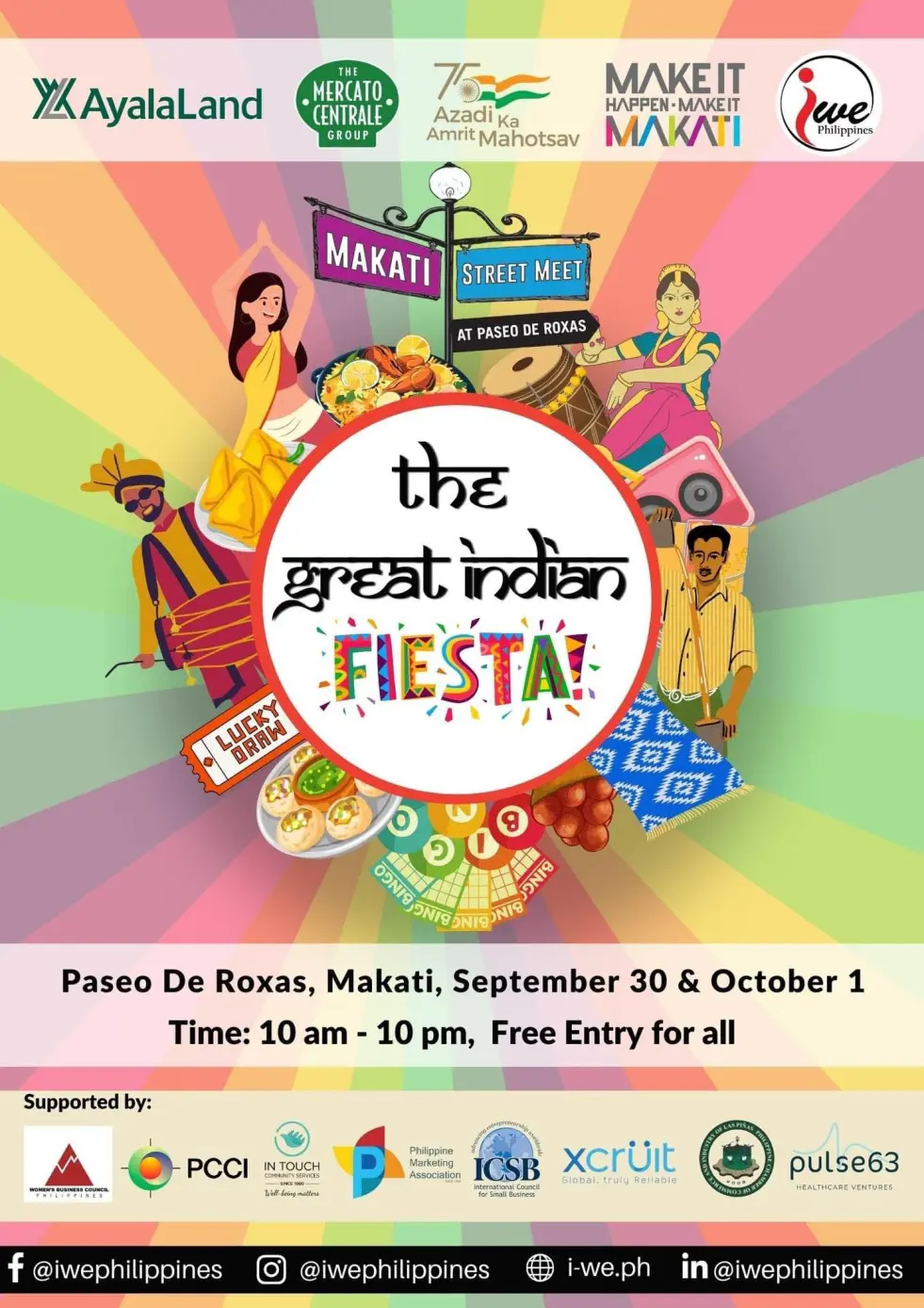
Mercato Centrale, in collaboration with Indian Women in Enterprise Philippines (I-We), is set to host "The Great Indian Fiesta" to mark 75 years of friendship between India and the Philippines. The dynamic two-day event is scheduled to take place on September 30 to October 1, 2023, at Paseo De Roxas Street, Makati City. Aiming to… Continue reading Mercato Centrale Partners with I-We to Host ‘The Great Indian Fiesta’, Commemorating 75 Years of India-Philippines Friendship

My stomach would usually start growling at 10 am even after taking a big breakfast. This is probably because I am a morning person and I move a lot throughout the day hence snacking is something that I can't avoid. This potatoes and chicken wrap recipe is easy to prepare and would keep me full… Continue reading Potato and Chicken Wrap
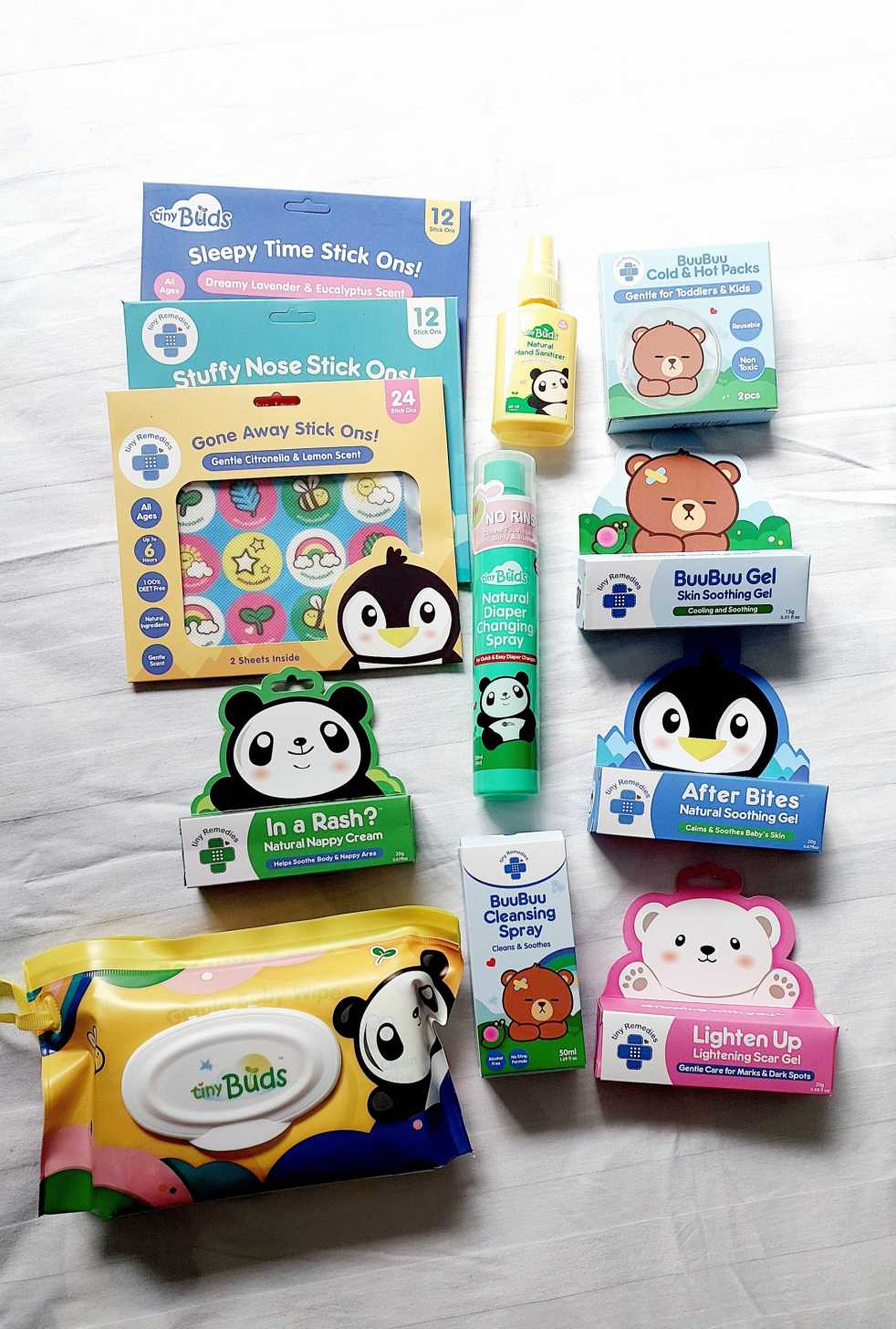
Your baby’s skin is more delicate than most, this is why you have to choose products that are designed for sensitive skin. Tiny Buds is a pioneer in integrating natural ingredients into baby care and today has over 50 innovative natural baby care essentials and is one of the Top Baby Personal Care brands. Here… Continue reading Product Review: Tiny Buds Baby Naturals Baby Essentials
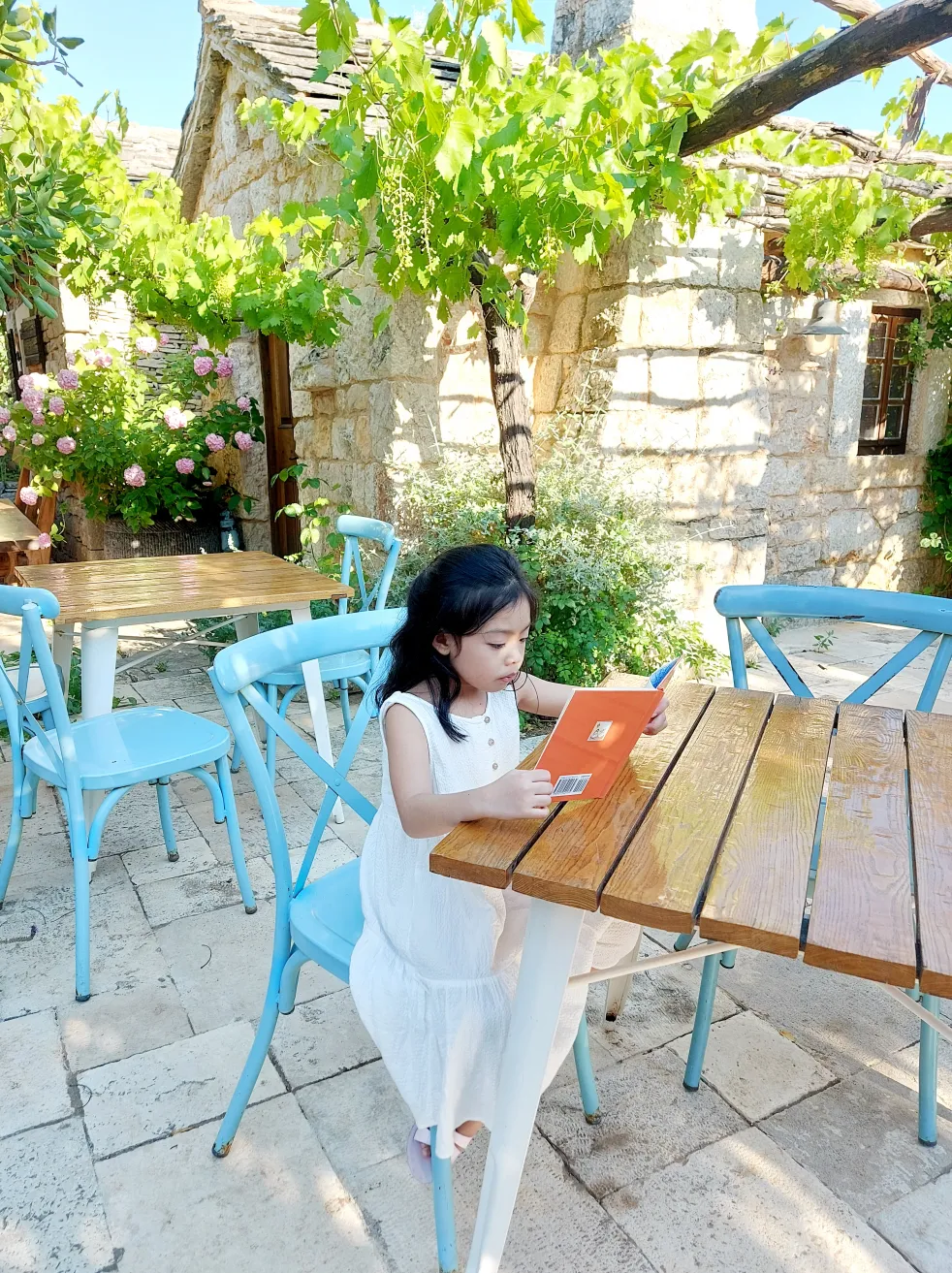
Where your child goes to school is a big decision and shouldn’t be taken lightly. Given how their education can impact their future, you might be tempted to take control and decide for them. However, you might be doing more damage than helping them in the long run. Your job as parents is to support… Continue reading HOW TO CHOOSE THE BEST SCHOOL FOR YOUR CHILD
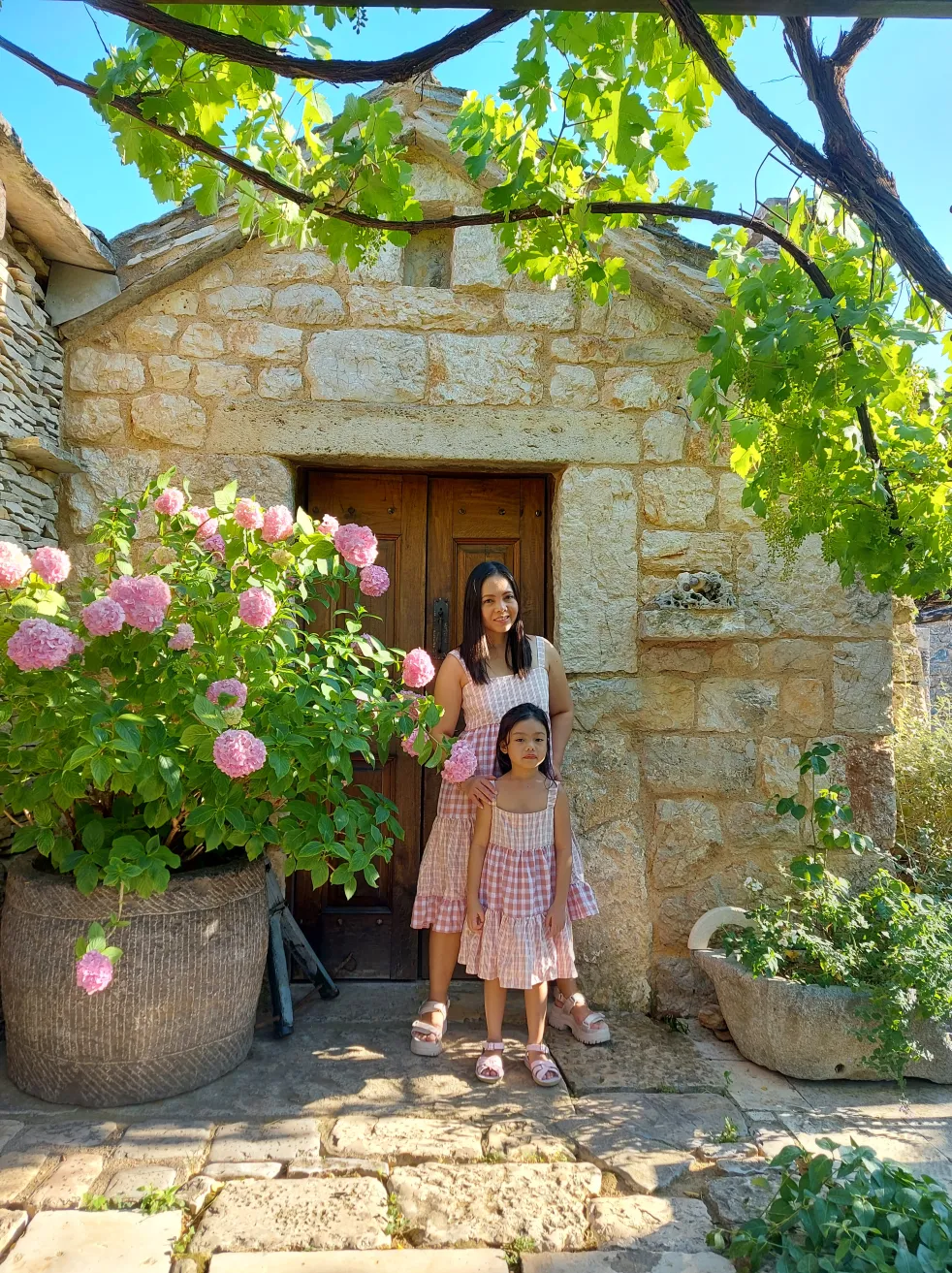
As poet and philosopher Rumi once eloquently said, “raise your words, not your voice. It is rain that grows flowers, not thunder.” Parenting is a challenging journey, and the truth is that nobody has everything figured out. One parenting style might suit others best, and some might favor other methods. However, children respond better to… Continue reading A SIMPLE GUIDE TO GENTLE PARENTING
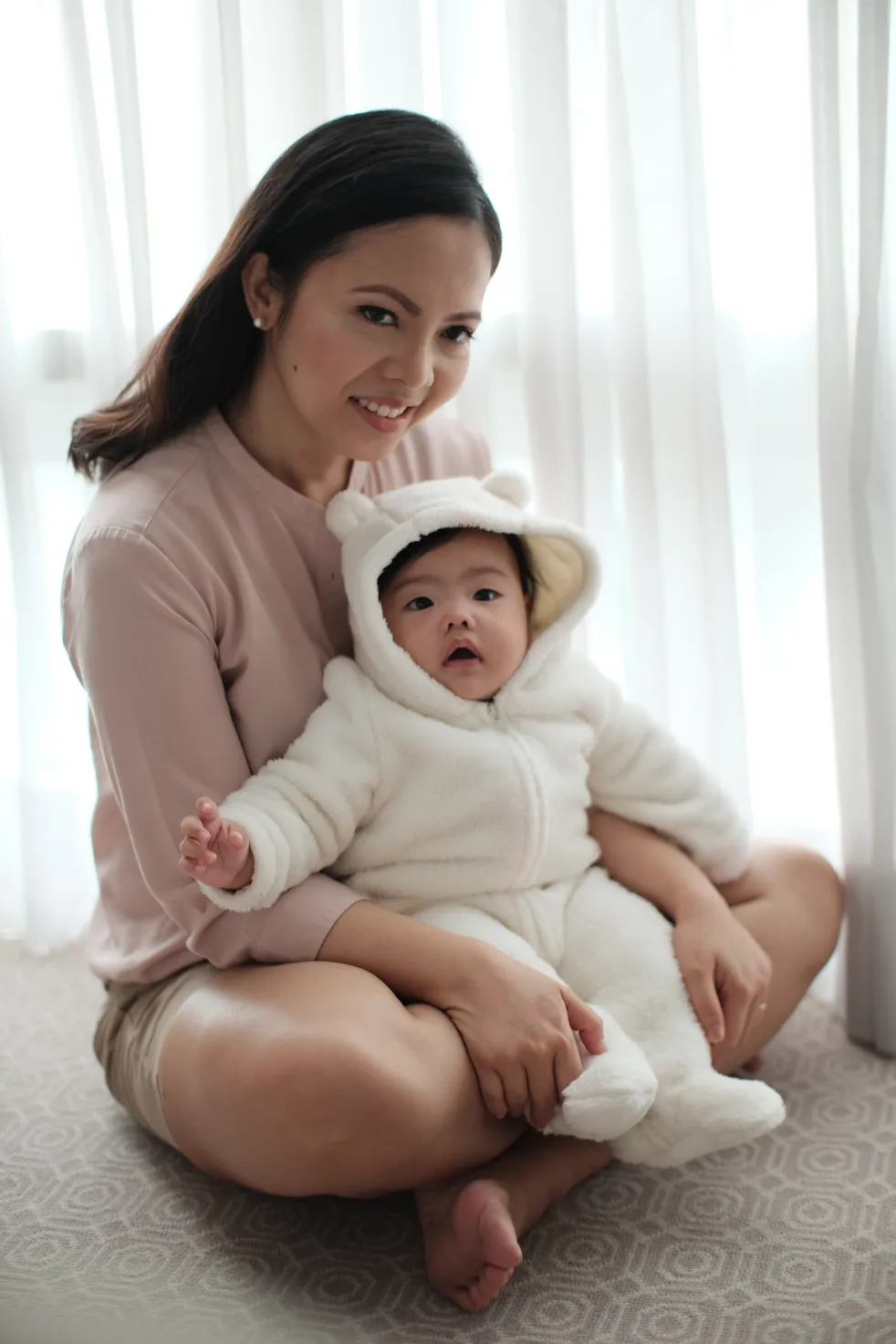
Whether you’re a new mom to be, mom of a toddler, mom who have school-aged kids, you’re bound to have so many questions. Let's start with your baby's skin. Infant skin has unique needs; gentle care is essential to prevent damage to the skin barrier, which can lead to irritation. When caring for infant skin,… Continue reading Keeping Baby’s Diapered Skin Healthy
As parents, we want to give our child the best possible start in life and that begins with nurturing their intelligence. Throughout history, the notion of success has been linked to academic intelligence. However, there has been an increased awareness on the importance of emotional intelligence. This question gets at the heart of the never-ending… Continue reading IQ or EQ, which one is a better predictor of your child’s success?
 wondermomma.net