

Last August, IKEA Philippines engaged with Better World Smokey Mountain, a newly opened community center operated by the San Miguel Foundation, which shares a similar goal of improving the lives of many Filipino people. Through this partnership, IKEA Philippines provided and assembled home furnishings for the classrooms and library of Better World Smokey Mountain community… Continue reading Help Create a Better World with IKEA Soft Toys

NutriAsia, the country’s top producer of condiments and sauces, continues its support of Refill Revolution; a project by the Department of Environment and Natural Resources EMB 3 that aims to help reduce Filipinos’ single-use plastics consumption. At Refill Revolution, residents get to recycle their single-use plastic bottles by reusing and filling it with their choice… Continue reading NutriAsia and DENR renews partnership for Refill Revolution

Teaching Your Child to Use a Sippy Cup With Confidence
Moving from breast or bottle feeding to a cup is a gradual developmental step. A sippy cup can help your child practise drinking independently while reducing reliance on bottles, but the transition does not need to happen overnight.
Some babies take to a training cup immediately, while others prefer to explore it first. Spills, chewing on the spout, and pushing the cup away are all normal parts of learning. A calm routine and the right cup can make the experience easier for both parent and child.
Most babies are ready to begin practising around six months, when they can sit upright with support, hold objects, and bring items to their mouth. Readiness matters more than a strict age, so observe your child’s motor skills and feeding cues before starting.
Recognising signs of readiness
A baby may be ready for cup practice when they can sit upright steadily and control their head and neck. They may also show interest in what adults are drinking, reach for a cup, or open their mouth when offered a small amount of water.
Hand coordination is another useful sign. Your child does not need to hold the cup perfectly, but being able to grasp toys, transfer objects between hands, and guide items toward the mouth can make learning easier.
Start with small expectations. At first, your baby may simply touch, shake, lick, or chew the cup. These actions help them understand how it works. The goal in the early stages is familiarity, rather than drinking a full serving.
Choosing a suitable training cup
There is no single best first cup for every child. Some babies manage a soft-spout sippy cup, while others learn more naturally with a straw cup or a small open cup. A lightweight design with easy-to-grip handles is usually more comfortable for little hands.
Look for a cup made from food-grade, BPA-free materials. The parts should be simple to take apart and clean, especially if the cup has a valve or several small components. Hidden milk residue can encourage bacterial growth and unpleasant odours.
A leak-resistant cup is useful when travelling or protecting furniture, but completely spill-proof designs can sometimes require strong sucking. If your child struggles, try a cup with a gentler flow or a simple open cup during supervised practice.
Starting with small, relaxed practice
Offer the cup when your child is calm and alert, rather than very hungry, tired, or upset. A small amount of water is usually enough for practice once complementary foods have begun. Breast milk or formula should remain the primary source of nutrition during the first year unless your healthcare professional advises otherwise.
Sit your child upright and support the cup near their mouth. Let them take the lead instead of placing the spout deeply into their mouth. You can demonstrate by taking a sip from your own cup, since babies often learn by copying familiar adults.
If your baby bites the spout or turns away, pause and try again later. Avoid forcing the cup or repeatedly placing it in their mouth. A few minutes once or twice a day is sufficient at the beginning.
Comparing cup options for early learners
Different cup styles support different skills. The best choice depends on your child’s coordination, temperament, and willingness to experiment. You may use one cup at home and another for outings, as long as each is cleaned properly.
| Cup type | Helpful features | Possible challenges | Best use |
|---|---|---|---|
| Soft-spout sippy cup | Familiar texture and gentle on gums | May encourage prolonged sucking | Early transition from a bottle |
| Hard-spout sippy cup | Durable and often easy to carry | Less comfortable for some babies | Short-term practice and travel |
| Straw cup | Builds sipping skills and can reduce tipping | Requires learning how to draw liquid through a straw | Babies who dislike spouts |
| Open cup | Supports mature drinking and oral-motor skills | Spills are common | Supervised practice at mealtimes |
| 360-degree training cup | Looks and feels closer to an open cup | Some children find the rim difficult to activate | Gradual move away from spouts |
A cup should support progress rather than become a permanent replacement for every drink. Many dental and feeding professionals encourage moving toward an open cup or straw cup as your child develops, particularly once they can manage controlled sips.
Teaching the drinking motion
Place only a small amount of liquid in the cup so your child can practise without becoming overwhelmed. For an open cup, hold the rim against the lower lip and tilt it slowly. Allow the liquid to reach the mouth without pouring it quickly.
With a sippy cup, guide the handles gently toward your child’s hands. Some babies need help learning that they must tilt the cup, while others quickly discover the movement. Avoid shaking the cup to make the liquid splash, as this can distract from the drinking action.
For a straw cup, you can introduce the straw by letting your child taste a drop of water from the tip. Keep the experience playful and brief. Once they understand that sucking brings liquid up, they can practise taking short sips.
Praise effort instead of quantity. Words such as “You held your cup” or “You took a sip” encourage confidence without creating pressure to finish a drink.
Managing spills, refusal, and setbacks
Spills are part of cup training. Begin over an easy-to-clean floor, use a bib, and place a washable mat under the high chair if needed. Avoid reacting strongly when water dribbles down your child’s chin, because a worried response may make the cup seem unpleasant.
Refusal can happen when a child is teething, unwell, distracted, or simply attached to their usual bottle. Keep offering the cup at predictable times, such as with breakfast or lunch, while continuing familiar milk feeds as appropriate.
Some children accept a cup from another caregiver before accepting it from a parent. This can happen because the child associates a parent with breastfeeding or bottle feeding. A relaxed handover may help, but there is no need to create a struggle.
If your child coughs repeatedly, gags often, appears distressed, or has difficulty managing liquids, stop the practice and seek advice from a paediatrician, speech-language pathologist, or feeding specialist. Persistent feeding difficulties deserve individual assessment.
Protecting teeth and keeping drinks safe
Water is the simplest practice drink. When offering expressed breast milk, formula, or cow’s milk after the appropriate age, use the cup during a meal or snack rather than allowing your child to carry it around for long periods.
Avoid filling a sippy cup with juice, sweetened drinks, chocolate beverages, or other sugary liquids. Frequent exposure to sugar can contribute to tooth decay. In the Philippines, sweet drinks are widely available, but young children benefit most from water and age-appropriate milk.
Never put a child to bed with a cup containing milk or a sweet drink. Teeth can remain coated while saliva flow decreases during sleep. Wipe emerging teeth with a soft toothbrush and use fluoride toothpaste according to guidance from your child’s dentist or healthcare provider.
Clean the cup after every use. Disassemble valves, lids, and straws, wash them with warm soapy water, and let all parts dry fully. Follow the manufacturer’s instructions for sterilising baby cups when relevant, and replace damaged or cloudy components.
Simple habits that make the transition easier
Consistent routines can turn cup learning into an ordinary part of family life. Keep practice short, offer a suitable cup with meals, and let your child watch other family members drink from their own cups.
- Begin with a few sips of water during seated meals.
- Choose a lightweight cup with handles that your child can grip.
- Give your child time to touch and explore the cup before expecting a sip.
- Use positive, calm language and avoid pressure or punishment.
- Gradually introduce a straw or open cup as coordination improves.
There is no need to compare your child with siblings, friends, or social media milestones. Some children transition in a few days, while others need several weeks of patient repetition. Progress may also move backwards temporarily during travel, illness, teething, or changes in routine.
Building independent drinking skills
As your child becomes more comfortable, place the cup within reach and allow them to pick it up during meals. Continue supervising closely, especially with open cups and straws. Sitting upright helps reduce the risk of choking and supports safe swallowing.
Around the second year, many toddlers can begin using a small open cup more consistently. They may still need help with filling, carrying, and cleaning it. A little mess is a normal part of developing hand control and independence.
Keep milk and water available at appropriate times, while limiting constant sipping throughout the day. Regular meals and snacks create natural opportunities to drink and support healthy appetite patterns.
Celebrate each small step: holding the cup, taking a sip, or placing it back on the table. With steady practice and a supportive routine, your child can move from bottle or breast to confident cup drinking at a comfortable pace. Begin with one calm mealtime today, offer a safe cup and a few sips of water, and let your child’s readiness guide the next step.

Mercato Centrale, in collaboration with Indian Women in Enterprise Philippines (I-We), is set to host "The Great Indian Fiesta" to mark 75 years of friendship between India and the Philippines. The dynamic two-day event is scheduled to take place on September 30 to October 1, 2023, at Paseo De Roxas Street, Makati City. Aiming to… Continue reading Mercato Centrale Partners with I-We to Host ‘The Great Indian Fiesta’, Commemorating 75 Years of India-Philippines Friendship

My stomach would usually start growling at 10 am even after taking a big breakfast. This is probably because I am a morning person and I move a lot throughout the day hence snacking is something that I can't avoid. This potatoes and chicken wrap recipe is easy to prepare and would keep me full… Continue reading Potato and Chicken Wrap
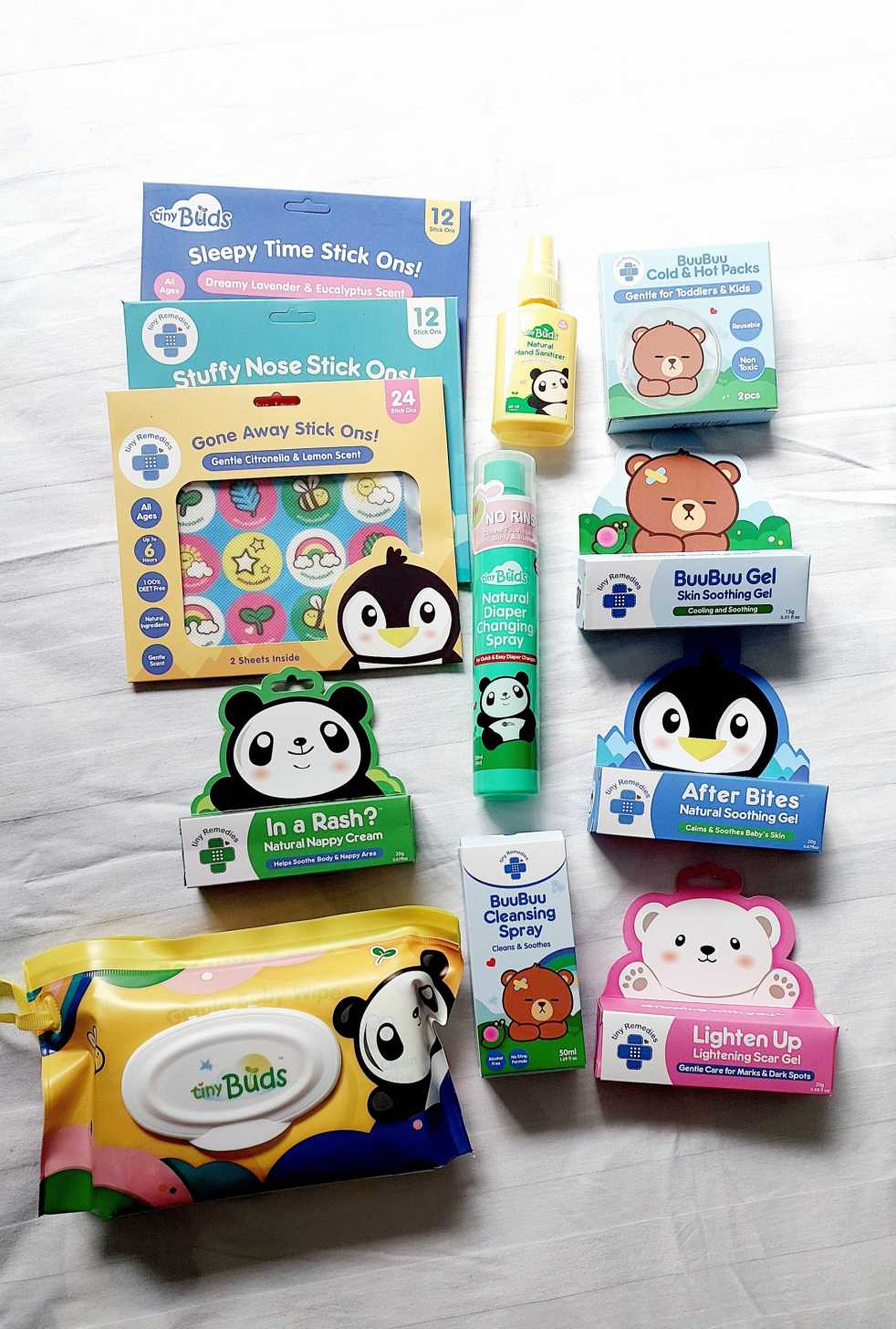
Your baby’s skin is more delicate than most, this is why you have to choose products that are designed for sensitive skin. Tiny Buds is a pioneer in integrating natural ingredients into baby care and today has over 50 innovative natural baby care essentials and is one of the Top Baby Personal Care brands. Here… Continue reading Product Review: Tiny Buds Baby Naturals Baby Essentials
Where your child goes to school is a big decision and shouldn’t be taken lightly. Given how their education can impact their future, you might be tempted to take control and decide for them. However, you might be doing more damage than helping them in the long run. Your job as parents is to support… Continue reading HOW TO CHOOSE THE BEST SCHOOL FOR YOUR CHILD
As poet and philosopher Rumi once eloquently said, “raise your words, not your voice. It is rain that grows flowers, not thunder.” Parenting is a challenging journey, and the truth is that nobody has everything figured out. One parenting style might suit others best, and some might favor other methods. However, children respond better to… Continue reading A SIMPLE GUIDE TO GENTLE PARENTING

Whether you’re a new mom to be, mom of a toddler, mom who have school-aged kids, you’re bound to have so many questions. Let's start with your baby's skin. Infant skin has unique needs; gentle care is essential to prevent damage to the skin barrier, which can lead to irritation. When caring for infant skin,… Continue reading Keeping Baby’s Diapered Skin Healthy
As parents, we want to give our child the best possible start in life and that begins with nurturing their intelligence. Throughout history, the notion of success has been linked to academic intelligence. However, there has been an increased awareness on the importance of emotional intelligence. This question gets at the heart of the never-ending… Continue reading IQ or EQ, which one is a better predictor of your child’s success?
 wondermomma.net