

Last August, IKEA Philippines engaged with Better World Smokey Mountain, a newly opened community center operated by the San Miguel Foundation, which shares a similar goal of improving the lives of many Filipino people. Through this partnership, IKEA Philippines provided and assembled home furnishings for the classrooms and library of Better World Smokey Mountain community… Continue reading Help Create a Better World with IKEA Soft Toys
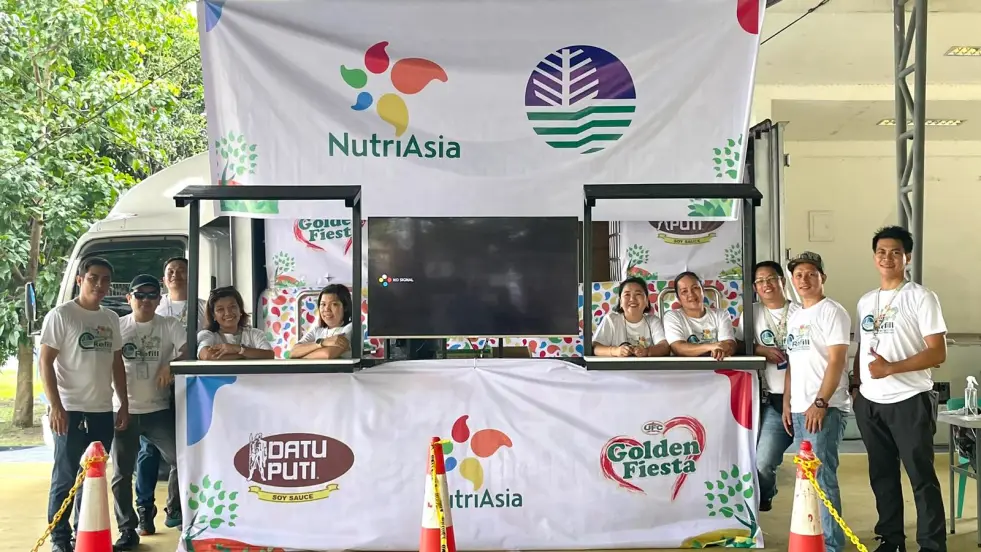
NutriAsia, the country’s top producer of condiments and sauces, continues its support of Refill Revolution; a project by the Department of Environment and Natural Resources EMB 3 that aims to help reduce Filipinos’ single-use plastics consumption. At Refill Revolution, residents get to recycle their single-use plastic bottles by reusing and filling it with their choice… Continue reading NutriAsia and DENR renews partnership for Refill Revolution

Teaching your child to use a spoon and fork
There is a moment every parent recognises: a toddler at the highchair tray, gripping a spoon like a cricket bat, beating their porridge into submission while half the breakfast ends up on the tray, the bib and the dog. It is funny, slightly exasperating, and a sign of genuine development. Holding a spoon and a fork is one of those quiet motor milestones that unlocks independence at the table, and in most households it arrives in stages rather than all at once.
The encouraging part is that you do not need a special curriculum, a trainer tool or a designated week to begin. What helps is a sensible order of skills, cutlery that fits small hands, dinner that resembles the rest of the family's food, and a relaxed attitude towards the inevitable mess. Here is how we approached it with our own two, and what Australian families can borrow from the routine.
When your child is ready for cutlery
Most children show readiness somewhere between twelve and eighteen months. The signs are easy to spot: your toddler brings small pieces of food to their mouth with their fingers, sits upright in the highchair without support, picks up a cup and puts it down again, and shows enough hand-eye coordination to guide a chunky object towards their own face. Australian early learning centres generally work from milestone charts published by the Australian Council for Educational Research, which place independent spoon feeding in the two to three year band and fork use a little further along.
The other sign of readiness is not physical but social. Around the same age, many little ones start reaching for the adults' utensils, or watching closely when you feed the baby sibling. That curiosity is worth acting on. At the same time, do not let the milestone slide. Plenty of children are still spoon-feeding at three simply because cutlery was introduced late and everyone assumed they were "too young" to bother.
The practical shift is small: stop doing everything for them. Hand over a spoon, accept that the result will be uneven, and sit back while they work. You can still help with the hardest mouthful, but let their own hands do the rest.
Why the spoon comes before the fork
The spoon carries most of the load in the early months, because it matches the foods toddlers actually eat. Rice porridge, yoghurt, mashed pumpkin, custard and apple sauce all sit naturally in a spoon. A short handle and a shallow bowl give a beginner a fighting chance; long-handled toddler spoons that sit further down the tray are frustrating to steer and often get used as a hammer instead.
The fork arrives later because stabbing is a more demanding fine motor skill, and a pointy end aimed at a small face is a genuine hazard. From around two or three years, offer a fork for soft solids, and teach the pairing that many families use across Asia and Europe: fork to hold the food in place, spoon to scoop it up. Once that combination clicks, children can manage a mixed plate of rice, stew and vegetables without any special technique.
Fingers remain part of the plan. There is no prize for using cutlery when a piece of banana can be picked up directly, and the pincer grip developed through finger feeding is the foundation the spoon and fork work later on. Skills stack, so let them enjoy the messy part.
Picking gear that fits small hands
Look for short handles a toddler can actually close a fist around, rounded edges, and a shape that matches the food. Silicone and stainless steel wash easily and survive being dropped on a tiled floor; plastic is lighter and kinder to a table, provided it is free of bisphenol A. A plate with a raised rim, or a suction base that grips the tray, buys you time during the learning stage. You will find starter sets in the baby aisle at Coles and Woolworths, at Kmart, or online through Baby Bunting and similar stores, and for families buying for relatives overseas, the CeeHergo online store carries child-friendly feeding and cutlery options.
Buy a second set. Things vanish into sofa cushions and pram pockets with alarming speed, and having a spare spoon in the nappy bag turns a failed meal into practice rather than defeat. A lidded cup is worth adding at the same time, because drinking independently is the next skill in the chain.
What to look for in a first set
- Short handles that small hands can grip without the wrist twisting
- Shallow bowls for rice and mash, deeper ones for porridge and stew
- Rounded edges and BPA-free plastics if you are choosing plastic at all
- A raised rim or suction base so the plate stays put on the tray
Serving up familiar Australian dinners
The fastest route to competent fork use is food that genuinely needs one. Think of an ordinary dinner table here: a Sunday roast with potato and pumpkin, meat pies with mash, grilled cheese sandwiches, sausage and onion, or Vegemite toast. Those are dishes where a fork has a job, and your toddler will want in on the action. Party food works too: pavlova, lamingtons, fairy bread and dampers are all wonderfully spoon-and-fork territory.
Some meals are spoon-led, and that is fine. Porridge at breakfast, rice pudding, yoghurt with honeycomb, or mashed sweet potato all belong in a spoon, so let your child use the tool that suits the dish instead of insisting on one utensil for everything. Mixed plates are the interesting case: rice on one side, a stew on the other, and the child decides whether to scoop or spear.
Mealtimes here also often happen outside, in the back yard or on the sand at a beach near Balmoral or Centennial Park, which brings Australian sun safety into the routine. Cancer Council's "Slip, Slop, Slap" message matters more than ever when lunch is served at midday in summer: hat, shirt, sunscreen, and a place in the shade. Applies to adults and children alike, and a hat on a toddler at the table is worth a reminder before the first course.
Handling spills and stubborn evenings
Put a washable mat under the chair, dress for mess rather than around it, and keep a change of clothes in the car. Washing the highchair tray is part of the job description for the first couple of years, and so is the nappy bin. None of this is failure. A child who is allowed to be messy gets more attempts at the same scoop, and more attempts means faster progress.
Reframe what a spill means. It is not wasted food or a reflection on your parenting; it is a child learning the difference between holding a tool and aiming it. That reframe is what stops the evening from turning into a negotiation, and it is where the relaxed Australian attitude of "no worries" genuinely earns its keep.
There will still be evenings when the spoon is thrown across the room. Handle those with calm rather than force. Offer one clear invitation to try again, and if it is refused, serve the meal yourself and let the practice resume tomorrow. Consistency is kinder than an argument, and children rarely object to a rule they can predict.
Encouraging progress without pressure
Gentle parenting is not the same as being passive. The approach that works best is to describe the effort rather than the outcome: "you got that spoon all the way up to your mouth" is more useful than a general "good girl", because it tells your child exactly what to repeat. Accept scooping, dumping and licking. Accept a plate of food that looks like it has been through a small cyclone. Do not grab the hand and guide the utensil into their mouth; that teaches resistance, and resistance is stubborn.
Avoid comparisons with siblings, cousins or the tidier child at playgroup. Every family meal is already an audience of sorts, and children notice.
Small habits that make practice easier
- Seat them at the family table instead of in front of a screen with a tray
- Give them a small portion on their own plate and keep the rest for yourself
- Keep a spoon and fork in the nappy bag so every meal counts as practice
- Say one specific thing about their effort each day, even on messy days
Repetition is doing most of the work here. Two weeks of the same dinner, offered without commentary, does more for a beginner than a fortnight of variety.
Growing the family table
Mealtimes are also where culture is taught, and this is worth thinking about if your child is Filipino, or if you are raising a little one in Australia with family in Manila or Cebu. Name the customs behind the food out loud. In most Filipino homes, rice is spooned, and a fork is paired with a spoon for stews, vegetables and grilled meat, which makes the pairing your child is learning at home a genuinely familiar idea rather than an odd Western habit.
Books widen the table further, and reading together at lunch is an easy habit to build. A collection of picture books that introduce Filipino traditions, food and celebrations gives the meal a story to sit alongside, and you can find a good starting point in this Filipino culture book list.
Australian communities add their own layer. Lunar New Year celebrations around Footscray and Richmond, the Greek festival in Newtown, Sunday markets and school fetes where children sit at long tables with their friends, all give your toddler chances to see cutlery used by other people, which is often more persuasive than any demonstration at home. Bring them along, let them copy, and let the fork click into place in its own time.

Mercato Centrale, in collaboration with Indian Women in Enterprise Philippines (I-We), is set to host "The Great Indian Fiesta" to mark 75 years of friendship between India and the Philippines. The dynamic two-day event is scheduled to take place on September 30 to October 1, 2023, at Paseo De Roxas Street, Makati City. Aiming to… Continue reading Mercato Centrale Partners with I-We to Host ‘The Great Indian Fiesta’, Commemorating 75 Years of India-Philippines Friendship

My stomach would usually start growling at 10 am even after taking a big breakfast. This is probably because I am a morning person and I move a lot throughout the day hence snacking is something that I can't avoid. This potatoes and chicken wrap recipe is easy to prepare and would keep me full… Continue reading Potato and Chicken Wrap
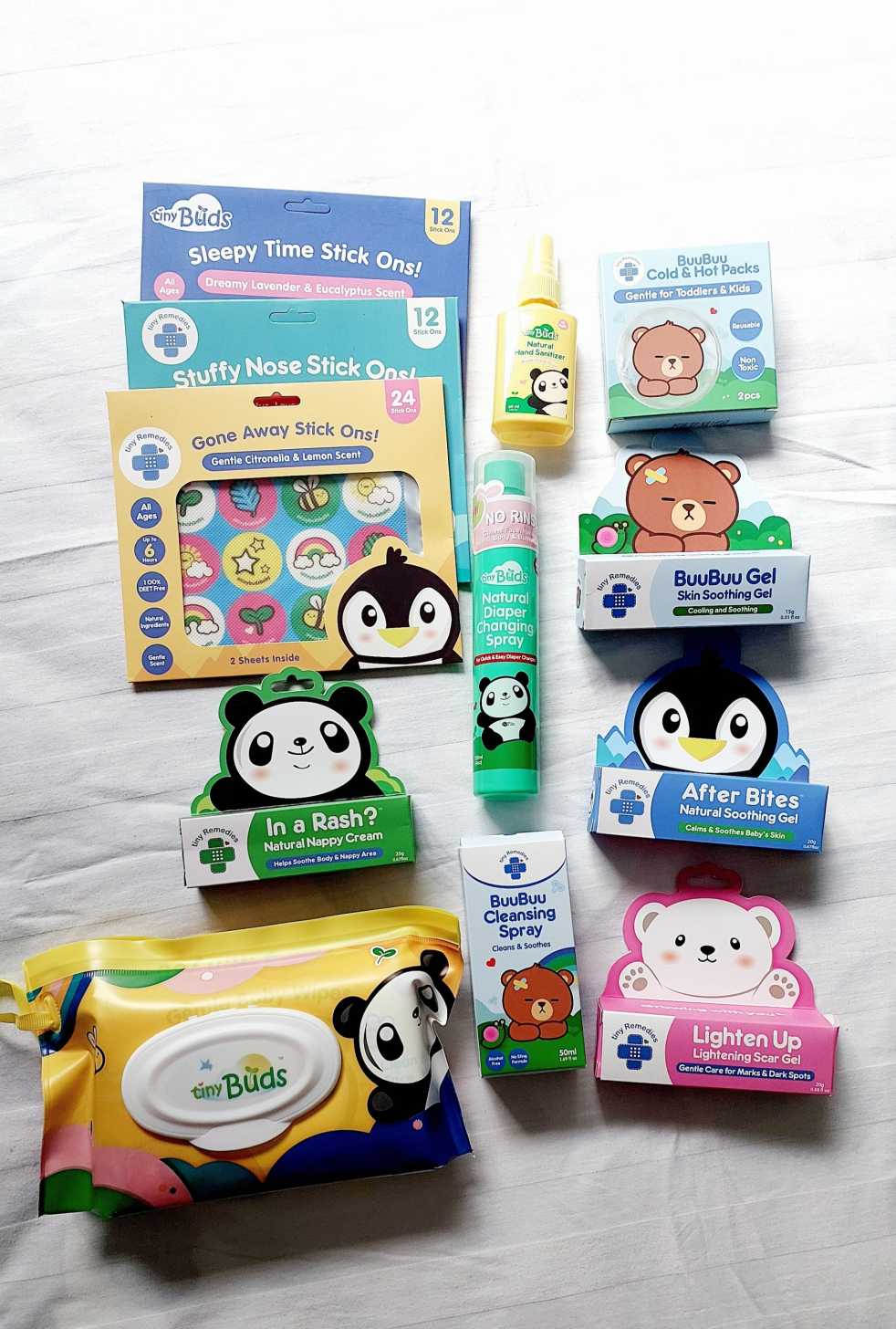
Your baby’s skin is more delicate than most, this is why you have to choose products that are designed for sensitive skin. Tiny Buds is a pioneer in integrating natural ingredients into baby care and today has over 50 innovative natural baby care essentials and is one of the Top Baby Personal Care brands. Here… Continue reading Product Review: Tiny Buds Baby Naturals Baby Essentials
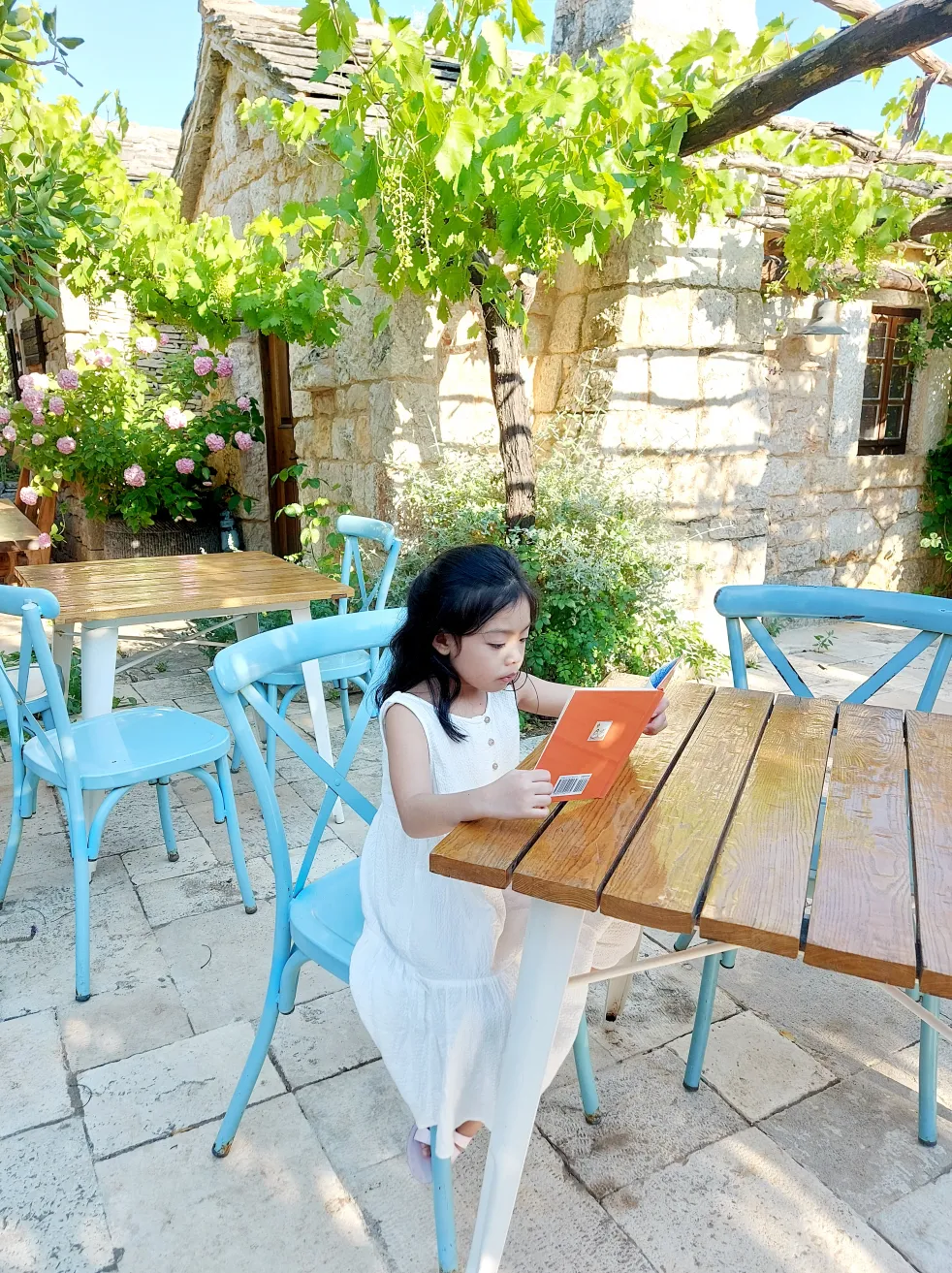
Where your child goes to school is a big decision and shouldn’t be taken lightly. Given how their education can impact their future, you might be tempted to take control and decide for them. However, you might be doing more damage than helping them in the long run. Your job as parents is to support… Continue reading HOW TO CHOOSE THE BEST SCHOOL FOR YOUR CHILD
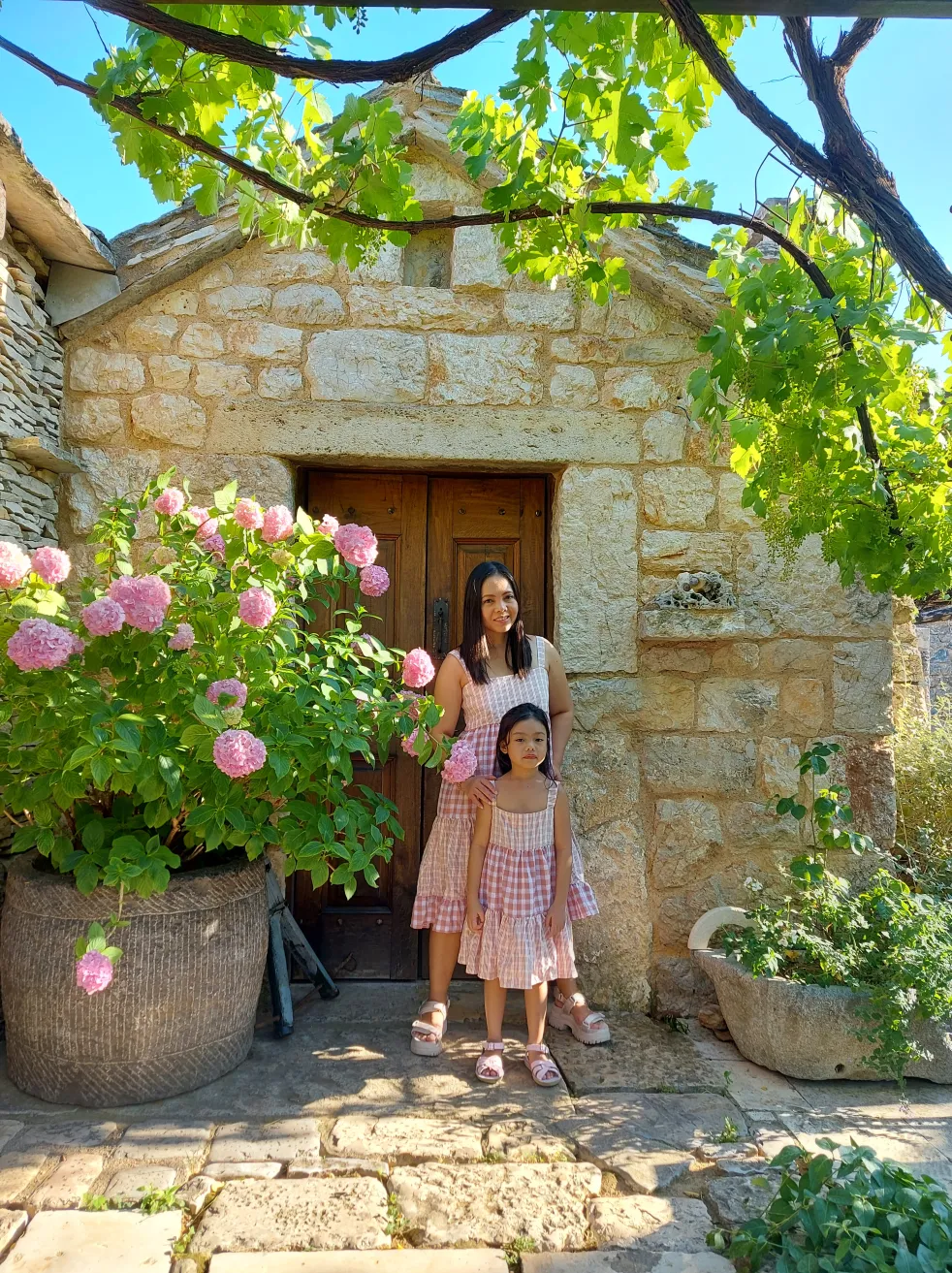
As poet and philosopher Rumi once eloquently said, “raise your words, not your voice. It is rain that grows flowers, not thunder.” Parenting is a challenging journey, and the truth is that nobody has everything figured out. One parenting style might suit others best, and some might favor other methods. However, children respond better to… Continue reading A SIMPLE GUIDE TO GENTLE PARENTING

Whether you’re a new mom to be, mom of a toddler, mom who have school-aged kids, you’re bound to have so many questions. Let's start with your baby's skin. Infant skin has unique needs; gentle care is essential to prevent damage to the skin barrier, which can lead to irritation. When caring for infant skin,… Continue reading Keeping Baby’s Diapered Skin Healthy
As parents, we want to give our child the best possible start in life and that begins with nurturing their intelligence. Throughout history, the notion of success has been linked to academic intelligence. However, there has been an increased awareness on the importance of emotional intelligence. This question gets at the heart of the never-ending… Continue reading IQ or EQ, which one is a better predictor of your child’s success?
 wondermomma.net