
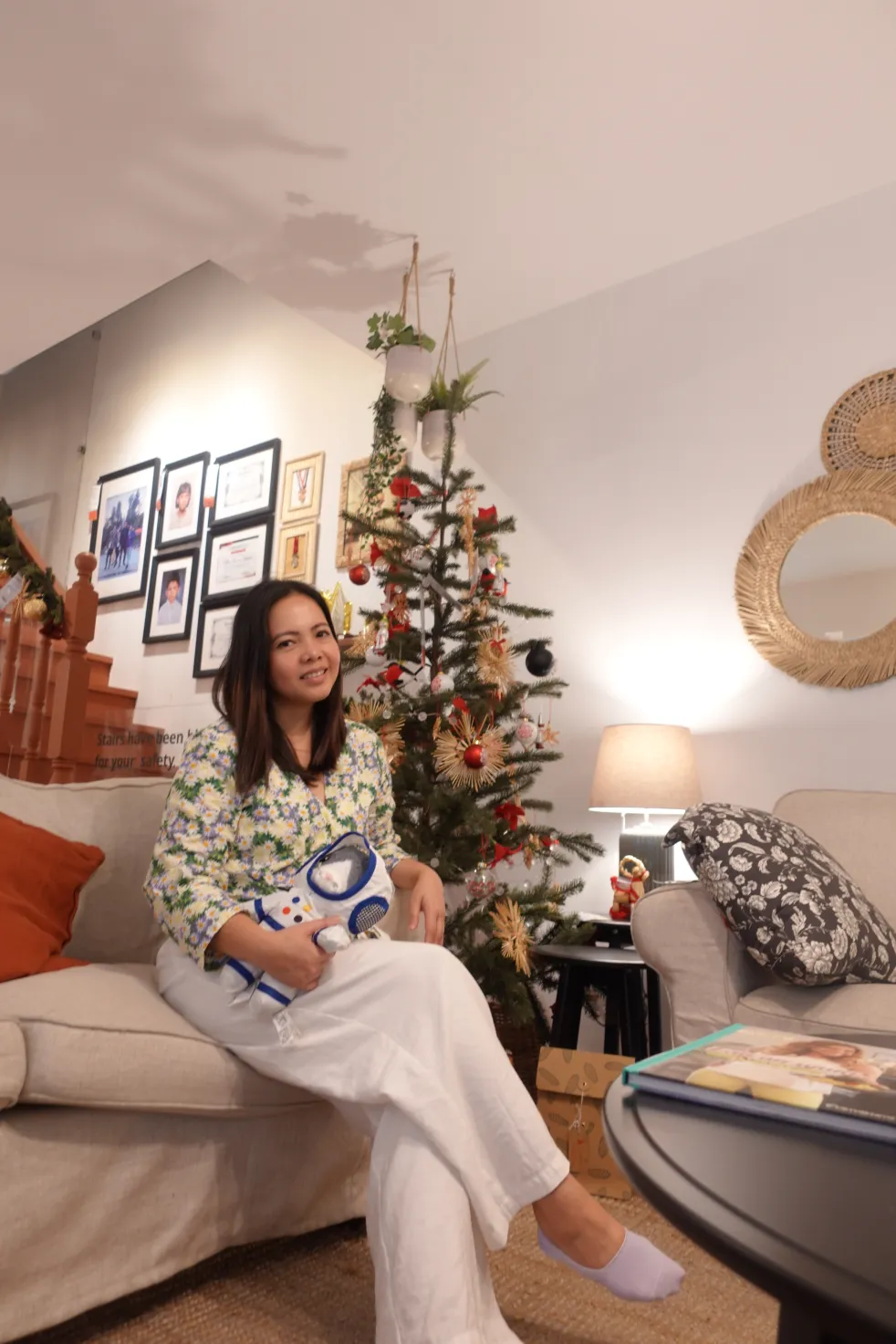
Last August, IKEA Philippines engaged with Better World Smokey Mountain, a newly opened community center operated by the San Miguel Foundation, which shares a similar goal of improving the lives of many Filipino people. Through this partnership, IKEA Philippines provided and assembled home furnishings for the classrooms and library of Better World Smokey Mountain community… Continue reading Help Create a Better World with IKEA Soft Toys
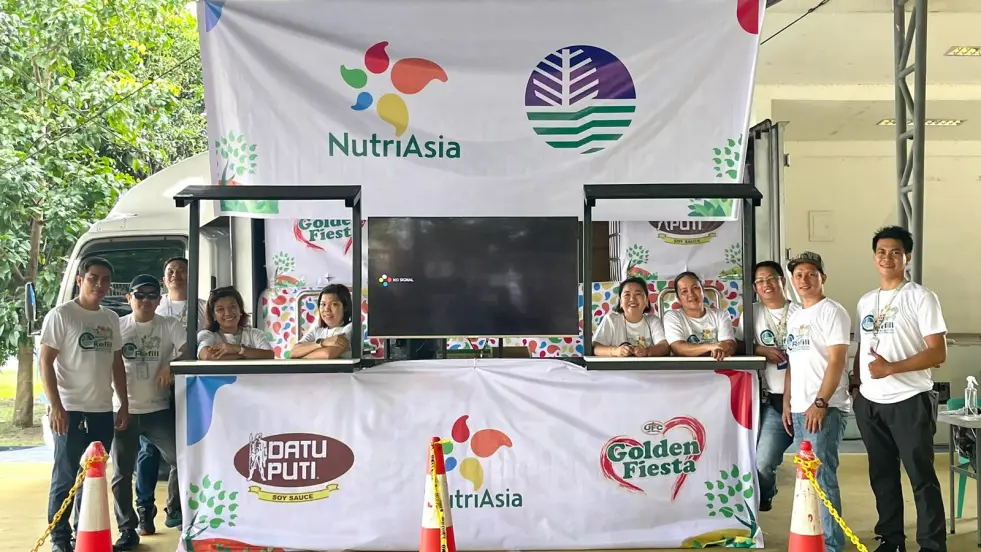
NutriAsia, the country’s top producer of condiments and sauces, continues its support of Refill Revolution; a project by the Department of Environment and Natural Resources EMB 3 that aims to help reduce Filipinos’ single-use plastics consumption. At Refill Revolution, residents get to recycle their single-use plastic bottles by reusing and filling it with their choice… Continue reading NutriAsia and DENR renews partnership for Refill Revolution

Books That Bring Filipino Culture To Life For Children
Children learn culture most naturally through stories that feel close to everyday life. A grandmother preparing merienda, cousins gathering for a fiesta, a child learning a Filipino word, or a family sharing stories after dinner can make history and heritage feel warm, familiar, and memorable.
The best books for teaching your child about Filipino culture offer more than facts about islands, festivals, and traditional food. They show values such as pakikipagkapwa, bayanihan, respect for elders, hospitality, faith, resourcefulness, and love of family. They can also help Filipino children living abroad feel connected to their roots.
For families in the Philippines, these books can encourage children to notice the meaning behind familiar customs. For mixed-culture families, they provide an accessible way to explore identity, language, regional traditions, and the many experiences that make up Filipino life.
Start With Everyday Filipino Experiences
A good cultural bookshelf does not need to begin with a history textbook. Picture books about food, family, names, school, and neighborhood life often create the strongest connection because children recognize the emotions and routines in the story.
Books such as All About the Philippines: Stories, Songs, Crafts and More for Kids by Marian B. Labaco provide a broad, child-friendly look at geography, traditions, celebrations, language, and daily life. It works well as a family reference book because children can dip into a section that matches their current interest.
Pan de Sal Saves the Day by Norma Olizon-Chikiamco is another engaging choice. Through a young Filipino American character and a familiar Filipino bread, the story opens conversations about family, community, and the way food can carry memories across generations.
As you read, point out details your child may already know. Ask them about the bread sold at a neighborhood bakery, the relatives who visit during holidays, or the foods served at home. These connections help culture become something they live and understand rather than a collection of unfamiliar facts.
Explore Folktales, Legends, And Imagination
Filipino folktales introduce children to imagination while revealing how earlier communities explained nature, character, and human behavior. Stories about clever animals, enchanted places, brave young people, and unusual transformations can lead to thoughtful discussions about kindness, courage, humility, and consequences.
Collections such as Filipino Children’s Favorite Stories, retold by Liana Romulo, bring together familiar tales in an accessible format. Families may also look for illustrated versions of stories including Si Pilandok at ang Buwaya, Alamat ng Sampaguita, and other regional legends. Different publishers and authors may retell the same story in different ways, so comparing versions can become part of the reading experience.
Traditional stories should be presented as cultural literature rather than unquestioned history. Explain that a legend may contain imaginative elements and that many Filipino communities have their own stories, languages, and interpretations. This approach respects the richness of oral tradition while helping children distinguish folklore from factual accounts.
Invite your child to draw a setting, act out a scene, or create a different ending. A folktale can become a doorway to art, writing, music, and conversations about the values shown by each character.
Build Language Through Stories And Songs
Filipino culture is expressed through language, and children benefit from seeing words such as salamat, po, opo, ate, kuya, lola, and tita used in meaningful situations. A bilingual or Filipino-language book can support vocabulary without making language learning feel like a formal lesson.
My First Book of Filipino Words by Liana Romulo is a useful starting point for younger children. Books that combine English with Filipino, Tagalog, or another Philippine language can help families connect words to pictures, gestures, and familiar routines. Parents can also search for children’s books in Cebuano, Ilocano, Hiligaynon, Waray, or other home languages when available.
Songs, rhymes, and repetition are especially effective for toddlers and preschoolers. Look for collections featuring Filipino lullabies, counting songs, and traditional children’s games. Reading the same short text repeatedly gives children time to remember pronunciation and recognize patterns.
Avoid turning every reading session into a vocabulary test. Say the word naturally, explain it briefly, and use it again during the day. A child who hears merienda while eating a snack or bayanihan while helping tidy up is more likely to understand the idea behind the word.
Choose Books For Different Ages And Interests
The right book depends on a child’s reading ability, attention span, family background, and current interests. A toddler may respond best to bold illustrations and a few familiar Filipino words, while an older child may be ready for legends, biographies, historical fiction, or books about Philippine geography.
| Age or Stage | Helpful Book Types | Cultural Ideas To Explore |
|---|---|---|
| Babies and toddlers | Board books, picture dictionaries, lullabies | Family names, body parts, food, Filipino words |
| Preschoolers | Picture books, folktales, simple bilingual stories | Respect, sharing, animals, festivals, family traditions |
| Early readers | Short chapter books, story collections, activity books | Community life, regional traditions, Filipino heroes |
| Older children | Novels, biographies, history and culture guides | Migration, identity, colonial history, social issues |
| Families reading together | Folklore collections and large illustrated books | Oral tradition, regional diversity, shared memories |
Families do not need to buy every type at once. Begin with one storybook, one language-focused title, and one collection that offers a wider view of the Philippines. Public libraries, school libraries, local bookstores, secondhand shops, and Filipino cultural organizations may offer affordable options.
Pay attention to representation as well. The Philippines includes many ethnic groups, regions, faiths, languages, and family experiences. A balanced collection can include stories from Luzon, Visayas, and Mindanao, as well as books showing rural, urban, Indigenous, overseas Filipino, and mixed-family perspectives.
Connect Reading With Food, Art, And Family Life
A book becomes more memorable when children can experience an idea outside the pages. After reading a story about Filipino food, prepare a simple dish together, such as pancit, turon, arroz caldo, or pandesal sandwiches. Talk about who usually prepares it, when your family eats it, and how recipes change from one household to another.
Stories about festivals can inspire children to make paper parol decorations, draw a barangay scene, or learn about a local celebration. A book featuring a traditional game can lead to a family afternoon playing patintero, sungka, or tumbang preso in a safe space.
Grandparents and older relatives can add details that books cannot provide. They may remember childhood games, provincial expressions, old recipes, or the meaning of a family tradition. Record these memories with permission, or let your child draw pictures while listening to the story.
These activities should remain playful. The goal is to help children see culture as something practiced, shared, and continually shaped by families—not something that belongs only in museums or special school projects.
Read Critically And Make Room For Many Voices
Some older books about the Philippines may contain outdated language, simplified history, or stereotypes. Parents can still use them as starting points, but it is important to provide context and balance them with contemporary Filipino authors, illustrators, and publishers.
When a story presents one custom as if every Filipino family follows it, gently explain that traditions differ. A family in Batanes may have different food, clothing, architecture, and celebrations from a family in Sulu or Metro Manila. Differences do not make anyone less Filipino.
Children can also examine who is represented in a book and whose voice may be missing. Ask what the characters value, how they solve problems, and whether the illustrations show a variety of skin tones, homes, clothing, and communities. These conversations build media awareness alongside cultural pride.
Consider choosing books from Philippine publishers such as Adarna House, Lampara Books, and other local presses, while also exploring Filipino authors published internationally. Supporting these creators helps keep children’s literature connected to present-day Filipino experiences.
Create A Warm Family Reading Routine
- Keep a small basket of Filipino books where children can reach them independently.
- Read one story in English, Filipino, or your home language several times each week.
- Pair a book with a related food, song, craft, game, or family memory.
- Let children choose which cultural topics they want to explore next.
- Add new books that reflect different Philippine regions, languages, and communities.
A regular reading routine does not need to be long. Ten minutes before bedtime, a weekend story after merienda, or a monthly visit to a Filipino bookstore can make cultural learning consistent and enjoyable. Let children ask questions freely, including questions about words, traditions, religion, history, and family identity.
Keep a notebook where children can write new Filipino words, sketch favorite characters, or record stories told by relatives. Over time, this can become a personal family culture journal that reflects both inherited traditions and new experiences.
Choose one book this week and read it slowly, giving your child time to notice the illustrations and connect the story with home life. With each shared page, Filipino heritage becomes something children can see, speak about, celebrate, and carry confidently into the future.
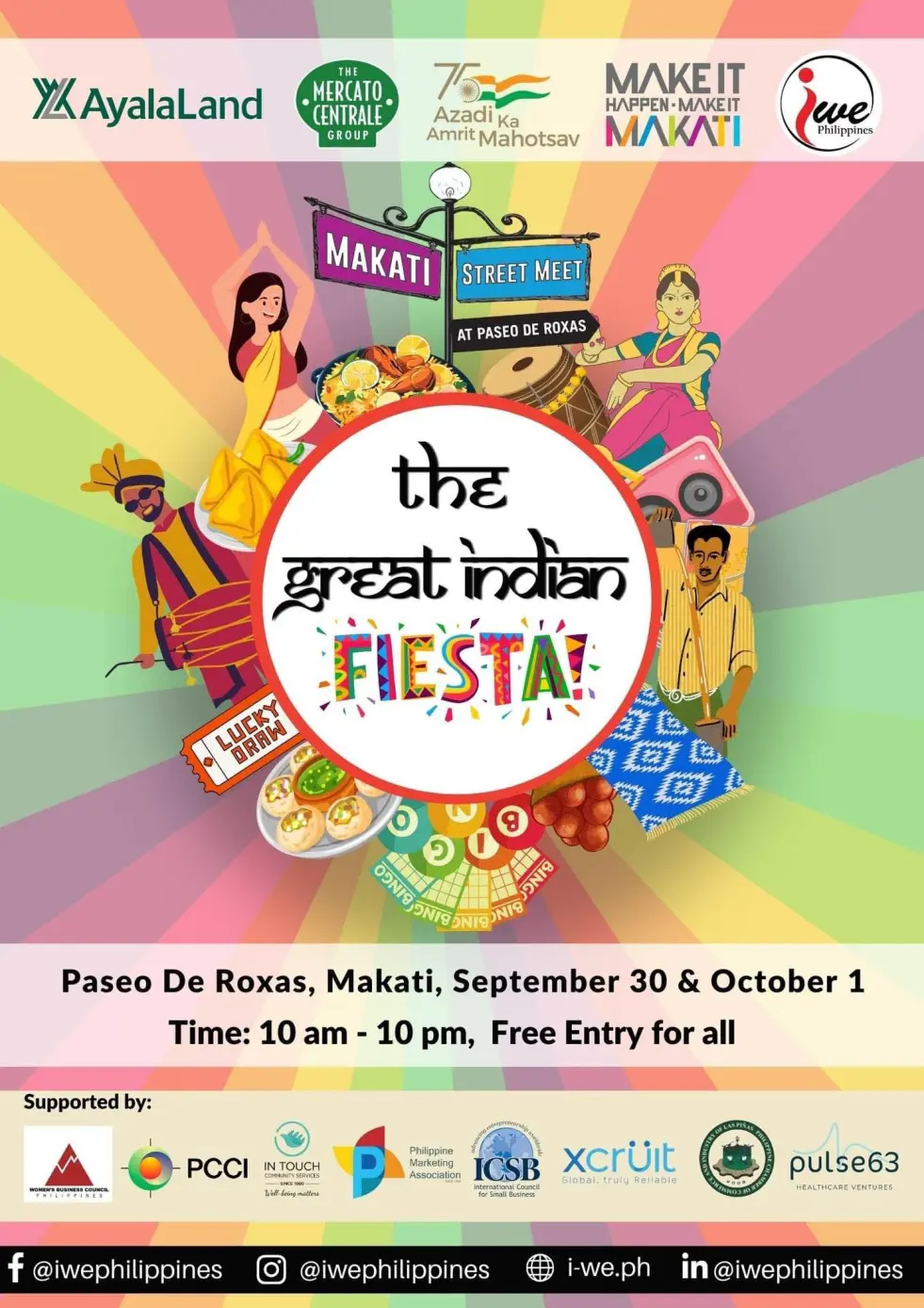
Mercato Centrale, in collaboration with Indian Women in Enterprise Philippines (I-We), is set to host "The Great Indian Fiesta" to mark 75 years of friendship between India and the Philippines. The dynamic two-day event is scheduled to take place on September 30 to October 1, 2023, at Paseo De Roxas Street, Makati City. Aiming to… Continue reading Mercato Centrale Partners with I-We to Host ‘The Great Indian Fiesta’, Commemorating 75 Years of India-Philippines Friendship

My stomach would usually start growling at 10 am even after taking a big breakfast. This is probably because I am a morning person and I move a lot throughout the day hence snacking is something that I can't avoid. This potatoes and chicken wrap recipe is easy to prepare and would keep me full… Continue reading Potato and Chicken Wrap
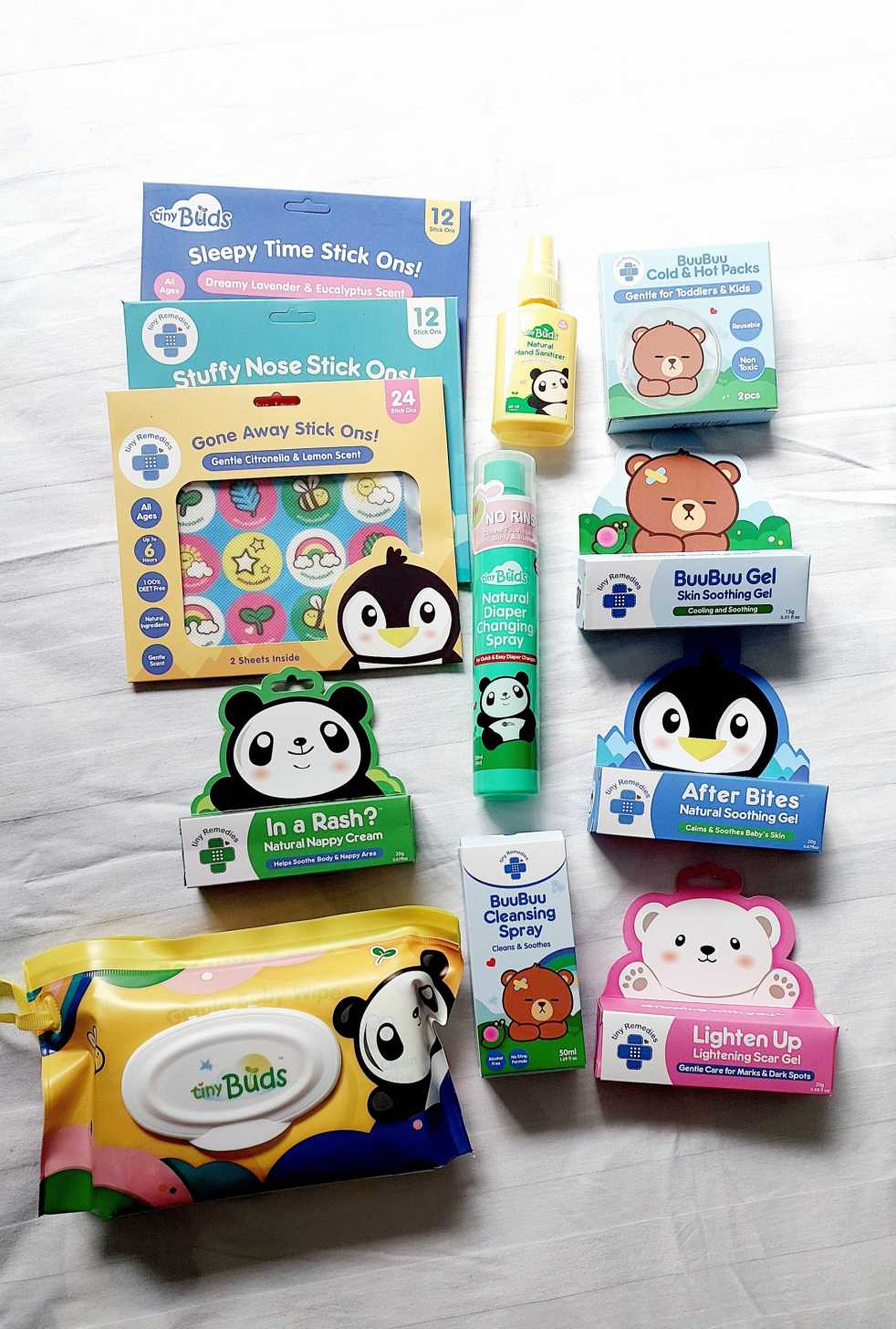
Your baby’s skin is more delicate than most, this is why you have to choose products that are designed for sensitive skin. Tiny Buds is a pioneer in integrating natural ingredients into baby care and today has over 50 innovative natural baby care essentials and is one of the Top Baby Personal Care brands. Here… Continue reading Product Review: Tiny Buds Baby Naturals Baby Essentials
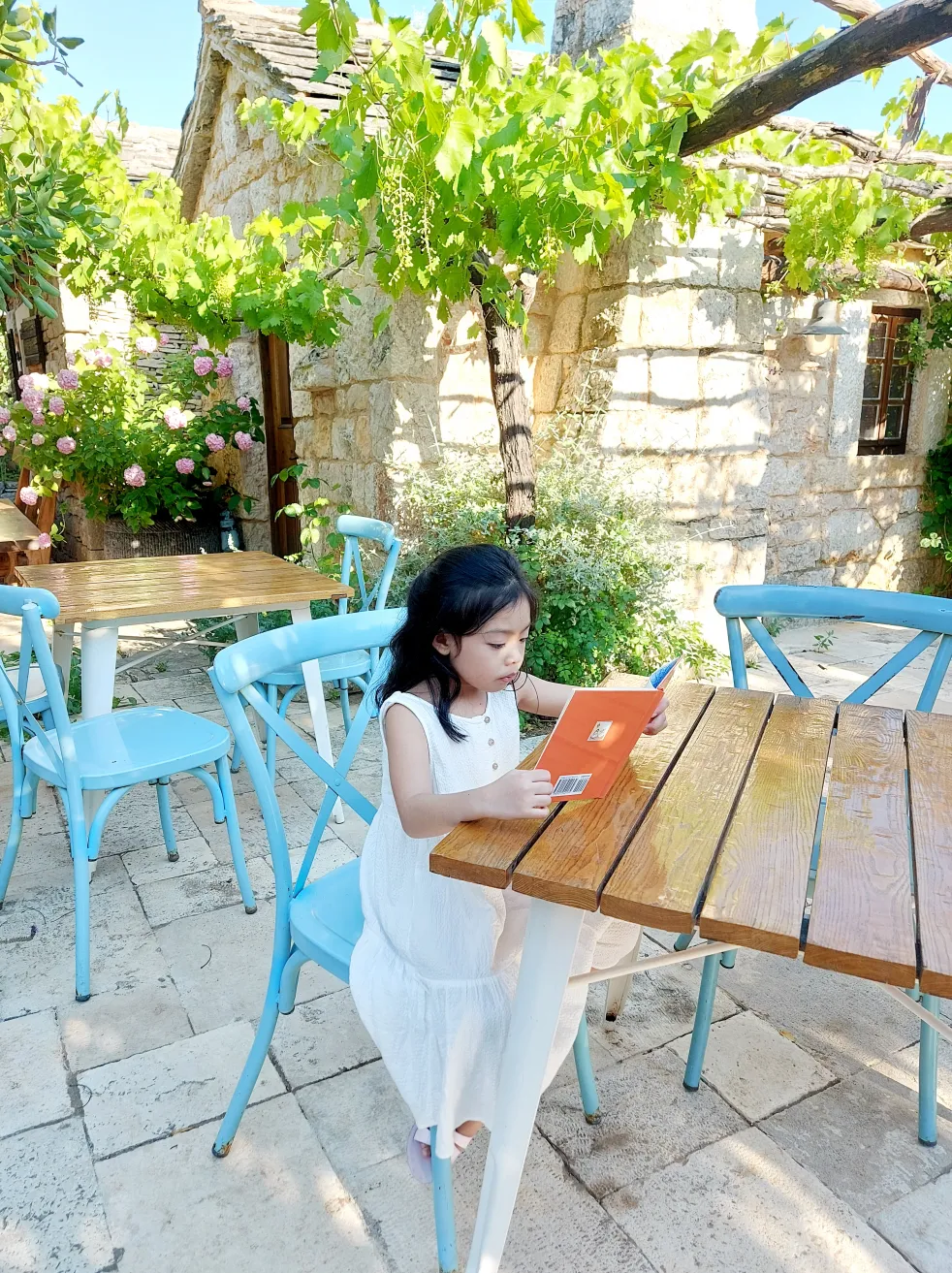
Where your child goes to school is a big decision and shouldn’t be taken lightly. Given how their education can impact their future, you might be tempted to take control and decide for them. However, you might be doing more damage than helping them in the long run. Your job as parents is to support… Continue reading HOW TO CHOOSE THE BEST SCHOOL FOR YOUR CHILD
As poet and philosopher Rumi once eloquently said, “raise your words, not your voice. It is rain that grows flowers, not thunder.” Parenting is a challenging journey, and the truth is that nobody has everything figured out. One parenting style might suit others best, and some might favor other methods. However, children respond better to… Continue reading A SIMPLE GUIDE TO GENTLE PARENTING
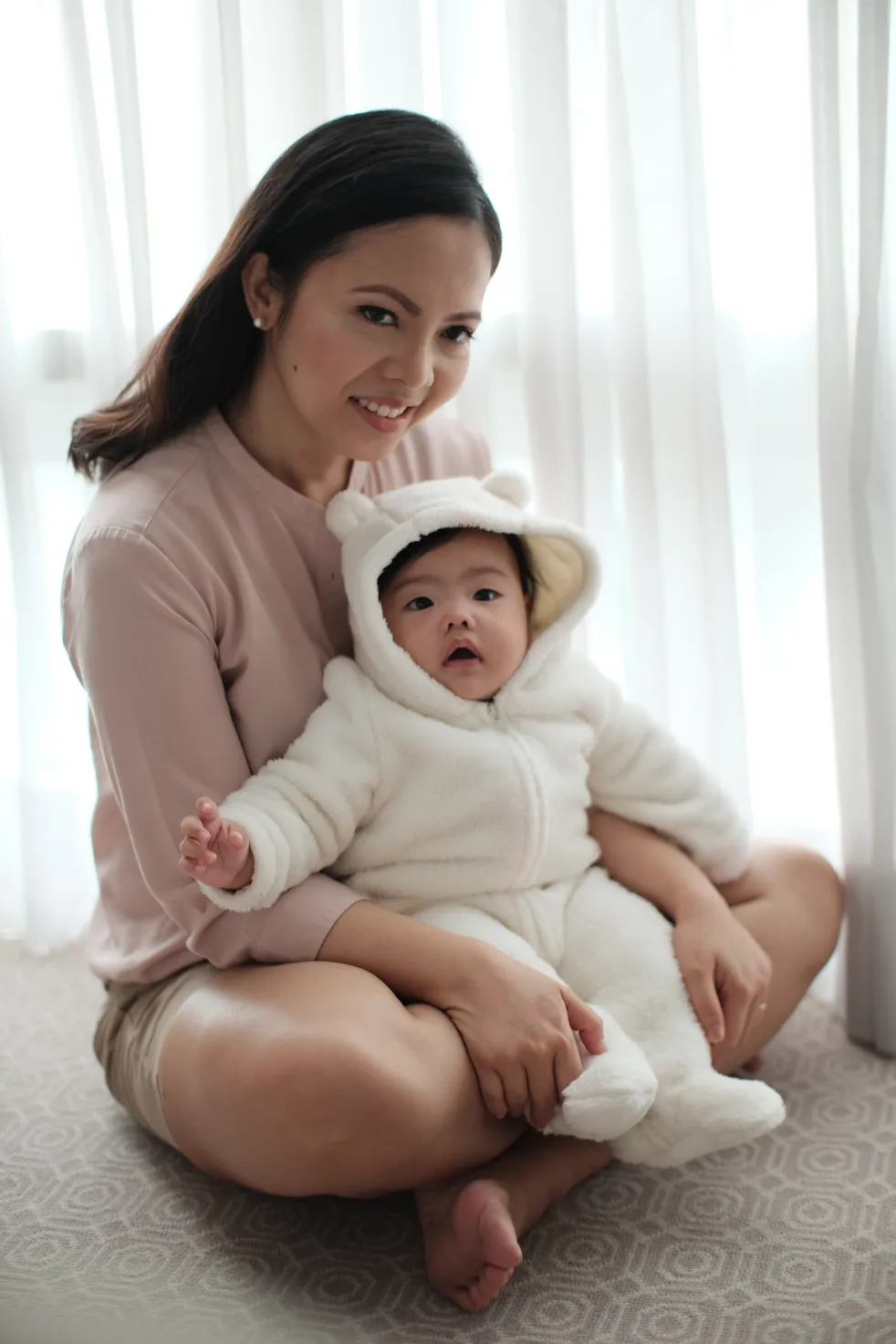
Whether you’re a new mom to be, mom of a toddler, mom who have school-aged kids, you’re bound to have so many questions. Let's start with your baby's skin. Infant skin has unique needs; gentle care is essential to prevent damage to the skin barrier, which can lead to irritation. When caring for infant skin,… Continue reading Keeping Baby’s Diapered Skin Healthy
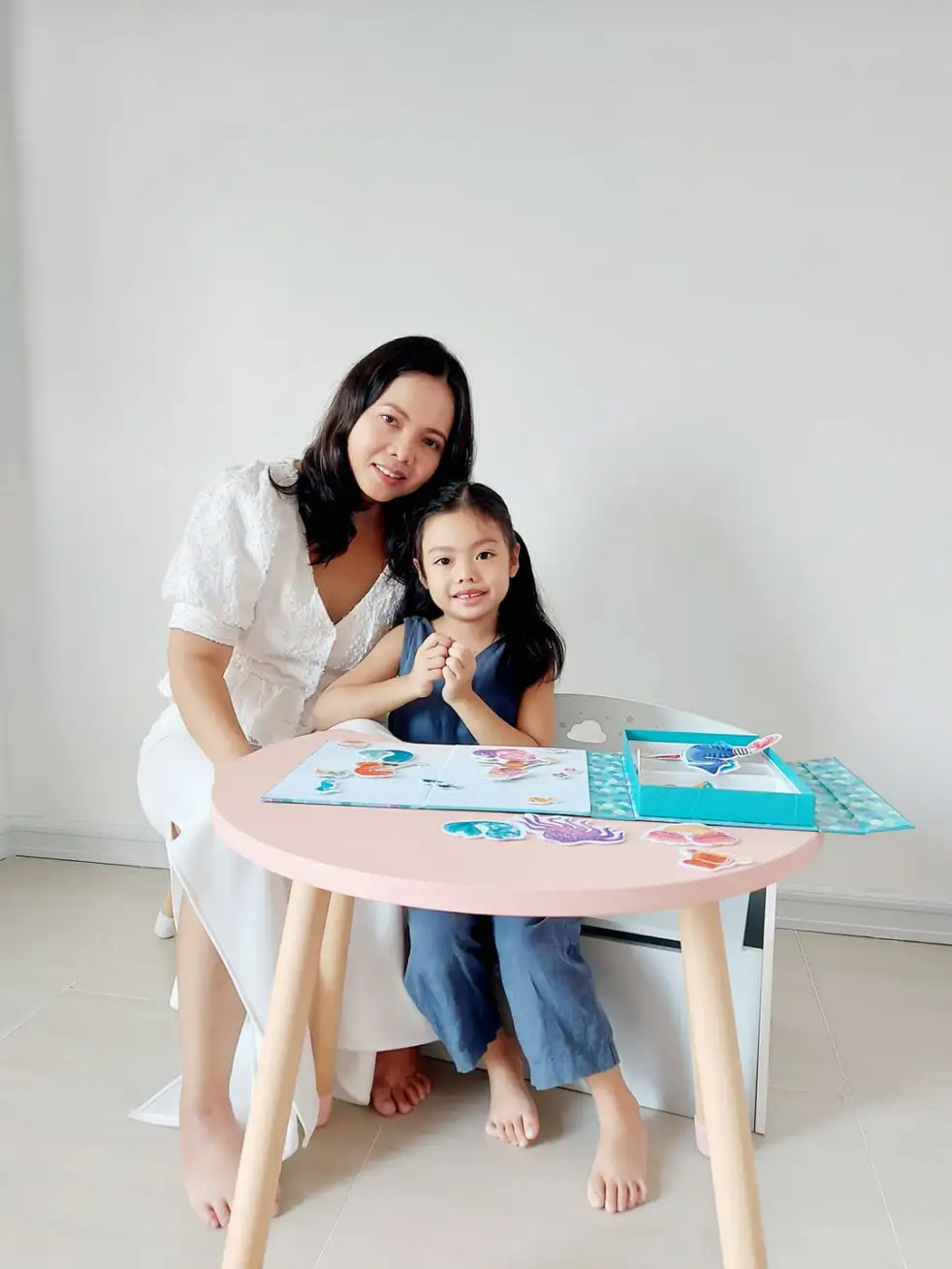
As parents, we want to give our child the best possible start in life and that begins with nurturing their intelligence. Throughout history, the notion of success has been linked to academic intelligence. However, there has been an increased awareness on the importance of emotional intelligence. This question gets at the heart of the never-ending… Continue reading IQ or EQ, which one is a better predictor of your child’s success?
 wondermomma.net