

Last August, IKEA Philippines engaged with Better World Smokey Mountain, a newly opened community center operated by the San Miguel Foundation, which shares a similar goal of improving the lives of many Filipino people. Through this partnership, IKEA Philippines provided and assembled home furnishings for the classrooms and library of Better World Smokey Mountain community… Continue reading Help Create a Better World with IKEA Soft Toys
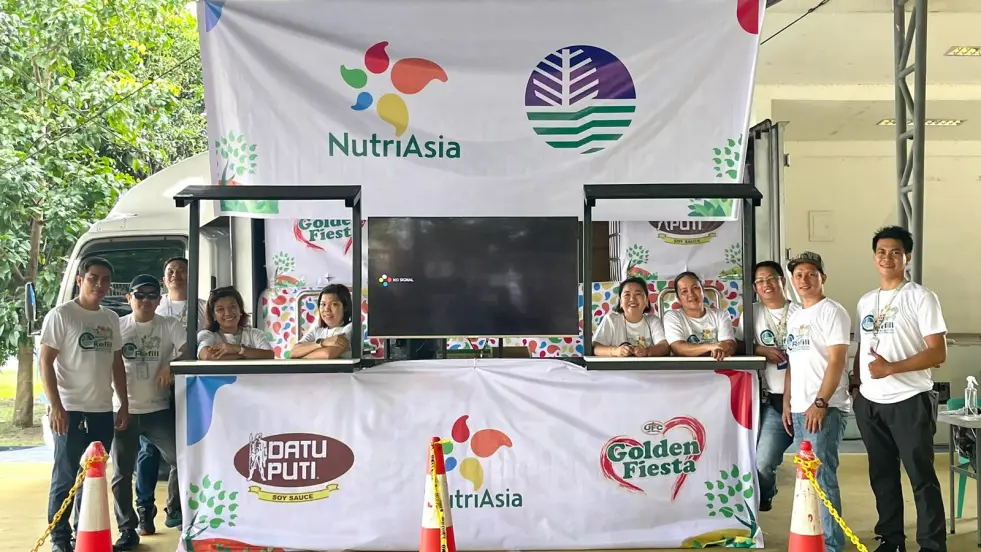
NutriAsia, the country’s top producer of condiments and sauces, continues its support of Refill Revolution; a project by the Department of Environment and Natural Resources EMB 3 that aims to help reduce Filipinos’ single-use plastics consumption. At Refill Revolution, residents get to recycle their single-use plastic bottles by reusing and filling it with their choice… Continue reading NutriAsia and DENR renews partnership for Refill Revolution

Teaching kindness and empathy through everyday family life
Kindness grows through small, repeated experiences rather than one serious conversation. A child learns empathy when family members notice feelings, repair hurt, share attention and make room for someone else’s needs. These moments happen during breakfast, school drop-off, sibling arguments and the ordinary rush before bedtime.
Children also need kindness to be practical and age-appropriate. A toddler may hand over a comforter, while a primary-school child can include a classmate in a game or help pack food for a neighbour. The aim is to build emotional awareness and compassionate behaviour without expecting children to manage adult problems.
For Australian families, lessons in caring can fit naturally into the rhythm of kindy, school assemblies, weekend sport and visits to grandparents. A quick “good on you for checking on your mate” after a thoughtful action can reinforce the value more effectively than a long lecture.
Parents can model empathy in the way they speak to children, partners, service workers and strangers. When children see adults apologise, listen patiently and offer help, they begin to understand that kindness is a daily habit, not a performance reserved for special occasions.
Start with feelings children can recognise
Young children often need help naming an emotion before they can respond thoughtfully to another person. Use simple language such as, “You look disappointed that the blocks fell down,” or, “Your sister is crying because the game ended.” This does not mean agreeing with every reaction. It shows the child that feelings can be noticed and handled safely.
Picture books, dolls and pretend play provide gentle opportunities to explore emotional vocabulary. Pause during a story and describe what a character might be thinking, then accept several possible answers. A child may say the character feels sad, worried or cross; the conversation matters more than finding one perfect label.
Avoid using empathy as a demand. “You need to say sorry right now” may produce a reluctant phrase without understanding. First help the child settle, then guide them towards repair: “He was hurt when the toy was pulled away. Let’s see what could help.” This approach supports emotional regulation as well as responsibility.
Make caring visible in ordinary routines
Family routines are ideal for practising consideration. Children can carry their plate to the sink, leave a quiet space for someone resting or choose a small task that makes another person’s day easier. Explain the effect of the action: “Putting the washing in the basket means we can find clean uniforms tomorrow.”
Invite children to notice people outside the immediate family. At a local park, they might return a ball, make space on the swings or check whether a younger child is all right. At the shops, they can hold a door, thank a cashier or help choose an item for a food donation. These actions should stay voluntary and safe, rather than becoming a test of obedience.
Australian children often move between home, kindy, school and organised activities in a busy week. A short kindness ritual can work better than an additional activity. During the drive to footy or on the walk home from school, name one helpful thing someone did and one way your child contributed.
Respond to conflict with connection and boundaries
Empathy does not require parents to ignore hitting, grabbing or cruel words. A calm boundary protects everyone: “I won’t let you hit. I’m moving your hands.” Once the immediate danger has passed, help the child understand the impact and make amends. The repair might involve returning a toy, fetching an ice pack or drawing a picture.
Sibling conflict can become a useful learning space when adults resist taking the role of judge. Describe what happened without labelling a child as selfish or mean: “You both wanted the red marker, and it was pulled.” Then support problem-solving with choices such as taking turns, using a timer or finding another marker.
Children can learn that apologies have different forms. A spoken apology is useful when it is sincere, but a changed action is often more meaningful. “I’m sorry” followed by giving back the object, rebuilding the tower or checking on the person shows that remorse includes responsibility.
Parents should model repair after their own mistakes. If you raise your voice during the morning rush, return to the moment later: “I was stressed, and I spoke harshly. You did not deserve that. I’m sorry. Next time I’ll take a breath before I answer.” This teaches that adults remain accountable.
Use stories to explore difficult experiences
Stories allow children to consider another person’s inner world at a safe distance. Ask what a character may need, who could help and whether there is more than one kind response. Keep the discussion open-ended; children may focus on practical details before they are ready to talk about deeper feelings.
Conversations about loss are especially important because children may meet grief through a pet, a family member, the news or a community event. Parents can use WonderMomma’s guide to talk about death in a clear, gentle way, using honest words rather than confusing euphemisms.
After reading or watching something emotional, offer a quiet activity such as drawing, building or walking. Children often process feelings through play and may return to the subject later. Reassure them that empathy does not mean carrying everyone’s sadness or solving a situation alone.
Respect cultural and family differences in how emotions are expressed. An Australian child may encounter classmates with varied languages, faiths and traditions, as well as different experiences of family, disability and community. Teach curiosity and respect without asking a child to speak for an entire group.
Turn generosity into shared participation
Acts of service work best when children have a genuine role. They might help prepare muffins for a neighbour, sort outgrown clothes for an op shop or add a note to a care package. Explain that giving should respect the recipient’s dignity and preferences; unwanted items are not automatically helpful.
Local community life offers practical examples. Families may support a school pantry, join a beach clean-up, contribute to a winter appeal or help after floods and bushfires through a reputable organisation. Children should never be exposed to distressing scenes or pressured to give money, but they can understand that communities respond when people need support.
Be careful with praise that centres on being “a good child.” Specific feedback is stronger: “You noticed Nan was carrying too much and moved the bag,” or, “You waited while your friend found the right words.” This helps children connect kindness with attention, effort and respect rather than approval alone.
Include self-kindness in the same conversation. A child who is tired, overwhelmed or repeatedly excluded may need a break, an adult’s help or a firm boundary. Empathy becomes healthier when children learn that caring for others does not mean surrendering their own safety or comfort.
Build habits that grow with your child
A family can choose one small practice for each day. At dinner, everyone might share a helpful moment; at bedtime, a child might think of someone who needs encouragement. Keep the routine brief enough to survive busy evenings, after-school sport and the occasional “arvo” when everyone is running late.
Teachers and educators can reinforce the same values through class jobs, cooperative games and inclusive play. Parents can share observations with a child’s kindy or school when a pattern of isolation, anxiety or aggression continues. Collaboration is more useful than comparing children or demanding instant change.
The following approaches can be adapted to different ages and temperaments:
- Model respectful language with children, relatives, neighbours and workers.
- Name emotions without shaming, dismissing or exaggerating them.
- Set clear limits on unsafe behaviour before discussing its impact.
- Give children specific opportunities to help at home and in the community.
- Praise noticing, listening, repairing and including rather than simple compliance.
- Protect children from adult responsibilities while teaching them appropriate care.
- Make room for rest, sensory needs and self-kindness alongside generosity.
| Everyday moment | Empathy skill | Adult response | Child-sized action |
|---|---|---|---|
| A sibling is upset | Noticing feelings | “She looks disappointed” | Offer space, comfort or a turn |
| A toy is grabbed | Understanding impact | “That hurt the game” | Return it and choose a fair plan |
| Someone needs help | Taking useful action | “What would make this easier?” | Carry, fetch or ask an adult |
| A friend is left out | Inclusive behaviour | “How could they join safely?” | Invite them into a suitable game |
| The parent makes a mistake | Repair and accountability | “I’m sorry for speaking harshly” | Accept the apology and try again |
| A community faces loss | Compassion with boundaries | “Helpers are supporting them” | Make a card or contribute safely |
Kindness becomes part of a child’s character when it is repeated in realistic moments and supported by warm boundaries. Children do not need perfect emotional responses every time. They need adults who keep modelling care, help them repair harm and show that every person’s feelings, limits and dignity matter.

Mercato Centrale, in collaboration with Indian Women in Enterprise Philippines (I-We), is set to host "The Great Indian Fiesta" to mark 75 years of friendship between India and the Philippines. The dynamic two-day event is scheduled to take place on September 30 to October 1, 2023, at Paseo De Roxas Street, Makati City. Aiming to… Continue reading Mercato Centrale Partners with I-We to Host ‘The Great Indian Fiesta’, Commemorating 75 Years of India-Philippines Friendship

My stomach would usually start growling at 10 am even after taking a big breakfast. This is probably because I am a morning person and I move a lot throughout the day hence snacking is something that I can't avoid. This potatoes and chicken wrap recipe is easy to prepare and would keep me full… Continue reading Potato and Chicken Wrap
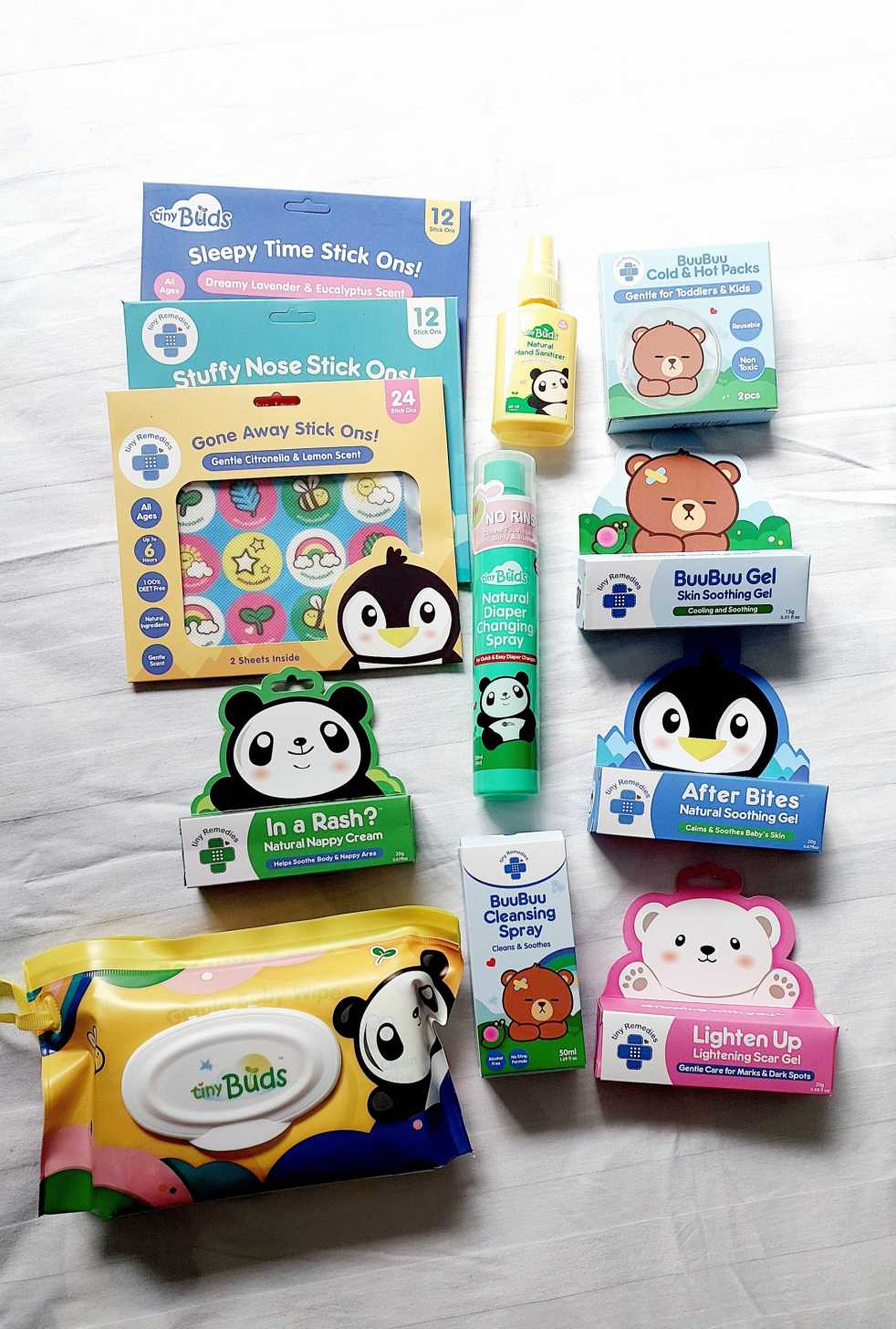
Your baby’s skin is more delicate than most, this is why you have to choose products that are designed for sensitive skin. Tiny Buds is a pioneer in integrating natural ingredients into baby care and today has over 50 innovative natural baby care essentials and is one of the Top Baby Personal Care brands. Here… Continue reading Product Review: Tiny Buds Baby Naturals Baby Essentials
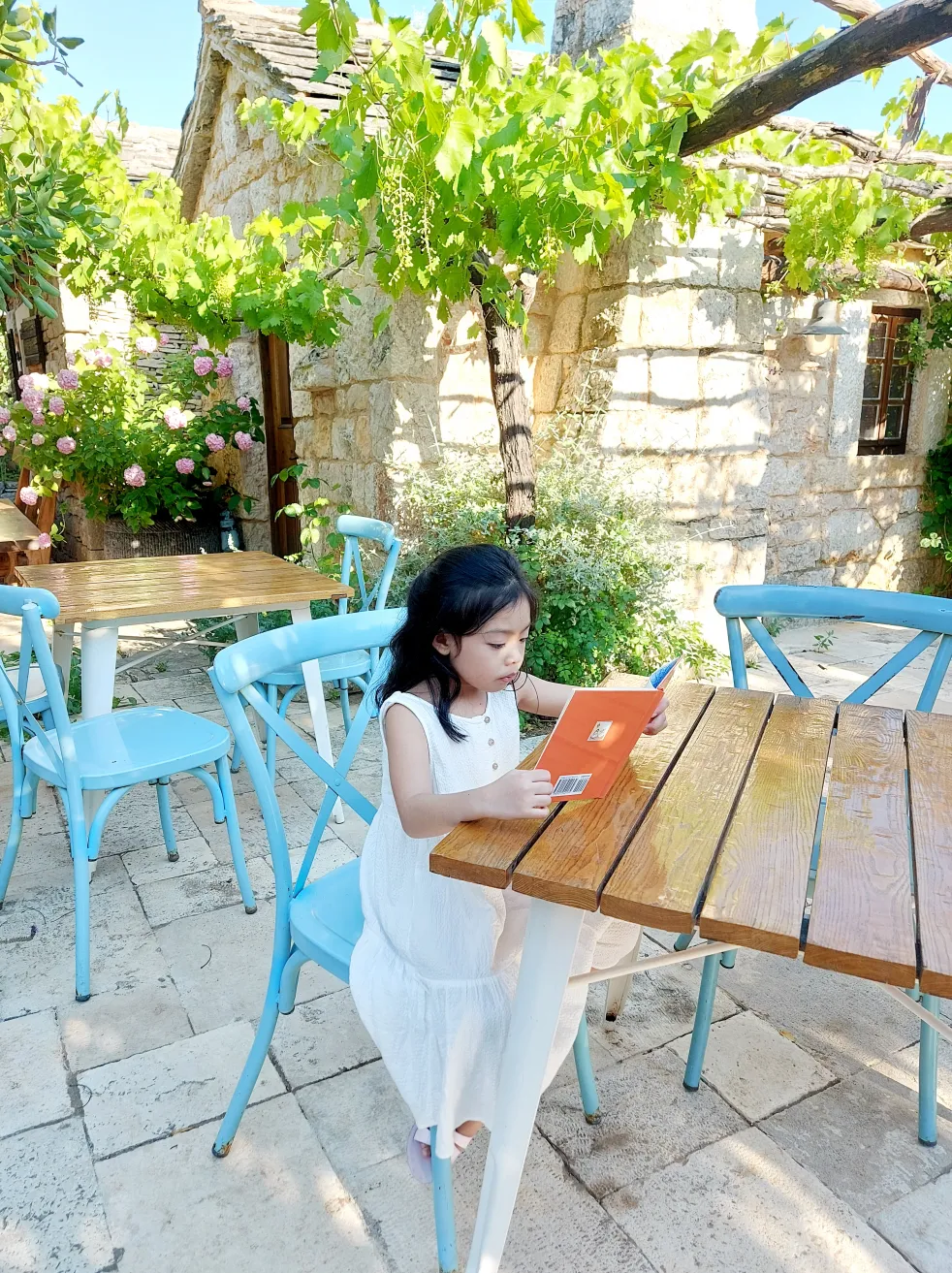
Where your child goes to school is a big decision and shouldn’t be taken lightly. Given how their education can impact their future, you might be tempted to take control and decide for them. However, you might be doing more damage than helping them in the long run. Your job as parents is to support… Continue reading HOW TO CHOOSE THE BEST SCHOOL FOR YOUR CHILD
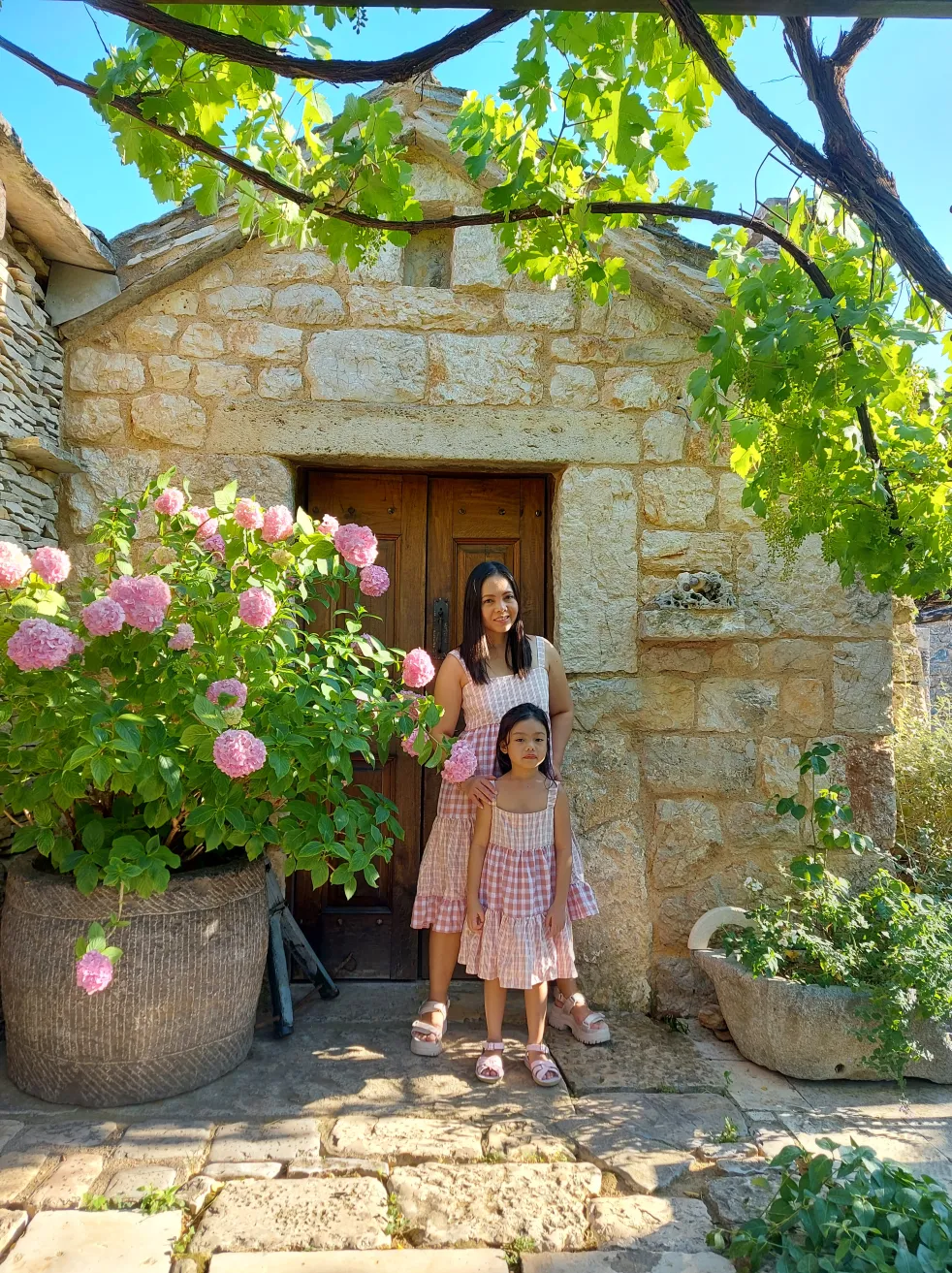
As poet and philosopher Rumi once eloquently said, “raise your words, not your voice. It is rain that grows flowers, not thunder.” Parenting is a challenging journey, and the truth is that nobody has everything figured out. One parenting style might suit others best, and some might favor other methods. However, children respond better to… Continue reading A SIMPLE GUIDE TO GENTLE PARENTING

Whether you’re a new mom to be, mom of a toddler, mom who have school-aged kids, you’re bound to have so many questions. Let's start with your baby's skin. Infant skin has unique needs; gentle care is essential to prevent damage to the skin barrier, which can lead to irritation. When caring for infant skin,… Continue reading Keeping Baby’s Diapered Skin Healthy
As parents, we want to give our child the best possible start in life and that begins with nurturing their intelligence. Throughout history, the notion of success has been linked to academic intelligence. However, there has been an increased awareness on the importance of emotional intelligence. This question gets at the heart of the never-ending… Continue reading IQ or EQ, which one is a better predictor of your child’s success?
 wondermomma.net