

Last August, IKEA Philippines engaged with Better World Smokey Mountain, a newly opened community center operated by the San Miguel Foundation, which shares a similar goal of improving the lives of many Filipino people. Through this partnership, IKEA Philippines provided and assembled home furnishings for the classrooms and library of Better World Smokey Mountain community… Continue reading Help Create a Better World with IKEA Soft Toys

NutriAsia, the country’s top producer of condiments and sauces, continues its support of Refill Revolution; a project by the Department of Environment and Natural Resources EMB 3 that aims to help reduce Filipinos’ single-use plastics consumption. At Refill Revolution, residents get to recycle their single-use plastic bottles by reusing and filling it with their choice… Continue reading NutriAsia and DENR renews partnership for Refill Revolution

How to Talk to Your Child About Death in a Gentle Way
Death is a difficult subject for adults, so it can feel even harder to explain it to a child. Parents may worry about saying too much, creating fear, or making grief feel larger than it already does. Yet children often sense that something serious has happened, and clear, loving communication helps them feel safer.
A child’s understanding of death changes with age, personality, language skills, and previous experiences. A preschooler may see death as temporary, while an older child may ask detailed questions about illness, funerals, or what happens after someone dies. The goal is not to provide every answer at once. It is to offer honest information in small, manageable pieces.
Gentle conversations about loss can become an ongoing source of comfort. Use a calm voice, allow pauses, and remind your child that every feeling is welcome. Your presence matters as much as the words you choose.
Start with clear, gentle words
Use direct language such as “died” and “death” rather than expressions like “went to sleep,” “went away,” or “we lost Grandpa.” Young children interpret language literally. Saying that someone is sleeping may make a child afraid to sleep, while “went away” may lead them to expect the person to return.
A simple explanation might be: “Grandma died. Her body stopped working, so she cannot breathe, eat, talk, or come back.” This may sound stark, but clear words reduce confusion. You can add a sentence that reflects your family’s beliefs, such as, “We believe her spirit is with God,” if that is meaningful in your home.
Answer the question your child actually asks instead of giving a long explanation. If they ask, “Will you die too?” respond to the fear underneath the question: “Everyone dies someday, but most people live for a very long time. I am healthy, and the adults in our family work hard to keep us safe.”
Follow your child’s understanding
Children often return to the same question because they are processing information gradually. Repetition does not mean they failed to understand. It may mean they need reassurance or are checking whether the facts have changed. Answer patiently, using familiar words and roughly the same explanation each time.
A preschool child may need only a few concrete sentences. A school-age child may wonder what caused the death, whether it hurt, and what will happen during a funeral. A teenager might ask philosophical questions or appear uninterested while privately grieving. Meet the child’s developmental level rather than expecting a single conversation to suit everyone.
Watch actions as well as words. A child may draw pictures, play funeral games, become clingy, or suddenly talk about death during ordinary activities. These can be normal ways to work through grief. Gently observe: “You have been pretending your toys are saying goodbye. Are you thinking about what happened?”
Make room for every feeling
There is no correct way for a child to grieve. Sadness may appear alongside laughter, excitement, anger, silence, or a desire to play. Children often move in and out of grief quickly. They may cry at breakfast and ask to play outside a few minutes later. This does not mean they did not care.
Name emotions without forcing them. “You look angry that Daddy is gone,” or “It seems strange not to see your cousin here,” gives your child language for an internal experience. If your child says, “I’m not sad,” accept that response. You can say, “That’s okay. You may feel sad later, or you may feel something different.”
Share your own feelings in a contained, reassuring way. “I’m crying because I miss her. I’m okay, and I have grown-ups who help me” shows that emotions are safe and manageable. Try to avoid making the child responsible for comforting you or hiding their own feelings to protect you.
Explain what happens next
Predictable information can make unfamiliar events less frightening. Explain what the child may see, hear, and do at a wake, viewing, memorial service, or burial. Tell them who will be there, whether people may cry, and whether they can leave the room with a trusted adult.
Children should have choices where possible. They may want to attend the funeral, write a note, draw a picture, bring a small comfort item, or stay home. If they attend, arrange for a familiar adult to focus on them rather than expecting the grieving parent to provide constant support.
| Situation | Gentle, honest wording |
|---|---|
| Explaining a natural death | “Her body became very old and stopped working.” |
| Explaining a serious illness | “The doctors tried to help, but the illness made his body stop working.” |
| Explaining an accident | “There was a very serious accident, and the injuries stopped her body from working.” |
| Explaining a funeral | “People will gather to remember him. Some may cry, hug, or sit quietly.” |
| Responding to magical thinking | “You did not cause the death by being angry or saying something unkind.” |
Avoid unnecessary graphic details, but do not create a false picture. If the death involved violence, suicide, or substance use, use age-appropriate facts and seek professional guidance. Keep the child away from distressing adult conversations, online speculation, and repeated news coverage.
Protect routines and daily security
After a death, ordinary routines become reassuring. Keep regular mealtimes, school attendance, bedtime rituals, and opportunities for play when possible. Familiar activities tell a child that life still has structure, even when the family is hurting.
Offer extra connection through cuddles, reading, walks, or quiet time together. If a baby or young child is grieving a caregiver, consistent physical care is especially important. Bath time, feeding, and sleep routines can be soothing; parents looking for gentle options for sensitive skin may also find these baby shampoo tips useful while maintaining familiar care rituals.
Expect temporary changes in behavior. A child may become more dependent, have nightmares, lose concentration, complain of stomachaches, or regress in toilet habits. Respond with patience and predictable boundaries. Comfort and limits can exist together: “I know bedtime feels hard tonight. I will sit with you for five minutes, and then we will keep our sleep routine.”
Keep memories present in healthy ways
Talking about the person who died can help a child understand that remembering someone is allowed. Look at photographs, tell funny stories, cook a favorite meal, listen to familiar music, or create a memory box. Let your child decide how much to participate and whether the activity feels comforting.
Use balanced memories rather than presenting the person as perfect. Children benefit from hearing about real qualities, shared experiences, and the ways the person was loved. Saying, “She sometimes got impatient, but she always came back to apologize,” gives a child an honest and warm picture.
Be prepared for grief to return around birthdays, holidays, school events, and family milestones. A child may seem settled for months and then become tearful after seeing a similar family in public. Marking important dates with a simple ritual can provide a sense of continuity.
Notice when extra support is needed
Most children gradually adapt with loving support, though grief does not follow a fixed timetable. Speak with a pediatrician, school counselor, child psychologist, or grief specialist if intense distress continues or interferes with daily life. Support is particularly important after a traumatic death or when the child has lost a primary caregiver.
Seek prompt help if a child repeatedly says they want to die, talks about joining the person who died, harms themselves, cannot stay safe, or shows severe withdrawal. Also pay attention to persistent panic, ongoing sleep problems, major changes in eating, prolonged aggression, or a sharp decline at school.
Practical steps can make conversations steadier:
- Choose a quiet, familiar place where you can stay close.
- Use short, truthful sentences and pause for questions.
- Reassure your child without promising that nobody will ever die.
- Tell teachers and caregivers what language and support your child needs.
- Check in gently over time instead of treating grief as one finished conversation.
A child does not need a perfect explanation. They need a dependable adult who can tell the truth, tolerate difficult feelings, and remain present afterward. Speak simply, listen carefully, and return to the conversation whenever your child needs reassurance. With patience, warmth, and steady routines, your family can face loss while helping your child feel loved and secure.

Mercato Centrale, in collaboration with Indian Women in Enterprise Philippines (I-We), is set to host "The Great Indian Fiesta" to mark 75 years of friendship between India and the Philippines. The dynamic two-day event is scheduled to take place on September 30 to October 1, 2023, at Paseo De Roxas Street, Makati City. Aiming to… Continue reading Mercato Centrale Partners with I-We to Host ‘The Great Indian Fiesta’, Commemorating 75 Years of India-Philippines Friendship

My stomach would usually start growling at 10 am even after taking a big breakfast. This is probably because I am a morning person and I move a lot throughout the day hence snacking is something that I can't avoid. This potatoes and chicken wrap recipe is easy to prepare and would keep me full… Continue reading Potato and Chicken Wrap
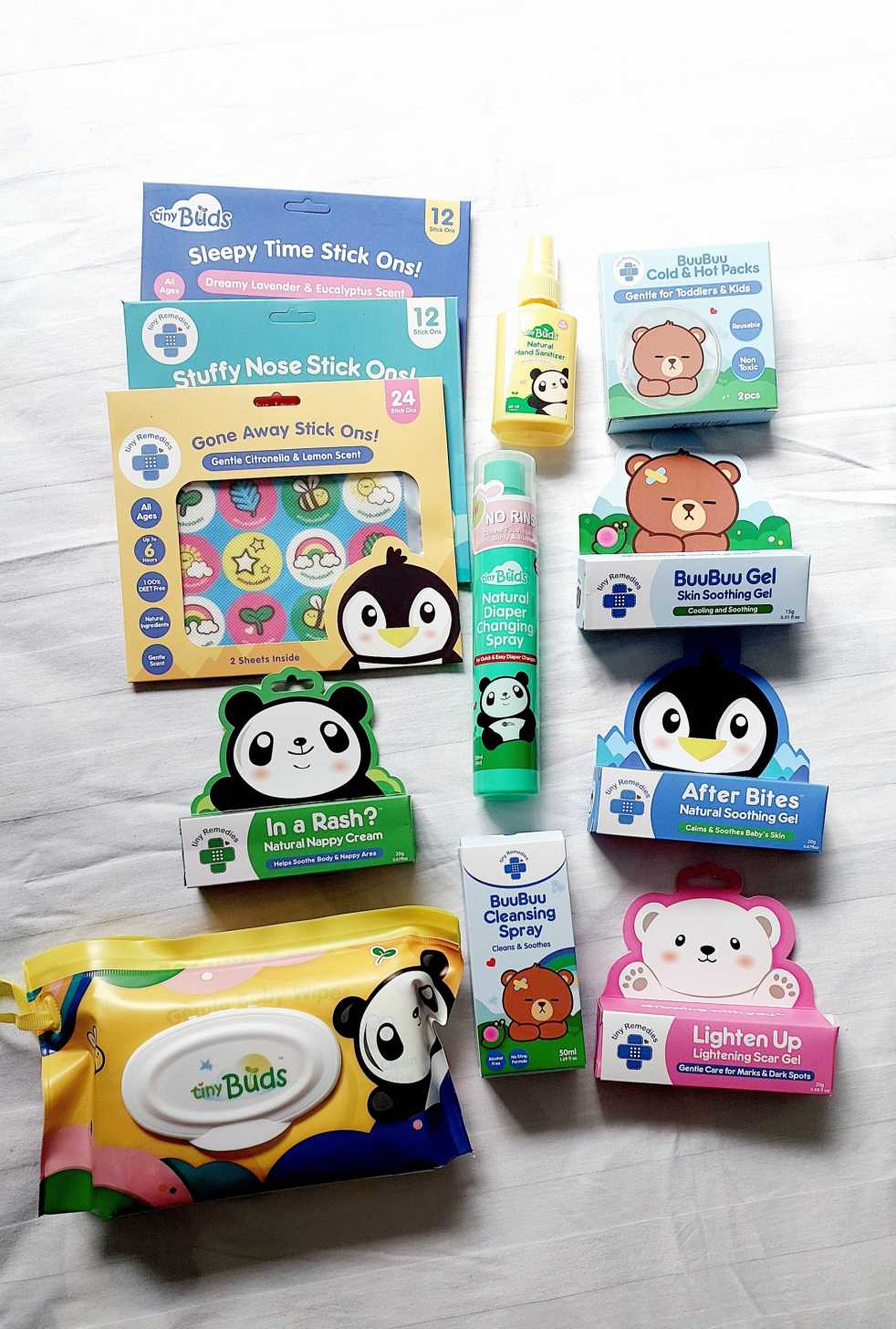
Your baby’s skin is more delicate than most, this is why you have to choose products that are designed for sensitive skin. Tiny Buds is a pioneer in integrating natural ingredients into baby care and today has over 50 innovative natural baby care essentials and is one of the Top Baby Personal Care brands. Here… Continue reading Product Review: Tiny Buds Baby Naturals Baby Essentials
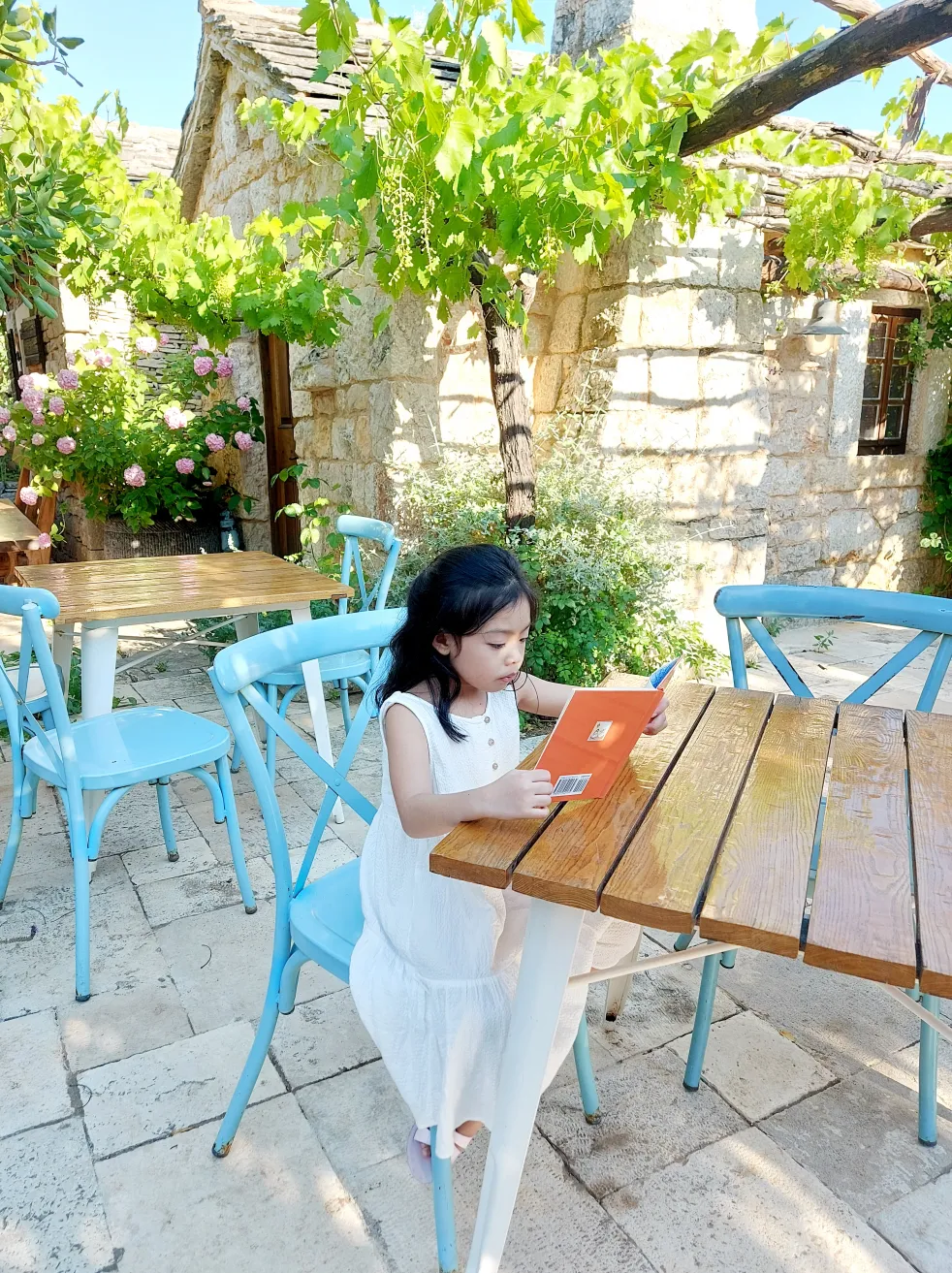
Where your child goes to school is a big decision and shouldn’t be taken lightly. Given how their education can impact their future, you might be tempted to take control and decide for them. However, you might be doing more damage than helping them in the long run. Your job as parents is to support… Continue reading HOW TO CHOOSE THE BEST SCHOOL FOR YOUR CHILD
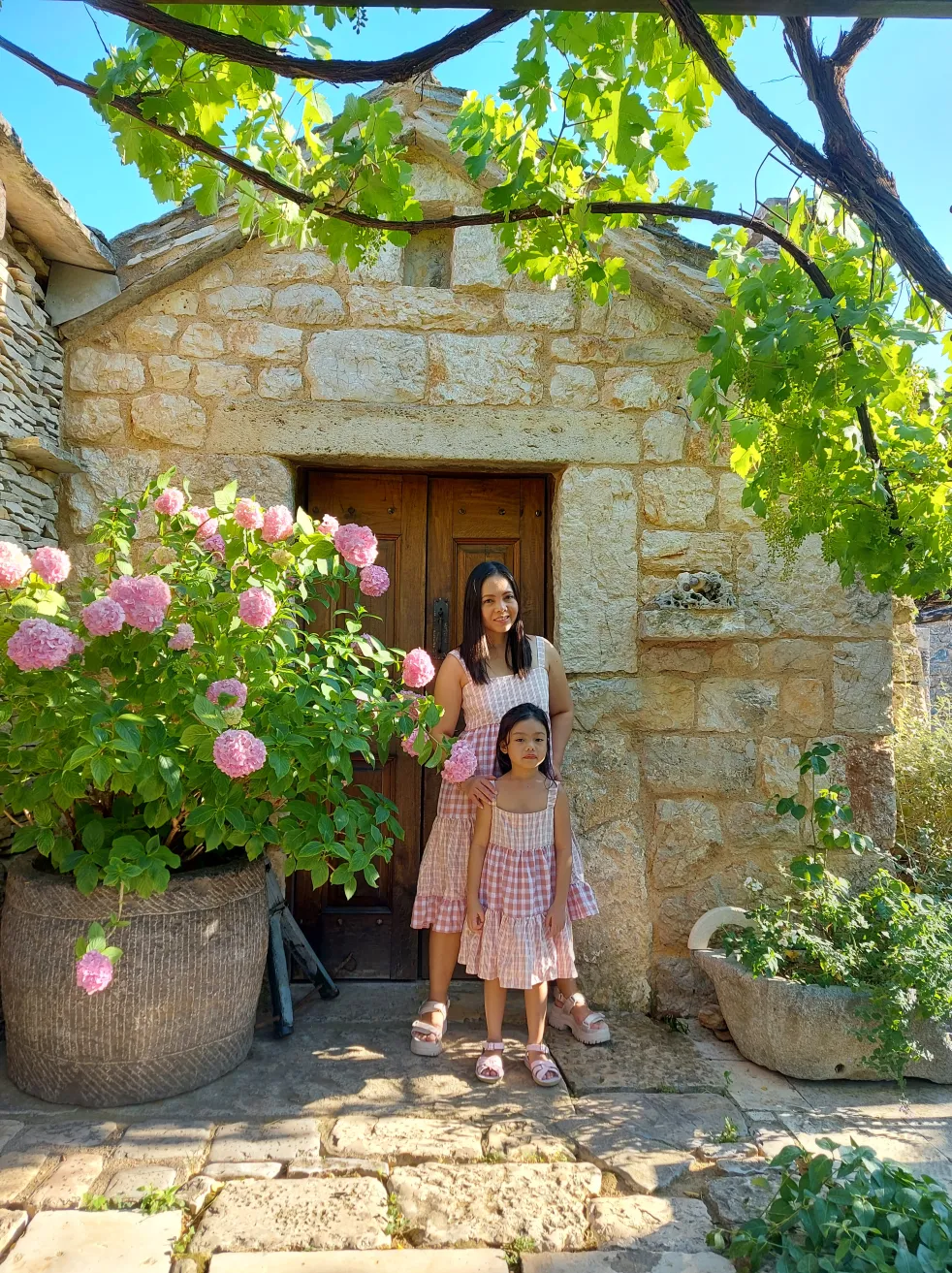
As poet and philosopher Rumi once eloquently said, “raise your words, not your voice. It is rain that grows flowers, not thunder.” Parenting is a challenging journey, and the truth is that nobody has everything figured out. One parenting style might suit others best, and some might favor other methods. However, children respond better to… Continue reading A SIMPLE GUIDE TO GENTLE PARENTING

Whether you’re a new mom to be, mom of a toddler, mom who have school-aged kids, you’re bound to have so many questions. Let's start with your baby's skin. Infant skin has unique needs; gentle care is essential to prevent damage to the skin barrier, which can lead to irritation. When caring for infant skin,… Continue reading Keeping Baby’s Diapered Skin Healthy
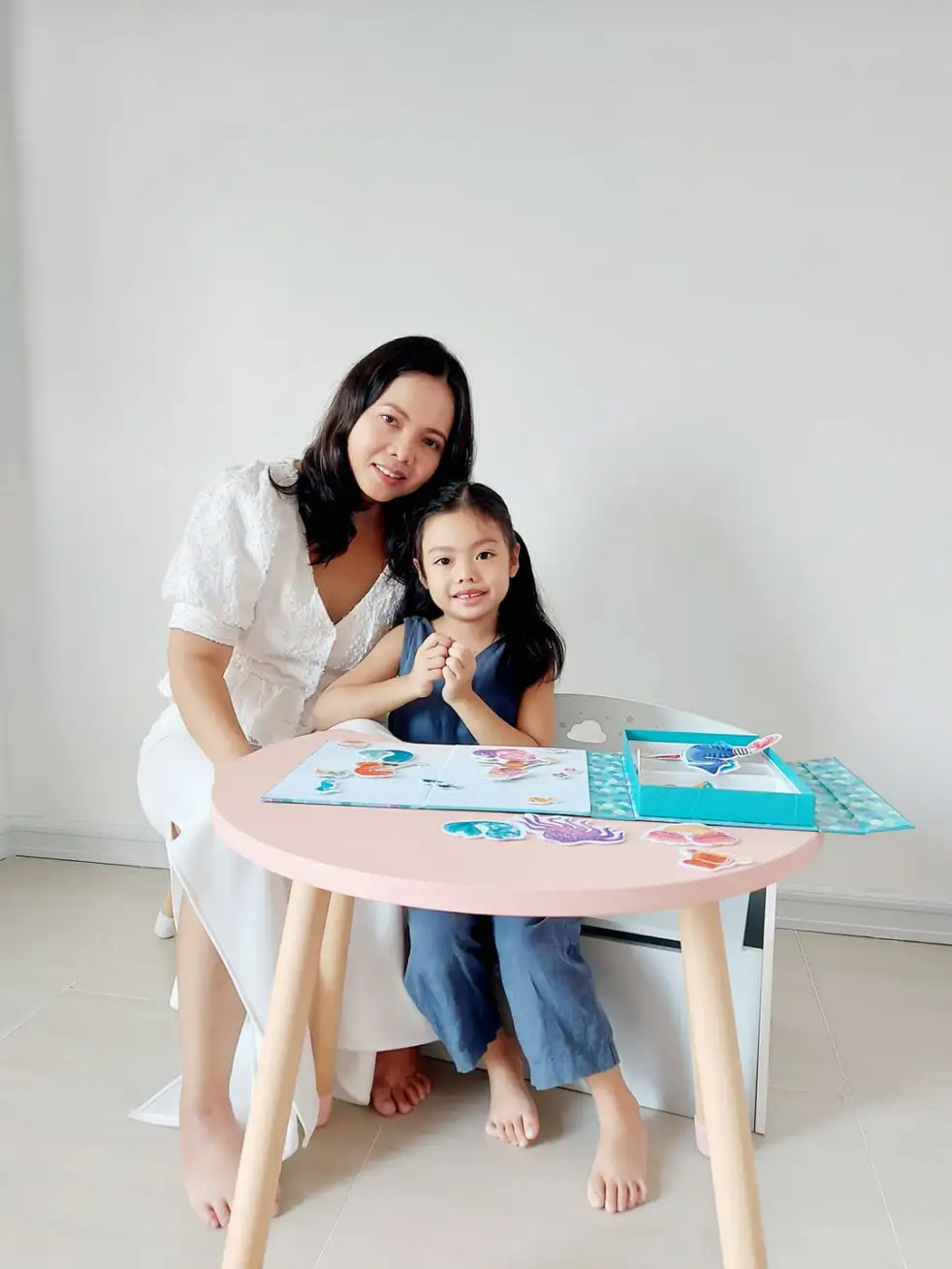
As parents, we want to give our child the best possible start in life and that begins with nurturing their intelligence. Throughout history, the notion of success has been linked to academic intelligence. However, there has been an increased awareness on the importance of emotional intelligence. This question gets at the heart of the never-ending… Continue reading IQ or EQ, which one is a better predictor of your child’s success?
 wondermomma.net