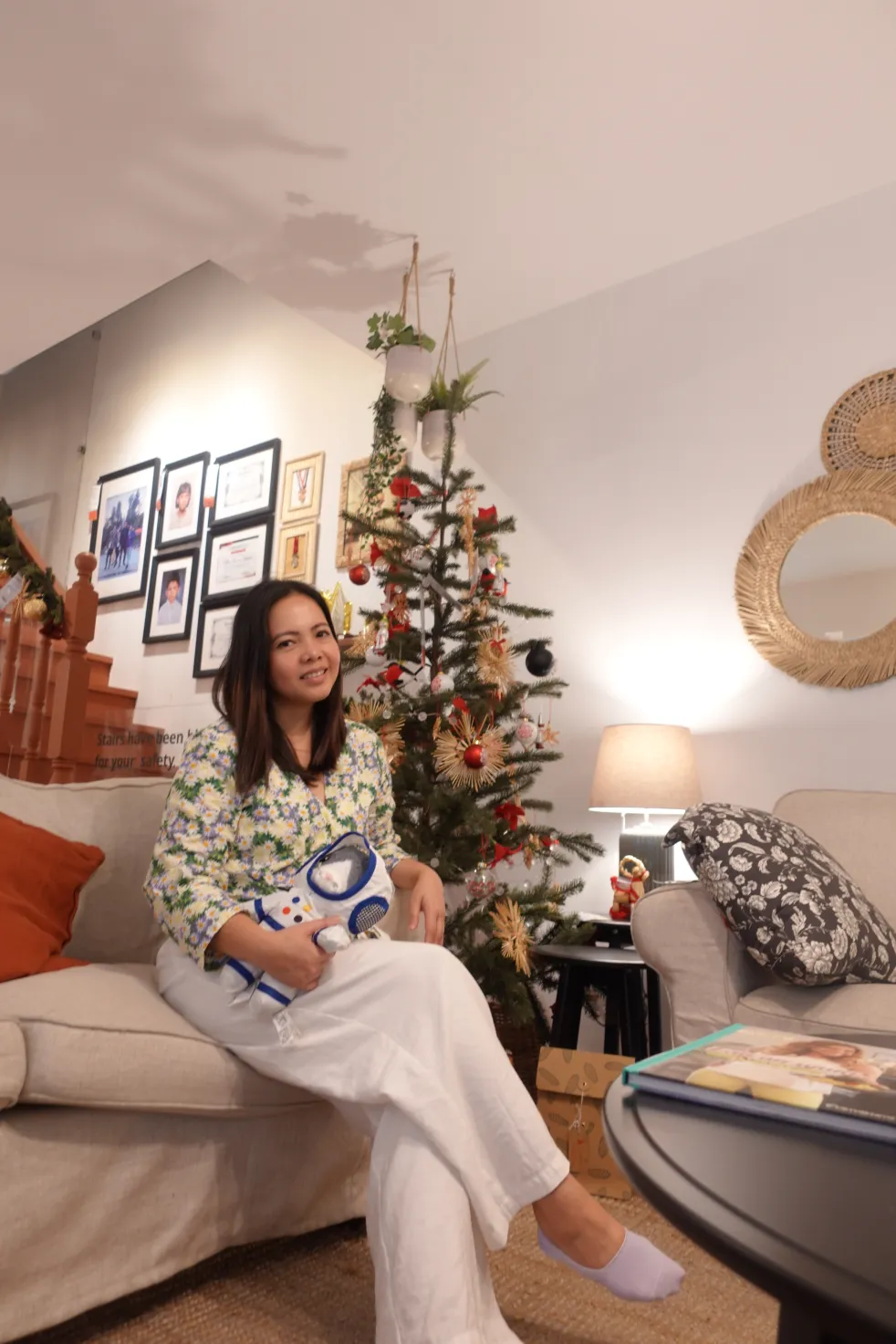
Last August, IKEA Philippines engaged with Better World Smokey Mountain, a newly opened community center operated by the San Miguel Foundation, which shares a similar goal of improving the lives of many Filipino people. Through this partnership, IKEA Philippines provided and assembled home furnishings for the classrooms and library of Better World Smokey Mountain community… Continue reading Help Create a Better World with IKEA Soft Toys
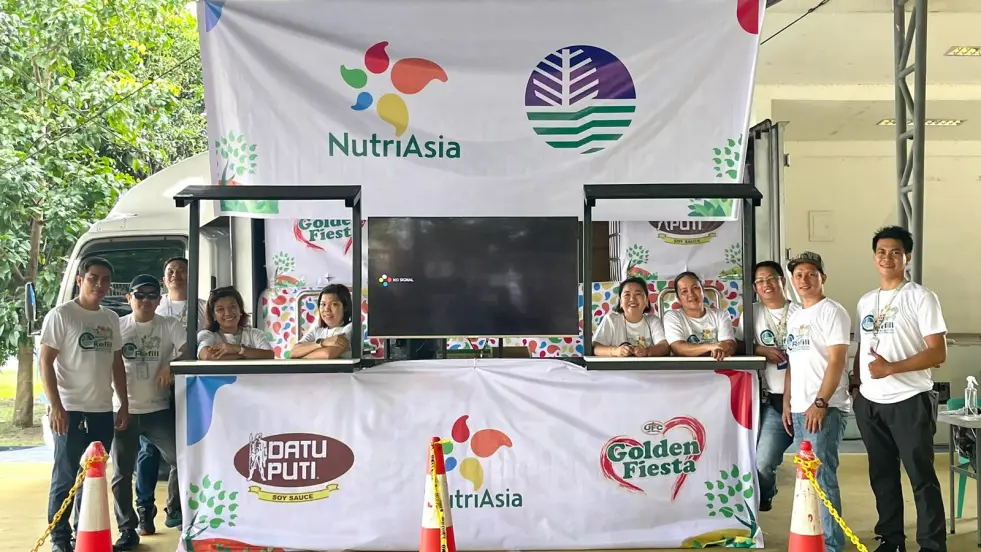
NutriAsia, the country’s top producer of condiments and sauces, continues its support of Refill Revolution; a project by the Department of Environment and Natural Resources EMB 3 that aims to help reduce Filipinos’ single-use plastics consumption. At Refill Revolution, residents get to recycle their single-use plastic bottles by reusing and filling it with their choice… Continue reading NutriAsia and DENR renews partnership for Refill Revolution

Playful Ways to Teach Toddlers to Clean Up
Toddlers are capable of helping with everyday household jobs, but they usually need clear limits, realistic expectations and plenty of repetition. At this age, cleaning up is less about achieving a spotless room and more about building habits such as returning toys, carrying dishes and caring for shared spaces.
Games make these jobs feel manageable because they give children a purpose, a time limit and a chance to move. For Australian families balancing childcare, work, outdoor play and busy evenings, a playful tidy-up routine can become a practical part of family life rather than another source of conflict.
Begin With Small, Specific Jobs
“Clean your room” is too broad for most toddlers. Start with one visible task, such as putting blocks into a basket, placing books on a shelf or carrying dirty clothes to the laundry hamper. Give one instruction at a time and show the action slowly before expecting your child to try it.
Choose storage that a small child can reach without help. Open tubs, low shelves and labelled baskets are often easier to use than tall toy boxes with heavy lids. Picture labels can help children who are still learning words, while colour-coded containers make sorting feel like a matching activity.
A toddler may put three cars away and then wander off. That is still useful practice. Praise the action specifically: “You put the red car in the basket.” Avoid redoing the job immediately in front of your child, since perfection can make helping feel pointless.
Turn Tidying Into A Movement Game
Movement is a toddler’s natural strength, so use it to make household tasks active. Try a “toy rescue” game in which stuffed animals are carried back to their home, or a “delivery driver” game where your child transports books, socks or plastic cups to the correct place.
A clean-up race can work when it stays cooperative rather than competitive. Set a short timer and say, “Let’s see how much we can put away before the bell.” A kitchen timer, sand timer or familiar tidy-up song gives the activity a clear beginning and end. Keep the goal modest so the child experiences success.
For younger toddlers, “find and fetch” is often easier than sorting. Ask them to find two yellow blocks or bring three books to the shelf. Older toddlers can follow a simple route: collect the cups, place them near the sink, then put napkins in the bin. These small sequences build memory and independence.
Use Songs, Stories And Pretend Play
A tidy-up song can become a reliable cue at the end of play. Choose a short tune and use it consistently, stopping when the room is reasonably clear. Singing together keeps the adult involved without turning every instruction into a correction.
Pretend play adds meaning to repetitive jobs. A toy dinosaur can “eat” blocks, a teddy can need its blanket returned, or dolls can help put clothes into a basket. Children often cooperate more readily when the instruction comes through a playful character rather than a direct command.
Books can reinforce the idea that belongings have homes and shared spaces need care. After reading, connect the story to real life: “The character packed away the toys. Let’s give our animals a home too.” Families who have recently changed a toddler’s sleep routine may find that predictable transitions help; this account of moving to one nap illustrates why consistent cues can matter during daily changes.
Build Cleanup Into Daily Rhythms
The easiest time to teach tidying is before a natural transition. Put bath toys away before getting dressed, clear the table before a story, and return outdoor toys before coming inside. When cleanup is linked to an existing event, children gradually learn that one activity ends before another begins.
Australian family routines often include time at a local park, beach or backyard after childcare. A simple “pack-up check” before leaving prevents toys, drink bottles and hats from being forgotten. In cities such as Sydney, Melbourne and Brisbane, this can be especially useful when families move between apartments, shared courtyards, playgrounds and public transport.
Keep the routine short in the late afternoon, when hunger and tiredness reduce cooperation. A two-minute reset may be more effective than a large evening cleanup. If your child is overtired, help with the first few items and lower the expectation. The goal is a habit that can survive ordinary family life.
Teach Sorting And Household Care
Sorting games teach children that different items have different places. Make separate areas for books, construction toys, pretend-play items and soft toys. Give your toddler a small collection to sort rather than tipping the entire playroom onto the floor.
Household jobs can also include safe care tasks. Toddlers may wipe a low table with a damp cloth, place plastic dishes beside the sink, match socks or put rubbish into a clearly identified bin. Supervise closely around water, cleaning products, sharp objects, cords and small items that could be swallowed.
Waste sorting is a useful local habit for Australian children because council systems vary. Some households use green organics, yellow-lid recycling and red-lid general waste bins, while apartment buildings may have different arrangements. Teach the system used by your local council and keep hazardous products, batteries and medicines out of reach. Children can learn the principle without handling anything unsafe.
Keep Boundaries Warm And Consistent
Gentle parenting does not mean allowing a toddler to scatter toys indefinitely. It means setting a calm limit while recognising that the child may need help with the task. Try, “The blocks need to go away before we get the playdough out. You can start with the blue ones, and I’ll do the red ones.”
Offer limited choices when possible: “Would you like to tidy the books or the animals first?” Too many options can overwhelm a young child, while two choices give a sense of control. If the child refuses, repeat the limit without a long lecture and help them begin.
Avoid using food, money or treats as the regular reward for cleaning. Encouragement, shared play and the satisfaction of finishing are more sustainable motivators. Sticker charts may suit some families, but they work best for a short-term goal, such as remembering to place dirty clothes in the hamper.
Match Expectations To Development
A toddler’s ability to clean up changes quickly between ages two and four. A two-year-old may imitate an adult and put away a few objects, while a three-year-old may follow a short sequence and sort familiar items. Development varies, so compare your child with their previous efforts rather than with another child.
Toileting routines can also be a useful opportunity for teaching responsibility. Once a child shows signs of readiness, simple steps such as placing clothes in the hamper, flushing with supervision and washing hands can be practised calmly; these potty training signs can help parents recognise when a child may be ready for more independence.
The following guide can help families choose an appropriate game and level of support:
| Toddler Stage | Suitable Cleanup Game | Adult Support |
|---|---|---|
| Around two years | Toy rescue, basket toss or carrying one item | Model the action and celebrate small attempts |
| Around two to three years | Colour sorting, book delivery or tidy-up songs | Give one-step instructions and stay nearby |
| Around three years | Timed team cleanup or pretend shop closing | Offer two choices and use a short sequence |
| Around four years | Room reset, laundry matching or recycling sort | Check safety, then allow more independent effort |
Keep the atmosphere upbeat, but accept that some days will be untidy. A child who helps for five minutes, learns where belongings belong and sees adults caring for the home is developing a valuable everyday skill. With repetition, playful prompts and realistic expectations, cleanup becomes part of family culture rather than a daily battle.

Mercato Centrale, in collaboration with Indian Women in Enterprise Philippines (I-We), is set to host "The Great Indian Fiesta" to mark 75 years of friendship between India and the Philippines. The dynamic two-day event is scheduled to take place on September 30 to October 1, 2023, at Paseo De Roxas Street, Makati City. Aiming to… Continue reading Mercato Centrale Partners with I-We to Host ‘The Great Indian Fiesta’, Commemorating 75 Years of India-Philippines Friendship

My stomach would usually start growling at 10 am even after taking a big breakfast. This is probably because I am a morning person and I move a lot throughout the day hence snacking is something that I can't avoid. This potatoes and chicken wrap recipe is easy to prepare and would keep me full… Continue reading Potato and Chicken Wrap
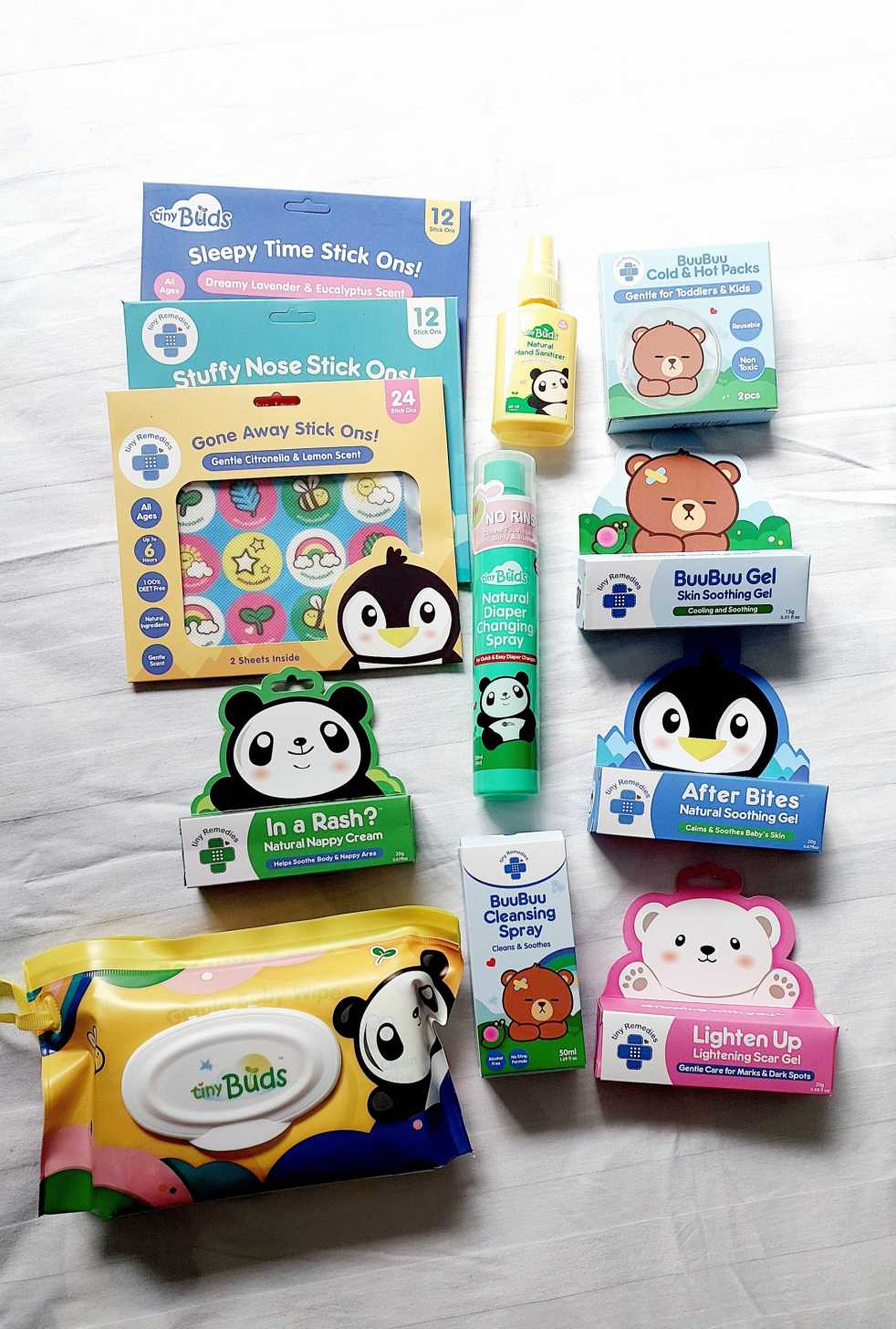
Your baby’s skin is more delicate than most, this is why you have to choose products that are designed for sensitive skin. Tiny Buds is a pioneer in integrating natural ingredients into baby care and today has over 50 innovative natural baby care essentials and is one of the Top Baby Personal Care brands. Here… Continue reading Product Review: Tiny Buds Baby Naturals Baby Essentials
Where your child goes to school is a big decision and shouldn’t be taken lightly. Given how their education can impact their future, you might be tempted to take control and decide for them. However, you might be doing more damage than helping them in the long run. Your job as parents is to support… Continue reading HOW TO CHOOSE THE BEST SCHOOL FOR YOUR CHILD
As poet and philosopher Rumi once eloquently said, “raise your words, not your voice. It is rain that grows flowers, not thunder.” Parenting is a challenging journey, and the truth is that nobody has everything figured out. One parenting style might suit others best, and some might favor other methods. However, children respond better to… Continue reading A SIMPLE GUIDE TO GENTLE PARENTING

Whether you’re a new mom to be, mom of a toddler, mom who have school-aged kids, you’re bound to have so many questions. Let's start with your baby's skin. Infant skin has unique needs; gentle care is essential to prevent damage to the skin barrier, which can lead to irritation. When caring for infant skin,… Continue reading Keeping Baby’s Diapered Skin Healthy
As parents, we want to give our child the best possible start in life and that begins with nurturing their intelligence. Throughout history, the notion of success has been linked to academic intelligence. However, there has been an increased awareness on the importance of emotional intelligence. This question gets at the heart of the never-ending… Continue reading IQ or EQ, which one is a better predictor of your child’s success?
 wondermomma.net