

Last August, IKEA Philippines engaged with Better World Smokey Mountain, a newly opened community center operated by the San Miguel Foundation, which shares a similar goal of improving the lives of many Filipino people. Through this partnership, IKEA Philippines provided and assembled home furnishings for the classrooms and library of Better World Smokey Mountain community… Continue reading Help Create a Better World with IKEA Soft Toys
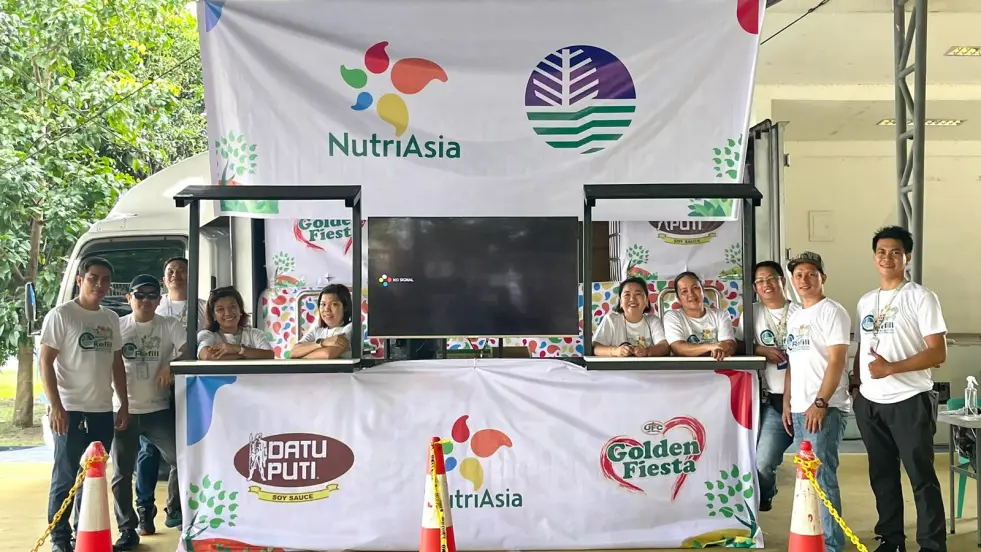
NutriAsia, the country’s top producer of condiments and sauces, continues its support of Refill Revolution; a project by the Department of Environment and Natural Resources EMB 3 that aims to help reduce Filipinos’ single-use plastics consumption. At Refill Revolution, residents get to recycle their single-use plastic bottles by reusing and filling it with their choice… Continue reading NutriAsia and DENR renews partnership for Refill Revolution

10 Signs Your Child Is Ready for Potty Training
Potty training is a gradual developmental step, not a race or a test of good parenting. Some children show clear interest shortly after turning two, while others need more time before they can manage the physical, emotional, and communication skills involved. Readiness matters more than age alone.
A child may be ready to begin learning when several small signals appear together. Staying dry for longer stretches, noticing bodily sensations, following simple instructions, and showing curiosity about the bathroom can all point toward growing independence.
The aim is to create a calm opportunity for practice. When parents respond to readiness cues with patience and encouragement, toilet learning can become a positive part of everyday family life. For more practical guidance on parenting and family routines, explore these parenting resources.
What potty readiness really means
Potty readiness means your child is developing the skills needed to recognize, communicate, and respond to the need to pee or poop. It does not mean they will use the toilet perfectly from the first day. Accidents, hesitation, and occasional regression are normal parts of learning.
Physical readiness is only one piece of the process. Your child also needs enough emotional comfort to sit on a potty or toilet, pause an activity, and accept help with clothing. A child who can stay dry but becomes distressed by the bathroom may benefit from more preparation before formal training begins.
Look for a pattern rather than a single behavior. One dry afternoon or one request to wear underwear is encouraging, but several consistent signals offer a stronger indication that your child is prepared to start.
Body awareness is beginning to develop
1. Your child stays dry for longer periods. If your toddler regularly remains dry for two hours or more, especially during naps, their bladder control may be developing. This makes it easier to create predictable bathroom opportunities, although dry periods can vary from day to day.
2. Your child notices when they are peeing or pooping. They may pause, hide behind furniture, squat, hold their diaper, or announce what is happening. Awareness often comes before control, so simply recognizing the sensation is an important early step.
3. Your child tells you after using a diaper. A statement such as “I’m wet” or “I pooped” shows that your child can connect an internal feeling with what has happened. They may not yet tell you beforehand, but this awareness can soon develop into advance warning.
4. Your child shows signs before needing to go. Some children become quiet, fidget, hold their legs together, walk to a private spot, or make a particular facial expression. Learning your child’s personal cues can help you gently suggest a potty visit without interrupting too often.
These signs do not require immediate action every time. Respond with simple language, such as, “Your body is telling you that you need to pee,” so your child gradually learns the words and sensations connected with elimination.
Communication and cooperation are growing
5. Your child can tell you they need to go. The message may be verbal, through gestures, or by using a family word for pee or poop. Clear communication makes it easier for caregivers to respond quickly, especially when a child is away from home or with another trusted adult.
6. Your child follows simple instructions. Potty learning involves several steps: walking to the bathroom, lowering clothing, sitting down, wiping, flushing, and washing hands. A toddler does not need to perform every step alone, but following one- or two-part directions is helpful.
7. Your child can manage some clothing independently. Pulling down loose shorts, leggings, or underwear is easier than handling buttons, zippers, or tight layers. If your child is practicing dressing and undressing, choose clothing that allows quick access during toilet learning.
Cooperation should feel voluntary rather than forced. A child who can follow directions but strongly resists sitting on the potty may need more familiarity and control. Invite participation, offer limited choices, and avoid turning each bathroom visit into a battle.
Interest and imitation can guide learning
8. Your child is curious about the toilet or potty chair. They may follow you into the bathroom, ask what you are doing, or want to look inside the toilet. Curiosity creates a natural opening to explain body functions in simple, matter-of-fact language.
9. Your child wants to wear underwear. Some children become interested in character designs, colorful patterns, or the idea of wearing what older family members wear. This motivation can be useful, but underwear should not be presented as a reward they must earn.
10. Your child imitates bathroom routines. Pretending to sit on a potty, putting a doll on a toy toilet, flushing, or washing hands shows that your child is observing and rehearsing the process. Play allows them to explore the routine without the pressure of producing anything.
Interest can fade and return, so do not assume a brief refusal means your child is permanently unready. Keep the potty accessible, read a suitable book together, and let your child watch appropriate bathroom routines while respecting privacy and hygiene.
| Readiness signal | What it may look like | Helpful parent response |
|---|---|---|
| Longer dry periods | A dry diaper after a nap or for several hours | Offer a potty visit at predictable times |
| Body awareness | Hiding, squatting, or pausing before elimination | Name the cue calmly and without criticism |
| Communication | Saying “pee,” “poop,” or using a gesture | Respond promptly and praise the clear message |
| Physical independence | Pulling down pants or climbing onto a step stool | Choose easy clothing and provide safe support |
| Bathroom curiosity | Watching, asking questions, or pretending | Explain the routine with simple, neutral words |
| Cooperation | Following basic directions and sitting briefly | Break the process into small, manageable steps |
Emotional readiness matters too
A child may show many physical signs and still need time emotionally. Major changes such as moving house, welcoming a new sibling, starting daycare, traveling, illness, or family stress can make toilet learning harder. Waiting for a calmer period may help your child feel more secure.
Readiness also includes tolerating small amounts of frustration. Potty training requires stopping play, sitting for a short time, and trying again after an accident. A child who can accept gentle help and recover from minor disappointment may be better prepared for the process.
Avoid using shame, threats, or comparisons with siblings and classmates. Statements about being a “big kid” can motivate some children but make others feel pressured. Focus on capability and support: “Your body is learning,” or “We can clean up and try again later.”
How to begin without pressure
Start by making the potty familiar. Let your child sit on it fully clothed, keep it in an accessible bathroom area, or include it in pretend play. Explain that pee and poop go in the toilet, but do not require your child to produce anything during these early visits.
When training begins, offer opportunities after waking, before naps, before leaving home, and after meals. Keep the routine predictable but flexible. Sitting for a few minutes is enough; long sessions can create resistance and frustration.
Use practical supplies that support independence, including a stable potty chair or toilet seat insert, a step stool, loose clothing, spare underwear, and easy-to-clean floor protection. In warm weather, families may find it simpler to practice at home with fewer layers, but comfort and privacy should remain priorities.
Encouragement that supports progress
Praise effort, awareness, and communication instead of focusing only on successful toilet use. “You noticed your body needed to go” is more helpful than exaggerated praise for every result. Calm encouragement teaches your child that the process is manageable, even when the outcome is an accident.
Accidents should be handled with neutral language. Help your child change, involve them in simple cleanup if appropriate, and say, “Pee went on the floor. Next time, we can try the potty.” Avoid scolding or showing disappointment, since anxiety can make children more reluctant to use the toilet.
Use these gentle approaches as your child begins practicing:
- Offer two simple choices, such as using the potty before or after brushing teeth.
- Keep bathroom language consistent among parents, relatives, and caregivers.
- Practice handwashing every time so hygiene becomes part of the routine.
- Pause or scale back if your child becomes highly distressed, fearful, or unusually resistant.
Progress is rarely perfectly linear. A child may use the toilet successfully at home but have accidents at daycare, during travel, or when deeply absorbed in play. These changes usually reflect differences in routine and environment rather than a failure to learn.
When to seek extra support
Talk with your child’s pediatrician if toilet learning is accompanied by pain, persistent constipation, blood in the stool, frequent urinary accidents after a long dry period, or strong fear of urinating or passing stool. Physical discomfort can make a child avoid the potty, and treating the underlying issue may make progress easier.
It is also worth seeking guidance if your child seems unable to recognize bodily signals well after other developmental skills have emerged, or if accidents continue to cause significant distress. A healthcare professional can consider medical, developmental, sensory, or emotional factors without blaming the child or family.
There is no universal deadline for daytime toilet independence. Nighttime dryness often develops later because it depends on sleep patterns and hormone-related bladder control. Your child may be ready for daytime practice while still needing a diaper or training pants overnight.
Watch for readiness, prepare the environment, and keep expectations realistic. With steady support, clear routines, and plenty of patience, your child can build confidence one bathroom visit at a time. Begin with the signs that are already present and make the next small step feel safe, manageable, and encouraging.

Mercato Centrale, in collaboration with Indian Women in Enterprise Philippines (I-We), is set to host "The Great Indian Fiesta" to mark 75 years of friendship between India and the Philippines. The dynamic two-day event is scheduled to take place on September 30 to October 1, 2023, at Paseo De Roxas Street, Makati City. Aiming to… Continue reading Mercato Centrale Partners with I-We to Host ‘The Great Indian Fiesta’, Commemorating 75 Years of India-Philippines Friendship

My stomach would usually start growling at 10 am even after taking a big breakfast. This is probably because I am a morning person and I move a lot throughout the day hence snacking is something that I can't avoid. This potatoes and chicken wrap recipe is easy to prepare and would keep me full… Continue reading Potato and Chicken Wrap
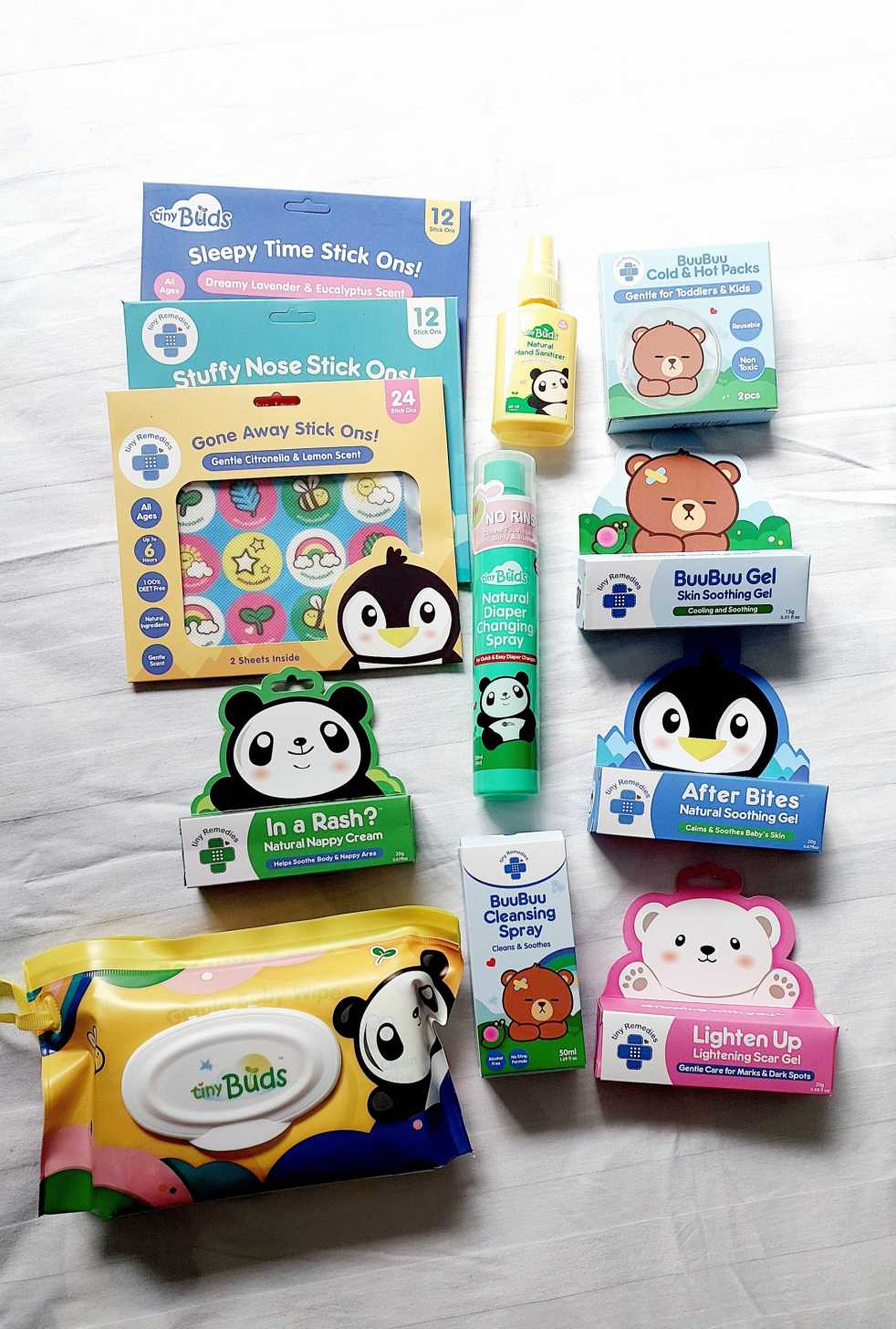
Your baby’s skin is more delicate than most, this is why you have to choose products that are designed for sensitive skin. Tiny Buds is a pioneer in integrating natural ingredients into baby care and today has over 50 innovative natural baby care essentials and is one of the Top Baby Personal Care brands. Here… Continue reading Product Review: Tiny Buds Baby Naturals Baby Essentials
Where your child goes to school is a big decision and shouldn’t be taken lightly. Given how their education can impact their future, you might be tempted to take control and decide for them. However, you might be doing more damage than helping them in the long run. Your job as parents is to support… Continue reading HOW TO CHOOSE THE BEST SCHOOL FOR YOUR CHILD
As poet and philosopher Rumi once eloquently said, “raise your words, not your voice. It is rain that grows flowers, not thunder.” Parenting is a challenging journey, and the truth is that nobody has everything figured out. One parenting style might suit others best, and some might favor other methods. However, children respond better to… Continue reading A SIMPLE GUIDE TO GENTLE PARENTING
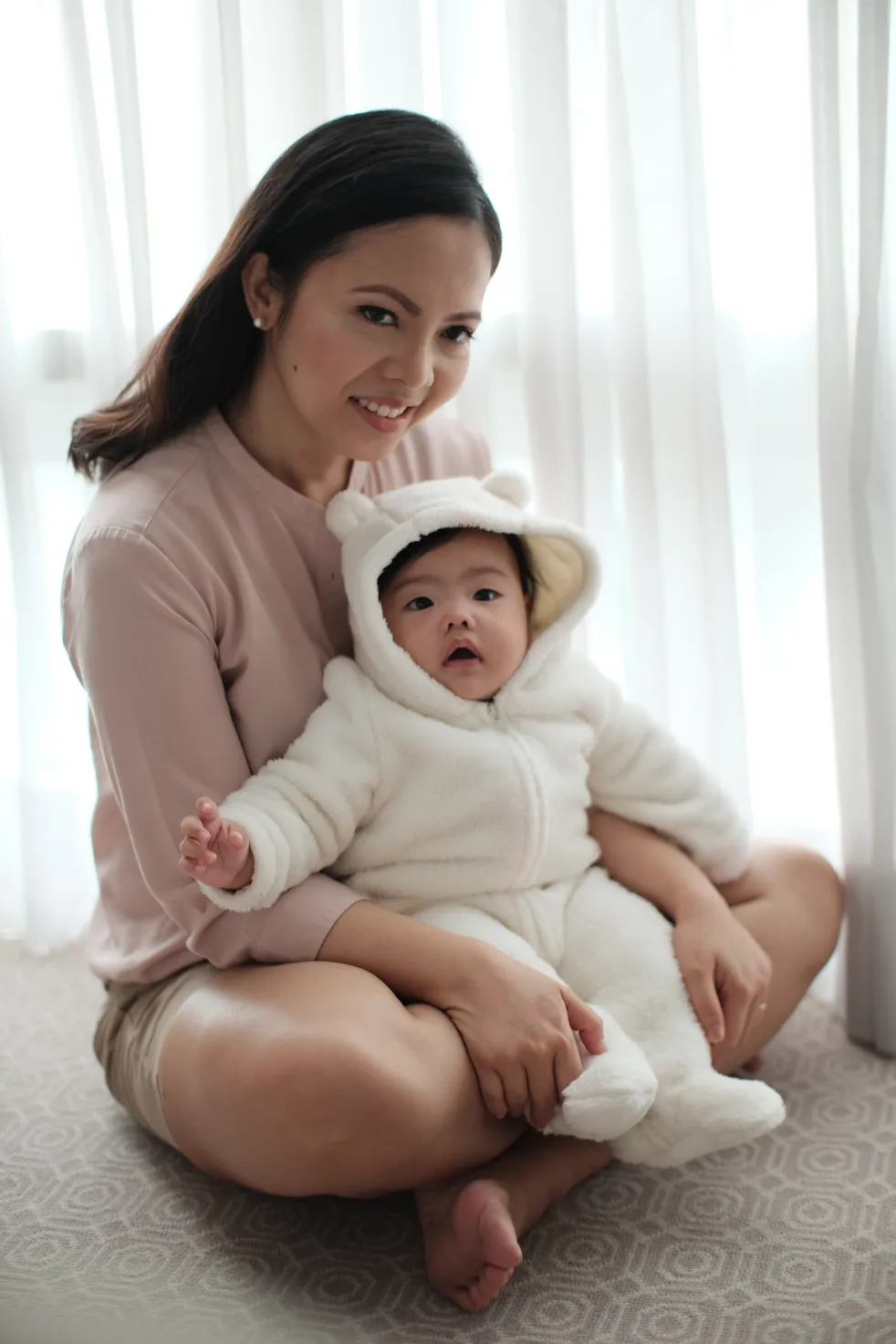
Whether you’re a new mom to be, mom of a toddler, mom who have school-aged kids, you’re bound to have so many questions. Let's start with your baby's skin. Infant skin has unique needs; gentle care is essential to prevent damage to the skin barrier, which can lead to irritation. When caring for infant skin,… Continue reading Keeping Baby’s Diapered Skin Healthy
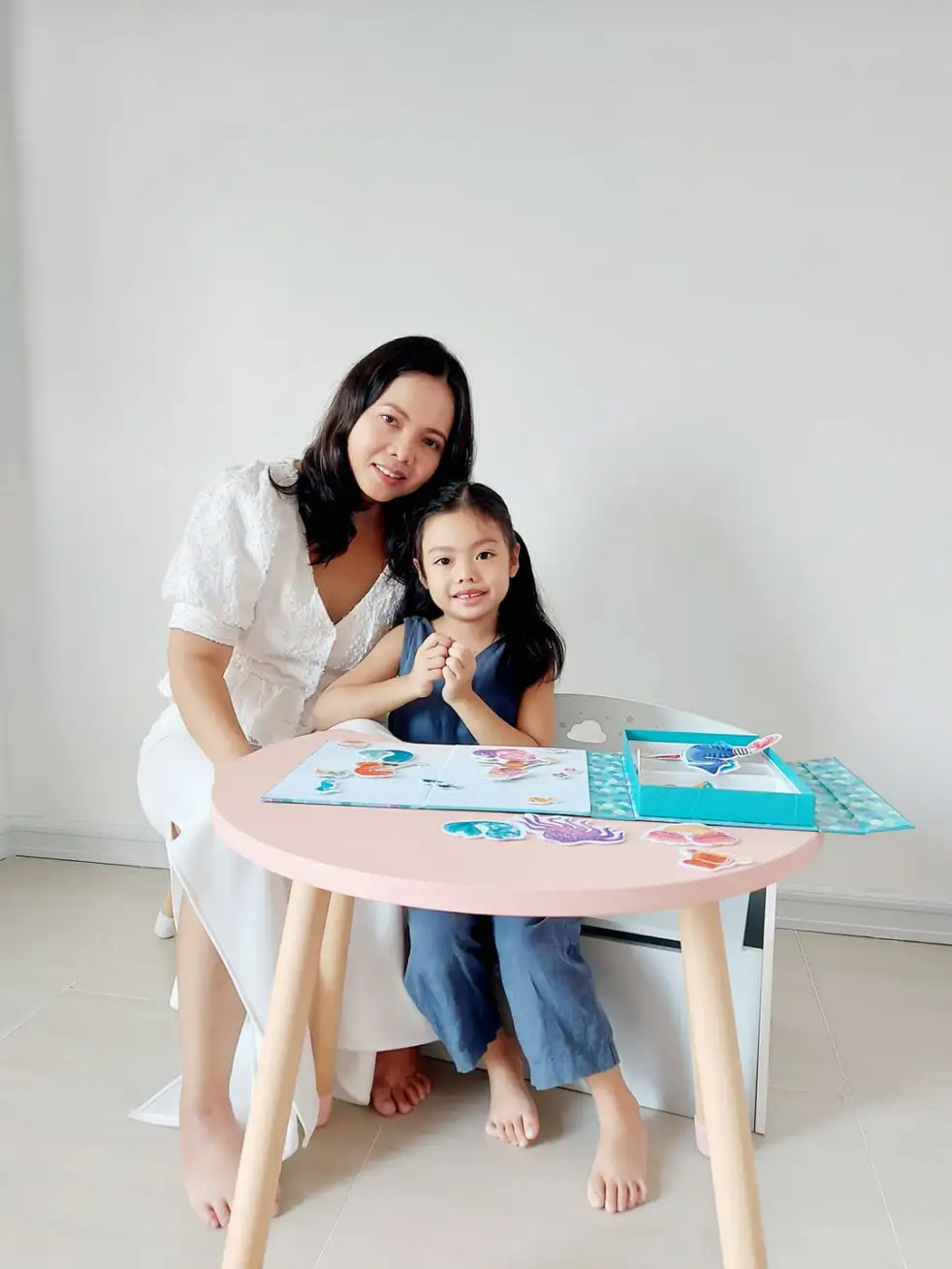
As parents, we want to give our child the best possible start in life and that begins with nurturing their intelligence. Throughout history, the notion of success has been linked to academic intelligence. However, there has been an increased awareness on the importance of emotional intelligence. This question gets at the heart of the never-ending… Continue reading IQ or EQ, which one is a better predictor of your child’s success?
 wondermomma.net