
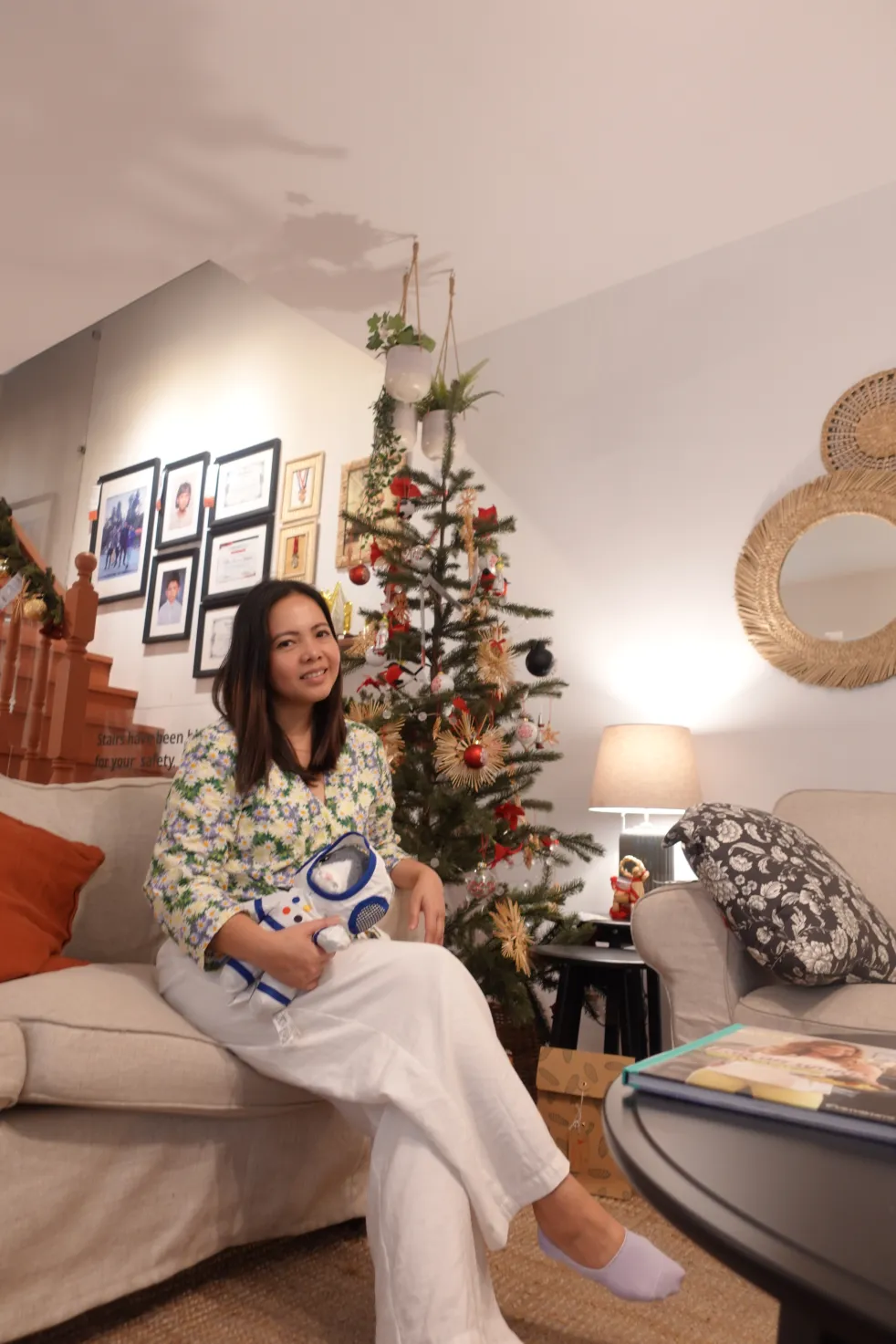
Last August, IKEA Philippines engaged with Better World Smokey Mountain, a newly opened community center operated by the San Miguel Foundation, which shares a similar goal of improving the lives of many Filipino people. Through this partnership, IKEA Philippines provided and assembled home furnishings for the classrooms and library of Better World Smokey Mountain community… Continue reading Help Create a Better World with IKEA Soft Toys
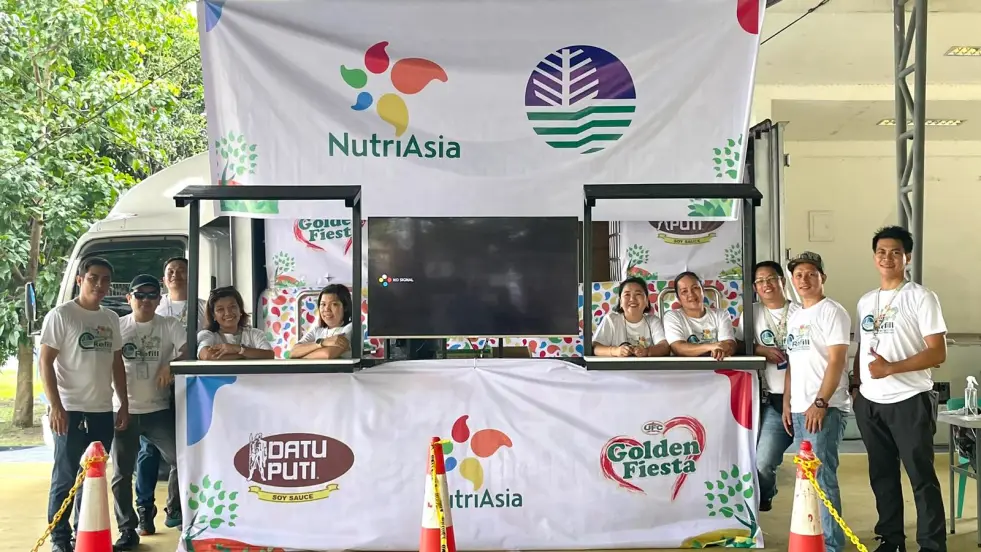
NutriAsia, the country’s top producer of condiments and sauces, continues its support of Refill Revolution; a project by the Department of Environment and Natural Resources EMB 3 that aims to help reduce Filipinos’ single-use plastics consumption. At Refill Revolution, residents get to recycle their single-use plastic bottles by reusing and filling it with their choice… Continue reading NutriAsia and DENR renews partnership for Refill Revolution

Helping little ones learn to wait their turn with simple games
Learning to wait is one of the earliest social lessons a child encounters, often before they have words to describe what's happening. From lining up at a busy playground in Sydney to sharing crayons at a playgroup in Adelaide, everyday moments become training grounds for patience. The good news for parents is that turn-taking doesn't need to be a lecture. It can be built into play, where children are happiest and most open to learning.
In homes across Australia, where playdates often happen in backyards or local parks and grandparents frequently live nearby, children get plenty of chances to practise waiting. Long summer evenings, weekend sport, and community events like school fetes all create moments where children must take turns. Recognising these moments as learning opportunities is the first step in shaping patient little humans.
The skills built during turn-taking ripple into other areas of life. They support early literacy conversations, help with group learning at preschool, and encourage emotional regulation when disappointments arrive. Children who are guided gently through waiting experiences tend to settle more easily into formal learning, including the structured Australian school terms that begin in late January or early February. That makes playful practice at home genuinely valuable.
This article explores simple games and activities that teach turn-taking at different ages, with ideas suited to Australian settings such as the backyard, the beach, and the lounge room. There is also a quick comparison of popular games and a couple of practical checklists to make starting out as easy as possible.
Why turn-taking is a building block for social skills
Turn-taking is more than a polite habit. It underpins how children negotiate friendships, share resources, and respond to adult instructions. When a child waits for their go in a simple game, they are exercising self-control, listening skills, and the ability to read social cues. These foundational skills grow stronger with practice.
Young children experience time differently from adults. A ten-second wait can feel like an eternity to a toddler who has only just discovered the joy of doing things for themselves. Structured play helps because it gives children a clear signal that waiting is part of the fun rather than a punishment. Over weeks and months, the brain builds neural pathways that make patience feel easier and more automatic.
Parents often notice that the same child who melts down when asked to wait at the supermarket will happily sit through a longer wait during a beloved game. The difference lies in engagement and predictability. When a child knows the routine and feels part of the action, even small children can stretch their patience surprisingly far.
Comparing popular turn-taking games
| Game | Best age | Players | Skills practised | Setup needed |
|---|---|---|---|---|
| Pass the Parcel | 2+ | 3+ | Waiting, listening | Low |
| Stacking Blocks | 2+ | 1–4 | Self-control, fine motor | Low |
| Snakes and Ladders | 4+ | 2–4 | Counting, turn-taking | Low |
| Memory | 4+ | 2–4 | Focus, memory | Medium |
| Hoot Owl Hoot | 4+ | 2–4 | Cooperation, patience | Medium |
| Backyard Relay | 5+ | 3+ | Teamwork, gross motor | Outdoor space |
This table offers a starting point for choosing games based on your child's age and the space you have available. Younger children thrive with low-setup games, while older kids benefit from games that introduce light strategy.
Simple floor games for toddlers and preschoolers
Floor games are often the easiest place to start because they require little preparation and adapt well to small spaces. A sunny verandah in Perth or a lounge room in a Melbourne apartment can become a stage for early turn-taking practice. Pass the Parcel, where a small wrapped gift travels around a circle while music plays, gives children a tangible focus and a clear cue for when their turn arrives.
Another favourite in many Australian homes is a simple stacking game. Each child adds one block at a time, then waits as the next child takes their turn. If the tower falls, everyone laughs and starts again. For slightly older preschoolers, a tray of shells, buttons, or pieces of a Bunnings-bought puzzle can be sorted one item at a time, with each child taking a turn to choose where the piece belongs.
To make these sessions feel rich rather than rushed, try a few small touches:
- A sand timer from a discount store makes waiting visible.
- A picture chart showing the order of play helps non-readers follow along.
- A short cheer after each child's turn reinforces the positive feeling of finishing a wait.
- Sticker rewards offered sparingly at the end mark the achievement.
Card games and board games that practise patience
Once children reach four or five, structured tabletop games become wonderful training grounds. Classic Australian family favourites like Snakes and Ladders, Guess Who, and Memory all have clear turns, visible cues, and short wait times between actions. They also suit family game nights that often happen after dinner, when the day is winding down.
For families looking to introduce cooperative play, titles like Hoot Owl Hoot and Race to the Treasure offer a shared goal rather than a winner-takes-all dynamic. This is helpful for younger players who find competitive loss too frustrating. Parents can also adapt traditional favourites by adding small rules, such as a mandatory "pause and breathe" moment at the start of each turn, mirroring mindfulness routines popular in many Australian primary schools.
When choosing games, look for these features:
- Turns that last between ten seconds and one minute, depending on age.
- Clear visual or verbal cues that signal whose turn it is.
- Limited pieces so children are not overwhelmed by setup.
- A playful tone that keeps frustration low.
Outdoor games that use Australian spaces
Australia's outdoor lifestyle offers countless chances to practise turn-taking beyond the four walls of home. Backyard cricket, beach bat-and-ball, and park-based obstacle courses are classic pastimes that naturally involve waiting. A simple game of backyard cricket, common in suburban Adelaide, requires every player to wait their turn at bat while others field. Even young children can join in, swinging a soft ball on a tee.
Visits to local playgrounds, like the climbing structures at Sydney Park or the creek walks in Brisbane's inner west, also create opportunities. Parents can play "I Spy" or take turns leading a short walk, giving each child a moment to be the leader. At the beach, children can take turns burying each other's legs in sand or filling buckets one scoop at a time. The sensory richness of sand and water helps children stay present, which makes the wait feel shorter.
For a structured outdoor game, try a simple relay race. Mark a starting line with a stick or piece of chalk, and let each child run, hop, or crawl to a marker before tagging the next runner. If you have access to a local oval or sporting club, weekend Auskick or junior cricket sessions also teach turn-taking in a supportive community setting.
Handling frustration when the waiting game goes wrong
Even with the best preparation, frustration will bubble over. A child who has waited patiently for three turns may lose it on the fourth, especially if they are tired or hungry. Parents can plan for these moments by acknowledging feelings first, then offering a small strategy such as counting to ten, taking three deep breaths, or squeezing a soft toy. These tools help children reset without feeling judged.
A meltdown is not failure. Each one is information, telling parents which situations are still too hard and where more support is needed. If waiting during a board game reliably triggers tears, the game may need to be shortened, or the rules adapted to give that child an extra turn. Gradual exposure, paired with empathy, builds resilience faster than any single lesson could.
Celebrate progress in ways that feel genuine to your family. A hug, a high-five, or a quiet "I noticed how patiently you waited just now" goes a long way. Children who feel seen in their effort are more likely to try again next time. For more ideas on creating calm, organised spaces that support your child's daily rhythm, this guide on how to organize your baby's closet by size and season offers gentle inspiration that pairs well with patient play.

Mercato Centrale, in collaboration with Indian Women in Enterprise Philippines (I-We), is set to host "The Great Indian Fiesta" to mark 75 years of friendship between India and the Philippines. The dynamic two-day event is scheduled to take place on September 30 to October 1, 2023, at Paseo De Roxas Street, Makati City. Aiming to… Continue reading Mercato Centrale Partners with I-We to Host ‘The Great Indian Fiesta’, Commemorating 75 Years of India-Philippines Friendship

My stomach would usually start growling at 10 am even after taking a big breakfast. This is probably because I am a morning person and I move a lot throughout the day hence snacking is something that I can't avoid. This potatoes and chicken wrap recipe is easy to prepare and would keep me full… Continue reading Potato and Chicken Wrap
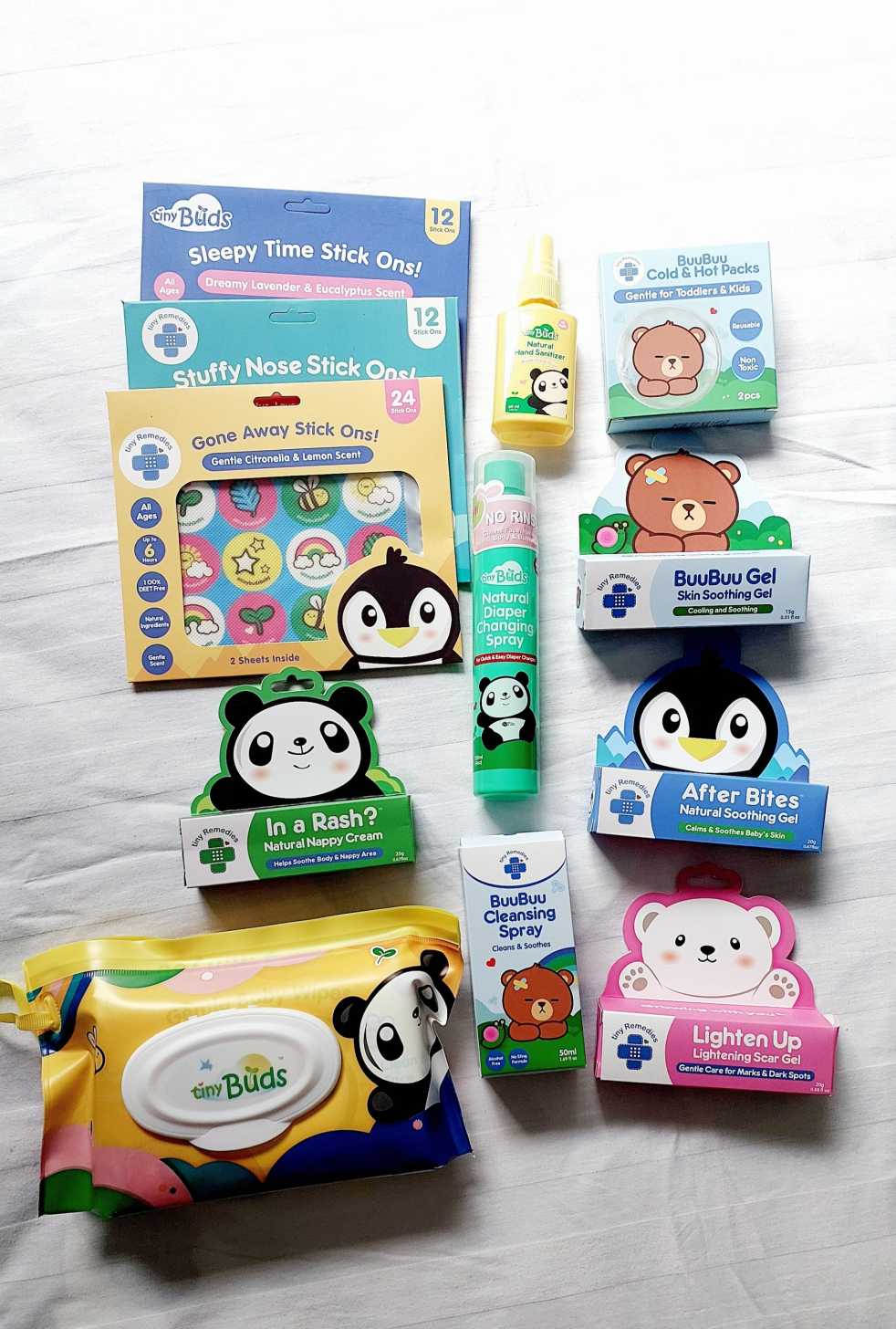
Your baby’s skin is more delicate than most, this is why you have to choose products that are designed for sensitive skin. Tiny Buds is a pioneer in integrating natural ingredients into baby care and today has over 50 innovative natural baby care essentials and is one of the Top Baby Personal Care brands. Here… Continue reading Product Review: Tiny Buds Baby Naturals Baby Essentials
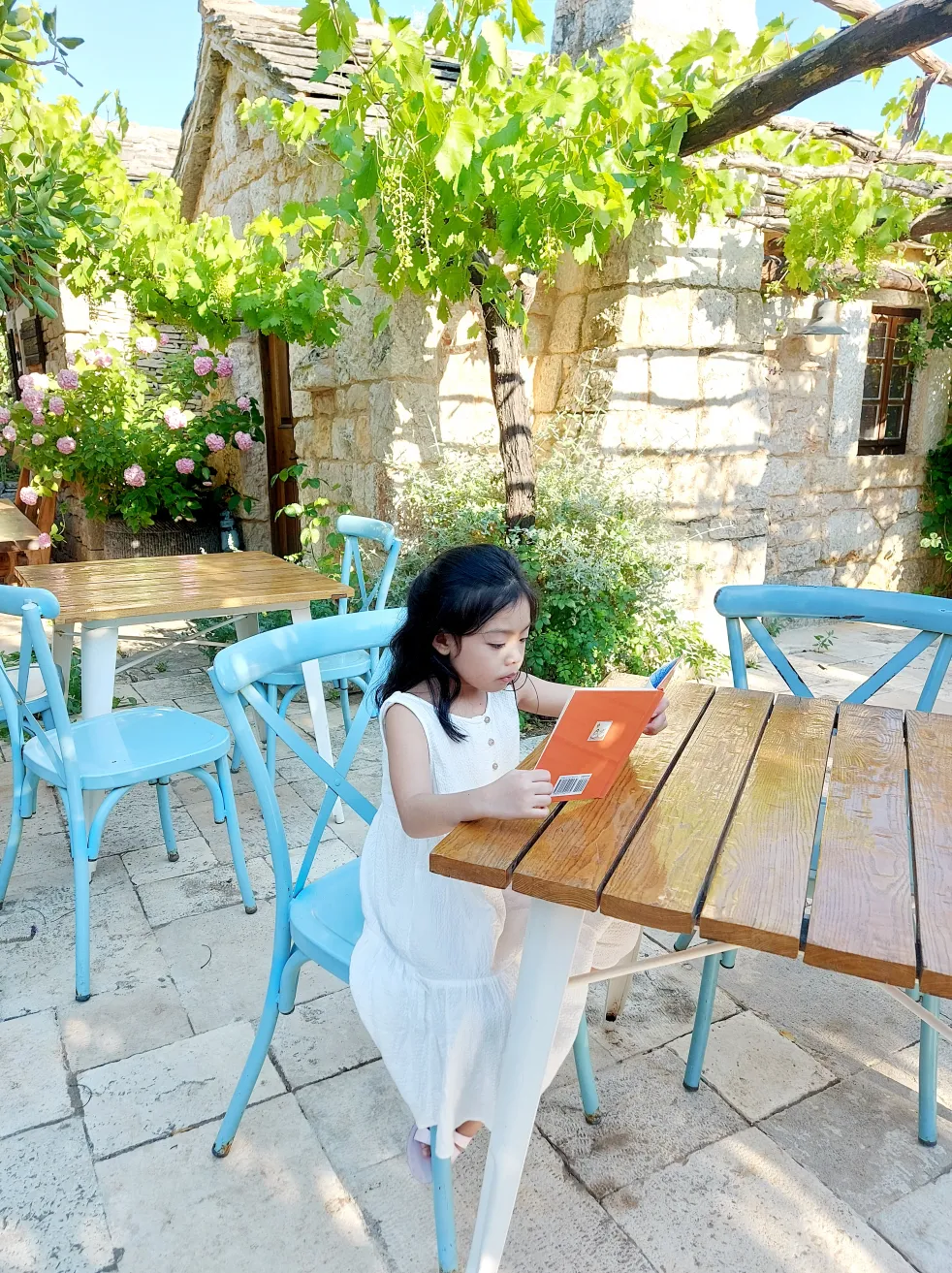
Where your child goes to school is a big decision and shouldn’t be taken lightly. Given how their education can impact their future, you might be tempted to take control and decide for them. However, you might be doing more damage than helping them in the long run. Your job as parents is to support… Continue reading HOW TO CHOOSE THE BEST SCHOOL FOR YOUR CHILD
As poet and philosopher Rumi once eloquently said, “raise your words, not your voice. It is rain that grows flowers, not thunder.” Parenting is a challenging journey, and the truth is that nobody has everything figured out. One parenting style might suit others best, and some might favor other methods. However, children respond better to… Continue reading A SIMPLE GUIDE TO GENTLE PARENTING

Whether you’re a new mom to be, mom of a toddler, mom who have school-aged kids, you’re bound to have so many questions. Let's start with your baby's skin. Infant skin has unique needs; gentle care is essential to prevent damage to the skin barrier, which can lead to irritation. When caring for infant skin,… Continue reading Keeping Baby’s Diapered Skin Healthy
As parents, we want to give our child the best possible start in life and that begins with nurturing their intelligence. Throughout history, the notion of success has been linked to academic intelligence. However, there has been an increased awareness on the importance of emotional intelligence. This question gets at the heart of the never-ending… Continue reading IQ or EQ, which one is a better predictor of your child’s success?
 wondermomma.net