

Last August, IKEA Philippines engaged with Better World Smokey Mountain, a newly opened community center operated by the San Miguel Foundation, which shares a similar goal of improving the lives of many Filipino people. Through this partnership, IKEA Philippines provided and assembled home furnishings for the classrooms and library of Better World Smokey Mountain community… Continue reading Help Create a Better World with IKEA Soft Toys

NutriAsia, the country’s top producer of condiments and sauces, continues its support of Refill Revolution; a project by the Department of Environment and Natural Resources EMB 3 that aims to help reduce Filipinos’ single-use plastics consumption. At Refill Revolution, residents get to recycle their single-use plastic bottles by reusing and filling it with their choice… Continue reading NutriAsia and DENR renews partnership for Refill Revolution

How to Organize Your Baby’s Closet by Size and Season
A baby’s wardrobe can become crowded quickly. Newborn outfits, gifted clothes, hand-me-downs, sleepwear, swaddles, and seasonal pieces often end up in one overflowing drawer. Since babies grow quickly, finding the right size at the right moment can feel harder than it should.
A simple closet system makes everyday dressing calmer. When clothing is sorted by fit, weather, and frequency of use, you can choose an outfit quickly without unfolding every item. It also helps you see what your baby already has before buying more.
In the Philippines, seasonal organization works a little differently from a cold-weather wardrobe. Warm days, rainy afternoons, strong air-conditioning, and cooler evenings all affect what your baby may need. The goal is to create flexible categories rather than store clothes for only one traditional season.
Start With a Complete Closet Reset
Begin by taking every baby clothing item out of drawers, baskets, shelves, and storage boxes. Place everything in one clear area so you can see the full wardrobe. Include accessories such as hats, socks, bibs, mittens, sleep sacks, and lightweight blankets.
Check each piece for its size, condition, and usefulness. Remove anything stained beyond repair, damaged, uncomfortable, or unsuitable for your baby’s current stage. Clothes that are too small can be placed in a labeled hand-me-down box, donated, or saved for a younger sibling if they are still in good condition.
Keep a separate area for items that need washing or repair. Avoid returning these pieces to the closet before they are ready to use. This first reset prevents worn-out or unavailable clothing from taking up valuable space.
Create A Size System That Grows With Your Baby
Clothing labels are useful, but they are not always consistent. A “three to six months” outfit from one brand may fit differently from the same size at another store. Use the label as a guide, then check the actual fit around the shoulders, chest, waist, and diaper area.
Keep the current size in the easiest-to-reach drawers or hanging section. Store the next size in a nearby labeled container so it is ready when your baby grows. Larger sizes can go on a higher shelf or in a separate storage box, away from daily dressing items.
Use clear labels such as “Newborn,” “Three to Six Months,” “Six to Nine Months,” and “Nine to Twelve Months.” If your baby is between sizes, create a small “fits now” section for garments that work well at the current stage. This is especially helpful when some brands run smaller or larger than expected.
Avoid storing every future size in the main closet. Too many choices make the space harder to manage and can hide the clothes your baby can wear today.
Sort Clothes Around Local Weather
Instead of dividing the wardrobe into only summer and winter, consider practical weather categories. In a warm climate, these may include hot and humid days, rainy weather, air-conditioned rooms, and cooler evenings. This approach reflects how your family actually uses clothing.
Lightweight cotton bodysuits, rompers, and breathable pajamas can form the everyday core. For rainy days or cool indoor spaces, keep thin cardigans, cotton pants, muslin layers, and socks nearby. Avoid piling heavy garments into the closet if your baby rarely needs them.
A small weather-based system can look like this:
| Clothing Group | Useful For | Best Storage Location | Helpful Examples |
|---|---|---|---|
| Everyday lightweight wear | Warm, humid days | Top drawer or open basket | Cotton bodysuits, rompers, loose shorts |
| Sleepwear | Naps and nighttime | Separate drawer section | Zip-up pajamas, soft gowns |
| Light layers | Air-conditioning and cooler evenings | Front of hanging area | Cardigans, cotton pants, muslin wraps |
| Rainy-day extras | Damp weather and travel | Labeled basket | Quick-dry outfits, spare socks, thin towels |
| Special outfits | Events and visits | Upper shelf or garment section | Dresses, button-down sets, formal shoes |
Keep at least one light layer in the diaper bag, even on warm days. Shopping centers, clinics, restaurants, and relatives’ homes may have strong air-conditioning. A flexible baby wardrobe works best when layers are easy to add or remove.
Choose Storage That Protects Small Clothes
Drawers are often the most practical choice for baby clothes because small garments can be folded upright and viewed at a glance. Use drawer dividers or small bins to separate bodysuits, pajamas, bottoms, and accessories. Vertical folding helps prevent a clean item from disappearing beneath a stack.
Hanging space is useful for dresses, jackets, rompers that wrinkle easily, and special-occasion clothes. Use slim child-sized hangers where possible, and leave enough space between garments so you can see each item. Avoid placing heavy clothing on delicate hangers that may stretch the fabric.
Open baskets work well for daily essentials such as bibs, burp cloths, muslin squares, and socks. Label each basket clearly, especially if another caregiver helps with dressing. A picture label can be useful before children can read, while large words make the system easier for adults to maintain.
For clothes stored for later, choose clean, dry containers with secure lids. Wash and fully dry garments before packing them away. Add a label with the size, season or weather category, and the date they were stored so the box is easy to identify months later.
Make Daily Dressing Faster And Safer
Arrange the closet according to how often items are used. Everyday clothes should be at waist height and easy to reach. Special outfits, extra blankets, and future sizes can stay higher or farther back. This reduces unnecessary searching during rushed mornings or nighttime changes.
Group complete outfit components together when possible. For example, place bodysuits beside soft pants, or keep a romper with matching socks in the same drawer section. You can also prepare a few simple outfit sets in a basket for the week, especially when a partner, grandparent, or caregiver shares dressing duties.
Keep a small laundry rhythm in mind. Place clean clothes in one direction and return freshly washed items to the back of the section, using older pieces first. This prevents certain outfits from being forgotten and helps distribute wear across the wardrobe.
Safety matters inside the closet as well. Keep loose cords, plastic bags, mothballs, and small accessories away from your baby’s reach. Secure tall furniture to the wall, avoid overloading shelves, and keep changing areas clear of items that could fall.
Build A Maintenance Routine That Lasts
Baby clothes need regular editing because growth can happen suddenly. Once every few weeks, check whether sleeves, waistbands, necklines, and diaper areas still fit comfortably. A garment that leaves marks, rides up, or restricts movement should be moved out of the everyday section.
After laundry day, return clothing to the correct size and weather category rather than placing everything in the nearest empty drawer. This small habit keeps the organization working. If the closet becomes cluttered again, repeat a shorter reset instead of waiting for a major cleanout.
Create three clearly labeled containers: “too small,” “too warm,” and “needs repair.” These categories make decisions easier while you are folding laundry. When a container is full, process it promptly by storing, donating, repairing, or passing on the contents.
You can also take a quick inventory before shopping. Note how many bodysuits, sleep outfits, layers, and socks are currently usable. This reduces duplicate purchases and helps you choose practical pieces that match your baby’s routine.
Use A Small Set Of Smart Organizing Habits
A well-organized baby closet does not need expensive furniture or complicated accessories. The most effective system is one that matches your home, your laundry schedule, and your baby’s changing needs. Simple labels and accessible categories usually matter more than decorative storage.
Use these habits to keep the closet manageable:
- Keep the current size at eye level and store future sizes separately.
- Sort clothes by everyday wear, sleepwear, layers, special outfits, and accessories.
- Use breathable fabrics and lightweight layers for warm, humid weather.
- Place rainy-day and air-conditioned-room essentials in an easy-to-reach basket.
- Review the closet regularly and remove clothes that no longer fit or suit the season.
As your baby becomes more mobile, update the arrangement again. Crawling, walking, daycare, travel, and messy mealtimes may change which clothes deserve the most accessible space. A practical closet should adapt with your family rather than remain fixed.
Set aside a few minutes this week to empty one drawer, sort the contents by size and weather, and label the sections clearly. Once that first area is working, continue through the rest of the closet at a comfortable pace. A calm, flexible clothing system can make baby care easier every day.

Mercato Centrale, in collaboration with Indian Women in Enterprise Philippines (I-We), is set to host "The Great Indian Fiesta" to mark 75 years of friendship between India and the Philippines. The dynamic two-day event is scheduled to take place on September 30 to October 1, 2023, at Paseo De Roxas Street, Makati City. Aiming to… Continue reading Mercato Centrale Partners with I-We to Host ‘The Great Indian Fiesta’, Commemorating 75 Years of India-Philippines Friendship

My stomach would usually start growling at 10 am even after taking a big breakfast. This is probably because I am a morning person and I move a lot throughout the day hence snacking is something that I can't avoid. This potatoes and chicken wrap recipe is easy to prepare and would keep me full… Continue reading Potato and Chicken Wrap
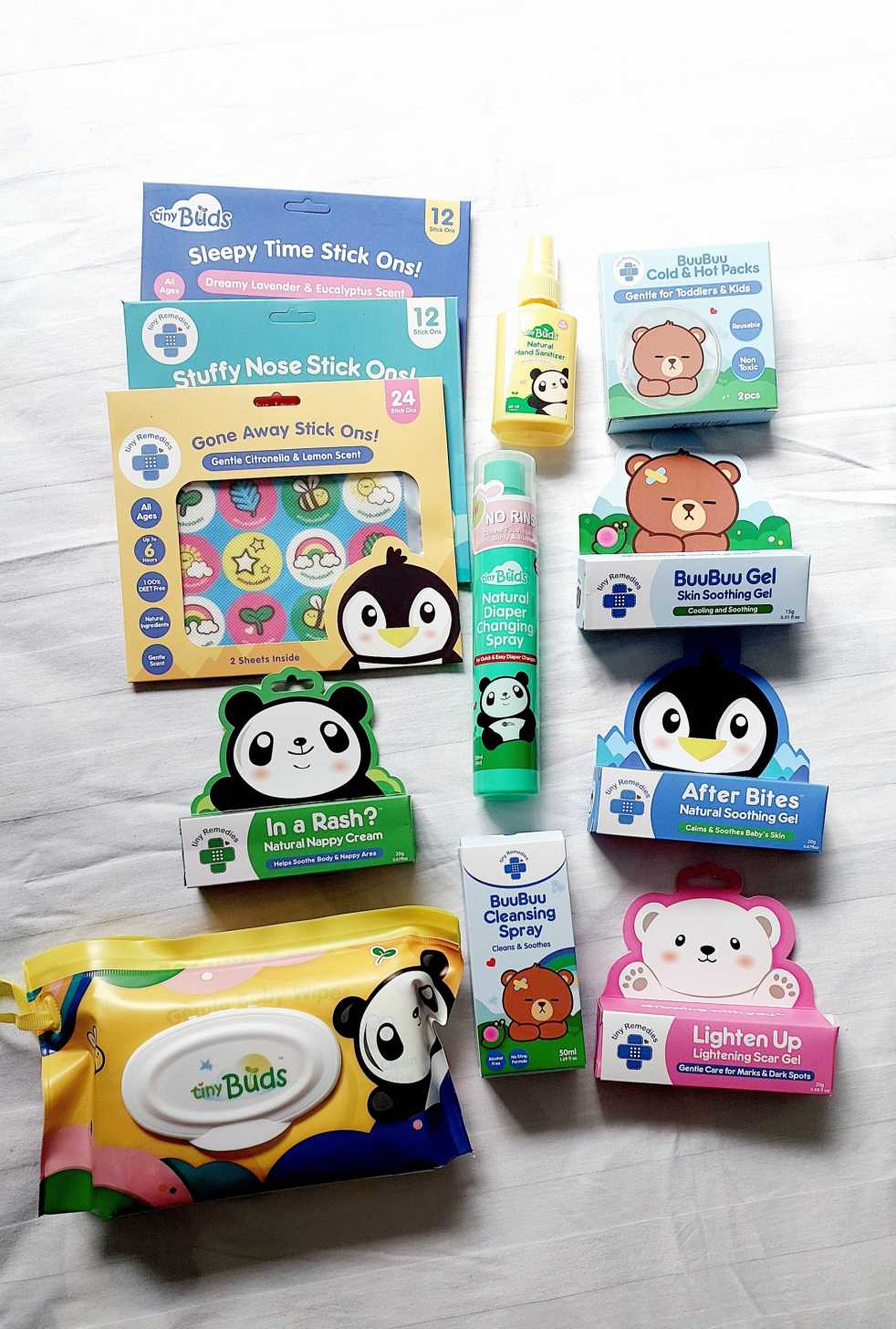
Your baby’s skin is more delicate than most, this is why you have to choose products that are designed for sensitive skin. Tiny Buds is a pioneer in integrating natural ingredients into baby care and today has over 50 innovative natural baby care essentials and is one of the Top Baby Personal Care brands. Here… Continue reading Product Review: Tiny Buds Baby Naturals Baby Essentials
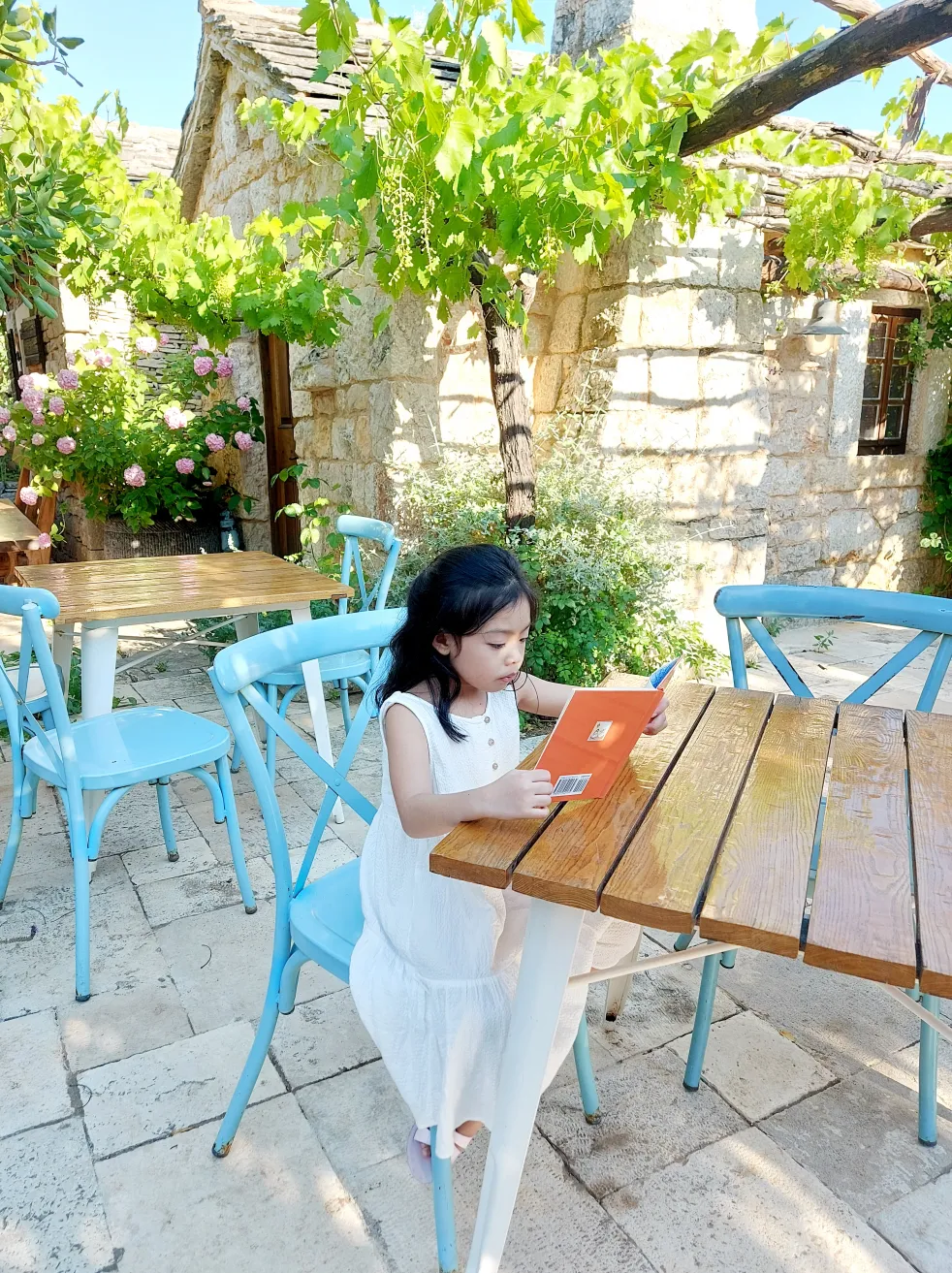
Where your child goes to school is a big decision and shouldn’t be taken lightly. Given how their education can impact their future, you might be tempted to take control and decide for them. However, you might be doing more damage than helping them in the long run. Your job as parents is to support… Continue reading HOW TO CHOOSE THE BEST SCHOOL FOR YOUR CHILD
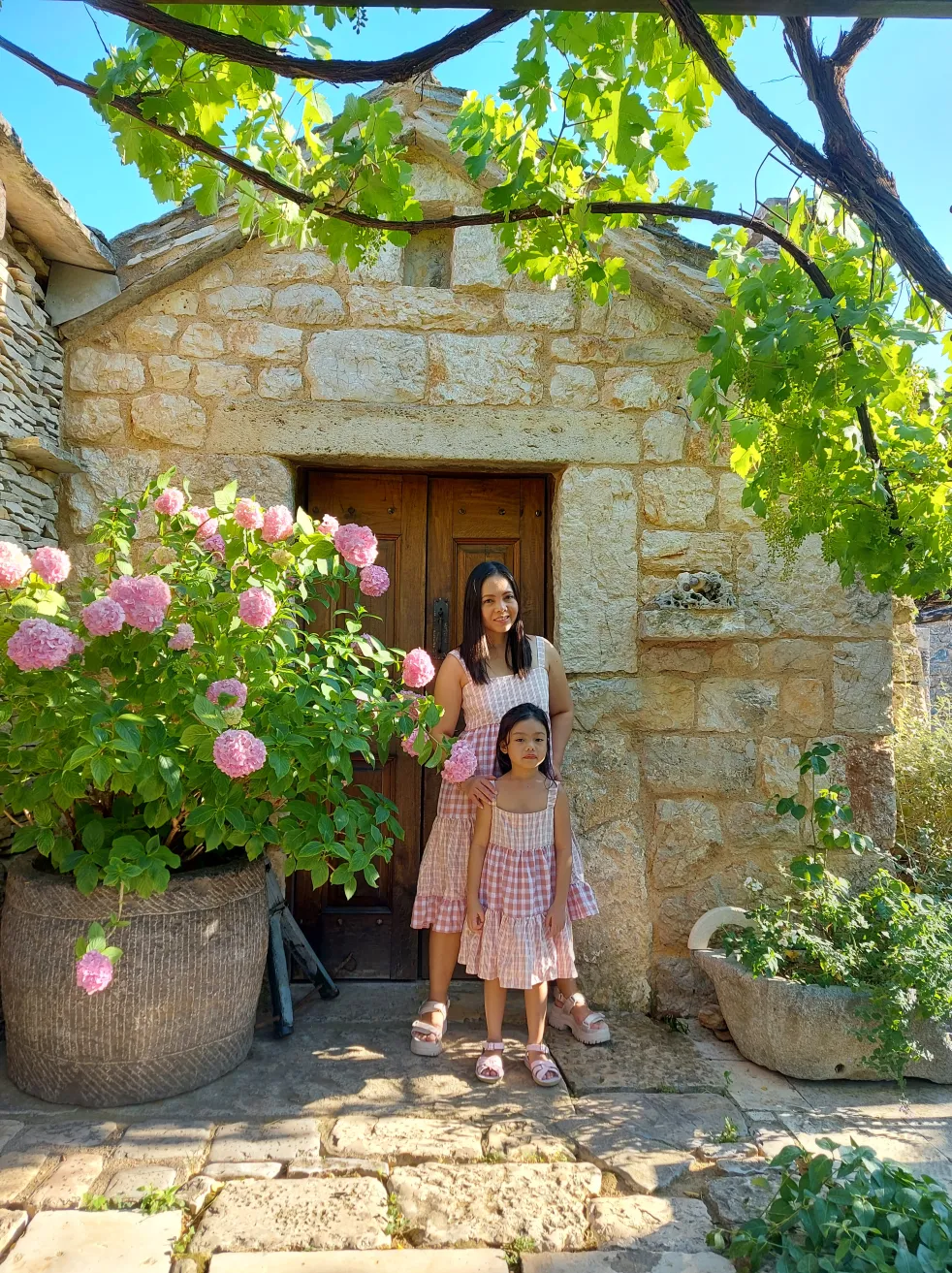
As poet and philosopher Rumi once eloquently said, “raise your words, not your voice. It is rain that grows flowers, not thunder.” Parenting is a challenging journey, and the truth is that nobody has everything figured out. One parenting style might suit others best, and some might favor other methods. However, children respond better to… Continue reading A SIMPLE GUIDE TO GENTLE PARENTING
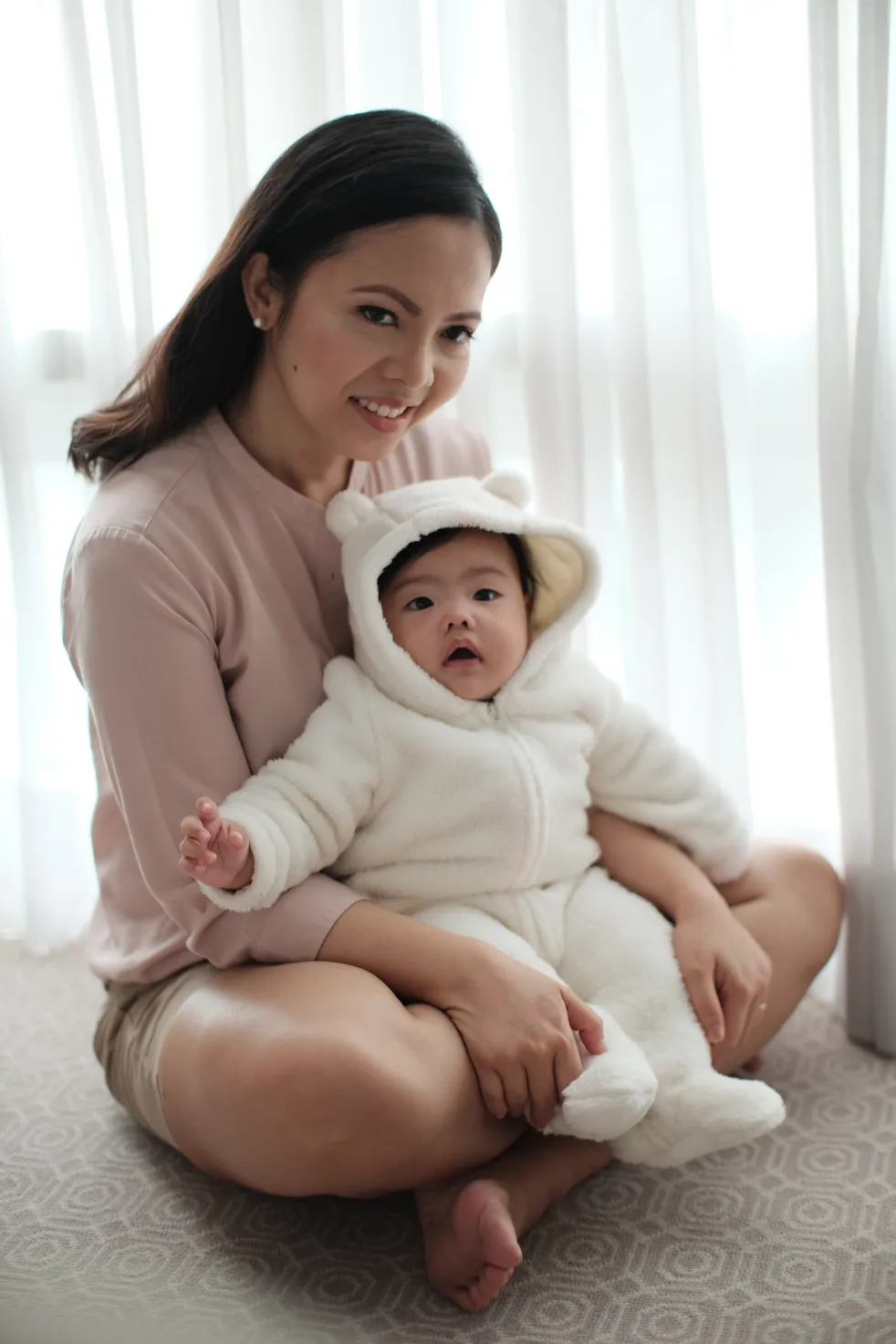
Whether you’re a new mom to be, mom of a toddler, mom who have school-aged kids, you’re bound to have so many questions. Let's start with your baby's skin. Infant skin has unique needs; gentle care is essential to prevent damage to the skin barrier, which can lead to irritation. When caring for infant skin,… Continue reading Keeping Baby’s Diapered Skin Healthy
As parents, we want to give our child the best possible start in life and that begins with nurturing their intelligence. Throughout history, the notion of success has been linked to academic intelligence. However, there has been an increased awareness on the importance of emotional intelligence. This question gets at the heart of the never-ending… Continue reading IQ or EQ, which one is a better predictor of your child’s success?
 wondermomma.net