

Last August, IKEA Philippines engaged with Better World Smokey Mountain, a newly opened community center operated by the San Miguel Foundation, which shares a similar goal of improving the lives of many Filipino people. Through this partnership, IKEA Philippines provided and assembled home furnishings for the classrooms and library of Better World Smokey Mountain community… Continue reading Help Create a Better World with IKEA Soft Toys
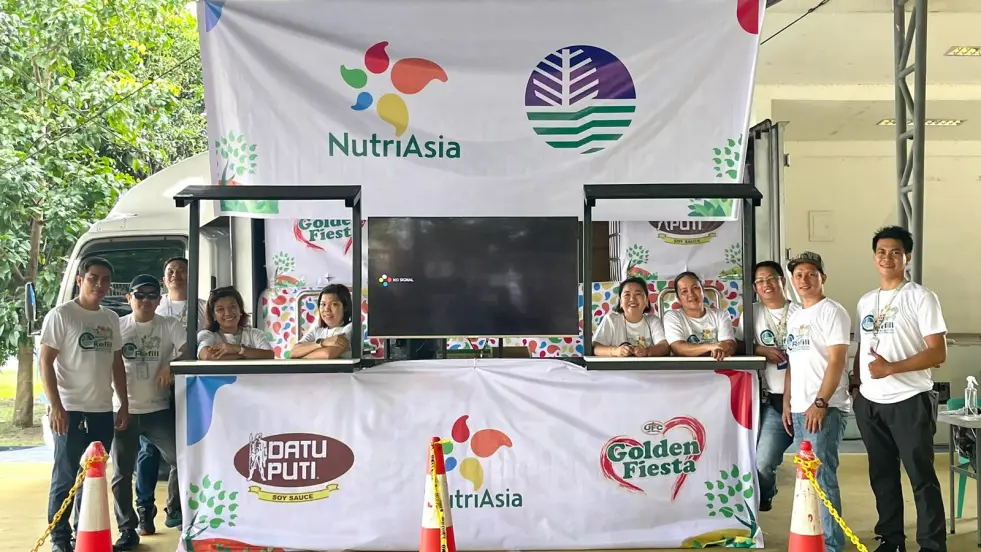
NutriAsia, the country’s top producer of condiments and sauces, continues its support of Refill Revolution; a project by the Department of Environment and Natural Resources EMB 3 that aims to help reduce Filipinos’ single-use plastics consumption. At Refill Revolution, residents get to recycle their single-use plastic bottles by reusing and filling it with their choice… Continue reading NutriAsia and DENR renews partnership for Refill Revolution

Everyday Gratitude Practices for Children and Families
Gratitude does not have to mean asking children to recite a list of things they appreciate. For young children, it can be a warm conversation at the dinner table, a thoughtful note in a lunchbox, or a pause to notice the people and small comforts that make family life feel safe. These simple moments help children recognise kindness, effort, connection and the natural world.
For families in Australia, gratitude can fit easily around school drop-off, childcare, weekend sport and busy working days. It does not require expensive activities or a perfectly calm household. With a few repeatable habits, parents can show children how appreciation becomes part of daily family culture, while still making room for honest feelings and difficult days.
Begin With Small Moments
The easiest way to practise gratitude with your child is to notice ordinary experiences together. During breakfast, you might say, “I’m glad we have warm toast today,” or “I loved hearing you laugh with your sister.” Specific observations are more meaningful than a general instruction to “be grateful” because children learn what appreciation sounds like through examples.
Try choosing one moment each day when everyone shares something they noticed. It could be a friend who saved a seat at school, a teacher who explained a tricky idea, or the cool breeze after a hot afternoon in Brisbane. A toddler may simply point to a favourite teddy, while an older child might mention a supportive teammate at football training.
Keep the practice flexible. Some evenings will be rushed, especially when dinner, homework and baths all overlap. A gratitude habit can happen in the car after school, while walking the dog, or just before lights out. The goal is connection rather than a flawless routine.
Model Appreciation Without Forcing It
Children absorb how adults speak about everyday help. Saying “Thank you for putting the plates on the table” shows that household contributions matter. Acknowledging the supermarket worker, bus driver, childcare educator or neighbour also helps children understand that many people make daily life easier.
Parents can model gratitude while staying truthful. It is possible to say, “Today was exhausting, and I’m thankful Dad made dinner,” or “I feel worried about the rain, but I appreciate being together indoors.” This balanced language avoids pretending that every situation is positive. Gratitude works best alongside emotional honesty, rather than replacing sadness, anger or disappointment.
Avoid requiring children to hug someone, say thank you immediately or act cheerful for an adult’s approval. Gentle reminders are appropriate, but gratitude should be encouraged as a meaningful response, not used to silence discomfort. A child can appreciate a birthday gift and still dislike it, or feel thankful for a family outing while being tired and overwhelmed.
New parents may find these small exchanges especially helpful during long, repetitive days. Even a brief pause to appreciate a sleeping baby, a partner’s practical help or a nourishing meal can create steadiness during the early weeks; a newborn survival guide can also offer reassurance when everyday routines feel unfamiliar.
Make Gratitude Hands-On
Children often understand appreciation more easily when they can do something with their hands. Invite them to draw a picture for a grandparent, help prepare fruit for a neighbour, or make a simple “thank you” card for an educator. The activity does not need to be polished. A preschooler’s scribble can communicate affection just as clearly as carefully written words.
A family gratitude jar can become a useful visual reminder. Keep paper and pencils somewhere accessible, and let each person add a note whenever they wish. At the end of the week, read a few entries together. Children may notice patterns, such as repeated thanks for a pet, a sibling’s jokes or time at the local playground.
Outdoor appreciation is another natural option in Australia. On a walk in a Sydney park, along a Melbourne foreshore or at a Queensland beach, ask children what they can see, hear and feel. They may notice magpies calling, shade from a gum tree, shells near the water or a gardener caring for public plants. This builds environmental awareness without turning the outing into a formal lesson.
Small acts of service should remain age-appropriate and voluntary. A child can place cans in the recycling bin, help carry library books, water herbs or choose pantry items for a community food donation. Explain that helping is about recognising shared needs, not earning rewards or feeling superior to someone else.
| Everyday opportunity | A simple gratitude activity | What children may learn |
|---|---|---|
| School or childcare pick-up | Name one person who helped during the day | Appreciation for cooperation |
| Family meals | Share one favourite moment or useful effort | Awareness of daily support |
| Shopping at Coles, Woolworths or Aldi | Thank a worker and notice food choices | Respect for unseen work |
| Weekend sport or dance | Acknowledge a coach, teammate or volunteer | Recognition of community |
| Outdoor time | Name something cared for in nature | Stewardship and observation |
| Family celebrations | Write a short note instead of focusing only on gifts | Thoughtfulness and connection |
Keep Gifts And Gratitude In Balance
Australian children are surrounded by advertising, online shopping and seasonal promotions, so gratitude can easily become linked to receiving more things. Before a birthday or holiday, talk about the people, planning and care behind an event rather than creating pressure for a large pile of presents. A child might help bake a cake, decorate the table or choose music for the celebration.
When children receive a gift they do not like, guide them towards courtesy without demanding a performance. You might say, “Someone thought about you when they chose this. Let’s thank them for the kindness.” Later, in private, you can discuss what the child prefers and decide whether the item should be used, exchanged or passed on. Under the Australian Consumer Law, change-of-mind returns are generally different from refunds for faulty goods, so families should check a store’s policy and keep receipts when appropriate.
Experiences can also become gratitude rituals. A visit to a local museum, a picnic at a reserve, a library session or a free community festival may give children rich memories without adding more possessions. In Australia’s large cities and regional towns, councils, libraries and neighbourhood houses often provide low-cost family activities, making appreciation easier to connect with community life than with consumer spending.
This approach does not mean children must feel guilty about wanting things. Desire is a normal part of childhood. Parents can acknowledge it while helping children consider usefulness, longevity, sharing and the work involved in making or buying an item.
Create Family Rituals That Last
A gratitude practice is more likely to continue when it has a clear place in the day. Try a “thankful thought” before bedtime, a Sunday family check-in or a short message shared in the car after school. Older children may prefer writing in a private journal, while younger children may enjoy a repeated phrase such as, “Who helped us today?”
Use rituals to recognise effort as well as outcomes. Thank a child for practising handwriting, including a younger sibling in a game or trying again after frustration. This reinforces perseverance and kindness rather than suggesting that children are valued only when they succeed. It also fits naturally with the social and emotional learning encouraged in Australian early childhood and school settings.
Gratitude can be especially useful after family conflict. Once everyone has calmed down, invite each person to identify one thing they still value about the relationship. A child might say, “I like that you read to me,” while a parent might say, “I’m glad you told me how you felt.” This does not erase the disagreement; it reminds the family that connection can survive difficult moments.
Expect the habit to change as children grow. A toddler may need prompts, a primary-school child may enjoy a gratitude jar, and a teenager may prefer a quiet message or practical act of appreciation. Families in Perth, Adelaide, Canberra or elsewhere can adapt the practice to their schedules, culture and beliefs. What matters most is the steady example that care is noticed, help is valued and ordinary days contain moments worth recognising.

Mercato Centrale, in collaboration with Indian Women in Enterprise Philippines (I-We), is set to host "The Great Indian Fiesta" to mark 75 years of friendship between India and the Philippines. The dynamic two-day event is scheduled to take place on September 30 to October 1, 2023, at Paseo De Roxas Street, Makati City. Aiming to… Continue reading Mercato Centrale Partners with I-We to Host ‘The Great Indian Fiesta’, Commemorating 75 Years of India-Philippines Friendship

My stomach would usually start growling at 10 am even after taking a big breakfast. This is probably because I am a morning person and I move a lot throughout the day hence snacking is something that I can't avoid. This potatoes and chicken wrap recipe is easy to prepare and would keep me full… Continue reading Potato and Chicken Wrap
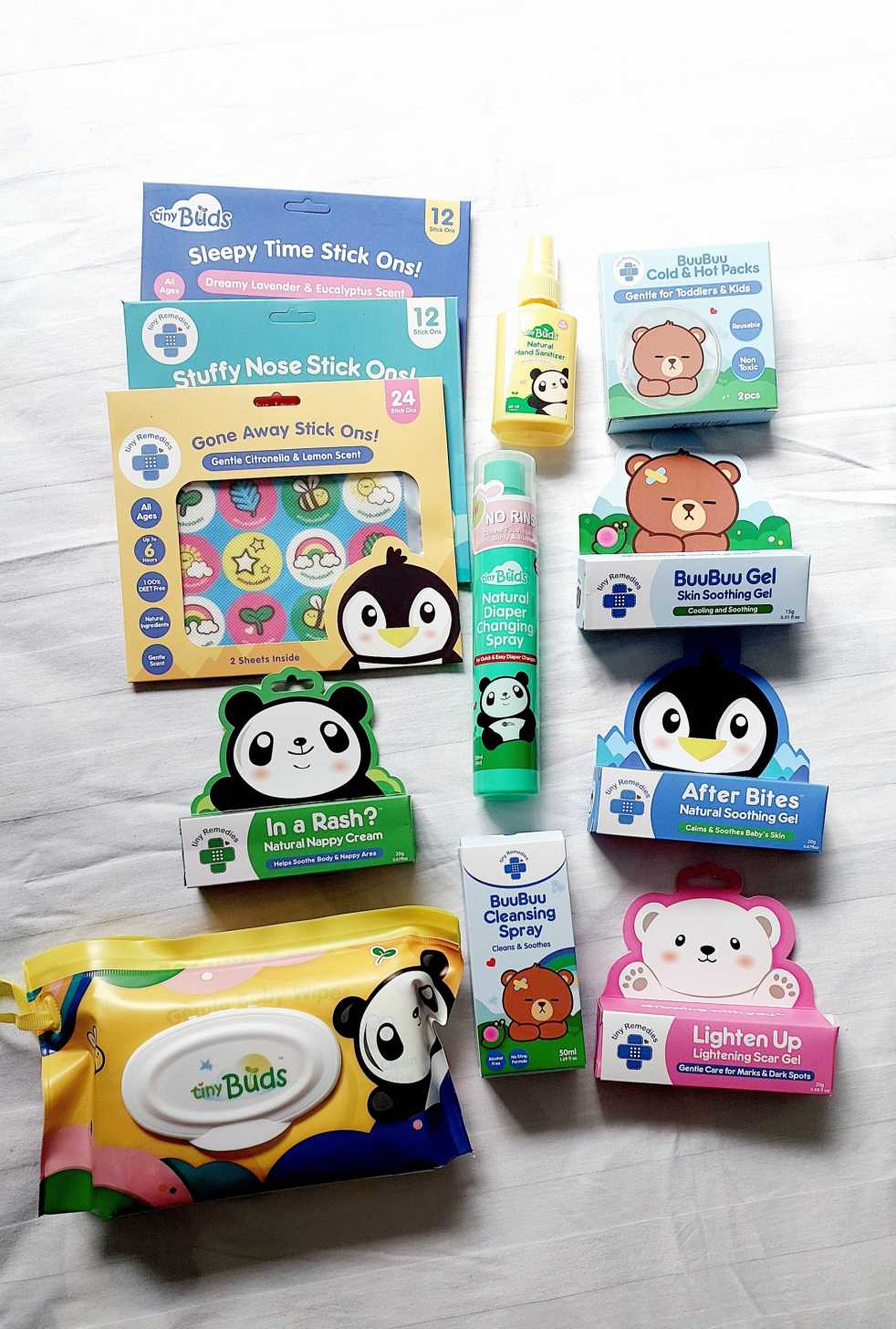
Your baby’s skin is more delicate than most, this is why you have to choose products that are designed for sensitive skin. Tiny Buds is a pioneer in integrating natural ingredients into baby care and today has over 50 innovative natural baby care essentials and is one of the Top Baby Personal Care brands. Here… Continue reading Product Review: Tiny Buds Baby Naturals Baby Essentials
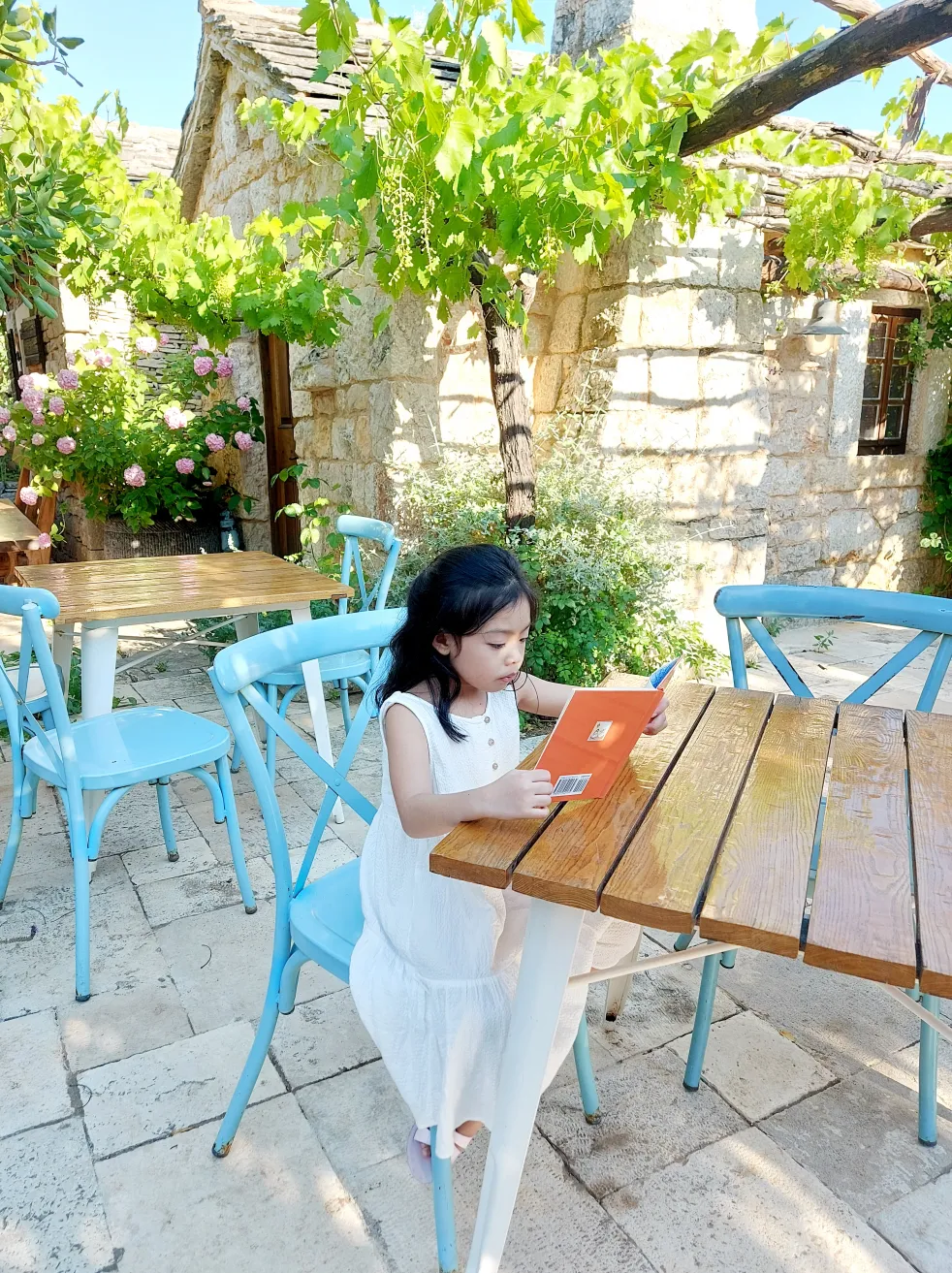
Where your child goes to school is a big decision and shouldn’t be taken lightly. Given how their education can impact their future, you might be tempted to take control and decide for them. However, you might be doing more damage than helping them in the long run. Your job as parents is to support… Continue reading HOW TO CHOOSE THE BEST SCHOOL FOR YOUR CHILD
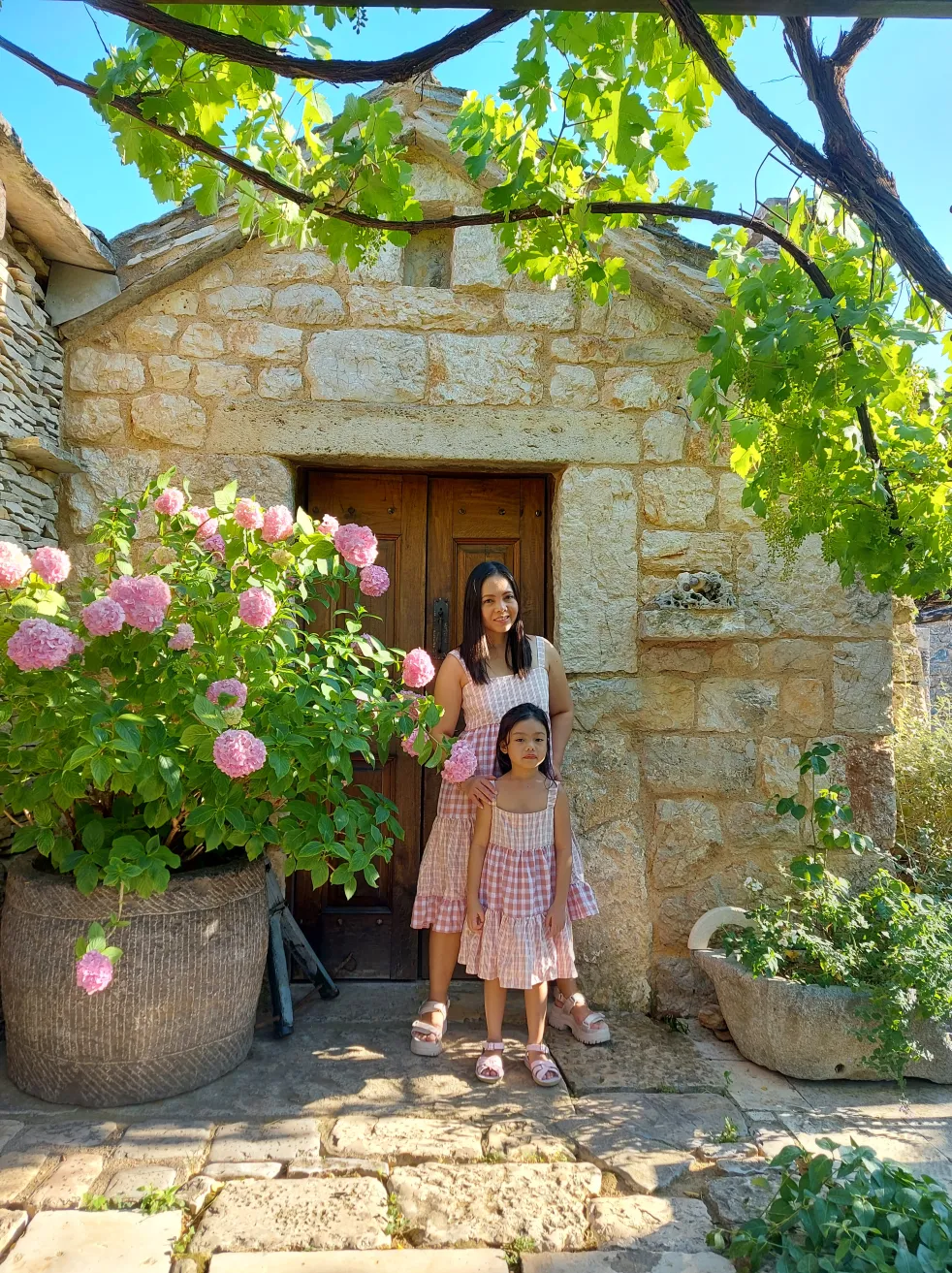
As poet and philosopher Rumi once eloquently said, “raise your words, not your voice. It is rain that grows flowers, not thunder.” Parenting is a challenging journey, and the truth is that nobody has everything figured out. One parenting style might suit others best, and some might favor other methods. However, children respond better to… Continue reading A SIMPLE GUIDE TO GENTLE PARENTING
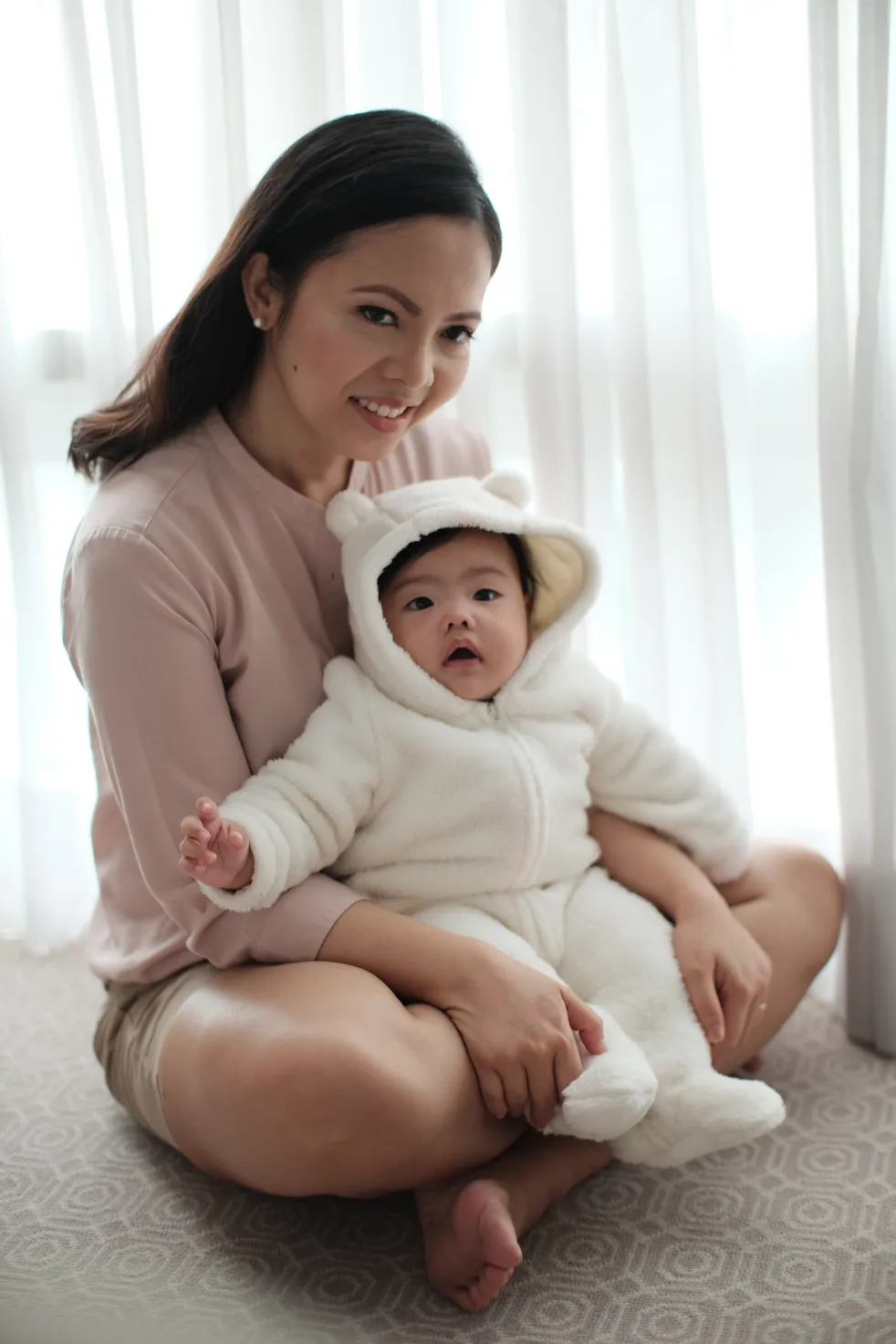
Whether you’re a new mom to be, mom of a toddler, mom who have school-aged kids, you’re bound to have so many questions. Let's start with your baby's skin. Infant skin has unique needs; gentle care is essential to prevent damage to the skin barrier, which can lead to irritation. When caring for infant skin,… Continue reading Keeping Baby’s Diapered Skin Healthy
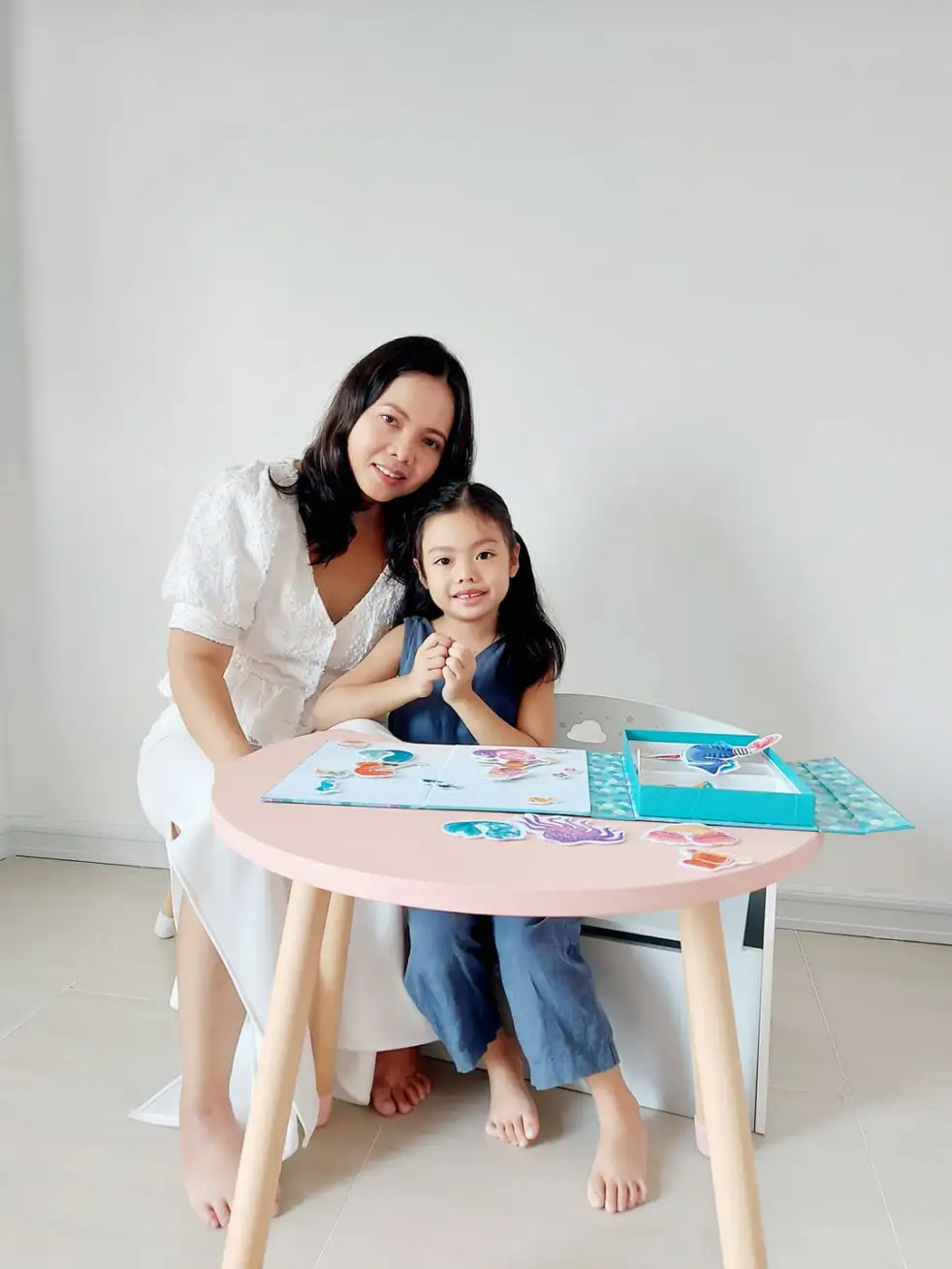
As parents, we want to give our child the best possible start in life and that begins with nurturing their intelligence. Throughout history, the notion of success has been linked to academic intelligence. However, there has been an increased awareness on the importance of emotional intelligence. This question gets at the heart of the never-ending… Continue reading IQ or EQ, which one is a better predictor of your child’s success?
 wondermomma.net