

Last August, IKEA Philippines engaged with Better World Smokey Mountain, a newly opened community center operated by the San Miguel Foundation, which shares a similar goal of improving the lives of many Filipino people. Through this partnership, IKEA Philippines provided and assembled home furnishings for the classrooms and library of Better World Smokey Mountain community… Continue reading Help Create a Better World with IKEA Soft Toys

NutriAsia, the country’s top producer of condiments and sauces, continues its support of Refill Revolution; a project by the Department of Environment and Natural Resources EMB 3 that aims to help reduce Filipinos’ single-use plastics consumption. At Refill Revolution, residents get to recycle their single-use plastic bottles by reusing and filling it with their choice… Continue reading NutriAsia and DENR renews partnership for Refill Revolution

A Mom’s Guide to Surviving the First Week With a Newborn
The first week with a newborn can feel tender, beautiful, confusing, and exhausting all at once. Your baby is learning how to feed, sleep, digest, and adjust to life outside the womb, while you are recovering from birth and learning a completely new rhythm.
There is no perfect schedule during these early days. Most families move between feeding, burping, changing diapers, soothing, and trying to sleep whenever possible. A simple plan can make the days feel less overwhelming, especially when expectations are flexible.
The goal is not to keep the house spotless or create a predictable routine immediately. It is to keep your baby safe, support your recovery, accept practical help, and notice when either of you needs medical attention.
Set Up A Small Care Station
Keep the supplies you use most within easy reach. A basket beside the bed or sofa can hold diapers, cotton or wipes, burp cloths, a clean receiving blanket, hand sanitizer, water, snacks, and your phone charger. This saves repeated trips while you are sore, tired, or holding your baby.
A newborn does not need a complicated collection of products. Soft clothing, a safe sleep space, diapers, feeding supplies if needed, and basic baby skincare items are usually enough. Avoid heavily scented lotions, powders, and strong detergents, since newborn skin can be sensitive.
If you live in a warm or humid area of the Philippines, dress your baby in light, breathable layers and keep the room comfortably ventilated. Check the baby’s chest or back for overheating rather than relying only on hands and feet, which can naturally feel cool.
Feed Your Baby And Watch The Diapers
During the first week, newborns often feed frequently, including during the night. Breastfed babies may nurse eight to twelve times in 24 hours, though every baby’s pattern is different. Offer the breast when your baby shows early hunger cues, such as stirring, lip smacking, rooting, or bringing hands toward the mouth.
A deep latch can make feeding more comfortable and help your baby transfer milk effectively. If breastfeeding is painful throughout a feed, your nipples are becoming damaged, or your baby is too sleepy to feed well, contact your pediatrician, midwife, lactation consultant, or healthcare provider. Formula-feeding families should follow preparation instructions carefully and avoid diluting formula.
Wet and dirty diapers provide useful clues about feeding and hydration. Output often increases over the first several days. Your baby’s healthcare provider can explain what is expected based on age, birth weight, and feeding method. Keep a simple record if it helps, but do not let tracking replace rest or make you anxious about every diaper.
Protect Sleep For Everyone
Newborn sleep is usually broken into short periods. Your baby may sleep for much of the day but wake often for feeding, comfort, or a diaper change. Instead of expecting a routine, focus on a safe pattern: feed, burp, change if needed, cuddle briefly, and settle the baby again.
Always place your baby on their back for sleep on a firm, flat mattress with a fitted sheet. Keep pillows, loose blankets, stuffed toys, bumpers, and sleep positioners out of the sleep space. Room-sharing without bed-sharing can make nighttime care easier while maintaining a safer sleep environment.
You may be tempted to use every quiet moment for laundry, messages, or visitors. Try using at least some of those moments to rest. If another trusted adult is available, divide tasks clearly: one person can handle diaper changes and settling while the other feeds, or someone can prepare meals and wash bottles.
| Early-week task | A practical approach | When to seek help |
|---|---|---|
| Feeding | Offer feeds frequently and observe hunger cues | Baby is difficult to wake, feeds poorly, or has persistent trouble latching |
| Diapers | Track wet and dirty diapers if advised by your provider | Output seems unusually low or urine appears dark |
| Sleep | Use a firm, flat, clear sleep space on the baby’s back | Baby has breathing difficulty, unusual limpness, or cannot be roused |
| Cord care | Keep the umbilical area clean and dry as instructed | Redness spreads, swelling develops, or there is pus or a strong odor |
| Baby’s temperature | Follow your provider’s guidance for checking temperature | A baby under three months has a temperature of 38°C or higher |
| Mother’s recovery | Rest, hydrate, eat regularly, and follow discharge instructions | Heavy bleeding, severe pain, chest pain, or shortness of breath occurs |
Care For Your Postpartum Body
Recovery looks different after a vaginal birth, cesarean delivery, or a difficult labor. Take prescribed medicine as directed, drink water regularly, and choose easy meals with protein, fruit, vegetables, and fiber. Keep necessary items close so you are not constantly bending, climbing stairs, or carrying heavy objects.
Vaginal bleeding can continue for several weeks and may change in color and amount. Follow the instructions from your maternity provider, including guidance about pads, bathing, wound care, and physical activity. After a cesarean birth, protect the incision and ask for help with lifting and household chores.
Some symptoms require prompt attention. Seek medical care for heavy bleeding, a severe headache, vision changes, fever, worsening wound pain, painful urination, calf swelling, chest pain, or trouble breathing. Emotional health matters too. Persistent hopelessness, panic, frightening thoughts, or feeling unable to care for yourself or your baby deserves immediate support from a healthcare professional and a trusted person.
Make Visitors And Help Work For You
Visitors should support recovery rather than create extra work. Decide in advance who is welcome, how long visits will last, and which boundaries matter to your family. Anyone who is sick should postpone the visit, and everyone should wash their hands before touching the baby.
It is reasonable to ask visitors to bring food, fold laundry, wash dishes, or hold the baby while you shower. “Please help with the kitchen” is often more useful than a general offer to assist. A partner, relative, or friend can also manage messages so you do not feel responsible for constant updates.
Newborns do not need to be passed around. Keep kissing away from the baby’s face and hands, particularly during cold and flu season. If you are concerned about smoke, strong fragrances, crowded gatherings, or unvaccinated visitors, set a clear boundary without apologizing.
Notice When Your Baby Needs Medical Care
Many newborn behaviors are normal, including sneezing, hiccups, irregular breathing, peeling skin, and brief periods of fussiness. Still, parents should trust their instincts when something seems different from usual. Keep your baby’s discharge instructions and healthcare provider’s contact details somewhere easy to find.
Contact a healthcare professional promptly if your baby has a fever, struggles to breathe, turns blue or gray, is unusually difficult to wake, refuses several feeds, vomits green fluid, has worsening yellow skin or eyes, or has fewer wet diapers than expected. A newborn who appears very unwell should be assessed urgently rather than watched at home.
Your baby’s first checkup is an opportunity to discuss weight, feeding, jaundice, cord care, sleep, vitamin supplements, and vaccinations. Write down questions as they occur, because tiredness can make it difficult to remember them during an appointment.
Keep The First Week Manageable
A short list of priorities can protect your energy and make newborn care feel more realistic:
- Feed the baby and follow any individualized instructions from your healthcare provider.
- Sleep or lie down whenever a safe opportunity appears, even if the house needs attention.
- Accept specific help with meals, laundry, errands, older children, and cleaning.
- Keep the baby’s sleep area clear, firm, and close enough for easy observation and care.
- Check in with your own body and emotions every day, and ask for support early.
You are allowed to repeat the same simple meal, leave messages unanswered, and say no to visits. Your baby benefits from a responsive, rested caregiver far more than from a perfectly organized home. Small acts of care—drinking water, eating breakfast, taking a shower, or asking someone to hold the baby—are meaningful parts of newborn care.
The first week is about learning one another, not mastering motherhood. Let your healthcare team guide medical decisions, let trusted people share the workload, and give yourself room to recover. Save this guide for the early days, share it with your support network, and use it alongside advice from your baby’s doctor or maternity provider.

Mercato Centrale, in collaboration with Indian Women in Enterprise Philippines (I-We), is set to host "The Great Indian Fiesta" to mark 75 years of friendship between India and the Philippines. The dynamic two-day event is scheduled to take place on September 30 to October 1, 2023, at Paseo De Roxas Street, Makati City. Aiming to… Continue reading Mercato Centrale Partners with I-We to Host ‘The Great Indian Fiesta’, Commemorating 75 Years of India-Philippines Friendship

My stomach would usually start growling at 10 am even after taking a big breakfast. This is probably because I am a morning person and I move a lot throughout the day hence snacking is something that I can't avoid. This potatoes and chicken wrap recipe is easy to prepare and would keep me full… Continue reading Potato and Chicken Wrap
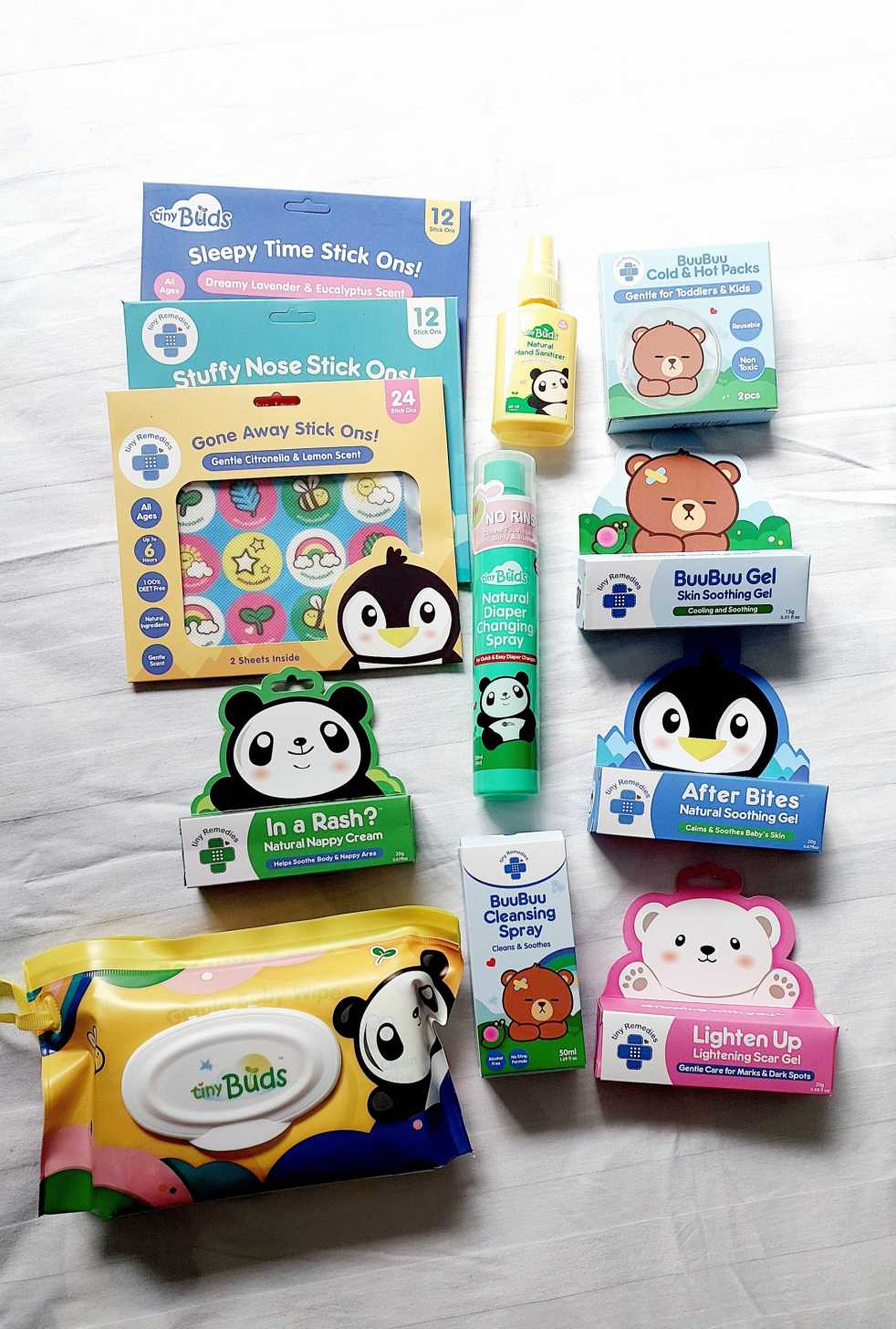
Your baby’s skin is more delicate than most, this is why you have to choose products that are designed for sensitive skin. Tiny Buds is a pioneer in integrating natural ingredients into baby care and today has over 50 innovative natural baby care essentials and is one of the Top Baby Personal Care brands. Here… Continue reading Product Review: Tiny Buds Baby Naturals Baby Essentials
Where your child goes to school is a big decision and shouldn’t be taken lightly. Given how their education can impact their future, you might be tempted to take control and decide for them. However, you might be doing more damage than helping them in the long run. Your job as parents is to support… Continue reading HOW TO CHOOSE THE BEST SCHOOL FOR YOUR CHILD

As poet and philosopher Rumi once eloquently said, “raise your words, not your voice. It is rain that grows flowers, not thunder.” Parenting is a challenging journey, and the truth is that nobody has everything figured out. One parenting style might suit others best, and some might favor other methods. However, children respond better to… Continue reading A SIMPLE GUIDE TO GENTLE PARENTING

Whether you’re a new mom to be, mom of a toddler, mom who have school-aged kids, you’re bound to have so many questions. Let's start with your baby's skin. Infant skin has unique needs; gentle care is essential to prevent damage to the skin barrier, which can lead to irritation. When caring for infant skin,… Continue reading Keeping Baby’s Diapered Skin Healthy
As parents, we want to give our child the best possible start in life and that begins with nurturing their intelligence. Throughout history, the notion of success has been linked to academic intelligence. However, there has been an increased awareness on the importance of emotional intelligence. This question gets at the heart of the never-ending… Continue reading IQ or EQ, which one is a better predictor of your child’s success?
 wondermomma.net