
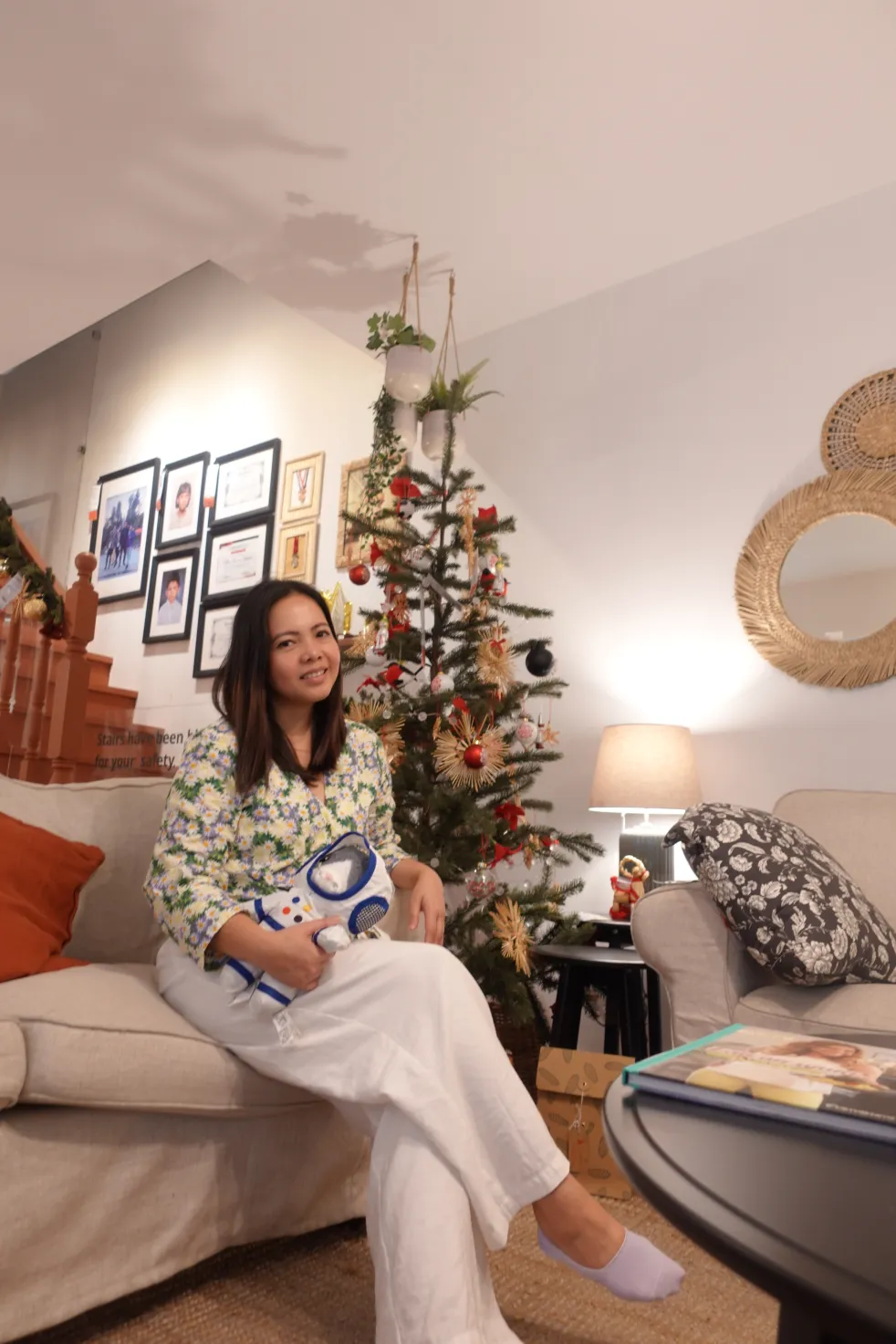
Last August, IKEA Philippines engaged with Better World Smokey Mountain, a newly opened community center operated by the San Miguel Foundation, which shares a similar goal of improving the lives of many Filipino people. Through this partnership, IKEA Philippines provided and assembled home furnishings for the classrooms and library of Better World Smokey Mountain community… Continue reading Help Create a Better World with IKEA Soft Toys
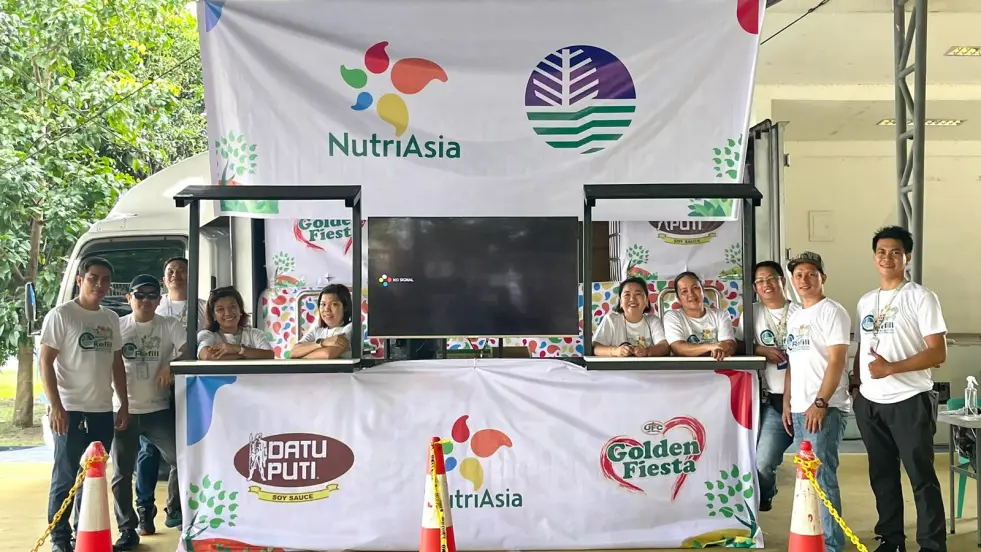
NutriAsia, the country’s top producer of condiments and sauces, continues its support of Refill Revolution; a project by the Department of Environment and Natural Resources EMB 3 that aims to help reduce Filipinos’ single-use plastics consumption. At Refill Revolution, residents get to recycle their single-use plastic bottles by reusing and filling it with their choice… Continue reading NutriAsia and DENR renews partnership for Refill Revolution

Sensory play made easy with everyday household items
The first splash of milk swirled with food colouring, the soft rustle of dried lentils between small fingers, the cool squish of refrigerated oobleck on a warm afternoon — these tiny moments shape how children understand their world. Sensory play has quietly become one of the most recommended tools in early childhood circles across Australia, and for genuine reason. It supports emotional regulation, builds fine motor strength, and explores concepts like volume, texture, and cause-and-effect without a single worksheet in sight.
What surprises most parents is how little it actually costs. You do not need a flash card set, a sensory subscription box, or an imported kit. Real homes already hold everything needed: dry rice, plain flour, dishwashing liquid, mismatched containers, leftover pasta shapes, clean milk cartons, and odd socks. This guide leans into the most common ingredients in Australian pantries, laundries, and even the occasional Kmart or Big W clearance aisle, with ideas adjusted for warm summers, chilly Canberra mornings, and the realities of small backyards in places like Adelaide, Perth, and Hobart.
Setting up a sensory corner that survives real life
Pick a flat area that can handle mess without stress. In apartments across Sydney and Melbourne, a tiled laundry floor or a bathroom with a door that actually closes works beautifully during wet weekends. A flat tablecloth, an old shower curtain, or even a fitted sheet from Kmart becomes the splash zone. Three shallow plastic tubs, rotated weekly, hold enough variety to keep curiosity alive without overwhelming storage.
Keep the corner accessible at toddler height. Children aged twelve months and up benefit from independent choosing, so use open containers rather than lidded buckets. Australian early learning frameworks emphasise child-led play, and a low shelf signals that this space belongs to your little one. Rotate contents rather than buying new. A handful of dry pasta today, scoops of flour tomorrow, and shells gathered on your last weekend at Cottesloe Beach next week creates an ever-changing palette.
Texture adventures from the pantry
Dry goods are brilliant first ingredients because they are cheap, long-lasting, and forgiving of spills. A standard two-kilogram bag of rice from Coles or Woolworths underpins dozens of activities. Add measuring cups, silicone muffin trays, and a few wooden spoons for transferring, scooping, and pouring. Older toddlers can hunt for hidden figurines, while babies simply enjoy the gentle feel of grains slipping through their fingers.
Age and skill ranges vary wildly across sensory setups, so a quick comparison helps busy parents pick what to try first.
| Activity | Best age | Key household items | Main skill |
|---|---|---|---|
| Rice and bean bin | 18 months to 4 years | Rice, dried beans, cups, spoons | Fine motor, sorting |
| Cloud dough | 2 years and up | Flour, vegetable oil, food colouring | Squeezing, moulding |
| Pasta threading | 3 years and up | Penne or rigatoni, wool or string | Concentration, hand-eye |
| Frozen herb cubes | 12 months and up | Water, mint, lemon slices, ice tray | Touch, temperature |
| Oats discovery tray | 6 months to 4 years | Rolled oats, spoons, small animals | Scooping, hiding games |
| Foil scrunch art | 18 months to 4 years | Aluminium foil, coloured tape | Strength, creativity |
Cloud dough deserves a special mention because it stays soft for days when stored in a sealed zip-lock bag. Eight parts plain flour to one part vegetable oil creates a silky, crumbly texture that holds its shape briefly under pressure. Add a few drops of food colouring for rainbow clouds, or a teaspoon of cocoa powder for chocolate-scented variations that smell like a warm kitchen.
Scent and sight activities with kitchen staples
The nose processes memory and emotion more strongly than many other senses, so adding scent to play multiplies the benefits. Empty spice jars with intact labels make perfect smelling stations. Set out six small containers filled with cinnamon, vanilla sugar, dried oregano, lemon zest, coffee grounds, and crushed eucalyptus leaves. Toddlers love the guessing game, and older children begin to connect smells with familiar meals, gardens, and weekend bushwalks.
For visual play, the milk and dishwashing liquid experiment is hard to beat. Pour a thin layer of full-cream milk into a flat dish, drop food colouring around the edges, then touch a cotton bud dipped in dishwashing liquid to the centre. Colour bursts race outward in patterns that captivate even restless three-year-olds. This activity needs close adult supervision and is best suited to verandas or laundries, since it does get wonderfully messy.
Sound shakers and listening games
Listening play develops auditory discrimination and language skills. Clean plastic milk bottles or empty Vegemite jars become instant shakers when filled two-thirds full with rice, dried peas, or buttons. Seal lids with strong tape, decorate with stickers saved from a birthday card collection, and let your child compare shakes for loud versus soft, fast versus slow. Bubs under twelve months enjoy simply holding and rotating them.
Bubble wrap, often saved from online shopping deliveries, makes a wonderful stomping path across the lounge room floor. Cover a long strip with the bubble side up and let bare feet pop every bubble along the way. Older children can take it further by guessing how many pops sit in a metre, which gently builds number sense through sound.
Outdoor sensory adventures the Australian way
Backyard play stretches a tight budget across a whole afternoon. Fill a wide tray with sand and bury small toy dinosaurs, then add sieves and paintbrushes for excavation. In Brisbane summers, freezing small toys inside ice cubes adds a refreshing layer to water play. A standard sprinkler on the lawn turns a twenty-dollar plastic item into hours of joyful movement, and a sheet pegged between two Hills Hoist lines becomes an instant cubby that filters sunlight beautifully across the grass.
When outdoor time feels wasteful of water during dry stretches across regional NSW and South Australia, swap to dry sensory bases. A hessian sack from Bunnings, half-filled with dry lentils, becomes a bean-free alternative for tossing games. Local leaves gathered safely from wattle, grevillea, or gum trees add an unmistakably Aussie scent to discovery trays. Children also benefit from pairing hands-on play with bigger movement challenges, and parents often find that a thoughtful balance bike lesson is a natural next step once coordination begins to bloom.
Practical tips for sensory play at home
Active supervision matters more than any fancy kit. Avoid small objects entirely with children under three, and always run a quick sweep for choking hazards such as loose buttons, beads, or dried beans before any activity. Honey, raw flour, and unwashed eggs are unsafe in sensory bases, and any water play less than five centimetres deep still requires an adult within arm's reach. Make cleanup a natural part of the ritual rather than a dreaded afterthought, with a handheld vacuum, a damp cloth nearby, and a basket labelled "sensory gear" reducing much of the friction.
- Establish a weekly rotation rather than attempting daily new activities. Three rotating bases each week keep curiosity strong without exhausting parents.
- Store dry materials in clearly labelled jars with screw-top lids that little hands cannot easily open.
- Choose recipes that require only one or two fresh ingredients so the Monday grocery shop stays on budget.
- Embrace mess outdoors whenever weather allows, since concrete paths and grass clean up far better than carpet.
- Keep a small basket of soft brushes, tongs, and funnels near the sensory shelf. Tools stretch play well past the initial wow.
- Photograph favourite setups and reuse them the following month. Memory builds anticipation, and children adore recognising returned favourites.
- Pair sensory play with a story or song on the same theme so language and touch combine into richer learning.
Sensory play does not require a perfect plan, a Pinterest aesthetic, or a sprawling budget. It simply needs a parent willing to pour, scoop, and laugh alongside a curious little human. On a quiet weekend morning, a single bag of rice and a few empty containers might just become the most treasured part of your week.

Mercato Centrale, in collaboration with Indian Women in Enterprise Philippines (I-We), is set to host "The Great Indian Fiesta" to mark 75 years of friendship between India and the Philippines. The dynamic two-day event is scheduled to take place on September 30 to October 1, 2023, at Paseo De Roxas Street, Makati City. Aiming to… Continue reading Mercato Centrale Partners with I-We to Host ‘The Great Indian Fiesta’, Commemorating 75 Years of India-Philippines Friendship

My stomach would usually start growling at 10 am even after taking a big breakfast. This is probably because I am a morning person and I move a lot throughout the day hence snacking is something that I can't avoid. This potatoes and chicken wrap recipe is easy to prepare and would keep me full… Continue reading Potato and Chicken Wrap
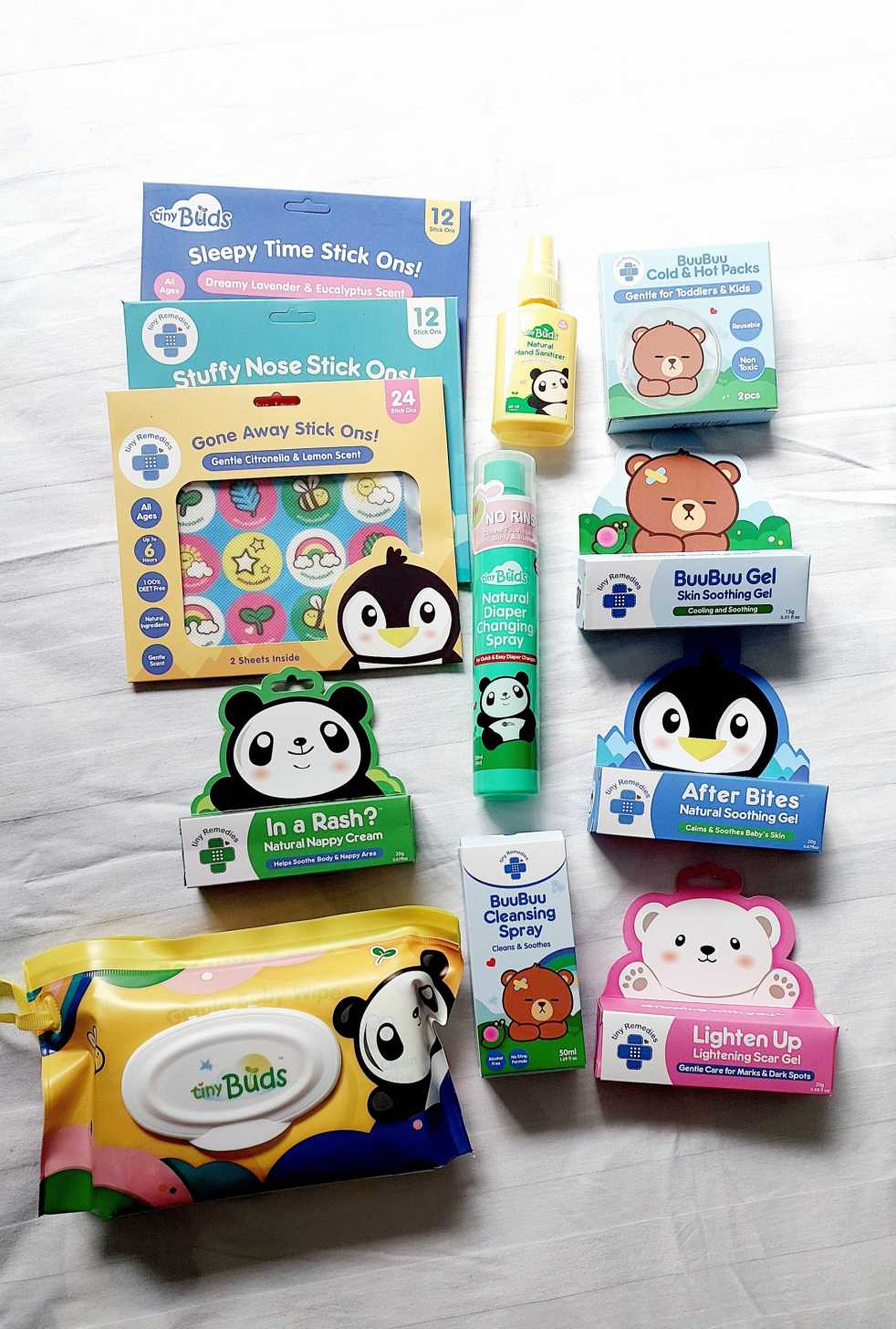
Your baby’s skin is more delicate than most, this is why you have to choose products that are designed for sensitive skin. Tiny Buds is a pioneer in integrating natural ingredients into baby care and today has over 50 innovative natural baby care essentials and is one of the Top Baby Personal Care brands. Here… Continue reading Product Review: Tiny Buds Baby Naturals Baby Essentials
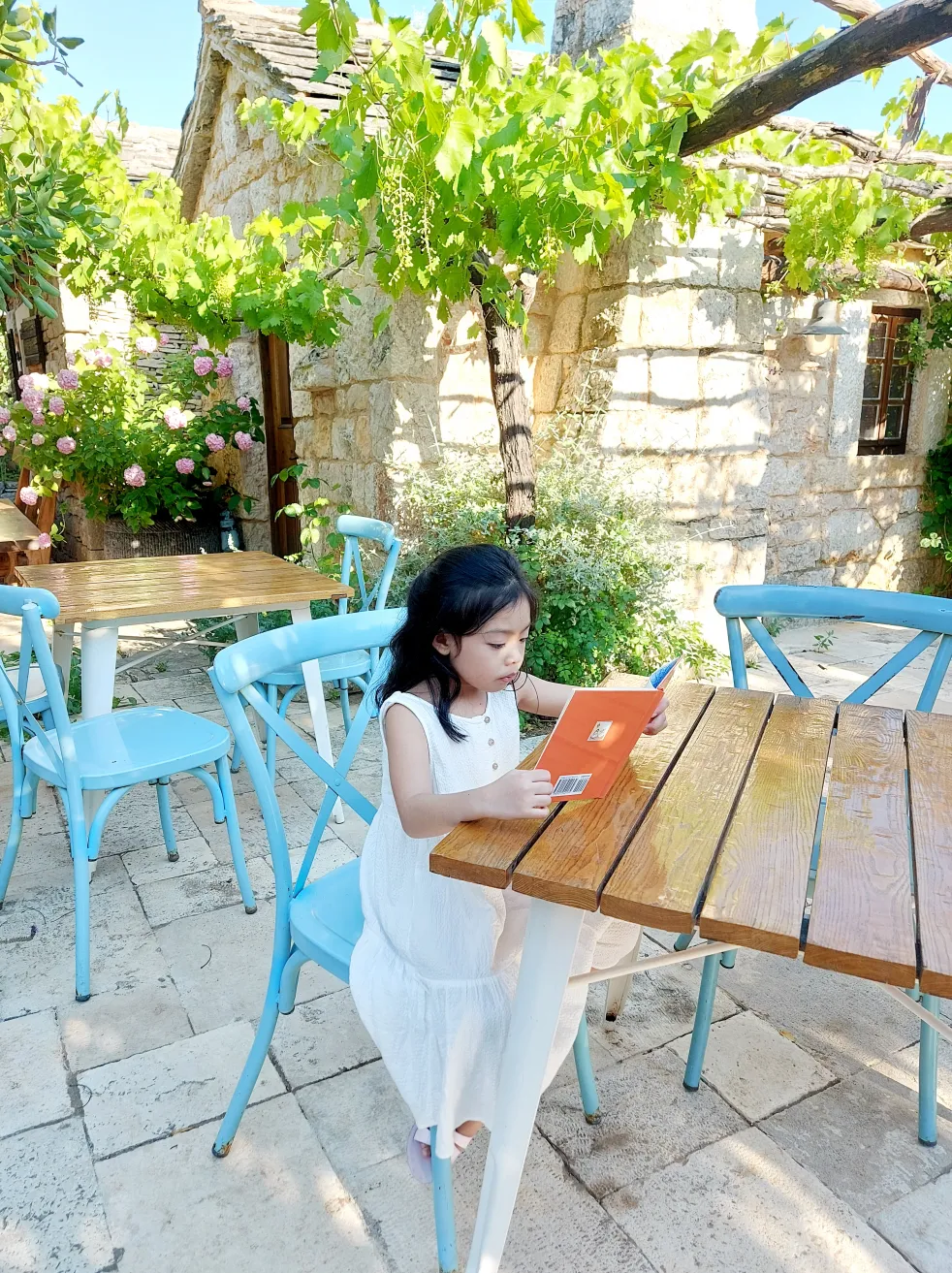
Where your child goes to school is a big decision and shouldn’t be taken lightly. Given how their education can impact their future, you might be tempted to take control and decide for them. However, you might be doing more damage than helping them in the long run. Your job as parents is to support… Continue reading HOW TO CHOOSE THE BEST SCHOOL FOR YOUR CHILD
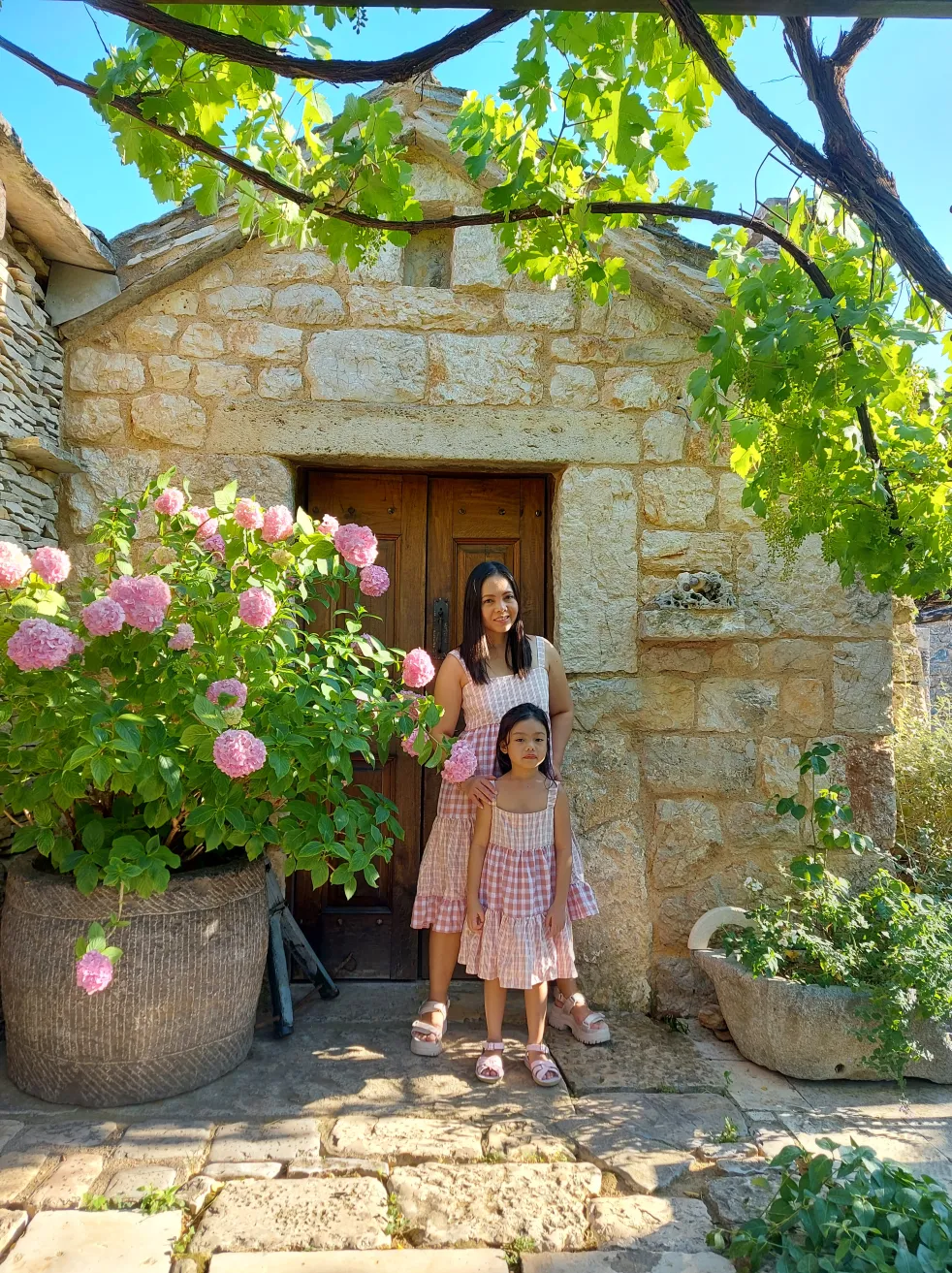
As poet and philosopher Rumi once eloquently said, “raise your words, not your voice. It is rain that grows flowers, not thunder.” Parenting is a challenging journey, and the truth is that nobody has everything figured out. One parenting style might suit others best, and some might favor other methods. However, children respond better to… Continue reading A SIMPLE GUIDE TO GENTLE PARENTING
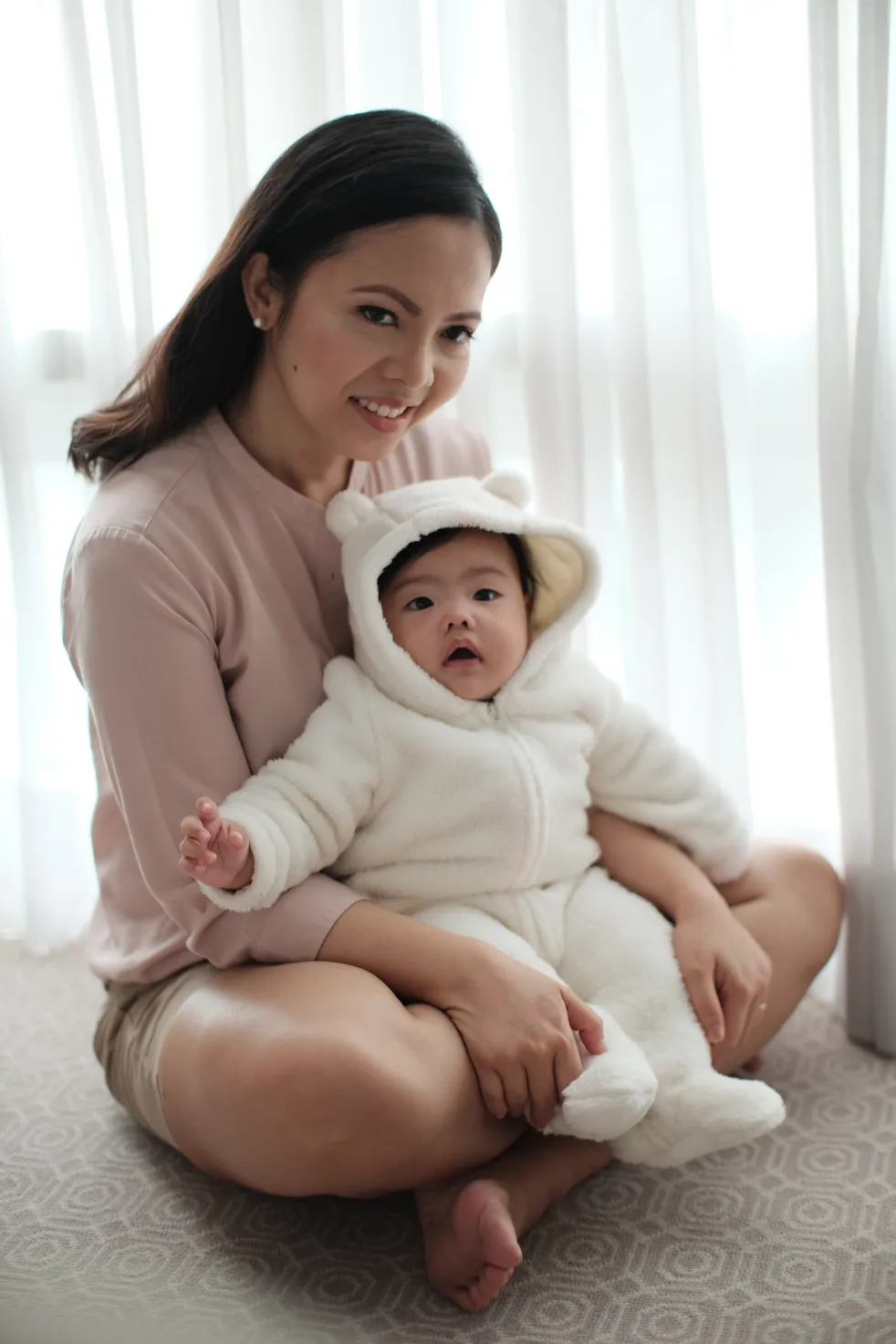
Whether you’re a new mom to be, mom of a toddler, mom who have school-aged kids, you’re bound to have so many questions. Let's start with your baby's skin. Infant skin has unique needs; gentle care is essential to prevent damage to the skin barrier, which can lead to irritation. When caring for infant skin,… Continue reading Keeping Baby’s Diapered Skin Healthy
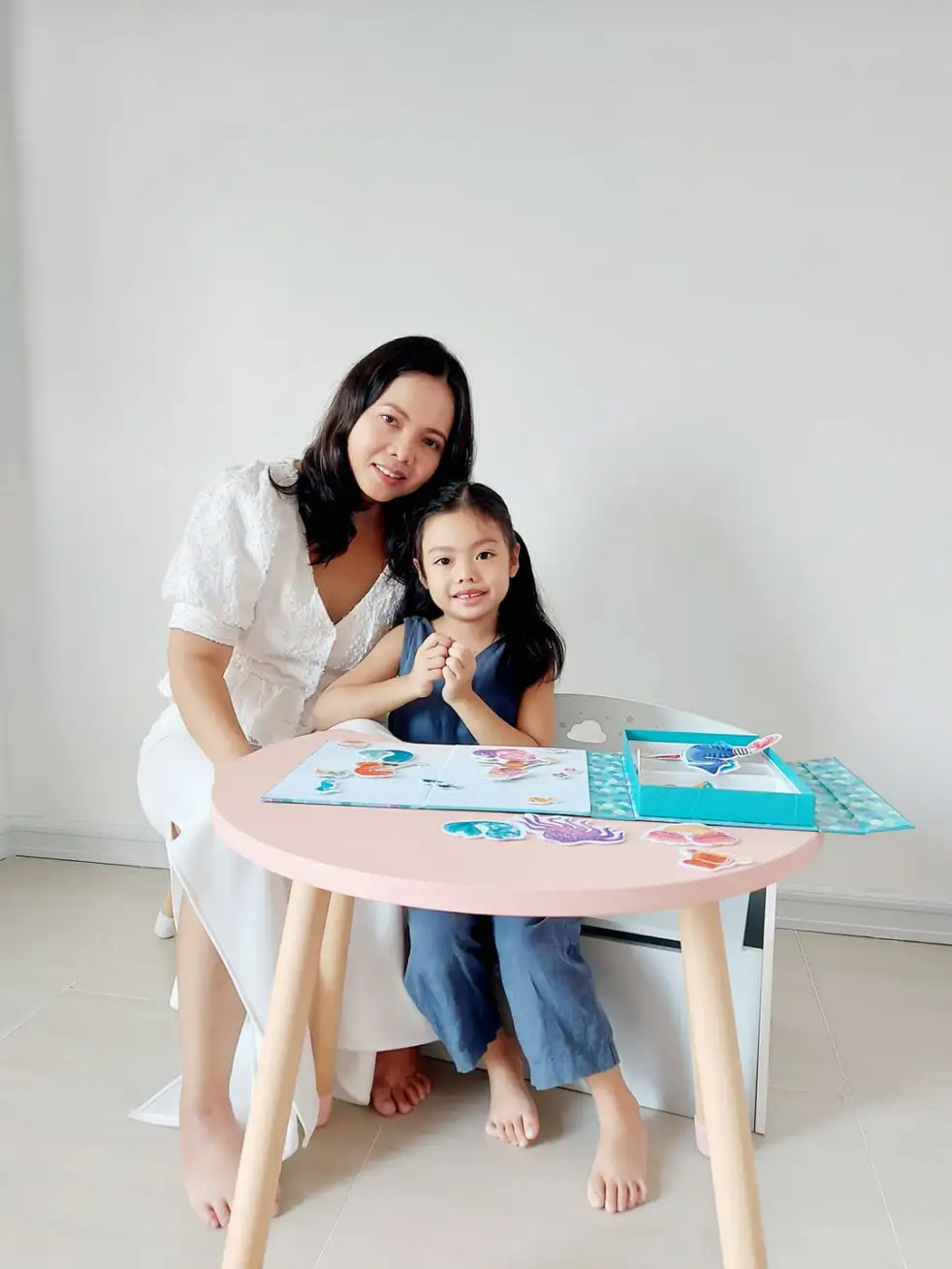
As parents, we want to give our child the best possible start in life and that begins with nurturing their intelligence. Throughout history, the notion of success has been linked to academic intelligence. However, there has been an increased awareness on the importance of emotional intelligence. This question gets at the heart of the never-ending… Continue reading IQ or EQ, which one is a better predictor of your child’s success?
 wondermomma.net