
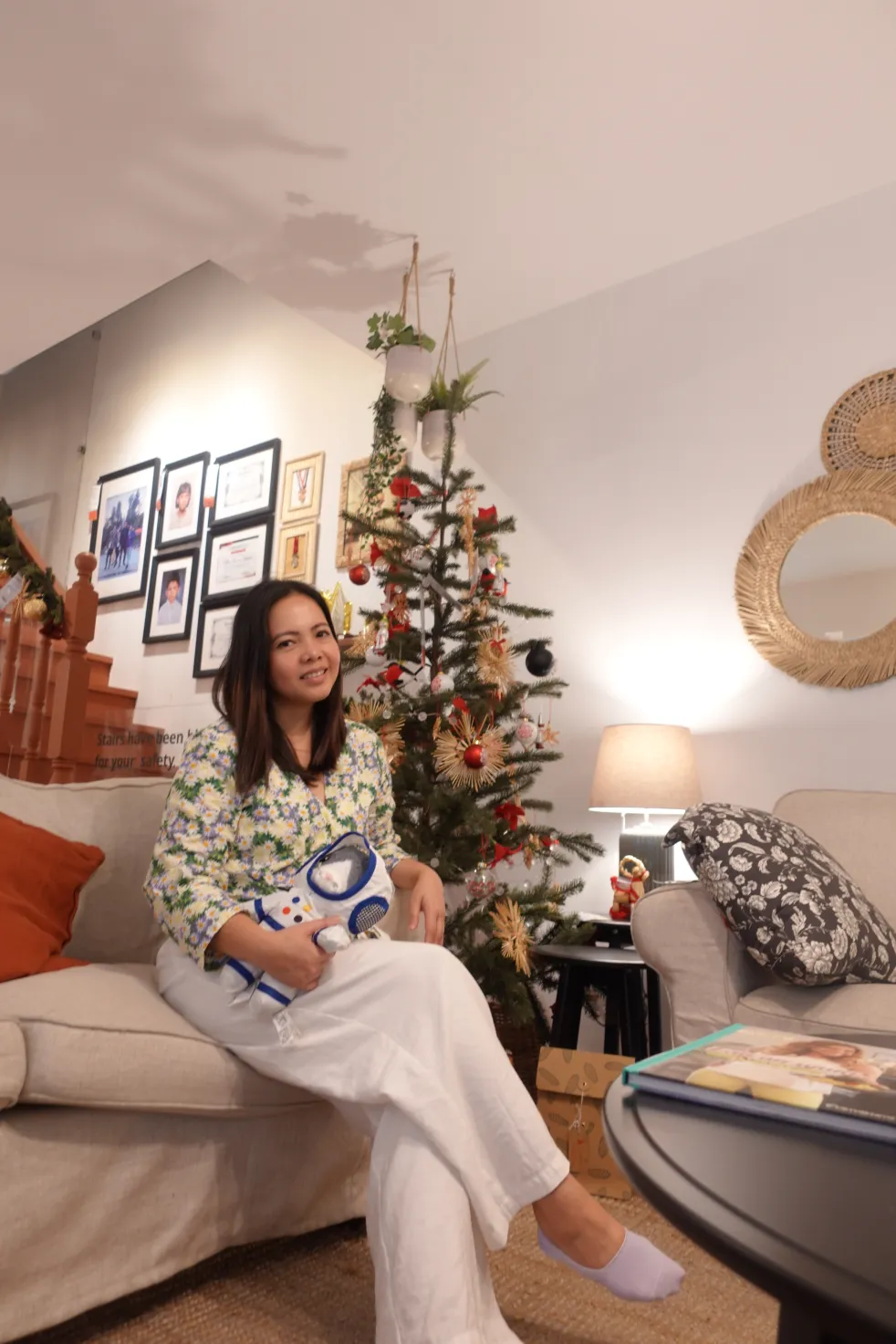
Last August, IKEA Philippines engaged with Better World Smokey Mountain, a newly opened community center operated by the San Miguel Foundation, which shares a similar goal of improving the lives of many Filipino people. Through this partnership, IKEA Philippines provided and assembled home furnishings for the classrooms and library of Better World Smokey Mountain community… Continue reading Help Create a Better World with IKEA Soft Toys
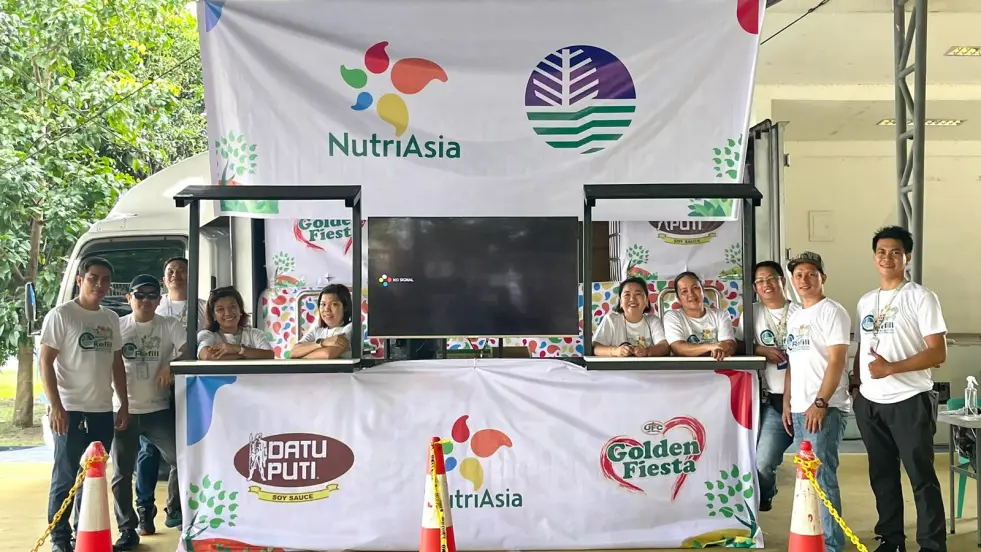
NutriAsia, the country’s top producer of condiments and sauces, continues its support of Refill Revolution; a project by the Department of Environment and Natural Resources EMB 3 that aims to help reduce Filipinos’ single-use plastics consumption. At Refill Revolution, residents get to recycle their single-use plastic bottles by reusing and filling it with their choice… Continue reading NutriAsia and DENR renews partnership for Refill Revolution

How to teach your child to ride a balance bike
Learning to ride a balance bike is a joyful milestone that helps children build confidence, coordination, and independence. Unlike a pedal bicycle, a balance bike has no pedals or training wheels. Your child moves by walking or running while seated, then gradually learns to lift both feet and glide.
Most children are ready to explore a balance bike between the ages of 18 months and five years, although readiness matters more than age. A child who can walk steadily, follow simple directions, and sit comfortably on a small bike may be ready to begin.
The process should feel like play rather than a formal lesson. Short, relaxed practice sessions help your child develop balance without feeling pressured. With the right bike, a safe space, and patient encouragement, riding can become a fun part of family life.
Why balance bikes are a useful first step
A balance bike teaches the central skill needed for cycling: staying upright while moving. Children learn to control their speed, steer around obstacles, and shift their weight before they have to coordinate pedalling, braking, and balancing at the same time.
Training wheels can keep a bicycle upright, but they may encourage a child to depend on stability from the sides. A balance bike allows children to discover their own centre of gravity. When they later move to a pedal bike, many can transition more easily because balancing already feels familiar.
This type of riding also supports gross motor development. Pushing with the feet strengthens the legs, while steering and looking ahead encourage coordination. Riding outdoors can improve spatial awareness and give children a healthy opportunity for active play.
Choose a bike that fits your child
The correct size makes learning much easier. When your child sits on the saddle, both feet should rest flat on the ground with the knees slightly bent. This position allows them to stop, push, and regain balance without tipping awkwardly.
A lightweight frame is usually easier for a young child to control. Look for a bike with an adjustable seat, comfortable handlebars, child-sized grips, and tyres suited to the surfaces where you plan to ride. A hand brake can be useful for older children, but very young riders often begin by stopping with their feet.
| Feature | What to look for | Why it matters |
|---|---|---|
| Seat height | Both feet flat on the ground | Helps your child stop and regain balance |
| Bike weight | Light enough for your child to lift or move | Makes steering and recovery easier |
| Handlebars | Comfortable, easy to turn, with padded grips | Supports control and confidence |
| Tyres | Durable tyres with suitable grip | Provide stability on paths and pavements |
| Brakes | A simple hand brake for children ready to use it | Introduces safe stopping skills |
| Helmet fit | Snug, level, and fastened under the chin | Protects the head during practice |
Avoid buying a bike that is too large so your child can “grow into it.” If the saddle is too high, your child may struggle to push off or stop. A properly fitted second-hand bike can be a better choice than a new bike that is heavy or oversized.
Prepare a safe practice area
Begin in a flat, open area with a smooth surface. A quiet pavement, empty basketball court, covered garage, or park path can work well. Avoid busy roads, steep hills, loose gravel, and areas with many pedestrians during the first sessions.
In the Philippines, weather may affect outdoor practice, especially during hot afternoons or rainy months. Choose a cooler time of day, bring drinking water, and use a shaded area where possible. If the ground becomes slippery after rain, postpone the session until the surface is dry.
Your child should wear a properly fitted helmet every time, even when moving slowly. Closed shoes with secure soles protect the feet and provide better grip than slippers. Comfortable clothing allows free movement, while long trousers can offer a little protection from scrapes.
Teach the basic riding skills
Start by letting your child explore the bike while standing beside it. Show how to hold the handlebars, sit on the saddle, and move forward with small walking steps. Avoid lifting the back of the bike or holding the child tightly, since too much support can prevent them from feeling how balance works.
Once walking feels comfortable, encourage longer pushes. You can say, “Look ahead,” or “Try a big step,” using simple, positive instructions. Looking forward helps the bike travel in a straight line, while watching the front wheel often makes steering less stable.
When your child begins to glide, celebrate the effort rather than the distance. A one-second lift of both feet is meaningful progress. Give your child time to repeat the movement and understand how leaning, steering, and speed work together.
Stopping should be taught early. Ask your child to slow down by taking shorter steps, then place both feet on the ground. If the bike has a hand brake and your child can use it comfortably, practise gentle braking in a clear area before introducing slopes or faster riding.
Build confidence through playful practice
Children often learn faster when practice is disguised as a game. Place soft, visible markers on the ground and invite your child to ride between them. You can create a simple path with cones, plastic cups, or chalk lines, leaving plenty of space for wide turns.
Try activities that match your child’s current ability:
- Walk the bike from one marker to another while sitting on the saddle.
- Count how many steps your child takes before attempting a short glide.
- Pretend to deliver a toy or message along a simple route.
- Practise stopping at a chalk line or before reaching a cushion.
- Follow a parent or sibling at a slow, comfortable pace.
Keep each session brief, especially for toddlers. Ten to fifteen minutes may be enough at first. End while your child is still having fun rather than continuing until they become tired or frustrated. Regular short sessions are usually more effective than occasional, exhausting practice.
Praise specific actions such as looking ahead, steering around a marker, stopping safely, or trying again after a wobble. Avoid comparing siblings or other children. Progress can vary widely, and confidence grows when a child feels secure rather than judged.
Move from gliding to independent riding
When your child can glide for several seconds, steer around gentle turns, and stop reliably, introduce slightly longer paths. You can gradually add small changes in direction, but keep the surface flat and predictable. Hills should wait until your child has strong control and understands how to slow down.
Some children will naturally lift their feet and glide. Others may need encouragement to try. Demonstrate the movement yourself with an exaggerated “push, feet up, glide” pattern, or let your child watch another trusted child riding safely. Never force the feet off the ground or push the bike from behind.
As balance improves, children may begin to lift their feet for longer periods and steer with greater precision. At this stage, avoid holding the seat while they ride. Walking nearby provides reassurance while allowing your child to manage the bike independently.
A child may be ready to try a pedal bike when they can balance, steer, start moving, and stop without frequent help. Some children move directly to a small bicycle, while others prefer more time on the balance bike. Either path is perfectly reasonable.
Keep safety and patience at the centre
Falls are a normal part of learning, but the riding environment should reduce avoidable risks. Check the bike before every outing for loose bolts, damaged tyres, sharp edges, and handlebars that do not turn smoothly. Make sure the helmet remains level and secure as your child grows.
Teach your child to stop when an adult says “freeze” or when they reach a designated stopping point. Practise staying away from driveways, roads, pools, and uneven edges. If riding in a public area, keep your child within close reach until they can respond consistently to safety instructions.
Common setbacks include refusing to wear a helmet, becoming upset after a fall, or losing interest after a few minutes. Stay calm and pause when needed. Offer comfort after a tumble, inspect for injuries, and return to an easier activity when your child is ready. A positive relationship with riding matters more than mastering a skill on a particular day.
Keep the bike accessible at home so your child can practise familiar movements during free play. A few minutes of pushing and steering in a safe courtyard can reinforce skills between outdoor trips. Celebrate steady progress, and let your child’s enjoyment guide the pace.
Give your child a well-fitted bike, protective gear, and regular opportunities to practise in a safe space. With patient coaching and plenty of encouragement, those first careful steps can grow into smooth glides, confident turns, and a lasting love of cycling.

Mercato Centrale, in collaboration with Indian Women in Enterprise Philippines (I-We), is set to host "The Great Indian Fiesta" to mark 75 years of friendship between India and the Philippines. The dynamic two-day event is scheduled to take place on September 30 to October 1, 2023, at Paseo De Roxas Street, Makati City. Aiming to… Continue reading Mercato Centrale Partners with I-We to Host ‘The Great Indian Fiesta’, Commemorating 75 Years of India-Philippines Friendship

My stomach would usually start growling at 10 am even after taking a big breakfast. This is probably because I am a morning person and I move a lot throughout the day hence snacking is something that I can't avoid. This potatoes and chicken wrap recipe is easy to prepare and would keep me full… Continue reading Potato and Chicken Wrap
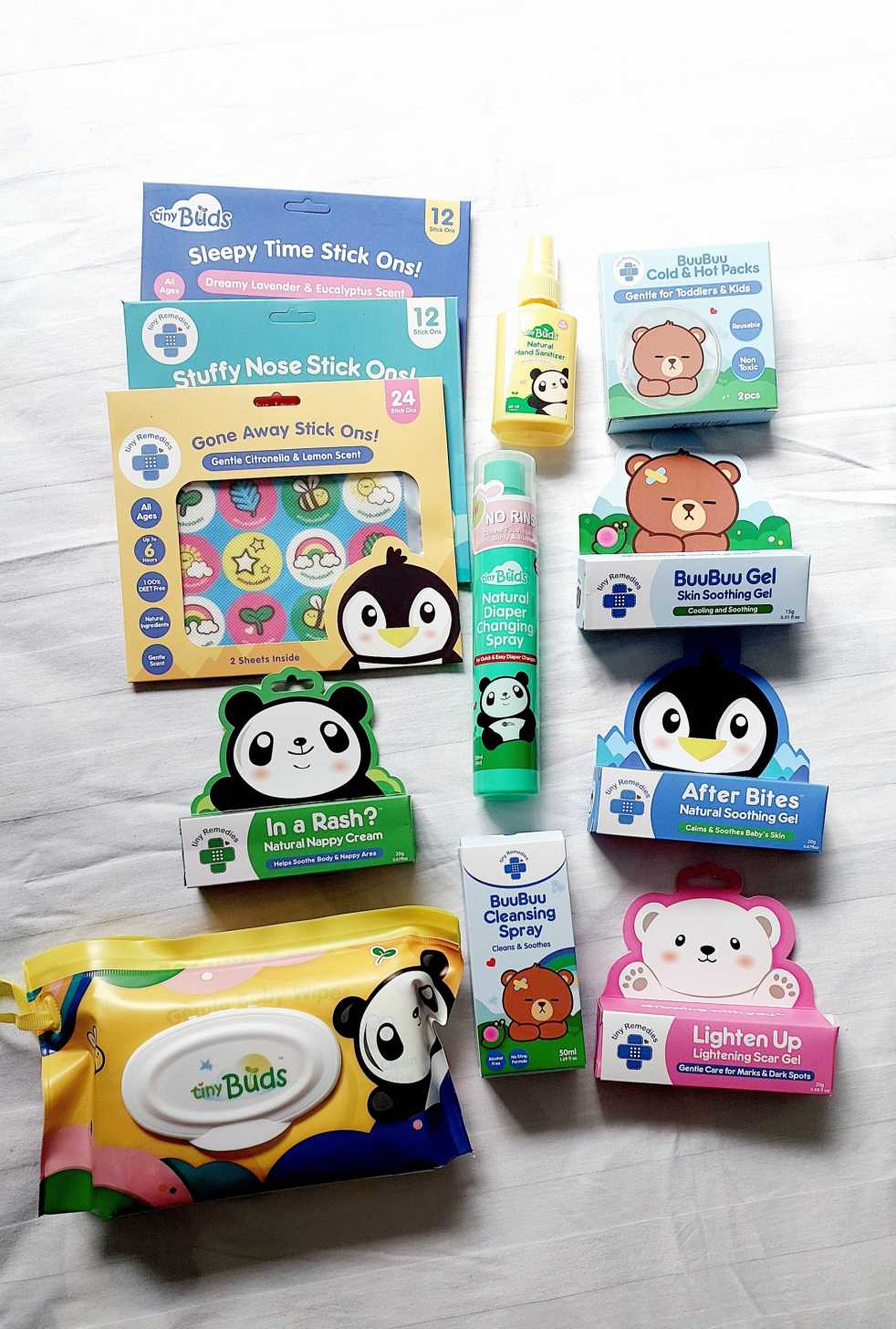
Your baby’s skin is more delicate than most, this is why you have to choose products that are designed for sensitive skin. Tiny Buds is a pioneer in integrating natural ingredients into baby care and today has over 50 innovative natural baby care essentials and is one of the Top Baby Personal Care brands. Here… Continue reading Product Review: Tiny Buds Baby Naturals Baby Essentials
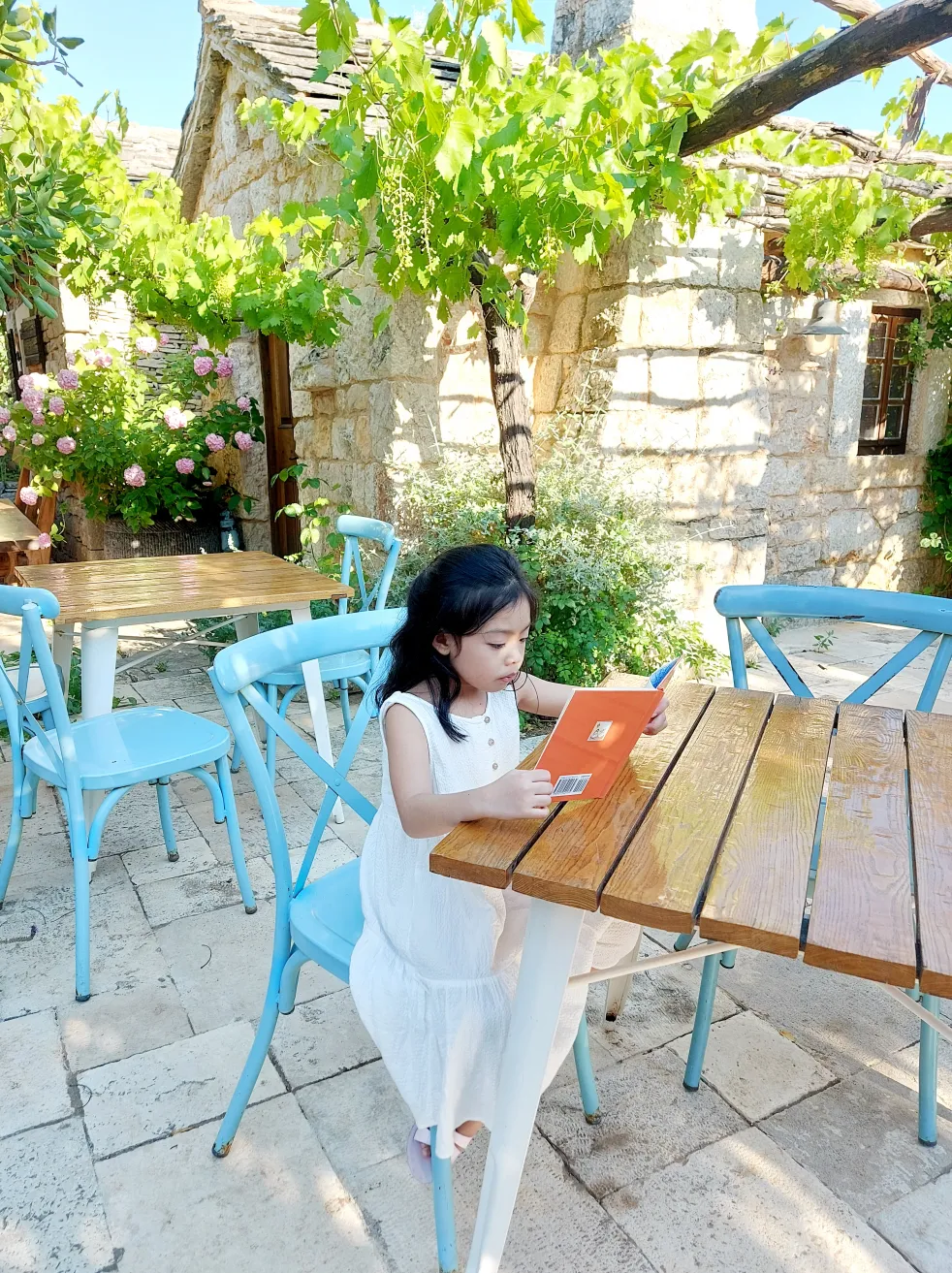
Where your child goes to school is a big decision and shouldn’t be taken lightly. Given how their education can impact their future, you might be tempted to take control and decide for them. However, you might be doing more damage than helping them in the long run. Your job as parents is to support… Continue reading HOW TO CHOOSE THE BEST SCHOOL FOR YOUR CHILD
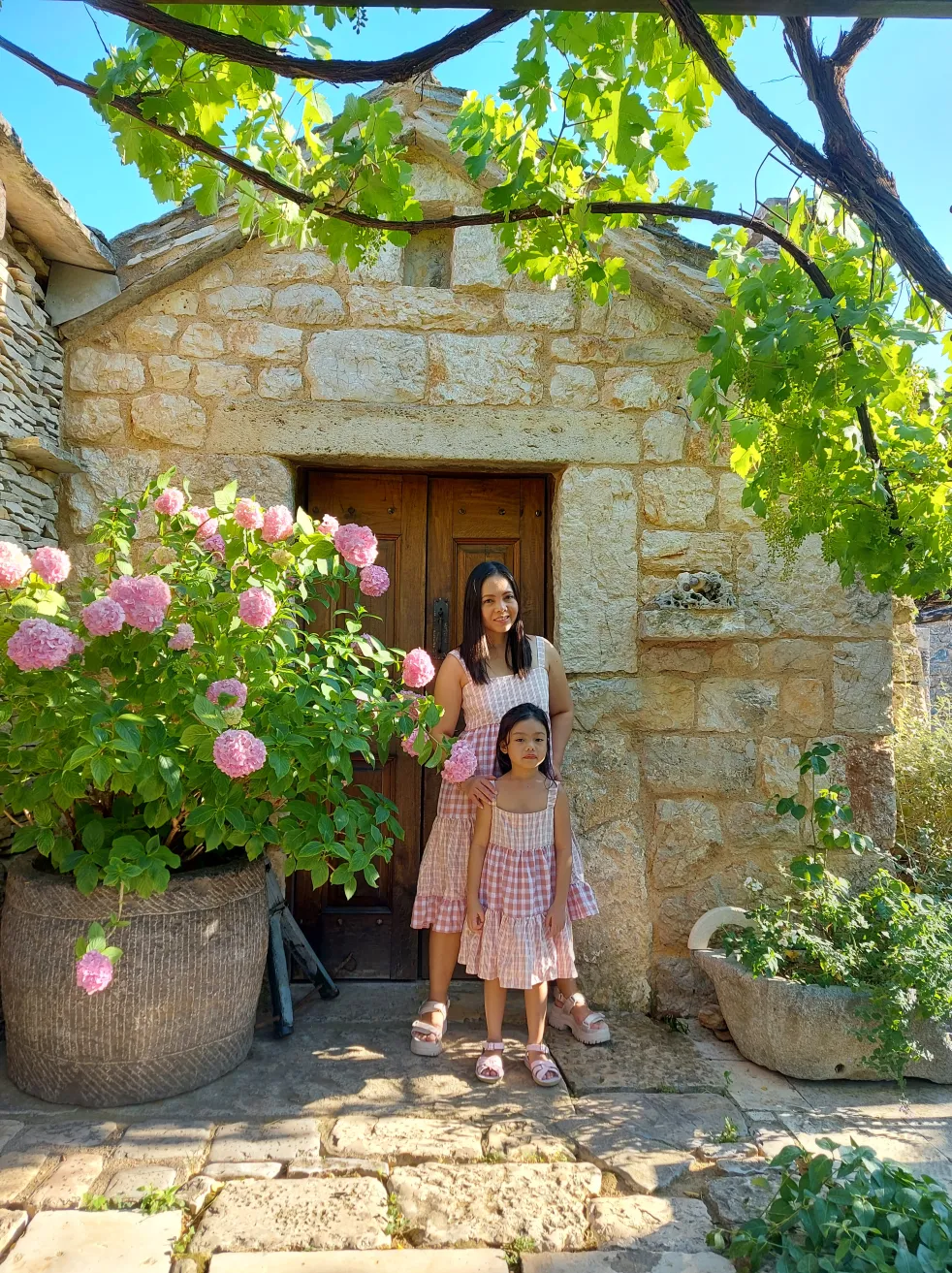
As poet and philosopher Rumi once eloquently said, “raise your words, not your voice. It is rain that grows flowers, not thunder.” Parenting is a challenging journey, and the truth is that nobody has everything figured out. One parenting style might suit others best, and some might favor other methods. However, children respond better to… Continue reading A SIMPLE GUIDE TO GENTLE PARENTING
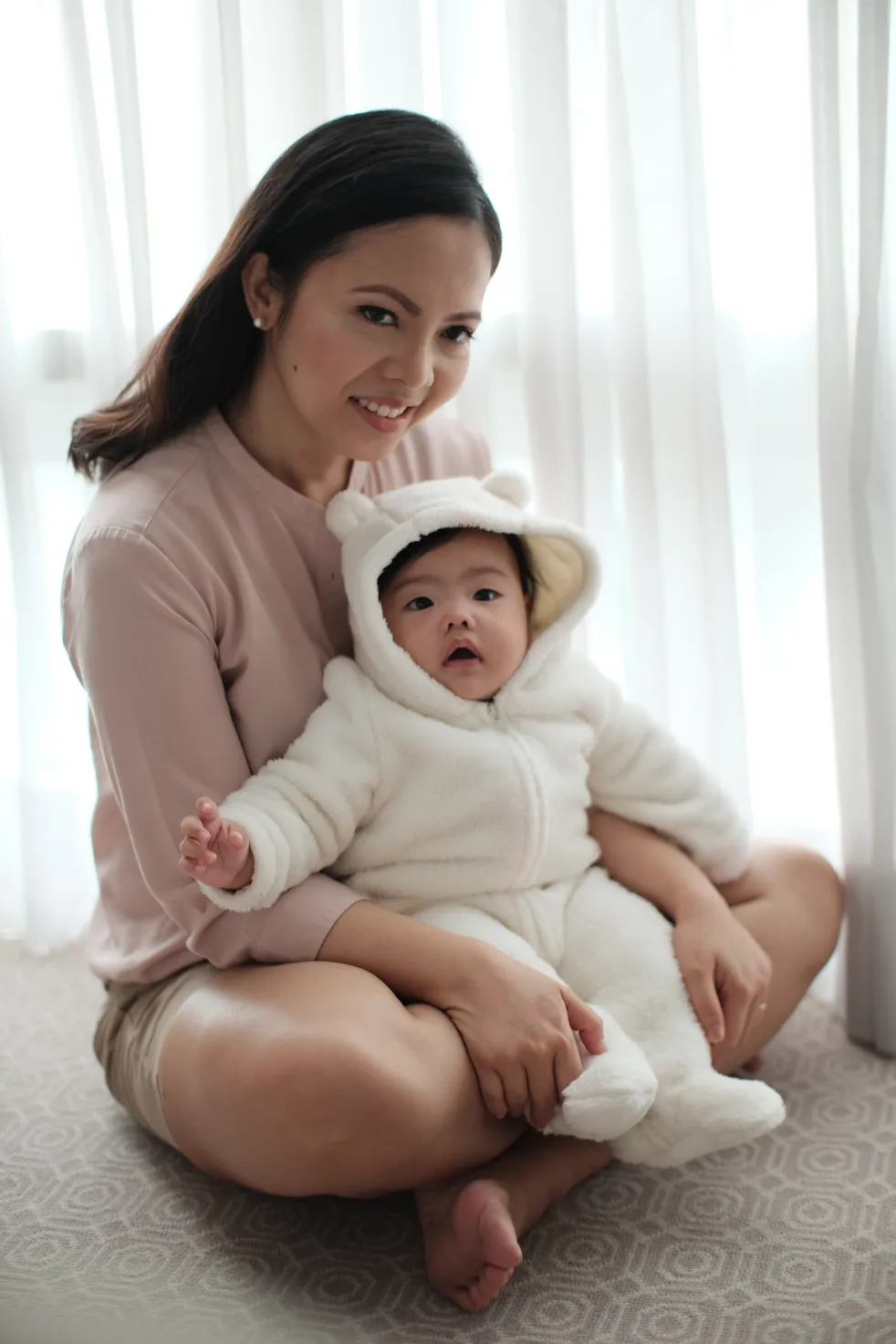
Whether you’re a new mom to be, mom of a toddler, mom who have school-aged kids, you’re bound to have so many questions. Let's start with your baby's skin. Infant skin has unique needs; gentle care is essential to prevent damage to the skin barrier, which can lead to irritation. When caring for infant skin,… Continue reading Keeping Baby’s Diapered Skin Healthy
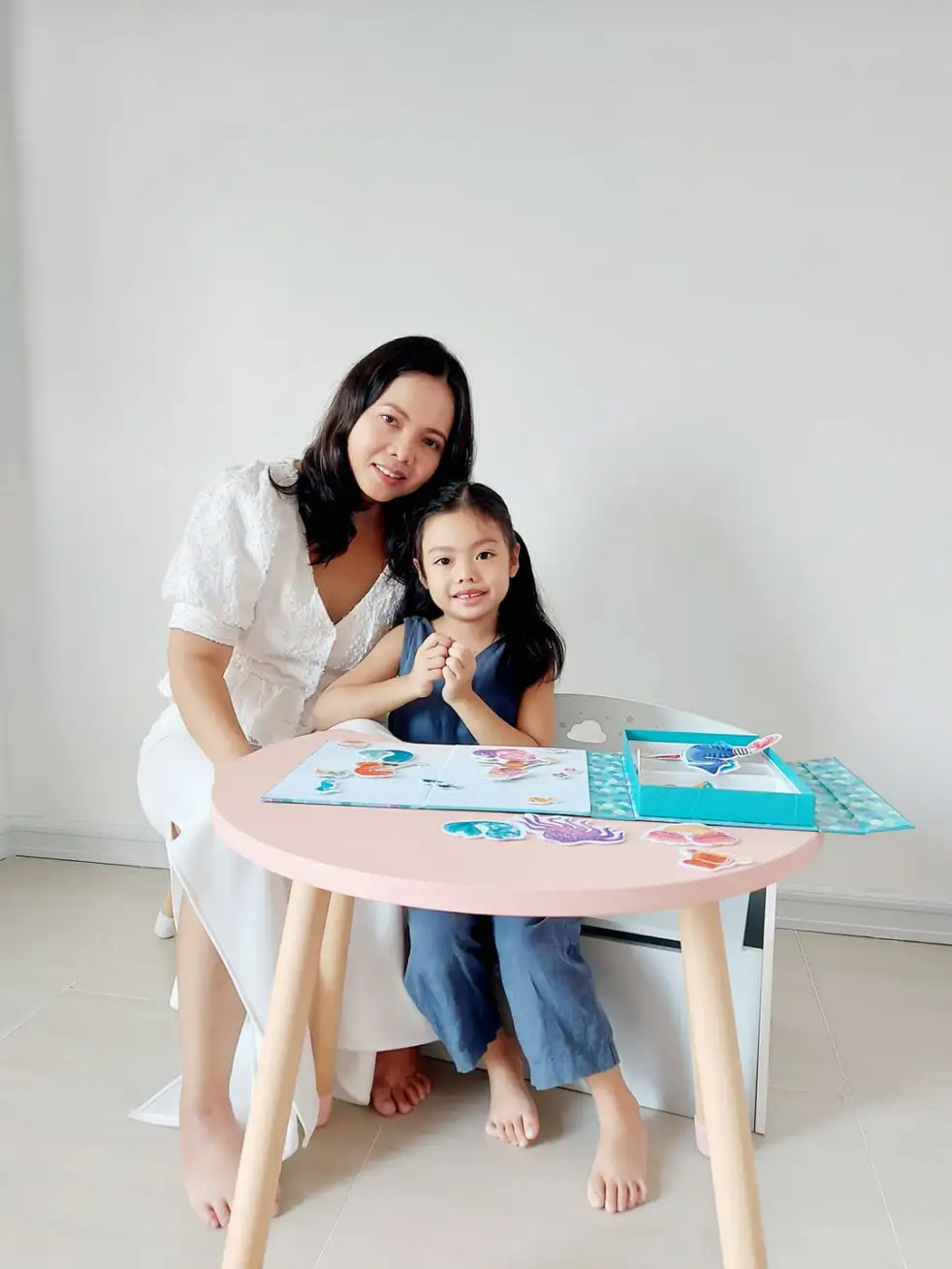
As parents, we want to give our child the best possible start in life and that begins with nurturing their intelligence. Throughout history, the notion of success has been linked to academic intelligence. However, there has been an increased awareness on the importance of emotional intelligence. This question gets at the heart of the never-ending… Continue reading IQ or EQ, which one is a better predictor of your child’s success?
 wondermomma.net