

Last August, IKEA Philippines engaged with Better World Smokey Mountain, a newly opened community center operated by the San Miguel Foundation, which shares a similar goal of improving the lives of many Filipino people. Through this partnership, IKEA Philippines provided and assembled home furnishings for the classrooms and library of Better World Smokey Mountain community… Continue reading Help Create a Better World with IKEA Soft Toys
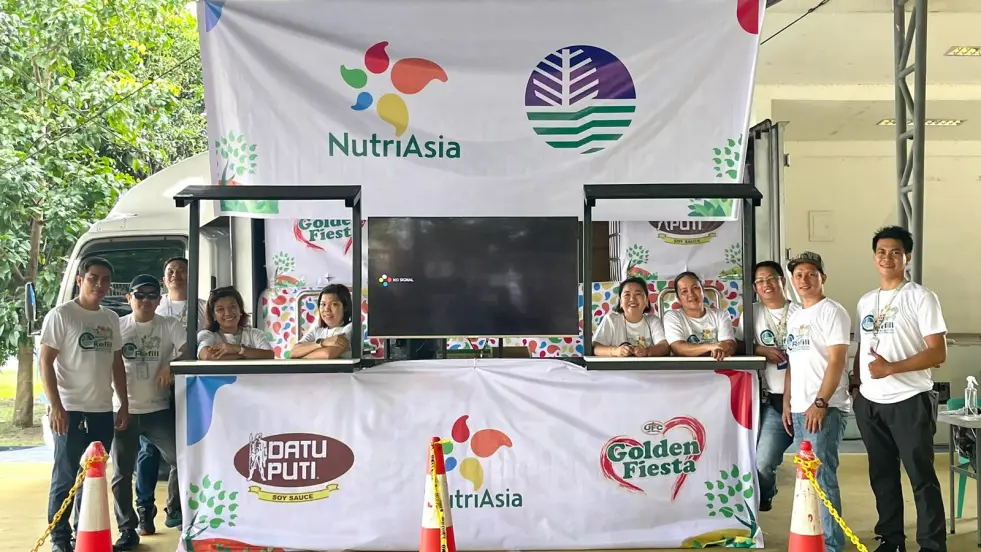
NutriAsia, the country’s top producer of condiments and sauces, continues its support of Refill Revolution; a project by the Department of Environment and Natural Resources EMB 3 that aims to help reduce Filipinos’ single-use plastics consumption. At Refill Revolution, residents get to recycle their single-use plastic bottles by reusing and filling it with their choice… Continue reading NutriAsia and DENR renews partnership for Refill Revolution

Planting A Small Herb Garden With Your Preschooler
A small herb garden gives young children a hands-on way to discover where food comes from. A few pots on a balcony, windowsill or sunny patio can become a gentle learning space where your preschooler scoops soil, smells leaves and watches tiny seedlings change each day.
You do not need a large backyard or advanced gardening skills. A recycled container, a bag of quality potting mix and several easy herbs are enough to begin. In Australia, a modest garden can work in a city flat in Melbourne, a suburban home in Brisbane or a cooler regional town, provided the plants receive suitable light and regular care.
Gardening also suits the preschool years because it combines movement, language, sensory play and early science. Children can practise counting seeds, compare leaf shapes, listen for garden sounds and learn that living things need water, light and patience.
The project works best when adults handle safety and expectations while children enjoy real choices. Some seeds will fail, leaves may wilt during a hot spell and enthusiastic little hands may overwater a pot. These moments are part of learning rather than signs that the garden has gone wrong.
Choosing Herbs For A First Garden
Begin with herbs that are familiar, forgiving and pleasant to touch. Mint, parsley, chives, basil, coriander and thyme are useful options, although mint should stay in its own pot because it spreads quickly. Lemon balm also offers a fresh scent and soft leaves that children often enjoy rubbing between their fingers.
Think about your local conditions before buying seedlings. Basil loves warmth and sun, while coriander can bolt quickly during hot Australian weather. In cooler parts of Victoria or Tasmania, basil may need protection as autumn arrives. In Queensland or Western Australia, afternoon shade can help prevent delicate leaves from scorching.
A garden centre or Bunnings can be an easy place to find seedlings, child-sized tools and potting mix. Choose healthy plants with firm stems and bright leaves, avoiding anything with yellowing foliage, mould or insects. If your family enjoys cooking, select herbs that will actually appear in meals, such as parsley for pasta or chives for scrambled eggs.
Preparing A Safe Growing Space
Place the garden where your preschooler can reach it without climbing. A sturdy low bench, wide window ledge or protected corner of the patio is safer than a narrow balcony rail. Check that pots cannot be pulled down easily, and keep them away from outdoor power points, barbecues and areas where children run.
Drainage matters because waterlogged roots can damage herbs. Use containers with holes underneath and place saucers below them to catch excess water. Recycled yoghurt tubs can work for seedlings if an adult makes drainage holes, while larger pots are better for mint and herbs that need room to grow.
Use commercial potting mix rather than soil collected from a garden bed. Potting mix is lighter and designed for containers, but children should avoid breathing in dusty material. An adult can open the bag, moisten the mix and supervise handwashing after gardening. Keep fertilisers, slug pellets and other chemicals out of reach.
Turning Planting Into Play
Give your child a small scoop or blunt-ended hand trowel and demonstrate how to make a shallow hole. Preschoolers can place one seed in each hole, cover it gently and press the surface with one finger. Seedlings are easier for impatient gardeners because the green leaves are visible straight away, while seeds provide a longer lesson in waiting.
Use simple words as you work: root, stem, leaf, soil, damp and dry. Invite your child to notice differences without turning the activity into a test. “This leaf feels soft” or “The soil looks darker after watering” encourages observation and builds vocabulary naturally.
A homemade plant label adds another creative element. Write the herb’s name clearly, then let your preschooler decorate the label with drawings. Photos taken on planting day can help children compare growth later. A simple calendar with stickers can show when the garden was watered, though adults should check the soil rather than relying on a strict schedule.
Comparing Simple Herb Garden Options
Different growing methods suit different homes and family routines. A sunny outdoor pot may produce the strongest growth, while an indoor container allows children to observe plants during rainy weather or apartment living.
| Growing option | Best for | Benefits | Points to watch |
|---|---|---|---|
| Individual pots | Small patios and balconies | Easy to move and separate | Pots dry out quickly |
| Window box | Kitchens and narrow spaces | Keeps herbs close for cooking | Needs secure installation |
| Raised planter | Backyards and courtyards | Comfortable child-height access | Requires more space |
| Indoor herb pots | Flats or cool climates | Convenient for observation | Light may be insufficient |
| Recycled containers | Budget-conscious families | Encourages reuse | Must have drainage holes |
For Australian families, portability is especially useful. A pot can move into morning sun during a heatwave or under cover during heavy rain. In areas affected by water restrictions, check local council guidance and water early in the day, when less moisture is lost to evaporation.
Building A Gentle Care Routine
Young children can help check whether the top layer of mix feels dry, but an adult should decide how much water the plant needs. Too much watering is a common problem, especially when a child is excited to care for something. One small watering can shared between parent and child helps keep the task manageable.
Make care part of an existing routine, such as checking the herbs after breakfast or before afternoon play. A short visit is enough: look for new leaves, remove fallen material with help and turn pots if growth leans towards the light. Avoid making the garden feel like another chore that must be completed perfectly.
Australian weather can change quickly. Hot northerly winds may dry pots in a single day, while a run of wet weather can leave them saturated. In Sydney or Brisbane, humid conditions may encourage fungal problems, so allow space between containers and water the soil rather than splashing the leaves.
Exploring Senses And Early Learning
Herbs create rich sensory experiences without needing complicated activities. Ask your preschooler to smell basil, mint and rosemary, then describe which scent seems sweet, sharp or fresh. Children should never taste a plant unless an adult has identified it as safe and washed it carefully.
Counting is easy to include. Count the number of pots, leaves or chive stems, and compare the tallest plant with the shortest one. You can talk about shapes, colours and textures, or measure growth with a piece of string rather than a ruler. These small conversations support early maths and science while remaining relaxed.
The garden can also encourage emotional development. Plants need care over time, and children learn that growth cannot always be rushed. If a seed does not sprout, acknowledge the disappointment and explain that gardeners try again, adjust the conditions or choose another plant.
Stories and songs can extend the experience indoors. A family recipe website such as Mojitos and Munchkins can provide inspiration for using fresh herbs in simple meals, while children help wash leaves, tear soft herbs or sprinkle them under close supervision.
Harvesting And Using Fresh Herbs
Harvest lightly once plants are established. Snipping a few chives or picking several parsley leaves gives children a sense of achievement without stripping the plant. Adults should use clean scissors and manage any sharp tools, while children can place harvested herbs into a bowl.
Choose easy family foods that allow the flavour to stand out. Add basil to tomato toast, parsley to potato salad, mint to fruit and chives to eggs. Children may be more willing to try a new flavour when they have grown and collected it themselves, although tasting should always remain optional.
Good hygiene is part of the gardening lesson. Wash hands after touching potting mix, rinse herbs before eating and keep garden tools separate from kitchen utensils. If your child has irritated skin, wash hands promptly and use gentle products; WonderMomma’s guide to natural nappy rash care also highlights the value of mild, practical skin care for young children.
Keeping The Project Simple
The most successful herb garden is one your family can maintain without stress. Start with two or three plants rather than filling every available pot. A child who enjoys watering basil and checking mint may later be ready to plant seeds, collect compost or grow vegetables.
Use these practical choices to keep the experience safe and enjoyable:
- Select non-toxic, edible herbs from a reputable nursery or garden centre.
- Place containers on a stable surface away from climbing hazards.
- Give your preschooler a small tool and a clearly defined gardening job.
- Check soil moisture before every watering session.
- Protect pots from harsh midday heat during Australian summer.
- Wash hands, tools and harvested leaves before food preparation.
- Accept imperfect growth as part of the child’s learning experience.
A few living plants can turn an ordinary family space into a place for discovery. With regular observation, gentle guidance and plenty of room for curiosity, your preschooler can learn to care for herbs while developing a lasting connection with food, nature and everyday family life.

Mercato Centrale, in collaboration with Indian Women in Enterprise Philippines (I-We), is set to host "The Great Indian Fiesta" to mark 75 years of friendship between India and the Philippines. The dynamic two-day event is scheduled to take place on September 30 to October 1, 2023, at Paseo De Roxas Street, Makati City. Aiming to… Continue reading Mercato Centrale Partners with I-We to Host ‘The Great Indian Fiesta’, Commemorating 75 Years of India-Philippines Friendship

My stomach would usually start growling at 10 am even after taking a big breakfast. This is probably because I am a morning person and I move a lot throughout the day hence snacking is something that I can't avoid. This potatoes and chicken wrap recipe is easy to prepare and would keep me full… Continue reading Potato and Chicken Wrap
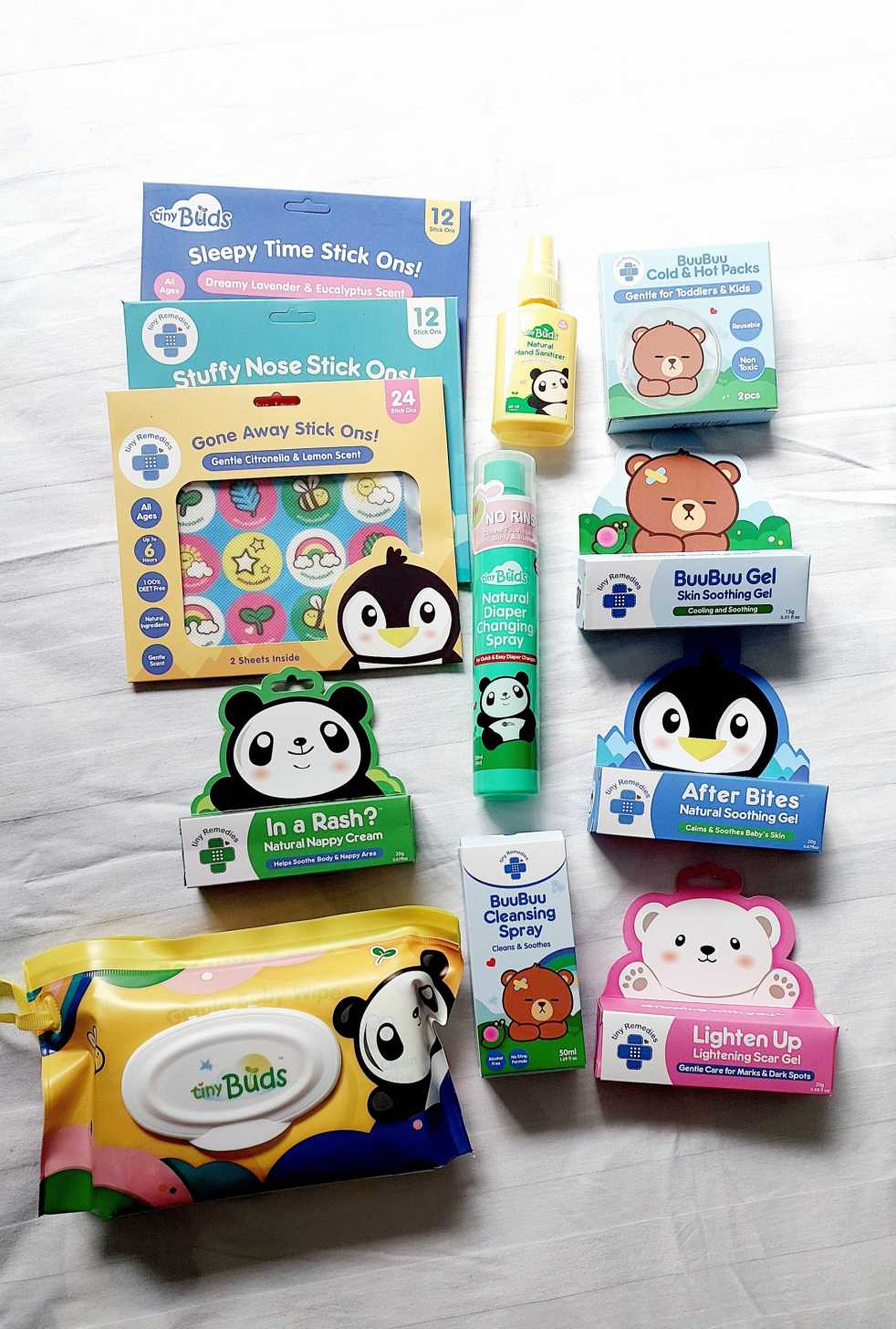
Your baby’s skin is more delicate than most, this is why you have to choose products that are designed for sensitive skin. Tiny Buds is a pioneer in integrating natural ingredients into baby care and today has over 50 innovative natural baby care essentials and is one of the Top Baby Personal Care brands. Here… Continue reading Product Review: Tiny Buds Baby Naturals Baby Essentials
Where your child goes to school is a big decision and shouldn’t be taken lightly. Given how their education can impact their future, you might be tempted to take control and decide for them. However, you might be doing more damage than helping them in the long run. Your job as parents is to support… Continue reading HOW TO CHOOSE THE BEST SCHOOL FOR YOUR CHILD
As poet and philosopher Rumi once eloquently said, “raise your words, not your voice. It is rain that grows flowers, not thunder.” Parenting is a challenging journey, and the truth is that nobody has everything figured out. One parenting style might suit others best, and some might favor other methods. However, children respond better to… Continue reading A SIMPLE GUIDE TO GENTLE PARENTING

Whether you’re a new mom to be, mom of a toddler, mom who have school-aged kids, you’re bound to have so many questions. Let's start with your baby's skin. Infant skin has unique needs; gentle care is essential to prevent damage to the skin barrier, which can lead to irritation. When caring for infant skin,… Continue reading Keeping Baby’s Diapered Skin Healthy
As parents, we want to give our child the best possible start in life and that begins with nurturing their intelligence. Throughout history, the notion of success has been linked to academic intelligence. However, there has been an increased awareness on the importance of emotional intelligence. This question gets at the heart of the never-ending… Continue reading IQ or EQ, which one is a better predictor of your child’s success?
 wondermomma.net