

Last August, IKEA Philippines engaged with Better World Smokey Mountain, a newly opened community center operated by the San Miguel Foundation, which shares a similar goal of improving the lives of many Filipino people. Through this partnership, IKEA Philippines provided and assembled home furnishings for the classrooms and library of Better World Smokey Mountain community… Continue reading Help Create a Better World with IKEA Soft Toys

NutriAsia, the country’s top producer of condiments and sauces, continues its support of Refill Revolution; a project by the Department of Environment and Natural Resources EMB 3 that aims to help reduce Filipinos’ single-use plastics consumption. At Refill Revolution, residents get to recycle their single-use plastic bottles by reusing and filling it with their choice… Continue reading NutriAsia and DENR renews partnership for Refill Revolution

How to recognize and treat diaper rash naturally
Diaper rash is one of the most common skin problems during infancy. A baby’s diaper area is warm, damp, and exposed to friction, so even a short period in a wet or soiled diaper can leave the skin red and tender. Most cases are mild and improve with simple, gentle care.
Natural treatment does not mean using every plant-based ingredient or homemade remedy available. A safer approach focuses on protecting the skin barrier, reducing moisture, allowing fresh air to reach the area, and avoiding products that may sting or cause irritation.
Parents should also pay attention to how the rash looks and how their child behaves. Mild redness often responds to home care, while a spreading rash, open sores, fever, or significant discomfort may need advice from a doctor.
What diaper rash looks like
Irritant diaper dermatitis usually appears as pink or red patches on the areas that rub against the diaper. The skin may look dry, shiny, or slightly swollen. It commonly affects the buttocks, upper thighs, lower abdomen, and genital area, especially where urine or stool has made prolonged contact.
A rash caused by irritation often leaves the creases relatively clear. By contrast, a yeast-related rash may be deep red, raised, and concentrated in the folds of the groin. Small red spots or bumps, sometimes called “satellite” spots, may appear around the main rash.
Contact dermatitis is another possibility. It can develop after switching to a new brand of diapers, wipes, detergent, cream, or laundry product. If the rash follows the outline of a product or appears soon after a change in routine, pause the new item and observe the skin.
Common causes and triggers
Wetness is the most frequent cause. Urine increases moisture and can irritate the skin, while stool contains enzymes that are especially harsh when left against delicate skin. Diarrhea can lead to a rash quickly because bowel movements are more frequent and may be more irritating.
Friction from a tight diaper, warm weather, sweating, and infrequent changes can weaken the protective skin barrier. Babies may also experience rashes while teething, taking antibiotics, recovering from an illness, or beginning solid foods. These events do not always directly cause diaper rash, but they can change stool patterns or make the skin more vulnerable.
When a child is unwell, frequent loose stools can make skin care more difficult. Alongside fluids and medical advice when needed, gentle food ideas such as these soothing recipes may help families manage mealtimes while they focus on regular diaper changes.
Gentle natural care at home
Start by changing the diaper as soon as it is wet or soiled. Use lukewarm water and a soft cotton cloth to clean the area. For a messy bowel movement, rinse with water rather than rubbing repeatedly with wipes. If wipes are necessary, choose fragrance-free, alcohol-free products made for sensitive skin.
Pat the area dry with a clean, soft towel. Rubbing can create tiny abrasions and make inflammation worse. Giving your baby several short periods without a diaper can also help moisture evaporate. Place the baby on a washable towel in a warm, safe room and supervise closely during diaper-free time.
A thin layer of a plain barrier ointment can shield irritated skin from urine and stool. Zinc oxide and petrolatum are widely used options; some families prefer simple products with minimal ingredients. Coconut oil may feel soothing for some babies, but evidence for treating diaper rash is limited, and it can irritate children with sensitive skin. Test any new product on a small area first and stop if redness increases.
Do not scrub away every trace of barrier cream at each change. Remove only the soiled layer, then apply a fresh thin coating. This reduces friction and keeps the skin protected. If the rash is severe, painful, or not improving after a few days, natural care should not delay professional assessment.
A practical changing routine
Consistency often matters more than using a large number of products. Keep diapers, cloths, a barrier ointment, and a clean towel within reach before beginning. Wash your hands before and after each change, and use a clean surface that can be disinfected easily.
The routine below can help protect the skin while it heals:
| Step | What to do | Why it helps |
|---|---|---|
| Check often | Look inside the diaper regularly and change wet or soiled diapers promptly | Limits contact with moisture and stool |
| Clean gently | Rinse with lukewarm water or use fragrance-free wipes | Removes irritants without stripping the skin |
| Dry fully | Pat, rather than rub, and allow a brief air-drying period | Reduces dampness and friction |
| Protect | Apply a thin, even layer of barrier ointment | Helps block urine and stool |
| Fit comfortably | Fasten the diaper securely but leave room around the waist and legs | Prevents rubbing and trapped heat |
| Monitor | Check the rash at every change | Shows whether home care is helping |
Cloth diapers can be used during a rash, but they need careful washing and thorough rinsing. Avoid fabric softeners, scented detergents, and strongly fragranced laundry products. If a cloth diaper remains damp or retains detergent, it may worsen irritation. Disposable diapers with good absorbency may be easier to manage while the skin is inflamed.
Ingredients and habits to avoid
“Natural” ingredients can still be harsh on infant skin. Essential oils, undiluted herbal extracts, vinegar, lemon juice, and strongly scented balms may sting or trigger an allergic reaction. Avoid applying anything that has not been made for a baby’s skin, especially near the genitals.
Cornstarch is often suggested as a moisture absorber, but it may encourage yeast growth if the rash is fungal. Talcum powder should also be avoided because loose powder can be inhaled and may irritate a baby’s lungs. Powder can also collect in skin folds instead of keeping them clean and dry.
Do not use steroid, antifungal, or antibiotic creams without appropriate guidance, particularly on a young baby. These treatments can be useful for specific conditions, but the wrong product or strength may mask symptoms or damage delicate skin. A pharmacist, pediatrician, or family doctor can recommend the right treatment when a simple barrier is not enough.
Avoid tight diapers, vigorous wiping, and frequent product changes while the rash is healing. Introducing several remedies at once makes it difficult to identify what helped or what caused additional irritation.
When a doctor should examine the rash
Seek medical advice if the rash does not begin to improve after two or three days of careful home treatment. A rash that continues beyond a week, repeatedly returns, or spreads beyond the diaper area may need a closer examination. The cause could be yeast, bacterial infection, eczema, psoriasis, or an allergy rather than simple irritation.
Contact a healthcare professional promptly if the skin is bleeding, blistered, crusted, weeping, unusually swollen, or covered with pus. Fever, marked pain, lethargy, poor feeding, or a baby who is difficult to comfort are also warning signs. Very young infants deserve extra caution, particularly if they have a fever or appear unwell.
Diarrhea, vomiting, and reduced wet diapers can raise concerns about dehydration as well as skin irritation. Watch for fewer wet diapers, a dry mouth, no tears when crying, or unusual sleepiness, and seek medical care if these signs appear. The diaper rash may be part of a broader illness.
A calm care routine for families
- Change wet or soiled diapers promptly, especially after bowel movements.
- Clean with lukewarm water and a soft cloth whenever the skin is very sore.
- Pat dry, provide supervised diaper-free time, and use a simple barrier ointment.
- Keep diapers comfortably loose and avoid fragrances, powders, and essential oils.
- Take a photo or note the rash’s appearance so you can track improvement and explain changes to a healthcare professional.
Most mild diaper rashes settle when moisture, friction, and irritants are reduced. Gentle handling and a consistent routine can protect your baby’s skin without overwhelming the family with complicated remedies. If the rash is persistent or looks unusual, arrange medical advice rather than continuing to experiment at home. Start with these simple steps at the next diaper change and monitor your baby’s comfort closely.

Mercato Centrale, in collaboration with Indian Women in Enterprise Philippines (I-We), is set to host "The Great Indian Fiesta" to mark 75 years of friendship between India and the Philippines. The dynamic two-day event is scheduled to take place on September 30 to October 1, 2023, at Paseo De Roxas Street, Makati City. Aiming to… Continue reading Mercato Centrale Partners with I-We to Host ‘The Great Indian Fiesta’, Commemorating 75 Years of India-Philippines Friendship

My stomach would usually start growling at 10 am even after taking a big breakfast. This is probably because I am a morning person and I move a lot throughout the day hence snacking is something that I can't avoid. This potatoes and chicken wrap recipe is easy to prepare and would keep me full… Continue reading Potato and Chicken Wrap
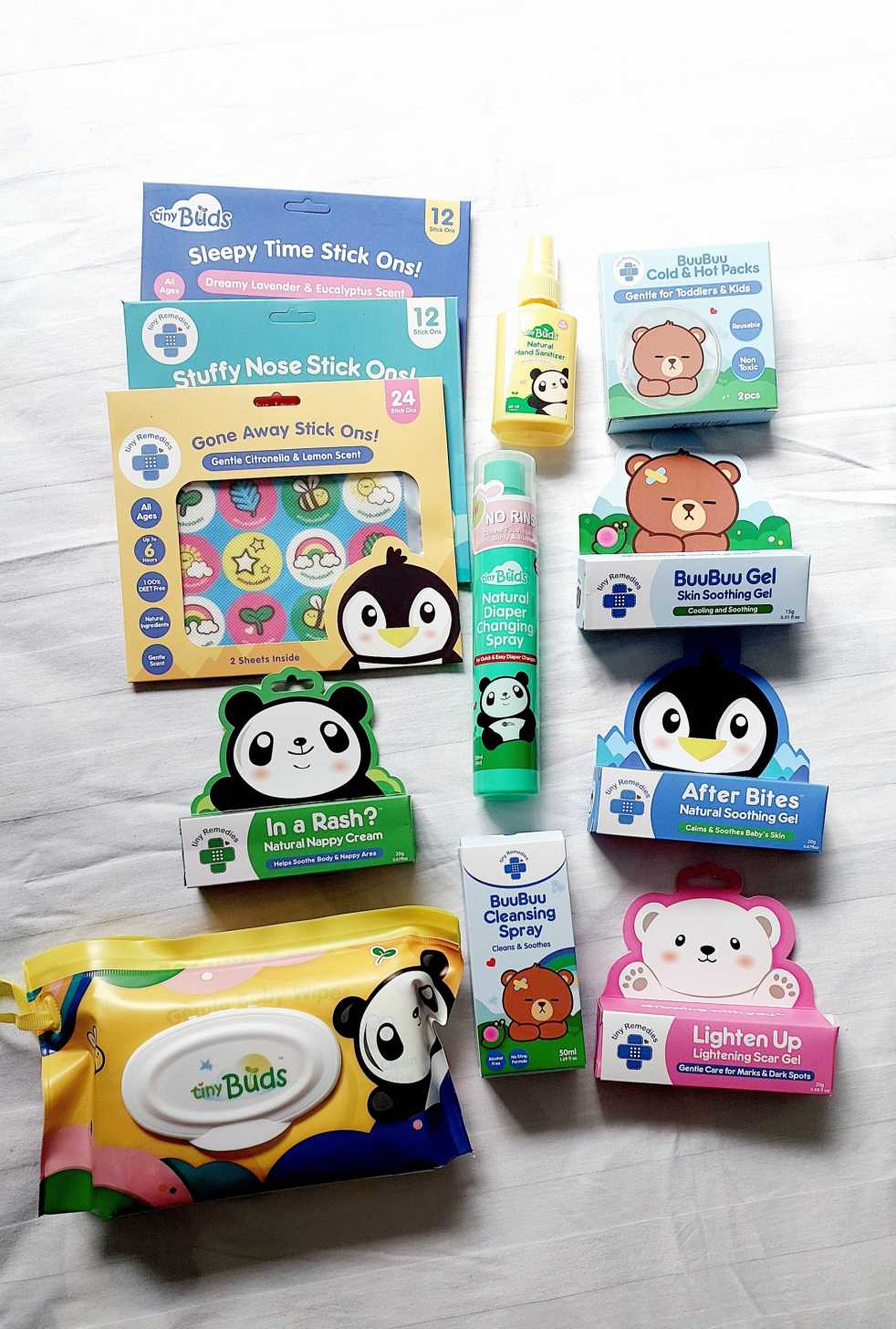
Your baby’s skin is more delicate than most, this is why you have to choose products that are designed for sensitive skin. Tiny Buds is a pioneer in integrating natural ingredients into baby care and today has over 50 innovative natural baby care essentials and is one of the Top Baby Personal Care brands. Here… Continue reading Product Review: Tiny Buds Baby Naturals Baby Essentials

Where your child goes to school is a big decision and shouldn’t be taken lightly. Given how their education can impact their future, you might be tempted to take control and decide for them. However, you might be doing more damage than helping them in the long run. Your job as parents is to support… Continue reading HOW TO CHOOSE THE BEST SCHOOL FOR YOUR CHILD

As poet and philosopher Rumi once eloquently said, “raise your words, not your voice. It is rain that grows flowers, not thunder.” Parenting is a challenging journey, and the truth is that nobody has everything figured out. One parenting style might suit others best, and some might favor other methods. However, children respond better to… Continue reading A SIMPLE GUIDE TO GENTLE PARENTING

Whether you’re a new mom to be, mom of a toddler, mom who have school-aged kids, you’re bound to have so many questions. Let's start with your baby's skin. Infant skin has unique needs; gentle care is essential to prevent damage to the skin barrier, which can lead to irritation. When caring for infant skin,… Continue reading Keeping Baby’s Diapered Skin Healthy

As parents, we want to give our child the best possible start in life and that begins with nurturing their intelligence. Throughout history, the notion of success has been linked to academic intelligence. However, there has been an increased awareness on the importance of emotional intelligence. This question gets at the heart of the never-ending… Continue reading IQ or EQ, which one is a better predictor of your child’s success?
 wondermomma.net