

Last August, IKEA Philippines engaged with Better World Smokey Mountain, a newly opened community center operated by the San Miguel Foundation, which shares a similar goal of improving the lives of many Filipino people. Through this partnership, IKEA Philippines provided and assembled home furnishings for the classrooms and library of Better World Smokey Mountain community… Continue reading Help Create a Better World with IKEA Soft Toys
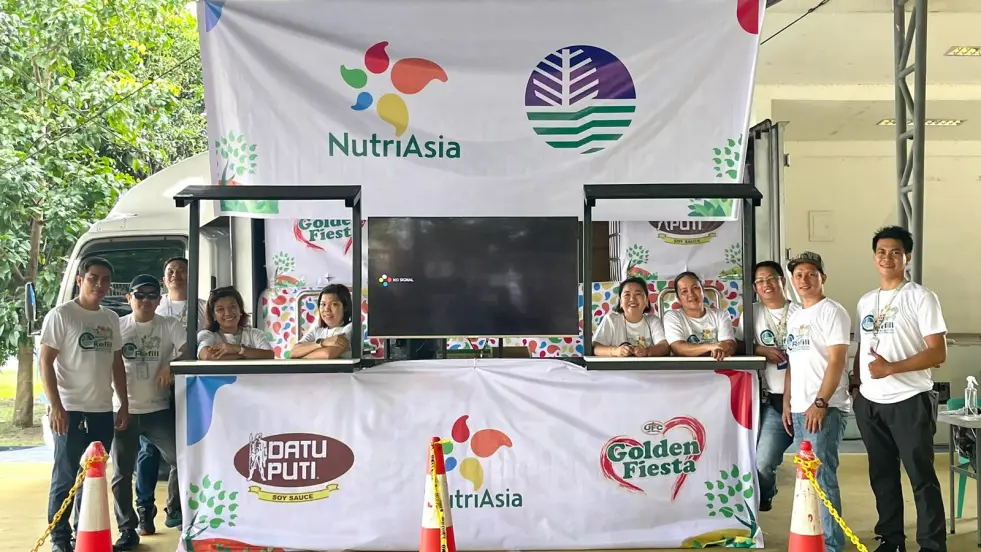
NutriAsia, the country’s top producer of condiments and sauces, continues its support of Refill Revolution; a project by the Department of Environment and Natural Resources EMB 3 that aims to help reduce Filipinos’ single-use plastics consumption. At Refill Revolution, residents get to recycle their single-use plastic bottles by reusing and filling it with their choice… Continue reading NutriAsia and DENR renews partnership for Refill Revolution

A Weekend Menu Strategy That Helps Kids Actually Eat Their Veggies
Saturday morning rolls around and the kitchen becomes command central. Between the weekly netball match, the trip to the local farmers market, and the slow rhythm of a family breakfast, weekends offer a rare chance to reset the family food culture. For parents tired of serving broccoli only to scrape it into the bin, the weekend is the ideal time to plan meals that turn vegetable sceptics into curious eaters.
Australian households spend roughly 60 percent of their weekly food budget at Coles and Woolworths, which means the foundation of any vegetable-rich menu is built in those aisles. The trick is to shop with intention rather than habit, choosing produce that lends itself to kid-friendly formats: roasted sweet potato wedges, zucchini fritters, or pumpkin soup in a thermos for Sunday sport. When the fridge is stocked with ready-to-eat veggie options, even a tired weeknight dinner can lean green.
The Australian Dietary Guidelines recommend that kids eat five or more serves of vegetables each day, yet most children fall short. Weekend menus can close that gap because they allow for slower cooking methods like roasting, slow braising, and baking. These techniques bring out natural sweetness in vegetables, which research consistently shows is the flavour kids gravitate toward without being pushed.
The plan that follows blends practical shopping lists, family-friendly recipes, and a small dose of behavioural science to help transform vegetable avoidance into vegetable enthusiasm. None of it requires fancy ingredients or chef-level skill. It simply asks for a Saturday morning plan, a bit of patience, and a willingness to let the kids get their hands a little messy.
Stocking the Pantry and Fridge Like a Weekend Pro
The first step in any successful vegetable menu is a well-stocked kitchen. Head to your local farmers market, whether it is the Queen Victoria Market in Melbourne, the Rocks Markets in Sydney, or the Mindil Beach Market in Darwin, and build meals around what is in season. Seasonal Australian produce is cheaper, tastier, and naturally higher in nutrients. In spring, that means asparagus, peas, and broad beans. In autumn, it is pumpkin, sweet potato, and beetroot.
Keep a short list of pantry staples that pair with vegetables: olive oil, sea salt, garlic, lemon, Parmesan, toasted seeds, and a couple of quality vinegars. With these on hand, almost any vegetable can be transformed in ten minutes. A head of broccoli becomes irresistible when roasted with olive oil and finished with lemon zest. Zucchini turns into fritters with a bit of flour, feta, and herbs. Silverbeet wilts beautifully into pasta with garlic and a pinch of chilli.
Storage matters as much as shopping. Cut celery, carrots, and capsicum into sticks and store them in glass jars of water in the fridge. Kids are far more likely to snack on vegetables when they are pre-cut, visible, and within reach. Roast a tray of mixed vegetables on Sunday afternoon and store them in a sealed container for quick assembly later in the week.
Try one new vegetable each weekend. Pick something the family has never cooked with before: kohlrabi, fennel, or romanesco, for example. Treat it as an adventure rather than a test. The relaxed weekend atmosphere takes the pressure off the kids and makes them far more willing to try something unfamiliar.
Making Vegetables the Star of Saturday Breakfast
Breakfast is the most underrated meal for adding extra nutrients into a kid's day. A veggie-packed breakfast sets the tone for the rest of the weekend and prevents the classic pre-lunch hunger crash that leads to sugary snacks. The key is to treat vegetables the same way adults treat fruit at breakfast: abundant, colourful, and easy.
A simple sweet potato and egg hash is a weekend classic. Dice a sweet potato, cook it in a pan with a little oil until golden, then add spinach and crack in some eggs. Top with crumbled feta and a squeeze of lemon. It takes fifteen minutes and delivers three different vegetables in one dish. Leftovers can be stored and quickly reheated on Sunday morning.
For something sweeter, try a green smoothie that does not taste green. Blend frozen banana, mango, a handful of baby spinach, Greek yoghurt, and a splash of oat milk. The fruit masks the flavour of the spinach, while the yoghurt adds protein to balance the natural sugars. Kids love it because it tastes like a tropical dessert, and parents love it because the spinach disappears entirely.
Pancakes are another surprising vehicle for vegetables. Grate a small zucchini into the batter, add a mashed ripe banana, and cook as usual. The zucchini adds moisture and disappears into the pancake, making it an easy win for fussy toddlers and older kids alike. Serve with fresh berries and a drizzle of honey for a weekend breakfast that feels indulgent.
If you have a baby or toddler still working through the early stages of eating, the question of how to introduce solids often comes up. Resources that compare baby-led weaning versus purees can help parents decide which path suits their family. Either approach works well when vegetables are offered in a relaxed, repeated way without pressure.
Lunchbox-Style Plates for Saturday and Sunday
Weekend lunches often mirror the structure of school lunchboxes: small portions, a mix of flavours and textures, and a bit of fun. Replicating that format at home makes vegetables feel less like an obligation and more like a collection of small, appealing choices. Think of it as a grazing plate designed for kids.
Build a plate around three to four vegetable components: cherry tomatoes, cucumber rounds, roasted red capsicum strips, and a small bowl of hummus or tzatziki for dipping. Add a protein like sliced chicken, boiled eggs, or cheese, and a carbohydrate such as pita, crackers, or leftover roast vegetables. The visual variety encourages tasting because each element is its own little experience.
Sandwiches can be reinvented with vegetable spreads. Swap butter for avocado, layer roasted eggplant with hummus, or add a slice of haloumi with roasted pumpkin and pesto. These combinations feel grown-up enough for parents to enjoy alongside their kids, which models positive eating behaviour without anyone having to lecture about it.
Soup is an underrated weekend lunch, especially during the cooler months in Melbourne, Hobart, or Canberra. A big pot of pumpkin and lentil soup, or a creamy broccoli and pea soup, can simmer quietly while the kids play. Serve with crusty bread and a small bowl of grated Parmesan. Kids who would never touch a floret of broccoli will happily eat it when it is blended smooth and paired with toast soldiers.
Keep the portions small and the choices abundant. Kids often refuse vegetables because they feel overwhelmed by a giant serving. A tablespoon here, a slice there, and a couple of pieces of something else allows them to mix and match without pressure. If they eat only one vegetable at lunch, that is a win, not a failure.
Sneaky Vegetables Versus Honest Vegetable Cooking
The internet is full of recipes that hide vegetables inside brownies, pasta sauces, and muffins. There is nothing wrong with these tricks in moderation, but research suggests that transparent cooking actually builds better long-term vegetable acceptance. Kids who know exactly what is in their food learn to recognise flavours and textures, which over time reduces pickiness.
Sneaky approaches work best as a transition tool rather than a permanent strategy. A muffin made with grated carrot or zucchini is a perfectly reasonable way to use up leftover produce. But pairing that muffin with a serving of roasted carrots at dinner sends a stronger message: vegetables are a normal, celebrated part of food rather than something to disguise.
Honest cooking does not have to be complicated. Roasting vegetables at a high temperature with olive oil and salt caramelises their natural sugars and brings out a sweetness kids enjoy. Grilling asparagus or corn on the cob during a weekend barbecue creates an interactive moment where kids can choose to engage. Cooking methods that make vegetables feel celebratory usually win over forced eating at the table.
A balanced approach combines both strategies. Use sneaky vegetables when time is tight or when introducing a new ingredient. Use honest, hero-style vegetable cooking when you want to build familiarity. The aim is to raise a child who eventually chooses a salad because they genuinely enjoy it, not because they have been conditioned to tolerate it.
Cooking Together as a Weekend Ritual
One of the most powerful ways to get kids eating vegetables is to invite them into the kitchen. Studies from the CSIRO and other Australian research bodies consistently show that children who help prepare meals are more likely to try them. Weekend mornings are the perfect time to make cooking a ritual rather than a chore.
Set up a small station for them with a plastic knife, a chopping board, and a bowl of pre-washed vegetables. Let them tear lettuce, snap green beans, or stir the soup. Even babies in a high chair can be given a wooden spoon and a pot of dry rice to play with while dinner comes together. The goal is participation, not perfection.
Make it a recurring event rather than a one-off experiment. Designate one weekend morning as family cooking time, and let the kids take turns choosing what to make. Rotate through vegetable-forward dishes: zucchini slice, vegetable frittata, stuffed capsicums, or homemade veggie burgers. Over time, cooking becomes a normal, even expected, part of the rhythm.
Talk about the vegetables as you cook. Describe their colours, their smells, where they grew, and how they taste. A child who can articulate the difference between raw and roasted capsicum has a much richer relationship with food than one who only knows it as something hidden in bolognese.
Be patient with messes. Flour on the floor, olive oil on the bench, and vegetable scraps in the sink are all part of the process. A relaxed weekend environment gives parents the mental space to let cooking unfold slowly, and that relaxed energy transfers directly to how kids feel about the food they are helping to make.
| Approach | How It Works | Best For | Drawbacks |
|---|---|---|---|
| Sneaky vegetables | Blended or grated into familiar foods | Picky eaters, transition phase | Does not build flavour familiarity |
| Honest hero cooking | Vegetables are the star of the dish | Building long-term acceptance | Requires patience and repetition |
| Interactive grazing plates | Small portions of multiple vegetables | Visual learners, sensory eaters | More prep time |
| Family cooking together | Kids help prepare the meal | Confidence building, bonding | Messier, takes longer |
Easy weekend vegetable prep ideas to keep on hand
- Roast a tray of mixed vegetables on Sunday for the week ahead
- Pre-cut carrot, celery, and capsicum into snack sticks
- Blend a batch of green smoothie packs and freeze them
- Make one large pot of vegetable soup each Sunday afternoon
Vegetables that win over Australian kids at the table
- Sweet potato wedges sprinkled with smoked paprika
- Corn on the cob at the Sunday barbecue
- Pumpkin soup served with crusty sourdough
- Zucchini fritters with feta and fresh dill

Mercato Centrale, in collaboration with Indian Women in Enterprise Philippines (I-We), is set to host "The Great Indian Fiesta" to mark 75 years of friendship between India and the Philippines. The dynamic two-day event is scheduled to take place on September 30 to October 1, 2023, at Paseo De Roxas Street, Makati City. Aiming to… Continue reading Mercato Centrale Partners with I-We to Host ‘The Great Indian Fiesta’, Commemorating 75 Years of India-Philippines Friendship

My stomach would usually start growling at 10 am even after taking a big breakfast. This is probably because I am a morning person and I move a lot throughout the day hence snacking is something that I can't avoid. This potatoes and chicken wrap recipe is easy to prepare and would keep me full… Continue reading Potato and Chicken Wrap
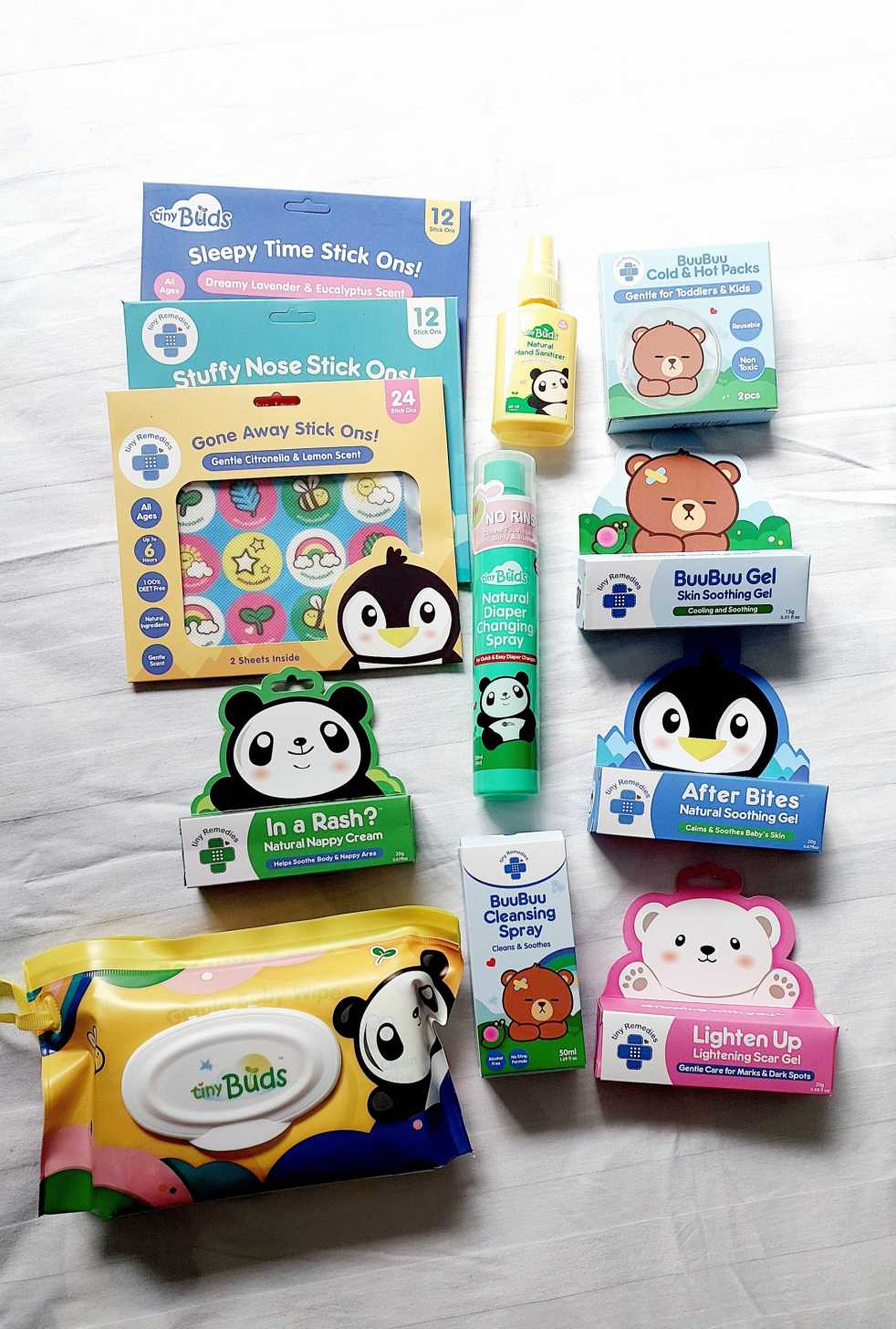
Your baby’s skin is more delicate than most, this is why you have to choose products that are designed for sensitive skin. Tiny Buds is a pioneer in integrating natural ingredients into baby care and today has over 50 innovative natural baby care essentials and is one of the Top Baby Personal Care brands. Here… Continue reading Product Review: Tiny Buds Baby Naturals Baby Essentials
Where your child goes to school is a big decision and shouldn’t be taken lightly. Given how their education can impact their future, you might be tempted to take control and decide for them. However, you might be doing more damage than helping them in the long run. Your job as parents is to support… Continue reading HOW TO CHOOSE THE BEST SCHOOL FOR YOUR CHILD
As poet and philosopher Rumi once eloquently said, “raise your words, not your voice. It is rain that grows flowers, not thunder.” Parenting is a challenging journey, and the truth is that nobody has everything figured out. One parenting style might suit others best, and some might favor other methods. However, children respond better to… Continue reading A SIMPLE GUIDE TO GENTLE PARENTING

Whether you’re a new mom to be, mom of a toddler, mom who have school-aged kids, you’re bound to have so many questions. Let's start with your baby's skin. Infant skin has unique needs; gentle care is essential to prevent damage to the skin barrier, which can lead to irritation. When caring for infant skin,… Continue reading Keeping Baby’s Diapered Skin Healthy
As parents, we want to give our child the best possible start in life and that begins with nurturing their intelligence. Throughout history, the notion of success has been linked to academic intelligence. However, there has been an increased awareness on the importance of emotional intelligence. This question gets at the heart of the never-ending… Continue reading IQ or EQ, which one is a better predictor of your child’s success?
 wondermomma.net