

Last August, IKEA Philippines engaged with Better World Smokey Mountain, a newly opened community center operated by the San Miguel Foundation, which shares a similar goal of improving the lives of many Filipino people. Through this partnership, IKEA Philippines provided and assembled home furnishings for the classrooms and library of Better World Smokey Mountain community… Continue reading Help Create a Better World with IKEA Soft Toys
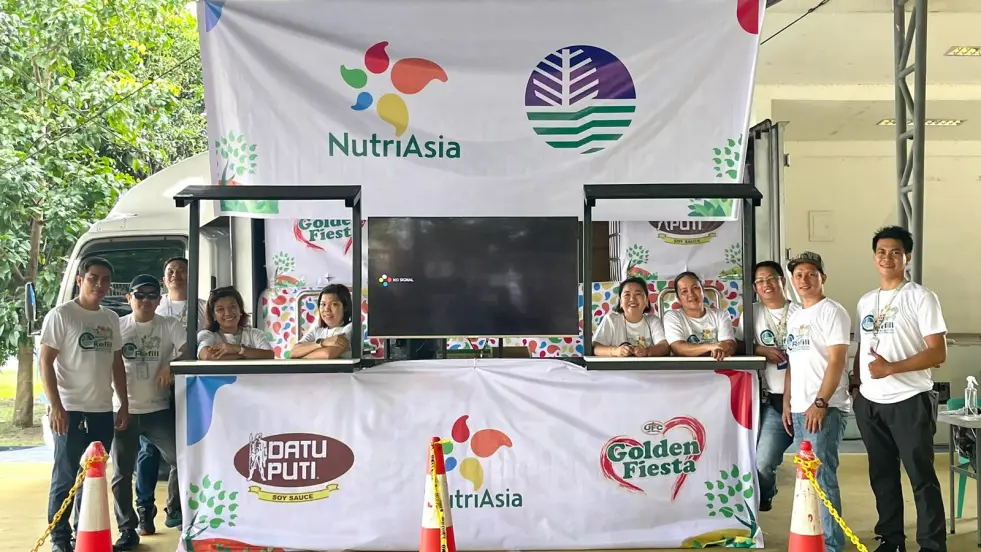
NutriAsia, the country’s top producer of condiments and sauces, continues its support of Refill Revolution; a project by the Department of Environment and Natural Resources EMB 3 that aims to help reduce Filipinos’ single-use plastics consumption. At Refill Revolution, residents get to recycle their single-use plastic bottles by reusing and filling it with their choice… Continue reading NutriAsia and DENR renews partnership for Refill Revolution

Baby-Led Weaning or Purees: Choosing the Right Start
Starting solid foods is an exciting milestone, but it can also bring uncertainty. Parents often wonder whether spoon-fed purees or baby-led weaning will provide the best nutrition, support development, and create happier mealtimes. The truth is that both approaches can work well when they are adapted to a child’s readiness, family routine, and safety needs.
Baby-led weaning allows a baby to pick up soft pieces of food and feed themselves, while traditional weaning usually begins with smooth or mashed foods offered by spoon. Many families also choose a combination approach, serving finger foods alongside mashed meals. There is no single method that suits every child.
The goal is to build a positive relationship with food while providing enough energy and nutrients for growth. Families looking for practical guidance on feeding, child development, and everyday parenting can also explore WonderMomma’s family resources for ideas that fit real household routines.
Understanding The Two Feeding Styles
Baby-led weaning generally begins at around six months, when a child can sit upright with good head and neck control, reach for food, bring objects to the mouth, and swallow rather than automatically pushing food out with the tongue. Instead of receiving spoonfuls of puree, the baby handles appropriately prepared pieces of family foods.
Suitable examples include soft-cooked broccoli florets, ripe banana, steamed carrot sticks, tender strips of chicken, omelet pieces, and toast with a thin spread. Food should be large enough for a young baby to grasp and soft enough to squish between two fingers. Salt, added sugar, honey before twelve months, whole nuts, and hard raw foods should be avoided.
Traditional spoon-feeding often starts with smooth purees, followed by thicker textures, mashed foods, and soft lumps. This gradual progression can be useful for babies who are still developing oral-motor skills, have feeding difficulties, or need closer support with calorie intake. Purees may be homemade or commercially prepared, although ingredient quality and texture should be considered carefully.
How Each Method Supports Development
Self-feeding can encourage hand-eye coordination, grasping, chewing practice, and independence. A baby learns to explore food through touch, smell, taste, and texture. Mealtimes may also become more social because the child can eat modified versions of foods served to the rest of the family.
Purees offer their own developmental benefits. Parents can introduce individual ingredients slowly, observe possible reactions, and adjust thickness as the baby becomes more confident. Spoon-feeding can also be reassuring when a child has a small appetite, struggles to pick up food, or needs additional nutritional support recommended by a pediatrician or feeding specialist.
Research has not established that one method universally produces better growth, intelligence, or eating habits. Much depends on the foods offered, the pace of progression, responsive caregiving, and the child’s individual needs. A baby-led approach can become restrictive if parents offer only a narrow range of finger foods, while puree feeding can limit texture practice if the child remains on smooth foods for too long.
Comparing The Practical Differences
The best choice often depends on what is manageable and safe for the whole family. Baby-led weaning can reduce the need to prepare separate meals because babies may eat soft portions of family dishes. It can also be messy, time-consuming, and difficult to monitor when a baby eats very little during the early weeks.
Purees allow parents to measure portions more easily and may feel less intimidating at first. They can be prepared in batches and frozen in small servings. However, spoon-feeding requires an adult to provide every bite, and families need to deliberately progress from smooth textures to thicker, lumpier foods and finger foods.
| Consideration | Baby-led Weaning | Purees And Spoon-Feeding |
|---|---|---|
| Baby’s role | Picks up food and controls the pace | Receives food from a caregiver |
| Texture | Soft pieces and graspable strips | Smooth, mashed, then increasingly textured |
| Independence | Strong focus on self-feeding | Develops gradually with guided feeding |
| Family meals | Easy to adapt suitable foods | May require separate preparation |
| Portion monitoring | Less precise at the beginning | Easier to estimate intake |
| Mess | Often higher | Usually easier to contain |
| Best suited to | Babies ready to self-feed safely | Babies needing gradual support or extra monitoring |
Neither option should become a test of parental commitment. A tired parent who chooses convenient, nutritious purees is not failing, and a family using finger foods does not need to follow baby-led weaning rigidly. Feeding should remain flexible enough to work during travel, illness, childcare, and busy family days.
Nutrition Matters More Than Presentation
Whatever method a family chooses, complementary foods should provide important nutrients alongside breast milk or formula. Iron-rich foods deserve special attention because babies’ iron stores begin to decline around six months. Soft meat, fish prepared safely, beans, lentils, eggs, iron-fortified cereals, and dark leafy vegetables can contribute to an iron-rich diet.
Offer a variety of vegetables, fruits, grains, protein foods, and healthy fats across the week. Avocado, full-fat plain yogurt, smooth nut butter spread thinly, olive oil, and soft fish can add energy and useful nutrients. Nut products should be introduced in a safe form, never as whole nuts or thick spoonfuls that could stick in the throat.
Allergenic foods such as egg, peanut, dairy, wheat, soy, sesame, fish, and shellfish should be introduced in age-appropriate forms rather than unnecessarily delayed, unless a healthcare professional advises otherwise. Introduce one new allergen at a time when possible, offer a small amount, and watch for symptoms. Swelling, breathing difficulty, widespread hives, repeated vomiting, or unusual sleepiness requires urgent medical attention.
Breast milk or formula remains the primary source of nutrition during the early stage of complementary feeding. Small sips of water may be offered with meals once solids begin, but sugary drinks and juice are unnecessary. A healthcare provider can help families plan around allergies, poor weight gain, anemia, reflux, or other medical concerns.
Keeping Mealtimes Safe And Responsive
Choking prevention is essential with either feeding style. Always seat the baby upright in a stable high chair, stay within arm’s reach, and avoid feeding while the child is reclining, walking, playing, or riding in a vehicle. Learn the difference between gagging and choking: gagging is often noisy and protective, while choking may be silent and involve difficulty breathing.
High-risk foods include whole grapes, popcorn, raw apple chunks, hard vegetables, whole nuts, chunks of meat, sausages cut into coins, hard candy, and thick globs of nut butter. Grapes should be quartered lengthwise, vegetables cooked until soft, meat served in tender shreds or thin strips, and round foods altered into safer shapes. Caregivers, grandparents, and childcare providers should follow the same safety rules.
Responsive feeding means paying attention to hunger and fullness cues. A baby may lean toward food, open the mouth, or reach for another bite when hungry. Turning away, closing the mouth, pushing food aside, or losing interest may indicate that the meal is finished. Pressure, bargaining, or forcing a final spoonful can make eating stressful and interfere with the child’s ability to recognize appetite.
Let the baby decide how much to eat while the adult decides what foods are offered and when. Expect small amounts, dropped food, and changing preferences. A calm routine with limited distractions helps children learn, even when a particular meal appears to produce very little eating.
Choosing A Flexible Family Approach
A combination method is often the most practical answer. Parents might offer soft finger foods for exploration while providing mashed beans, yogurt, oatmeal, or a thicker vegetable mixture by spoon. The baby can practice self-feeding without relying entirely on the amount they manage to pick up.
This approach is especially useful when a child is enthusiastic about grabbing food but is not yet consuming enough iron-rich or energy-dense options. It also gives caregivers room to use purees during rushed meals and finger foods when the family has more time. The texture should continue to advance so that the child gains experience with chewing and varied mouthfeel.
Families should consider the baby’s developmental readiness, medical history, temperament, and growth pattern. A premature baby may need adjusted expectations, while a child with oral-motor delays, swallowing concerns, or poor weight gain may benefit from assessment by a pediatrician, dietitian, or speech-language pathologist specializing in feeding.
Helpful habits for either approach include:
- Begin when the baby shows readiness signs rather than relying only on age.
- Offer iron-rich foods regularly, including soft options the baby can manage.
- Progress from smooth textures to mashed, lumpy, and finger foods at a suitable pace.
- Keep the baby upright and supervised throughout every meal.
- Serve family foods with less salt and sugar, modifying shape and texture for safety.
Creating Positive Mealtime Memories
Food introduction is a learning process, not a performance. Some babies take to finger foods immediately, while others prefer a spoon and need time before accepting new textures. Repeated, relaxed exposure can help; a food may need to appear several times before it becomes familiar.
Parents can model enjoyment by eating together, describing foods simply, and avoiding negative reactions to mess or rejection. A baby does not need to finish a serving to benefit from seeing, touching, smelling, and tasting it. Shared meals also support language, connection, and family routines.
When deciding between baby-led weaning and purees, choose the method that provides safe nutrition and preserves trust at the table. There is room to change course as your child grows, and a thoughtful combination may offer the comfort of spoon-feeding with the independence of self-feeding.
Start with one safe, soft food, follow your child’s cues, and build variety gradually. If feeding feels difficult or your baby’s growth or swallowing raises concerns, contact a qualified healthcare professional for individualized advice and let each new meal become a gentle step toward confident eating.

Mercato Centrale, in collaboration with Indian Women in Enterprise Philippines (I-We), is set to host "The Great Indian Fiesta" to mark 75 years of friendship between India and the Philippines. The dynamic two-day event is scheduled to take place on September 30 to October 1, 2023, at Paseo De Roxas Street, Makati City. Aiming to… Continue reading Mercato Centrale Partners with I-We to Host ‘The Great Indian Fiesta’, Commemorating 75 Years of India-Philippines Friendship

My stomach would usually start growling at 10 am even after taking a big breakfast. This is probably because I am a morning person and I move a lot throughout the day hence snacking is something that I can't avoid. This potatoes and chicken wrap recipe is easy to prepare and would keep me full… Continue reading Potato and Chicken Wrap
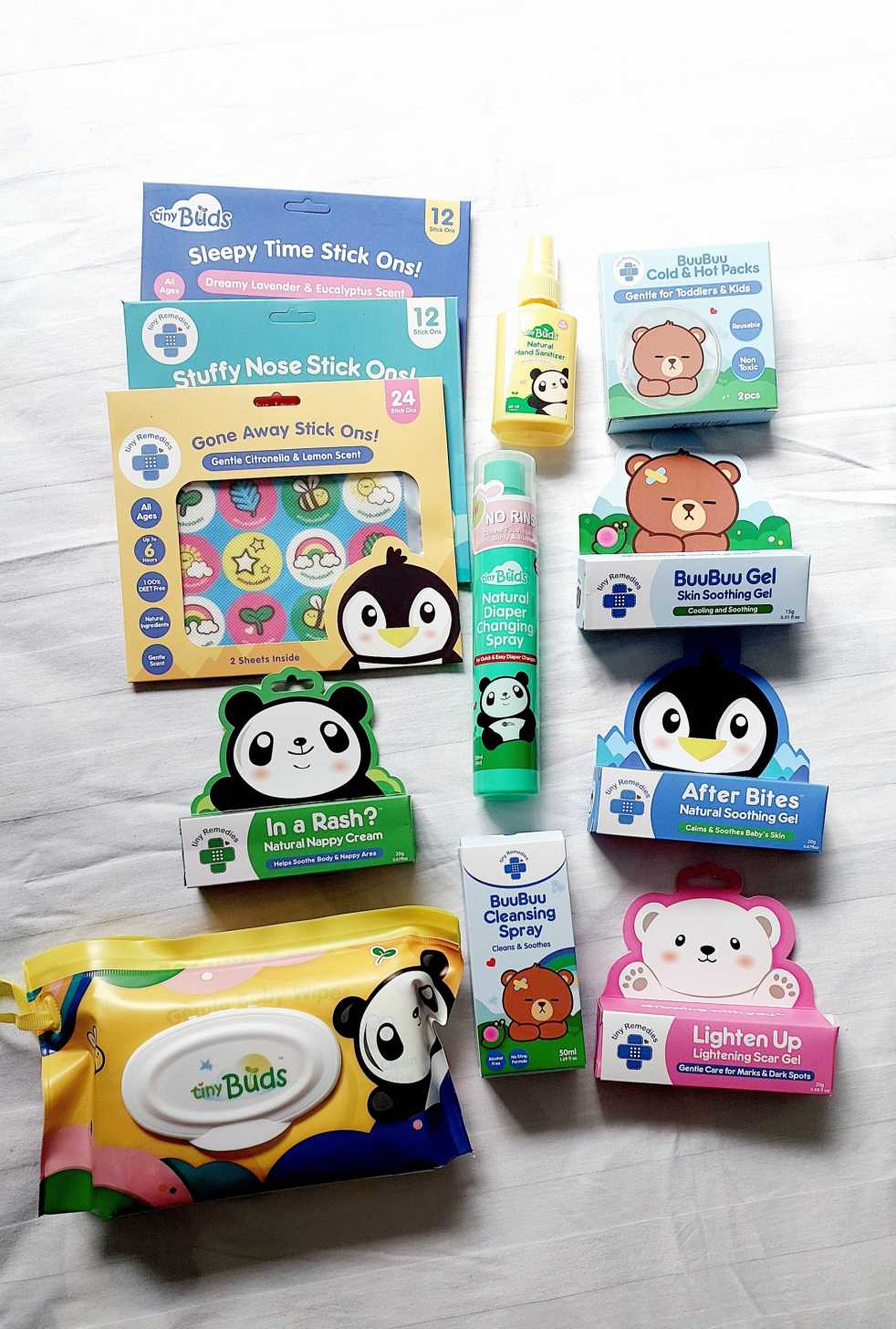
Your baby’s skin is more delicate than most, this is why you have to choose products that are designed for sensitive skin. Tiny Buds is a pioneer in integrating natural ingredients into baby care and today has over 50 innovative natural baby care essentials and is one of the Top Baby Personal Care brands. Here… Continue reading Product Review: Tiny Buds Baby Naturals Baby Essentials
Where your child goes to school is a big decision and shouldn’t be taken lightly. Given how their education can impact their future, you might be tempted to take control and decide for them. However, you might be doing more damage than helping them in the long run. Your job as parents is to support… Continue reading HOW TO CHOOSE THE BEST SCHOOL FOR YOUR CHILD
As poet and philosopher Rumi once eloquently said, “raise your words, not your voice. It is rain that grows flowers, not thunder.” Parenting is a challenging journey, and the truth is that nobody has everything figured out. One parenting style might suit others best, and some might favor other methods. However, children respond better to… Continue reading A SIMPLE GUIDE TO GENTLE PARENTING

Whether you’re a new mom to be, mom of a toddler, mom who have school-aged kids, you’re bound to have so many questions. Let's start with your baby's skin. Infant skin has unique needs; gentle care is essential to prevent damage to the skin barrier, which can lead to irritation. When caring for infant skin,… Continue reading Keeping Baby’s Diapered Skin Healthy
As parents, we want to give our child the best possible start in life and that begins with nurturing their intelligence. Throughout history, the notion of success has been linked to academic intelligence. However, there has been an increased awareness on the importance of emotional intelligence. This question gets at the heart of the never-ending… Continue reading IQ or EQ, which one is a better predictor of your child’s success?
 wondermomma.net