

Last August, IKEA Philippines engaged with Better World Smokey Mountain, a newly opened community center operated by the San Miguel Foundation, which shares a similar goal of improving the lives of many Filipino people. Through this partnership, IKEA Philippines provided and assembled home furnishings for the classrooms and library of Better World Smokey Mountain community… Continue reading Help Create a Better World with IKEA Soft Toys

NutriAsia, the country’s top producer of condiments and sauces, continues its support of Refill Revolution; a project by the Department of Environment and Natural Resources EMB 3 that aims to help reduce Filipinos’ single-use plastics consumption. At Refill Revolution, residents get to recycle their single-use plastic bottles by reusing and filling it with their choice… Continue reading NutriAsia and DENR renews partnership for Refill Revolution
Managing Separation Anxiety at School Drop-Off
Separation anxiety at school drop-off can turn an ordinary gate farewell into a long, tearful negotiation. Children may cling, hide, ask for one more hug, or refuse to enter the classroom. Gentle parenting does not mean ignoring distress; it means accepting the feeling while holding a clear, caring boundary about where the day will continue.
For many children, the school gate creates a sudden separation from their main source of safety. Anxiety can peak at the moment of parting, then fade once a teacher becomes a trusted adult. It is common after a holiday, a change of teacher, a move, illness in the family, or conflict with a classmate. School-aged children may also regress in coping skills they previously managed easily.
Australian school mornings have familiar landmarks: a learning backpack, morning tea, parent volunteers, and a crowded gate. These predictable cues can help children anticipate what happens next. Australian schools also operate across four terms, so returning after the summer break may revive worry that had softened during the holidays. Familiar structure gives the nervous system useful signals.
The aim is not a tearless farewell. It is to acknowledge the child’s feelings, keep the goodbye safe and brief, and work with the school so separation becomes ordinary again. Calm repetition matters more than one unusually good morning.
Why Goodbyes Feel So Difficult
Children develop the understanding that trusted adults will return, but that knowledge does not always reach their emotions at the gate. When a child feels overwhelmed, the mind can focus on the immediate loss of contact rather than the planned pickup several hours later. Reassurance such as “I’m coming back” may help briefly, yet it does not remove the uncomfortable feeling of separation.
The behaviour that appears at school can vary. Some children cry loudly, while others become quiet, unusually controlling, perfectionistic, or physically unwell. A child who hides behind a parent may be overwhelmed but afraid to show it. Watch for repeated stomach aches, sudden refusal to attend, difficulty sleeping, or a marked change in confidence.
Adult emotions matter too. A worried parent may hover, bargain, or promise to stay longer, which can intensify the child’s distress. Calm movement matters more than perfect words. When the adult accepts that the feeling is hard, names it gently, and follows through on the farewell, the child receives a dependable message: separation is safe even when it is uncomfortable.
Building a Predictable School Morning
A steady morning routine reduces the number of decisions a nervous child must make. Wake-up time, breakfast, uniform, teeth brushing, toilet visit, packing the learning backpack, and leaving home should happen in roughly the same order each day. A visual checklist can help younger children remember the sequence without repeated verbal prompts from an already tired parent.
In Sydney and Melbourne, peak-hour traffic around school zones can add pressure, so parking or walking a little earlier protects the routine. Brisbane families may need a sun hat and full water bottle in the bag, while Melbourne’s changeable weather calls for a layer beside the uniform. Leaving enough travel time also prevents a rushed goodbye caused by traffic or parking problems.
Breakfast should be simple enough to eat even when the child feels unsettled. A banana, yoghurt, toast, or crackers can provide steady energy without requiring a long conversation at the table. At Coles or Woolworths, families can choose familiar foods that travel well and remain in the child’s lunchbox. Broader routine ideas from Mojitos and Munchkins can help families keep the morning simple when the schedule changes.
Creating a Calm Goodbye Ritual
Choose one short ritual and use it consistently. A hug, high-five, wave, kiss on the cheek, or shared phrase can become the signal that the goodbye has begun. Tell your child when you will return, using a clear description such as “after afternoon pickup” or a specific time that is likely to remain accurate. Predictable language gives the mind something concrete to hold.
Acknowledge the emotion without reopening the negotiation. “I know you want me to stay, and I can see this is hard. I need to leave now, and your teacher will stay with you” communicates both empathy and a firm boundary. Avoid statements such as “stop being silly” or “you are too old for this,” which can make shame replace reassurance. Leaving while the child is distracted without explanation may make future partings harder.
Keep the farewell consistent for both parents and caregivers. If one person leaves quietly while another gives a long goodbye, the child receives mixed signals. Ask the teacher how the morning begins and whether your child settled quickly once inside. A teacher who understands the pattern can become a reassuring partner rather than another person the child feels worried about meeting.
Supporting the First Bell and Morning
The transition from parent to classroom can need support even when the gate goodbye is calm. A familiar backpack, a small comfort item, or a family photo may help if the school permits these items. A visual schedule showing arrival, morning greeting, learning time, and recess can make the first part of the day easier to understand. The teacher should be positioned where the child can see them immediately.
Agree on a simple check-in rather than contacting the child repeatedly. A quick message to the teacher near midday can confirm that the morning has settled without making the child feel that the parent is monitoring every moment. At home, a brief question such as “What was the best part of your first bell?” is often more comfortable than asking whether they were scared or crying.
A short breathing exercise can help both adult and child. Slow breaths with an extended exhale may lower physical tension before the goodbye. If mornings remain difficult, try reducing the demands placed on the gate moment rather than adding more rules. A calmer breakfast, a quieter arrival route, or a brief teacher welcome may have a greater effect than another round of reassurance.
When Distress Needs More Support
Persistent anxiety deserves attention even when the family follows a consistent routine. Seek advice from a GP if school avoidance continues for several weeks, physical symptoms repeatedly appear, sleep or appetite changes, or the child cannot cope with ordinary separations. A GP can also help identify whether anxiety is occurring alongside language difficulties, sensory needs, attention difficulties, or another concern that requires specialist support.
Work with the teacher or school wellbeing coordinator before the distress becomes severe. Possible strategies include a classroom welcome, shorter attendance, a quieter place to arrive, a scheduled teacher check-in, or a gradual transition plan designed with professional guidance. The child should not have to repeat an intense goodbye every morning while adults debate whether forcing attendance will teach them to cope.
Family routines can provide security outside school. Predictable meals, an early bedtime, and a calm period before leaving home help the nervous system settle. A family pet can also become part of a soothing routine for children who feel comfortable around animals. If a pet is being introduced to a younger child, introducing pets safely offers practical guidance for building that connection without fear or conflict. Comfort from a pet should complement, rather than replace, support from adults and the school.
Comparing Responses by Age and Need
Children at different stages need different levels of structure. Younger children usually benefit from a brief ritual and an immediate handover, while older children may respond better to a private plan involving them, their teacher, and their family. A useful strategy depends on the child’s age, the intensity of the distress, and any additional support needs.
| Child or situation | What you may notice | Helpful response | When extra support may be needed |
|---|---|---|---|
| Preschool age, around 3–4 | Tears, clinging, stomach aches, or refusal to release a parent’s hand | Use a predictable ten-second ritual and arrange prompt teacher support | Distress lasts several weeks, causes illness, or the child cannot enter with support |
| Early primary, around 5–8 | Delays, repeated reassurance, pretending to feel unwell, or withdrawal after school | Introduce a visual goodbye plan, comfort item if allowed, and daily teacher check-in | Physical symptoms or avoidance continue despite a steady home and school routine |
| Older children, around 9 and above | School refusal, panic, perfectionism, constant checking, or social withdrawal | Create a private plan with the child and rehearse ways to solve problems | Attendance or wellbeing is affected, or unsafe thoughts appear |
| Sensory or developmental needs | Freezing, shutdown, meltdown, difficulty following group instructions, or delayed communication | Adjust the handover, environment, and transition steps with individual professional guidance | Distress is intense, frequent, worsening, or affecting everyday learning |
Across ages, connection works best when it is paired with predictability: the adult believes the feeling, the teacher receives the child, and the family keeps returning to the same reassuring sequence. Steady care turns an emotional gate goodbye into a secure step toward the day ahead.

Mercato Centrale, in collaboration with Indian Women in Enterprise Philippines (I-We), is set to host "The Great Indian Fiesta" to mark 75 years of friendship between India and the Philippines. The dynamic two-day event is scheduled to take place on September 30 to October 1, 2023, at Paseo De Roxas Street, Makati City. Aiming to… Continue reading Mercato Centrale Partners with I-We to Host ‘The Great Indian Fiesta’, Commemorating 75 Years of India-Philippines Friendship

My stomach would usually start growling at 10 am even after taking a big breakfast. This is probably because I am a morning person and I move a lot throughout the day hence snacking is something that I can't avoid. This potatoes and chicken wrap recipe is easy to prepare and would keep me full… Continue reading Potato and Chicken Wrap
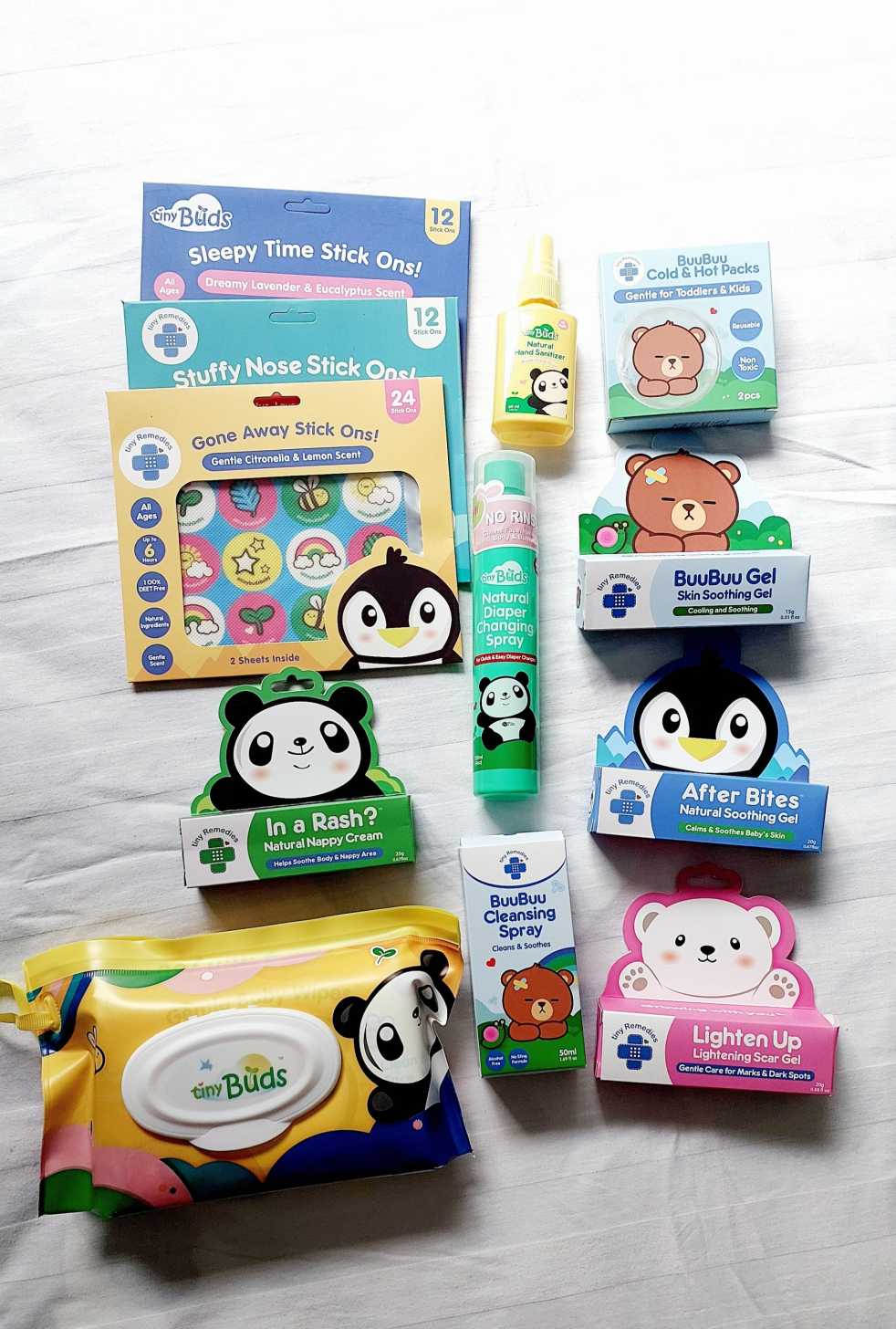
Your baby’s skin is more delicate than most, this is why you have to choose products that are designed for sensitive skin. Tiny Buds is a pioneer in integrating natural ingredients into baby care and today has over 50 innovative natural baby care essentials and is one of the Top Baby Personal Care brands. Here… Continue reading Product Review: Tiny Buds Baby Naturals Baby Essentials
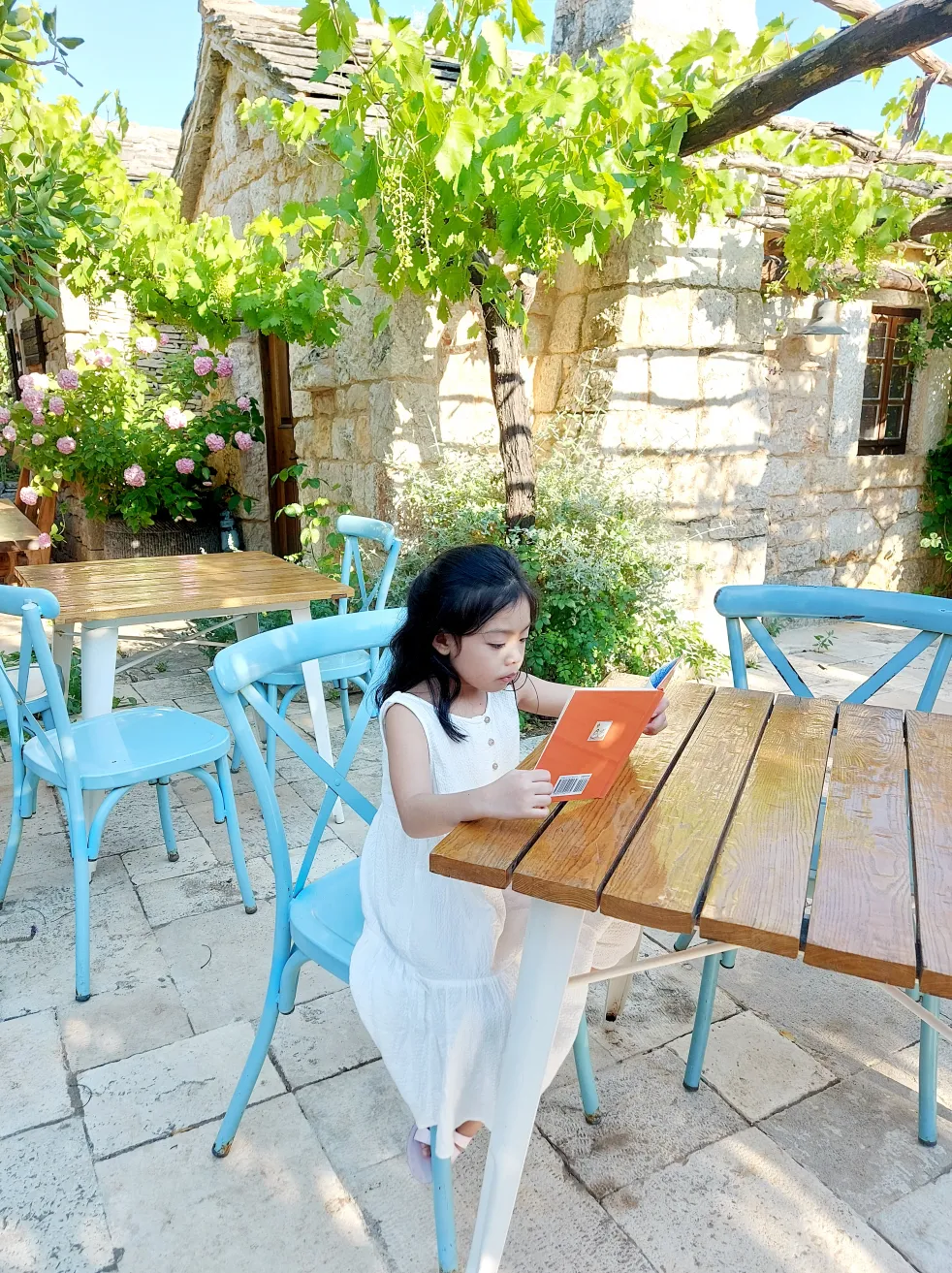
Where your child goes to school is a big decision and shouldn’t be taken lightly. Given how their education can impact their future, you might be tempted to take control and decide for them. However, you might be doing more damage than helping them in the long run. Your job as parents is to support… Continue reading HOW TO CHOOSE THE BEST SCHOOL FOR YOUR CHILD
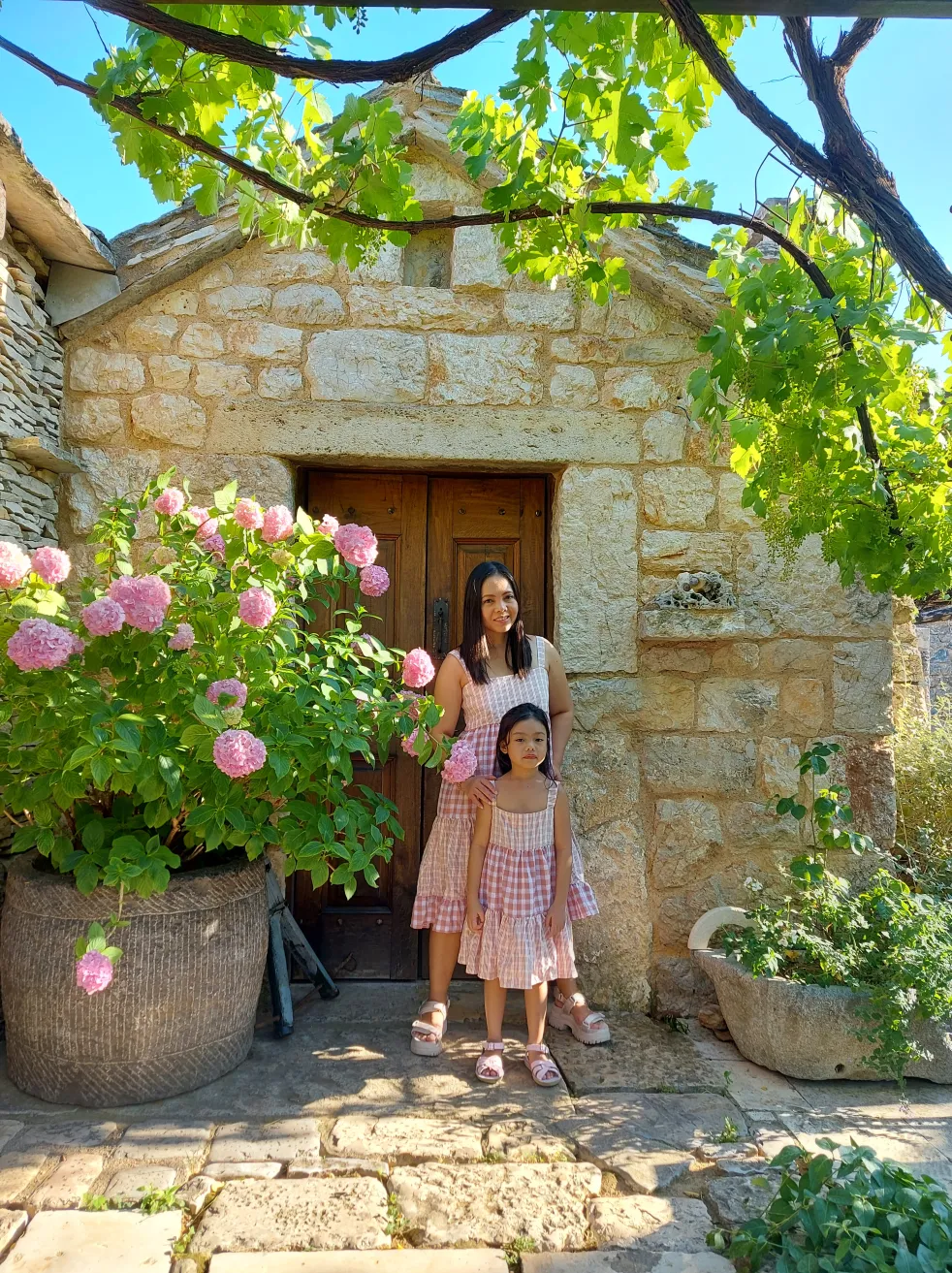
As poet and philosopher Rumi once eloquently said, “raise your words, not your voice. It is rain that grows flowers, not thunder.” Parenting is a challenging journey, and the truth is that nobody has everything figured out. One parenting style might suit others best, and some might favor other methods. However, children respond better to… Continue reading A SIMPLE GUIDE TO GENTLE PARENTING

Whether you’re a new mom to be, mom of a toddler, mom who have school-aged kids, you’re bound to have so many questions. Let's start with your baby's skin. Infant skin has unique needs; gentle care is essential to prevent damage to the skin barrier, which can lead to irritation. When caring for infant skin,… Continue reading Keeping Baby’s Diapered Skin Healthy
As parents, we want to give our child the best possible start in life and that begins with nurturing their intelligence. Throughout history, the notion of success has been linked to academic intelligence. However, there has been an increased awareness on the importance of emotional intelligence. This question gets at the heart of the never-ending… Continue reading IQ or EQ, which one is a better predictor of your child’s success?
 wondermomma.net