

Last August, IKEA Philippines engaged with Better World Smokey Mountain, a newly opened community center operated by the San Miguel Foundation, which shares a similar goal of improving the lives of many Filipino people. Through this partnership, IKEA Philippines provided and assembled home furnishings for the classrooms and library of Better World Smokey Mountain community… Continue reading Help Create a Better World with IKEA Soft Toys

NutriAsia, the country’s top producer of condiments and sauces, continues its support of Refill Revolution; a project by the Department of Environment and Natural Resources EMB 3 that aims to help reduce Filipinos’ single-use plastics consumption. At Refill Revolution, residents get to recycle their single-use plastic bottles by reusing and filling it with their choice… Continue reading NutriAsia and DENR renews partnership for Refill Revolution

A gentle, safe way to introduce pets to toddlers
Bringing a toddler and a pet together can create a warm, lasting bond, but safe introductions require more than placing them in the same room. Young children are still learning to control their hands, voices, and movements, while animals communicate through body language that may be easy for a child to miss.
Whether your family has adopted a puppy, welcomed a kitten, or already has an older dog or cat at home, the process should be gradual. A calm pace helps the child feel secure and gives the animal time to adjust to new sounds, smells, and routines.
Families looking for practical support on parenting, child development, and everyday family life can also find family-focused guidance to complement advice from a trusted veterinarian or pediatrician. The goal is a relationship built on respect rather than forced affection.
Assess the child and the animal first
Before arranging a face-to-face meeting, consider the temperament and history of the pet. An animal that is relaxed, healthy, and accustomed to household activity may adjust more easily than one that is fearful, territorial, elderly, or easily startled. Ask an animal shelter or previous owner about the pet’s behavior around children, food, toys, handling, and sudden movement.
A toddler’s developmental stage matters just as much. Some children can follow simple directions such as “gentle hands” and “stop,” while younger toddlers may grab fur, chase an animal, or squeal when excited. If your child is tired, hungry, unwell, or having a difficult day, postpone the meeting. A calm child and a calm pet create the best conditions for success.
Health screening should happen before close contact. Arrange vaccinations and parasite prevention according to your veterinarian’s advice, and make sure the pet is free from conditions that could spread through scratches, bites, saliva, or feces. In the Philippines, ask the vet specifically about rabies vaccination, tick and flea control, and local parasite risks.
Prepare separate safe spaces
Give the pet a private retreat before the toddler and animal spend time together. This may be a crate, a gated room, a covered bed, or a high perch for a cat. The space should contain water, bedding, and familiar items, and the child should learn that entering or disturbing it is not allowed.
Create toddler boundaries as well. Baby gates can separate a feeding area, litter box, pet supplies, or sleeping space from play areas. Keep food bowls, chew toys, medications, grooming tools, and cat litter out of reach. A toddler should never have access to animal feces, even if the pet seems clean and healthy.
Begin with scent and sound before direct contact. Let the pet smell a blanket or clothing item used by the child, and allow the animal to hear ordinary toddler noises from a safe distance. For a new pet, maintain familiar routines for meals, naps, walks, and play whenever possible. Predictability lowers stress during a major household change.
Make the first meeting quiet and controlled
Choose a neutral, open area rather than a narrow hallway or the pet’s bed. Put dogs on a loose leash, but do not yank or tighten it when the child approaches; leash tension can increase fear or excitement. Cats should be allowed to move freely and retreat, never held in place for a child to touch.
Have one adult focus on the toddler and another watch the animal. Begin several feet apart and reward calm behavior with praise or treats. Let the pet approach if it chooses, while the child remains seated or stands quietly with an adult. A brief sniff is enough for the first meeting; there is no need to encourage hugging, kissing, or prolonged touching.
The table below offers a simple guide for early interactions. It can help parents choose an activity that matches the child’s age, the pet’s comfort, and the level of adult supervision available.
| Situation | Safer approach | Avoid |
|---|---|---|
| The pet approaches the toddler | Let the child stay still and offer a relaxed hand only if an adult approves | Reaching over the animal’s head or grabbing its face |
| The toddler wants to pet the animal | Guide slow strokes along the shoulder or back | Pulling fur, ears, whiskers, or tail |
| The pet walks away | Allow it to leave without following | Chasing, cornering, or blocking the exit |
| The pet is eating or sleeping | Keep the child behind a gate or at a distance | Touching the bowl, bed, or resting animal |
| The toddler becomes excited | End the interaction and redirect to another activity | Allowing squeals, climbing, or rough play to continue |
Teach gentle behavior through repetition
Toddlers learn pet safety through short demonstrations and repeated practice, not long explanations. Use simple phrases such as “soft hands,” “give space,” and “let the puppy rest.” Model the behavior by moving slowly and touching the animal gently. Praise the child immediately when they follow a boundary.
Teach children that animals are living beings with feelings and limits. A pet is not a climbing structure, stuffed toy, or plaything that must respond on demand. Avoid encouraging children to ride dogs, pull tails, place hands in mouths, disturb sleeping animals, or take toys away as a game.
Show your toddler how to recognize an animal’s need for space. A dog turning away, licking its lips, yawning, lowering its body, tucking its tail, freezing, or showing the whites of its eyes may be uncomfortable. A cat with flattened ears, a swishing tail, dilated pupils, hissing, or repeated hiding is also asking for distance. Tell the child, “The cat is saying no. We will give her space.”
Supervise every shared moment
Active supervision means staying close enough to intervene immediately, not simply being somewhere in the house. Avoid leaving a toddler and pet alone together, even if the animal has always been gentle. Familiar pets can react differently when startled, hurt, overwhelmed, or guarding food.
Pay special attention during high-energy situations. Running, squealing, wrestling, toy throwing, and visitors arriving can make an animal overexcited. Separate the pet before birthday parties, family gatherings, or busy household activities. A quiet room with a gate can be a positive retreat rather than a punishment.
If a bite, scratch, or knockdown occurs, calmly separate the child and animal. Wash minor scratches with soap and clean running water, then contact a healthcare professional for guidance, especially if the wound is deep, on the face or hands, or caused by an unfamiliar animal. Seek prompt medical care after any bite, and confirm that the pet’s rabies vaccination is current.
Build trust with routines and positive choices
A toddler and pet do not need to interact constantly to become comfortable together. Daily calm moments, such as sitting near the pet while an adult reads, can be more valuable than energetic play. Offer the animal exercise, training, enrichment, and undisturbed rest so the pet is less likely to feel displaced by the child.
Use rewards to reinforce the behavior you want from both sides. Give the pet a treat for remaining calm near the toddler, and praise the child for waiting while the animal finishes eating. Keep shared activities simple, such as helping an adult place food in a bowl, tossing a toy under supervision, or watching a short training session.
Never punish growling, hissing, or retreating. These warnings communicate discomfort and give adults a chance to create distance. Punishment may suppress the warning without resolving the underlying fear. Instead, stop the interaction, separate everyone, and consult a qualified force-free trainer or veterinary behaviorist if concerning behavior continues.
Keep these safety habits consistent
Introduce rules to every caregiver, sibling, and visitor so the child receives the same message. A relative who allows rough play or encourages a toddler to hug a nervous dog can undo weeks of careful teaching. Post simple reminders near the pet’s food and sleeping areas if needed.
Review the arrangement as your toddler grows. A child who follows instructions at two may still act impulsively at three, and a pet’s tolerance can change with age, pain, illness, or stress. Regular veterinary checkups help identify health problems that might make handling uncomfortable.
Use these practical habits as a daily safety checklist:
- Keep an adult within arm’s reach during all toddler–pet interactions.
- Provide separate feeding, sleeping, and retreat areas for the animal.
- Teach gentle touch with short phrases and immediate praise.
- Stop chasing, grabbing, climbing, roughhousing, and face-to-face contact.
- Arrange veterinary and medical care promptly after a bite or serious scratch.
A safe relationship grows from many small, respectful encounters. Let the animal choose when to approach, help the toddler practice calm hands, and protect both of them from situations they cannot yet manage. With patient supervision and clear boundaries, pets can become a rewarding part of family life while children learn empathy, responsibility, and respect for living creatures. Begin with one quiet meeting, repeat the habits consistently, and seek professional support whenever behavior or health concerns arise.

Mercato Centrale, in collaboration with Indian Women in Enterprise Philippines (I-We), is set to host "The Great Indian Fiesta" to mark 75 years of friendship between India and the Philippines. The dynamic two-day event is scheduled to take place on September 30 to October 1, 2023, at Paseo De Roxas Street, Makati City. Aiming to… Continue reading Mercato Centrale Partners with I-We to Host ‘The Great Indian Fiesta’, Commemorating 75 Years of India-Philippines Friendship

My stomach would usually start growling at 10 am even after taking a big breakfast. This is probably because I am a morning person and I move a lot throughout the day hence snacking is something that I can't avoid. This potatoes and chicken wrap recipe is easy to prepare and would keep me full… Continue reading Potato and Chicken Wrap
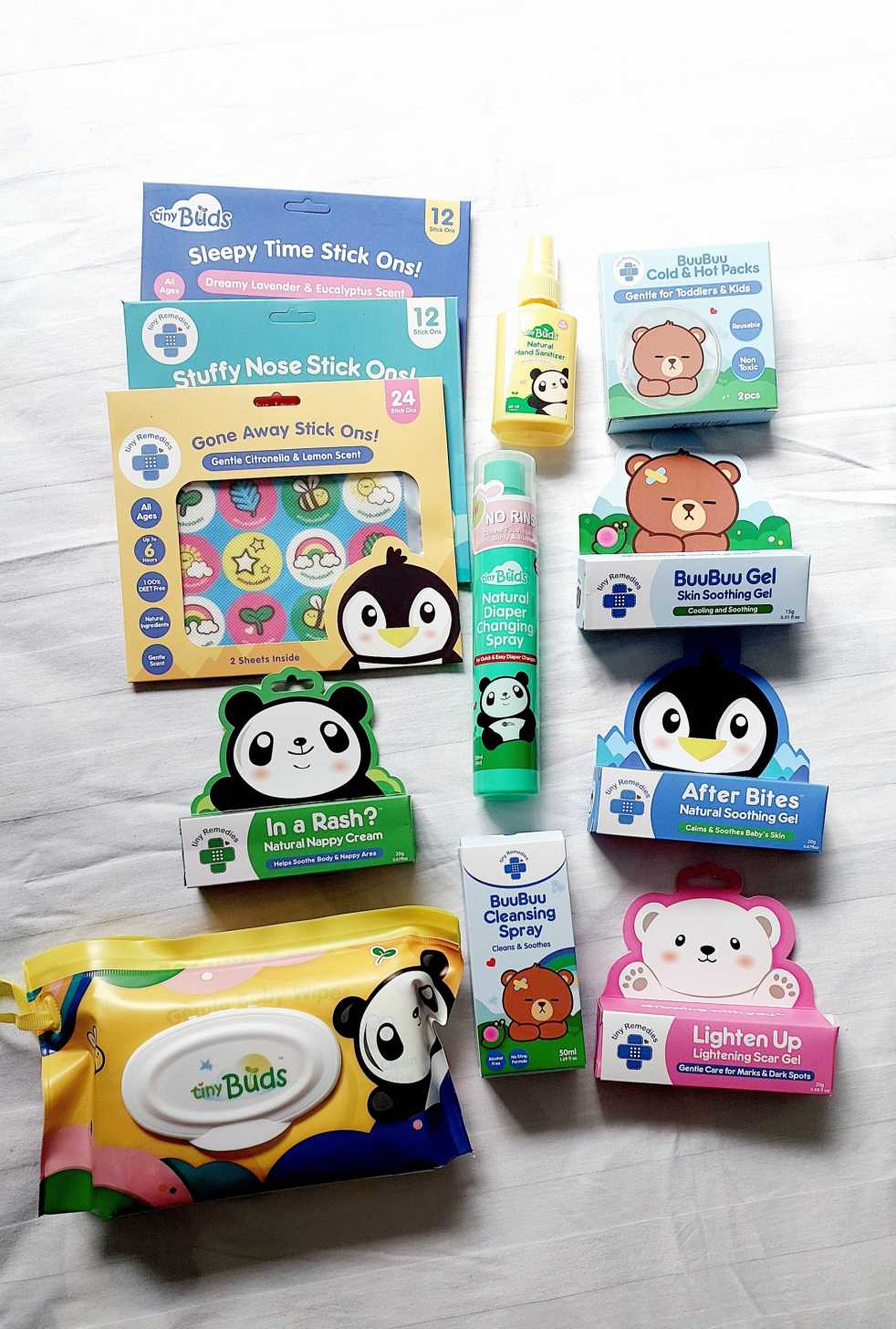
Your baby’s skin is more delicate than most, this is why you have to choose products that are designed for sensitive skin. Tiny Buds is a pioneer in integrating natural ingredients into baby care and today has over 50 innovative natural baby care essentials and is one of the Top Baby Personal Care brands. Here… Continue reading Product Review: Tiny Buds Baby Naturals Baby Essentials
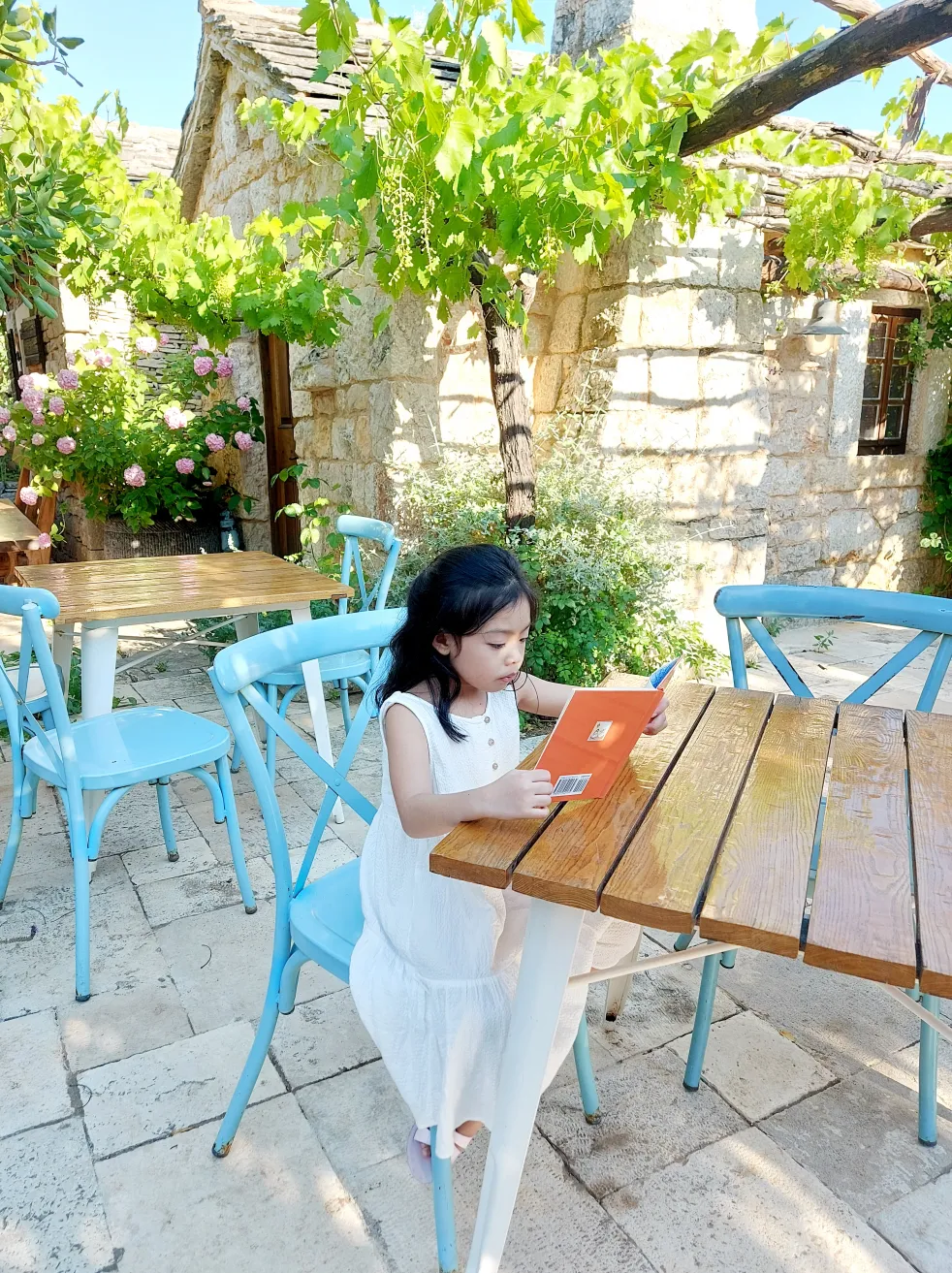
Where your child goes to school is a big decision and shouldn’t be taken lightly. Given how their education can impact their future, you might be tempted to take control and decide for them. However, you might be doing more damage than helping them in the long run. Your job as parents is to support… Continue reading HOW TO CHOOSE THE BEST SCHOOL FOR YOUR CHILD
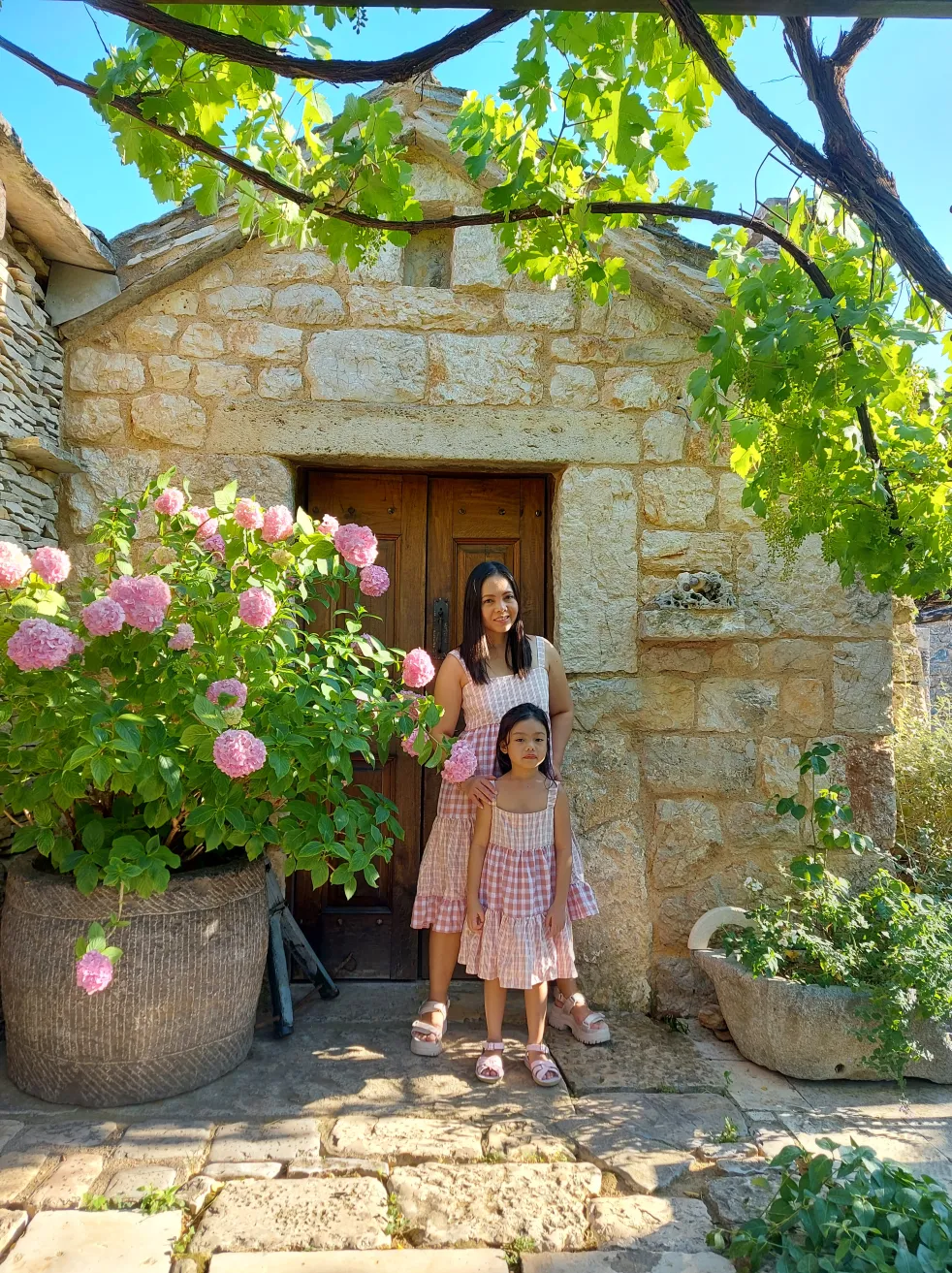
As poet and philosopher Rumi once eloquently said, “raise your words, not your voice. It is rain that grows flowers, not thunder.” Parenting is a challenging journey, and the truth is that nobody has everything figured out. One parenting style might suit others best, and some might favor other methods. However, children respond better to… Continue reading A SIMPLE GUIDE TO GENTLE PARENTING
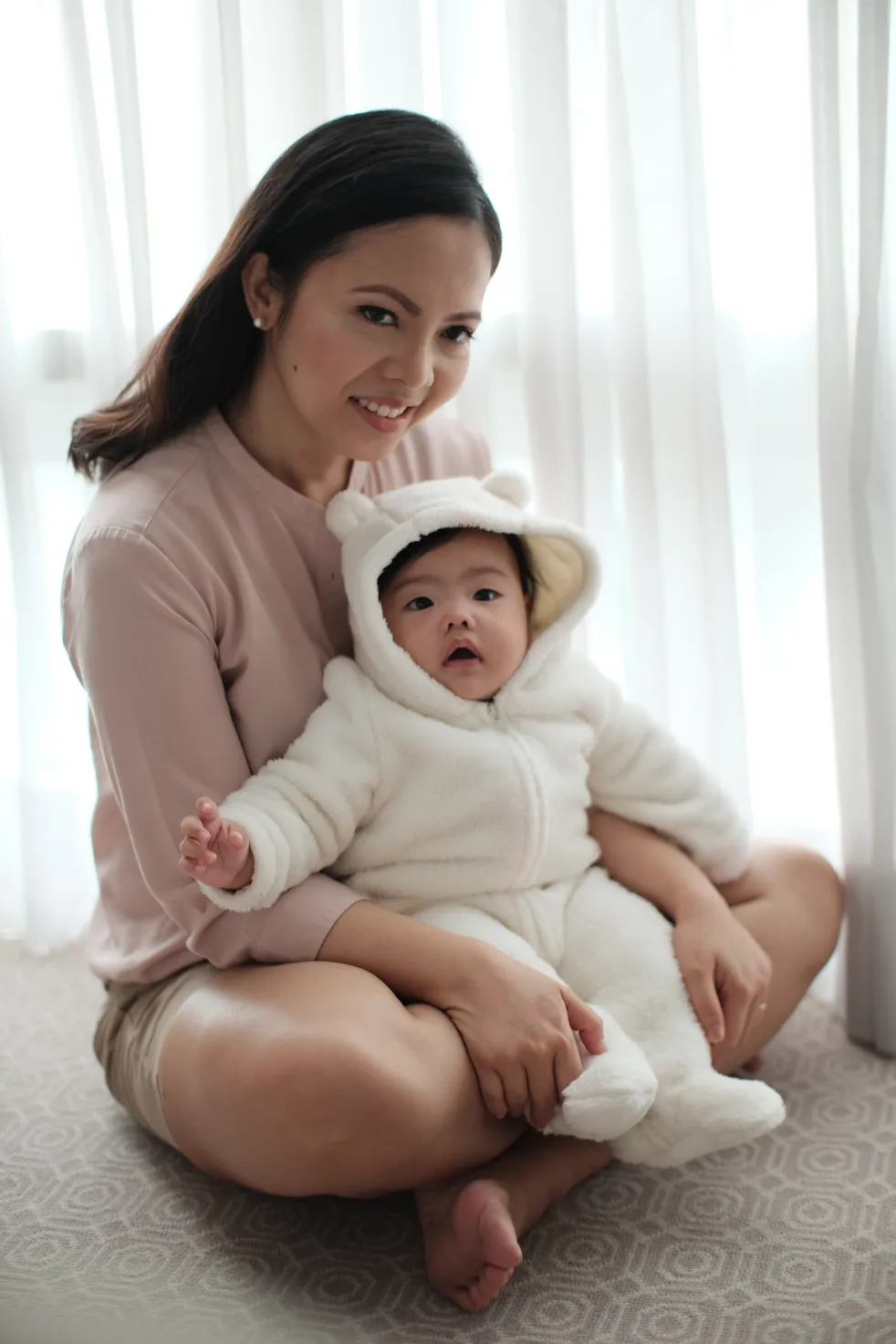
Whether you’re a new mom to be, mom of a toddler, mom who have school-aged kids, you’re bound to have so many questions. Let's start with your baby's skin. Infant skin has unique needs; gentle care is essential to prevent damage to the skin barrier, which can lead to irritation. When caring for infant skin,… Continue reading Keeping Baby’s Diapered Skin Healthy
As parents, we want to give our child the best possible start in life and that begins with nurturing their intelligence. Throughout history, the notion of success has been linked to academic intelligence. However, there has been an increased awareness on the importance of emotional intelligence. This question gets at the heart of the never-ending… Continue reading IQ or EQ, which one is a better predictor of your child’s success?
 wondermomma.net