
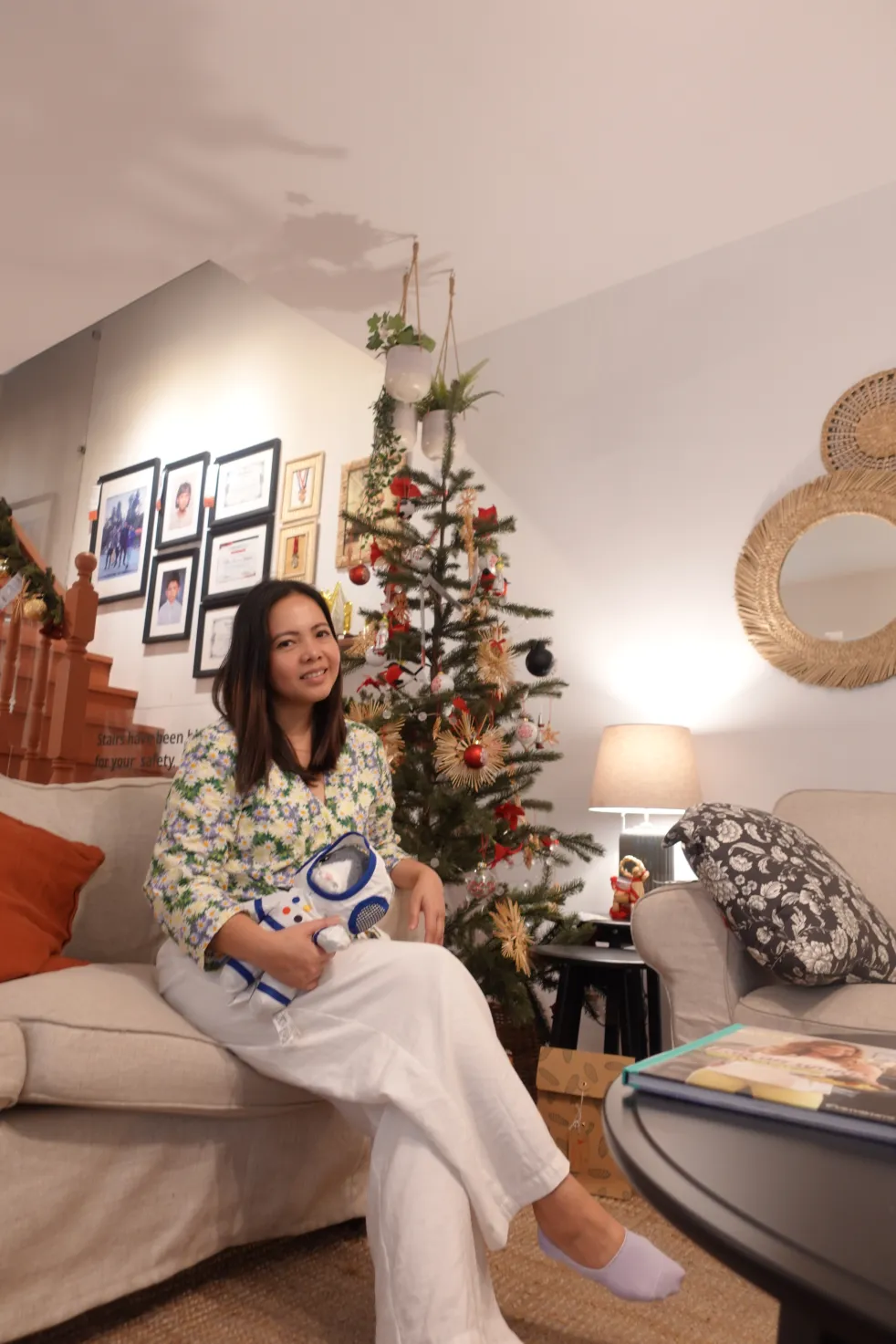
Last August, IKEA Philippines engaged with Better World Smokey Mountain, a newly opened community center operated by the San Miguel Foundation, which shares a similar goal of improving the lives of many Filipino people. Through this partnership, IKEA Philippines provided and assembled home furnishings for the classrooms and library of Better World Smokey Mountain community… Continue reading Help Create a Better World with IKEA Soft Toys

NutriAsia, the country’s top producer of condiments and sauces, continues its support of Refill Revolution; a project by the Department of Environment and Natural Resources EMB 3 that aims to help reduce Filipinos’ single-use plastics consumption. At Refill Revolution, residents get to recycle their single-use plastic bottles by reusing and filling it with their choice… Continue reading NutriAsia and DENR renews partnership for Refill Revolution

Managing Screen Time: Practical Limits That Work
Managing screen time is less about finding a perfect number and more about creating predictable, age-appropriate boundaries. When every device feels available, a calm limit can seem impossible, especially during school runs, meals and the tired end of the day.
Useful limits distinguish passive watching from video calls, creative work and learning. They also fit the child’s age, temperament and current needs. A boundary that protects sleep, movement and relationships is more valuable than a rigid quota that ignores what happened that day.
Children learn from what adults do with phones. If a parent carries a screen through every conversation, rules feel arbitrary to the child. Shared routines and visible adult modelling give limits credibility without making screens a source of constant conflict.
A workable system is specific, easy to remember and reviewed regularly. It should protect family connection rather than fill every gap in the schedule. The aim is calm use, with enough flexibility for travel, school events, rainier weekends and the occasional urgent family message.
Boundaries by age and context
Begin with the child’s developmental stage and the purpose of the activity. A clear daily window for an older child may work better than a rigid hourly limit, while younger children usually benefit from the simplest possible rule.
| Age or stage | Practical starting point | Conditions that help |
|---|---|---|
| Under two | Keep recreational use minimal and prioritise live video calls | A responsive adult can interpret the screen and connect it to real play |
| Two to five | Aim for no more than about one hour of high-quality sedentary viewing | Short sessions, adult participation and no screen use around meals work best |
| Six to eight | Choose a predictable daily window that protects school, sleep and physical activity | Planned viewing is easier to manage than unrestricted access |
| Nine to twelve | Set device-free periods and agree on recreational use each day | Include the child in decisions and use timers rather than repeated reminders |
| Teenagers | Negotiate limits around sleep, school, relationships and family responsibilities | Privacy increases gradually as trust and independent management develop |
Treat these as starting points rather than unbreakable rules. A birthday party, a school assignment and a week of poor sleep may require a temporary adjustment. The important part is returning to the usual routine without treating one exception as a new normal.
Context changes how much screen use is likely to help or harm. A video call with a grandparent can ease separation anxiety, while background television during homework may reduce concentration. The same number of minutes can be restorative, educational or distracting depending on what is happening.
Build screen-free family anchors
Use meals as the first dependable screen-free period. Children can eat, talk, notice hunger and practise family conversation without entertainment. For families whose children are already eating family foods, this baby-led weaning guide shows how responsive feeding can work without pressure, and the same calm meal routine can support clearer screen boundaries.
Keep the hour before bed screen-free as well. Dim the lights, tidy the room, read a book, have a bath or listen to music. This predictable transition tells the brain that slowing down is safe, which can make bedtime less difficult after an active day.
Prepare for the end of a session instead of waiting for resistance. Say, “The tablet is finished for today,” rather than asking whether the child can squeeze in one more episode. Put the device away in a designated spot and offer a clear next activity, such as drawing, building with blocks or helping prepare dinner.
Use device settings as backup
Many Australian households use a mix of iPads, Android tablets and family phones rather than one shared device. Apple’s Screen Time and Android’s Digital Wellbeing provide free starting points for setting app limits, schedules and age restrictions. These controls work best when they support a family rule instead of appearing suddenly as punishment.
Set specific downtimes for the hours that matter most, especially bedtime and school preparation. Disable autoplay, mute non-essential notifications and remove games or streaming apps from the home screen. Use a passcode that children cannot discover, and require adult approval for purchases, new downloads and changes to permissions.
Australia’s Online Safety Amendment (Social Media Minimum Age) Act 2024 also places duties on age-restricted social platforms to prevent children under ten from creating or accessing accounts. Those rules are supervised by the eSafety Commissioner, but they do not cover every game, streaming service, messaging app or educational tool. Parents still need broader device boundaries to protect children across the full digital environment.
Plan for Australian daily life
In Sydney and Melbourne, long train, bus or tram journeys can turn a tablet into an instant activity. Download the required programmes before leaving home, disable autoplay and use travel time for audiobooks, music or conversation rather than assuming a stable internet connection will always be available.
Long drives across regional Australia create the same issue on a larger scale. Mobile coverage can drop between towns, and families on capped or prepaid data plans may want to prevent automatic video streaming. Setting download limits and preparing offline activities keeps travel comfortable without encouraging continuous screen use.
Australian daylight-saving changes can also shift routines. When clocks move, keep the family’s screen-free wind-down at the same clock time for several days so sleep can adjust gradually. After-school activities, weekend sport, parks and outdoor play should take priority over recovering lost screen time with extra entertainment.
Match content to a purpose
Decide before switching on whether the aim is learning, creating, connecting or settling. For another family-oriented source, parents can browse Mojitos and Munchkins alongside established parenting resources. The purpose matters more than the popularity of a particular programme or app.
Favour content that leads to conversation or action. A science video might become a kitchen experiment, while a drawing tutorial can lead to time at a table with pencils and paper. For younger children, adult participation helps them transfer ideas from the screen to objects, movement and other people.
Avoid leaving television or videos running as background noise. Children may appear to be playing while actually tracking the screen, and constant prompts make it harder to concentrate. Review app permissions, advertising settings and in-app purchases, particularly when children use a shared family device.
Replace passive time with active play
A screen limit does not require replacing every minute with a supervised activity. Instead, make the transition manageable by keeping a small basket of accessible options nearby, such as books, building blocks, crayons, music instruments or simple kitchen tasks.
For toddlers, transfer the content into the real world. If they watch a vehicle programme, find a toy car or take them outside to notice traffic. After a drawing video, provide paper and crayons. This connection supports early learning, language and motor development more effectively than passive imitation alone.
Audio can offer a useful middle ground. Audiobooks, songs, podcasts and story prompts keep the mind engaged without displaying a screen. They also work during travel, drawing, tidying and preparing for bed, provided the volume remains comfortable and safe.
Review, model and adjust
Hold a short family meeting when a limit stops working. Look for signs such as disrupted sleep, constant bargaining, schoolwork becoming harder or a child losing interest in offline play. Changes in age, friendships, school demands and family circumstances may justify a new routine.
Review the system regularly and make adjustments deliberately. A successful limit is observable: children know when screens are available, what they can access and what happens when the session ends. If the boundary frequently fails, simplify it rather than adding more rules.
Adults should model the behaviour they expect. Put phones away during meals, conversations and children’s performances, and avoid using a device as the default answer to boredom. A screen routine that feels ordinary rather than punitive is far more likely to survive busy weekdays, family travel and the changing seasons.

Mercato Centrale, in collaboration with Indian Women in Enterprise Philippines (I-We), is set to host "The Great Indian Fiesta" to mark 75 years of friendship between India and the Philippines. The dynamic two-day event is scheduled to take place on September 30 to October 1, 2023, at Paseo De Roxas Street, Makati City. Aiming to… Continue reading Mercato Centrale Partners with I-We to Host ‘The Great Indian Fiesta’, Commemorating 75 Years of India-Philippines Friendship

My stomach would usually start growling at 10 am even after taking a big breakfast. This is probably because I am a morning person and I move a lot throughout the day hence snacking is something that I can't avoid. This potatoes and chicken wrap recipe is easy to prepare and would keep me full… Continue reading Potato and Chicken Wrap
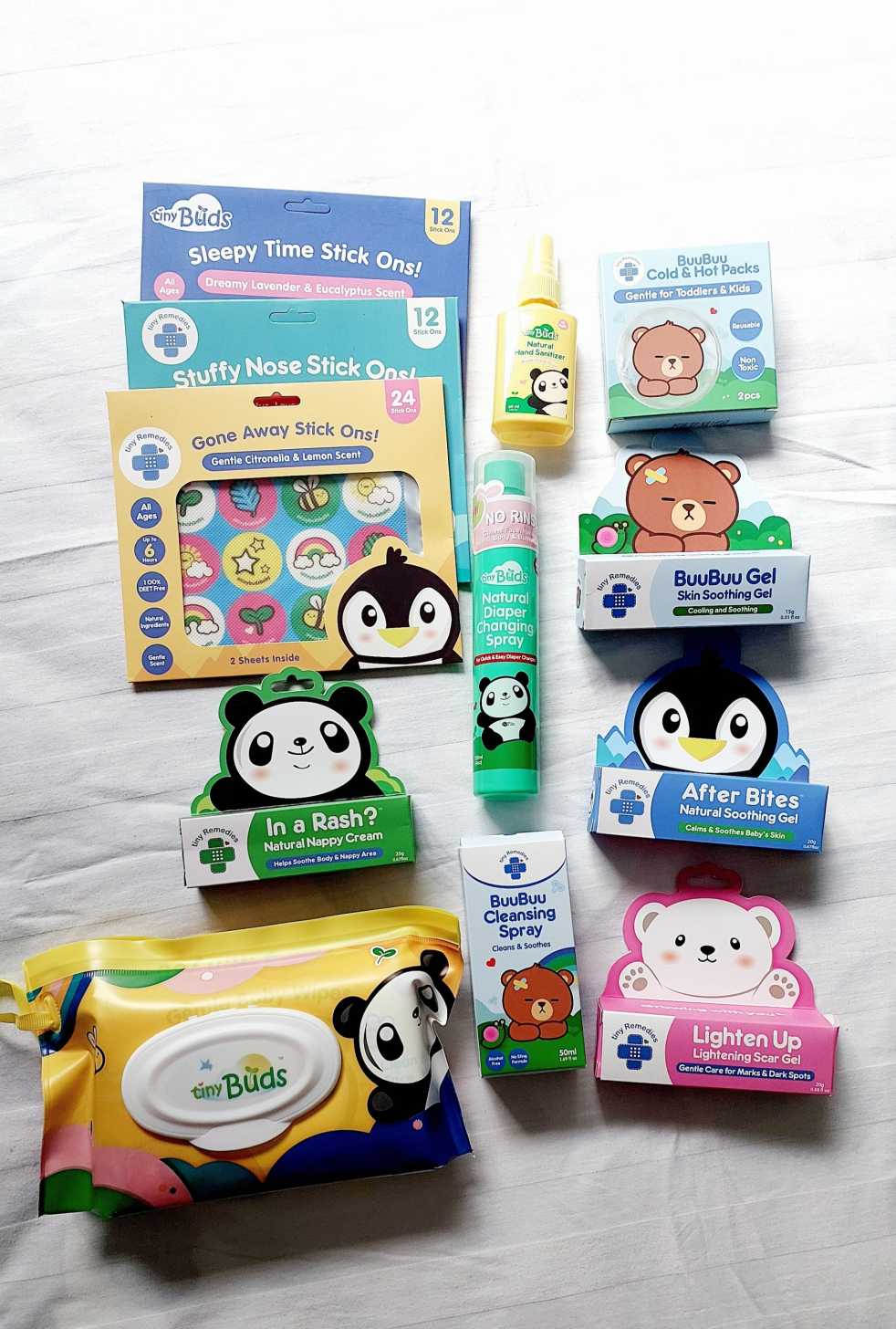
Your baby’s skin is more delicate than most, this is why you have to choose products that are designed for sensitive skin. Tiny Buds is a pioneer in integrating natural ingredients into baby care and today has over 50 innovative natural baby care essentials and is one of the Top Baby Personal Care brands. Here… Continue reading Product Review: Tiny Buds Baby Naturals Baby Essentials
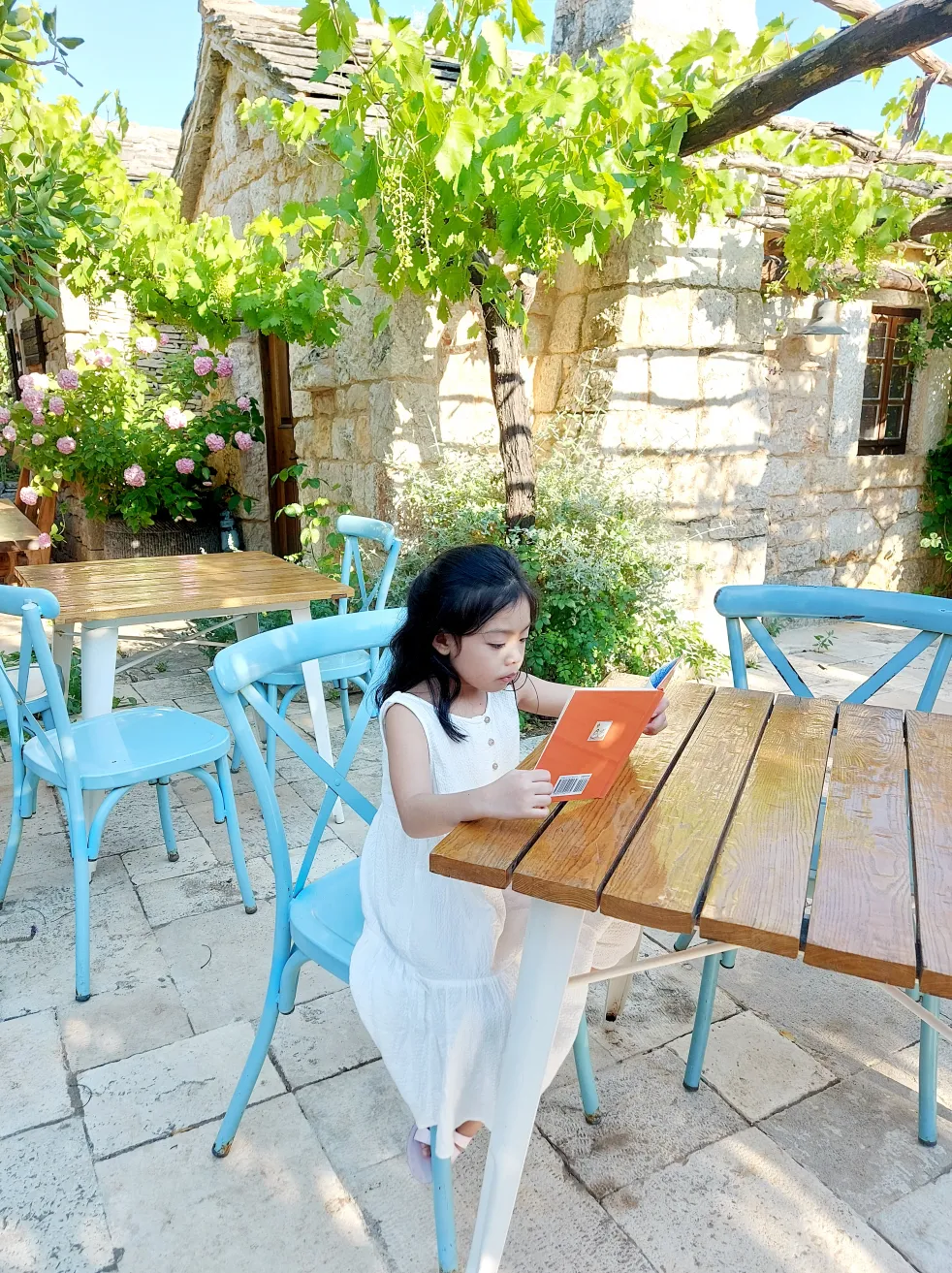
Where your child goes to school is a big decision and shouldn’t be taken lightly. Given how their education can impact their future, you might be tempted to take control and decide for them. However, you might be doing more damage than helping them in the long run. Your job as parents is to support… Continue reading HOW TO CHOOSE THE BEST SCHOOL FOR YOUR CHILD

As poet and philosopher Rumi once eloquently said, “raise your words, not your voice. It is rain that grows flowers, not thunder.” Parenting is a challenging journey, and the truth is that nobody has everything figured out. One parenting style might suit others best, and some might favor other methods. However, children respond better to… Continue reading A SIMPLE GUIDE TO GENTLE PARENTING

Whether you’re a new mom to be, mom of a toddler, mom who have school-aged kids, you’re bound to have so many questions. Let's start with your baby's skin. Infant skin has unique needs; gentle care is essential to prevent damage to the skin barrier, which can lead to irritation. When caring for infant skin,… Continue reading Keeping Baby’s Diapered Skin Healthy
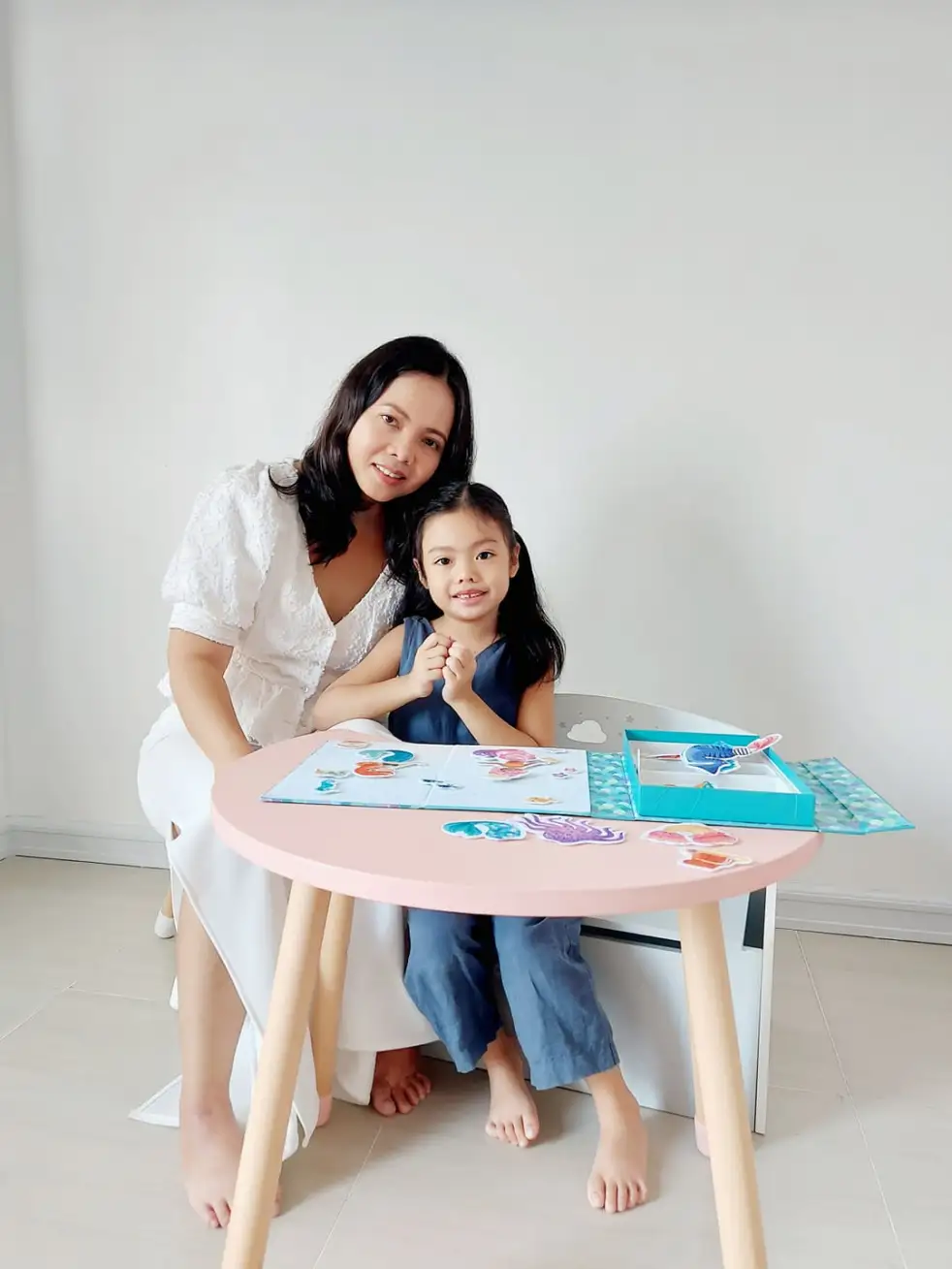
As parents, we want to give our child the best possible start in life and that begins with nurturing their intelligence. Throughout history, the notion of success has been linked to academic intelligence. However, there has been an increased awareness on the importance of emotional intelligence. This question gets at the heart of the never-ending… Continue reading IQ or EQ, which one is a better predictor of your child’s success?
 wondermomma.net