

Last August, IKEA Philippines engaged with Better World Smokey Mountain, a newly opened community center operated by the San Miguel Foundation, which shares a similar goal of improving the lives of many Filipino people. Through this partnership, IKEA Philippines provided and assembled home furnishings for the classrooms and library of Better World Smokey Mountain community… Continue reading Help Create a Better World with IKEA Soft Toys
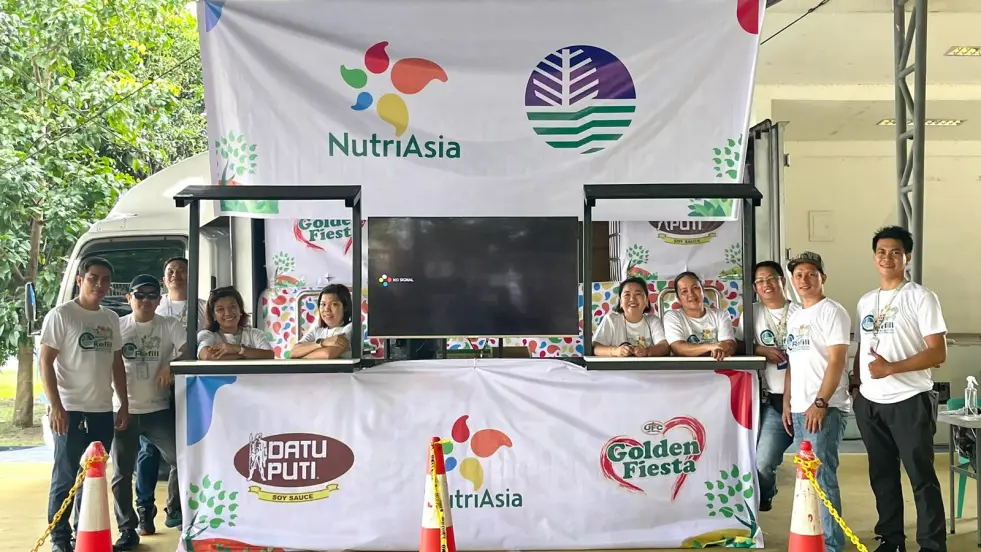
NutriAsia, the country’s top producer of condiments and sauces, continues its support of Refill Revolution; a project by the Department of Environment and Natural Resources EMB 3 that aims to help reduce Filipinos’ single-use plastics consumption. At Refill Revolution, residents get to recycle their single-use plastic bottles by reusing and filling it with their choice… Continue reading NutriAsia and DENR renews partnership for Refill Revolution

Baby-led weaning first foods for confident family meals
Baby-led weaning lets a baby explore appropriately prepared finger foods instead of beginning with spoon-fed purées as the only option. At around six months, many infants are ready to join family mealtimes, touch food, bring it to their mouths, and gradually learn how to chew and swallow. The process is about learning, not finishing a certain amount at every sitting.
The safest starting point depends on development rather than age alone. A baby should sit upright with steady head and neck control, reach for food accurately, bring objects to the mouth, and swallow instead of repeatedly pushing food out with the tongue. Babies born prematurely may need an adjusted age and individual guidance from a pediatrician or feeding specialist.
Early meals can feel unfamiliar for parents, especially when gagging, mess, and small portions are involved. Reliable parenting resources can support families as they create a relaxed routine that fits their baby, household, and local foods.
Know when your baby is ready
Readiness signs should appear together. A baby who can sit upright with minimal support and maintain a stable position is better able to manage food safely. Good hand-eye coordination matters too: reaching, grasping, and moving objects toward the mouth show that the infant is prepared to participate actively.
Interest in food is helpful, but watching adults eat is not enough by itself. A baby may seem fascinated by meals at four or five months while still lacking the postural control needed for solids. Starting too early can make feeding harder and does not guarantee better sleep or appetite.
Begin with one or two pieces at a calm meal, ideally when the baby is alert but not extremely hungry. Breast milk or infant formula remains the main source of nutrition during the first year. Solid foods gradually provide extra iron, energy, textures, and exposure to family flavors.
Choose safe shapes and textures
The goal is soft food that squashes easily between your thumb and forefinger. Cut food into pieces large enough for a baby to hold with a fist, usually about the size of two adult fingers, rather than small round chunks that may be difficult to grasp. As the pincer grasp develops, smaller bite-sized pieces can be introduced.
Steam, roast, or boil firm produce until tender. Soft strips of sweet potato, ripe banana, avocado, broccoli with a long stem, and toast spread thinly with smooth nut butter are practical examples. Meat can be offered as a tender strip, shredded finely, or shaped into a soft patty. Remove bones, gristle, skin, and hard edges.
A highchair with upright support and a footrest can improve stability. An adult should stay within arm’s reach during every meal, and food should be offered without distractions such as phones or television. Never place food directly into a baby’s mouth; allowing the infant to pick it up supports control and reduces pressure.
Build variety from the beginning
A balanced baby-led weaning plate can include an iron-rich food, a fruit or vegetable, and an energy-rich option. Iron is especially important after about six months, when a baby’s stored supply begins to decline. Soft beef, chicken, fish without bones, egg, beans, lentil patties, tofu, and iron-fortified cereal can all contribute.
Healthy fats support growth and add calories to small meals. Avocado, full-fat plain yogurt, tahini, smooth nut butter, olive oil, and flaked oily fish are useful choices when prepared safely. Yogurt should be pasteurized and unsweetened, while nut and seed spreads must be smooth and diluted or spread thinly to avoid a sticky lump.
Family foods can be adapted before salt, sugar, and strong seasoning are added. Soft rice, squash, mung beans, fish, leafy vegetables, and tender pieces of chicken can suit Filipino family meals. Offering familiar produce alongside new flavors helps a child develop a broad palate without making separate food for every person.
| Food group | Baby-friendly first preparation | What it contributes |
|---|---|---|
| Iron-rich foods | Soft meat strips, shredded chicken, egg wedges, lentil patties, tender tofu | Iron, protein, zinc |
| Soft vegetables | Steamed carrot sticks, squash wedges, sweet potato, broccoli florets | Fiber, vitamins, texture practice |
| Soft fruits | Banana halves, ripe pear wedges, mango spears, avocado slices | Energy, fiber, vitamins |
| Grains and starches | Toast strips, soft rice balls, pasta spirals, oatmeal on a preloaded spoon | Energy and new textures |
| Dairy and alternatives | Plain full-fat yogurt, pasteurized cheese in thin strips | Calcium, protein, fat |
| Spreads and oils | Thin tahini or smooth nut butter, olive oil mixed into food | Calories and healthy fats |
Introduce allergens thoughtfully
Common allergens include peanut, tree nuts, egg, dairy, wheat, soy, sesame, fish, and shellfish. Once a baby is developmentally ready, introducing these foods in safe forms and small amounts can help families observe tolerance. There is generally no benefit to delaying allergenic foods without medical advice.
Offer one new allergen when the baby is well and during a daytime meal, rather than immediately before sleep or when the family is away from help. Peanut butter should be smooth and thinned with warm water, yogurt, or porridge; whole nuts, thick spoonfuls, and nut pieces are choking hazards. Egg should be fully cooked, and fish must be free of bones.
If a food is tolerated, keep including it regularly in age-appropriate portions. Hives, facial swelling, repeated vomiting, coughing, wheezing, unusual sleepiness, or breathing difficulty require prompt medical attention. Breathing problems, swelling of the tongue or throat, or widespread symptoms are emergencies. Families with eczema, known allergies, or a strong allergy history should ask a healthcare professional about an introduction plan first.
Tell gagging and choking apart
Gagging is a normal protective response while babies learn to manage textures. It can be noisy, involve coughing or retching, and cause a baby’s face to redden. The baby is usually still moving air and may continue working the food forward. Staying calm helps prevent unnecessary panic.
Choking is often quiet because the airway is blocked. A baby may be unable to breathe, cry, cough effectively, or make a sound, and the lips or skin can turn blue. Parents and caregivers should learn current infant first-aid and choking-response techniques through a certified course rather than relying on online demonstrations alone.
Avoid high-risk foods such as whole grapes, popcorn, raw apple, raw carrot, hard candy, whole nuts, sausage coins, chunks of meat, spoonfuls of nut butter, and firm cheese cubes. Grapes and cherry tomatoes should be quartered lengthwise, sausages cut into thin strips, and hard fruits cooked until soft. Supervision and preparation work together; neither replaces the other.
Create a relaxed feeding rhythm
At first, a baby may lick, squash, drop, or taste more food than they swallow. This is expected. Offer a small portion and allow about 15 to 20 minutes for exploration, ending the meal when the baby turns away, closes the mouth, becomes distressed, or loses interest. Pressure can make feeding stressful and may interfere with the child’s ability to notice hunger and fullness.
Water can be offered in an open cup or suitable cup with meals once solids begin. Avoid juice and sweet drinks, and do not add salt or sugar to infant foods. Honey should be avoided before 12 months because of the risk of infant botulism. Cow’s milk should not replace breast milk or formula as the main drink before the first birthday, though pasteurized dairy can be used in foods when appropriate.
Mess is part of sensory learning, so a washable mat, bib, and limited serving size can make cleanup manageable. Eating together gives babies a model for chewing and social mealtime behavior. Families can gradually move from one meal to two and then three as appetite, skills, and interest increase.
Keep these habits in place
A simple routine makes baby-led feeding easier to sustain and gives caregivers clear safety boundaries.
- Start with soft, graspable pieces and increase texture gradually rather than keeping foods completely smooth.
- Include an iron-rich food at meals, along with produce and an energy-dense food when possible.
- Introduce allergens in safe forms, one at a time when practical, and continue tolerated foods regularly.
- Keep the baby seated upright and supervised from the first bite until the meal ends.
- Follow the baby’s hunger and fullness cues while continuing breast milk or formula as the primary nutrition source.
Every baby develops at a different pace. Some infants quickly manage strips and soft pieces, while others need more time, repeated exposure, or a combination of finger foods and responsive spoon-feeding. A pediatrician, registered dietitian, or feeding therapist can help with persistent coughing, difficulty swallowing, poor growth, severe food refusal, or concerns about developmental readiness.
The best first foods are safe, soft, varied, and offered without pressure. With thoughtful preparation and patient repetition, family meals can become a daily opportunity for nourishment, skill-building, and connection. Save this guide for planning upcoming meals, share it with every caregiver, and use professional support whenever feeding concerns arise.

Mercato Centrale, in collaboration with Indian Women in Enterprise Philippines (I-We), is set to host "The Great Indian Fiesta" to mark 75 years of friendship between India and the Philippines. The dynamic two-day event is scheduled to take place on September 30 to October 1, 2023, at Paseo De Roxas Street, Makati City. Aiming to… Continue reading Mercato Centrale Partners with I-We to Host ‘The Great Indian Fiesta’, Commemorating 75 Years of India-Philippines Friendship

My stomach would usually start growling at 10 am even after taking a big breakfast. This is probably because I am a morning person and I move a lot throughout the day hence snacking is something that I can't avoid. This potatoes and chicken wrap recipe is easy to prepare and would keep me full… Continue reading Potato and Chicken Wrap
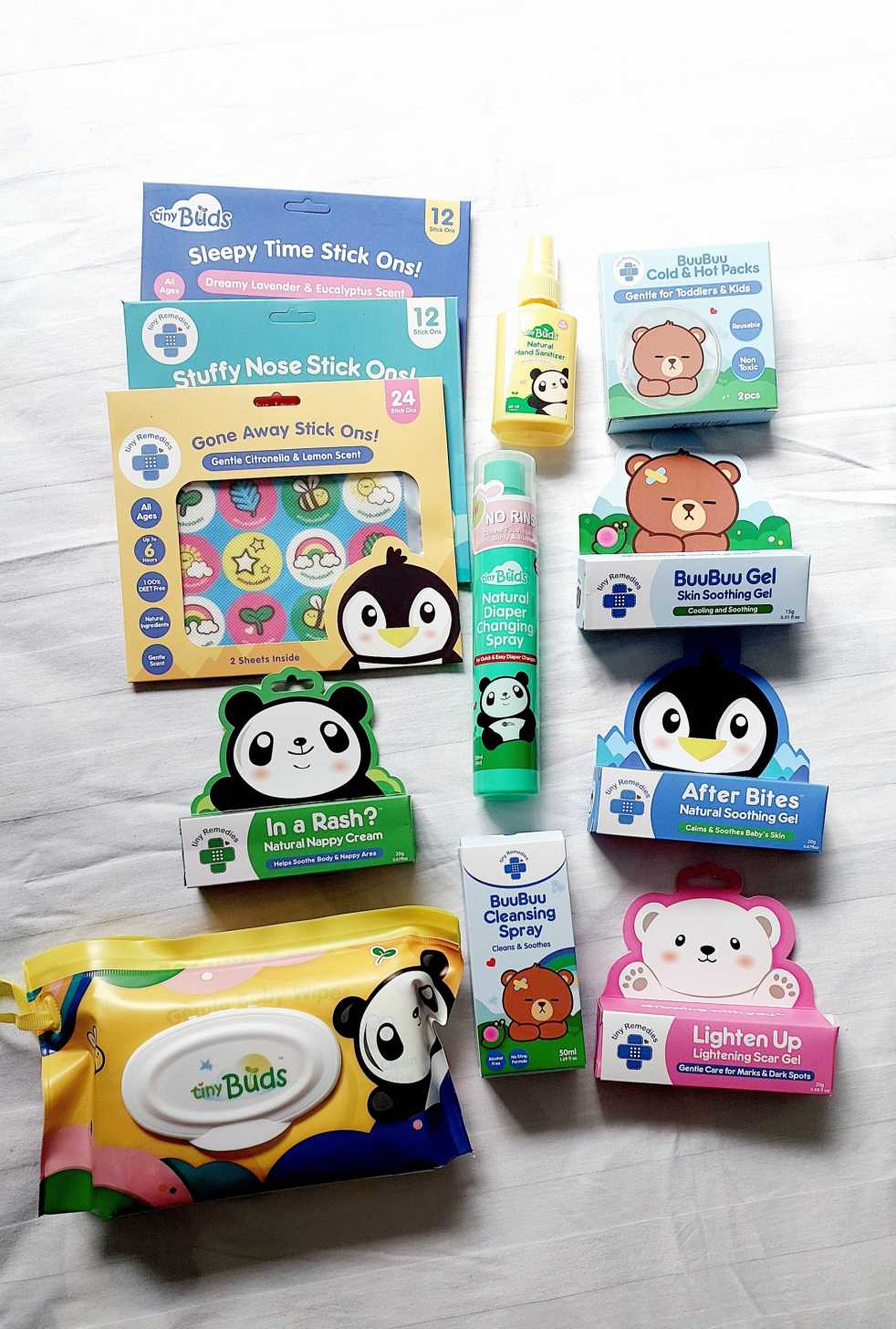
Your baby’s skin is more delicate than most, this is why you have to choose products that are designed for sensitive skin. Tiny Buds is a pioneer in integrating natural ingredients into baby care and today has over 50 innovative natural baby care essentials and is one of the Top Baby Personal Care brands. Here… Continue reading Product Review: Tiny Buds Baby Naturals Baby Essentials
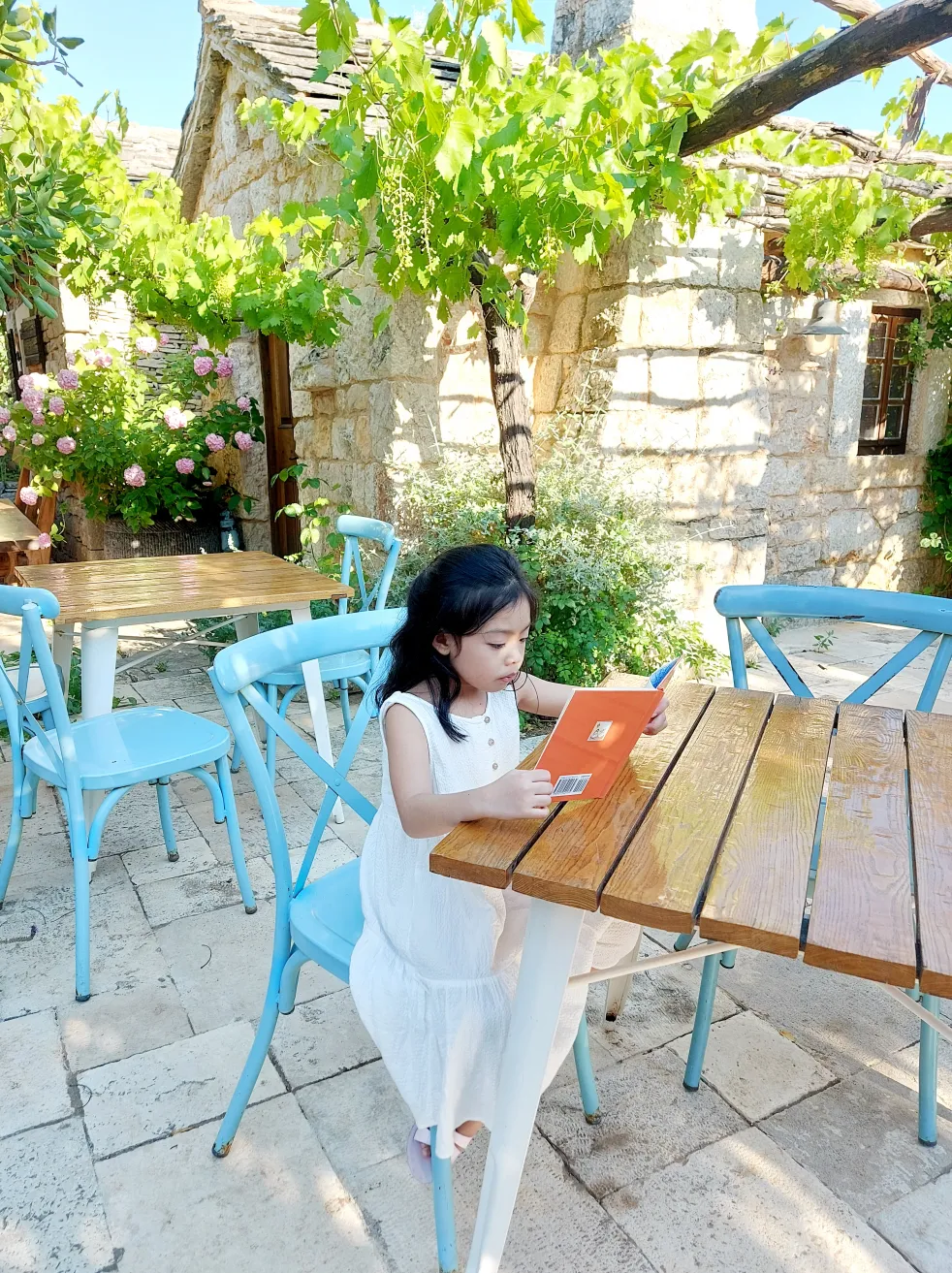
Where your child goes to school is a big decision and shouldn’t be taken lightly. Given how their education can impact their future, you might be tempted to take control and decide for them. However, you might be doing more damage than helping them in the long run. Your job as parents is to support… Continue reading HOW TO CHOOSE THE BEST SCHOOL FOR YOUR CHILD

As poet and philosopher Rumi once eloquently said, “raise your words, not your voice. It is rain that grows flowers, not thunder.” Parenting is a challenging journey, and the truth is that nobody has everything figured out. One parenting style might suit others best, and some might favor other methods. However, children respond better to… Continue reading A SIMPLE GUIDE TO GENTLE PARENTING

Whether you’re a new mom to be, mom of a toddler, mom who have school-aged kids, you’re bound to have so many questions. Let's start with your baby's skin. Infant skin has unique needs; gentle care is essential to prevent damage to the skin barrier, which can lead to irritation. When caring for infant skin,… Continue reading Keeping Baby’s Diapered Skin Healthy
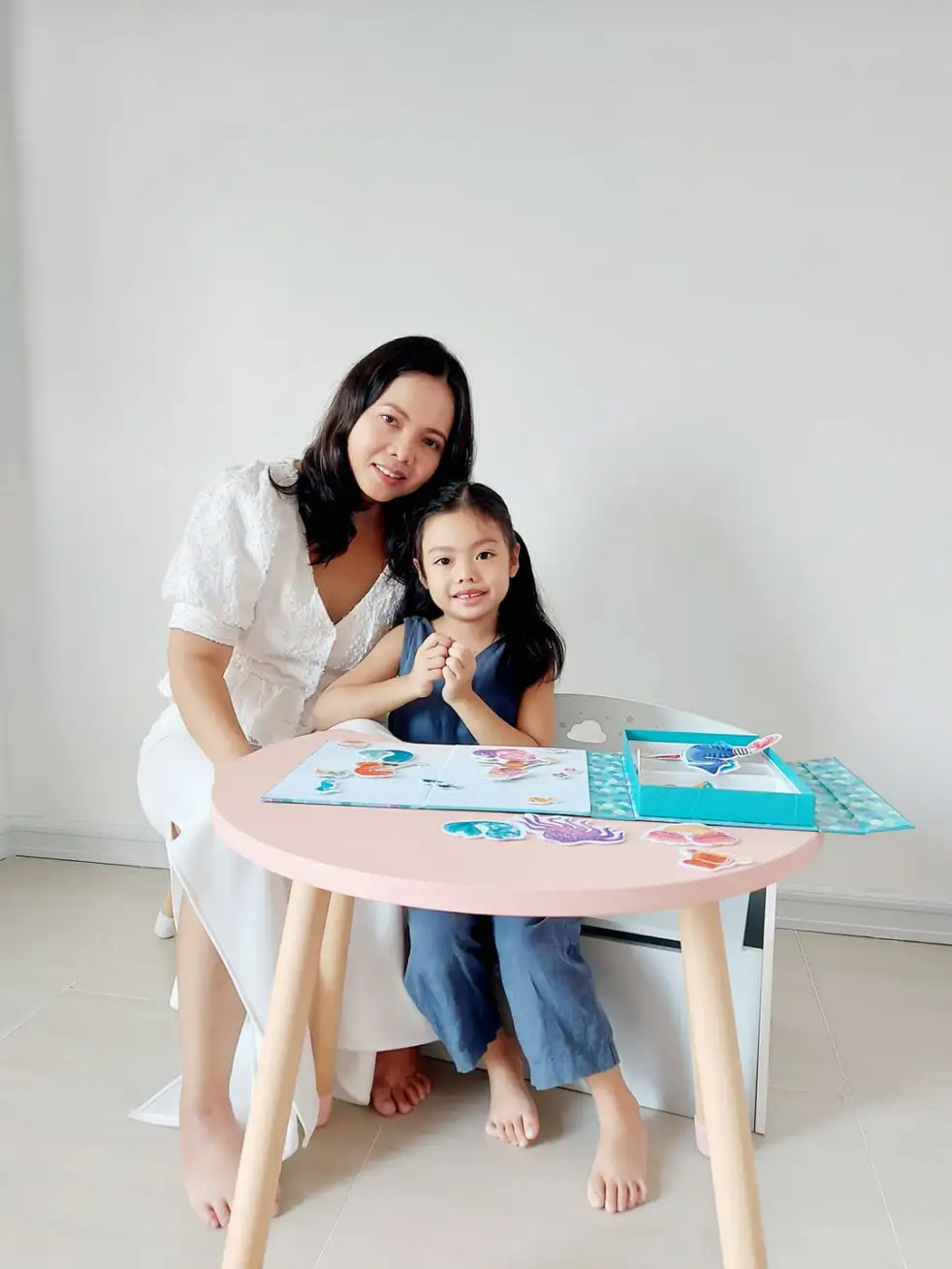
As parents, we want to give our child the best possible start in life and that begins with nurturing their intelligence. Throughout history, the notion of success has been linked to academic intelligence. However, there has been an increased awareness on the importance of emotional intelligence. This question gets at the heart of the never-ending… Continue reading IQ or EQ, which one is a better predictor of your child’s success?
 wondermomma.net