

Last August, IKEA Philippines engaged with Better World Smokey Mountain, a newly opened community center operated by the San Miguel Foundation, which shares a similar goal of improving the lives of many Filipino people. Through this partnership, IKEA Philippines provided and assembled home furnishings for the classrooms and library of Better World Smokey Mountain community… Continue reading Help Create a Better World with IKEA Soft Toys
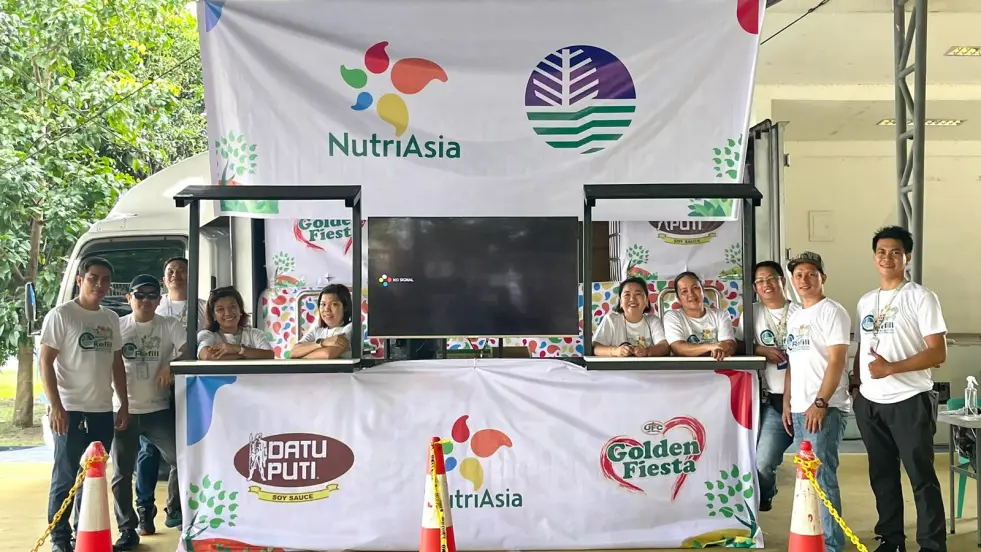
NutriAsia, the country’s top producer of condiments and sauces, continues its support of Refill Revolution; a project by the Department of Environment and Natural Resources EMB 3 that aims to help reduce Filipinos’ single-use plastics consumption. At Refill Revolution, residents get to recycle their single-use plastic bottles by reusing and filling it with their choice… Continue reading NutriAsia and DENR renews partnership for Refill Revolution
How to Make Your Own Baby Wipes with Natural Ingredients
Becoming a parent often means rethinking the products you use every day. The wipes aisle at the chemist is full of brands promising softness and purity, yet many contain alcohol, synthetic fragrance and preservatives that can bother delicate skin. As more Australian families look for simpler, more transparent alternatives, making your own baby wipes has become a popular weekend project that costs a fraction of shop-bought packs and lets you control every ingredient.
The climate plays a role too. Long summers in Brisbane, hot dry spells in Adelaide and humid stretches along the New South Wales coast can all influence how wipes behave on the shelf and on the skin. A homemade blend that works in winter in Hobart may feel too oily in a Darwin wet season, which is why thoughtful recipes are useful. With a roll of soft cloth, a gentle liquid and ten minutes of prep, you can create something that suits your baby and your home.
Cost is another quiet motivator. A pack of 56 premium wipes at Priceline often sits between AUD 4 and AUD 7, and most families go through several packs a month. Reusable cloths and a small bottle of homemade solution bring that recurring expense down to almost nothing after the first setup, freeing up the household budget for things like swim lessons at the local pool or a coffee in Melbourne after the mothers' group meet-up.
There is also the sustainability angle. Australia continues to face scrutiny over single-use plastics, and wipes are a frequent offender because most contain polyester blends. Switching to washable squares cuts landfill waste and pairs well with the broader shift toward cloth nappies, which already have a strong community following in places like Perth, Canberra and the inner suburbs of Sydney. Parents who want a low-tox, low-waste routine will find homemade wipes fit neatly into that lifestyle.
Why Australian parents are choosing DIY wipes
The decision usually starts with skin. Eczema is one of the most common childhood conditions managed by Australian GPs, and many dermatologists suggest reducing contact with fragrance, methylisothiazolinone and other common wipe preservatives. A homemade solution lets you strip the formula back to water, a mild oil and a gentle cleanser, which is often all a newborn's bottom needs after a nappy change.
There is also a practical side. Store-bought wipes can dry out quickly once opened, especially in air-conditioned homes or in the back of a hot car on the way to Bunnings. A liquid kept in a small pump bottle stays fresh, and cloths can be dampened as needed. Parents heading to the playground, the beach at Bondi or a weekend market in Fremantle often find this approach more reliable than relying on a half-dry pack.
Cost, customisation and environmental impact round out the appeal. Some families add calendula for rash-prone skin, while others prefer a chamomile infusion for bedtime changes. The flexibility is hard to match on a supermarket shelf.
Picking the right cloth and liquid base
Before you reach for a recipe, it helps to think about the cloth. Cotton flannel is widely available at Spotlight and Big W, washes well at 60°C and softens with every cycle. Bamboo terry is another favourite because it absorbs more liquid and has natural antibacterial qualities, though it costs a little more. For very young babies, a layer of soft muslin can be cut into 12 by 12 centimetre squares and hemmed at home.
The liquid base matters just as much. Most Australian tap water in capital cities is safe to use straight from the tap, but homes on tank water in regional Victoria or rural Queensland should boil and cool the water first to remove any unwanted microbes. Distilled water from the supermarket is a reliable alternative if you want extra peace of mind.
Common cloth options at a glance
| Cloth type | Absorbency | Softness | Wash durability | Approx. cost per metre |
|---|---|---|---|---|
| Cotton flannel | Medium | Softens with washing | Very high | AUD 6 to AUD 10 |
| Bamboo terry | High | Naturally silky | High | AUD 12 to AUD 18 |
| Organic muslin | Low to medium | Very soft | High | AUD 9 to AUD 14 |
| Microfibre | Very high | Soft but synthetic | Moderate | AUD 5 to AUD 8 |
Microfibre is worth a separate note. It cleans exceptionally well but is made from plastic, sheds microfibres when laundered and is not recommended for newborn skin. If sustainability is a priority, stick with plant-based fibres.
A simple starter recipe you can make in 15 minutes
Once you have your cloth squares ready, the liquid comes together quickly. This base recipe suits most babies without known sensitivities and can be batch-made in a clean jar or a repurposed pump bottle from your bathroom.
You will need two cups of cooled boiled water, one tablespoon of fractionated coconut oil or sweet almond oil, one tablespoon of a mild liquid castile soap such as the Australian-stocked Dr. Bronner's, and optionally five drops of lavender or chamomile essential oil. Pour the water into a wide-mouthed jar, add the oil and soap, stir gently and leave the essential oil out for the first few weeks if your baby is under one month.
To use, fold a stack of cloth squares into a plastic container or a wipes pouch, pour enough liquid over them to dampen without soaking, and pull from the top as you would a store-bought pack. Most batches last five to seven days in the fridge, which fits neatly with a weekly wash routine on Sunday night.
Kit list for the first batch
- Clean wide-mouthed glass jar or pump bottle
- Sharp scissors or rotary cutter for trimming cloth
- Stack of pre-washed cloth squares (about 25 per batch)
- Small whisk or chopstick for blending the oil and water
Custom blends for sensitive skin and different needs
Every baby is different, and a one-size-fits-all solution rarely works. For little ones prone to nappy rash, swapping fractionated coconut oil for a tablespoon of organic shea butter melted with warm water can add a protective layer. A few drops of calendula tincture from a health food shop in Newtown or Fitzroy can also calm red patches without resorting to over-the-counter creams.
If your baby has eczema or reacts to fragrance, keep the formula minimal. Plain cooled chamomile tea, a teaspoon of jojoba oil and a tiny amount of castile soap is often enough. Parents who prefer not to use any essential oils at all can rely on herbal infusions alone for a mild, comforting scent.
For teething days, when saliva seems to get everywhere, a small spray bottle of the same solution next to the change table makes quick clean-ups easier. It also doubles as a face wipe during solids, which is helpful during the early weeks of baby-led weaning.
What to avoid in store-bought and homemade wipes
- Alcohol and denatured ethanol, which dry out the skin barrier
- Synthetic fragrance or parfum, even when labelled as natural
- Methylisothiazolinone and parabens, common irritants for eczema-prone babies
- Plastic-based fibres like polyester and polypropylene for reusable cloths
Storing, transporting and keeping wipes safe
Hygiene is the most important consideration when you stop using individually sealed commercial wipes. Always wash your hands before making a new batch, use clean containers and never double-dip a used cloth back into the liquid. A small wet bag in the nappy caddy keeps soiled wipes separate until wash day.
For outings, a hard plastic case with a secure lid prevents leaks in the pram basket. Many parents across Sydney and Melbourne repurpose old baby wipe containers for exactly this purpose, adding a fresh stack of cloths and a 30-millilitre spray bottle of solution. Refill rather than overfill, and rinse the container with hot soapy water each week.
Travel adds another layer. If you are flying within Australia, remember that liquids over 100 millilitres must go in checked luggage, so decant your solution into travel-size bottles or pack dry cloths and buy distilled water on arrival. On a road trip from Adelaide to the Barossa or up the coast to Noosa, a small cooler bag keeps the wipes cool and fresh, especially during the warmer months.
If you want to read more about handling tricky public moments with your little one, the piece on gentle discipline in public places pairs nicely with this guide. And for more family-focused inspiration and real-life parenting stories from Australia and beyond, you can always pop over to Sassy Mahogany for a fresh read.

Mercato Centrale, in collaboration with Indian Women in Enterprise Philippines (I-We), is set to host "The Great Indian Fiesta" to mark 75 years of friendship between India and the Philippines. The dynamic two-day event is scheduled to take place on September 30 to October 1, 2023, at Paseo De Roxas Street, Makati City. Aiming to… Continue reading Mercato Centrale Partners with I-We to Host ‘The Great Indian Fiesta’, Commemorating 75 Years of India-Philippines Friendship

My stomach would usually start growling at 10 am even after taking a big breakfast. This is probably because I am a morning person and I move a lot throughout the day hence snacking is something that I can't avoid. This potatoes and chicken wrap recipe is easy to prepare and would keep me full… Continue reading Potato and Chicken Wrap
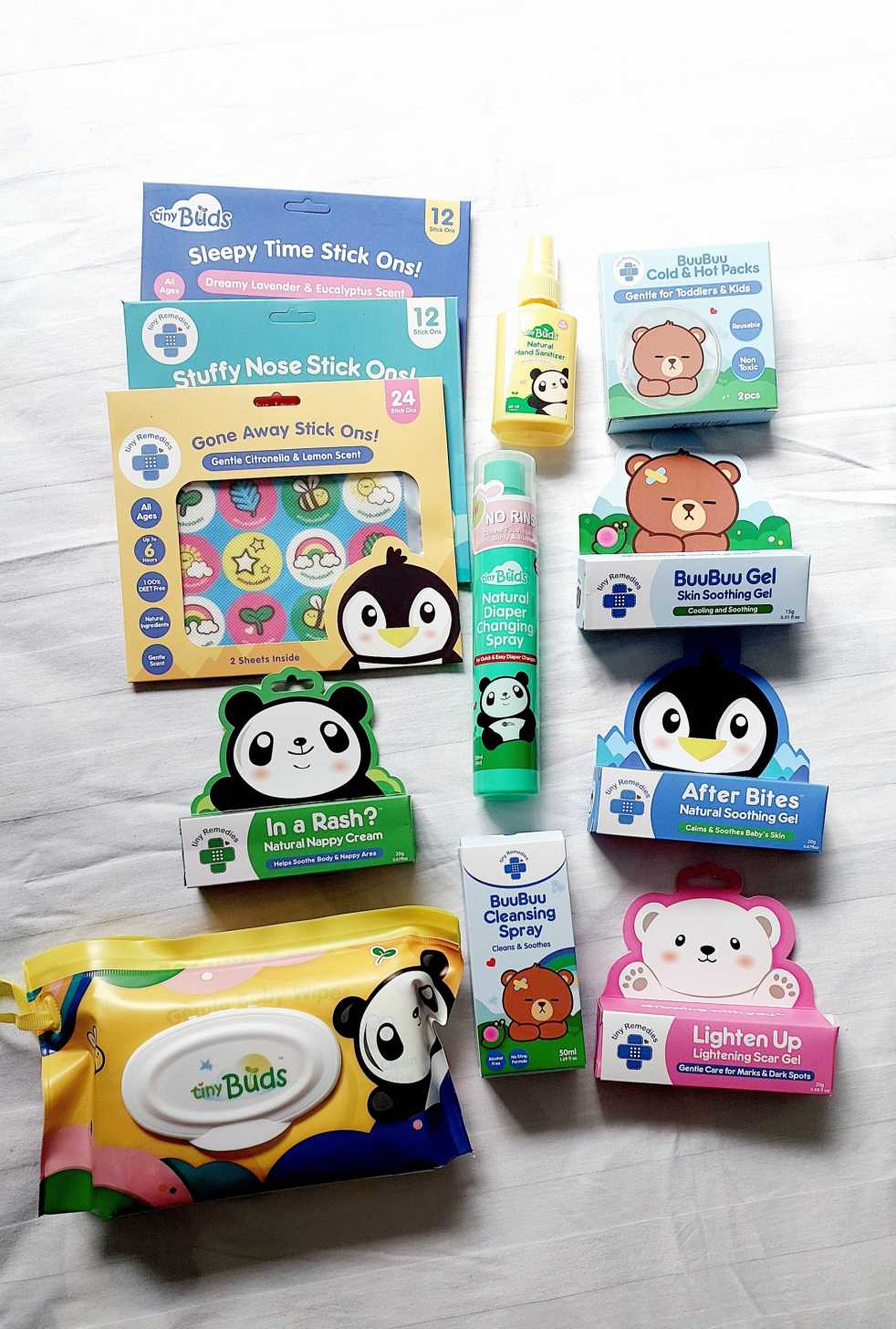
Your baby’s skin is more delicate than most, this is why you have to choose products that are designed for sensitive skin. Tiny Buds is a pioneer in integrating natural ingredients into baby care and today has over 50 innovative natural baby care essentials and is one of the Top Baby Personal Care brands. Here… Continue reading Product Review: Tiny Buds Baby Naturals Baby Essentials
Where your child goes to school is a big decision and shouldn’t be taken lightly. Given how their education can impact their future, you might be tempted to take control and decide for them. However, you might be doing more damage than helping them in the long run. Your job as parents is to support… Continue reading HOW TO CHOOSE THE BEST SCHOOL FOR YOUR CHILD
As poet and philosopher Rumi once eloquently said, “raise your words, not your voice. It is rain that grows flowers, not thunder.” Parenting is a challenging journey, and the truth is that nobody has everything figured out. One parenting style might suit others best, and some might favor other methods. However, children respond better to… Continue reading A SIMPLE GUIDE TO GENTLE PARENTING
Whether you’re a new mom to be, mom of a toddler, mom who have school-aged kids, you’re bound to have so many questions. Let's start with your baby's skin. Infant skin has unique needs; gentle care is essential to prevent damage to the skin barrier, which can lead to irritation. When caring for infant skin,… Continue reading Keeping Baby’s Diapered Skin Healthy
As parents, we want to give our child the best possible start in life and that begins with nurturing their intelligence. Throughout history, the notion of success has been linked to academic intelligence. However, there has been an increased awareness on the importance of emotional intelligence. This question gets at the heart of the never-ending… Continue reading IQ or EQ, which one is a better predictor of your child’s success?
 wondermomma.net