

Last August, IKEA Philippines engaged with Better World Smokey Mountain, a newly opened community center operated by the San Miguel Foundation, which shares a similar goal of improving the lives of many Filipino people. Through this partnership, IKEA Philippines provided and assembled home furnishings for the classrooms and library of Better World Smokey Mountain community… Continue reading Help Create a Better World with IKEA Soft Toys
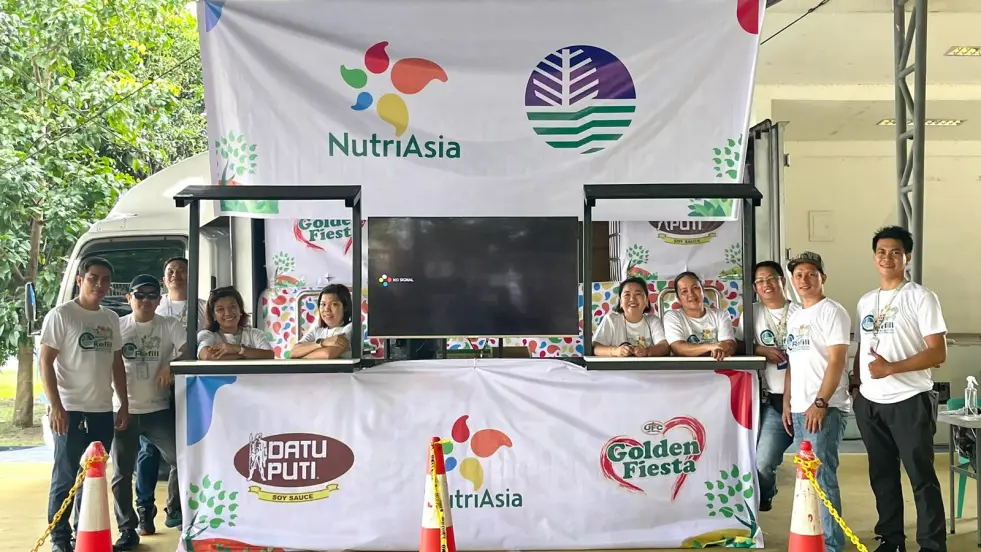
NutriAsia, the country’s top producer of condiments and sauces, continues its support of Refill Revolution; a project by the Department of Environment and Natural Resources EMB 3 that aims to help reduce Filipinos’ single-use plastics consumption. At Refill Revolution, residents get to recycle their single-use plastic bottles by reusing and filling it with their choice… Continue reading NutriAsia and DENR renews partnership for Refill Revolution

How to practice gentle discipline in public places
Public outings can bring out big feelings in children. A crowded shopping centre, a long restaurant wait, a noisy birthday party, or a family trip can overwhelm a child who is tired, hungry, excited, or unsure about what will happen next. When a meltdown begins, parents may also feel watched and pressured to stop the behaviour immediately.
Gentle discipline gives families a respectful way to respond without ignoring limits. It combines empathy, calm leadership, and clear boundaries. The goal is not to make every public moment perfectly quiet; it is to help children feel safe while learning how to manage behaviour in shared spaces.
This approach takes preparation and practice. A child may still cry, refuse, or shout, but a steady parent can guide the situation without threats, shame, or physical punishment. Over time, children develop emotional regulation skills that help them at home, in school, and within the wider community.
Understand what the behaviour is communicating
Children rarely have the language or self-control to explain, “The noise is too much,” or “I need a break.” Instead, they may grab items, run away, whine, hit, or collapse on the floor. Looking for the need behind the behaviour does not mean approving of unsafe actions. It helps you choose a response that addresses the real problem.
Before correcting your child, check the basics. Hunger, thirst, fatigue, sensory overload, pain, and a disrupted routine can quickly reduce a child’s ability to cooperate. Toddlers and preschoolers are especially vulnerable because their impulse control is still developing.
Age and temperament matter as well. A baby who cries in a restaurant needs comfort, while an older child who repeatedly pushes a sibling needs a firm boundary and support to repair the situation. If concerning behaviour appears frequently or seems linked to developmental or health concerns, discussing it with a trusted healthcare professional can help; this guide to choosing a pediatrician may be useful for Filipino families.
Prepare before leaving home
Gentle discipline often begins before a family steps outside. Tell your child where you are going, who may be there, and what will happen first. Keep the explanation simple: “We are going to the grocery store. We will buy food, and you may help place the apples in the bag.”
Give one or two realistic expectations instead of a long list of rules. You might say, “Hands stay with your body,” “We use walking feet,” or “If you need me, tap my arm.” Ask your child to repeat the plan, or turn it into a short role-play at home.
Practical preparation also reduces avoidable stress. Offer a snack and water, bring a small comfort item, and consider ear defenders for a child who finds loud environments difficult. For longer errands, decide in advance whether your child can choose one small item or activity. Predictable choices can prevent arguments while preserving your leadership.
Set limits with calm, clear language
A boundary should be brief, specific, and possible to follow. Instead of saying, “Stop being naughty,” describe the action and the limit: “I won’t let you hit. Hitting hurts. You can stomp your feet or squeeze my hand.” This separates the child’s identity from the behaviour and gives an acceptable alternative.
Use a calm voice and move close enough to provide support. Young children may not process a long explanation while upset, so repeat the same few words rather than debating. If your child reaches for something unsafe, gently block the action and say, “That is not for touching. I’m moving you away.”
Natural and logical consequences can teach without humiliation. If a child throws a toy in a shop, the toy may need to be put away. If a child cannot stay safely near a swimming pool, the family may leave the pool area. Explain the connection without adding threats: “The rule is for safety, so we are taking a break.”
| Public situation | Gentle response | Boundary to keep |
|---|---|---|
| Child screams because an item is not purchased | Acknowledge disappointment and offer a brief calming pause | The item will not be bought because of screaming |
| Child runs through a shop or mall | Move closer, hold hands if needed, and offer a helper task | Walking or staying beside the adult is required |
| Child hits a sibling at a family gathering | Separate the children, comfort the hurt child, and help the hitter calm down | People are not for hitting |
| Child refuses to leave a playground | Give a clear warning, offer two transition choices, and follow through | Leaving happens when the agreed time ends |
| Child becomes overwhelmed by noise | Move to a quieter place, lower demands, and offer comfort | Safety and respectful behaviour still apply |
Respond to meltdowns without public shame
A meltdown is a loss of control, not a performance designed to embarrass a parent. During the peak of distress, reasoning and lectures usually make things harder. Lower your voice, use fewer words, and focus on safety. You can say, “You are very upset. I am here. I won’t let you kick.”
If possible, guide your child to a quieter corner, an outdoor area, or the family car. In a Philippine mall, this might mean stepping away from bright displays and crowded walkways. At a fiesta or family gathering, ask a trusted relative to help with younger siblings while you stay with the distressed child.
Do not force eye contact, demand an apology in the middle of the meltdown, or threaten to leave the child behind. Protect belongings and other people, but avoid restraint unless there is an immediate safety risk and you can do so appropriately. Once your child is calm, offer water, closeness, and a short review of what happened.
Use choices and connection to prevent power struggles
Limited choices give children a sense of control without handing over the decision. Offer two options that you can genuinely accept: “Do you want to hold my hand or walk beside the trolley?” or “Would you like to leave the play area now or after one more turn?”
Connection can be simple and practical. Kneel to your child’s level, name the feeling, and recognise the wish: “You wanted to stay longer. It is hard to stop when you are having fun.” Empathy is not a reward for poor behaviour; it helps a child feel understood enough to hear the limit.
Transitions become easier when children receive advance notice. Use a timer, a visual cue, or a familiar phrase such as, “One more slide, then shoes.” For babies and toddlers, physically moving at a calm pace may work better than repeated verbal warnings. For school-age children, invite them to help carry bags, check the list, or choose the route to the exit.
Protect your own calm and confidence
Public judgement can make parents react more harshly than they would at home. Some observers may offer advice, stare, or suggest punishment. You do not have to defend your parenting while your child is distressed. A short response such as, “We are handling it, thank you,” allows you to return your attention to your child.
Regulate yourself before expecting regulation from your child. Take a slow breath, relax your shoulders, and use an even pace of speech. If another safe adult is present, agree on roles: one person can support the child while the other pays, gathers belongings, or speaks with staff.
A planned exit is not a parenting failure. If the environment is too intense or the behaviour cannot be made safe, leave and try again another day. The purpose of gentle discipline is learning, not proving that a family can complete every errand at any cost.
Build skills after the outing
When everyone is calm, revisit the event briefly and without a lecture. Describe what happened, acknowledge the feeling, and identify a better plan: “You were angry when we left the play area. Next time, you can say ‘one more minute’ or hold my hand while we walk out.”
Invite the child to repair harm in an age-appropriate way. This might mean helping pick up scattered items, checking on a sibling, or practising the words “I’m sorry” when they are ready. Repair teaches responsibility more effectively than forced shame.
Notice progress, even when it is small. A child who took three breaths, accepted a hand, or stopped throwing after one reminder is building a skill. Specific encouragement—“You were disappointed, and you kept your hands safe”—shows which behaviour to repeat.
A calm public response will not prevent every difficult outing, and gentle discipline is not about appearing perfectly composed. It is a steady process of setting limits, offering support, and teaching children how to participate safely in family and community life.
Save a few simple phrases in your phone, prepare one small comfort kit, and practise the same boundaries at home before the next trip. With patience and consistency, public places can become opportunities for children to learn empathy, flexibility, and self-control while knowing that their parent remains a safe guide.

Mercato Centrale, in collaboration with Indian Women in Enterprise Philippines (I-We), is set to host "The Great Indian Fiesta" to mark 75 years of friendship between India and the Philippines. The dynamic two-day event is scheduled to take place on September 30 to October 1, 2023, at Paseo De Roxas Street, Makati City. Aiming to… Continue reading Mercato Centrale Partners with I-We to Host ‘The Great Indian Fiesta’, Commemorating 75 Years of India-Philippines Friendship

My stomach would usually start growling at 10 am even after taking a big breakfast. This is probably because I am a morning person and I move a lot throughout the day hence snacking is something that I can't avoid. This potatoes and chicken wrap recipe is easy to prepare and would keep me full… Continue reading Potato and Chicken Wrap
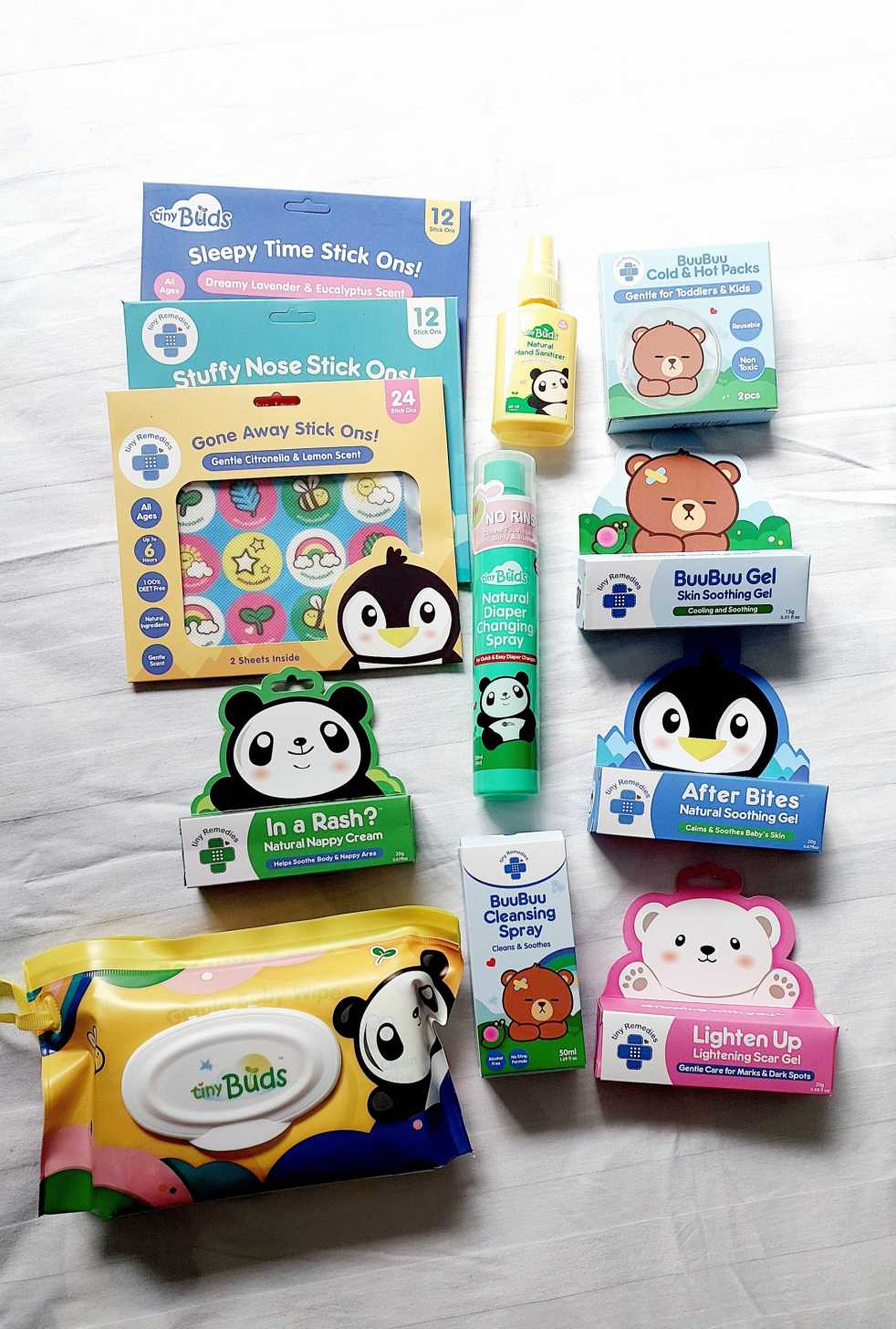
Your baby’s skin is more delicate than most, this is why you have to choose products that are designed for sensitive skin. Tiny Buds is a pioneer in integrating natural ingredients into baby care and today has over 50 innovative natural baby care essentials and is one of the Top Baby Personal Care brands. Here… Continue reading Product Review: Tiny Buds Baby Naturals Baby Essentials
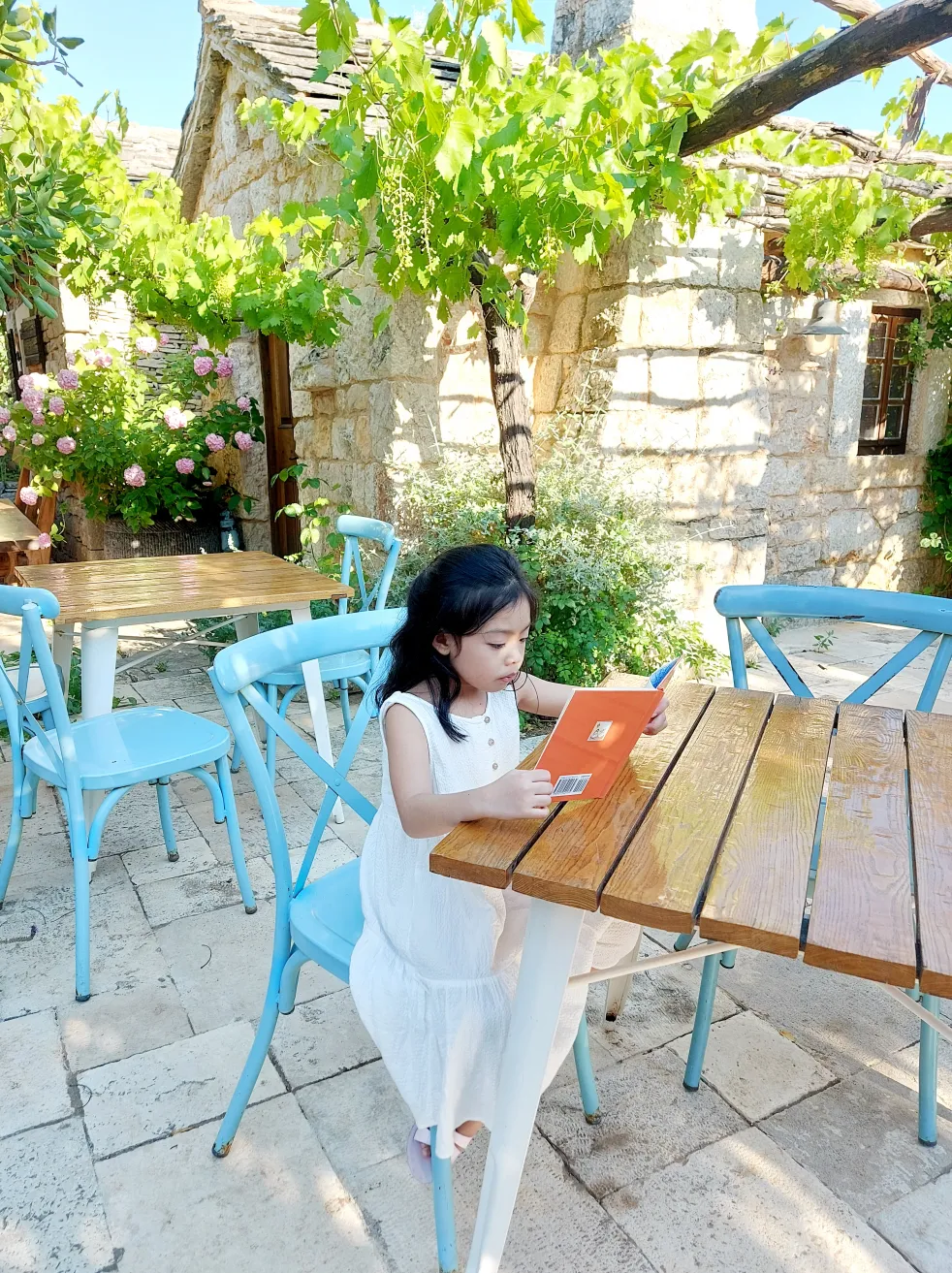
Where your child goes to school is a big decision and shouldn’t be taken lightly. Given how their education can impact their future, you might be tempted to take control and decide for them. However, you might be doing more damage than helping them in the long run. Your job as parents is to support… Continue reading HOW TO CHOOSE THE BEST SCHOOL FOR YOUR CHILD
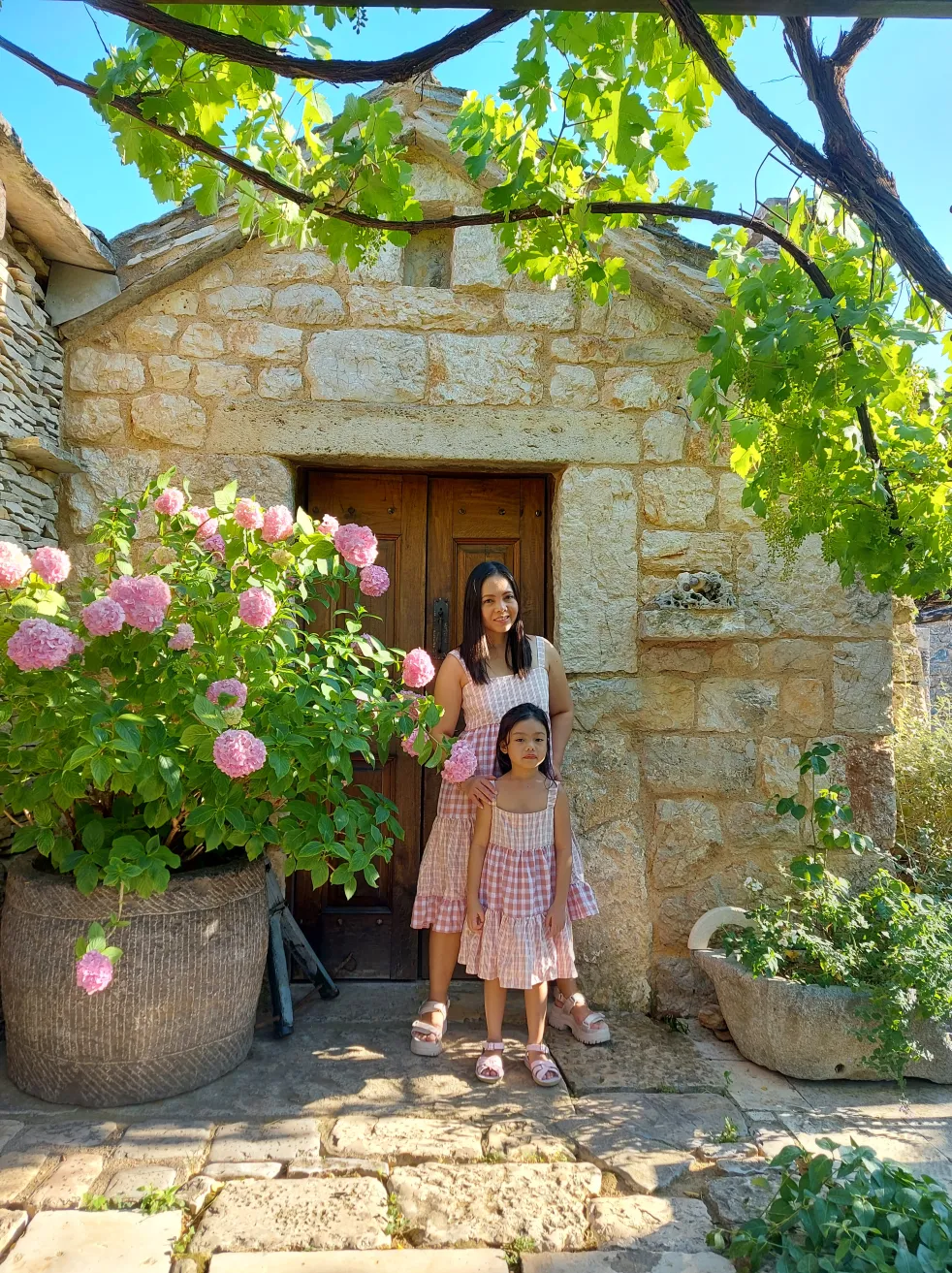
As poet and philosopher Rumi once eloquently said, “raise your words, not your voice. It is rain that grows flowers, not thunder.” Parenting is a challenging journey, and the truth is that nobody has everything figured out. One parenting style might suit others best, and some might favor other methods. However, children respond better to… Continue reading A SIMPLE GUIDE TO GENTLE PARENTING

Whether you’re a new mom to be, mom of a toddler, mom who have school-aged kids, you’re bound to have so many questions. Let's start with your baby's skin. Infant skin has unique needs; gentle care is essential to prevent damage to the skin barrier, which can lead to irritation. When caring for infant skin,… Continue reading Keeping Baby’s Diapered Skin Healthy
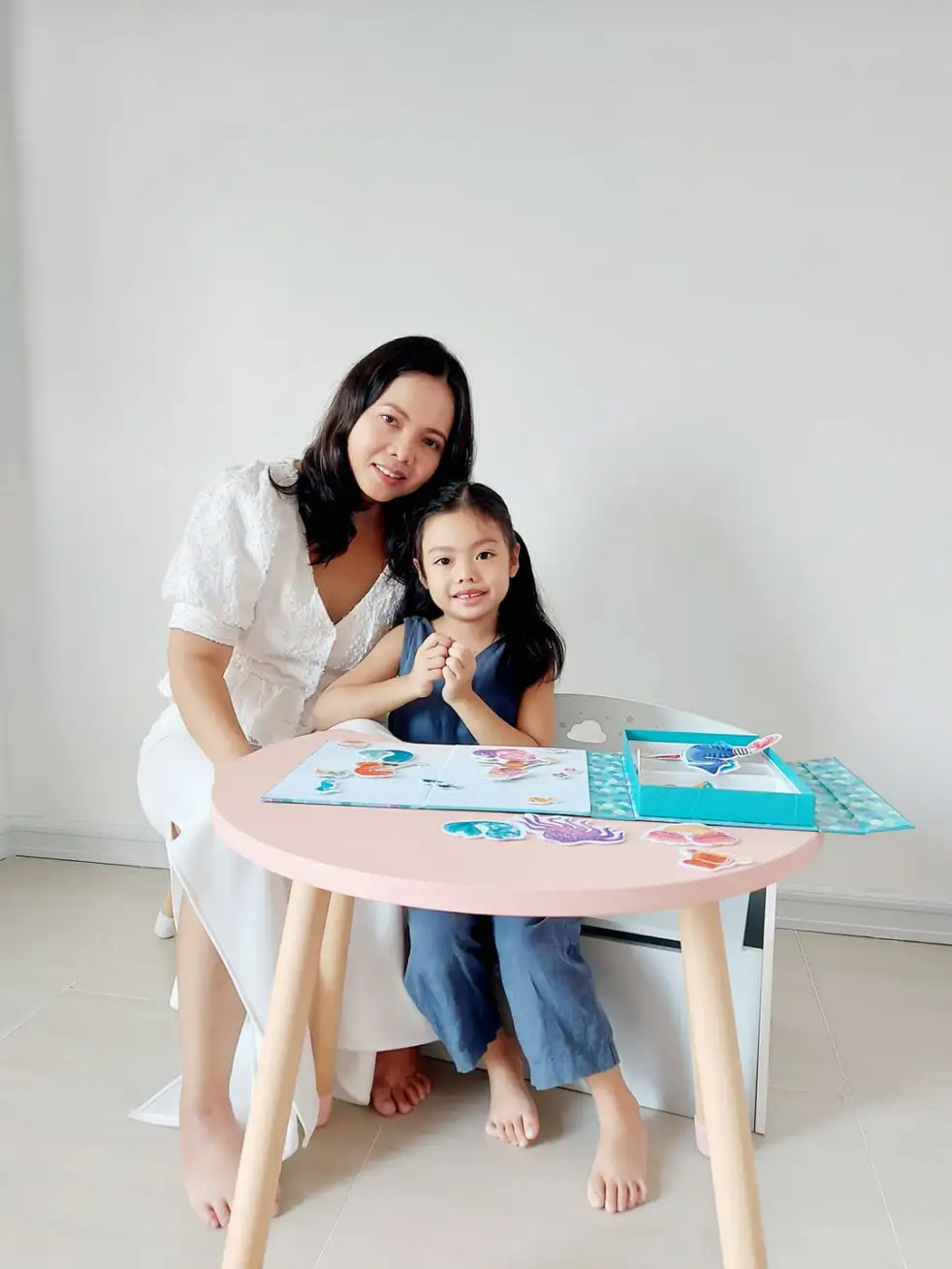
As parents, we want to give our child the best possible start in life and that begins with nurturing their intelligence. Throughout history, the notion of success has been linked to academic intelligence. However, there has been an increased awareness on the importance of emotional intelligence. This question gets at the heart of the never-ending… Continue reading IQ or EQ, which one is a better predictor of your child’s success?
 wondermomma.net