

Last August, IKEA Philippines engaged with Better World Smokey Mountain, a newly opened community center operated by the San Miguel Foundation, which shares a similar goal of improving the lives of many Filipino people. Through this partnership, IKEA Philippines provided and assembled home furnishings for the classrooms and library of Better World Smokey Mountain community… Continue reading Help Create a Better World with IKEA Soft Toys

NutriAsia, the country’s top producer of condiments and sauces, continues its support of Refill Revolution; a project by the Department of Environment and Natural Resources EMB 3 that aims to help reduce Filipinos’ single-use plastics consumption. At Refill Revolution, residents get to recycle their single-use plastic bottles by reusing and filling it with their choice… Continue reading NutriAsia and DENR renews partnership for Refill Revolution

Keeping cool during a public meltdown
Keeping your cool when your child has a meltdown in public can feel difficult, especially when people are watching and your usual routines have suddenly disappeared. A toddler may be furious because the banana is no longer in their lunch box; a school-age child may be overwhelmed by noise, fatigue or a change of plan. The response that helps is rarely a perfectly calm performance. It is the steady presence you can offer while the emotional storm settles.
The aim is not to prevent every tear or surrender your family’s needs. It is to protect your child, stay connected and maintain a reasonable boundary. A public meltdown is not proof that you have failed as a parent. It is a sign that your child’s nervous system has reached its limit and needs help returning to safety.
Why public meltdowns feel so intense
A tantrum usually involves frustration, defiance or a desire for control. A meltdown is more intense: the emotional and physical response can overwhelm the brain’s reasoning centres. Your child may scream, kick, throw themselves down or try to escape. They may not be able to hear you, process consequences or choose calmly between two options.
Many everyday situations can create this overload. A crowded Coles or Woolworths checkout, a noisy tram in Melbourne or a busy train platform in Sydney can turn a small delay into a major crisis. Late-afternoon pickups during the Australian “arvo” are often difficult because children are hungry and tired. Hot weather, a missing hat, strong sunscreen and the need to keep moving can add physical discomfort, while sudden summer storms may disrupt an entirely planned outing.
Sleep can also shape daytime regulation. If your child has been waking distressed, recognising night terrors in toddlers may help you understand whether the overload began overnight rather than during the afternoon.
| Situation | Lower-stress response | What often makes it harder |
|---|---|---|
| A noisy checkout | Move somewhere quieter and make one simple request | Talking over the crying or bargaining |
| A tired child | Offer water, shade and a clear next step | Hurrying, rushing or giving extra instructions |
| Sensory overload | Reduce noise and allow safe movement | Forcing eye contact or a hug |
| An unexpected change | Preview the next step briefly | Listing many alternatives and choices |
Before you intervene, look for the trigger beneath the behaviour. Ask yourself whether your child is tired, hungry, overstimulated, confused or frightened. A meltdown usually lasts longer when the original need remains unmet.
What a calm response looks like
Your first job is safety. Move away from traffic, escalators, hot drinks or other immediate hazards. On a train platform, keep your child away from the edge and position yourself between them and the crowd. If you are beside a road, do not try to reason while they are moving unpredictably. Move to a protected space first.
Next, regulate yourself before trying to regulate your child. Take one slow breath, drop your shoulders and lower your voice. Your child may match your level of arousal, even when you are trying to remain gentle. Speaking softly does not need to mean being weak or indefinite; it communicates that you are present and that the situation is safe.
A helpful sequence is connect, reduce, then decide. Get close enough to speak without crowding your child, reduce the noise and demands around them, and wait for a small sign of readiness. Their first sign might be slower movements, a deeper breath, eye contact or accepting a drink. Once some regulation returns, you can address the boundary or decide to leave.
Prepare before you leave home
Good preparation does not guarantee a peaceful outing, but it gives you options when your child’s stress rises. Identify one predictable destination and one simple goal. A trip to the library, a quick visit to the supermarket or a short play at the local park may be easier than combining several errands with no time to pause.
Before leaving, try to:
- Pack a water bottle, hat and sunscreen, plus one familiar comfort item.
- Explain one simple next step in language your child understands.
- Choose a predictable place with somewhere to pause if needed.
- Leave a little buffer so you do not have to hurry through the trip.
If pressure rises during the outing, use a small set of actions:
- Move to a quieter edge of the space and reduce nearby stimulation.
- Offer water or a cool cloth without insisting that your child accepts it.
- Keep your sentence short, calm and easy to follow.
- Wait before adding another instruction or consequence.
Carry on with the necessary parts of the day after the intensity begins to fade. Your child does not need an immediate lecture while they are still overwhelmed. Connection can be repaired after they have regained enough capacity to hear you.
Use words that lower the pressure
During a meltdown, your child’s brain is not ready for a detailed explanation. Long speeches, repeated questions and threats can add to the sense of chaos. Use brief statements that describe what is happening and what will happen next.
Instead of asking, “Why are you making such a fuss?”, try, “You are very upset, and I am here.” Instead of offering several choices while they are screaming, say, “I can see the red cup is gone. We are taking the blue one.” This reflects their experience without judging it. It also demonstrates that you understand what they are trying to communicate.
Hold the boundary in a short, matter-of-fact sentence: “I know you want to stay. We are going home now.” Avoid labelling your child as “naughty”, “spoiled” or “difficult”. Those comments may become part of the story they tell about themselves. Focus on the behaviour you need to stop and the safety you will continue to provide.
Do not force eye contact, physical affection or compliance. Connection does not require your child to accept a hug while distressed. Some children become more agitated when touched. Stay nearby, speak gently and make it clear that you will remain with them.
Create safety without weakening limits
A meltdown still requires adult leadership. You can acknowledge the emotion while keeping the limit clear. For example: “You are angry that we cannot buy another toy. We can buy one toy, and that is our limit for today.” Repeating the same wording helps your child know what will happen without inviting a fresh argument.
If you promised time in the park and a meltdown happens at the entrance, you may still go. Use a brief transition: “Your body is having a hard time. Let’s stand here until your breathing slows, then we will walk to the swings.” For younger children, offer a concrete first step such as holding your hand or walking to the car. Too many choices can feel overwhelming.
Children with sensory differences, communication difficulties, ADHD or autism may need extra consideration. Watch for early signs such as covering their ears, pacing, repetitive movements or an inability to speak. A quieter exit, reduced verbal input and a familiar routine may be more useful than reasoning. If your child regularly has intense reactions, record what happened before and after, then discuss a support plan with their early childhood teacher or health professional.
Leaving is sometimes the safest and most respectful response. You are allowed to end an activity, move to the car or go home. You are still setting a limit: we will not continue while things are unsafe or unmanageable.
Recover afterwards and plan for next time
Once the meltdown has passed, give your child time. They may feel tired, embarrassed or confused, even if they appeared calm for a moment. A quiet cuddle, a snack, a change of clothes or simply sitting together can help them reconnect without making the event a lecture.
Talk about the incident only when both of you are settled. Keep the review brief and concrete: “The supermarket was loud, you were hungry, and we took too long at the checkout. Next time, we will have a snack before we go.” Avoid turning the meltdown into a moral lesson or comparing your child with other children. The goal is to identify patterns you can change, not to shame them for having emotions.
Notice what support helped. Perhaps your child settled when you lowered your voice, when you offered water or when you stopped asking questions. Note the time of day, hunger, sleep, crowded spaces and any change in routine. Even one useful observation can make the next outing calmer.
Keeping your cool during a public meltdown is not about never losing patience. It is about repairing, learning and responding differently next time. A calm connection gives your child the secure base they need to practise emotional regulation, one ordinary public moment at a time.

Mercato Centrale, in collaboration with Indian Women in Enterprise Philippines (I-We), is set to host "The Great Indian Fiesta" to mark 75 years of friendship between India and the Philippines. The dynamic two-day event is scheduled to take place on September 30 to October 1, 2023, at Paseo De Roxas Street, Makati City. Aiming to… Continue reading Mercato Centrale Partners with I-We to Host ‘The Great Indian Fiesta’, Commemorating 75 Years of India-Philippines Friendship

My stomach would usually start growling at 10 am even after taking a big breakfast. This is probably because I am a morning person and I move a lot throughout the day hence snacking is something that I can't avoid. This potatoes and chicken wrap recipe is easy to prepare and would keep me full… Continue reading Potato and Chicken Wrap
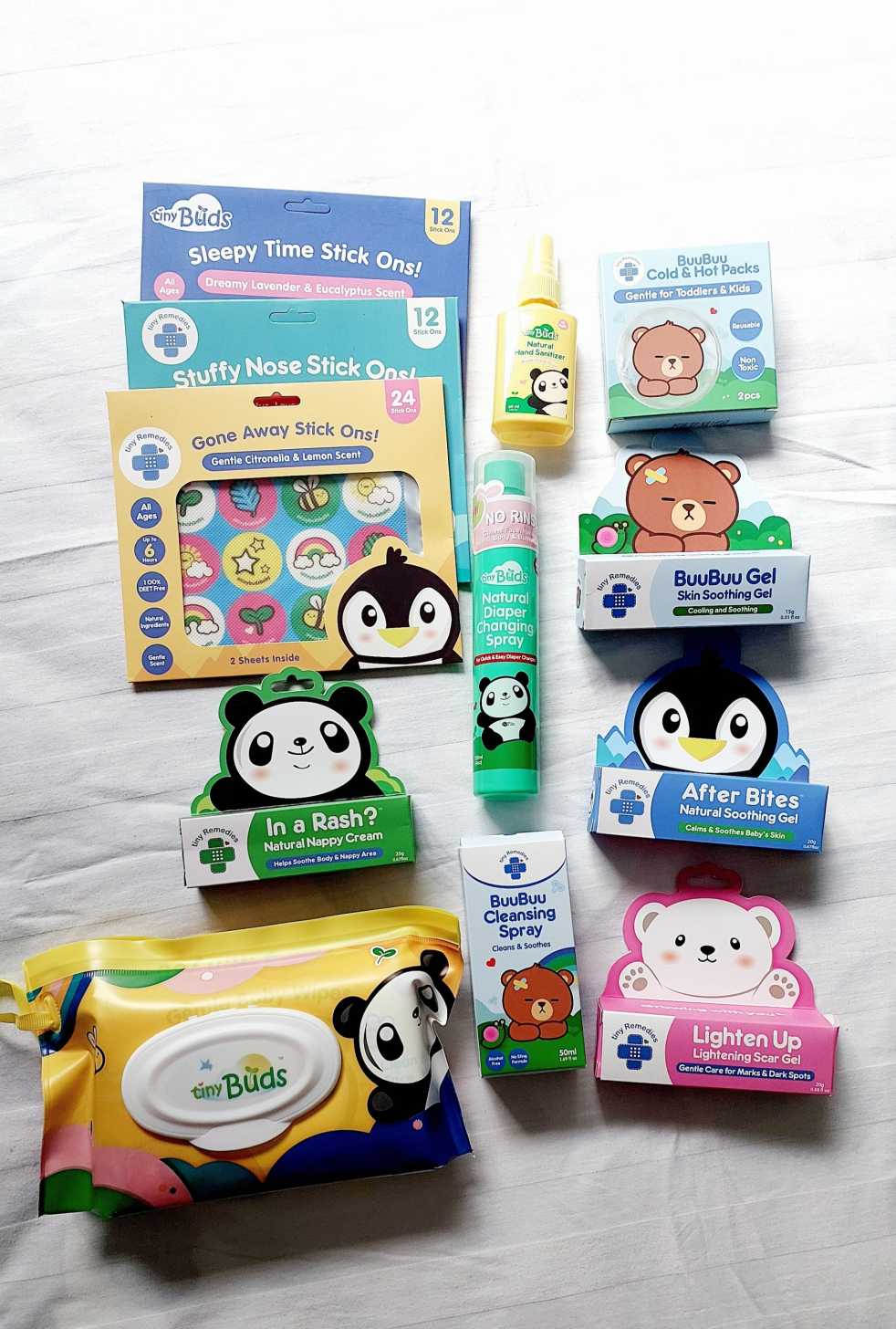
Your baby’s skin is more delicate than most, this is why you have to choose products that are designed for sensitive skin. Tiny Buds is a pioneer in integrating natural ingredients into baby care and today has over 50 innovative natural baby care essentials and is one of the Top Baby Personal Care brands. Here… Continue reading Product Review: Tiny Buds Baby Naturals Baby Essentials
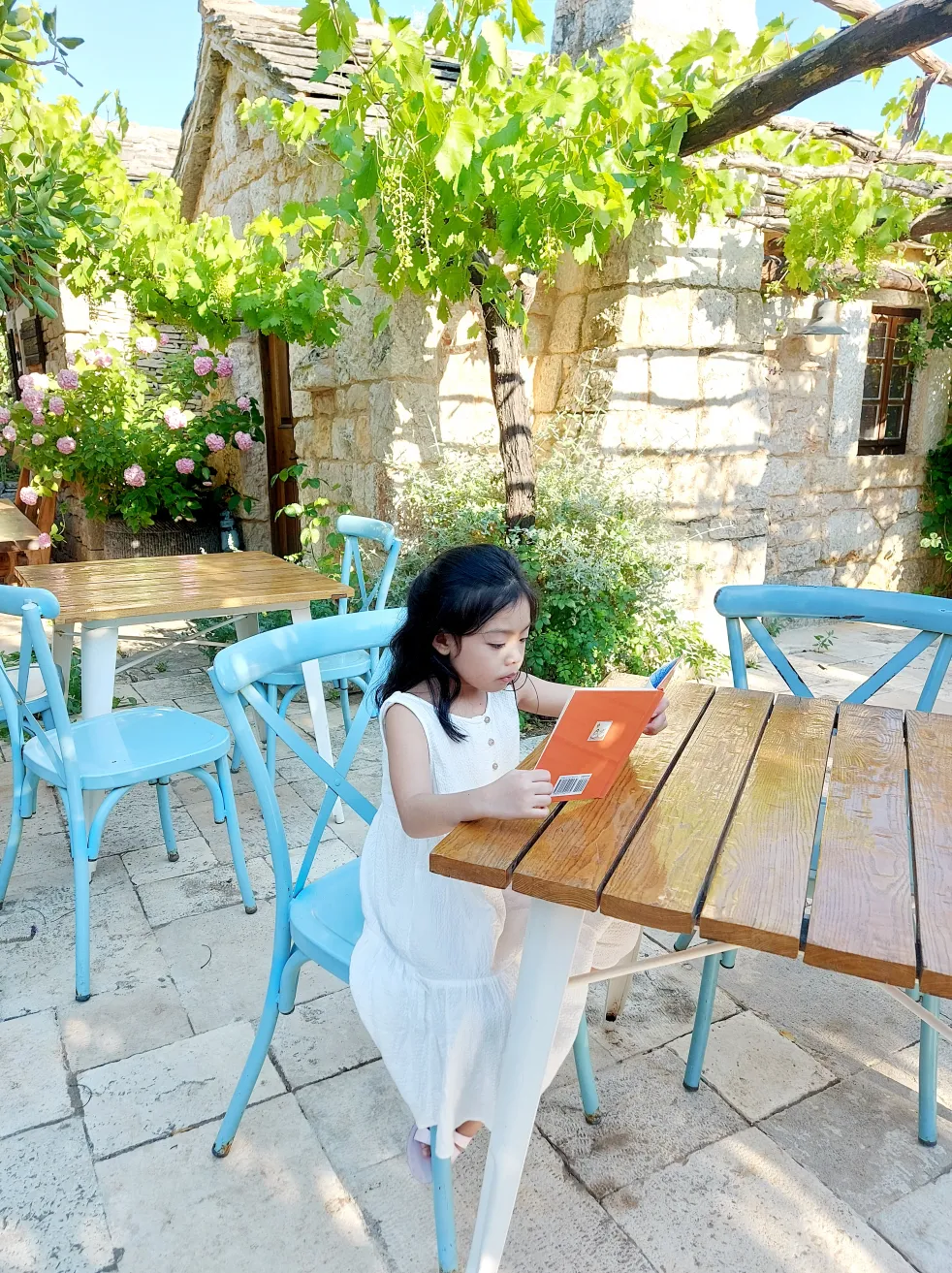
Where your child goes to school is a big decision and shouldn’t be taken lightly. Given how their education can impact their future, you might be tempted to take control and decide for them. However, you might be doing more damage than helping them in the long run. Your job as parents is to support… Continue reading HOW TO CHOOSE THE BEST SCHOOL FOR YOUR CHILD

As poet and philosopher Rumi once eloquently said, “raise your words, not your voice. It is rain that grows flowers, not thunder.” Parenting is a challenging journey, and the truth is that nobody has everything figured out. One parenting style might suit others best, and some might favor other methods. However, children respond better to… Continue reading A SIMPLE GUIDE TO GENTLE PARENTING

Whether you’re a new mom to be, mom of a toddler, mom who have school-aged kids, you’re bound to have so many questions. Let's start with your baby's skin. Infant skin has unique needs; gentle care is essential to prevent damage to the skin barrier, which can lead to irritation. When caring for infant skin,… Continue reading Keeping Baby’s Diapered Skin Healthy
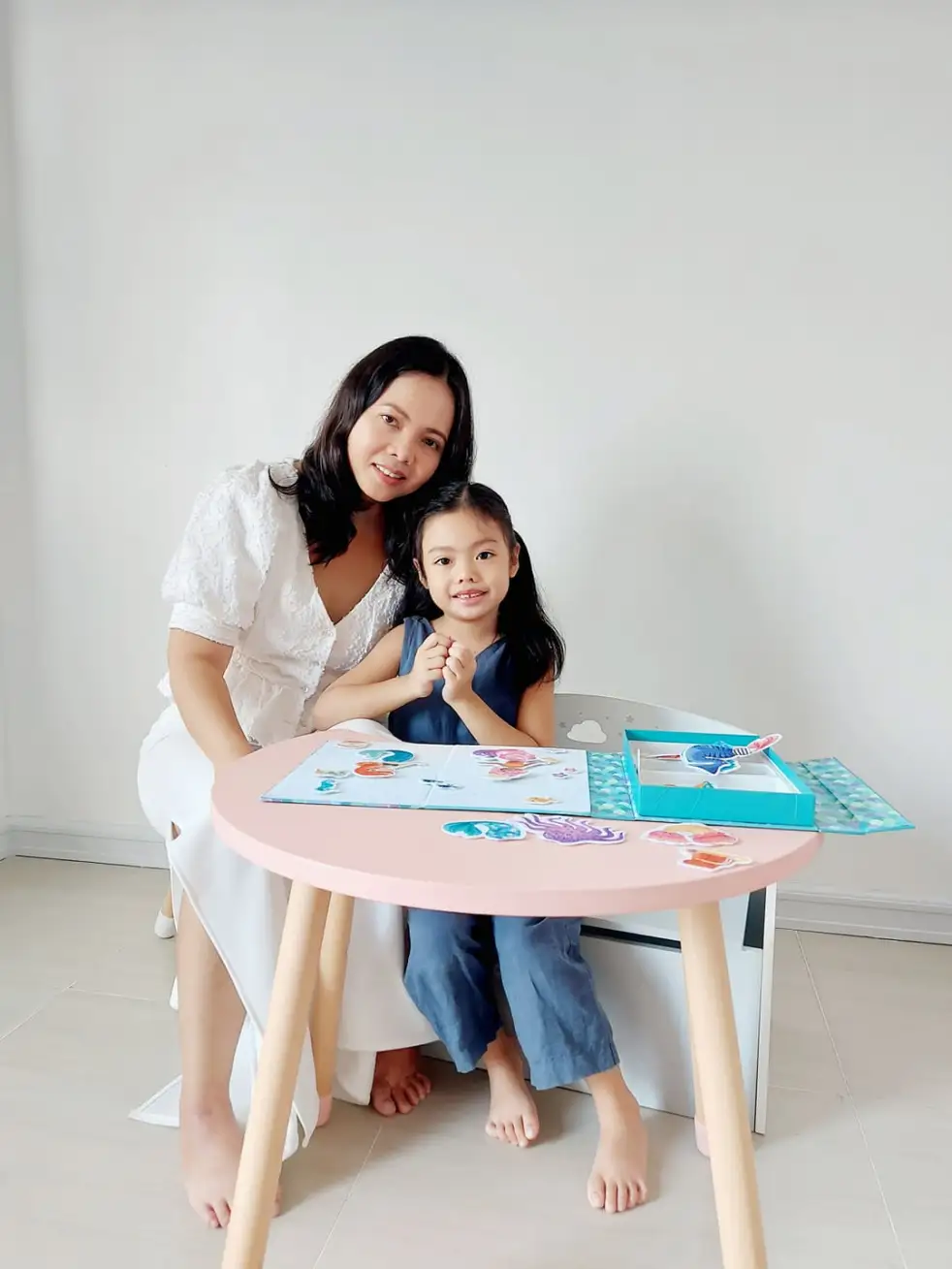
As parents, we want to give our child the best possible start in life and that begins with nurturing their intelligence. Throughout history, the notion of success has been linked to academic intelligence. However, there has been an increased awareness on the importance of emotional intelligence. This question gets at the heart of the never-ending… Continue reading IQ or EQ, which one is a better predictor of your child’s success?
 wondermomma.net