

Last August, IKEA Philippines engaged with Better World Smokey Mountain, a newly opened community center operated by the San Miguel Foundation, which shares a similar goal of improving the lives of many Filipino people. Through this partnership, IKEA Philippines provided and assembled home furnishings for the classrooms and library of Better World Smokey Mountain community… Continue reading Help Create a Better World with IKEA Soft Toys

NutriAsia, the country’s top producer of condiments and sauces, continues its support of Refill Revolution; a project by the Department of Environment and Natural Resources EMB 3 that aims to help reduce Filipinos’ single-use plastics consumption. At Refill Revolution, residents get to recycle their single-use plastic bottles by reusing and filling it with their choice… Continue reading NutriAsia and DENR renews partnership for Refill Revolution

How to Deal With Toddler Nightmares and Night Terrors
A sudden cry in the night can be frightening for both a toddler and a parent. Your child may sit up, call for you, look terrified, or seem impossible to comfort. Although nightmares and night terrors can look similar, they are different sleep events and need slightly different responses.
Nightmares are frightening dreams that usually happen during the second half of the night, when children are more likely to be dreaming vividly. A toddler may wake fully, remember part of the dream, and seek cuddles or reassurance. Night terrors usually happen during deep sleep, often earlier in the night. A child may scream, sweat, breathe quickly, or stare with open eyes while remaining partly asleep.
These episodes are common in early childhood and often improve as the nervous system and sleep patterns mature. A calm, predictable response can help your toddler feel safe while supporting better sleep for the whole family.
Understanding The Difference
During a nightmare, your child is generally awake enough to recognise you. They may describe a monster, animal, accident, or another scary image, even if their explanation is brief. They might be afraid to return to bed, ask to sleep beside you, or need extra reassurance before settling again.
A night terror is more dramatic but usually less emotionally remembered. Your toddler may cry, shout, push you away, or appear confused. Their eyes can be open, yet they may not truly see or respond to you. Trying to wake them forcefully can increase agitation and make the episode last longer.
Night terrors are not the same as bad dreams, and they do not mean that your child has experienced a serious emotional problem. They can be associated with overtiredness, illness, fever, an irregular bedtime, travel, or a sudden change in routine. Some children are simply more prone to them because of family sleep patterns or a naturally deep sleep.
What To Do During A Scary Episode
When your toddler wakes from a nightmare, use a quiet voice and short, reassuring phrases such as, “You are safe. I am here.” Offer a cuddle, a sip of water, or a comfort object if your child wants one. Avoid lengthy explanations in the middle of the night, since a sleepy child may become more alert and have difficulty returning to sleep.
You can acknowledge the feeling without presenting the dream as real. Saying, “That dream felt scary, but it is over now,” validates your toddler while gently bringing them back to the present. A dim night-light, a quick check of the room, and a familiar bedtime phrase may provide enough reassurance.
For a night terror, stay close and keep your child physically safe. Move hard objects away, block access to stairs, and guide them gently if they try to leave the bed. Do not shake, shout, restrain, or insist that they wake up. Most episodes end within a few minutes, although they can feel much longer when you are watching.
| Feature | Nightmare | Night Terror |
|---|---|---|
| Usual timing | More common later in the night | More common in the first part of sleep |
| Child’s state | Usually fully awake | Partly asleep and difficult to wake |
| Response to parents | Seeks comfort and recognises you | May not recognise or respond to you |
| Memory afterward | May remember the dream | Usually has little or no memory |
| Helpful response | Reassure, comfort, and settle | Stay nearby, protect from injury, avoid waking |
| Common triggers | Stress, frightening media, illness, or disrupted sleep | Overtiredness, fever, irregular routines, or deep sleep |
After a night terror, your toddler may simply return to sleep and act normally in the morning. There is usually no need to question them about the event. If they do ask, explain simply that their body was still asleep and that you stayed nearby to keep them safe.
Create A Predictable Sleep Routine
A consistent sleep schedule is one of the most useful ways to reduce sleep disturbances. Toddlers generally need around 11 to 14 hours of sleep in 24 hours, including naps, although individual needs vary. An overly late bedtime, skipped nap, or busy day can leave a child overtired and more vulnerable to night terrors.
Keep the final part of the day quiet and familiar. A routine might include bathing, putting on pyjamas, brushing teeth, reading one short story, singing a lullaby, and saying goodnight. The exact activities matter less than doing them in the same general order each evening.
Try to keep wake-up and bedtime times reasonably steady, including on weekends. When visiting relatives or travelling within the Philippines, bring a familiar blanket, sleep toy, or book and preserve a few parts of your usual routine. Small signals of familiarity can help a toddler settle in a new environment.
Make The Bedroom Feel Safe
A comfortable sleep environment can lower unnecessary stimulation. Keep the room cool, dark, and quiet enough for restful sleep, while using a soft night-light if complete darkness worries your child. Check that the mattress, cot, or bed is suitable for the child’s age and that cords, small objects, and unstable furniture are out of reach.
Be careful with frightening stories, intense videos, and fast-paced screen content before bed. Toddlers may not separate make-believe from reality easily, and an image that seems harmless during the day can return in a dream at night. Choose calm books and simple pretend play as bedtime approaches.
A “monster spray” or elaborate checking ritual may comfort some children briefly, but it can also suggest that monsters are genuinely present. If you use imaginative tools, frame them as a fun bedtime habit rather than protection from a real danger. The strongest message should remain that the home and sleeping space are safe.
Respond With Gentle Reassurance
Your reaction teaches your toddler how to understand nighttime fear. Try to remain calm, even when the crying is intense. Speak slowly, keep the lights low, and avoid showing alarm. Your steady presence helps your child’s body return to a relaxed state.
During the day, invite your toddler to talk about fears through drawing, dolls, or simple storytelling. You might draw a friendly version of a dream and give it a different ending. Keep the conversation brief and age-appropriate; repeatedly revisiting a frightening episode can give it more importance than it needs.
Avoid punishment, teasing, or saying that your child is “too big” to be scared. Also avoid promising that nightmares will never happen again, since that promise cannot be guaranteed. A more helpful message is, “If you wake up scared, we will help you feel safe and go back to sleep.”
Practical Habits That Support Restful Nights
Small daytime and evening adjustments can make a meaningful difference. Keep a brief sleep diary for one or two weeks if episodes are frequent. Note bedtime, nap length, illness, stressful events, screen use, and the time of the episode. Patterns may show that the problem follows missed naps or unusually late nights.
Helpful habits include:
- Protecting an age-appropriate nap and bedtime schedule
- Offering active play and daylight during the day
- Limiting exciting screens and frightening content before sleep
- Keeping dinner, bath, stories, and lights-out in a familiar order
- Using a calm comfort object that is safe for your toddler’s age
If night terrors occur at nearly the same time every night, ask your child’s doctor whether scheduled waking may be appropriate. This involves gently rousing the child about 15 minutes before the usual episode for several nights, then allowing them to settle again. It should be discussed with a healthcare professional first, particularly for very young children or families unsure whether the episodes are night terrors.
Know When To Seek Medical Advice
Occasional nightmares or night terrors are usually harmless, but speak with a paediatrician if episodes are frequent, worsening, or disrupting your child’s daytime behaviour. Medical advice is also important if your toddler is extremely sleepy during the day, snores loudly, gasps, pauses in breathing, or struggles to breathe at night.
Seek help if the events begin after a frightening experience and your child shows persistent anxiety, withdrawal, regression, or major changes in eating and behaviour. A doctor can consider sleep problems, reflux, fever, medication effects, breathing difficulties, or other causes that may resemble a parasomnia.
Keep your child safe during every episode, especially if they walk or climb while asleep. Secure stairs and windows, use suitable bed rails when appropriate, and remove objects that could cause injury. If an event involves unusual stiffening, repeated jerking, blue lips, serious breathing trouble, or an injury, seek urgent medical care.
Nighttime fears can test a parent’s patience, but they are also an opportunity to offer dependable comfort. With a regular sleep rhythm, a safe bedroom, and a gentle response, most toddlers gradually move through this stage. Track recurring patterns, share concerns with your child’s healthcare provider, and keep offering the calm reassurance that helps your little one feel secure.

Mercato Centrale, in collaboration with Indian Women in Enterprise Philippines (I-We), is set to host "The Great Indian Fiesta" to mark 75 years of friendship between India and the Philippines. The dynamic two-day event is scheduled to take place on September 30 to October 1, 2023, at Paseo De Roxas Street, Makati City. Aiming to… Continue reading Mercato Centrale Partners with I-We to Host ‘The Great Indian Fiesta’, Commemorating 75 Years of India-Philippines Friendship

My stomach would usually start growling at 10 am even after taking a big breakfast. This is probably because I am a morning person and I move a lot throughout the day hence snacking is something that I can't avoid. This potatoes and chicken wrap recipe is easy to prepare and would keep me full… Continue reading Potato and Chicken Wrap
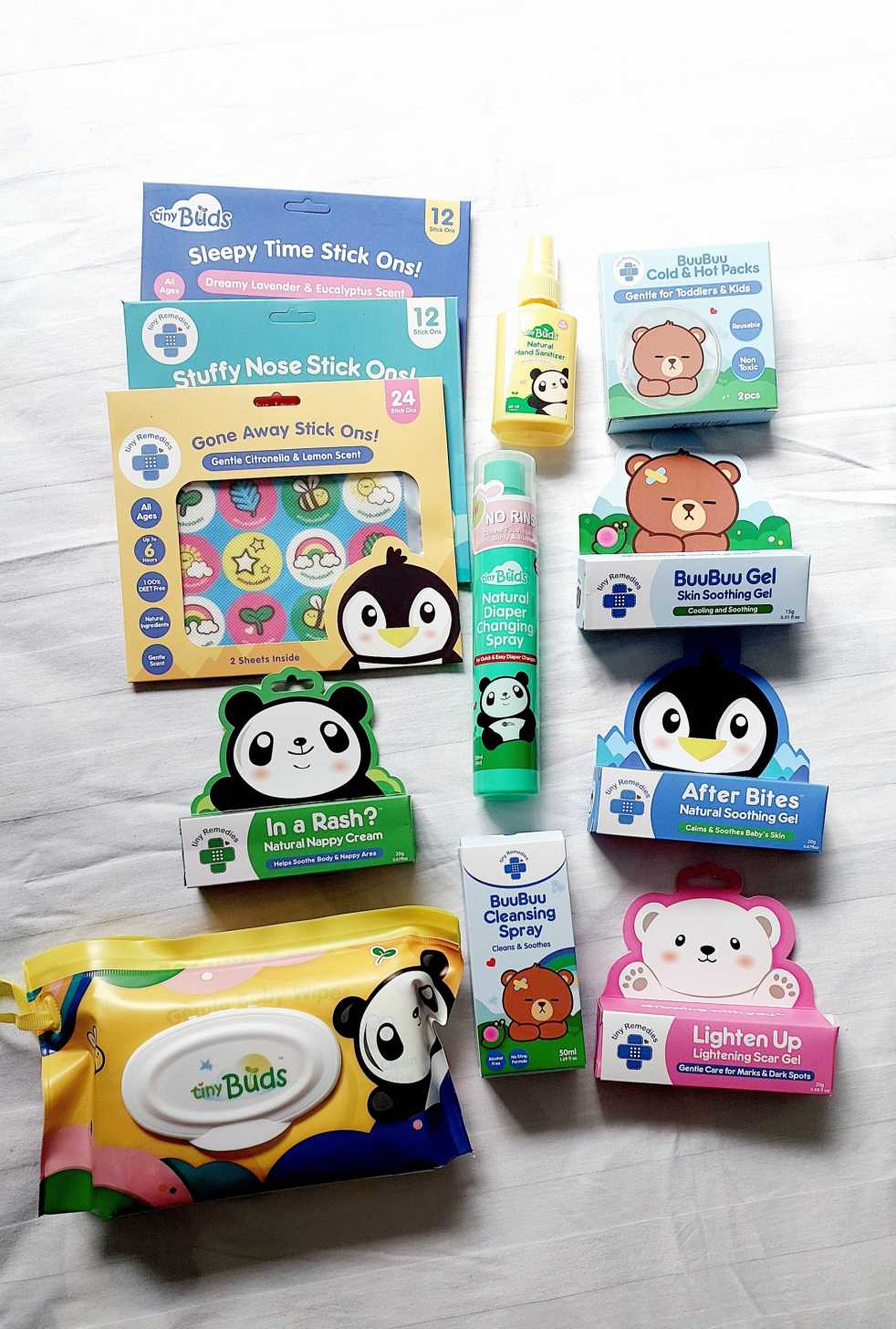
Your baby’s skin is more delicate than most, this is why you have to choose products that are designed for sensitive skin. Tiny Buds is a pioneer in integrating natural ingredients into baby care and today has over 50 innovative natural baby care essentials and is one of the Top Baby Personal Care brands. Here… Continue reading Product Review: Tiny Buds Baby Naturals Baby Essentials
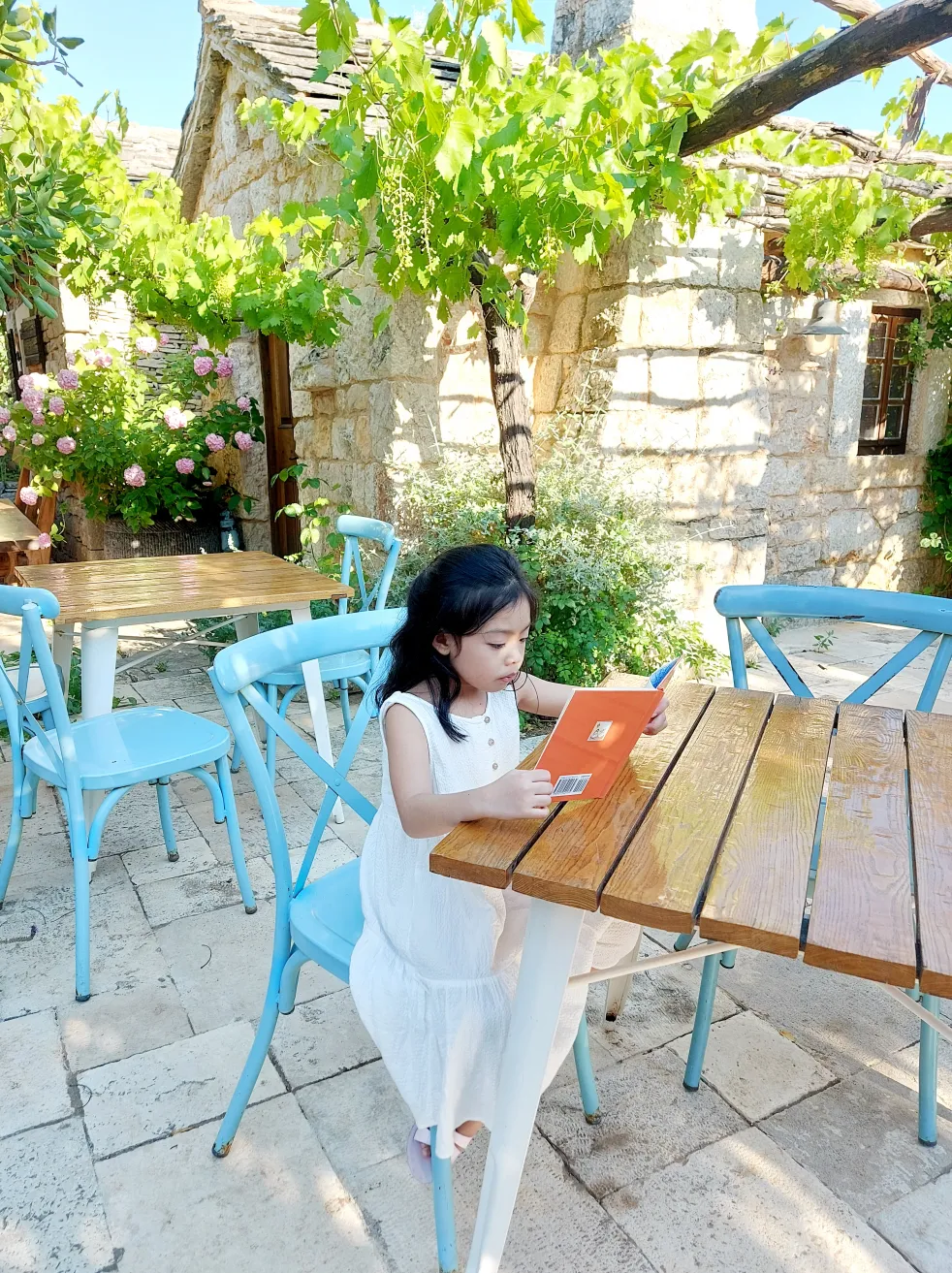
Where your child goes to school is a big decision and shouldn’t be taken lightly. Given how their education can impact their future, you might be tempted to take control and decide for them. However, you might be doing more damage than helping them in the long run. Your job as parents is to support… Continue reading HOW TO CHOOSE THE BEST SCHOOL FOR YOUR CHILD

As poet and philosopher Rumi once eloquently said, “raise your words, not your voice. It is rain that grows flowers, not thunder.” Parenting is a challenging journey, and the truth is that nobody has everything figured out. One parenting style might suit others best, and some might favor other methods. However, children respond better to… Continue reading A SIMPLE GUIDE TO GENTLE PARENTING

Whether you’re a new mom to be, mom of a toddler, mom who have school-aged kids, you’re bound to have so many questions. Let's start with your baby's skin. Infant skin has unique needs; gentle care is essential to prevent damage to the skin barrier, which can lead to irritation. When caring for infant skin,… Continue reading Keeping Baby’s Diapered Skin Healthy

As parents, we want to give our child the best possible start in life and that begins with nurturing their intelligence. Throughout history, the notion of success has been linked to academic intelligence. However, there has been an increased awareness on the importance of emotional intelligence. This question gets at the heart of the never-ending… Continue reading IQ or EQ, which one is a better predictor of your child’s success?
 wondermomma.net