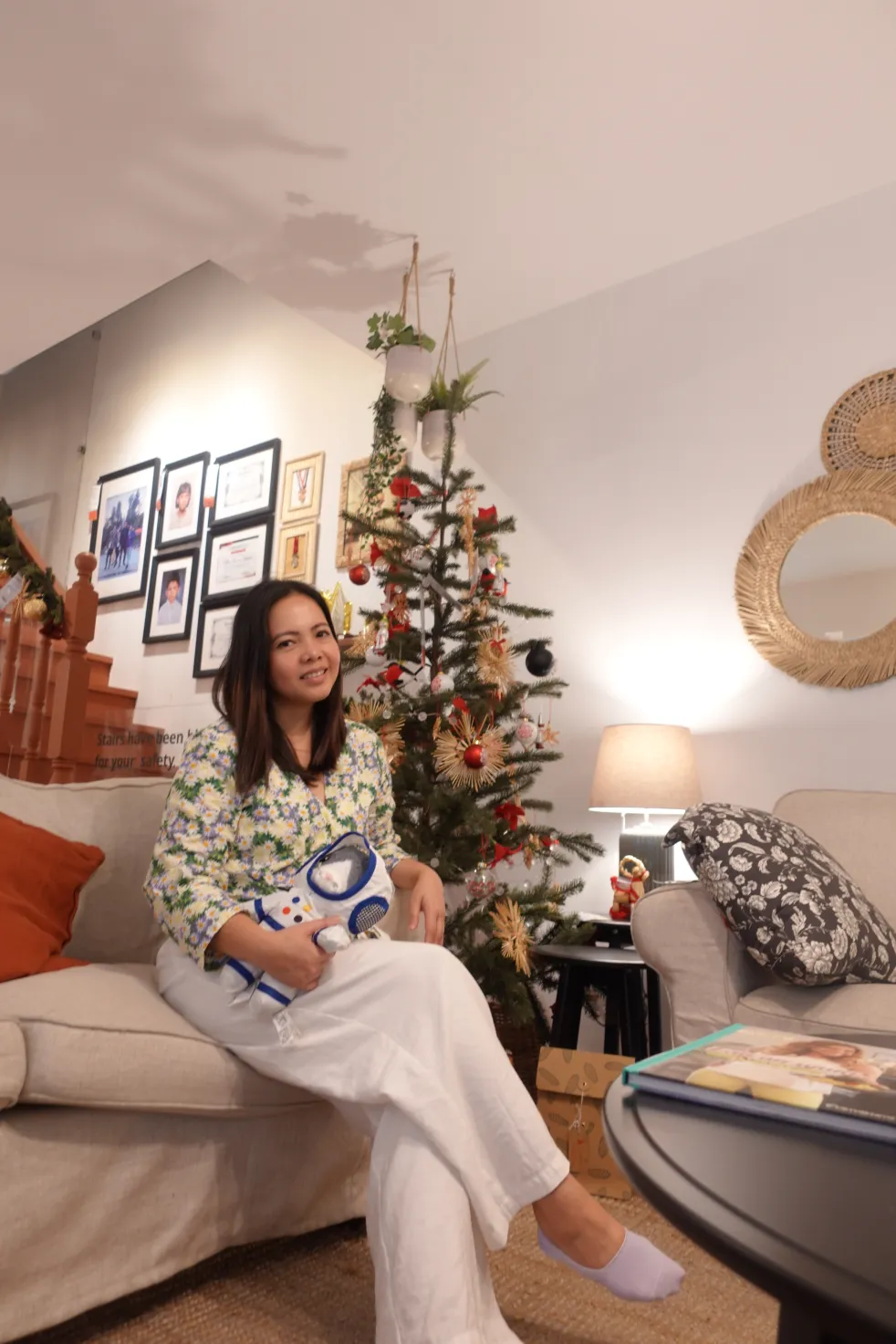
Last August, IKEA Philippines engaged with Better World Smokey Mountain, a newly opened community center operated by the San Miguel Foundation, which shares a similar goal of improving the lives of many Filipino people. Through this partnership, IKEA Philippines provided and assembled home furnishings for the classrooms and library of Better World Smokey Mountain community… Continue reading Help Create a Better World with IKEA Soft Toys
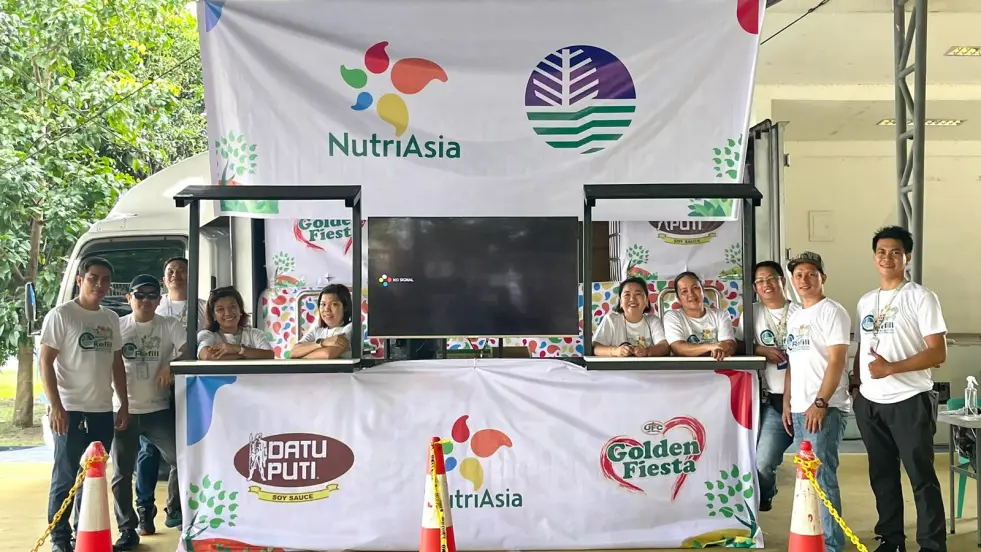
NutriAsia, the country’s top producer of condiments and sauces, continues its support of Refill Revolution; a project by the Department of Environment and Natural Resources EMB 3 that aims to help reduce Filipinos’ single-use plastics consumption. At Refill Revolution, residents get to recycle their single-use plastic bottles by reusing and filling it with their choice… Continue reading NutriAsia and DENR renews partnership for Refill Revolution

Helping Your Child Ride a Bike Without Training Wheels
Watching a child glide on two wheels for the first time is one of those magic parenting moments, right up there with first steps and first words. For Aussie families, bike riding is almost a rite of passage, whether you're cruising along the Brisbane River, weaving through Melbourne's neighbourhood streets, or exploring the coastal paths around Sydney's Centennial Park. Yet the leap from stabilisers to solo riding can feel daunting for both parent and child.
The good news is that with the right preparation, plenty of patience, and a few local tricks, you can make this milestone smoother. Australian kids grow up surrounded by bike culture, from ride-to-school days to weekend rides with the family, so they often take to it faster than you might expect. This guide walks you through practical steps, gear choices, and confidence-building tips tailored to families here.
Spotting the Readiness Signs
Before you remove those training wheels, take a step back and assess whether your child is genuinely ready. Most children show readiness somewhere between four and seven, but age alone tells you very little. Look for physical signs like being able to stand on tiptoes while flat-footing the bike, comfortable coordination on a scooter, and the stamina to keep up with their friends at the local playground.
Cognitive and emotional readiness matters just as much. A child who can follow multi-step instructions, listen to feedback about braking or steering, and recover quickly from a minor tumble will learn much faster. If your little one is still working through earlier milestones, such as 10 signs your child is ready for potty training, you may find the same readiness framework useful here. Both skills rely on a mix of physical ability, attention span, and a willingness to try something new without fear.
Take your child to a quiet park, plonk them on the saddle, and see how they react. Do they push off with their feet eagerly? Are they curious about balancing? These small moments tell you far more than any checklist, and they often reveal readiness long before your child admits to wanting to learn.
Choosing the Right Bike and Safety Gear
A properly sized bike is non-negotiable. Australian kids' bikes are usually measured by wheel size, and the general rule is that your child should be able to sit on the saddle with both feet flat on the ground. Big W, Kmart, and Rebel all stock entry-level options, while specialty shops in places like Brisbane's Fortitude Valley or Melbourne's Brunswick offer lighter frames that are easier to handle. Lightweight aluminium makes a real difference when a small body is trying to balance a heavy bike.
Helmets must meet Australian and New Zealand standards (look for the AS/NZS 2063 sticker inside the shell). A bright coloured helmet not only keeps them visible but also makes spotting them in a busy park much easier. Knee and elbow pads are optional but can be a confidence boost in the early days, especially for kids who are naturally cautious or have already had a couple of rough spills.
Don't forget the extras that Aussie weather demands. Pop a hat under the helmet on UV-heavy afternoons, apply sunscreen before heading out, and pack a water bottle. Summer rides in Perth or Adelaide can get unbearably hot by 11am, so early morning or late afternoon sessions are often the most pleasant for everyone involved.
Picking a Learning Method That Suits Your Child
There are a few different ways to approach the no-training-wheels journey, and the best one depends on your child's personality and prior experience. The table below compares the three most common approaches Australian parents tend to use.
| Approach | Best For | Main Benefits | Watch Out For |
|---|---|---|---|
| Balance bike (pedals removed) | Ages 3-5, cautious beginners | Builds balance and steering intuitively | Limited to smoother surfaces, smaller wheels |
| Direct to small pedal bike | Ages 5-7, confident kids | Realistic feel from day one, faster progression | Can feel wobbly at first, more falls |
| Run-alongside method | Parents with patience and time | Gentle, supportive, no extra gear needed | Requires a helper and open space |
Many Australian families start with a balance bike around age three or four, then move straight to a small pedal bike without ever using stabilisers. Kids who skip training wheels tend to develop a stronger sense of balance earlier, simply because they've never relied on them. Watch any preschool playground and you'll see plenty of tiny riders already gliding confidently on two wheels.
That said, every child is different. If your little one feels more secure starting on a pedal bike with the seat lowered so their feet can touch, that's perfectly fine too. Confidence matters more than method, and the best approach is the one your child will actually enjoy.
Finding the Right Place to Practise
Location matters more than most parents realise. A flat, smooth bitumen path with no traffic is the ideal training ground. Many local councils run learn-to-ride sessions, and these are gold for first-timers. Brisbane City Council, for instance, hosts free family cycling events along the river, while the City of Sydney runs pop-up skills clinics during the school holidays.
If you'd rather practise at home, a quiet cul-de-sac, an empty netball court, or even a stretch of grass in your local park works well. Grass slows falls and gives wobbly riders a softer landing, though it does make pedalling harder. For pure balance work, a slight downhill slope can help children feel momentum without much effort, but always check the surface for sticks or rocks first.
Avoid busy roads, gravel driveways, or footpaths near major intersections until your child is confidently stopping and starting on their own. Mornings tend to be quieter in suburban streets, and the cool air makes practice far more comfortable during the warmer months across most of the country.
Mastering Balance Before Pedalling
Here's the secret most parents skip: balance should come before pedalling. Lower the saddle so your child can walk the bike along with their feet flat on the ground. This turns the bike into a kind of scooter, letting them practise steering and balance without the complication of coordinating footwork.
Once they're gliding with their feet up for a few seconds at a time, you can reintroduce the pedals. Expect a wobble or two at first. Hold the back of the seat or the collar of their shirt for stability, then gradually let go for longer stretches. The moment they realise they're riding without help is genuinely unforgettable, and it usually comes much sooner than parents anticipate.
Cheer them on, but resist the urge to over-instruct. Short, frequent sessions of fifteen to twenty minutes work far better than one long exhausting hour. Kids retain skills best when they're having fun, not when they're tired, sweaty, and grumpy about being dragged outside for yet another lesson.
Building Real-World Confidence on Local Paths
After a week or two of backyard success, it's time to take the skills to slightly busier environments. Start with a familiar route, like the path around your local oval or the walking track near your favourite playground. Point out landmarks, name the turns, and talk about what to do at crossings.
Australia has some brilliant family-friendly cycling routes worth exploring once your child is steady. The Bayside paths in Melbourne, the riverside tracks from New Farm to Kangaroo Point in Brisbane, and the coastal paths from Bondi to Bronte in Sydney all offer smooth surfaces, beautiful scenery, and plenty of room to ride side by side. Riding with a parent on these routes helps kids learn road awareness in a low-pressure setting while soaking up our famously good weather.
Before long, your child will be itching to ride to a friend's place, the local shops, or even to school. Pack a small backpack with snacks, water, and a spare tube if you're going further afield, and you'll find that the skills you've built at home translate beautifully to the real world.
Practical Pointers for a Smoother Ride
- Start with a balance-bike approach by lowering the saddle and removing pedals for the first few sessions
- Choose a flat, traffic-free space like a schoolyard on weekends or a quiet cul-de-sac
- Make sure the helmet meets Australian safety standards and fits snugly without rocking
- Keep practice sessions short, around fifteen to twenty minutes, and end on a win
- Celebrate small wins with high-fives, sticker charts, or a trip to the local ice cream shop
- Layer up with sunscreen, a hat under the helmet, and plenty of water in warmer months
- Progress gradually from grass to smooth bitumen before tackling busier shared paths

Mercato Centrale, in collaboration with Indian Women in Enterprise Philippines (I-We), is set to host "The Great Indian Fiesta" to mark 75 years of friendship between India and the Philippines. The dynamic two-day event is scheduled to take place on September 30 to October 1, 2023, at Paseo De Roxas Street, Makati City. Aiming to… Continue reading Mercato Centrale Partners with I-We to Host ‘The Great Indian Fiesta’, Commemorating 75 Years of India-Philippines Friendship

My stomach would usually start growling at 10 am even after taking a big breakfast. This is probably because I am a morning person and I move a lot throughout the day hence snacking is something that I can't avoid. This potatoes and chicken wrap recipe is easy to prepare and would keep me full… Continue reading Potato and Chicken Wrap
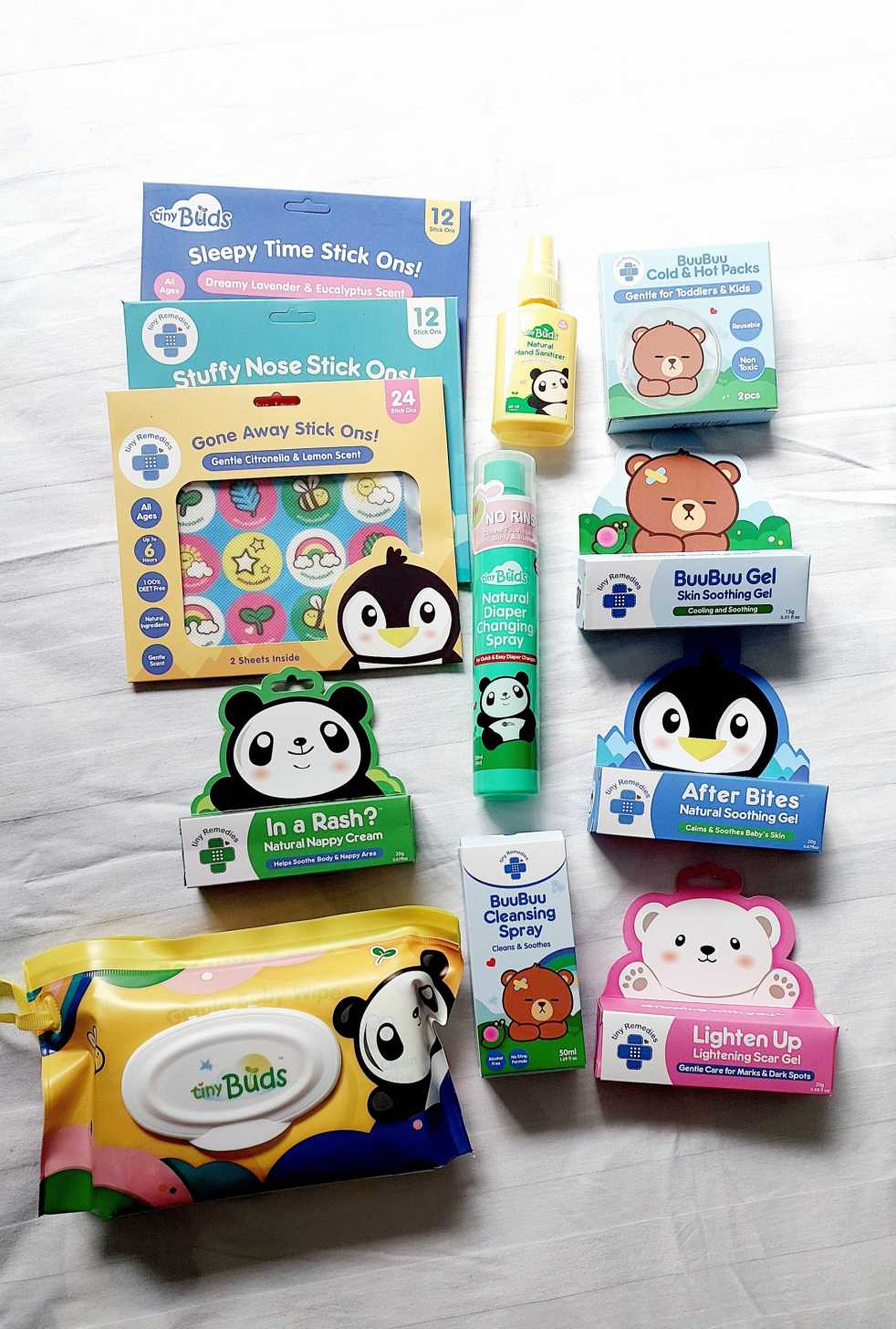
Your baby’s skin is more delicate than most, this is why you have to choose products that are designed for sensitive skin. Tiny Buds is a pioneer in integrating natural ingredients into baby care and today has over 50 innovative natural baby care essentials and is one of the Top Baby Personal Care brands. Here… Continue reading Product Review: Tiny Buds Baby Naturals Baby Essentials
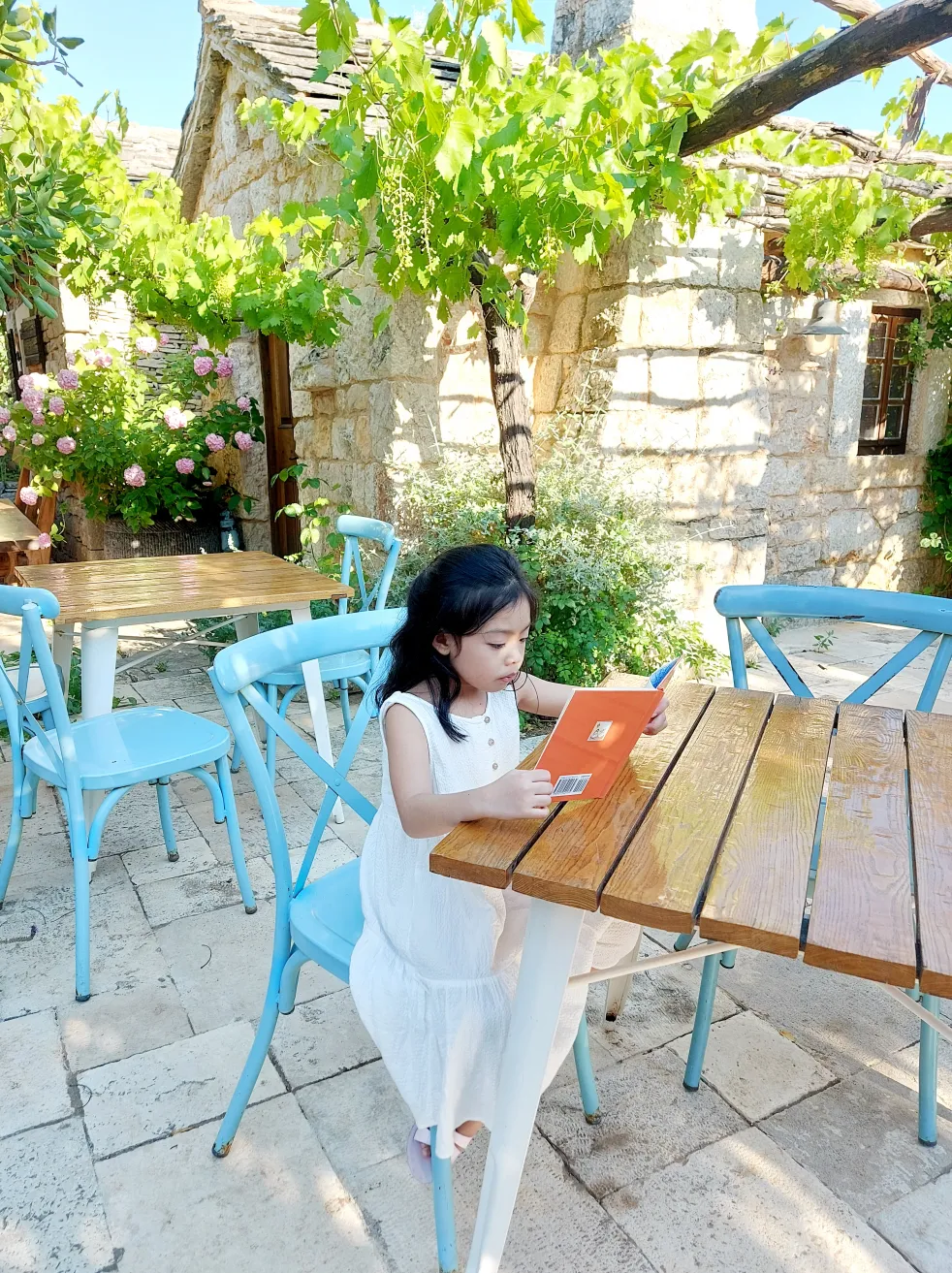
Where your child goes to school is a big decision and shouldn’t be taken lightly. Given how their education can impact their future, you might be tempted to take control and decide for them. However, you might be doing more damage than helping them in the long run. Your job as parents is to support… Continue reading HOW TO CHOOSE THE BEST SCHOOL FOR YOUR CHILD
As poet and philosopher Rumi once eloquently said, “raise your words, not your voice. It is rain that grows flowers, not thunder.” Parenting is a challenging journey, and the truth is that nobody has everything figured out. One parenting style might suit others best, and some might favor other methods. However, children respond better to… Continue reading A SIMPLE GUIDE TO GENTLE PARENTING
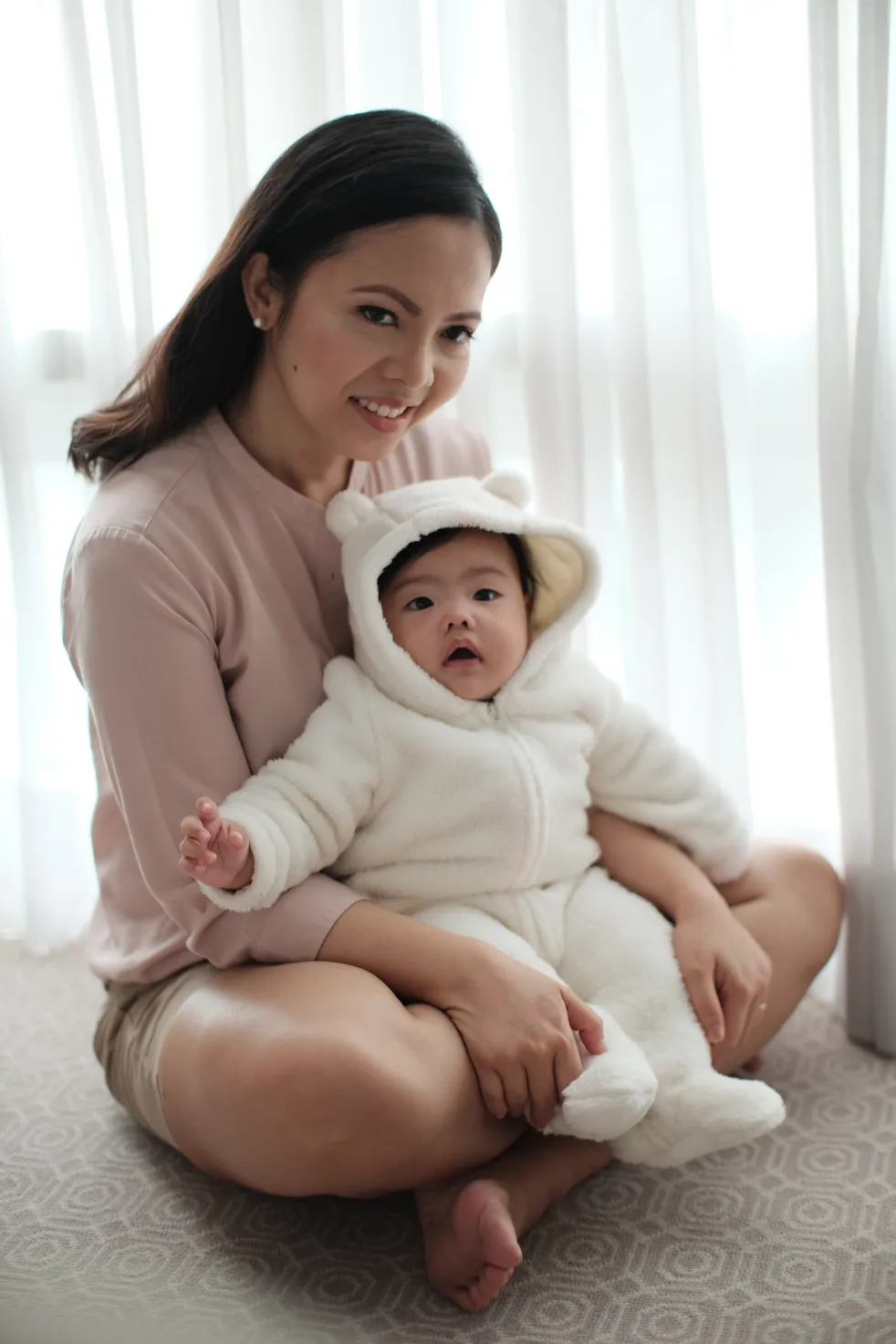
Whether you’re a new mom to be, mom of a toddler, mom who have school-aged kids, you’re bound to have so many questions. Let's start with your baby's skin. Infant skin has unique needs; gentle care is essential to prevent damage to the skin barrier, which can lead to irritation. When caring for infant skin,… Continue reading Keeping Baby’s Diapered Skin Healthy
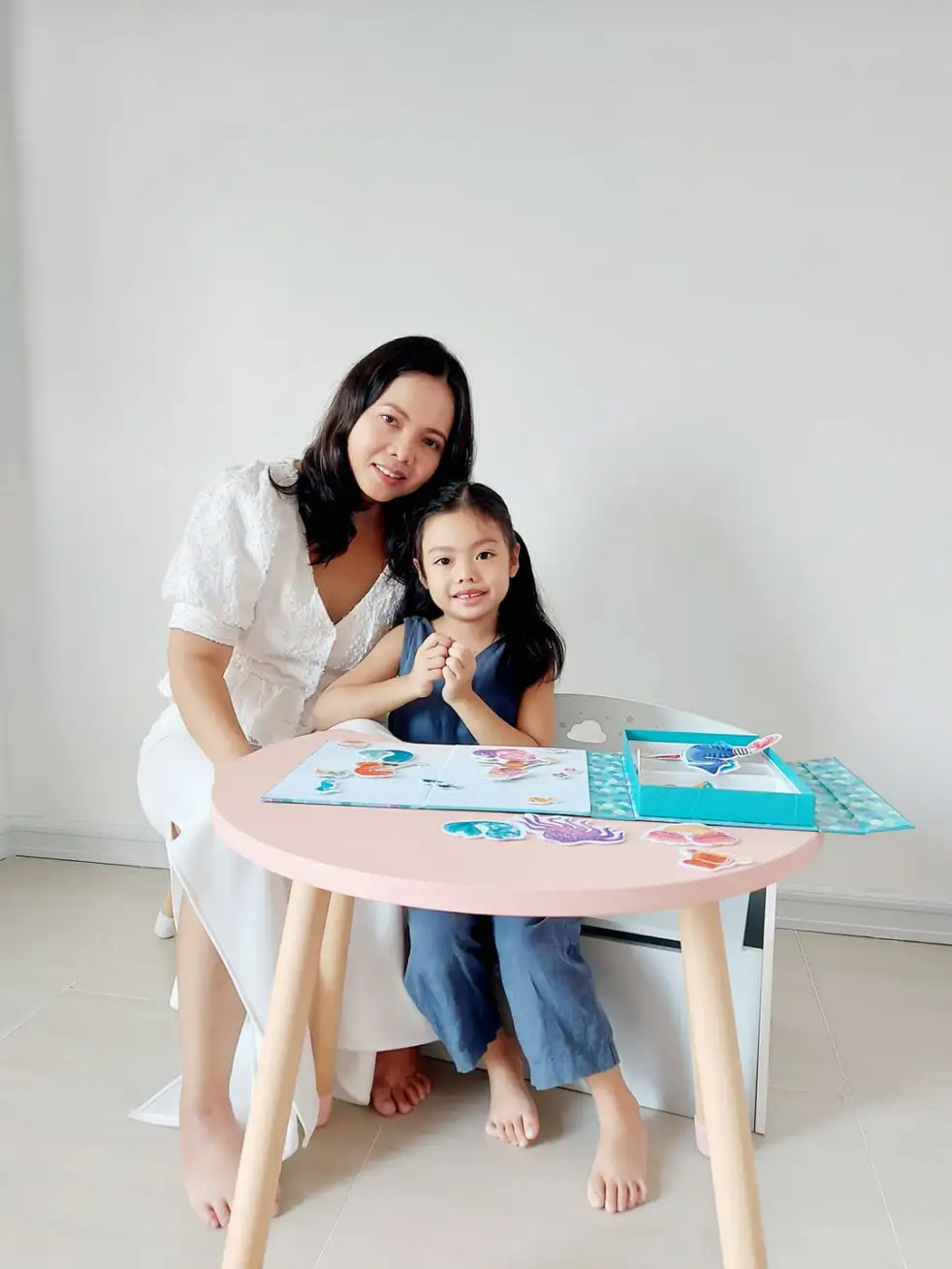
As parents, we want to give our child the best possible start in life and that begins with nurturing their intelligence. Throughout history, the notion of success has been linked to academic intelligence. However, there has been an increased awareness on the importance of emotional intelligence. This question gets at the heart of the never-ending… Continue reading IQ or EQ, which one is a better predictor of your child’s success?
 wondermomma.net