

Last August, IKEA Philippines engaged with Better World Smokey Mountain, a newly opened community center operated by the San Miguel Foundation, which shares a similar goal of improving the lives of many Filipino people. Through this partnership, IKEA Philippines provided and assembled home furnishings for the classrooms and library of Better World Smokey Mountain community… Continue reading Help Create a Better World with IKEA Soft Toys

NutriAsia, the country’s top producer of condiments and sauces, continues its support of Refill Revolution; a project by the Department of Environment and Natural Resources EMB 3 that aims to help reduce Filipinos’ single-use plastics consumption. At Refill Revolution, residents get to recycle their single-use plastic bottles by reusing and filling it with their choice… Continue reading NutriAsia and DENR renews partnership for Refill Revolution

How to Talk to Your Grade Schooler About Money and Saving
Money conversations can begin long before a child receives regular pocket money. Grade schoolers notice who taps a card at the supermarket, how much an ice cream costs, and why a family may choose one activity over another. Simple, calm explanations help them understand that money is a tool for making choices rather than a source of worry or secrecy.
For Australian families, these lessons can fit naturally into ordinary routines, from comparing prices at Coles or Woolworths to planning spending for a school excursion in Sydney, Brisbane or Melbourne. The aim is not to turn children into little accountants. It is to build confidence, patience and practical decision-making through age-appropriate conversations.
Start With Everyday Money Moments
Use real situations to explain where money comes from and where it goes. When you pay for groceries, describe the exchange in clear language: “We use money to buy the food our family needs.” If your child sees you tap a debit card, explain that tapping is simply a way to use money held in a bank account. This helps them understand that digital payments are not unlimited or magic.
Let your child hear the difference between earning, spending, saving and giving. A parent’s wage pays for household needs, while pocket money may be earned through agreed responsibilities. Avoid sharing adult financial stress in a frightening way, but do explain limits honestly: “That toy is not part of our plan today. We are choosing groceries and your swimming lesson first.”
When travelling around Australia, point out how prices can vary. A snack at a petrol station may cost more than the same item in a supermarket, while a weekend market may offer different choices from a shopping centre. These observations turn everyday errands into gentle financial education without making the child feel tested.
Explain Needs Wants And Choices
Grade schoolers often see a want as urgent. Rather than dismissing it, acknowledge the feeling and help them sort it. Food for lunch, a warm jacket and school supplies are needs. A collectible, extra app purchase or second dessert may be a want. Some items can sit between the two, such as sports equipment or a birthday gift, depending on the family’s circumstances.
A useful phrase is, “We can want something and still decide to wait.” Waiting gives children time to think rather than react. Encourage them to compare options, check what they already own and consider how long they would need to save. If they want a new game, help them look at the full price, any in-app purchases and whether it will replace another activity.
Choices also include family values. Some families may set aside money for charitable giving, community events or visiting relatives. Children can take part by choosing a small donation or helping select a gift. If a younger sibling is unwell, planning meals and avoiding unnecessary spending can be part of caring for everyone; these soothing sick-day recipes may help families manage a simple recovery routine at home.
Create A Saving System They Can See
Saving is easier for children when progress is visible. Use three labelled jars, envelopes or containers: spend, save and share. A child might divide $5 into $2 for immediate spending, $2 for a larger goal and $1 for giving. The exact amounts can change, but the habit of dividing money helps them practise planning.
Choose a goal that is realistic enough to maintain interest. A small Lego set, book, craft kit or outing may be more motivating than an expensive item that takes a year to reach. Write the target amount on a chart and add a sticker whenever money goes into the saving container. Avoid taking money out of the jar to cover ordinary family expenses, as predictability builds trust.
Small Habits That Build Confidence
- Count coins together and identify Australian notes and their values.
- Set a short saving target before attempting a larger one.
- Compare two products by price, size and usefulness.
- Celebrate reaching a goal without making spending the only reward.
A bank account can be introduced when the child understands the basic system. Some Australian banks offer children’s accounts, but families should check fees, access rules and parental controls before opening one. A child does not need to manage online banking independently; an adult can supervise while explaining how money moves from saving to spending.
Questions That Keep The Conversation Open
- “What are you saving for?”
- “How could you make this money last longer?”
- “Which choice matters most to you today?”
- “What would you do differently next time?”
Use Pocket Money As Practice
Pocket money works best when expectations are clear and consistent. Decide whether it is linked to ordinary family responsibilities, extra jobs or a combination. Children should understand that everyone contributes to household life, so basic tasks such as putting away belongings may remain part of being a family member. Extra jobs, such as washing the car or helping in the garden, can be connected to earning.
Choose a payment schedule that suits your child’s age. Weekly pocket money is often easier for younger grade schoolers to understand than a monthly amount. Pay on the same day and use the moment to count, divide and record the money. If your child spends everything immediately, resist rescuing them with an advance. Experiencing a short wait for the next payment can teach more than a lecture.
Pocket money should not be used to control every behaviour or punish emotions. A child who is tired, anxious or struggling with schoolwork may need support rather than a financial penalty. Keep responsibilities, consequences and emotional care separate so money remains a safe topic.
Make Room For Mistakes And Big Feelings
A child may spend their savings on something disappointing, lose a coin pouch or lend money to a friend without thinking. These moments can feel upsetting, but they are valuable opportunities to practise problem-solving. Ask what happened, what they hoped would happen and what they might check next time. Avoid shaming language that makes mistakes seem like evidence of irresponsibility.
If a child says, “It’s not fair that I can’t buy everything,” reflect the feeling before explaining the limit. “You really wanted that, and it is hard to wait. We have decided not to spend that amount today.” This response shows empathy while keeping the boundary firm.
Children also need to learn about borrowing and returning money. For a small loan between siblings, write down the amount and repayment date. Explain that borrowing means using someone else’s money with a clear promise to return it. Never pressure a child to lend their savings, and teach them that they can say no to requests from friends.
Online spending deserves special attention. Passwords, game credits and one-click purchases can make money feel invisible. Keep payment details private, switch on parental controls and review purchases together. Explain that a free game may still include paid extras, and that asking before buying is part of being safe online.
Connect Saving With Family Goals
Children understand saving more deeply when they see it connected to something meaningful. A family might save for a zoo visit, camping weekend, new bicycle or holiday trip. In a household using public transport, a child could help plan the cost of an Opal card trip in Sydney or a Myki journey in Melbourne. They can compare fares, pack snacks and see how small decisions affect the total.
Invite your child to contribute an age-appropriate amount without making them responsible for the family budget. A child might put $1 from pocket money toward a shared outing while adults cover the larger costs. This teaches cooperation and shows that planning can make enjoyable experiences possible.
The following guide can help families match a money lesson to a child’s readiness:
| Money Skill | What A Grade Schooler Can Practise | Helpful Adult Support |
|---|---|---|
| Identifying value | Naming coins, notes and simple prices | Count slowly and check the total together |
| Making choices | Selecting one item within a limit | Offer two or three suitable options |
| Saving | Working toward a small, visible goal | Use a chart, jar or supervised account |
| Comparing prices | Checking size, quality and cost | Explain that the cheapest option is not always best |
| Giving | Choosing a small donation or gift | Let the child decide within an agreed amount |
| Digital spending | Asking before an online purchase | Use parental controls and review transactions |
Keep returning to the same ideas in different settings. A conversation at the supermarket may focus on unit pricing, while a birthday may involve budgeting for a gift. Over time, children learn that money decisions are part of everyday life, and that careful planning can support both personal goals and family wellbeing.

Mercato Centrale, in collaboration with Indian Women in Enterprise Philippines (I-We), is set to host "The Great Indian Fiesta" to mark 75 years of friendship between India and the Philippines. The dynamic two-day event is scheduled to take place on September 30 to October 1, 2023, at Paseo De Roxas Street, Makati City. Aiming to… Continue reading Mercato Centrale Partners with I-We to Host ‘The Great Indian Fiesta’, Commemorating 75 Years of India-Philippines Friendship

My stomach would usually start growling at 10 am even after taking a big breakfast. This is probably because I am a morning person and I move a lot throughout the day hence snacking is something that I can't avoid. This potatoes and chicken wrap recipe is easy to prepare and would keep me full… Continue reading Potato and Chicken Wrap
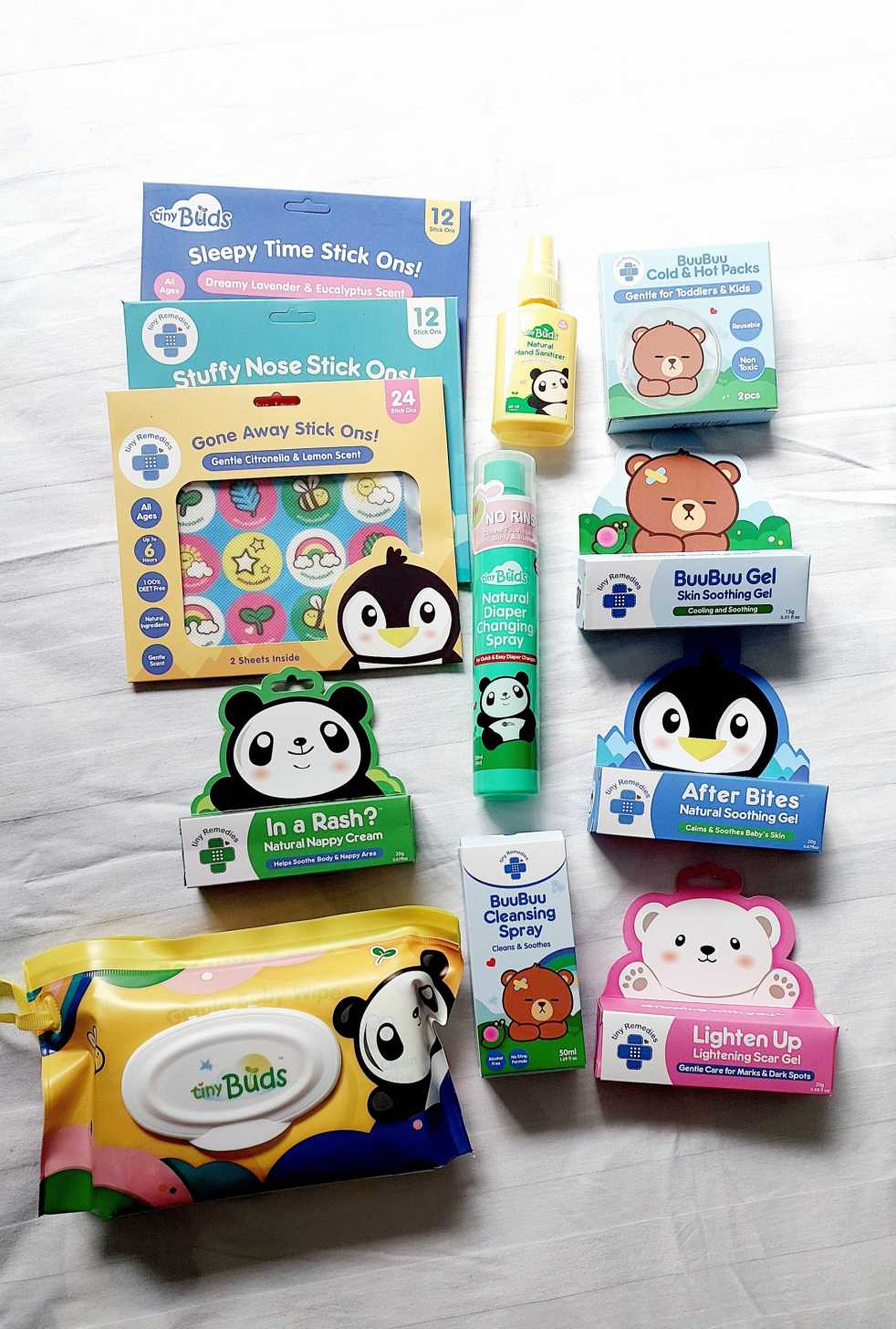
Your baby’s skin is more delicate than most, this is why you have to choose products that are designed for sensitive skin. Tiny Buds is a pioneer in integrating natural ingredients into baby care and today has over 50 innovative natural baby care essentials and is one of the Top Baby Personal Care brands. Here… Continue reading Product Review: Tiny Buds Baby Naturals Baby Essentials
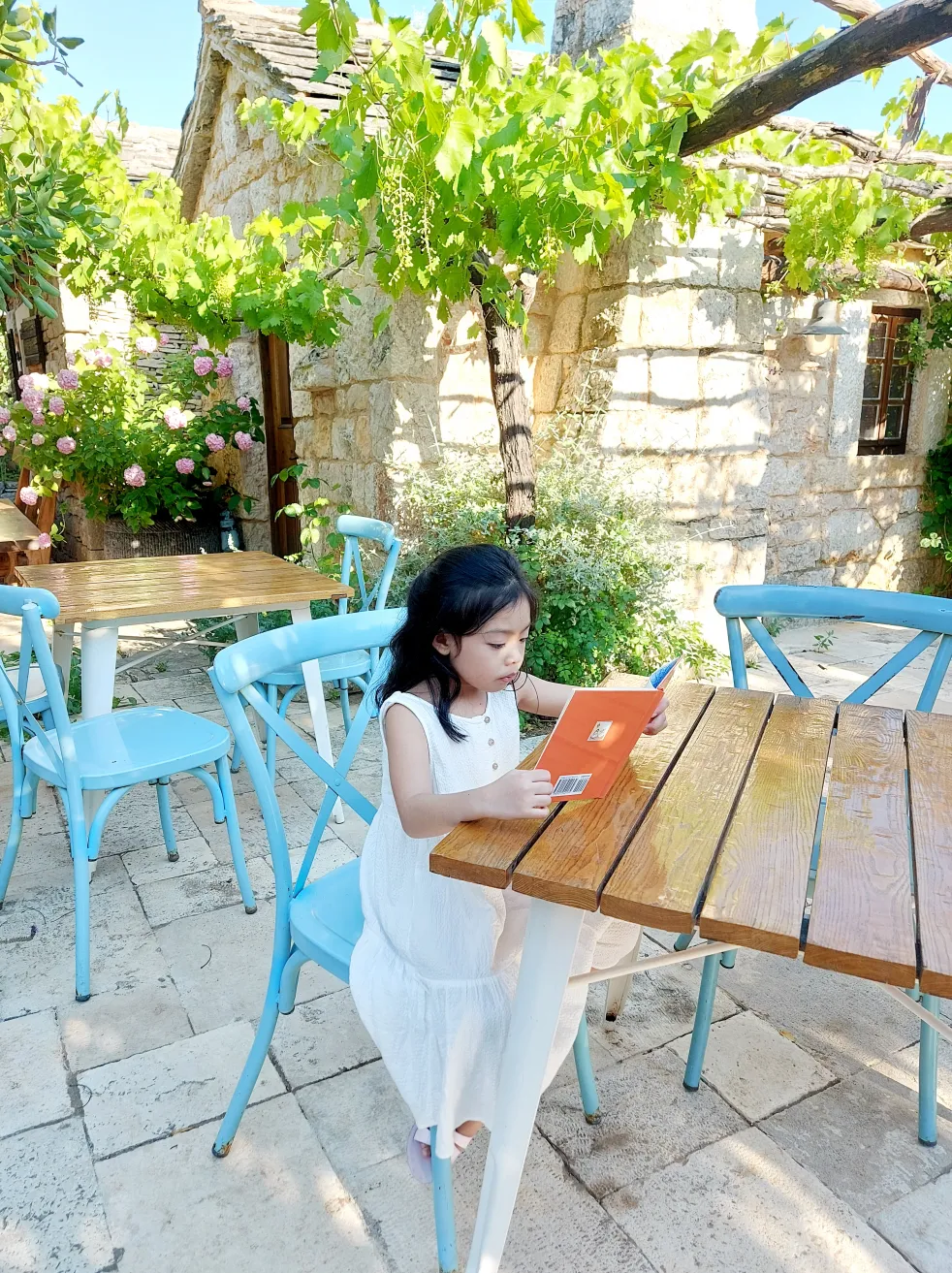
Where your child goes to school is a big decision and shouldn’t be taken lightly. Given how their education can impact their future, you might be tempted to take control and decide for them. However, you might be doing more damage than helping them in the long run. Your job as parents is to support… Continue reading HOW TO CHOOSE THE BEST SCHOOL FOR YOUR CHILD
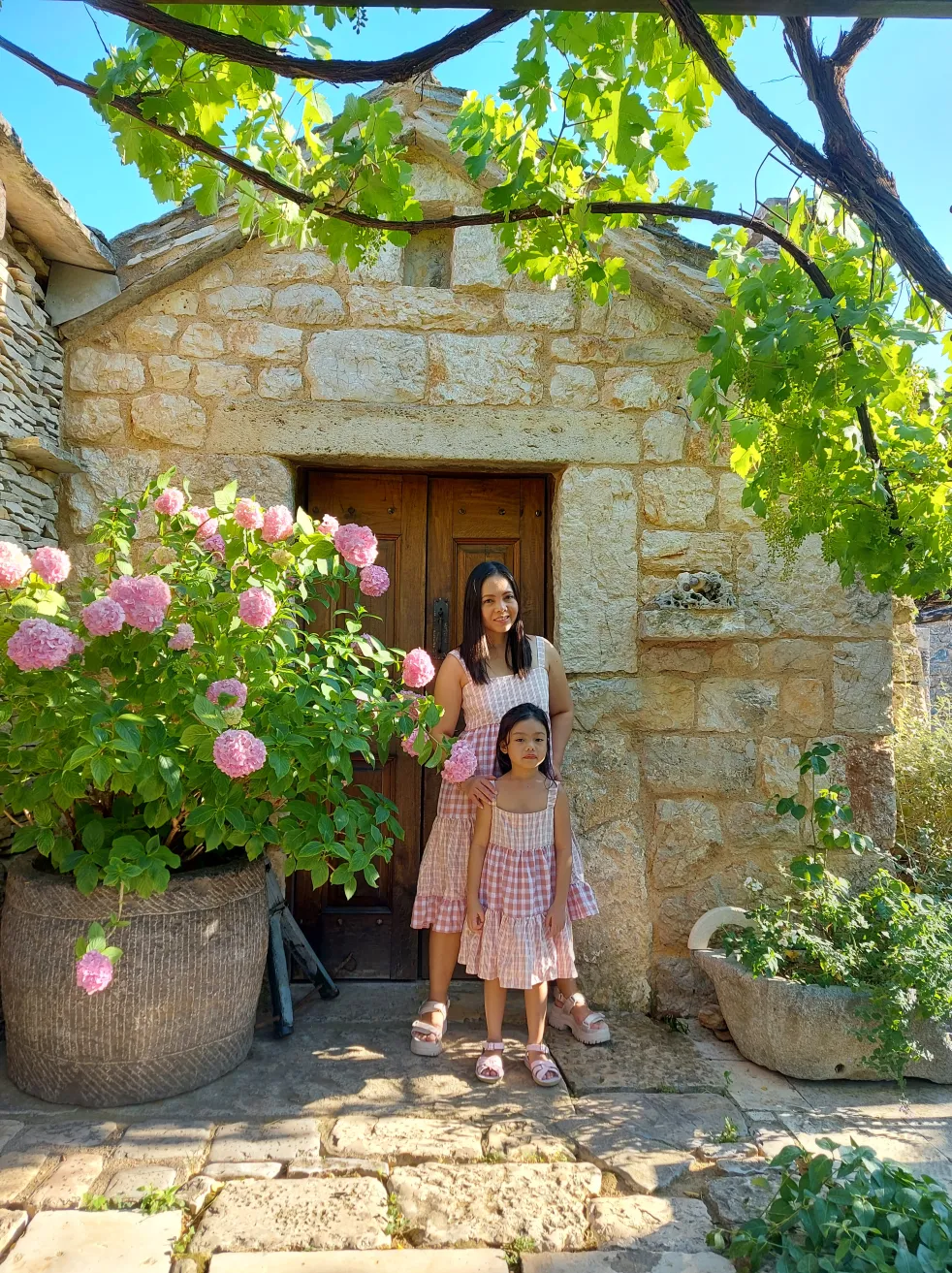
As poet and philosopher Rumi once eloquently said, “raise your words, not your voice. It is rain that grows flowers, not thunder.” Parenting is a challenging journey, and the truth is that nobody has everything figured out. One parenting style might suit others best, and some might favor other methods. However, children respond better to… Continue reading A SIMPLE GUIDE TO GENTLE PARENTING

Whether you’re a new mom to be, mom of a toddler, mom who have school-aged kids, you’re bound to have so many questions. Let's start with your baby's skin. Infant skin has unique needs; gentle care is essential to prevent damage to the skin barrier, which can lead to irritation. When caring for infant skin,… Continue reading Keeping Baby’s Diapered Skin Healthy
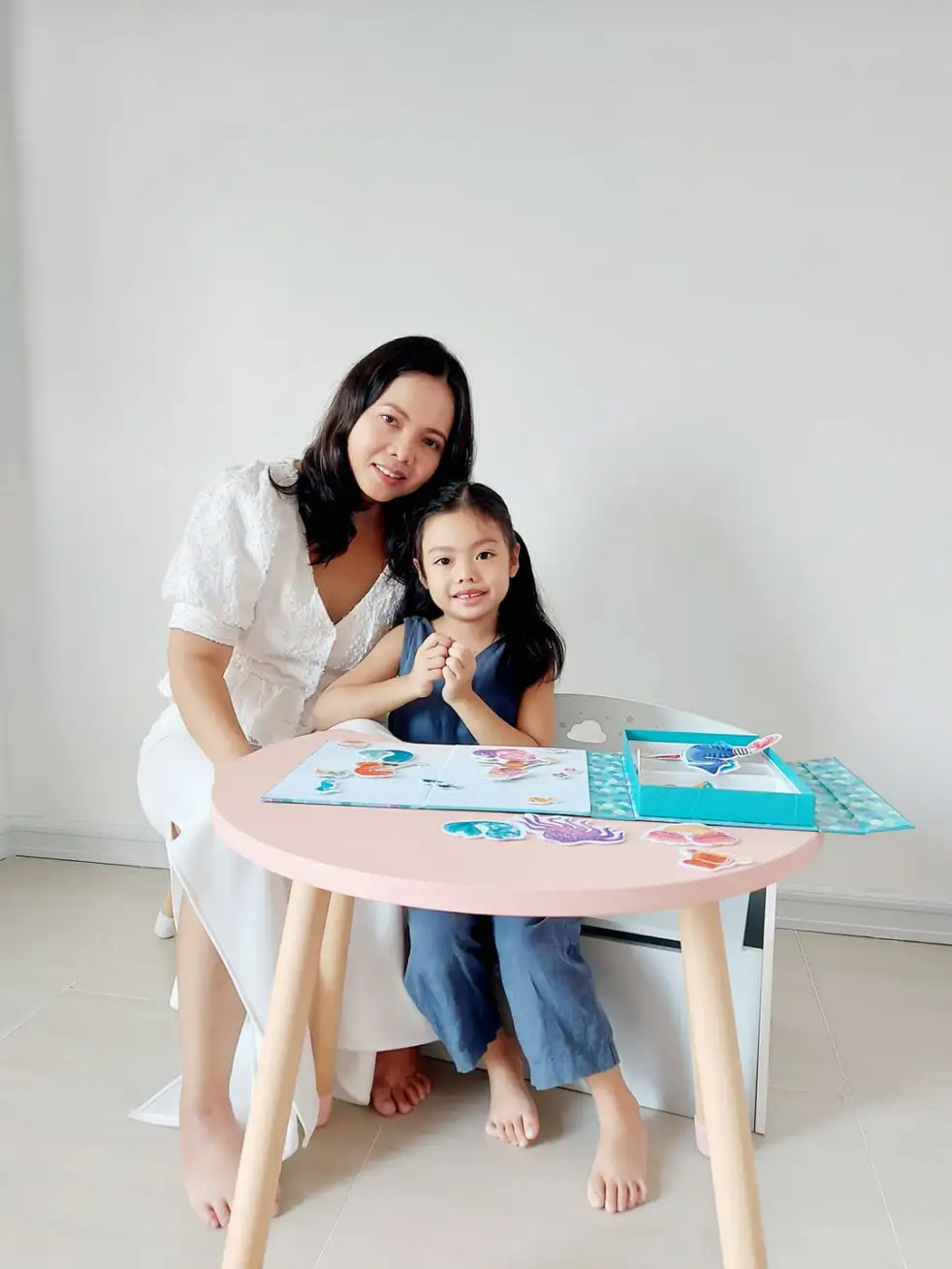
As parents, we want to give our child the best possible start in life and that begins with nurturing their intelligence. Throughout history, the notion of success has been linked to academic intelligence. However, there has been an increased awareness on the importance of emotional intelligence. This question gets at the heart of the never-ending… Continue reading IQ or EQ, which one is a better predictor of your child’s success?
 wondermomma.net