

Last August, IKEA Philippines engaged with Better World Smokey Mountain, a newly opened community center operated by the San Miguel Foundation, which shares a similar goal of improving the lives of many Filipino people. Through this partnership, IKEA Philippines provided and assembled home furnishings for the classrooms and library of Better World Smokey Mountain community… Continue reading Help Create a Better World with IKEA Soft Toys
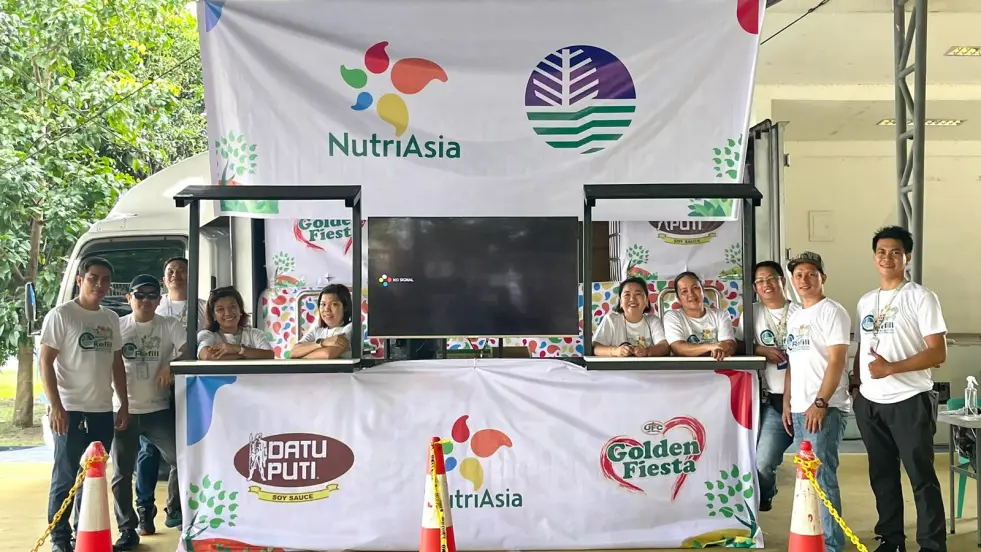
NutriAsia, the country’s top producer of condiments and sauces, continues its support of Refill Revolution; a project by the Department of Environment and Natural Resources EMB 3 that aims to help reduce Filipinos’ single-use plastics consumption. At Refill Revolution, residents get to recycle their single-use plastic bottles by reusing and filling it with their choice… Continue reading NutriAsia and DENR renews partnership for Refill Revolution

What to Feed a Sick Toddler: Soothing Recipes and Gentle Care
When a toddler is unwell, familiar foods may suddenly seem unappealing. Fever, a sore throat, a blocked nose, nausea, vomiting, diarrhea, or mouth discomfort can all reduce appetite. For a few days, eating less is usually less concerning than drinking too little, so the first priority is keeping your child hydrated and comfortable.
Offer small portions without pressure. A spoonful or two every few minutes may be better accepted than a full meal. Soft textures, mild flavors, and foods served at a comfortable temperature can make eating easier while your toddler recovers.
The best meals for a sick child are simple rather than complicated. Homemade rice porridge, mashed fruit, soft vegetables, plain yogurt, and light soups can provide energy without overwhelming a sensitive stomach. Continue breastfeeding if applicable, and use an oral rehydration solution when vomiting or diarrhea increases fluid loss.
Start With Fluids and Familiar Comfort
Frequent sips are often more manageable than a cup served all at once. Offer water, breast milk, clear soup, or an oral rehydration solution recommended for children. If your toddler is vomiting, try one or two teaspoons every few minutes, then gradually increase the amount if it stays down.
Oral rehydration solution is especially useful for diarrhea or repeated vomiting because it contains the right balance of water, salts, and glucose. Avoid relying on soda, energy drinks, sports drinks, or undiluted fruit juice. Their sugar content can worsen diarrhea, while fizzy drinks may upset the stomach.
A chilled drink, ice pop made from oral rehydration solution, or a small piece of ice to suck can soothe a warm or scratchy mouth. Never force fluids into a sleepy or struggling child. Sit your toddler upright and give drinks slowly to reduce choking.
Offer Small, Soft Meals
A sick toddler may manage only a few bites at a time. Serve half portions and offer food every two to three hours rather than expecting three complete meals. If your child refuses one option, pause and try again later with something familiar.
Soft carbohydrates such as rice, oats, potatoes, noodles, and bread are usually easy to chew and digest. Add a small amount of protein, such as shredded chicken, egg, tofu, fish, or plain yogurt, when your child is ready. These foods help support energy and recovery without requiring a large serving.
There is no need to restrict food to dry toast or plain crackers. A varied diet can be gentle when it is cooked until soft and seasoned lightly. Avoid very spicy, greasy, salty, or heavily fried dishes if they trigger nausea or irritate a sore throat.
Soothing Recipes for Low Appetite
A warm bowl of chicken lugaw can be comforting for toddlers familiar with Filipino flavors. Cook rice with extra water until very soft, then stir in finely shredded, fully cooked chicken. Add soft carrots or squash if tolerated. Keep the seasoning mild, and skip fried garlic, pepper, fish sauce, and salty toppings until your child feels better.
For a simple banana-oat mash, cook quick oats with water or milk until smooth, then stir in mashed ripe banana after the mixture cools slightly. This recipe provides gentle energy and a soft texture. If your toddler has diarrhea, start with a small portion and observe how the stomach responds.
A smooth vegetable soup is another useful option. Simmer peeled potato, squash, carrot, and a little chicken or tofu in water until tender, then mash or blend to the texture your child prefers. Add no extra salt for a young child, or use only a very small amount for an older toddler.
Plain yogurt with mashed banana can be helpful when dairy is normally tolerated. Choose unsweetened yogurt and avoid chunky toppings that may be difficult to swallow. If milk products appear to worsen loose stools, pause them and focus on other soft foods until your child improves.
| Food or recipe | Why it may help | Gentle preparation |
|---|---|---|
| Chicken lugaw | Provides fluid, rice-based energy, and protein | Cook until very soft; shred chicken finely and season lightly |
| Banana-oat mash | Soft, filling, and easy to spoon-feed | Use ripe banana and smooth, fully cooked oats |
| Vegetable soup | Adds fluid and mild nutrients | Simmer vegetables until tender; mash or blend |
| Plain yogurt with banana | Offers protein and a cool texture | Use unsweetened yogurt if dairy is tolerated |
| Mashed potato with egg | Provides energy and protein in a soft meal | Mash thoroughly and serve lukewarm |
| Soft noodles in broth | Familiar and easy to eat | Cut noodles short and use low-sodium broth |
Match Food to the Symptoms
For a sore throat, choose lukewarm or cool foods with smooth textures. Soft lugaw, mashed potato, yogurt, banana, and blended soup may be easier than crunchy foods. Avoid citrus, chili, vinegar, and very salty dishes if they sting the mouth or throat.
When nausea is the main problem, offer small amounts of bland but nourishing food after vomiting has settled. Dry crackers, toast, rice, banana, or plain noodles may be a starting point, followed by a little egg or chicken. Strong cooking smells can worsen nausea, so serve food cool or at room temperature if needed.
With diarrhea, hydration matters more than appetite. Continue offering age-appropriate meals in small amounts, including rice, potatoes, oats, bananas, soup, and lean protein. Do not give anti-diarrhea medicine unless a healthcare professional specifically recommends it for your child.
Constipation can occur when a toddler drinks less or eats differently during illness. Once vomiting is no longer a concern, offer water, soft fruits such as pear or papaya, vegetables, oats, and other fiber-containing foods. Increase fiber gradually and keep fluids available.
Keep Mealtimes Calm and Safe
Toddlers often eat better when they retain some control. Offer two suitable choices, such as lugaw or mashed potato, and let your child decide which one to try. Praise tasting or sipping, but avoid pleading, bribing, or forcing bites.
Stay nearby while your toddler eats, especially when illness causes weakness or drowsiness. Food should be soft enough to mash easily between your fingers. Cut grapes lengthwise into quarters, remove seeds and bones, shred meat finely, and avoid hard nuts, popcorn, whole grapes, spoonfuls of nut butter, and other choking hazards.
Check the temperature before serving soup, porridge, or milk. Warm is fine, but hot food can burn an already irritated mouth. Wash hands before preparing meals, use clean utensils, and refrigerate leftovers promptly. Reheat food thoroughly and discard anything that has been sitting at room temperature for too long.
Know When Medical Advice Is Needed
A reduced appetite for a short illness is common, but dehydration can become serious quickly in young children. Watch for fewer wet diapers or trips to the toilet, a dry mouth, no tears when crying, unusual sleepiness, sunken eyes, or weakness. Offer fluids frequently and contact a healthcare professional if these signs appear.
Seek prompt medical care for breathing difficulty, bluish lips, a stiff neck, a seizure, severe or persistent abdominal pain, blood in vomit or stool, or a child who is difficult to wake. A toddler who cannot keep fluids down, vomits repeatedly, or has ongoing diarrhea also needs medical guidance.
Contact your pediatrician about a high or persistent fever, especially in a very young child or when fever occurs with a rash, ear pain, painful urination, or worsening cough. In the Philippines, parents can contact their child’s doctor or visit the nearest health center or emergency department when symptoms are severe.
A Simple Feeding Rhythm for Recovery
During the first stage of illness, focus on frequent sips and comfort. Once your toddler keeps fluids down, add two or three spoonfuls of soft food. Gradually increase portions as interest returns, without expecting normal eating immediately.
A practical day might include oral rehydration solution or water in the morning, soft banana-oat mash for breakfast, small sips throughout the day, chicken lugaw at lunch, yogurt or mashed fruit as a snack, and vegetable soup with soft noodles for dinner. Adjust this pattern to your child’s symptoms and usual diet.
Appetite often returns in steps. A child may accept fruit one day, reject it the next, and then ask for a familiar family meal. Keep offering gentle choices and return to regular balanced meals as energy, hydration, and bowel movements improve.
Save these soothing recipes and keep a few toddler-friendly staples—rice, oats, bananas, eggs, squash, potatoes, and oral rehydration solution—available at home. With patient feeding, careful hydration, and attention to warning signs, you can make sick days calmer while giving your child the support needed to recover.

Mercato Centrale, in collaboration with Indian Women in Enterprise Philippines (I-We), is set to host "The Great Indian Fiesta" to mark 75 years of friendship between India and the Philippines. The dynamic two-day event is scheduled to take place on September 30 to October 1, 2023, at Paseo De Roxas Street, Makati City. Aiming to… Continue reading Mercato Centrale Partners with I-We to Host ‘The Great Indian Fiesta’, Commemorating 75 Years of India-Philippines Friendship

My stomach would usually start growling at 10 am even after taking a big breakfast. This is probably because I am a morning person and I move a lot throughout the day hence snacking is something that I can't avoid. This potatoes and chicken wrap recipe is easy to prepare and would keep me full… Continue reading Potato and Chicken Wrap
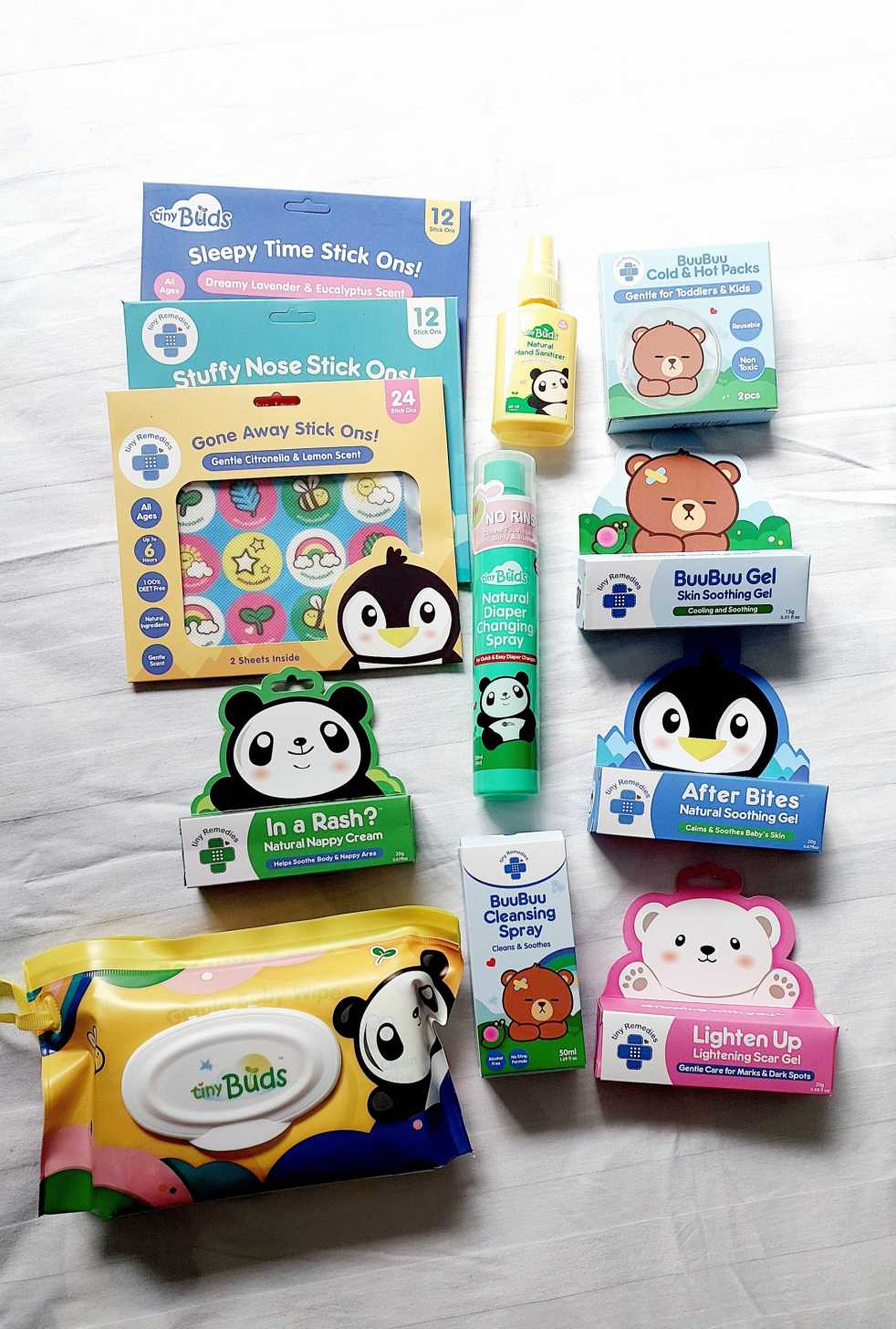
Your baby’s skin is more delicate than most, this is why you have to choose products that are designed for sensitive skin. Tiny Buds is a pioneer in integrating natural ingredients into baby care and today has over 50 innovative natural baby care essentials and is one of the Top Baby Personal Care brands. Here… Continue reading Product Review: Tiny Buds Baby Naturals Baby Essentials
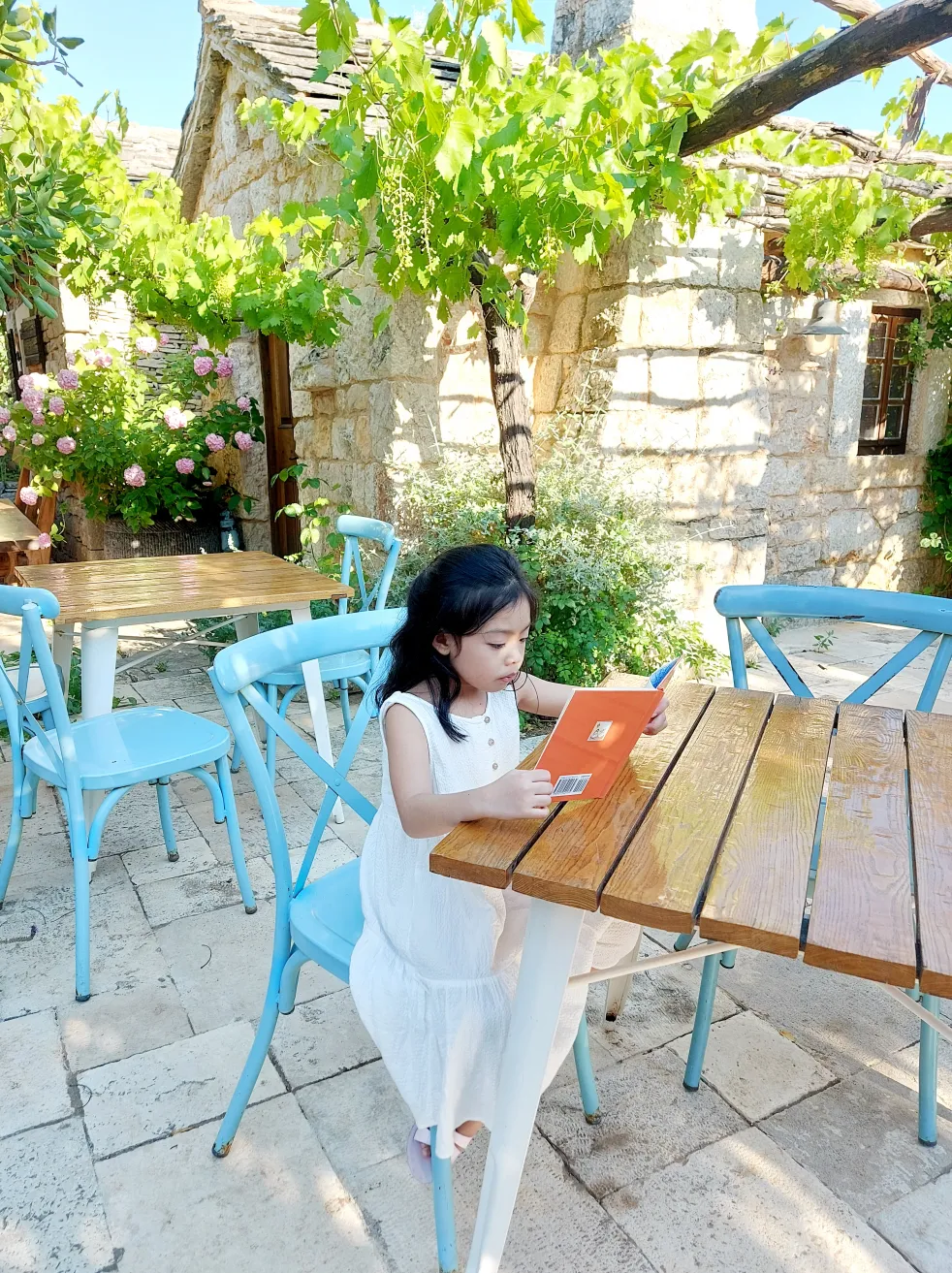
Where your child goes to school is a big decision and shouldn’t be taken lightly. Given how their education can impact their future, you might be tempted to take control and decide for them. However, you might be doing more damage than helping them in the long run. Your job as parents is to support… Continue reading HOW TO CHOOSE THE BEST SCHOOL FOR YOUR CHILD

As poet and philosopher Rumi once eloquently said, “raise your words, not your voice. It is rain that grows flowers, not thunder.” Parenting is a challenging journey, and the truth is that nobody has everything figured out. One parenting style might suit others best, and some might favor other methods. However, children respond better to… Continue reading A SIMPLE GUIDE TO GENTLE PARENTING

Whether you’re a new mom to be, mom of a toddler, mom who have school-aged kids, you’re bound to have so many questions. Let's start with your baby's skin. Infant skin has unique needs; gentle care is essential to prevent damage to the skin barrier, which can lead to irritation. When caring for infant skin,… Continue reading Keeping Baby’s Diapered Skin Healthy
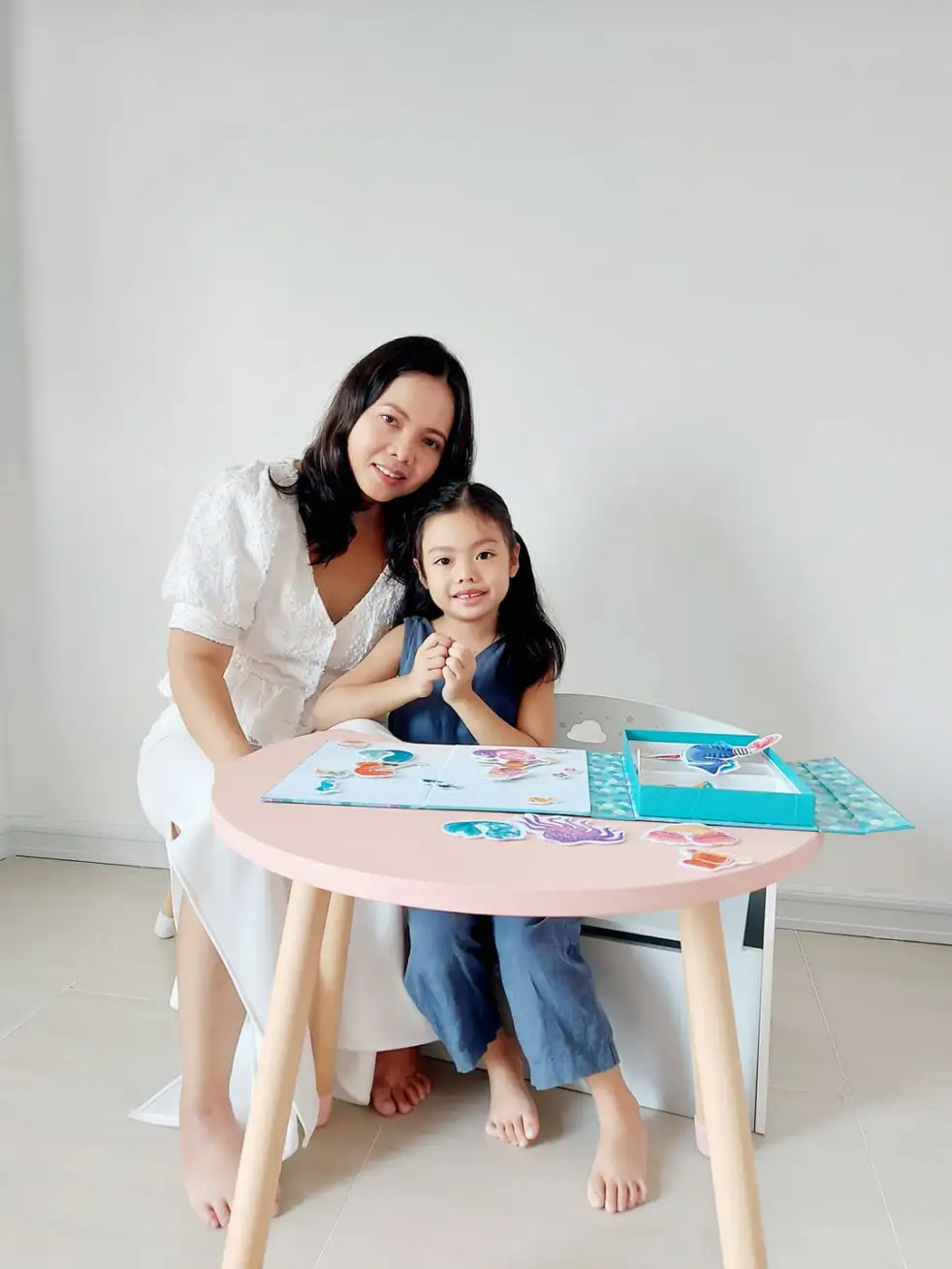
As parents, we want to give our child the best possible start in life and that begins with nurturing their intelligence. Throughout history, the notion of success has been linked to academic intelligence. However, there has been an increased awareness on the importance of emotional intelligence. This question gets at the heart of the never-ending… Continue reading IQ or EQ, which one is a better predictor of your child’s success?
 wondermomma.net