
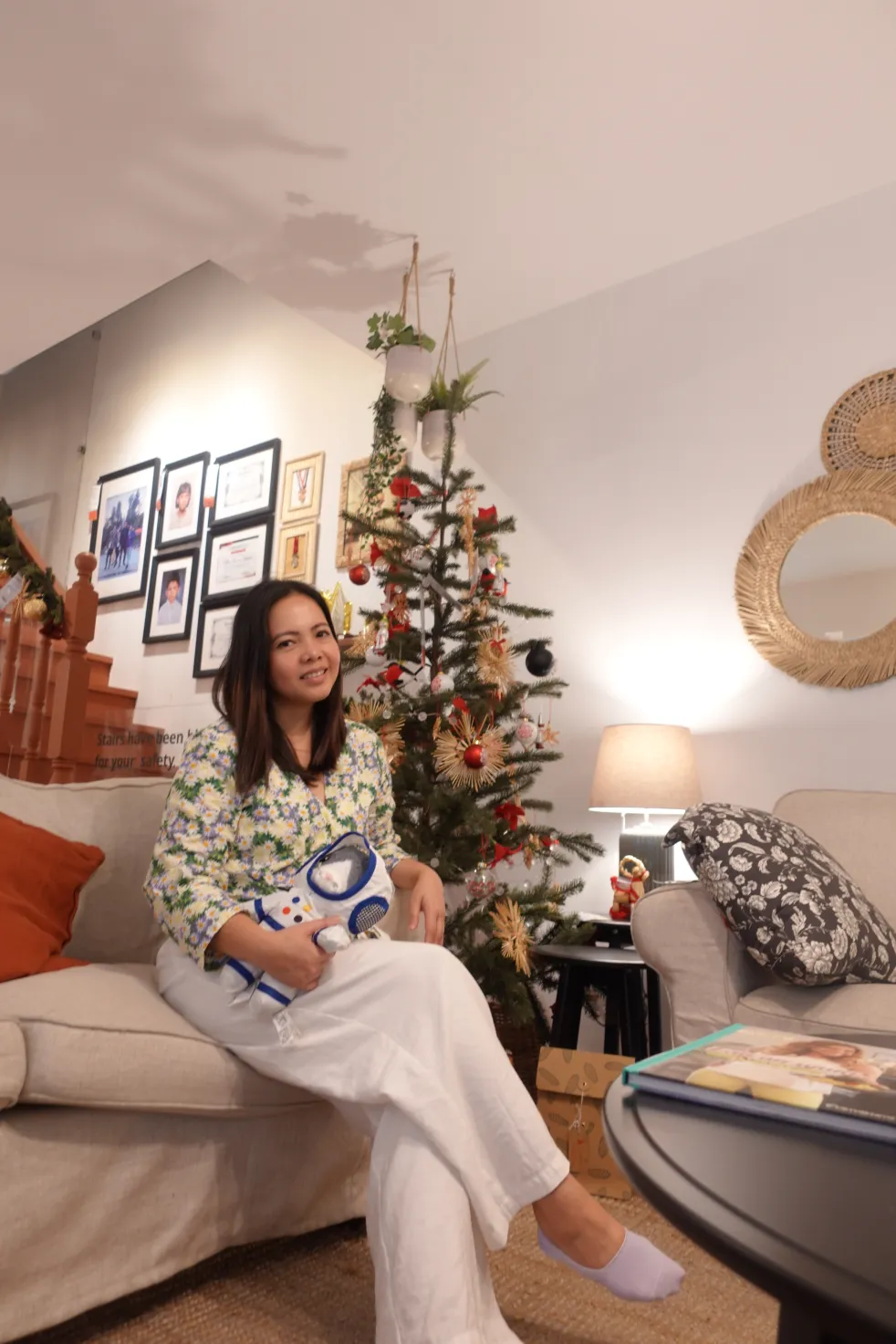
Last August, IKEA Philippines engaged with Better World Smokey Mountain, a newly opened community center operated by the San Miguel Foundation, which shares a similar goal of improving the lives of many Filipino people. Through this partnership, IKEA Philippines provided and assembled home furnishings for the classrooms and library of Better World Smokey Mountain community… Continue reading Help Create a Better World with IKEA Soft Toys
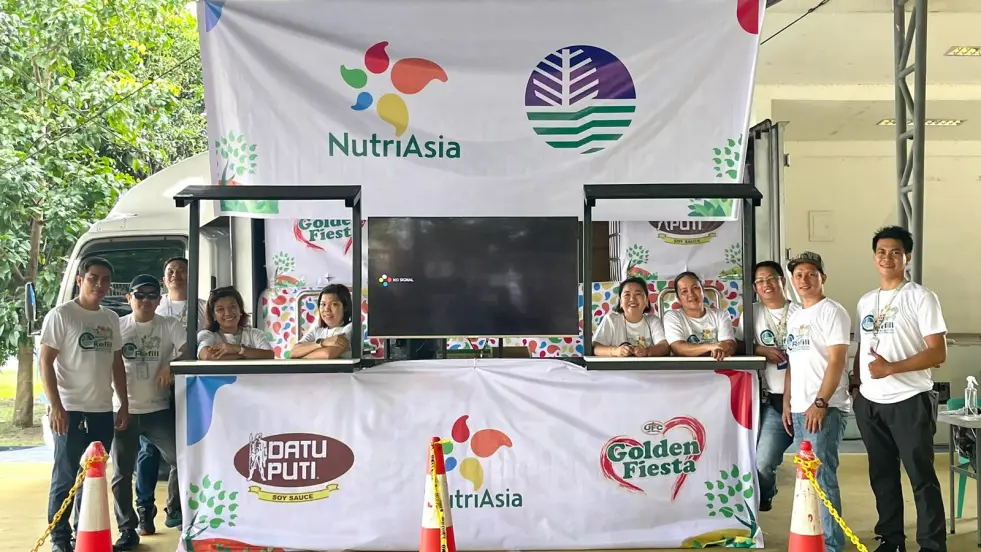
NutriAsia, the country’s top producer of condiments and sauces, continues its support of Refill Revolution; a project by the Department of Environment and Natural Resources EMB 3 that aims to help reduce Filipinos’ single-use plastics consumption. At Refill Revolution, residents get to recycle their single-use plastic bottles by reusing and filling it with their choice… Continue reading NutriAsia and DENR renews partnership for Refill Revolution

How to safely introduce your baby to water and swimming
Becoming a parent in Australia often means weekends revolve around the coast, the local pool, or a mate's backyard. With backyard pools almost a rite of passage and beaches like Bondi, Manly and the Gold Coast just a short drive for many families, water is part of daily life from the get-go. Introducing your little one to swimming early, gently, and safely is not just a fun milestone but a practical skill in a country surrounded by ocean and dotted with public pools.
The good news is you do not need a fancy holiday or a heated indoor pool to get started. Whether you are easing bub into the family bath, heading to your local council's toddler pool, or planning a quiet morning at a calm bay, the basics are the same: warm water, a relaxed grown-up, and a few sensible precautions. Here is how to make those first watery experiences positive, safe, and genuinely enjoyable for everyone.
When babies are ready for their first splash
Most paediatric guidelines, including those referenced by Royal Life Saving Australia, suggest waiting until your baby is at least six months old before taking them into a pool. Before that, the immune system is still developing, and babies cannot regulate their body temperature as efficiently. That said, you can absolutely start getting them comfortable with water from birth through the familiar territory of the bath.
Look for signs of readiness around the six-month mark: steady head control, the ability to sit with support, and a general curiosity about the world. Some bubs are naturally fascinated by bath time from early on, while others take a bit longer to warm up. Both are completely normal, and pushing too hard can backfire quickly.
A slow build-up works best. Begin with a few centimetres of lukewarm water in the bath, gently trickling it over their tummy or letting them kick freely. Use a soft voice, maintain eye contact, and keep the mood playful. By the time you transition to a proper pool or calm stretch of beach, water will already feel like a friendly, familiar place rather than something new and overwhelming.
Picking the right swim nappy and gear
A proper swim nappy is non-negotiable once you leave the bath. Standard disposable nappies balloon up the moment they hit water, dragging your baby downwards and making a mess in the pool. Swim nappies are designed to contain solids without swelling, and they come in both disposable and reusable varieties.
| Type | Best for | Pros | Cons |
|---|---|---|---|
| Disposable swim nappy | Travel, daycare, one-off visits | Convenient, no washing needed | More landfill, ongoing cost |
| Reusable cloth swim nappy | Regular swims, eco-conscious families | Cost-effective long term, gentler on skin | Need to wash, must change promptly |
| Swim nappy over regular nappy | Quick home dips | Extra layer of security | Bulky, not actually designed for water |
For families trying to reduce their environmental footprint, reusable cloth swim nappies have come a long way in recent years. If you are weighing up your options across regular nappies as well, this round-up of the best eco-friendly diaper brands in the market compares a few popular choices parents in Australia are reaching for.
Beyond nappies, a well-fitting rashie or wetsuit is worth considering, especially for outdoor swims. Even in the warmest parts of the country, the ocean can be brisk, and UV-protective clothing saves you reapplying sunscreen to wriggly bodies every twenty minutes. A wide-brimmed swim hat, a hooded towel, and slip-resistant pool shoes round out a sensible kit.
Getting ready for the pool, beach or backyard
Wherever you are swimming, the run-up matters. For public pools, aim for off-peak times so the space is calmer. Many council pools in suburbs from Parramatta to Perth run dedicated parent-and-baby sessions with warmer water and fewer lap swimmers, and these are ideal for first-timers who want a relaxed introduction without the crowds.
At the beach, choose a sheltered, patrolled spot with a gentle slope and minimal swell. An enclosed ocean pool, like those you find along Sydney's coastline at Bronte or Bondi Icebergs, offers calm saltwater without waves. Always check the conditions before you head out, and never swim at an unpatrolled beach with a baby, no matter how flat the water looks.
Backyard pools demand their own checklist. Make sure the pool fence is compliant with local regulations, the gate self-latches, and there are no climbable objects nearby. Keep a phone within reach but stay in the water with your baby within arm's reach at all times. Have a dry towel, a warm change of clothes, and a familiar snack ready for afterwards, because a tired, cold bub is not a happy one.
Staying safe under the Australian sun
Australia has some of the highest UV levels in the world, and young skin is especially vulnerable. The Cancer Council's famous Slip, Slop, Slap message has expanded to include Seek and Slide, and every element applies when you are out with a baby. Slip on a UV-protective rashie, slop on mineral-based sunscreen suitable for sensitive skin, slap on a broad-brimmed hat, seek shade wherever possible, and slide on UV-rated sunglasses once bub is old enough.
For babies under six months, the advice is to keep them out of direct sun altogether, relying on shade, clothing, and hats. The sun in Melbourne can be just as fierce as in Cairns, particularly between 10am and 2pm during the warmer months, and UV ratings can hit extreme levels even on partly cloudy days when you might not expect it.
Reapply sunscreen every two hours, or immediately after water play, and bring plenty of fluids if your baby is on solids or formula. Watch for signs of overheating: flushed cheeks, rapid breathing, or unusual fussiness. If anything feels off, head indoors, cool bub down slowly with a damp cloth, and seek medical advice if symptoms persist.
Building water confidence through lessons and play
Once your baby has had a few happy pool or beach visits under their belt, you might consider formal lessons. AUSTSWIM-certified instructors run parent-and-baby classes at swim schools across the country, from Brisbane to Hobart. These classes focus on water familiarisation, breath control, and basic safety skills, all in a relaxed, song-filled environment that feels more like play than training.
The key is to keep things playful. Sing nursery rhymes, blow bubbles on the surface of the water, and let your baby splash and kick at their own pace. Avoid forcing submersion or any activity that causes distress, even gently. Trust builds slowly, and a negative experience now can create a long-lasting hesitation around water that takes years to undo.
Between lessons, regular short sessions help reinforce what your child is learning. Even ten minutes in the bath or a quick dip at the local aquatic centre keeps skills fresh. Celebrate small wins, whether that is a delighted kick, a relaxed float, or simply tolerating water on the face. With patience and consistency, most Australian kids grow into confident, capable swimmers who genuinely love being in the water.

Mercato Centrale, in collaboration with Indian Women in Enterprise Philippines (I-We), is set to host "The Great Indian Fiesta" to mark 75 years of friendship between India and the Philippines. The dynamic two-day event is scheduled to take place on September 30 to October 1, 2023, at Paseo De Roxas Street, Makati City. Aiming to… Continue reading Mercato Centrale Partners with I-We to Host ‘The Great Indian Fiesta’, Commemorating 75 Years of India-Philippines Friendship

My stomach would usually start growling at 10 am even after taking a big breakfast. This is probably because I am a morning person and I move a lot throughout the day hence snacking is something that I can't avoid. This potatoes and chicken wrap recipe is easy to prepare and would keep me full… Continue reading Potato and Chicken Wrap
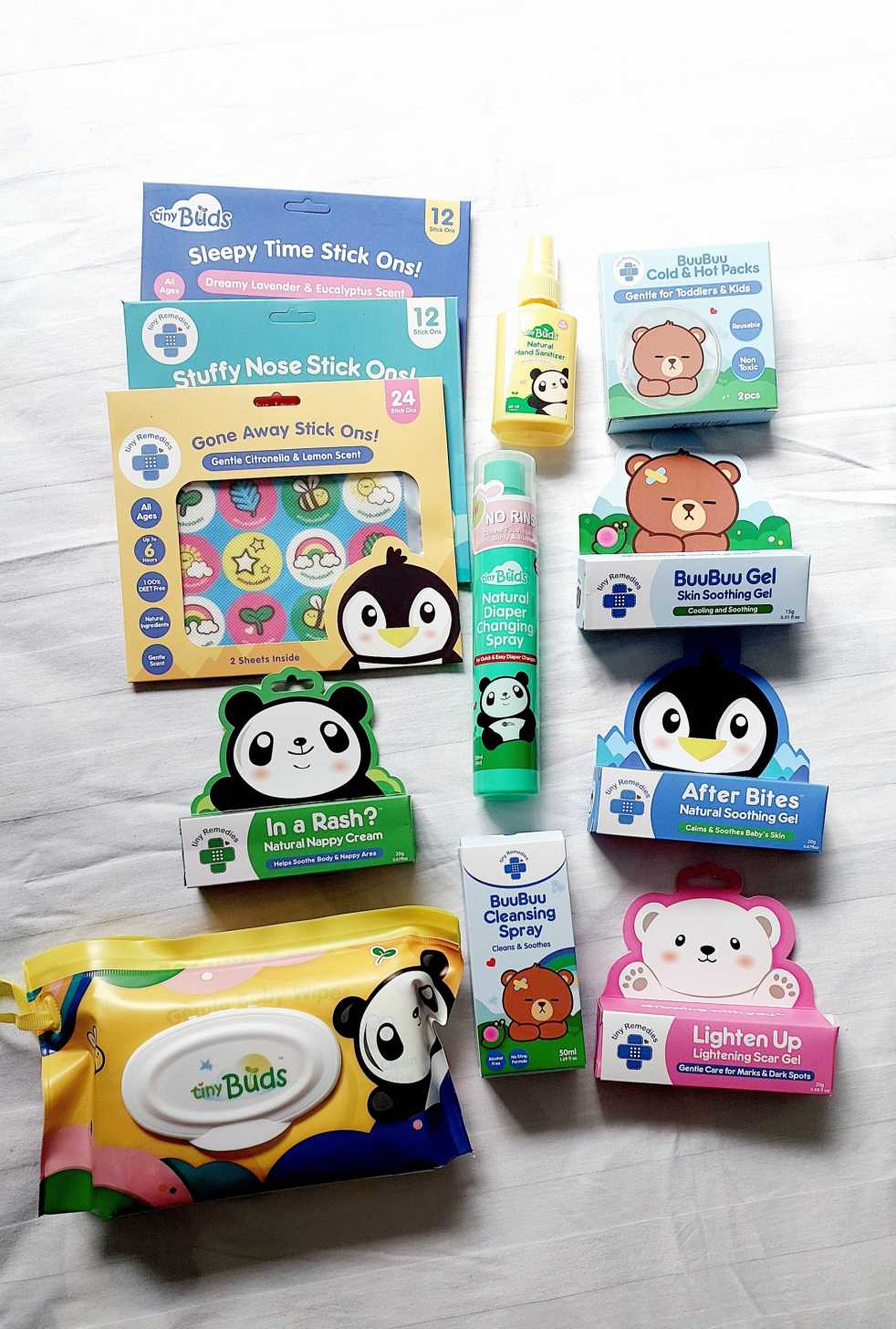
Your baby’s skin is more delicate than most, this is why you have to choose products that are designed for sensitive skin. Tiny Buds is a pioneer in integrating natural ingredients into baby care and today has over 50 innovative natural baby care essentials and is one of the Top Baby Personal Care brands. Here… Continue reading Product Review: Tiny Buds Baby Naturals Baby Essentials
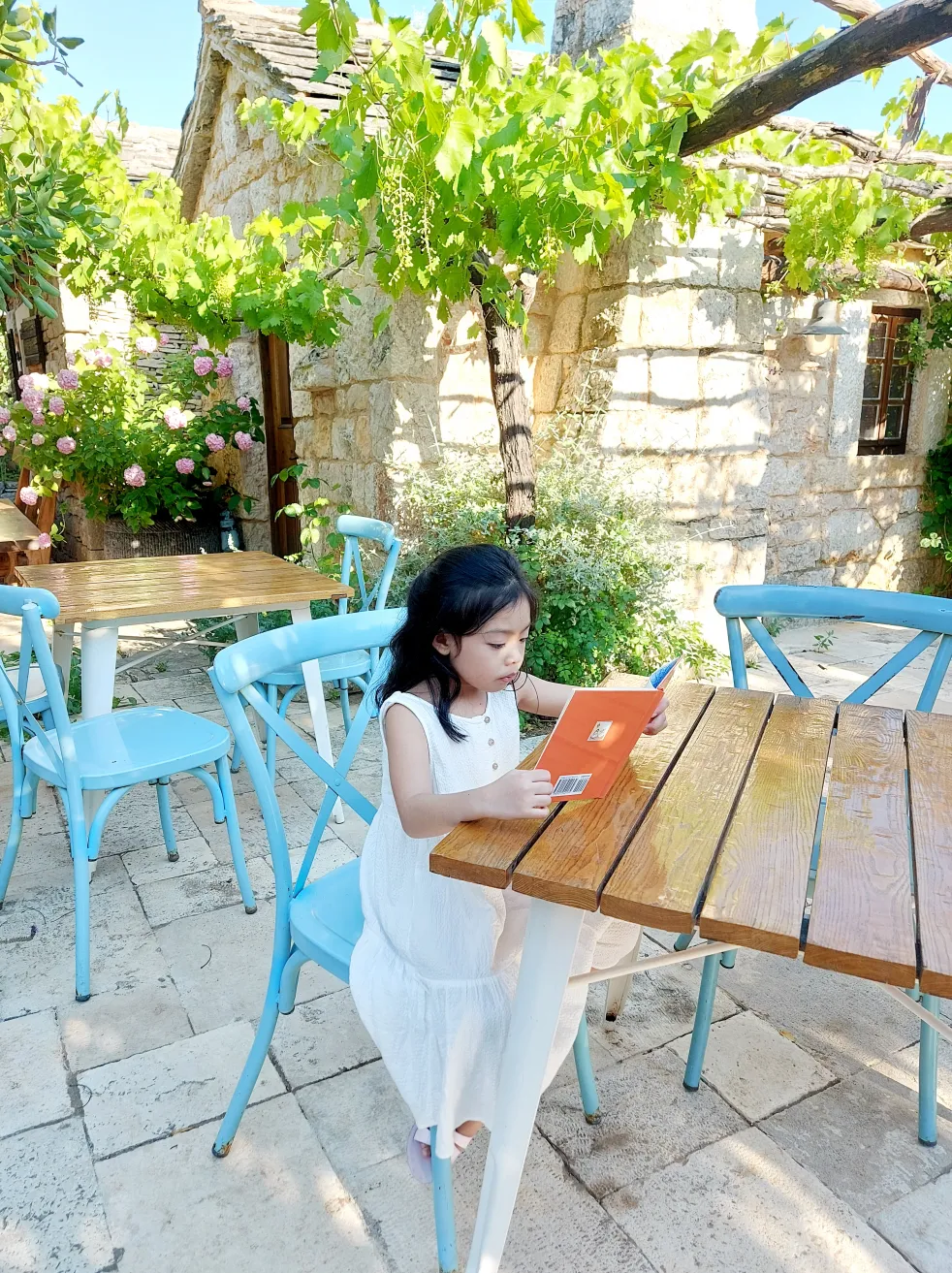
Where your child goes to school is a big decision and shouldn’t be taken lightly. Given how their education can impact their future, you might be tempted to take control and decide for them. However, you might be doing more damage than helping them in the long run. Your job as parents is to support… Continue reading HOW TO CHOOSE THE BEST SCHOOL FOR YOUR CHILD
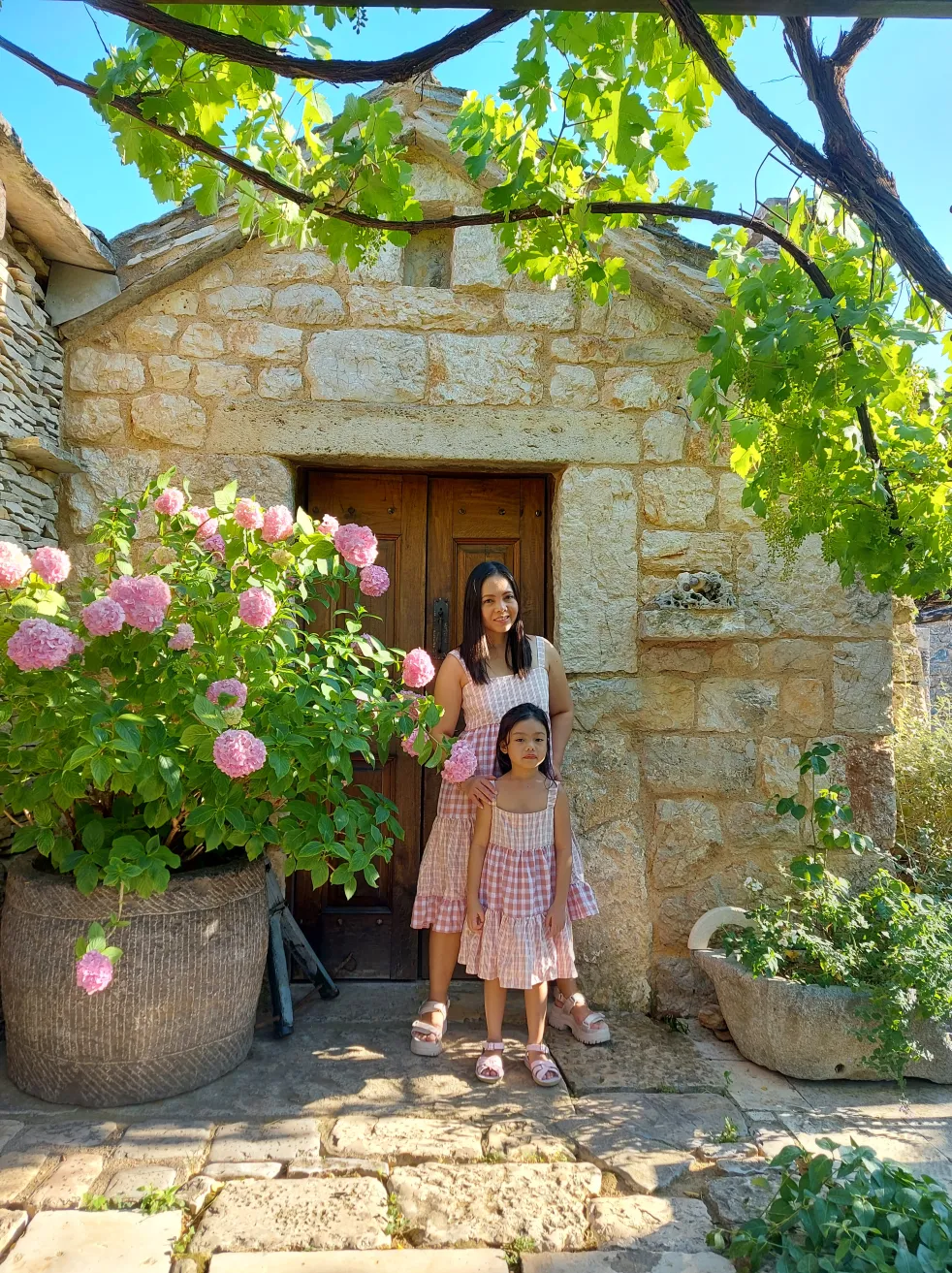
As poet and philosopher Rumi once eloquently said, “raise your words, not your voice. It is rain that grows flowers, not thunder.” Parenting is a challenging journey, and the truth is that nobody has everything figured out. One parenting style might suit others best, and some might favor other methods. However, children respond better to… Continue reading A SIMPLE GUIDE TO GENTLE PARENTING

Whether you’re a new mom to be, mom of a toddler, mom who have school-aged kids, you’re bound to have so many questions. Let's start with your baby's skin. Infant skin has unique needs; gentle care is essential to prevent damage to the skin barrier, which can lead to irritation. When caring for infant skin,… Continue reading Keeping Baby’s Diapered Skin Healthy
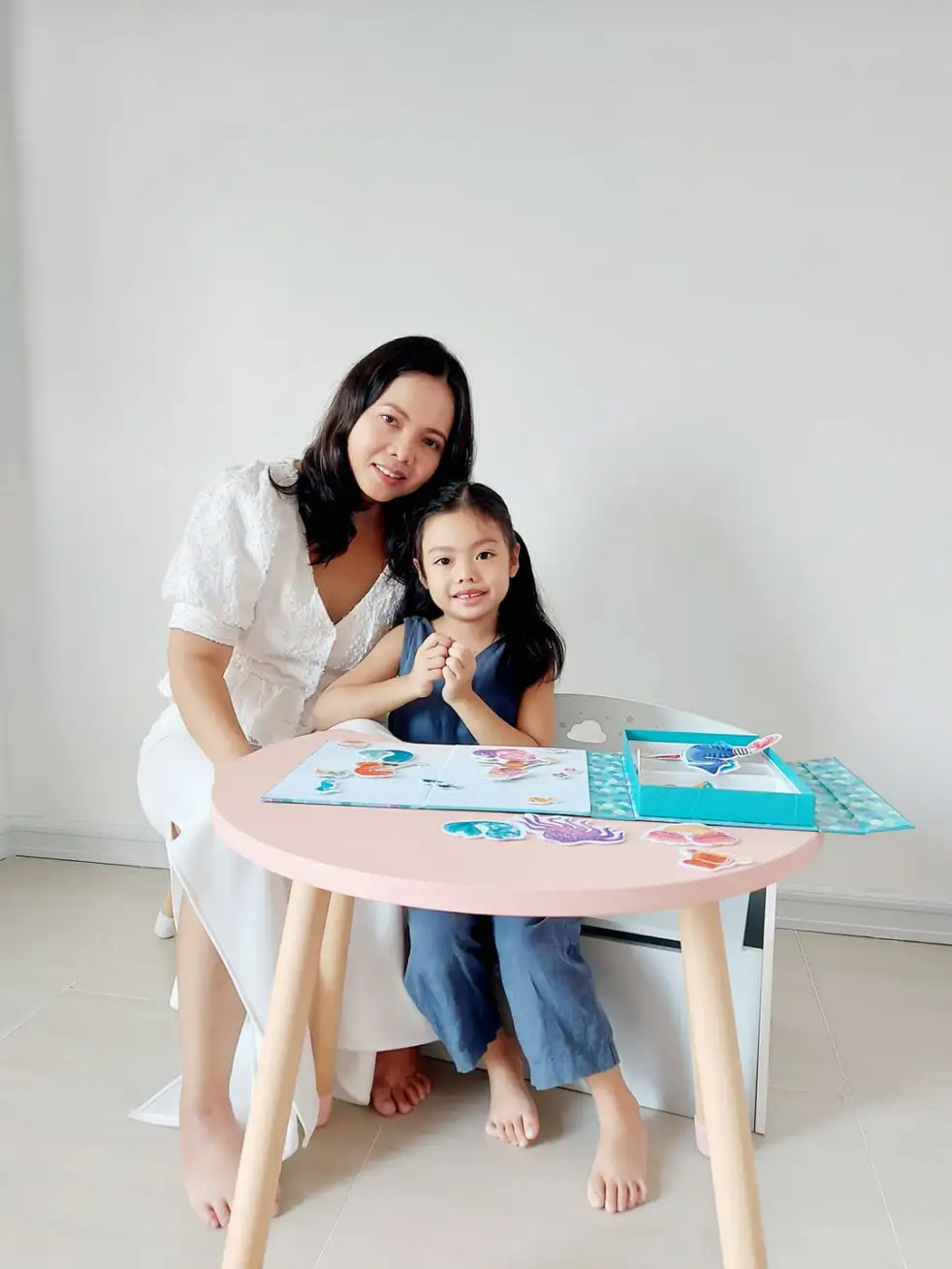
As parents, we want to give our child the best possible start in life and that begins with nurturing their intelligence. Throughout history, the notion of success has been linked to academic intelligence. However, there has been an increased awareness on the importance of emotional intelligence. This question gets at the heart of the never-ending… Continue reading IQ or EQ, which one is a better predictor of your child’s success?
 wondermomma.net