
Last August, IKEA Philippines engaged with Better World Smokey Mountain, a newly opened community center operated by the San Miguel Foundation, which shares a similar goal of improving the lives of many Filipino people. Through this partnership, IKEA Philippines provided and assembled home furnishings for the classrooms and library of Better World Smokey Mountain community… Continue reading Help Create a Better World with IKEA Soft Toys
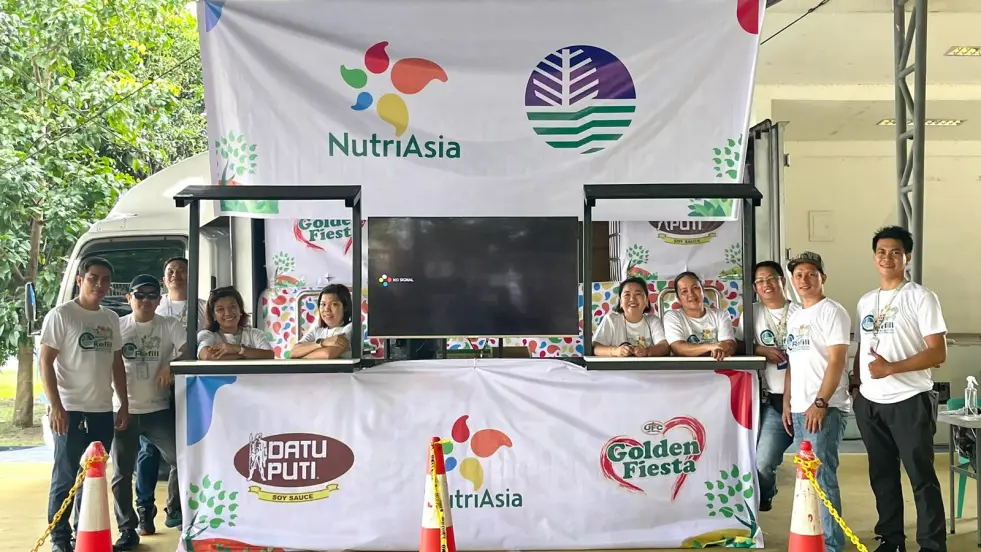
NutriAsia, the country’s top producer of condiments and sauces, continues its support of Refill Revolution; a project by the Department of Environment and Natural Resources EMB 3 that aims to help reduce Filipinos’ single-use plastics consumption. At Refill Revolution, residents get to recycle their single-use plastic bottles by reusing and filling it with their choice… Continue reading NutriAsia and DENR renews partnership for Refill Revolution
Choosing Better Eco-Friendly Diapers for Your Baby
Parents who want to reduce household waste often begin with diapers. Babies may use thousands before toilet training, so even a small change in materials, packaging, or disposal habits can affect a family’s environmental footprint. The best eco-friendly diaper brands aim to balance responsible sourcing with the absorbency, softness, and dependable fit that babies need every day.
“Eco-friendly” does not mean that a disposable diaper disappears immediately after it reaches a landfill. Most diapers contain several layers, including absorbent polymers, wood pulp, elastic, adhesives, and waterproof materials. A greener option usually means using more renewable or certified materials, reducing unnecessary chemicals, limiting plastic, or improving manufacturing and packaging practices.
Families in the Philippines also need to consider availability, shipping costs, humidity, local waste services, and the realities of daily childcare. A diaper that looks sustainable on a product page still needs to work during long naps, tropical weather, travel, and active play.
What Makes A Diaper More Sustainable
A diaper can have several environmentally considerate features without meeting every possible standard. Plant-based components may replace some petroleum-based plastics, while responsibly sourced fluff pulp can come from certified forests. FSC certification, chlorine-free processing, fragrance-free materials, and recyclable packaging are useful details to look for, although each certification covers a specific part of the product rather than the entire diaper.
Some brands describe their diapers as biodegradable or compostable. These terms require careful reading. A biodegradable component may break down over time under particular conditions, while a compostable diaper may require a commercial facility with controlled heat, moisture, and processing. In many Philippine communities, used disposable diapers are sent to ordinary landfill sites, where the full product may remain for a long time.
Performance is part of sustainability too. A diaper that leaks, causes irritation, or needs frequent changing can create more waste and expense. The most practical choice is one that fits well, protects the baby’s skin, and avoids unnecessary changes without encouraging parents to leave a wet or soiled diaper on too long.
Eco-Friendly Brands Worth Exploring
Eco by Naty is known for using plant-based materials in parts of its diaper design and for emphasizing renewable inputs. Its products are often considered by parents looking for a disposable diaper with a reduced reliance on conventional plastic. Availability and sizing can vary by country, so Philippine shoppers should check the seller, import costs, and manufacturing information shown on the current package.
Bambo Nature has built its reputation around certified materials, skin-friendly construction, and environmental standards. Many parents appreciate its fragrance-free approach and soft feel, particularly when their babies have sensitive skin. It is usually positioned as a premium product, which means the cost per diaper may be higher than mainstream options.
Dyper uses plant-based materials in selected components and has promoted lower-impact packaging and disposal programs in some markets. Ecoriginals offers diapers made with a high proportion of plant-derived materials and highlights compostable or biodegradable elements in its range. These claims can differ by product and region, so it is important to identify which parts of the diaper qualify rather than assuming the complete item will compost at home.
Kit & Kin is another brand associated with plant-based materials, responsibly sourced pulp, and sensitive-skin considerations. Some families also explore hybrid systems that combine reusable covers with washable inserts or disposable biodegradable-style inserts. These may reduce disposable waste, though they involve more washing, storage, and planning.
Comparing Materials, Cost, And Everyday Use
No single product is ideal for every family. A premium diaper may use thoughtful materials but be difficult to find locally, while a widely available diaper may have a lower environmental profile yet perform more consistently for a particular baby. Comparing the full picture is more useful than focusing on one attractive label.
| Brand or system | Sustainability features to investigate | Potential strengths | Points to check before buying |
|---|---|---|---|
| Eco by Naty | Plant-based components and renewable material claims | Lightweight feel and eco-focused design | Local stock, sizing, and exact plastic content |
| Bambo Nature | Certified sourcing and fragrance-free options | Softness and sensitive-skin appeal | Premium price and imported availability |
| Dyper | Plant-based materials and selected disposal initiatives | Modern fit and environmental messaging | Whether take-back services operate in your area |
| Ecoriginals | High proportion of plant-derived materials | Strong focus on reduced conventional plastic | Disposal instructions and product-specific claims |
| Kit & Kin | Plant-based materials and responsibly sourced pulp | Gentle feel and compact design | Absorbency for overnight use and local supply |
| Reusable or hybrid diapers | Washable components and reduced single-use waste | Long-term waste reduction | Water, detergent, drying space, and laundry time |
Price should be calculated per diaper rather than per pack. Imported products may appear reasonably priced until delivery charges, taxes, and inconsistent stock are included. A family can also use an eco diaper for nights, outings, or sensitive-skin periods while choosing a more affordable option at home.
Try a small pack before committing to a bulk order. Babies have different body shapes, and the same diaper may fit a slim newborn, a chunky toddler, or an active crawler very differently. Check the leg cuffs, waistband, rise, tabs, and wetness after several hours of use.
Skin Comfort And Absorbency Matter
A sustainable diaper still needs to support healthy skin. Look for products that clearly state whether they are fragrance-free, lotion-free, latex-free, or made without added dyes. These features may be helpful for babies prone to redness, though “natural” does not automatically mean non-irritating. Any ingredient can affect an individual child.
Parents should change diapers promptly after bowel movements and monitor how the skin responds to a new brand. Persistent redness, broken skin, blisters, or a rash that does not improve deserves medical advice. Guidance on choosing a pediatrician can help families prepare for routine concerns and identify professional support when a skin problem needs assessment.
Absorbency should be tested during the situations that matter most to your household. A diaper may work well during the day but struggle overnight, or remain comfortable at home but become bulky during travel. Keep track of leaks, odor, fit, and how often the baby needs a change for several days rather than judging after one use.
What Philippine Families Should Check
Local climate can influence diaper comfort. Warm, humid weather may make babies sweat more, especially around the waist and thighs. A breathable outer layer and a correct fit can help, but parents should still provide regular changes and avoid overly tight clothing over the diaper.
Shipping and storage deserve attention as well. Order from established sellers that show batch details, size information, and sealed packaging. Store diapers in a cool, dry place away from direct sunlight and moisture. A damaged or damp package may affect the diaper’s absorbent core and should not be used.
Disposal instructions must match local facilities. Do not place soiled diapers in home compost, recycling bins, or waterways. Roll and seal used diapers, follow the waste rules in your barangay or city, and treat “compostable” marketing as conditional unless a suitable collection service is available. Reducing waste at the source and disposing of it responsibly are both important.
A Practical Buying Checklist
Sustainability becomes easier to assess when a family uses a consistent checklist instead of relying on attractive packaging. Compare the product page, package label, and seller information, especially when buying imported diapers through online marketplaces.
- Check whether the claim applies to the whole diaper or only selected materials.
- Look for independent certifications covering forest sourcing, chemical processing, or manufacturing standards.
- Calculate the real cost per diaper, including shipping and replacement purchases.
- Test fit, overnight absorbency, softness, and skin response with a small pack.
- Confirm disposal instructions and whether any take-back or composting program is available locally.
It is also reasonable to combine approaches. Reusable diapers may work for relaxed days at home, while disposable options can be convenient for daycare, travel, illness, or overnight use. Washing with full loads, using an efficient drying method, and buying only the number of diapers needed can make a mixed routine more manageable.
Making A Responsible Family Choice
The best choice is the diaper that meets your baby’s needs while making a genuine effort to reduce material impact. Look beyond words such as “green,” “clean,” and “natural,” then examine certifications, ingredient information, packaging, performance, price, and disposal reality.
Start with one or two small packs from brands that are accessible in the Philippines. Keep notes on leaks, rashes, comfort, and total cost, and choose the option that performs reliably without unnecessary extras. With informed shopping and careful disposal, families can make diapering a little gentler for babies, budgets, and the environment.
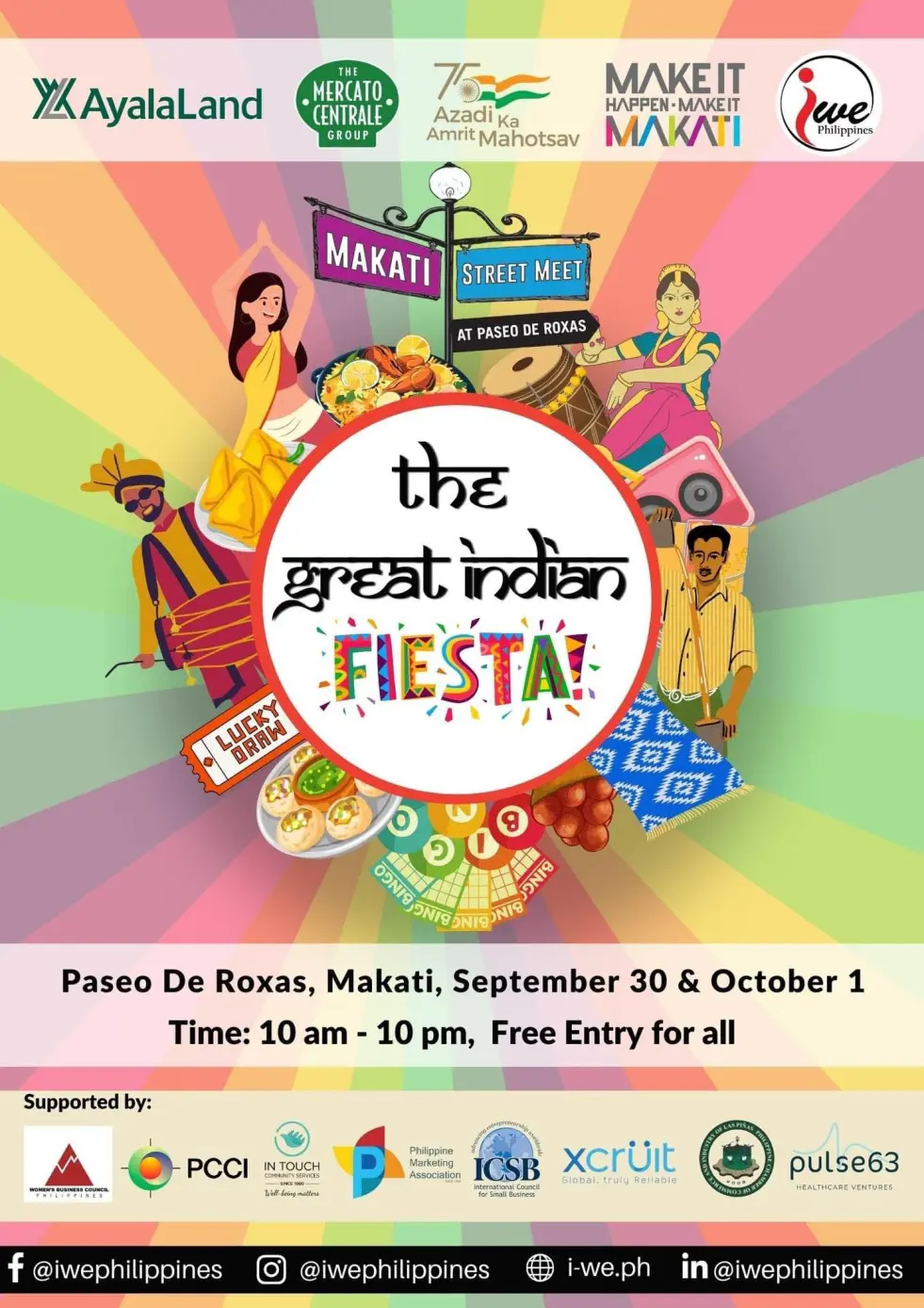
Mercato Centrale, in collaboration with Indian Women in Enterprise Philippines (I-We), is set to host "The Great Indian Fiesta" to mark 75 years of friendship between India and the Philippines. The dynamic two-day event is scheduled to take place on September 30 to October 1, 2023, at Paseo De Roxas Street, Makati City. Aiming to… Continue reading Mercato Centrale Partners with I-We to Host ‘The Great Indian Fiesta’, Commemorating 75 Years of India-Philippines Friendship

My stomach would usually start growling at 10 am even after taking a big breakfast. This is probably because I am a morning person and I move a lot throughout the day hence snacking is something that I can't avoid. This potatoes and chicken wrap recipe is easy to prepare and would keep me full… Continue reading Potato and Chicken Wrap
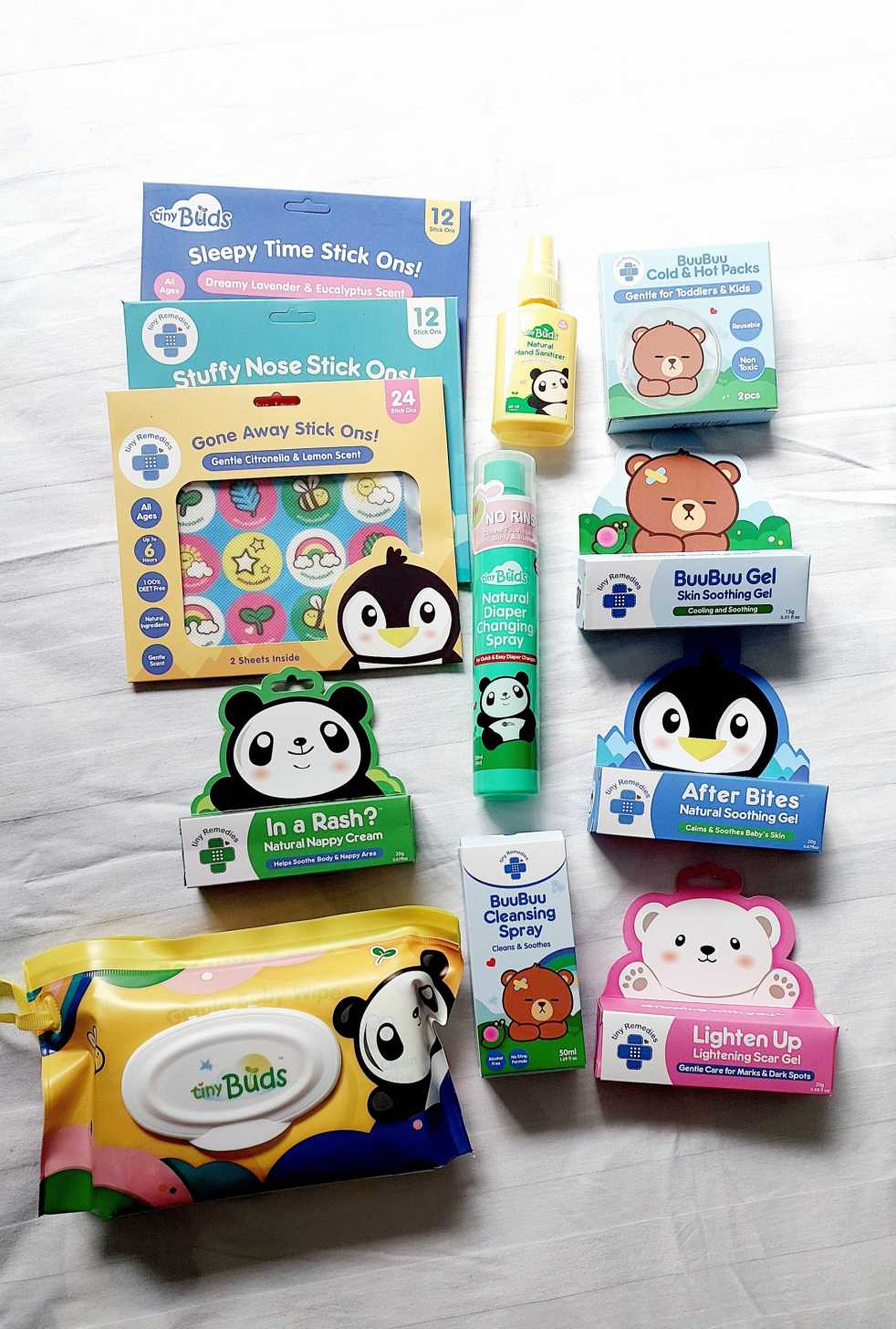
Your baby’s skin is more delicate than most, this is why you have to choose products that are designed for sensitive skin. Tiny Buds is a pioneer in integrating natural ingredients into baby care and today has over 50 innovative natural baby care essentials and is one of the Top Baby Personal Care brands. Here… Continue reading Product Review: Tiny Buds Baby Naturals Baby Essentials
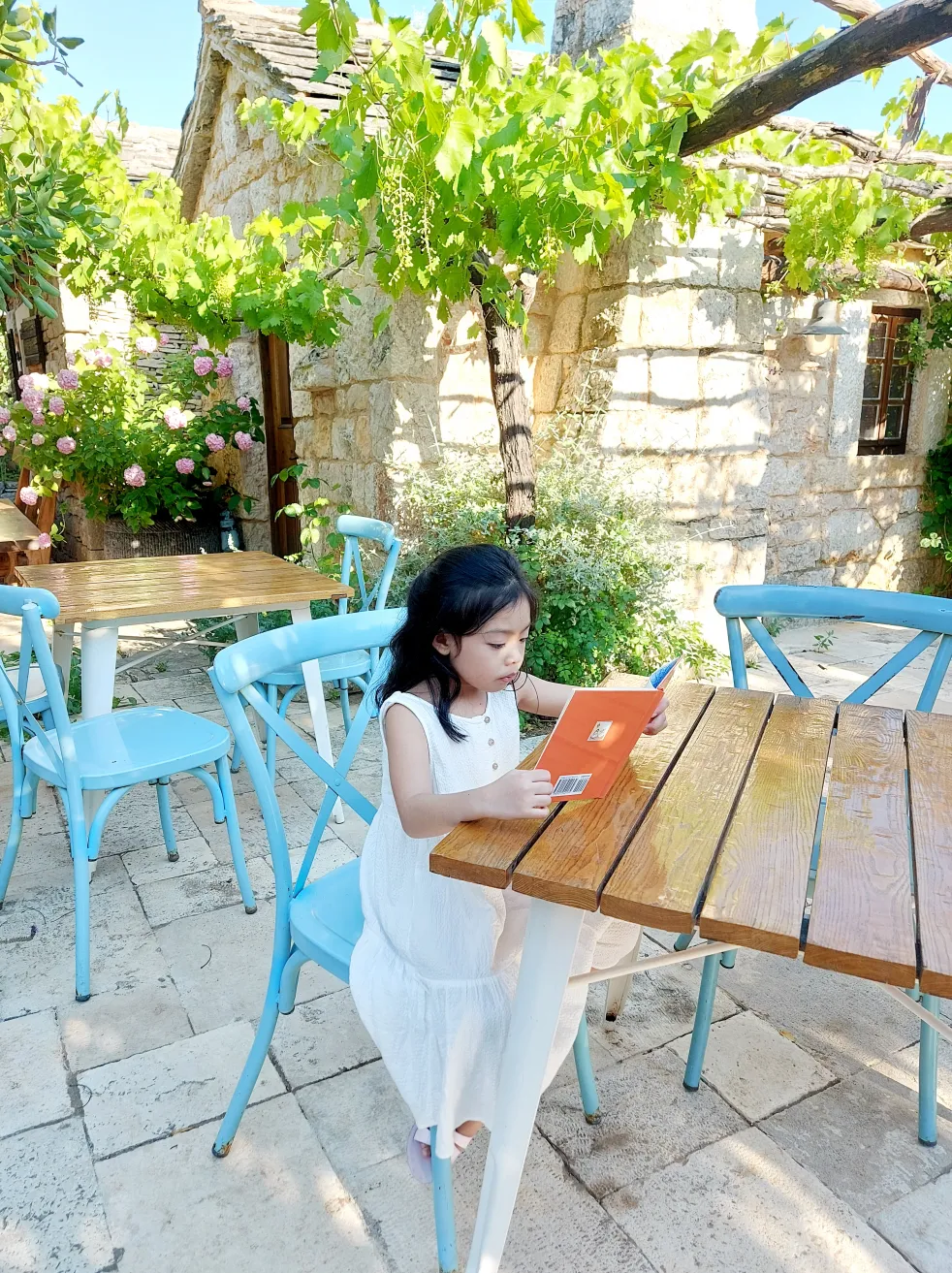
Where your child goes to school is a big decision and shouldn’t be taken lightly. Given how their education can impact their future, you might be tempted to take control and decide for them. However, you might be doing more damage than helping them in the long run. Your job as parents is to support… Continue reading HOW TO CHOOSE THE BEST SCHOOL FOR YOUR CHILD
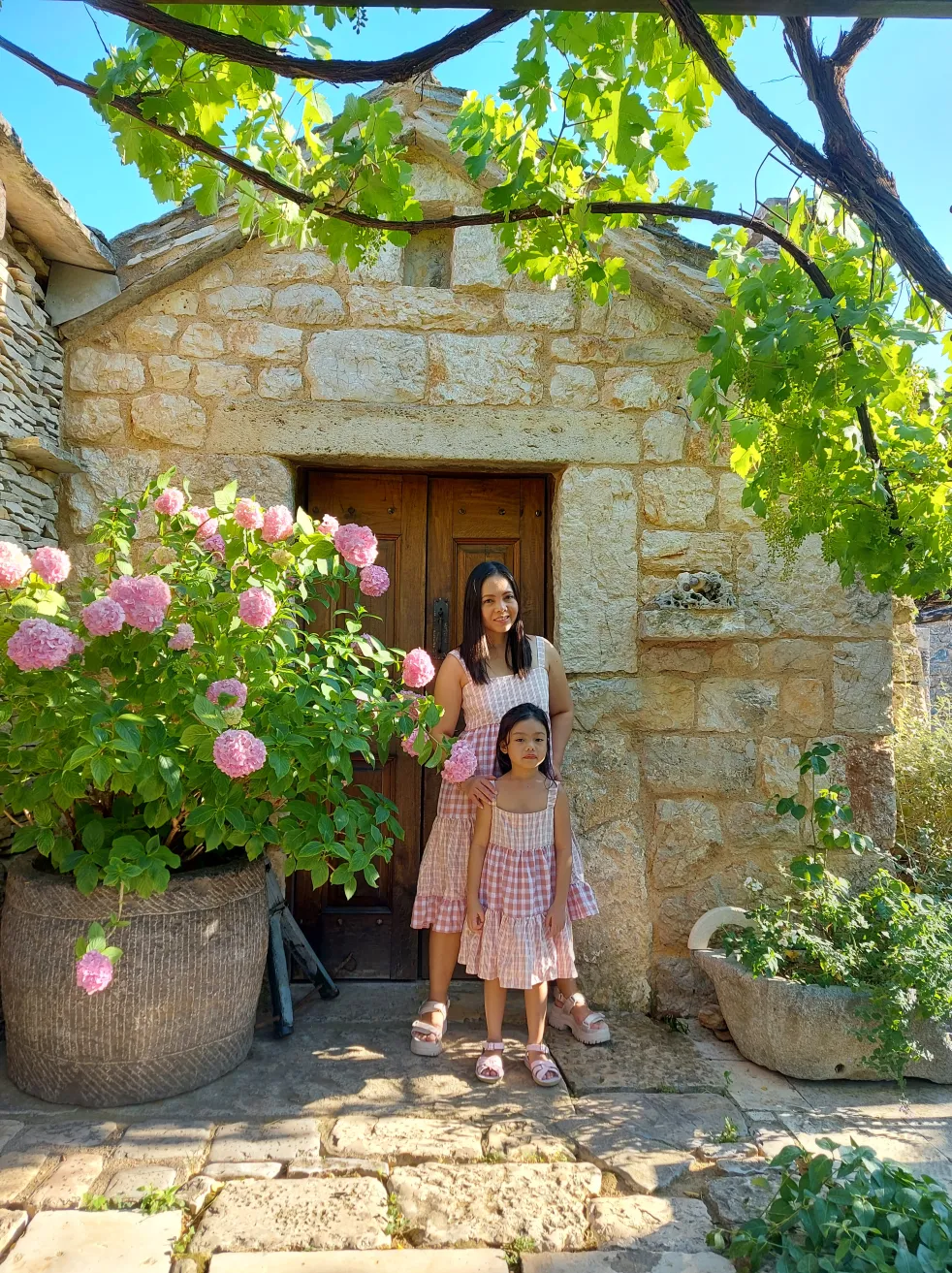
As poet and philosopher Rumi once eloquently said, “raise your words, not your voice. It is rain that grows flowers, not thunder.” Parenting is a challenging journey, and the truth is that nobody has everything figured out. One parenting style might suit others best, and some might favor other methods. However, children respond better to… Continue reading A SIMPLE GUIDE TO GENTLE PARENTING
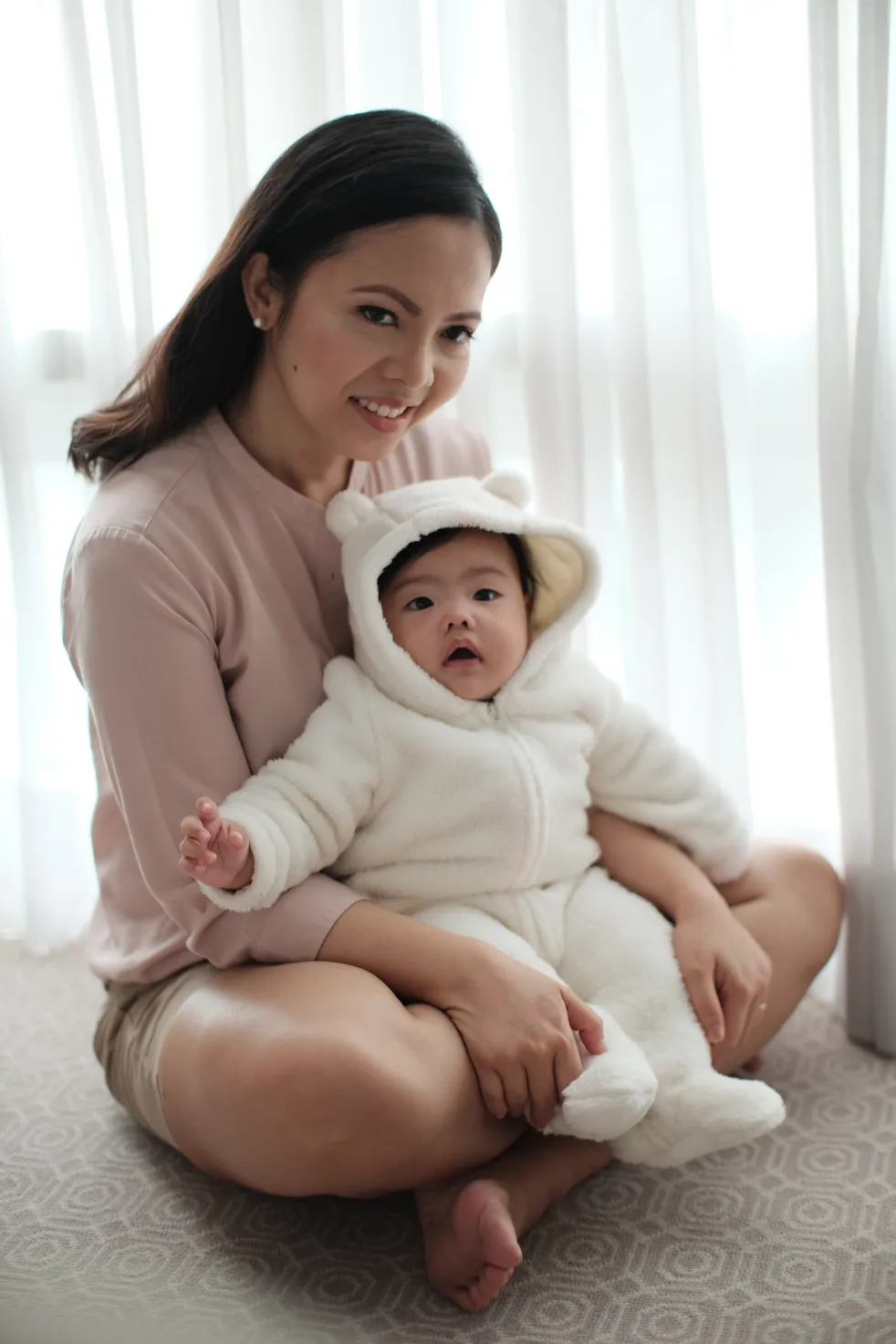
Whether you’re a new mom to be, mom of a toddler, mom who have school-aged kids, you’re bound to have so many questions. Let's start with your baby's skin. Infant skin has unique needs; gentle care is essential to prevent damage to the skin barrier, which can lead to irritation. When caring for infant skin,… Continue reading Keeping Baby’s Diapered Skin Healthy
As parents, we want to give our child the best possible start in life and that begins with nurturing their intelligence. Throughout history, the notion of success has been linked to academic intelligence. However, there has been an increased awareness on the importance of emotional intelligence. This question gets at the heart of the never-ending… Continue reading IQ or EQ, which one is a better predictor of your child’s success?
 wondermomma.net