
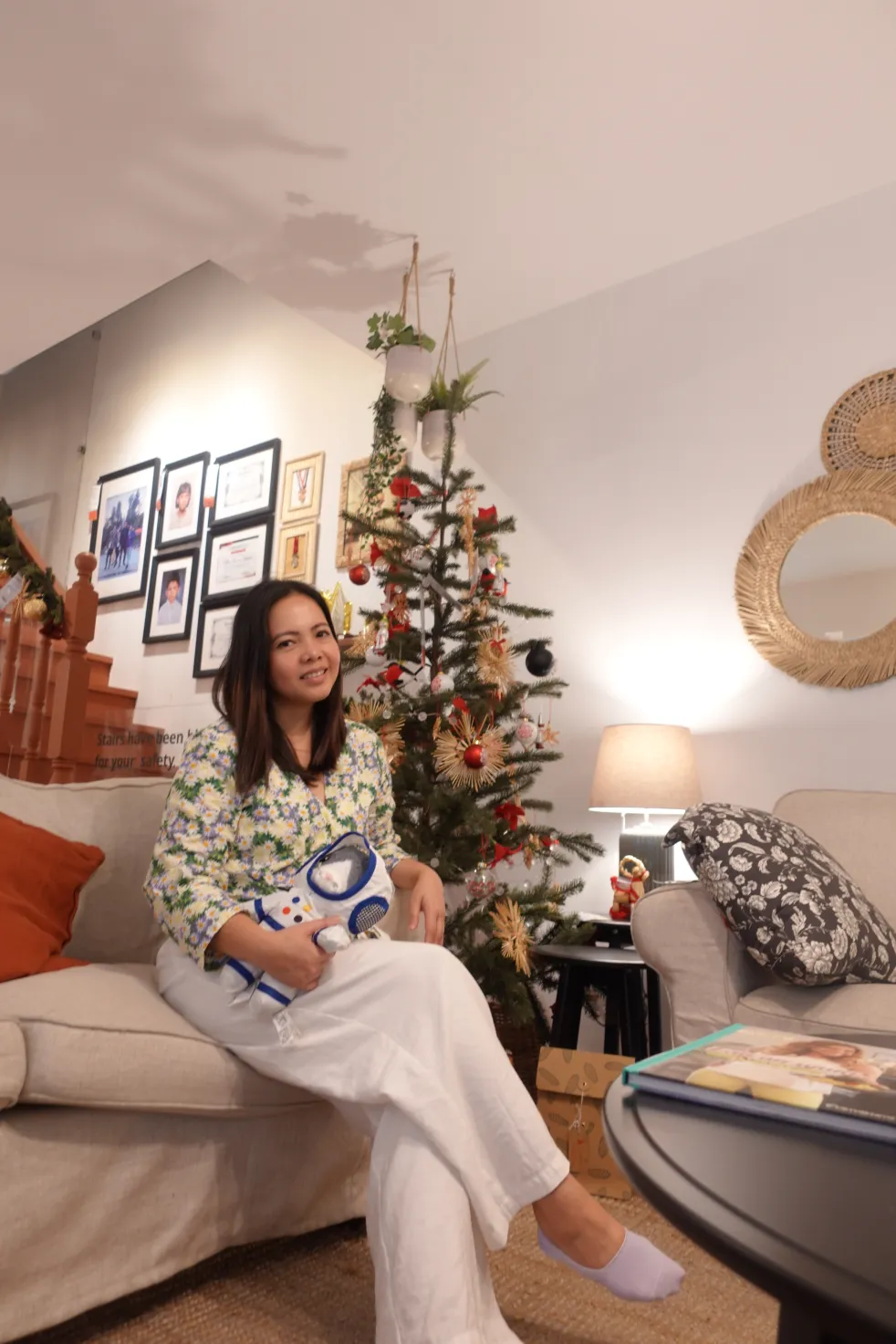
Last August, IKEA Philippines engaged with Better World Smokey Mountain, a newly opened community center operated by the San Miguel Foundation, which shares a similar goal of improving the lives of many Filipino people. Through this partnership, IKEA Philippines provided and assembled home furnishings for the classrooms and library of Better World Smokey Mountain community… Continue reading Help Create a Better World with IKEA Soft Toys
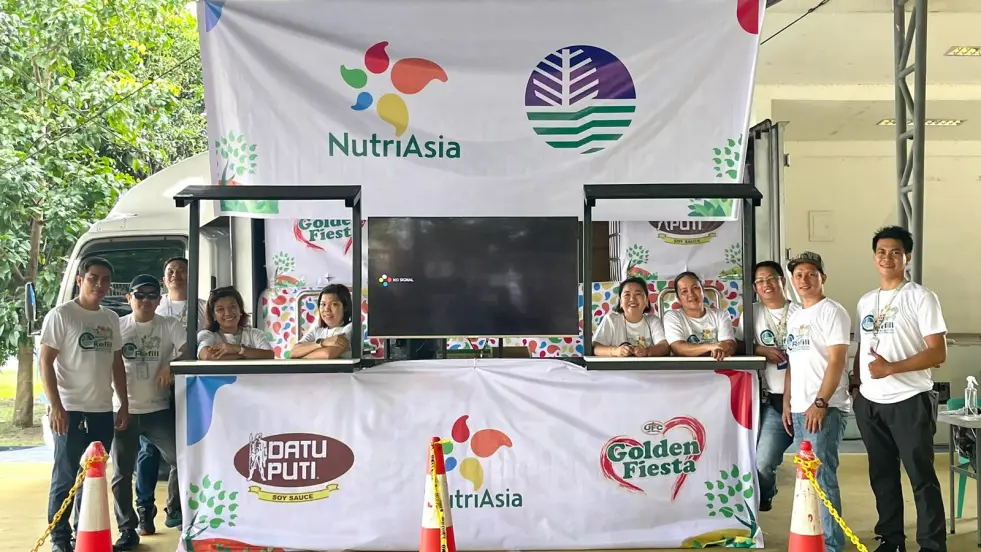
NutriAsia, the country’s top producer of condiments and sauces, continues its support of Refill Revolution; a project by the Department of Environment and Natural Resources EMB 3 that aims to help reduce Filipinos’ single-use plastics consumption. At Refill Revolution, residents get to recycle their single-use plastic bottles by reusing and filling it with their choice… Continue reading NutriAsia and DENR renews partnership for Refill Revolution

How to Make a Baby Memory Book Without Scrapbooking Skills
A baby memory book is a place to collect the small details that disappear quickly: the name you nearly chose, the song that settled your newborn, the first smile, and the funny words your toddler invents later. It does not need elaborate layouts, artistic lettering, or expensive craft supplies. A simple notebook, folder, or digital photo book can become a meaningful family keepsake.
The easiest approach is to create a flexible record of your child’s early years rather than a perfect scrapbook. In Australia, you might include a hospital bracelet, a copy of the first ultrasound, notes from the child health nurse, or a photo from a family barbecue in Brisbane. The aim is to preserve real moments in a format you can maintain during busy days.
Choose A Format That Fits Your Life
Start with the format you are most likely to use. A ring binder is practical because pages can be added later, while a hardback journal feels more traditional. A box with envelopes works well for bulky items such as cards, dried hospital flowers, tiny socks, or a first pair of shoes. If you prefer your memories on your phone, a printed photo book can be updated every few months.
A simple lined notebook is enough for a low-pressure baby journal. Divide it into broad sections with sticky tabs: pregnancy, birth, newborn days, milestones, family traditions, and letters to your child. Leave several blank pages between topics so you can add details when you remember them. You do not have to record events in perfect chronological order.
Families in Australia may also want to keep a photocopy of relevant pages from the child health record, often called the Blue Book in New South Wales and known by equivalent names in other states. Keep private medical information secure, and use the memory book for general notes rather than replacing official health records.
Gather Simple Materials And Memories
You can make a polished-looking keepsake with a few basic supplies. Choose archival-quality paper or photo corners if you plan to store original photographs, and use a glue stick rather than liquid glue, which can wrinkle paper. A black pen, coloured pencils, washi tape, date stamps, and a packet of plain envelopes are enough to begin.
Collect items gradually instead of waiting for a large craft session. Save hospital tags, congratulatory cards, a favourite recipe from the early weeks, and notes about visitors. Write the date and context on the back of loose photographs. If you print images at Officeworks, Kmart, Big W, or a local photo counter, select a few meaningful pictures rather than trying to include every image on your phone.
Small everyday details often become the most treasured memories. Record the nickname used during pregnancy, who first held the baby, the weather on the day you came home, or the food that a helpful neighbour brought over. Include Australian details that locate the story in time, such as a rainy Melbourne winter, a hot Perth afternoon, or the first Christmas spent at home.
Build Pages With A Repeatable Layout
A repeatable page structure removes the pressure to design something new every time. Try a page with one large photograph, a short caption, and three prompts: what happened, how your child responded, and what you want to remember. You can add a strip of patterned paper or a sticker along the edge without making the page feel unfinished.
For milestone pages, use the same small collection of prompts. Write the date, place, people present, new skill, favourite food, current interests, and a sentence your child said. Measurements and developmental notes can sit beside personal observations, while formal concerns or medical assessments should remain with your healthcare records.
| Page Type | What To Include | Easy Decoration |
|---|---|---|
| Birth story | Date, time, place, first visitors, feelings | Hospital tag or soft-toned tape |
| First year | Monthly photo, new skills, favourite routines | Number stickers or handwritten dates |
| Family traditions | Celebrations, foods, songs, customs | Recipe card or printed menu |
| Everyday memories | Funny phrases, outings, ordinary moments | Receipt, ticket, or small drawing |
| Letters to your child | Hopes, observations, family stories | Plain paper and a personal signature |
A page does not need to contain a photograph. A written memory, a child’s scribble, a scanned greeting card, or a fabric swatch can tell the story just as effectively. If you enjoy adding sensory details, describe the baby’s preferred bath toy or the way they splashed during evening washing; these ordinary routines often become part of family history. You could also borrow ideas from bath-time activities when documenting favourite care routines.
Record Milestones Without Making Them A Test
Developmental memories are valuable when they describe your individual child rather than create a checklist for comparison. You might write, “laughed when Dad made a silly face during breakfast,” instead of focusing only on the exact age of a milestone. Note progress over time, including attempts, preferences, and the circumstances that helped your child feel comfortable.
Useful pages can cover the first smile, rolling, sitting, crawling, walking, first words, favourite books, and emerging independence. Add details about personality too: a serious expression when meeting new people, a love of water, a habit of carrying one particular toy, or an early fascination with buses on Sydney streets.
Keep the wording kind and open-ended. Children develop at different rates, and a memory book should celebrate their story rather than imply that every skill must appear on schedule. If an event has been difficult, you can record it gently and honestly, focusing on support, connection, and what your family learned.
Make Room For Family Voices
Invite grandparents, siblings, relatives, and close friends to contribute one page or a short note. A grandparent might write about the child’s first visit to Adelaide, while an older sibling can draw a picture or describe the baby in their own words. These contributions give the book a broader family perspective and preserve voices that children may value later.
You can add a small envelope for letters, birthday cards, and messages written during significant moments. For relatives who live interstate or overseas, ask them to send a short memory, photograph, or voice recording that you can transcribe. A creative family website such as Rajesh Hamal’s site may also provide a reminder that personal stories can be presented in many different forms, without requiring a formal scrapbook style.
Respect privacy when including other people. Ask before printing photographs of friends or relatives, avoid recording sensitive information, and consider whether a detail will still feel appropriate when your child is older. A private family keepsake can be warm and honest while remaining thoughtful about digital sharing.
Keep The Memory Book Manageable
Set a modest routine that suits your household. Ten minutes at the end of each month is enough to print a photograph, write a paragraph, and place a few items in the right section. A reminder attached to your calendar, phone, or monthly family budget can prevent the project from disappearing during busy periods.
Some parents prefer to make one page after each season. This works especially well in Australia, where summer beach days, autumn school routines, winter indoor play, and spring outings create natural chapters. A yearly page can include favourite meals, books, family trips, growth in confidence, and a short note about what made that period distinctive.
Keep a digital backup of photographs and scan fragile documents before adding them to the book. Store the physical memory book somewhere dry and away from direct sunlight, especially during hot Australian summers. If you miss several months, simply continue from the present day; a baby memory book is a living record, not an assignment with overdue pages.
Years later, the value will come from the details that could never be bought in a shop: the nickname that lasted one week, the toy that travelled everywhere, the meal shared after a sleepless night, and the people who showed up with love. A plain page filled with genuine memories can become the most beautiful part of the book.

Mercato Centrale, in collaboration with Indian Women in Enterprise Philippines (I-We), is set to host "The Great Indian Fiesta" to mark 75 years of friendship between India and the Philippines. The dynamic two-day event is scheduled to take place on September 30 to October 1, 2023, at Paseo De Roxas Street, Makati City. Aiming to… Continue reading Mercato Centrale Partners with I-We to Host ‘The Great Indian Fiesta’, Commemorating 75 Years of India-Philippines Friendship

My stomach would usually start growling at 10 am even after taking a big breakfast. This is probably because I am a morning person and I move a lot throughout the day hence snacking is something that I can't avoid. This potatoes and chicken wrap recipe is easy to prepare and would keep me full… Continue reading Potato and Chicken Wrap
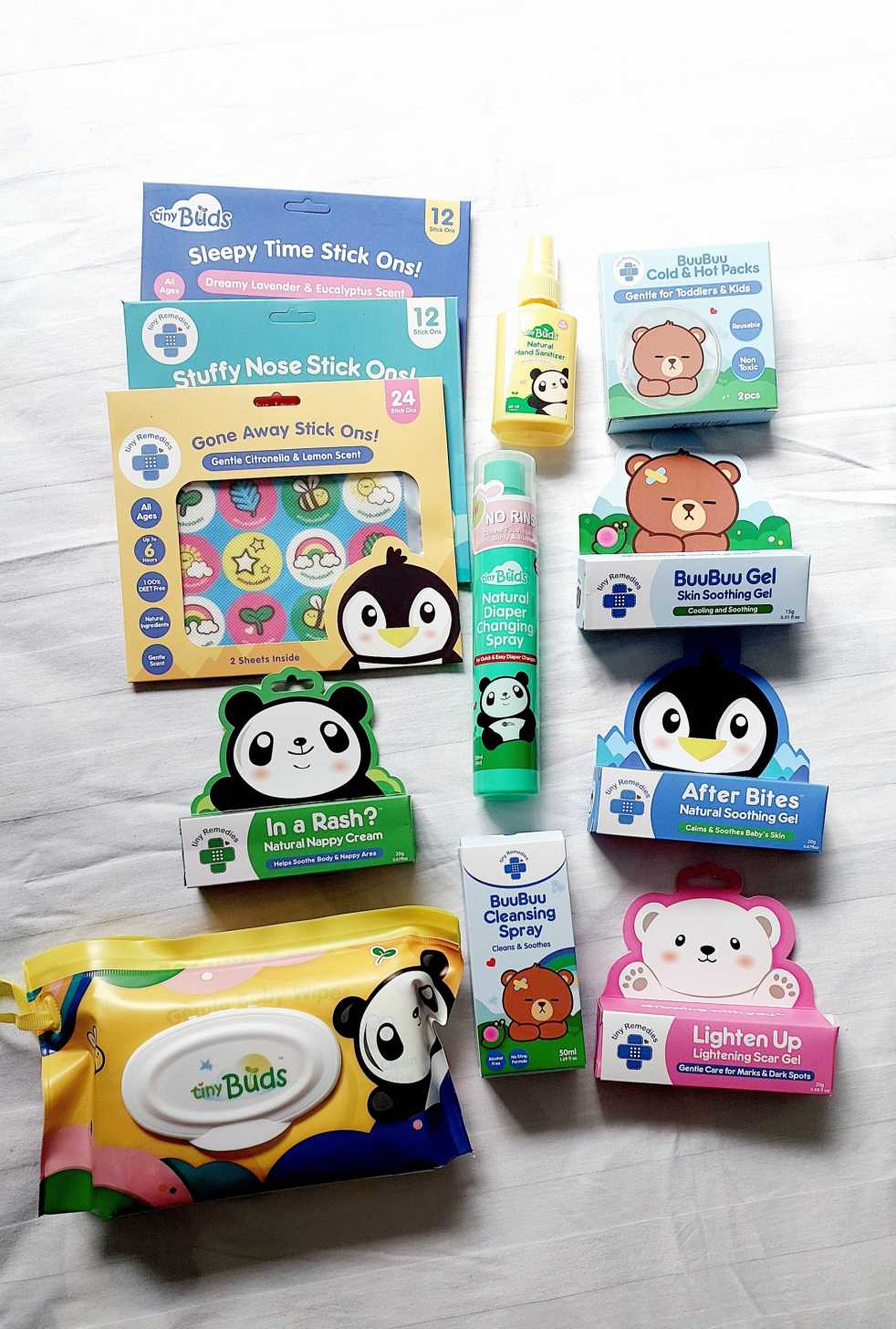
Your baby’s skin is more delicate than most, this is why you have to choose products that are designed for sensitive skin. Tiny Buds is a pioneer in integrating natural ingredients into baby care and today has over 50 innovative natural baby care essentials and is one of the Top Baby Personal Care brands. Here… Continue reading Product Review: Tiny Buds Baby Naturals Baby Essentials
Where your child goes to school is a big decision and shouldn’t be taken lightly. Given how their education can impact their future, you might be tempted to take control and decide for them. However, you might be doing more damage than helping them in the long run. Your job as parents is to support… Continue reading HOW TO CHOOSE THE BEST SCHOOL FOR YOUR CHILD
As poet and philosopher Rumi once eloquently said, “raise your words, not your voice. It is rain that grows flowers, not thunder.” Parenting is a challenging journey, and the truth is that nobody has everything figured out. One parenting style might suit others best, and some might favor other methods. However, children respond better to… Continue reading A SIMPLE GUIDE TO GENTLE PARENTING
Whether you’re a new mom to be, mom of a toddler, mom who have school-aged kids, you’re bound to have so many questions. Let's start with your baby's skin. Infant skin has unique needs; gentle care is essential to prevent damage to the skin barrier, which can lead to irritation. When caring for infant skin,… Continue reading Keeping Baby’s Diapered Skin Healthy
As parents, we want to give our child the best possible start in life and that begins with nurturing their intelligence. Throughout history, the notion of success has been linked to academic intelligence. However, there has been an increased awareness on the importance of emotional intelligence. This question gets at the heart of the never-ending… Continue reading IQ or EQ, which one is a better predictor of your child’s success?
 wondermomma.net