

Last August, IKEA Philippines engaged with Better World Smokey Mountain, a newly opened community center operated by the San Miguel Foundation, which shares a similar goal of improving the lives of many Filipino people. Through this partnership, IKEA Philippines provided and assembled home furnishings for the classrooms and library of Better World Smokey Mountain community… Continue reading Help Create a Better World with IKEA Soft Toys
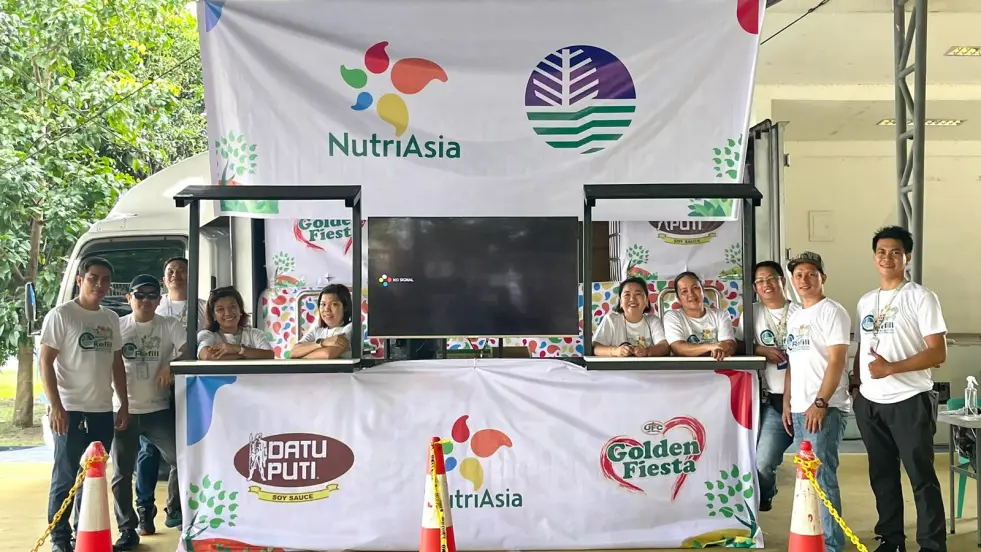
NutriAsia, the country’s top producer of condiments and sauces, continues its support of Refill Revolution; a project by the Department of Environment and Natural Resources EMB 3 that aims to help reduce Filipinos’ single-use plastics consumption. At Refill Revolution, residents get to recycle their single-use plastic bottles by reusing and filling it with their choice… Continue reading NutriAsia and DENR renews partnership for Refill Revolution

Easy Bath Time Activities That Make Washing Fun
Bath time can be a cheerful part of the day rather than a rushed chore. A few simple games, familiar songs, and safe household items can help children feel relaxed while they wash, rinse, and practise small self-care skills.
The best bath activities match a child’s age, interests, and comfort level. Babies may enjoy watching water flow from a cup, while preschoolers might prefer pretend play, colour mixing, or a challenge to find hidden bath toys. The goal is gentle engagement, not a perfectly clean tub or a long list of activities.
Keep every water activity closely supervised. An adult should stay within arm’s reach of babies and young children, even when the bath is shallow and a child seems confident. Use only a small amount of warm water, check the temperature with your wrist or elbow, and remove toys that become cracked, mouldy, or difficult to clean.
Choose Safe, Simple Bath Toys
You do not need expensive bath toys to make washing enjoyable. Plastic cups, small measuring jugs, a clean sponge, and a few floating toys can provide plenty of entertainment. Choose large items that cannot fit completely into a child’s mouth, and avoid toys with small detachable parts, sharp edges, or holes that trap water inside.
A few toys are often better than a crowded tub. Too many choices can make it difficult for a child to focus, and a packed bath leaves less room for safe movement. Rotate toys every few days so familiar objects feel fresh without creating a pile of unnecessary clutter.
Wash toys regularly with warm, soapy water and allow them to dry fully. For toys with sealed openings, inspect them after use and discard any that show dark spots or an unpleasant smell. Clean equipment supports healthy skin and keeps playtime pleasant.
Turn Water Into Sensory Play
Pouring games are easy to adapt for babies, toddlers, and preschoolers. Fill one cup with a little water and invite your child to pour it into another cup, over a sponge, or through a plastic colander. Describe what is happening with simple words such as “full,” “empty,” “drip,” “splash,” and “slow.”
A sponge can become a gentle learning tool. Let your child squeeze water into a bowl, press it against the side of the tub, or use it to “wash” a waterproof toy. These actions build hand strength and coordination while helping children understand cause and effect.
Keep sensory play calm if your child dislikes splashing. Some children are sensitive to water on their face, loud sounds, or sudden changes in temperature. Offer a dry washcloth for covering the eyes, let the child control the cup, and never pour water over the head without warning.
Make Washing A Little Story
Pretend play can turn ordinary hygiene into an imaginative adventure. A toy boat can travel across a “soapy sea,” plastic animals can visit a wash station, and a washcloth can become a blanket for a toy that needs to get clean. Use short stories that involve washing naturally rather than making the child feel pressured.
Songs are useful when a child needs help moving through each step. Sing about washing hands, arms, tummy, legs, and feet, or create a short tune for rinsing shampoo. Repeating the same song gives children a predictable sequence and can make transitions easier, particularly when they are tired at the end of the day.
Storytelling also supports language development. Ask your child to name body parts, identify colours, or explain where a toy is travelling. Keep questions playful and simple, since bath time should feel like connection rather than a lesson with right and wrong answers.
Try Colour, Pouring, And Floating Games
Colour play can be exciting, but it needs careful preparation. Use products specifically made for bath water and follow the label directions. Avoid food colouring, paint, glitter, and household cleaning products, which may stain the tub or irritate sensitive skin. If your child has eczema, allergies, or frequent rashes, plain water may be the gentlest choice.
Floating and sinking games introduce early science concepts. Ask your child to guess whether a clean plastic ball, cup, sponge, or toy animal will stay on top or drop below the surface. Test one item at a time and talk about what happened. The activity can last only a few minutes while you wash the child.
| Activity | What You Need | Skills Supported | Safety Reminder |
|---|---|---|---|
| Cup pouring | Plastic cups or a small jug | Coordination and early maths | Use lightweight, unbreakable items |
| Sponge squeeze | Clean bath sponge and bowl | Hand strength and cause-and-effect learning | Rinse and dry the sponge after use |
| Toy wash station | Large waterproof toys and washcloth | Pretend play and self-care routines | Avoid toys with trapped water |
| Sink-or-float | Large plastic objects | Prediction and observation | Remove anything small enough to swallow |
| Bath song | Your voice and a simple routine | Language and transition skills | Keep volume gentle in a small bathroom |
Water play can also include a simple “find and match” game. Place two or three large waterproof toys in the bath and ask your child to find the red one, the animal, or the object that is floating. Limit the number of items so the game stays manageable and the child can still wash comfortably.
Keep Skin And Bathroom Comfortable
Fun should never come at the expense of skin health. Use lukewarm water rather than hot water, keep the bath fairly brief, and choose a gentle, fragrance-free cleanser when needed. Soap does not have to cover the whole body every time; focus on areas that need cleaning and rinse thoroughly.
After the bath, pat the skin dry instead of rubbing, paying attention to folds around the neck, arms, and legs. Apply a suitable moisturiser while the skin is still slightly damp if your child’s usual skincare routine includes one. Stop using any product that causes redness, itching, or stinging and seek professional advice for persistent irritation.
A non-slip bath mat and a clear floor area help reduce falls. Keep shampoos, razors, medicines, and electrical appliances out of reach. Drain the tub as soon as the child is lifted out, and dry puddles promptly so an enjoyable activity does not create a household hazard.
Build A Calm Bath Time Routine
Children often cooperate better when they know what comes next. Use a consistent order such as toys first, wash body, rinse hair, choose a final song, and get dressed. A visual sequence with simple drawings can help toddlers understand the routine without repeated instructions.
Give small choices that preserve the necessary steps. Your child might choose between the blue cup and the yellow cup, decide which song to sing, or select whether to wash arms or legs first. Limited choices support independence without turning the whole bath into a negotiation.
Some children become unsettled by dim rooms, unfamiliar sounds, or water running down their face. A soft light, a familiar towel, and a calm voice can make the bathroom feel more secure. If worries continue beyond bath time, gentle strategies for fear of the dark may also help you understand and respond to nighttime anxieties.
Avoid using bath play to delay bedtime indefinitely. A timer, warning before the final activity, and a predictable closing phrase such as “one last pour, then towel time” can make the ending easier. Praise cooperation, courage, and effort rather than demanding that your child enjoy every part of the routine.
Make Playful Bathing Work For Your Family
The most successful activities are easy to prepare and easy to stop. A child may be delighted by pouring one evening and prefer a quiet wash the next. Notice signs of overstimulation, including whining, stiff movements, covering the ears, or trying to leave, and reduce noise and toys when needed.
Use these practical ideas to keep bath time enjoyable:
- Prepare two or three safe items before filling the tub so you are not reaching away from your child.
- Let your child choose one toy or song while you manage washing and rinsing.
- Keep water games separate from shampooing if your child dislikes water near the face.
- Clean, rinse, and dry bath toys after use, especially in warm or humid weather.
- Finish with the same calming cue, such as a towel cuddle, moisturiser, pyjamas, or a bedtime story.
Bath time does not need elaborate equipment or constant entertainment. A cup, a song, and a few minutes of patient attention can turn washing into a chance to connect, learn, and practise independence. Choose one activity that suits your child today, keep safety at the centre, and let the routine grow naturally with your family.

Mercato Centrale, in collaboration with Indian Women in Enterprise Philippines (I-We), is set to host "The Great Indian Fiesta" to mark 75 years of friendship between India and the Philippines. The dynamic two-day event is scheduled to take place on September 30 to October 1, 2023, at Paseo De Roxas Street, Makati City. Aiming to… Continue reading Mercato Centrale Partners with I-We to Host ‘The Great Indian Fiesta’, Commemorating 75 Years of India-Philippines Friendship

My stomach would usually start growling at 10 am even after taking a big breakfast. This is probably because I am a morning person and I move a lot throughout the day hence snacking is something that I can't avoid. This potatoes and chicken wrap recipe is easy to prepare and would keep me full… Continue reading Potato and Chicken Wrap
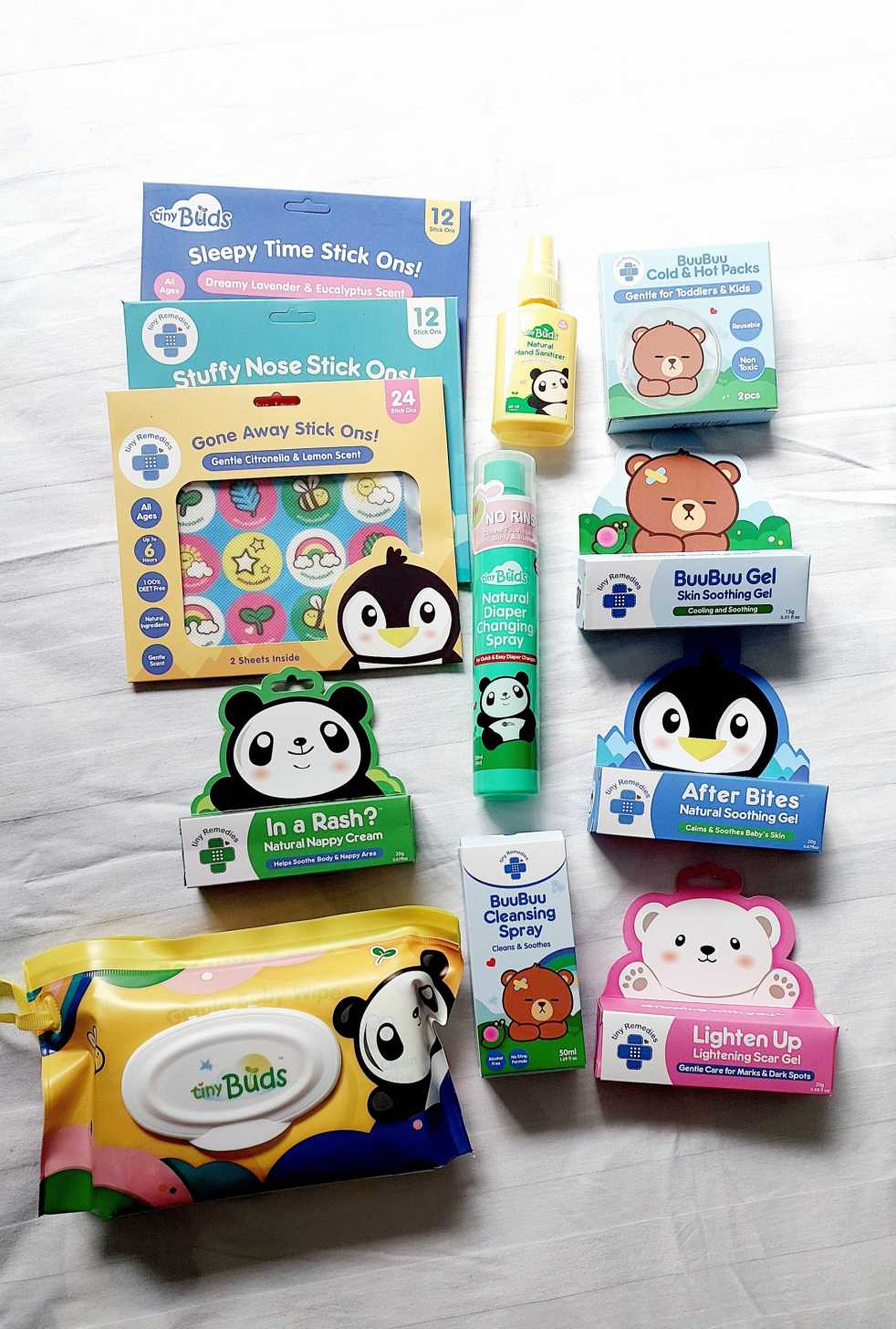
Your baby’s skin is more delicate than most, this is why you have to choose products that are designed for sensitive skin. Tiny Buds is a pioneer in integrating natural ingredients into baby care and today has over 50 innovative natural baby care essentials and is one of the Top Baby Personal Care brands. Here… Continue reading Product Review: Tiny Buds Baby Naturals Baby Essentials
Where your child goes to school is a big decision and shouldn’t be taken lightly. Given how their education can impact their future, you might be tempted to take control and decide for them. However, you might be doing more damage than helping them in the long run. Your job as parents is to support… Continue reading HOW TO CHOOSE THE BEST SCHOOL FOR YOUR CHILD
As poet and philosopher Rumi once eloquently said, “raise your words, not your voice. It is rain that grows flowers, not thunder.” Parenting is a challenging journey, and the truth is that nobody has everything figured out. One parenting style might suit others best, and some might favor other methods. However, children respond better to… Continue reading A SIMPLE GUIDE TO GENTLE PARENTING

Whether you’re a new mom to be, mom of a toddler, mom who have school-aged kids, you’re bound to have so many questions. Let's start with your baby's skin. Infant skin has unique needs; gentle care is essential to prevent damage to the skin barrier, which can lead to irritation. When caring for infant skin,… Continue reading Keeping Baby’s Diapered Skin Healthy
As parents, we want to give our child the best possible start in life and that begins with nurturing their intelligence. Throughout history, the notion of success has been linked to academic intelligence. However, there has been an increased awareness on the importance of emotional intelligence. This question gets at the heart of the never-ending… Continue reading IQ or EQ, which one is a better predictor of your child’s success?
 wondermomma.net