
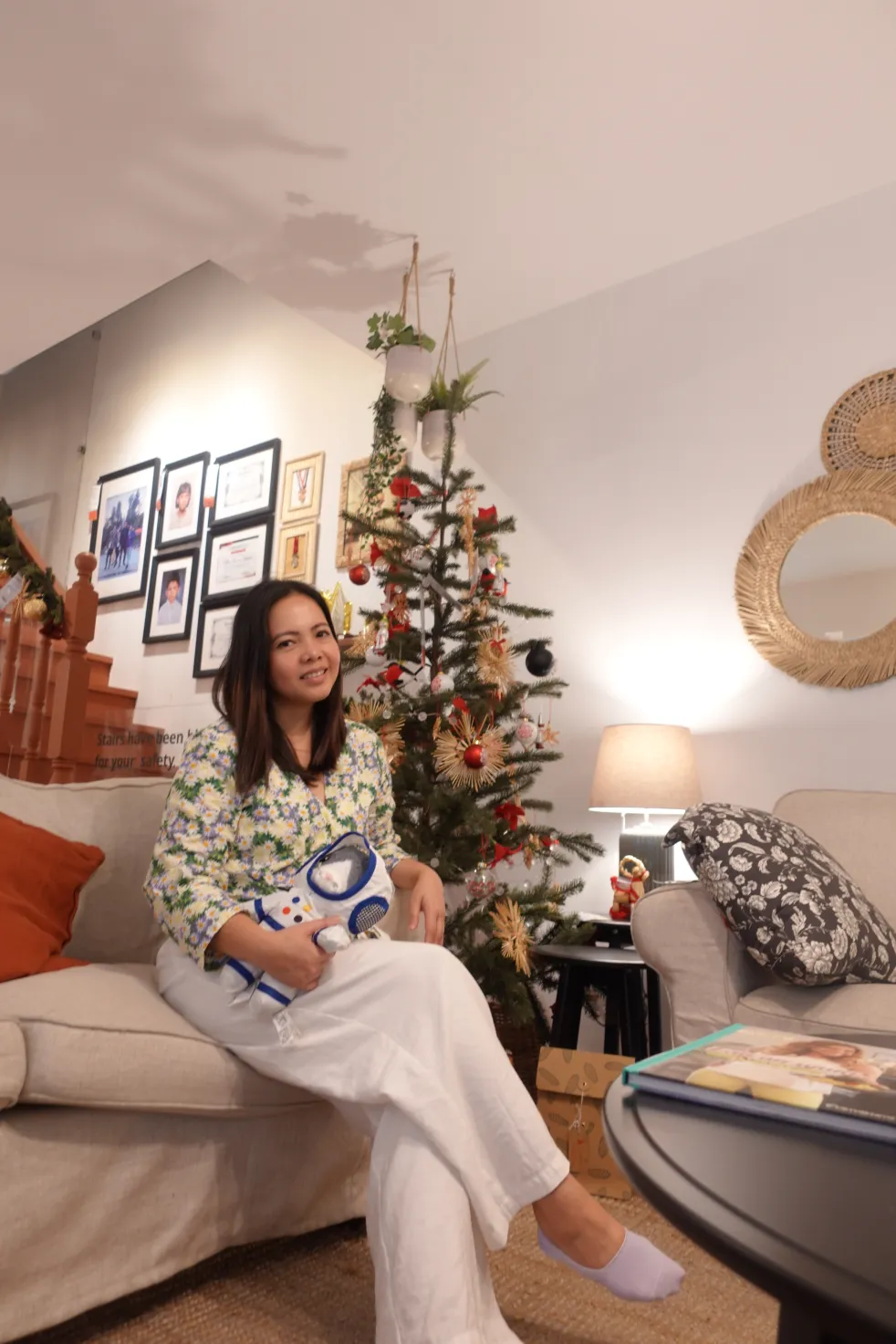
Last August, IKEA Philippines engaged with Better World Smokey Mountain, a newly opened community center operated by the San Miguel Foundation, which shares a similar goal of improving the lives of many Filipino people. Through this partnership, IKEA Philippines provided and assembled home furnishings for the classrooms and library of Better World Smokey Mountain community… Continue reading Help Create a Better World with IKEA Soft Toys

NutriAsia, the country’s top producer of condiments and sauces, continues its support of Refill Revolution; a project by the Department of Environment and Natural Resources EMB 3 that aims to help reduce Filipinos’ single-use plastics consumption. At Refill Revolution, residents get to recycle their single-use plastic bottles by reusing and filling it with their choice… Continue reading NutriAsia and DENR renews partnership for Refill Revolution

Welcoming baby home when pets already rule the house
Becoming a parent while already sharing your home with a dog, cat, or other animal companion is a uniquely Australian experience. Across the country, roughly six in every ten households include at least one pet, which means countless mums and dads in Sydney, Brisbane, Perth, and beyond are navigating the joyful chaos of merging tiny humans with their furred family members. The shift from "pet parent" to "parent of both a baby and a pet" brings a learning curve that is equal parts exciting and nerve-wracking.
The good news is that careful preparation and a thoughtful first meeting can lay the foundation for a friendship that lasts a lifetime. With a little patience, plenty of consistency, and an understanding of how your pet experiences change, the arrival of a newborn can become a wonderful expansion of the household rather than a source of stress.
Understanding how your pet sees the world
Before bringing a newborn into a home with animals, it helps to step into your pet's paws for a moment. Dogs and cats experience the world primarily through scent, and their sense of smell is dozens of times more powerful than ours. When you first begin preparing baby items — the pram in the hallway, the cot in the nursery, the new smells of lotions and laundry detergents — your pet is already noticing the changes long before you bring the baby home.
Routine matters enormously to most animals. A dog who knows that dinner arrives at six sharp and the evening walk follows soon after may feel unsettled when baby-related disruptions begin. Cats are even more attuned to shifts in attention and may seek reassurance through increased vocalisation or unexpected climbing adventures onto previously forbidden surfaces.
Recognising that your pet's reactions are rooted in confusion rather than disobedience is the first step toward a smooth transition. This same principle of empathy applies when you eventually begin talking about emotions, helping your child understand the feelings of others as the family grows.
Preparing the home before baby arrives
The nesting instinct is real, and it offers a perfect window to prepare your home for both baby and pet. Begin by setting up the nursery and baby areas several weeks before your due date, allowing your pet time to adjust to the new furniture, sounds, and scents. A baby swing that creaks or a white-noise machine that hums can be introduced gradually so that these unfamiliar noises become part of the everyday soundtrack.
Pet-proofing takes on a new dimension when a baby is on the way. Any items your pet might find tempting — small toys, socks, hair ties, or baby toiletries — should be stored out of paw's reach. In Australian homes, where bifold doors often open onto backyards in suburbs from Carlton to Cottesloe, it is worth ensuring your pet cannot slip outside unnoticed while you are occupied with feeds and changes. Microchip details and registration with your local council should be up to date; in NSW, for instance, the Companion Animals Act 1998 requires lifetime registration of dogs and cats, which also helps reunite lost pets with families.
It is also worth thinking practically about daily logistics. Where will the dog sleep once the baby is here? Will the cat be allowed in the nursery? Establishing these boundaries early prevents confusion for everyone, including your pet.
Scent and sound familiarisation
Long before the actual introduction, you can help your pet associate the new baby with positive experiences. Borrow a baby blanket or item of baby clothing from a friend or sibling and let your pet sniff it while offering treats and praise. This gentle pairing teaches your animal that the new smells predict good things rather than something to fear.
Playing recordings of baby cries at a low volume during the day is widely suggested by Australian veterinarians, including the Australian Veterinary Association, as a way to desensitise dogs and cats to the sound of an infant. Start quietly and pair the sound with a reward, gradually increasing the volume as your pet remains calm. Many Melbourne-based trainers recommend short sessions of just a few minutes each, repeated across several weeks.
Bringing household members into the routine early also matters. Partners, grandparents, and regular visitors can spend extra time with your pet during the late stages of pregnancy, helping prevent the sudden disappearance of familiar humans once baby arrives.
The first face-to-face meeting
The first introduction should be calm, controlled, and free from outside pressure. Choose a moment when the baby is fed, settled, and your pet is relaxed — perhaps after a walk for a dog or following a meal for a cat. Avoid the first meeting on the day you come home from hospital if possible; instead, allow your pet a brief, supervised greeting with you first, then a separate calm introduction to the baby a little while later.
Always supervise the initial encounters, and never leave a baby alone with an animal, regardless of how trustworthy your pet has been in the past. Holding your baby securely while another adult manages the dog on a lead, or letting a calm cat approach at her own pace while you remain still, gives everyone space to take stock of one another. Some families find it helpful to bring a baby blanket home from the hospital before discharge, allowing the pet a chance to investigate the scent in a low-pressure setting.
If your pet shows signs of stress — flattened ears, tucked tail, hissing, growling, or attempts to leave the room — calmly separate them and try again later. Forcing an interaction can set the relationship back rather than build it forward.
Reading body language and setting boundaries
Once introductions are underway, learning to read your pet's body language becomes an essential parenting tool. A dog who leans away, licks his lips repeatedly, or shows the whites of his eyes is asking for space, not affection. A cat who flicks her tail rapidly or flattens her ears against her head is signalling discomfort that could escalate if ignored.
Equally, your pet needs to understand new household rules. Teaching a dog to remain calm when the baby cries, to walk away when food is being prepared, and to settle on a designated bed rather than under the pram takes time and consistency. Positive reinforcement, with treats and praise for the behaviours you want to see, works far better than scolding.
Babies grow quickly, and so does the kind of supervision they require. A crawling eight-month-old who grabs at fur and tail is a very different challenge than a sleepy newborn, and the boundaries you set should evolve alongside your child's mobility and curiosity.
Everyday life with baby and pets
The everyday rhythm of an Australian household with both a baby and pets often includes muddy paws on the kitchen tiles, fur on the baby grows, and plenty of shared morning cuddles on the back deck. Embracing the mess is part of the journey, but a few practical habits can keep everyone safe and comfortable.
Wash your hands after handling pet food or waste and before every feed or nappy change. Keep litter trays well away from the baby's reach, particularly in homes where the cat's toilet is in a laundry or bathroom — this is also a key recommendation in RSPCA Australia guidance on safe pet ownership around young children. Regularly groom your pets to manage shedding, particularly in warmer months when Brisbane, Darwin, and other northern cities experience long, humid summers.
Family time outdoors, whether at Sydney's coastal walks, Adelaide's parklands, or local dog beaches in regional Victoria, can include your pet while still being baby-friendly. Many Australian councils now operate dog-friendly parks with shaded areas and seating for parents, making it easier to combine the social and exercise needs of pets with the demands of a young family.
When to seek professional support
Most pets adapt beautifully to the arrival of a baby, but some need a little extra help. If your dog shows persistent anxiety, resource guarding, or any sign of aggression toward the baby, contact a qualified veterinary behaviourist or an accredited trainer through the Pet Professional Accreditation Australia scheme. Similarly, a cat who begins toileting outside the litter tray, hiding for long periods, or displaying sudden aggression may be struggling with the change and benefit from a behavioural assessment.
Your local vet, the RSPCA, or organisations such as the Animal Welfare League Australia can also offer guidance tailored to your circumstances, including advice on state-specific regulations around animal welfare and child safety. Many vet clinics in regional centres like Cairns, Ballarat, or Launceston now run puppy preschool and kitten classes that include modules on preparing pets for family life.
| Pet type | Typical adjustment time | Best introduction approach | Key supervision notes |
|---|---|---|---|
| Dog (adult) | 2–6 weeks | Leashed, calm meeting with treats and praise | Never leave baby alone; watch for stress signals |
| Dog (puppy) | Several months | Short, positive sessions; teach boundaries early | Extra vigilance as puppy grows quickly |
| Cat (adult) | 1–4 weeks | Allow cat to approach at her own pace | Keep litter tray away from baby areas |
| Cat (kitten) | A few months | Gentle handling; teach appropriate play | Kitten claws and baby skin need careful management |
| Small mammal (rabbit, guinea pig) | 1–3 weeks | Scent first, then supervised held introductions | Always handle baby-pet time with adult supervision |
Bringing a baby into a home with pets is less about perfecting a single moment and more about weaving two worlds together gently over time. With preparation, patience, and a willingness to adapt, the bond that forms can become one of the most heartening parts of family life.

Mercato Centrale, in collaboration with Indian Women in Enterprise Philippines (I-We), is set to host "The Great Indian Fiesta" to mark 75 years of friendship between India and the Philippines. The dynamic two-day event is scheduled to take place on September 30 to October 1, 2023, at Paseo De Roxas Street, Makati City. Aiming to… Continue reading Mercato Centrale Partners with I-We to Host ‘The Great Indian Fiesta’, Commemorating 75 Years of India-Philippines Friendship

My stomach would usually start growling at 10 am even after taking a big breakfast. This is probably because I am a morning person and I move a lot throughout the day hence snacking is something that I can't avoid. This potatoes and chicken wrap recipe is easy to prepare and would keep me full… Continue reading Potato and Chicken Wrap
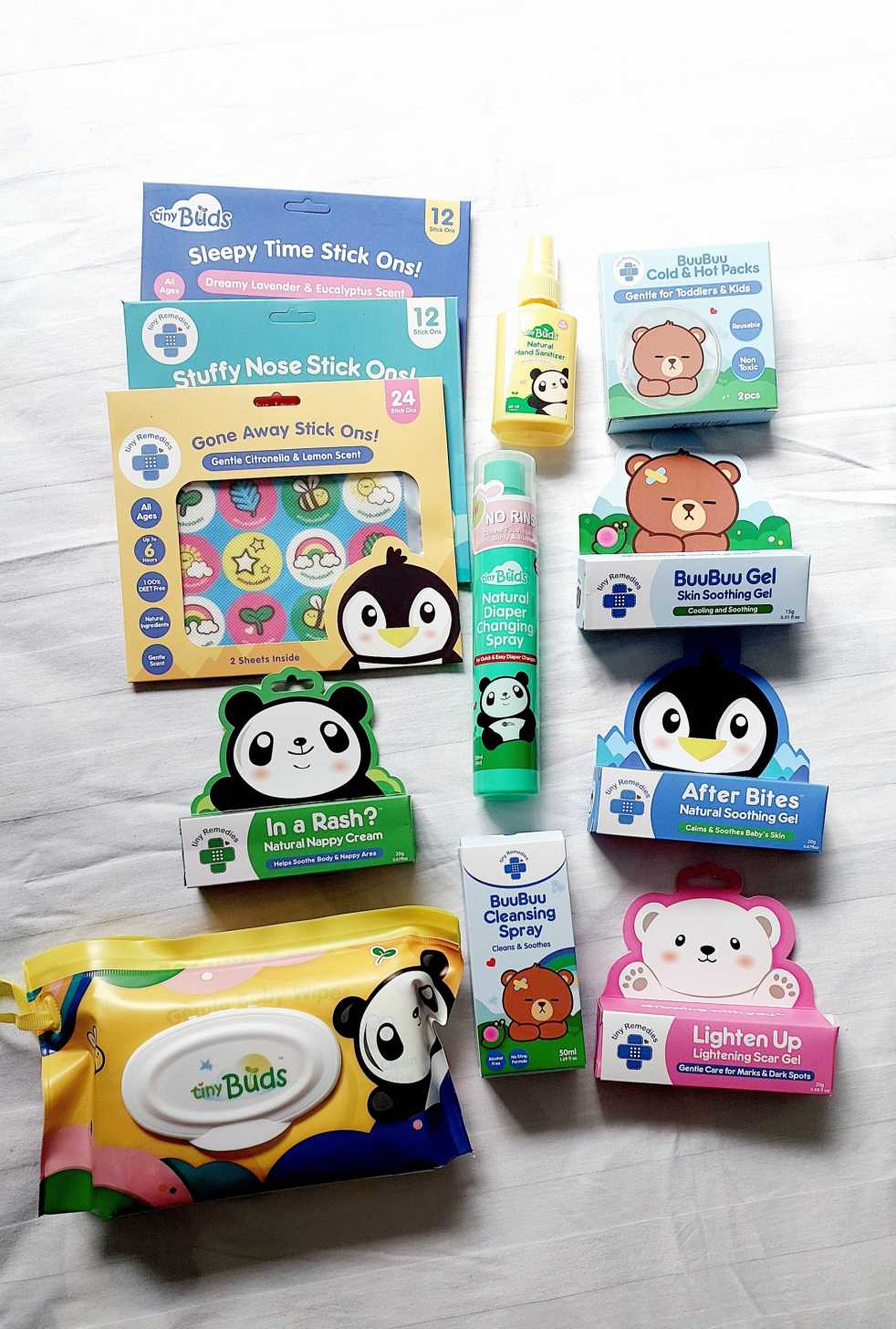
Your baby’s skin is more delicate than most, this is why you have to choose products that are designed for sensitive skin. Tiny Buds is a pioneer in integrating natural ingredients into baby care and today has over 50 innovative natural baby care essentials and is one of the Top Baby Personal Care brands. Here… Continue reading Product Review: Tiny Buds Baby Naturals Baby Essentials
Where your child goes to school is a big decision and shouldn’t be taken lightly. Given how their education can impact their future, you might be tempted to take control and decide for them. However, you might be doing more damage than helping them in the long run. Your job as parents is to support… Continue reading HOW TO CHOOSE THE BEST SCHOOL FOR YOUR CHILD
As poet and philosopher Rumi once eloquently said, “raise your words, not your voice. It is rain that grows flowers, not thunder.” Parenting is a challenging journey, and the truth is that nobody has everything figured out. One parenting style might suit others best, and some might favor other methods. However, children respond better to… Continue reading A SIMPLE GUIDE TO GENTLE PARENTING
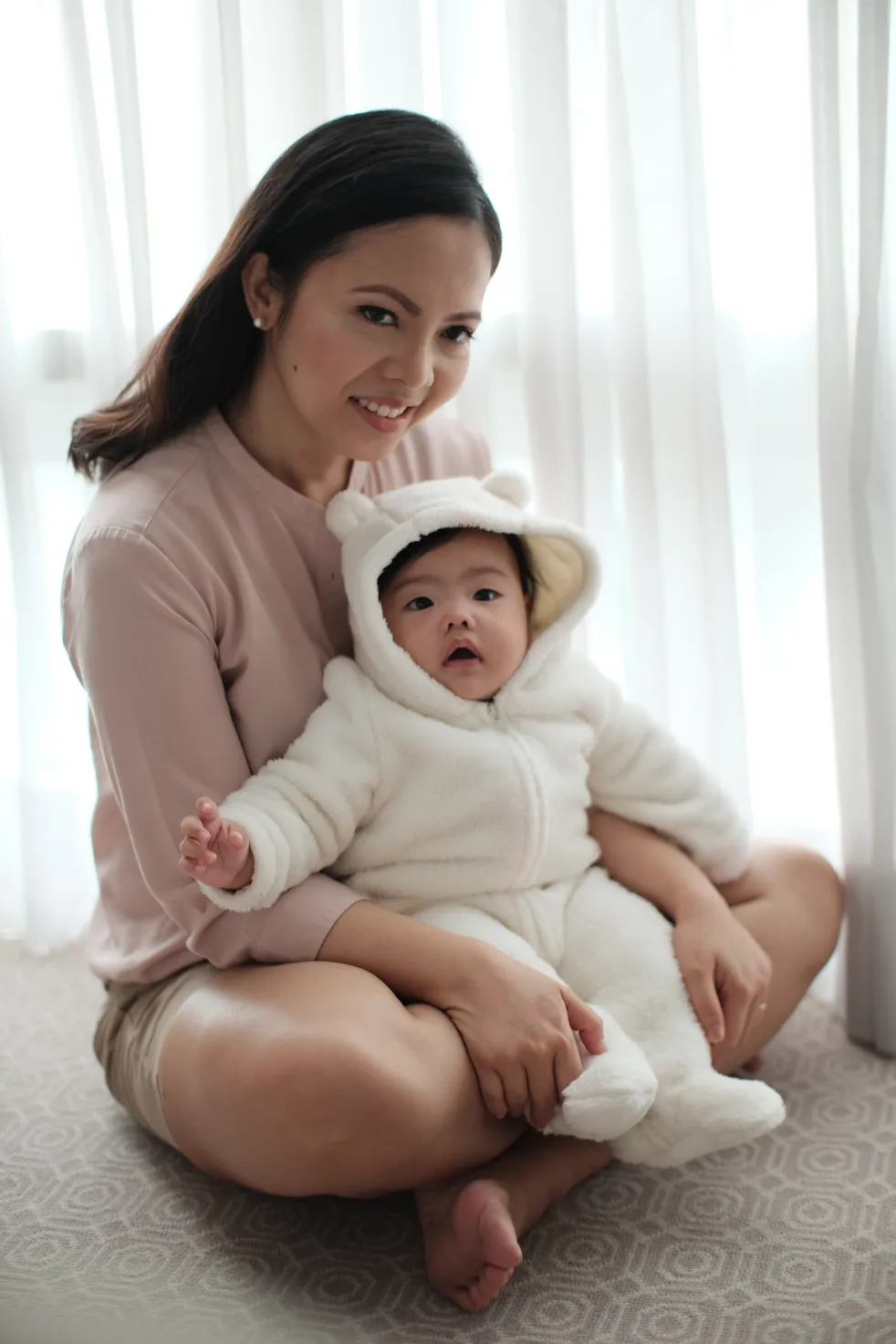
Whether you’re a new mom to be, mom of a toddler, mom who have school-aged kids, you’re bound to have so many questions. Let's start with your baby's skin. Infant skin has unique needs; gentle care is essential to prevent damage to the skin barrier, which can lead to irritation. When caring for infant skin,… Continue reading Keeping Baby’s Diapered Skin Healthy
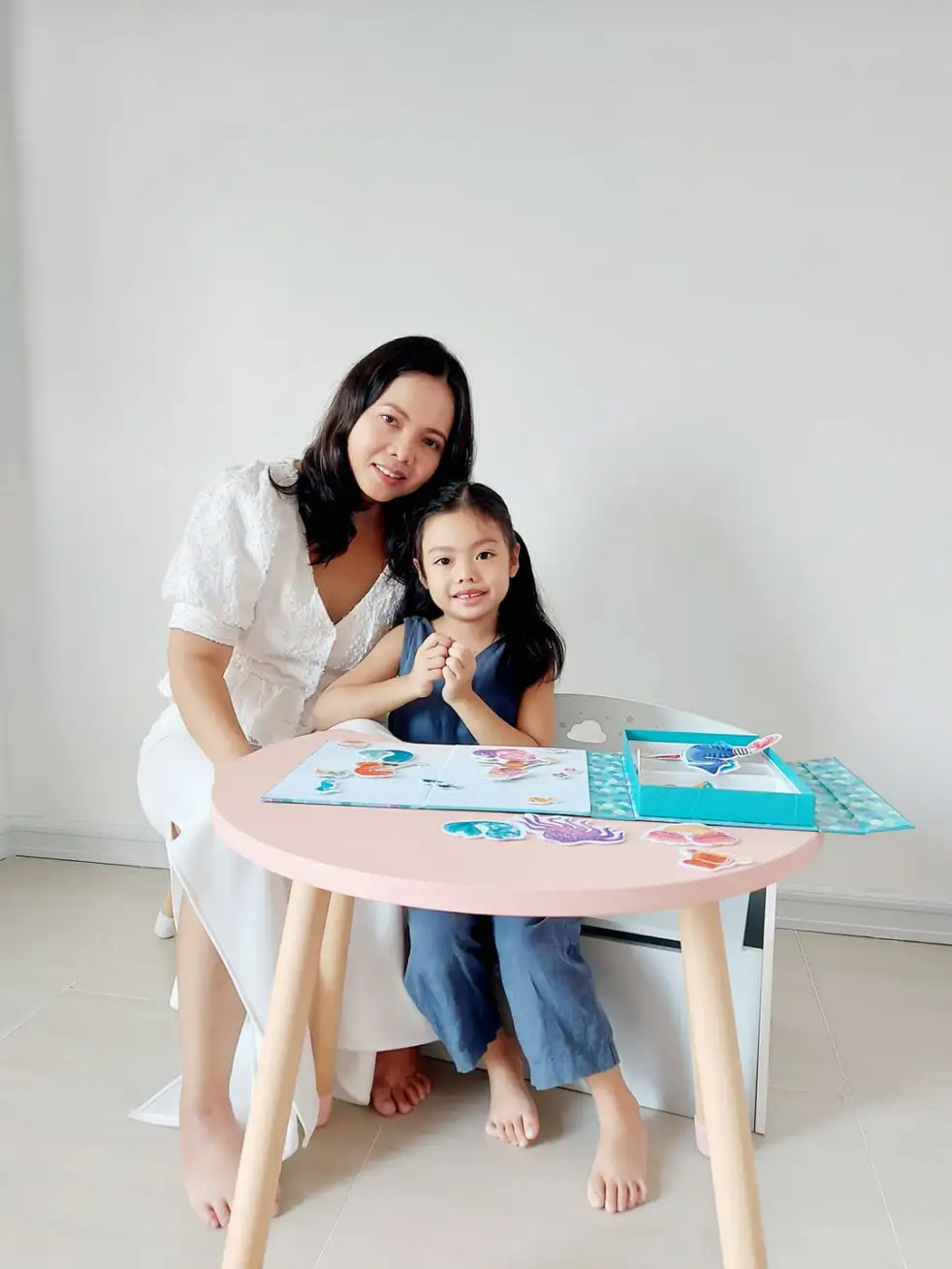
As parents, we want to give our child the best possible start in life and that begins with nurturing their intelligence. Throughout history, the notion of success has been linked to academic intelligence. However, there has been an increased awareness on the importance of emotional intelligence. This question gets at the heart of the never-ending… Continue reading IQ or EQ, which one is a better predictor of your child’s success?
 wondermomma.net