

Last August, IKEA Philippines engaged with Better World Smokey Mountain, a newly opened community center operated by the San Miguel Foundation, which shares a similar goal of improving the lives of many Filipino people. Through this partnership, IKEA Philippines provided and assembled home furnishings for the classrooms and library of Better World Smokey Mountain community… Continue reading Help Create a Better World with IKEA Soft Toys

NutriAsia, the country’s top producer of condiments and sauces, continues its support of Refill Revolution; a project by the Department of Environment and Natural Resources EMB 3 that aims to help reduce Filipinos’ single-use plastics consumption. At Refill Revolution, residents get to recycle their single-use plastic bottles by reusing and filling it with their choice… Continue reading NutriAsia and DENR renews partnership for Refill Revolution

How to Talk to Your Child About Emotions
Children experience powerful feelings long before they have the words to explain them. Joy, disappointment, jealousy, fear, frustration, and embarrassment can all appear as crying, shouting, silence, clinginess, or sudden resistance. When adults respond with patience and curiosity, children gradually learn that emotions are manageable experiences rather than problems to hide.
Talking about feelings is a daily parenting practice, not a single conversation. It can happen while preparing breakfast, walking home from school, reading a story, or settling down at night. Small, regular conversations help children build emotional intelligence, recognize body signals, and communicate their needs more safely.
The goal is not to prevent sadness or anger. Children need to know that every feeling is allowed, while certain actions still have limits. A child can feel angry without hitting, feel jealous without taking a toy, and feel afraid while slowly learning that a trusted adult is nearby.
Begin with what you notice
Start by describing your child’s expression, body language, or behavior without making a judgment. You might say, “Your hands are tight, and your voice is loud,” or “You became quiet when your friend left.” This gives the child a gentle opening to consider what is happening inside.
Avoid guessing with certainty. Saying “You are angry because you lost” may be incorrect, and a child can become more upset when an adult defines the experience for them. Try, “I wonder if you feel disappointed,” or “Could it be worry, tiredness, or something else?” A curious tone communicates that their perspective matters.
Some children answer immediately, while others need time. Accepting “I don’t know” keeps the conversation safe. You can offer a simple observation later instead of demanding an explanation in the middle of a difficult moment.
Build a practical feelings vocabulary
Children need more than happy, sad, and angry to describe their emotional world. Introduce words such as nervous, proud, lonely, confused, hopeful, frustrated, relieved, embarrassed, and disappointed. Use them naturally in conversation rather than turning every exchange into a lesson.
A feelings chart can help younger children point to a face or color when speaking feels difficult. Older children may prefer a journal, drawing, or private conversation during a walk. Let your child choose the method that feels comfortable, while continuing to model clear language yourself.
| When your child says or does this | A helpful response | Skill being practiced |
|---|---|---|
| “I hate this!” | “You sound frustrated. Tell me what feels unfair.” | Naming emotion and identifying a trigger |
| Cries after making a mistake | “That was disappointing. Mistakes can feel uncomfortable.” | Accepting disappointment |
| Refuses to join a group | “You may feel nervous. We can watch first.” | Recognizing anxiety and choosing a small step |
| Grabs a toy from a sibling | “You wanted a turn, but grabbing hurts. Ask for one.” | Setting limits and expressing needs |
| Says, “Nobody likes me” | “That feels lonely. What happened today?” | Exploring thoughts with compassion |
Connect feelings to body signals
Emotions often show up physically before children can name them. Anxiety may feel like a tight stomach, anger may bring hot cheeks or clenched fists, and sadness may create a heavy or tired feeling. Helping children notice these signals gives them an early warning that they need support.
During calm moments, ask your child where different emotions live in their body. You can invite them to place a hand on their chest, belly, or shoulders and describe what they notice. Keep the activity playful and brief; children do not need perfect emotional awareness to benefit from it.
Once a child notices a body signal, offer a calming strategy without presenting it as a punishment. Slow breathing, drinking water, stretching, counting, squeezing a pillow, listening to music, or sitting in a quiet corner may help. Explain that calming down does not mean the feeling was wrong. It simply creates enough space to choose what to do next.
Use ordinary routines for emotional learning
Daily routines provide predictable opportunities to discuss feelings. During meals, you might share one pleasant moment and one difficult moment from the day. On the way to school, you can talk about how excitement and nervousness sometimes happen together. These short exchanges feel less intense than questioning a child immediately after a conflict.
Bedtime is especially useful because children are often more reflective when the day becomes quiet. A consistent routine can make room for a gentle check-in, such as, “What made you smile today?” or “Was there a moment that felt hard?” For ideas on making evenings calmer, try this gentle bedtime routine, then add a brief feelings conversation before the final story or song.
Keep questions specific and manageable. “How was your day?” may feel too broad, while “Did anything make you feel proud today?” gives a child a clearer starting point. If they do not want to talk, respect the pause and let them know you are available later.
Respond calmly during big emotions
A child in the middle of a meltdown may not be able to listen to a long explanation. First, focus on safety and connection. Use a low voice, reduce extra words, and move dangerous objects away. You can say, “You are very upset. I will stay close. I will not let you hit.”
Once the child is calmer, acknowledge the feeling and set the boundary again. “You wanted more screen time, and stopping felt frustrating. It is okay to be angry. It is not okay to throw the controller.” This approach separates the emotion from the behavior, helping children understand that limits do not reject them.
Avoid forcing an apology before your child has recovered. Repair is more meaningful when the child is ready to think about the impact of their actions. Later, ask what happened, what their body felt like, and what they could try next time. If another person was hurt, guide the child toward a sincere repair, such as checking on them, helping rebuild a tower, or saying what they are sorry for.
Model emotional honesty at home
Children learn emotional regulation by watching how adults handle stress. You do not need to appear calm every moment. Instead, show what responsible emotional expression looks like. “I am feeling overwhelmed, so I will take three breaths before I answer,” teaches more than pretending that frustration never happens.
Share feelings in an age-appropriate way without making your child responsible for fixing them. A parent might say, “I felt disappointed when our plans changed, but I know it was not your fault.” This helps children understand that emotions can be strong and temporary, and that adults remain responsible for their own choices.
Helpful habits to practice as a family include:
- Naming one feeling during a daily check-in.
- Using “I feel…” statements instead of blame.
- Taking a short pause before responding to conflict.
- Reading stories and discussing what characters may be feeling.
- Celebrating honest communication, even when the feeling is uncomfortable.
Make space for positive emotions as well as difficult ones. Ask what made your child feel peaceful, excited, brave, included, or proud. A broad emotional vocabulary allows children to notice pleasure and gratitude, not only distress.
Support emotional growth over time
Children develop at different rates, and emotional language may be inconsistent. A child who can explain feelings at home may become quiet at school, while another may express everything through movement or play. Repetition, patience, and predictable responses are more effective than expecting immediate progress.
If a child’s fear, sadness, anger, or withdrawal consistently interferes with sleep, school, friendships, eating, or family life, speak with a pediatrician or qualified child mental health professional. Seeking support is a practical way to understand what your child needs; it is not a sign that anyone has failed.
Keep returning to the message that feelings carry information, but they do not have to control every action. When children are met with warmth, clear boundaries, and opportunities to practice, they become better equipped to identify emotions, ask for help, and recover from hard moments.
Begin today with one quiet observation and one open-ended feeling word. Listen without rushing to correct, stay close when emotions rise, and return to the conversation when everyone is ready. These small moments can become the foundation of a child’s confidence, empathy, and lifelong emotional wellbeing.

Mercato Centrale, in collaboration with Indian Women in Enterprise Philippines (I-We), is set to host "The Great Indian Fiesta" to mark 75 years of friendship between India and the Philippines. The dynamic two-day event is scheduled to take place on September 30 to October 1, 2023, at Paseo De Roxas Street, Makati City. Aiming to… Continue reading Mercato Centrale Partners with I-We to Host ‘The Great Indian Fiesta’, Commemorating 75 Years of India-Philippines Friendship

My stomach would usually start growling at 10 am even after taking a big breakfast. This is probably because I am a morning person and I move a lot throughout the day hence snacking is something that I can't avoid. This potatoes and chicken wrap recipe is easy to prepare and would keep me full… Continue reading Potato and Chicken Wrap
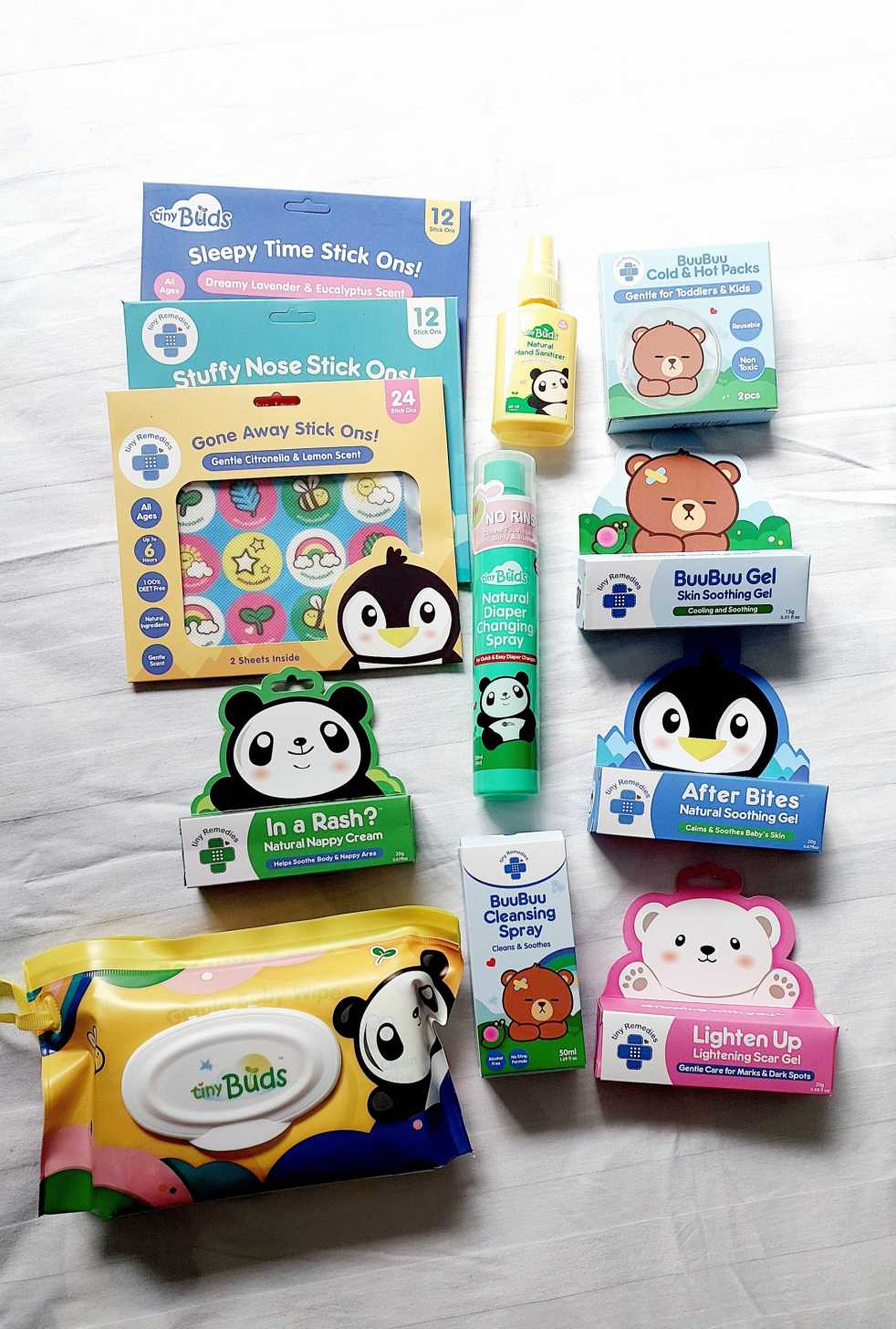
Your baby’s skin is more delicate than most, this is why you have to choose products that are designed for sensitive skin. Tiny Buds is a pioneer in integrating natural ingredients into baby care and today has over 50 innovative natural baby care essentials and is one of the Top Baby Personal Care brands. Here… Continue reading Product Review: Tiny Buds Baby Naturals Baby Essentials
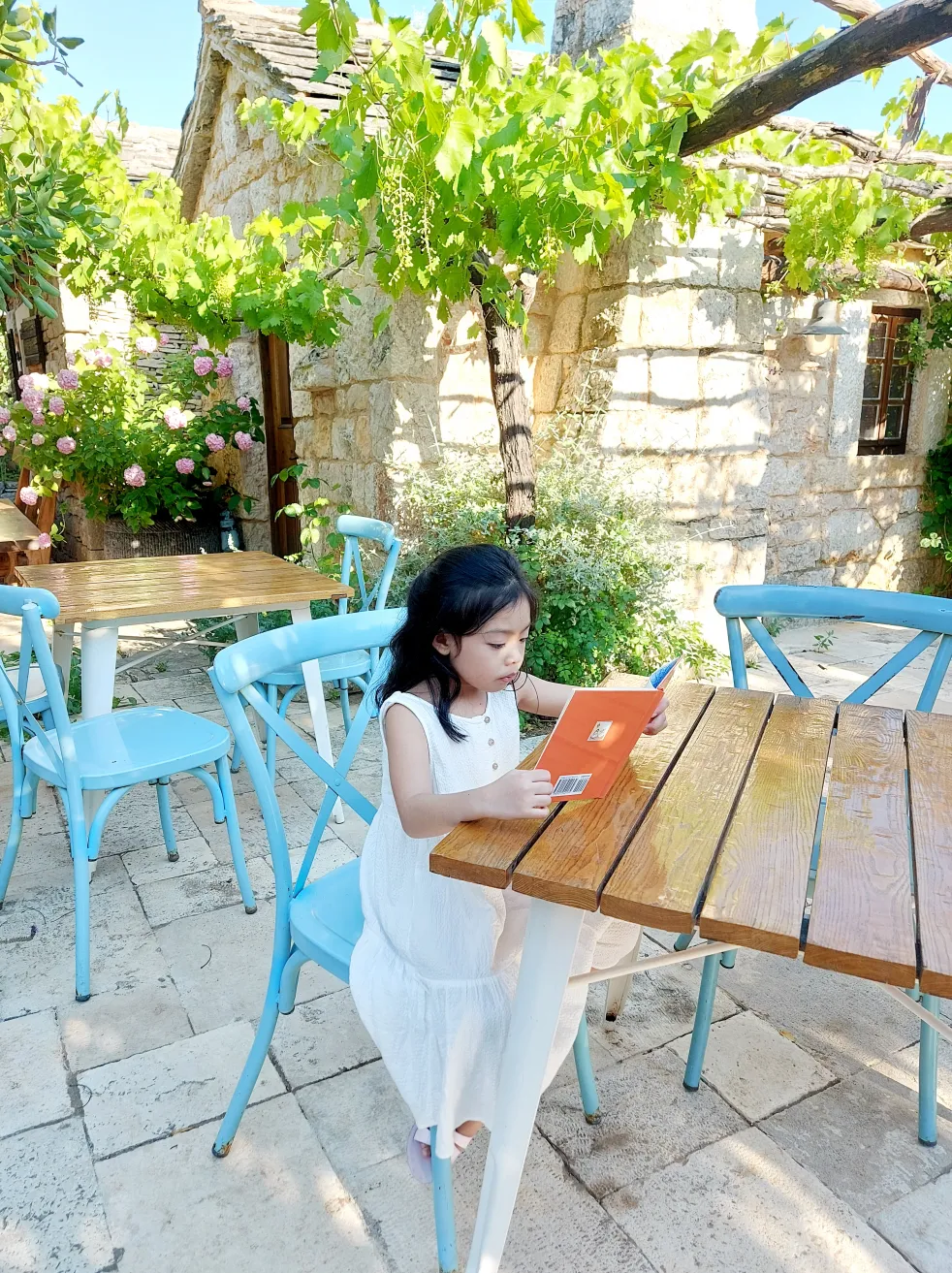
Where your child goes to school is a big decision and shouldn’t be taken lightly. Given how their education can impact their future, you might be tempted to take control and decide for them. However, you might be doing more damage than helping them in the long run. Your job as parents is to support… Continue reading HOW TO CHOOSE THE BEST SCHOOL FOR YOUR CHILD
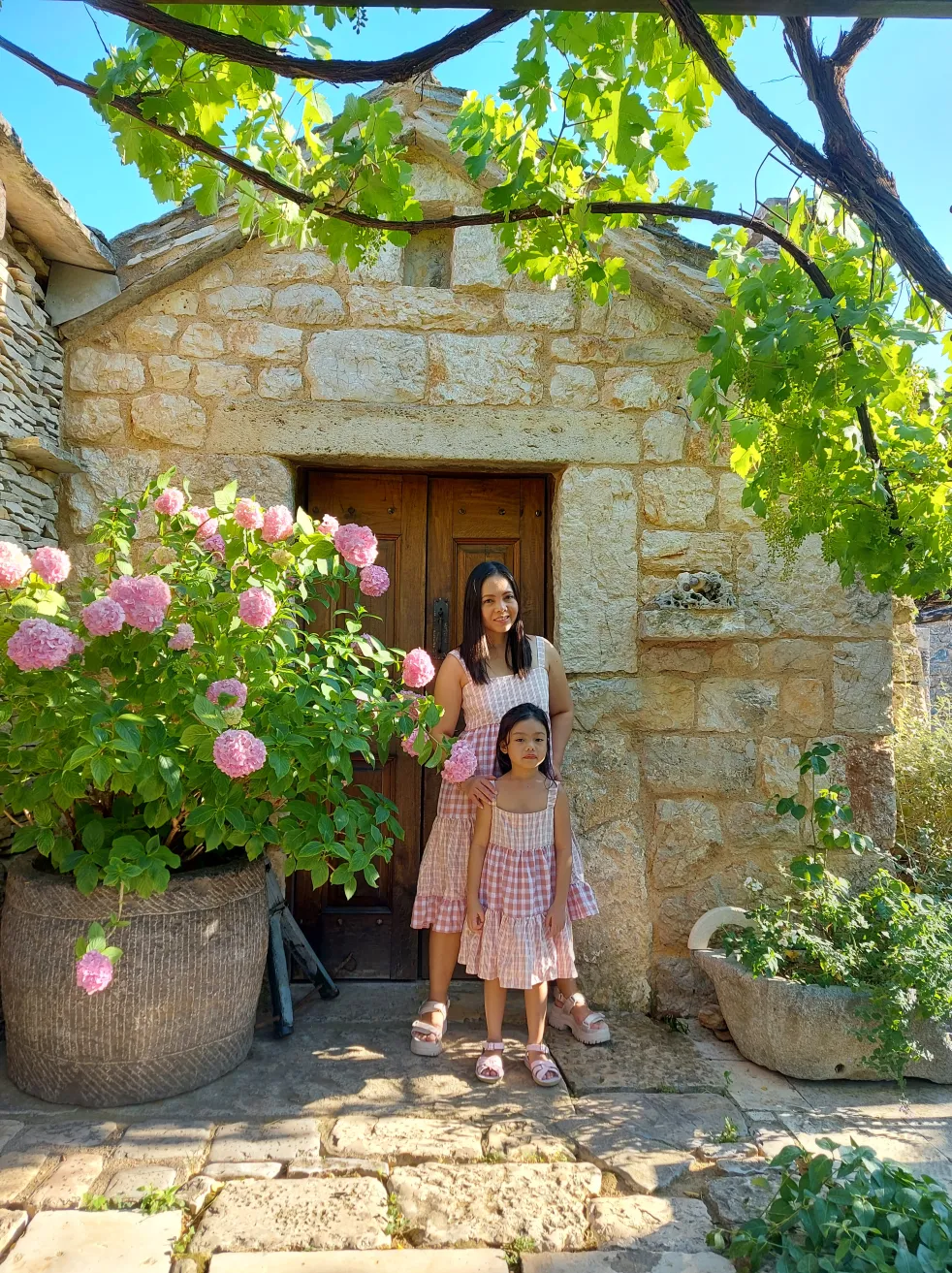
As poet and philosopher Rumi once eloquently said, “raise your words, not your voice. It is rain that grows flowers, not thunder.” Parenting is a challenging journey, and the truth is that nobody has everything figured out. One parenting style might suit others best, and some might favor other methods. However, children respond better to… Continue reading A SIMPLE GUIDE TO GENTLE PARENTING

Whether you’re a new mom to be, mom of a toddler, mom who have school-aged kids, you’re bound to have so many questions. Let's start with your baby's skin. Infant skin has unique needs; gentle care is essential to prevent damage to the skin barrier, which can lead to irritation. When caring for infant skin,… Continue reading Keeping Baby’s Diapered Skin Healthy
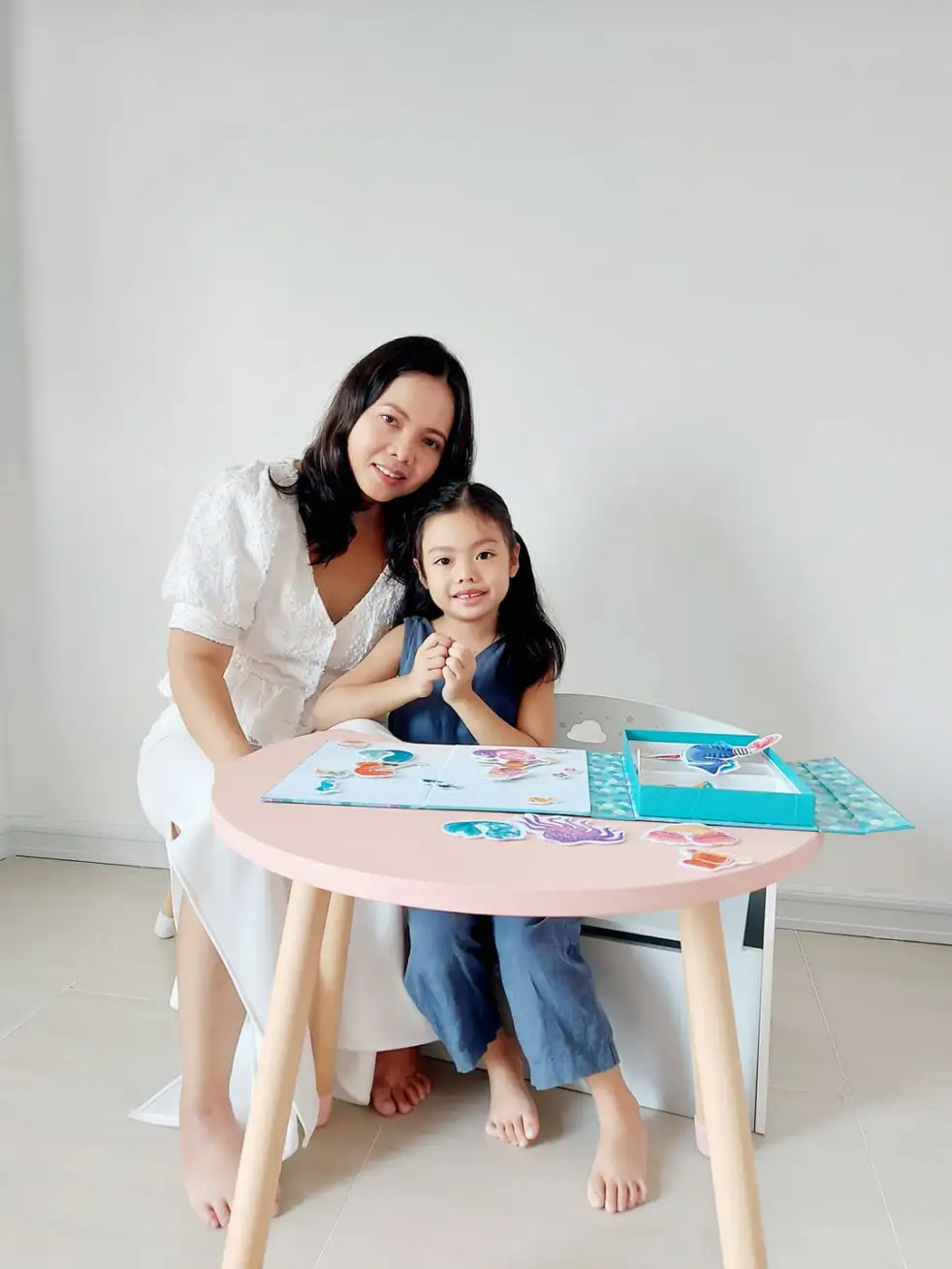
As parents, we want to give our child the best possible start in life and that begins with nurturing their intelligence. Throughout history, the notion of success has been linked to academic intelligence. However, there has been an increased awareness on the importance of emotional intelligence. This question gets at the heart of the never-ending… Continue reading IQ or EQ, which one is a better predictor of your child’s success?
 wondermomma.net