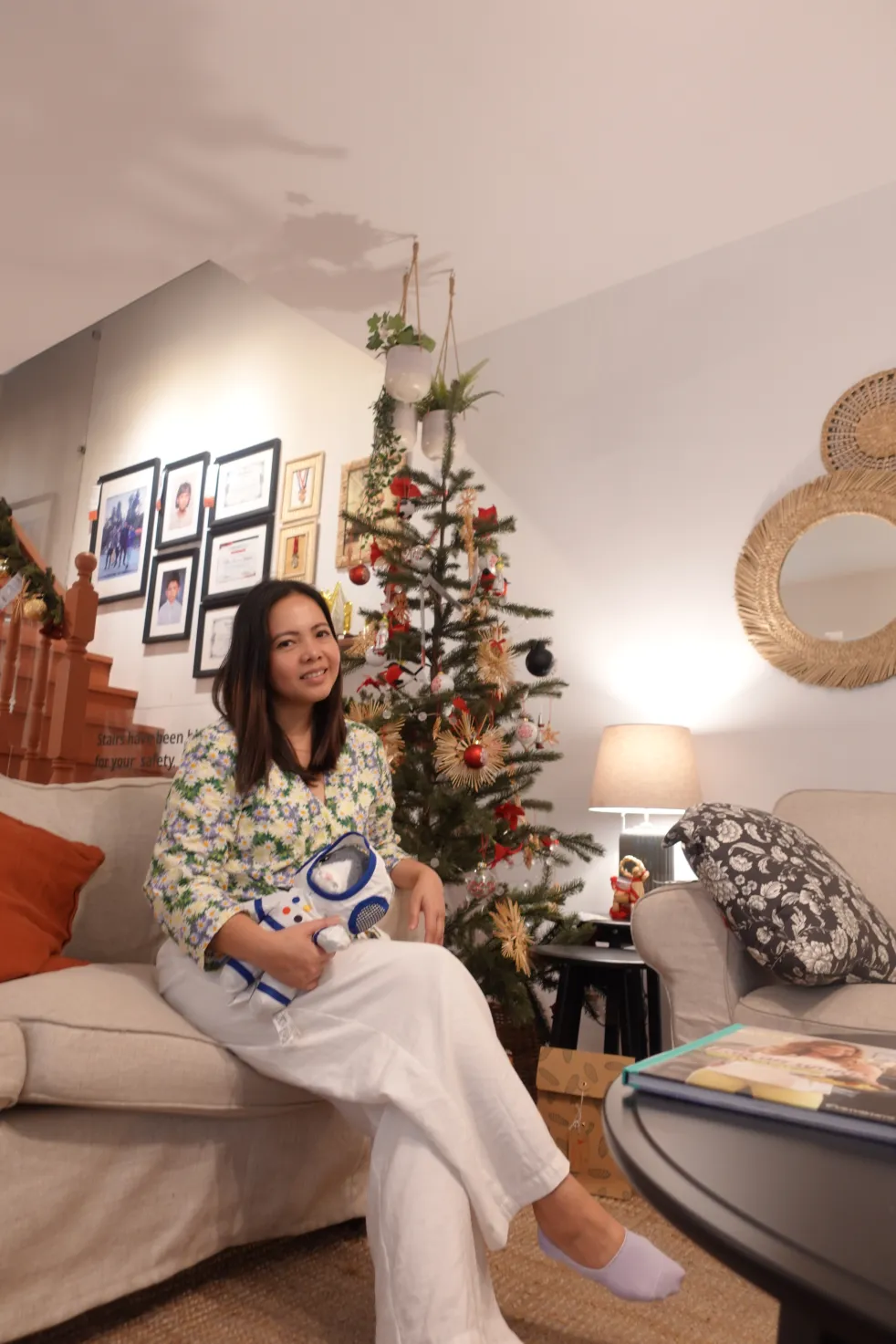
Last August, IKEA Philippines engaged with Better World Smokey Mountain, a newly opened community center operated by the San Miguel Foundation, which shares a similar goal of improving the lives of many Filipino people. Through this partnership, IKEA Philippines provided and assembled home furnishings for the classrooms and library of Better World Smokey Mountain community… Continue reading Help Create a Better World with IKEA Soft Toys
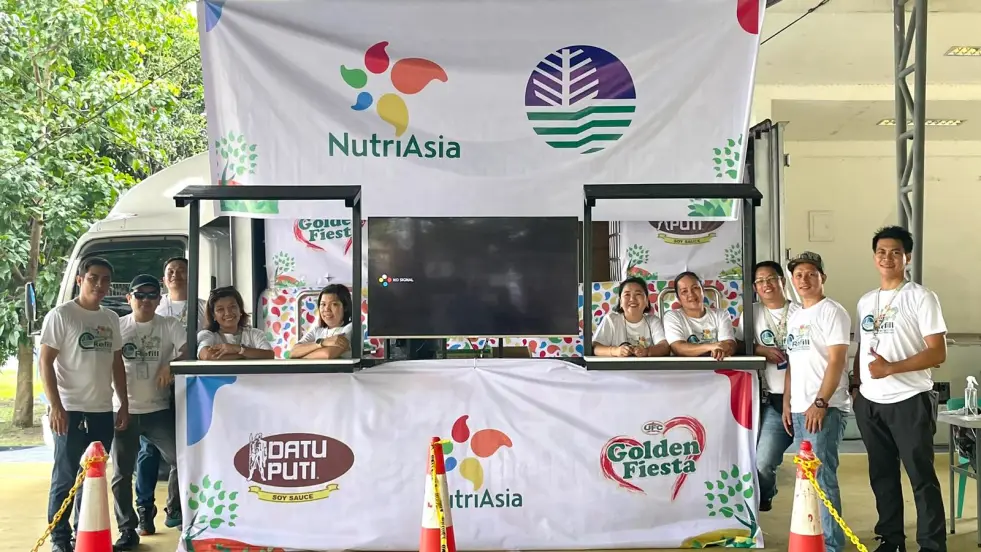
NutriAsia, the country’s top producer of condiments and sauces, continues its support of Refill Revolution; a project by the Department of Environment and Natural Resources EMB 3 that aims to help reduce Filipinos’ single-use plastics consumption. At Refill Revolution, residents get to recycle their single-use plastic bottles by reusing and filling it with their choice… Continue reading NutriAsia and DENR renews partnership for Refill Revolution
Public school vs private school: an Australian family guide
The public school vs private school decision can feel like a judgment about money, academic ambition and the kind of community a child will join. In Australia, the choice often reaches beyond tuition: school zones, commuting time, uniforms, learning support, family beliefs and the emotional fit of the school all shape daily life. The strongest decision is the one that fits your child and family rather than the option with the broadest reputation.
Australian families benefit from a varied school landscape, but labels can hide important differences. A government school in a sought-after Sydney or Melbourne suburb may be highly selective, while a modest-fee Catholic school may offer a familiar community and strong pastoral care. Independent schools range from small boutique settings to large senior campuses. Comparing the actual experience at nearby schools is more useful than treating “public” and “private” as fixed categories.
What each option actually involves
In Australia, government schools generally follow the Australian Curriculum and are tuition-free for primary and secondary education. Attendance requirements differ slightly by state and year level, but enrolment is usually straightforward when a child lives in the designated area. Some metropolitan schools are oversubscribed, and families seeking selective-entry places may need to apply through the relevant state process.
Non-government schools include Catholic systemic schools, other faith-based institutions and independent schools. They charge tuition, although some offer scholarships, sibling discounts or fee instalments. Fees can range from several thousand dollars annually to tens of thousands, especially in Sydney and Melbourne. A school’s fee brochure matters, but so do the hidden costs around uniforms, excursions, laptops, music lessons, transport and camps.
Neither label guarantees smaller classes, better behaviour or stronger results. School leadership, staff turnover, the mix of students and the way children are supported vary widely. Treat the category as a starting point for research, then examine the particular school your child could attend and the wider community it reflects.
Compare cost, access, and daily logistics
Government education avoids tuition, yet families should still budget for school fees such as excursions, swimming and music programs, stationery, uniforms and device hire. Private tuition is only one part of a potentially larger commitment. Ask whether books are supplied, transport is subsidised and high-cost subjects such as music or sport are included, because these details can change the gap between two options.
Location can affect the decision as much as fees. A house within a desirable school zone can carry a price premium in Sydney, Melbourne, Brisbane and Perth, while a private school may sit near a train, tram or bus corridor but still require a long drive during peak hours. Compare the child’s actual journey, drop-off supervision needs and the effect on work, childcare and siblings.
A practical daily schedule is easy to underestimate. Test travel at the same time you expect to use it, including traffic near the school gate. Ask how long the bus, train or car journey takes, when buses arrive and whether families need annual parking or campus parking permits. These everyday pressures can matter more than a small difference in published fees.
Compare curriculum, culture, and support
Schools may all follow the Australian Curriculum, yet the way learning is organised can differ. Independent schools may offer particular programmes, uninterrupted primary periods or a stronger arts focus, while government schools may provide specialist language teaching, support units or access to instruments and sporting facilities. Ask what is actually timetabled for your child’s year, not just what exists on an extracurricular list.
NAPLAN results can offer one national benchmark, but a single score does not reveal a child’s daily experience. Request information about class sizes in the relevant year levels, staff continuity, intervention processes and how schools respond when a pupil needs more help. Look for clear pathways from early identification to classroom adjustments and family communication.
Culture is equally important. Catholic schools often have an explicit faith dimension, while independent schools vary from academically focused environments to progressive, arts-rich or nature-oriented communities. Government schools generally reflect a more secular and diverse public culture. Discuss values, inclusion, respectful behaviour, uniform expectations and how the school handles friendship conflict or bullying.
Match the school to your child
Every child learns differently, and the most popular school may not be the best match. A sociable child might thrive in a large, active community, while a child who needs quiet, consistent boundaries may prefer a calmer setting. Consider attention, sensory needs, existing friendships and how much independence the school encourages, rather than assuming one setting suits every personality.
Think carefully about any learning, developmental or health support already in place. Ask whether the school has the expertise, timetabled intervention and trained staff to meet those needs. For a child who is uneasy about darkness or unfamiliar routines, this advice on how to overcome fear of the dark can complement the reassurance and predictable sleep routines you build around school.
Siblings can change the calculation. A familiar school may reduce morning stress and allow an older child to guide a younger one, while a new setting gives a child a fresh peer group outside the family. Compare each child separately: one child’s success in a particular environment does not settle the right choice for another. Avoid choosing solely because a friend attends.
Visit schools and compare experiences
Visit more than one school before applying. Book a tour during the school day when possible, then attend an open evening with your child if age-appropriate. Look at how teachers greet visitors, how calmly transitions run and whether students appear engaged rather than simply performing for guests. A polished open day is useful, but ordinary hallway and playground behaviour can be more revealing.
Prepare a small set of questions for teachers and administrators. Ask how the school supports a struggling pupil, what happens when a child is excluded, how pastoral care is organised and what happens to the wellbeing of students who are shy or highly sensitive. Request examples of how concerns raised by families are handled, including response times and communication.
Talk to families whose children attend the school, but ask specific questions rather than seeking a general verdict. Current students can explain how uniforms, device rules, lunchtimes and academic expectations feel in practice. Speak with the school about transport arrangements, transition care and after-school options around Melbourne or Brisbane suburbs, where commuting and school-hour coverage often shape what is workable for parents.
Compare affordability and family logistics
Cost comparisons become clearer when every realistic expense is placed beside the family’s actual income and time. Use the following prompts for schools and for your household rather than relying on a broad claim that one sector is cheaper.
Ask each school:
- What are the annual tuition, enrolment and capital levy charges?
- Which uniforms, devices, books and excursions cost extra?
- Are scholarships, sibling discounts or fee instalments available?
- What transport, care and before- and after-school options cost?
Assess the family budget:
- Can the budget absorb fees without reducing essentials or savings?
- Who will manage uniforms, lunches, deadlines and school communication?
- How many hours each week will the school journey require?
- What support is available if income or work arrangements change?
School choice does not need to consume the family’s budget. Low-cost learning experiences, library visits, park activities and household projects can support a child’s interests outside school. For practical inspiration, Nugget on a Budget offers family-oriented ideas without making enrichment another major expense. A sound financial plan leaves room for ordinary family life and protects the decision from constant pressure.
Make a balanced shortlist and decide
Create a shortlist rather than a single favourite. List the schools that meet your non-negotiables, then score each one on learning support, commute, cost, culture, wellbeing and your child’s response. Use the scores as a conversation tool, not an objective verdict. Revisit any criterion that carries real weight for your family and remove features you are willing to live without.
Keep enrolment dates and deadlines in view, especially where selective government schools, Catholic pathways or independent schools have waitlists. Ask about sibling priority, enrolment priorities, the effect of changing address and the process for challenging an outcome. If applying to a selective school in New South Wales or Victoria, understand that location can determine access, and that a nearby non-selective school remains an important fallback.
Make the final decision as a family, with your child’s voice included in age-appropriate ways. The school that feels safest, most respectful and most manageable is usually the one that supports sustained learning and wellbeing. Commit with realistic expectations, build relationships with teachers, and revisit the plan as your child and the school develop. A school is an important setting, not a verdict on your child or your parenting.

Mercato Centrale, in collaboration with Indian Women in Enterprise Philippines (I-We), is set to host "The Great Indian Fiesta" to mark 75 years of friendship between India and the Philippines. The dynamic two-day event is scheduled to take place on September 30 to October 1, 2023, at Paseo De Roxas Street, Makati City. Aiming to… Continue reading Mercato Centrale Partners with I-We to Host ‘The Great Indian Fiesta’, Commemorating 75 Years of India-Philippines Friendship

My stomach would usually start growling at 10 am even after taking a big breakfast. This is probably because I am a morning person and I move a lot throughout the day hence snacking is something that I can't avoid. This potatoes and chicken wrap recipe is easy to prepare and would keep me full… Continue reading Potato and Chicken Wrap
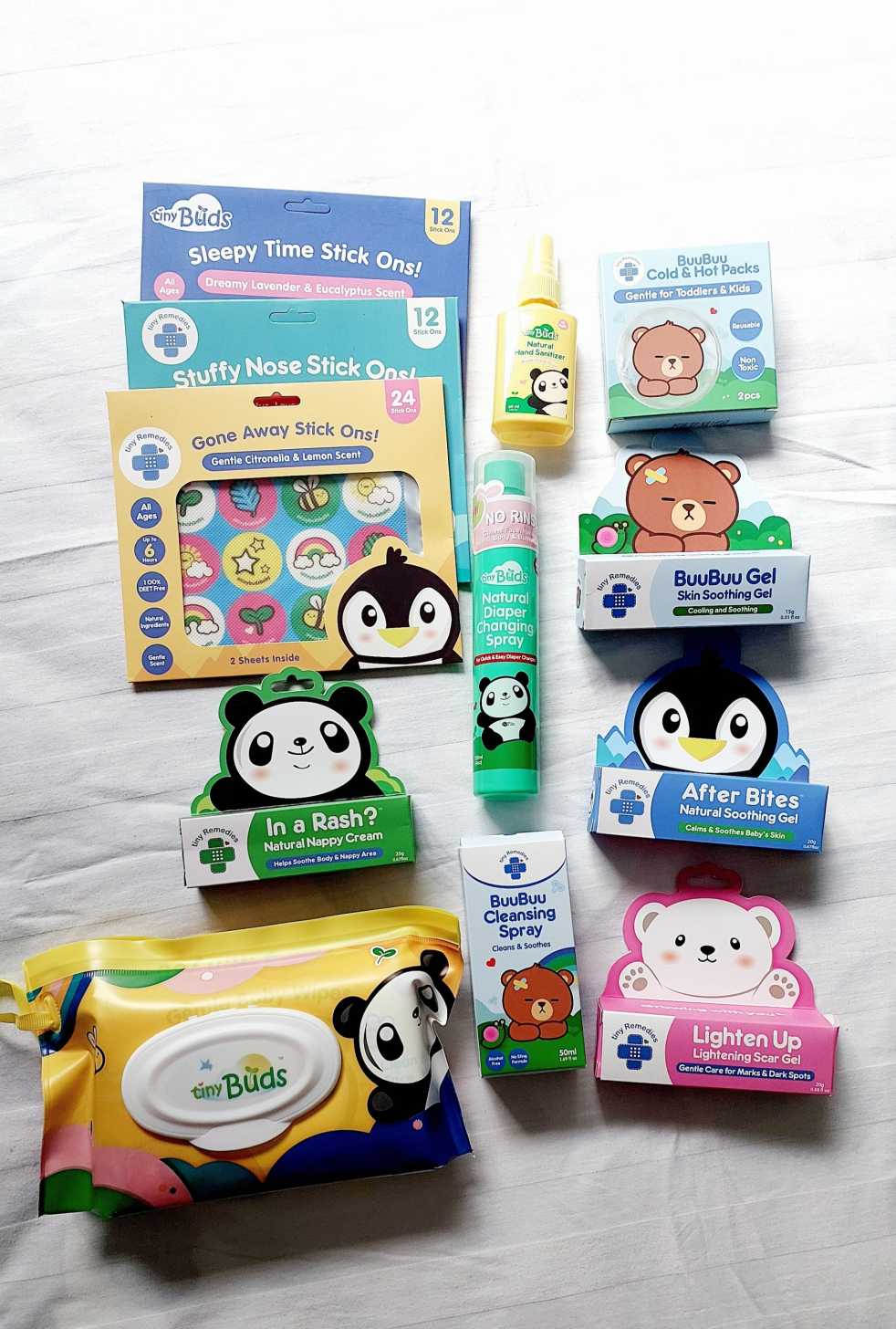
Your baby’s skin is more delicate than most, this is why you have to choose products that are designed for sensitive skin. Tiny Buds is a pioneer in integrating natural ingredients into baby care and today has over 50 innovative natural baby care essentials and is one of the Top Baby Personal Care brands. Here… Continue reading Product Review: Tiny Buds Baby Naturals Baby Essentials
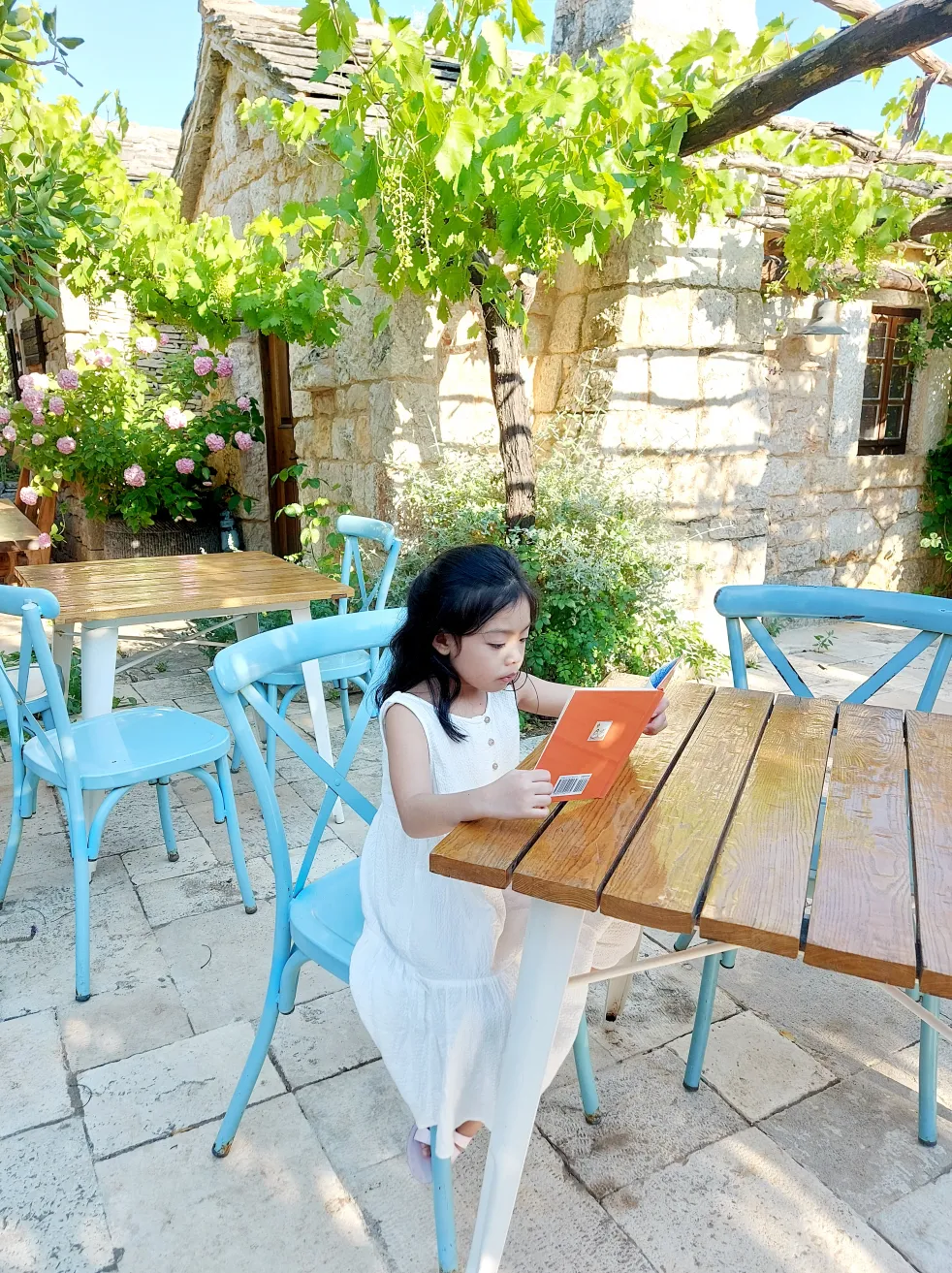
Where your child goes to school is a big decision and shouldn’t be taken lightly. Given how their education can impact their future, you might be tempted to take control and decide for them. However, you might be doing more damage than helping them in the long run. Your job as parents is to support… Continue reading HOW TO CHOOSE THE BEST SCHOOL FOR YOUR CHILD
As poet and philosopher Rumi once eloquently said, “raise your words, not your voice. It is rain that grows flowers, not thunder.” Parenting is a challenging journey, and the truth is that nobody has everything figured out. One parenting style might suit others best, and some might favor other methods. However, children respond better to… Continue reading A SIMPLE GUIDE TO GENTLE PARENTING
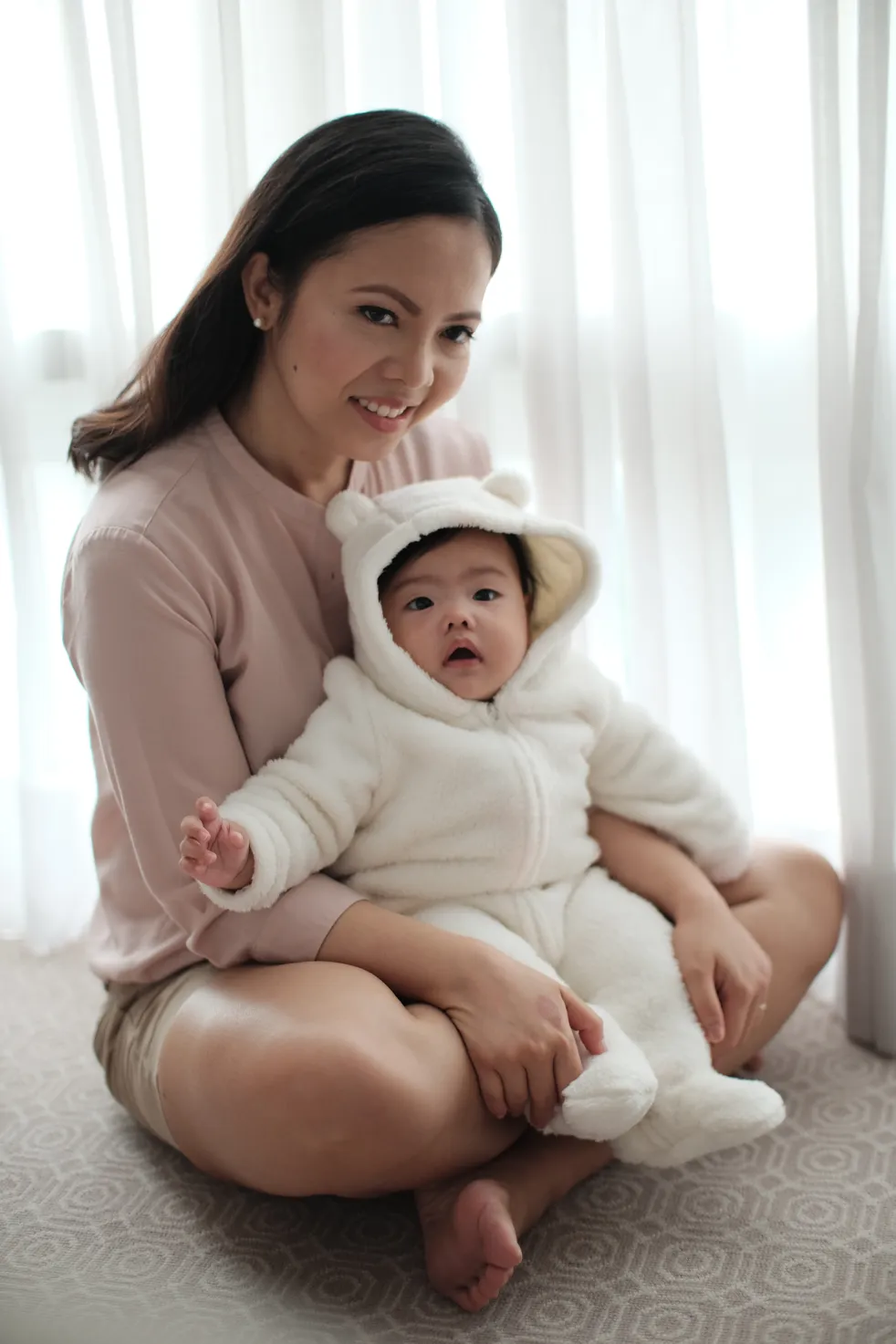
Whether you’re a new mom to be, mom of a toddler, mom who have school-aged kids, you’re bound to have so many questions. Let's start with your baby's skin. Infant skin has unique needs; gentle care is essential to prevent damage to the skin barrier, which can lead to irritation. When caring for infant skin,… Continue reading Keeping Baby’s Diapered Skin Healthy
As parents, we want to give our child the best possible start in life and that begins with nurturing their intelligence. Throughout history, the notion of success has been linked to academic intelligence. However, there has been an increased awareness on the importance of emotional intelligence. This question gets at the heart of the never-ending… Continue reading IQ or EQ, which one is a better predictor of your child’s success?
 wondermomma.net