

Last August, IKEA Philippines engaged with Better World Smokey Mountain, a newly opened community center operated by the San Miguel Foundation, which shares a similar goal of improving the lives of many Filipino people. Through this partnership, IKEA Philippines provided and assembled home furnishings for the classrooms and library of Better World Smokey Mountain community… Continue reading Help Create a Better World with IKEA Soft Toys

NutriAsia, the country’s top producer of condiments and sauces, continues its support of Refill Revolution; a project by the Department of Environment and Natural Resources EMB 3 that aims to help reduce Filipinos’ single-use plastics consumption. At Refill Revolution, residents get to recycle their single-use plastic bottles by reusing and filling it with their choice… Continue reading NutriAsia and DENR renews partnership for Refill Revolution

Helping your child feel safe and confident in the dark
Fear of the dark is a common childhood worry. A child may be perfectly comfortable in a bright room yet feel nervous when the lights go out, shadows stretch across the wall, and familiar sounds become harder to identify. This response is usually part of normal emotional development rather than a sign that anything is wrong.
Young children have vivid imaginations but are still learning to separate pretend ideas from real dangers. A coat hanging on a chair can look like a person, while a creaking floor may sound frightening when the house is quiet. Patient support can help your child develop a sense of safety without making bedtime feel like a battle.
The goal is not to force bravery or dismiss the worry. Instead, parents can listen, offer reassurance, and teach simple strategies for calming the body and checking whether a perceived threat is real. With consistency, many children gradually learn that nighttime can be peaceful and predictable.
Understand what may be behind the fear
Begin by finding out what your child actually fears. “The dark” may mean worry about monsters, burglars, being alone, bad dreams, unfamiliar noises, or separation from a parent. Ask gently during the daytime when your child is relaxed, rather than questioning them urgently after they are already upset in bed.
Use open, neutral language such as, “What feels scary when the room is dark?” or “What do you imagine might happen?” Listen without laughing or immediately correcting the idea. A child who feels heard is often more willing to accept comfort and practical help.
Avoid saying that there is absolutely nothing to fear if your child is convinced something is nearby. Although the room may be safe, that statement can make the child feel misunderstood. Try, “I can see that it feels frightening. Let’s look around together, and then we’ll make a plan to help you feel safe.”
It also helps to consider recent changes. Moving house, starting school, welcoming a new sibling, watching a frightening video, or experiencing illness can make nighttime anxiety stronger. Identifying the trigger allows you to respond to the underlying need rather than focusing only on the lights.
Create a calm and secure sleep environment
A predictable bedtime routine gives children signals that the day is ending safely. Keep the order simple and repeat it each night: bath or wash, pajamas, a quiet story, cuddles, bathroom, and lights out. A familiar sequence reduces uncertainty and helps the brain shift from active play to rest.
Check the bedroom together before bedtime if this reassures your child. Look under the bed, open the closet, and identify ordinary objects that may cast shadows. Keep the explanation brief and matter-of-fact. Repeatedly searching for monsters for a long time can accidentally suggest that there may be something worth investigating.
A dim night-light can be useful, especially when it is placed away from the bed and does not shine directly into your child’s eyes. Warm, soft light is generally less stimulating than bright blue-white light. Some children sleep better with the bedroom door slightly open or with a quiet fan providing steady background noise.
Comfort objects can also support emotional regulation. A favorite stuffed animal, small blanket, or family photo may help a child feel connected while falling asleep. Present these items as tools for comfort, not as magical protection that must fight something dangerous.
Teach practical ways to manage nighttime worry
Children benefit from having a clear response when fear appears. Teach one or two calming skills during the day, then practice them at bedtime. Slow breathing can be introduced as “smell the flower, blow the candle”: breathe in gently, then exhale slowly. A few repetitions may settle a racing heartbeat.
Another useful strategy is a simple reality check. Your child can name five things they can see, four things they can feel, or three sounds they can hear. This draws attention away from frightening images and back to the present room. Older children may also keep a small notebook beside the bed to write down worries for discussion in the morning.
Give the fear a manageable name, such as “the nighttime worry,” without treating it as a real creature. Your child might say, “I notice my worry, but I am safe in my room.” This kind of self-talk takes practice, so praise the effort rather than expecting instant confidence.
| Helpful response | Why it works | What to avoid |
|---|---|---|
| Validate the feeling | Shows your child that emotions are acceptable | Mocking or calling the fear silly |
| Check the room briefly | Provides reassurance without extending bedtime | Repeated monster searches |
| Use a dim night-light | Adds comfort while preserving a sleep-friendly setting | Bright screens or harsh lighting |
| Practice slow breathing | Helps calm physical signs of anxiety | Demanding that the child calm down immediately |
| Return consistently | Builds trust and predictability | Allowing a different response every night |
Use gradual exposure instead of forcing bravery
Children rarely become comfortable with darkness because an adult tells them to “be brave.” A gradual approach is kinder and usually more effective. Start with a level that feels manageable, such as sitting beside the bed with a lamp on. Over several nights, move the lamp farther away, reduce its brightness, or sit closer to the doorway.
Create small goals that your child can understand. For example, they might spend two minutes in bed while you sit nearby, then five minutes while you sit halfway across the room. The next step could be a brief check after you leave. Move forward only when the current step feels reasonably comfortable, and return to an easier step if distress becomes intense.
Praise specific behavior: “You felt worried, took three slow breaths, and stayed in bed.” This recognizes courage as taking action while afraid. Rewards can be simple, such as choosing the bedtime story, adding a sticker to a chart, or enjoying extra morning cuddle time.
Never lock a child in a dark room, suddenly switch off all lights, or use frightening stories to prove that imagined threats are not real. Forced exposure can strengthen anxiety and weaken trust. Gentle progress may take longer, but it teaches your child that difficult feelings can be handled safely.
Strengthen confidence during the day
Nighttime confidence is supported by daytime experiences. Invite your child to play quietly in a softly lit room, build a blanket tent with a small lamp, or explore familiar spaces with a flashlight. Keep these activities playful and brief, ending before the child becomes overwhelmed.
Reading age-appropriate stories about worries, bravery, or sleeping independently can give children language for their emotions. Choose books that show realistic coping rather than stories that make darkness seem full of monsters. After reading, talk about what the character tried and which idea might help at bedtime.
Independence in ordinary routines also builds a child’s sense of capability. Small responsibilities, such as putting pajamas away or preparing a stuffed animal for sleep, can contribute to confidence. Parents looking for age-appropriate ideas can use this chore guide to choose tasks that feel achievable rather than overwhelming.
Be mindful of frightening media, especially before sleep. Videos, games, news clips, and dramatic stories can remain in a child’s imagination long after the screen is off. A calm evening with drawing, music, conversation, or a familiar book is more likely to support restful sleep.
Build bedtime habits that reduce anxiety
A regular sleep schedule can make fears easier to manage. Overtired children often become more emotional, less flexible, and more sensitive to ordinary sounds. Aim for a consistent bedtime and wake time, while allowing enough sleep for your child’s age and individual needs.
Keep reassurance warm but brief. If your child repeatedly calls you back, use the same calm phrase each time: “You are safe, it is time to rest, and I will check on you soon.” Lengthy conversations, negotiations, or repeated snacks may unintentionally turn bedtime worry into a way to delay sleep.
A planned check-in can be reassuring. Tell your child when you will return, then follow through. Start with a short interval and gradually extend it. If your child comes out of the room, guide them back with minimal discussion and repeat the established message.
Parents should also check their own tone and body language. Children notice signs of adult alarm. Speak slowly, keep your movements relaxed, and avoid searching the room with visible concern. Your calm presence communicates that the bedroom is an ordinary, secure place.
Know when extra support may help
Most nighttime fears improve with patience and consistent routines. Consider speaking with a pediatrician or child mental health professional if the fear lasts for a long time, becomes increasingly intense, or affects daytime activities. Support may also be helpful when a child refuses to sleep alone, has frequent panic-like episodes, or experiences severe nightmares.
Pay attention to broader signs of anxiety, including persistent stomachaches, headaches, school avoidance, clinginess, irritability, or difficulty separating from caregivers. These symptoms do not automatically indicate a serious condition, but they can show that the child needs more support than a bedtime adjustment alone.
A professional can help identify whether the fear is linked to stress, trauma, sleep problems, sensory sensitivity, or another concern. Seek urgent help if your child talks about self-harm, appears unsafe, or shows extreme distress. Early support is caring and practical; it is not a failure of parenting.
Gentle steps to try this week
- Ask about the specific worry during a calm daytime conversation.
- Create the same short bedtime routine each night.
- Choose one comfort tool, such as a dim night-light or stuffed animal.
- Practice slow breathing and reality-checking before bedtime.
- Praise every small step toward staying calm and settling independently.
Helping a child overcome nighttime fear is a gradual process built from trust, repetition, and emotional safety. Stay close enough to reassure without taking over every part of bedtime, and adjust the plan according to your child’s age and temperament. With steady support, the dark can become a familiar part of the day rather than a source of alarm.
Start with one small change tonight: listen to the worry, check the room briefly, practice a calming skill, and follow the same reassuring routine. Each peaceful repetition gives your child another experience of coping successfully.

Mercato Centrale, in collaboration with Indian Women in Enterprise Philippines (I-We), is set to host "The Great Indian Fiesta" to mark 75 years of friendship between India and the Philippines. The dynamic two-day event is scheduled to take place on September 30 to October 1, 2023, at Paseo De Roxas Street, Makati City. Aiming to… Continue reading Mercato Centrale Partners with I-We to Host ‘The Great Indian Fiesta’, Commemorating 75 Years of India-Philippines Friendship

My stomach would usually start growling at 10 am even after taking a big breakfast. This is probably because I am a morning person and I move a lot throughout the day hence snacking is something that I can't avoid. This potatoes and chicken wrap recipe is easy to prepare and would keep me full… Continue reading Potato and Chicken Wrap
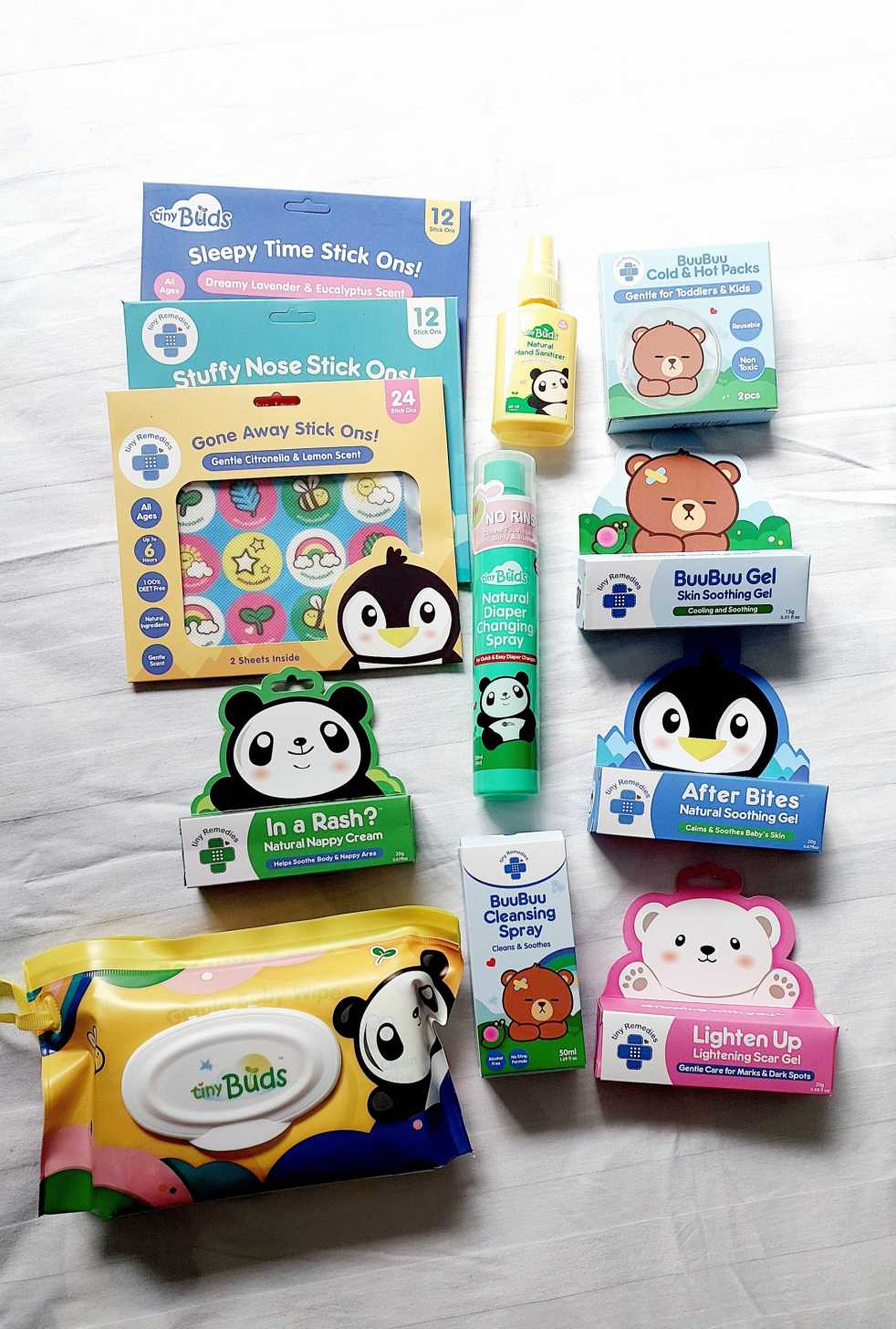
Your baby’s skin is more delicate than most, this is why you have to choose products that are designed for sensitive skin. Tiny Buds is a pioneer in integrating natural ingredients into baby care and today has over 50 innovative natural baby care essentials and is one of the Top Baby Personal Care brands. Here… Continue reading Product Review: Tiny Buds Baby Naturals Baby Essentials
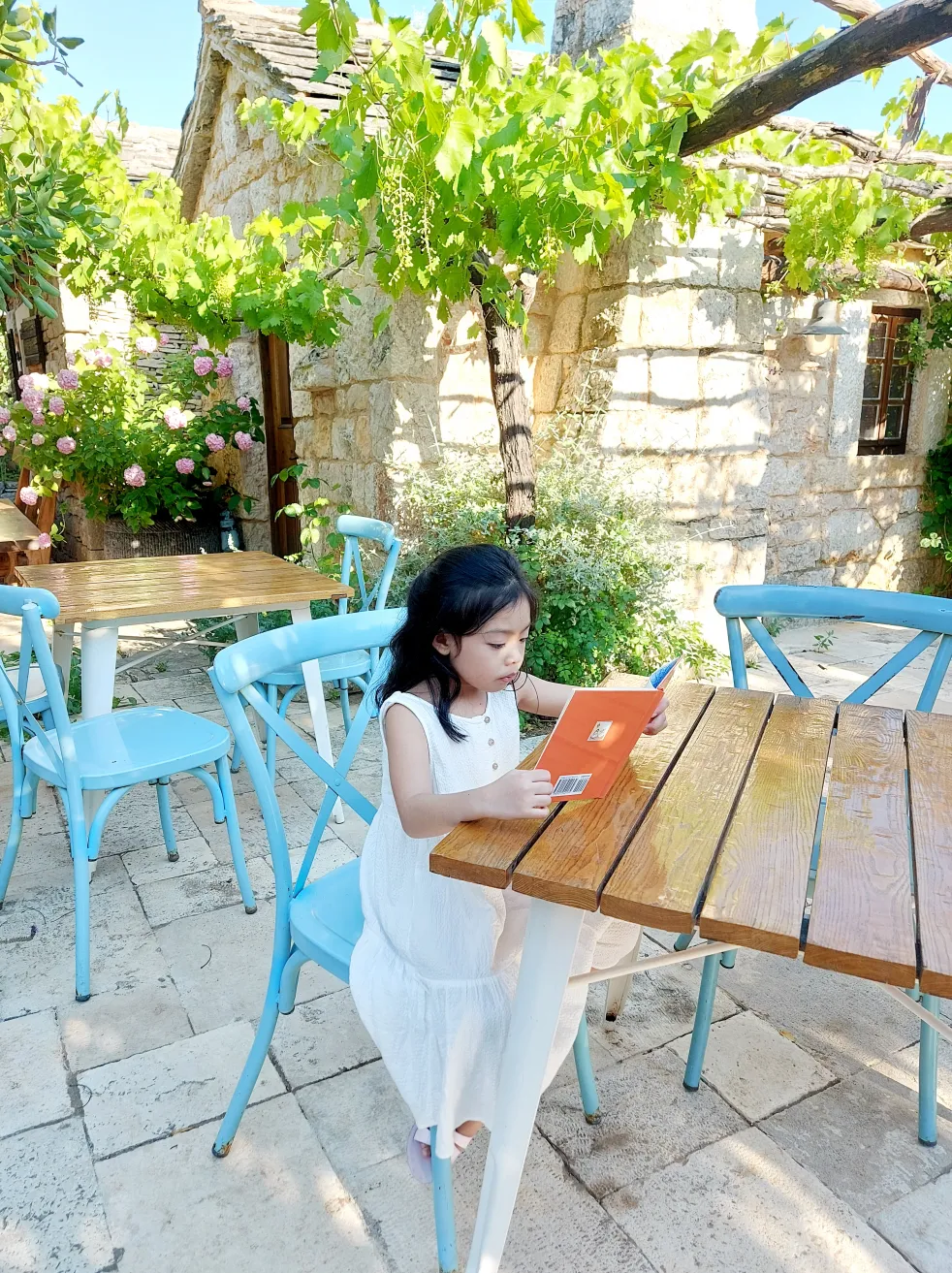
Where your child goes to school is a big decision and shouldn’t be taken lightly. Given how their education can impact their future, you might be tempted to take control and decide for them. However, you might be doing more damage than helping them in the long run. Your job as parents is to support… Continue reading HOW TO CHOOSE THE BEST SCHOOL FOR YOUR CHILD
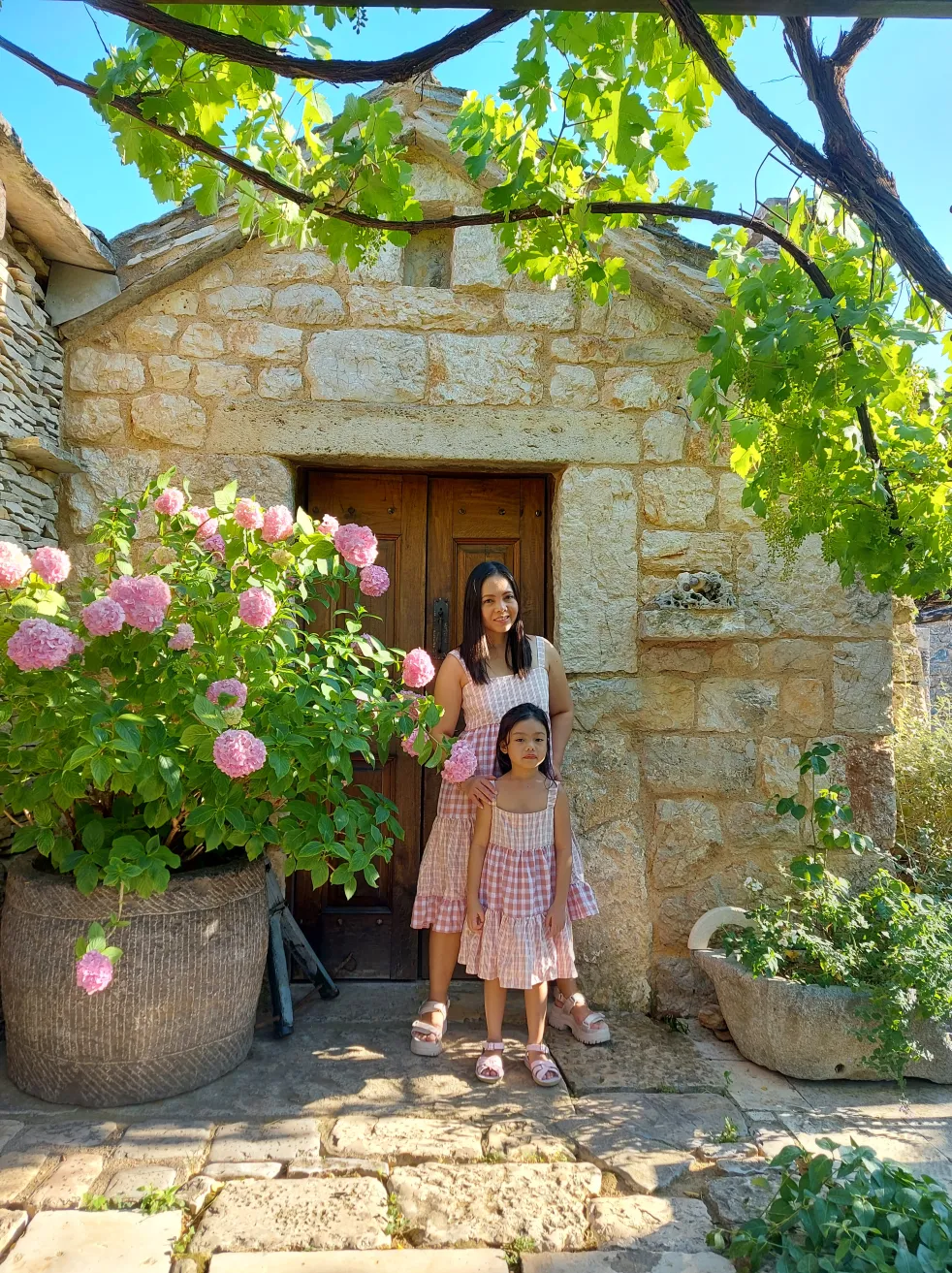
As poet and philosopher Rumi once eloquently said, “raise your words, not your voice. It is rain that grows flowers, not thunder.” Parenting is a challenging journey, and the truth is that nobody has everything figured out. One parenting style might suit others best, and some might favor other methods. However, children respond better to… Continue reading A SIMPLE GUIDE TO GENTLE PARENTING

Whether you’re a new mom to be, mom of a toddler, mom who have school-aged kids, you’re bound to have so many questions. Let's start with your baby's skin. Infant skin has unique needs; gentle care is essential to prevent damage to the skin barrier, which can lead to irritation. When caring for infant skin,… Continue reading Keeping Baby’s Diapered Skin Healthy
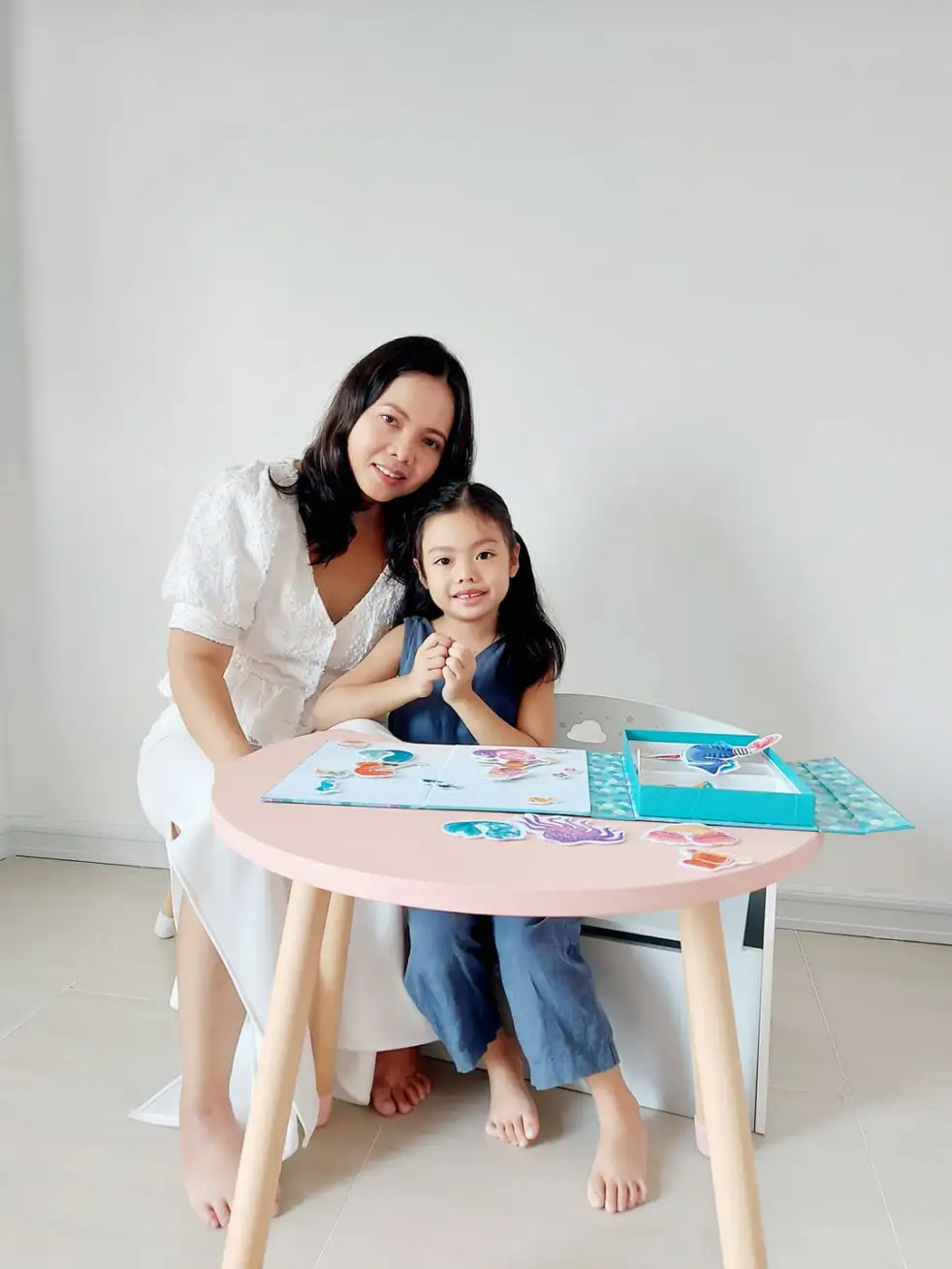
As parents, we want to give our child the best possible start in life and that begins with nurturing their intelligence. Throughout history, the notion of success has been linked to academic intelligence. However, there has been an increased awareness on the importance of emotional intelligence. This question gets at the heart of the never-ending… Continue reading IQ or EQ, which one is a better predictor of your child’s success?
 wondermomma.net