

Last August, IKEA Philippines engaged with Better World Smokey Mountain, a newly opened community center operated by the San Miguel Foundation, which shares a similar goal of improving the lives of many Filipino people. Through this partnership, IKEA Philippines provided and assembled home furnishings for the classrooms and library of Better World Smokey Mountain community… Continue reading Help Create a Better World with IKEA Soft Toys

NutriAsia, the country’s top producer of condiments and sauces, continues its support of Refill Revolution; a project by the Department of Environment and Natural Resources EMB 3 that aims to help reduce Filipinos’ single-use plastics consumption. At Refill Revolution, residents get to recycle their single-use plastic bottles by reusing and filling it with their choice… Continue reading NutriAsia and DENR renews partnership for Refill Revolution

Handling Biters in Playgroup and Preschool
Biting is common among toddlers and younger preschoolers, especially when language, patience and emotional control are still developing. Learning how to handle biters in playgroup or preschool involves treating the behaviour as communication while teaching safer ways to express frustration, excitement or discomfort.
A calm, consistent response matters more than punishment or labelling. By observing what happens before a bite, working with educators and practising simple replacement phrases, children can gradually learn that adults will stop the biting and support them when strong feelings arise.
Understand why children bite
Young children may bite when a toy is taken, during crowded activities, while teething or when they feel overwhelmed. A bite can communicate “I am upset” when the child does not yet have the words to say, “I need a turn” or “Please stop.”
| What you see | What it may mean | A helpful response |
|---|---|---|
| An occasional bite during a toy dispute | Limited language or frustration | Calmly separate, offer a turn-taking phrase and practise it later |
| Biting during loud or busy activities | Sensory overload | Reduce noise, offer quiet space and help the child regulate |
| Biting when food is removed or routines change | Hunger, fatigue or uncertainty | Meet the immediate need and explain the next transition |
| Repeated biting across several settings | An unmet need or an established pattern | Create a shared plan involving family and educators |
| Deliberate biting that causes fear or injury | Possible impulsivity or aggression concern | Maintain safety, document incidents and seek specialist guidance |
Age changes the interpretation. A three-year-old may bite because a toy disappeared, while an older preschooler who repeatedly targets vulnerable children needs closer assessment. Occasional biting and persistent, escalating behaviour require different responses.
Notice the setting, activity and emotions immediately before each incident. Note whether the child was already showing signs such as clenched hands, rushing, crying, repeated requests or a fixed interest in another child’s body. These observations help adults identify the trigger instead of guessing.
Respond safely in the moment
When a bite occurs, move calmly between the children and block further contact without shouting, pushing or grabbing the biter. Use a short, neutral statement such as, “I won’t let you bite,” followed by a simple direction: “Keep your hands away from people.” A firm voice is usually more effective than a long explanation.
Attend to the person who was bitten first. Check for broken skin, bleeding and signs of distress, then separate the children while both regulate. Offer the biting child a teether, soft food, a cushion or space. Replace the behaviour with a physical action rather than demanding an immediate apology.
Keep the response predictable across adults and settings. Children who are shamed, threatened or punished harshly may become more aggressive or secretive about their actions. After everyone is calm, a brief “Let’s practise stopping” followed by a reminder of the alternative gives the child useful information.
Teach a replacement behaviour
Give the child a short phrase that can replace biting. Depending on their development, this might be “stop,” “my turn,” “I’m angry” or “I need space.” Pair the words with a gesture, picture card or sign so the child can communicate before frustration escalates.
Practise the phrase during calm play. Take turns with a toy, role-play a disagreement with dolls and let the child practise saying, “I want that.” Praise the specific effort: “You said, ‘my turn,’ and waited.” This makes the new behaviour more noticeable than the biting ever was.
Australian families can also use simple Auslan signs such as “stop” and “finished” alongside spoken words. For children with limited speech, a small set of picture cards can become an effective communication tool. The goal is not to eliminate every protest; it is to give the child a manageable way to protest.
Build a plan with educators
Ask the centre about its biting and supervision policy before an incident occurs. The terminology differs across Australia: families in New South Wales often hear “preschool,” while Victorian services commonly use “kindergarten,” with childcare and early learning centres providing other programs.
If a bite happens, request the date, activity, possible trigger, words used by educators and the response taken. Many Australian centres share daily updates through an app such as Storypark or through their own messaging system. Written details are easier to compare than recollections from several tired adults at pickup.
Hold a short meeting with the educator or centre coordinator if the behaviour continues. Agree on the same words, the signal used to call for help and the steps adults will take to keep everyone safe. Under the National Quality Framework, services are expected to provide safe, responsive care, so the agreed plan should fit the centre’s supervision practices and staffing.
Reduce triggers before group time
Many bites can be prevented by meeting ordinary needs. Offer regular meals and snacks, water, teething relief, sufficient sleep and predictable transitions. In long-day childcare, breakfast and afternoon tea may provide useful cues, so ask whether a missed meal or a delayed rest could be part of the pattern.
Australian sunlight adds another consideration because the UV index can be high throughout the year. Children need broad-brimmed hats, protective clothing, shade and age-appropriate sunscreen. Outdoor play is valuable, but moving a distressed child away from intense heat, glare and noise can reduce sensory pressure.
Busy drop-off routines in cities such as Sydney and Melbourne can also leave little recovery time before a child joins a busy room. A predictable goodbye, a comfort object and a quiet place to settle can help. Parents seeking additional ideas for predictable daily routines can look through Oh So Amelia while adapting strategies to their child and centre.
Teach safety without creating fear
Responding to biting does not require calling the child dangerous or making other children afraid. Teach that people’s bodies must be respected, even when a child feels angry. This protects the child who bit and gives the other children clear permission to say “no,” step away and tell an adult.
For a calm, age-appropriate approach to body safety, this guide on teaching children about safety offers useful framing. Body-safety education works best when children know which adults can help, how to escape an uncomfortable situation and that they do not need to keep an unsafe secret.
Avoid fear-based lessons that suggest every stranger or unexpected interaction is dangerous. Instead, practise boundary-setting, consent and help-seeking in ordinary situations. Adults should also model this by respecting children’s refusal of hugs, tickling or other physical contact.
Know when to seek extra help
Seek advice if biting continues for several weeks, becomes more frequent, crosses into other settings or causes significant fear. The same applies when an older child appears to bite deliberately, the child has lost skills they previously had, or the biting involves weapons, threats or repeated targeting of a vulnerable child.
A bite that breaks the skin, causes uncontrolled bleeding or leaves marks around the eyes, face, hands or neck needs prompt medical attention. Wash the wound with clean running water, apply gentle pressure and cover it with a sterile dressing. Contact a general practitioner if the wound is deep, appears infected or may need a tetanus review.
A bulk-billed GP can provide advice and referrals through Medicare when needed. A paediatrician, speech pathologist, occupational therapist or child psychologist may assess language, sensory processing, impulsivity or family stress. The most effective response combines physical safety with a specific plan adults can follow consistently at home and at preschool.

Mercato Centrale, in collaboration with Indian Women in Enterprise Philippines (I-We), is set to host "The Great Indian Fiesta" to mark 75 years of friendship between India and the Philippines. The dynamic two-day event is scheduled to take place on September 30 to October 1, 2023, at Paseo De Roxas Street, Makati City. Aiming to… Continue reading Mercato Centrale Partners with I-We to Host ‘The Great Indian Fiesta’, Commemorating 75 Years of India-Philippines Friendship

My stomach would usually start growling at 10 am even after taking a big breakfast. This is probably because I am a morning person and I move a lot throughout the day hence snacking is something that I can't avoid. This potatoes and chicken wrap recipe is easy to prepare and would keep me full… Continue reading Potato and Chicken Wrap
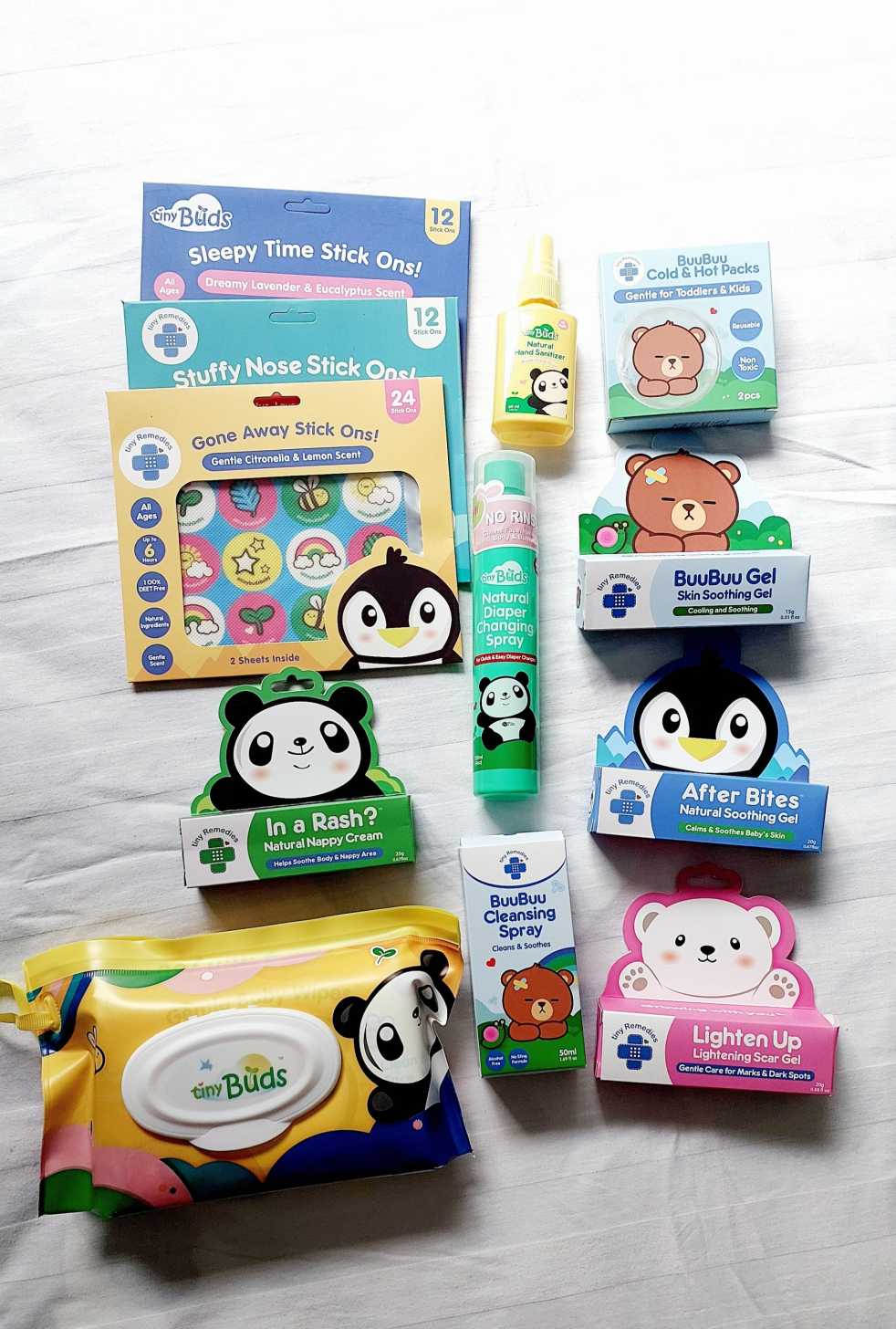
Your baby’s skin is more delicate than most, this is why you have to choose products that are designed for sensitive skin. Tiny Buds is a pioneer in integrating natural ingredients into baby care and today has over 50 innovative natural baby care essentials and is one of the Top Baby Personal Care brands. Here… Continue reading Product Review: Tiny Buds Baby Naturals Baby Essentials
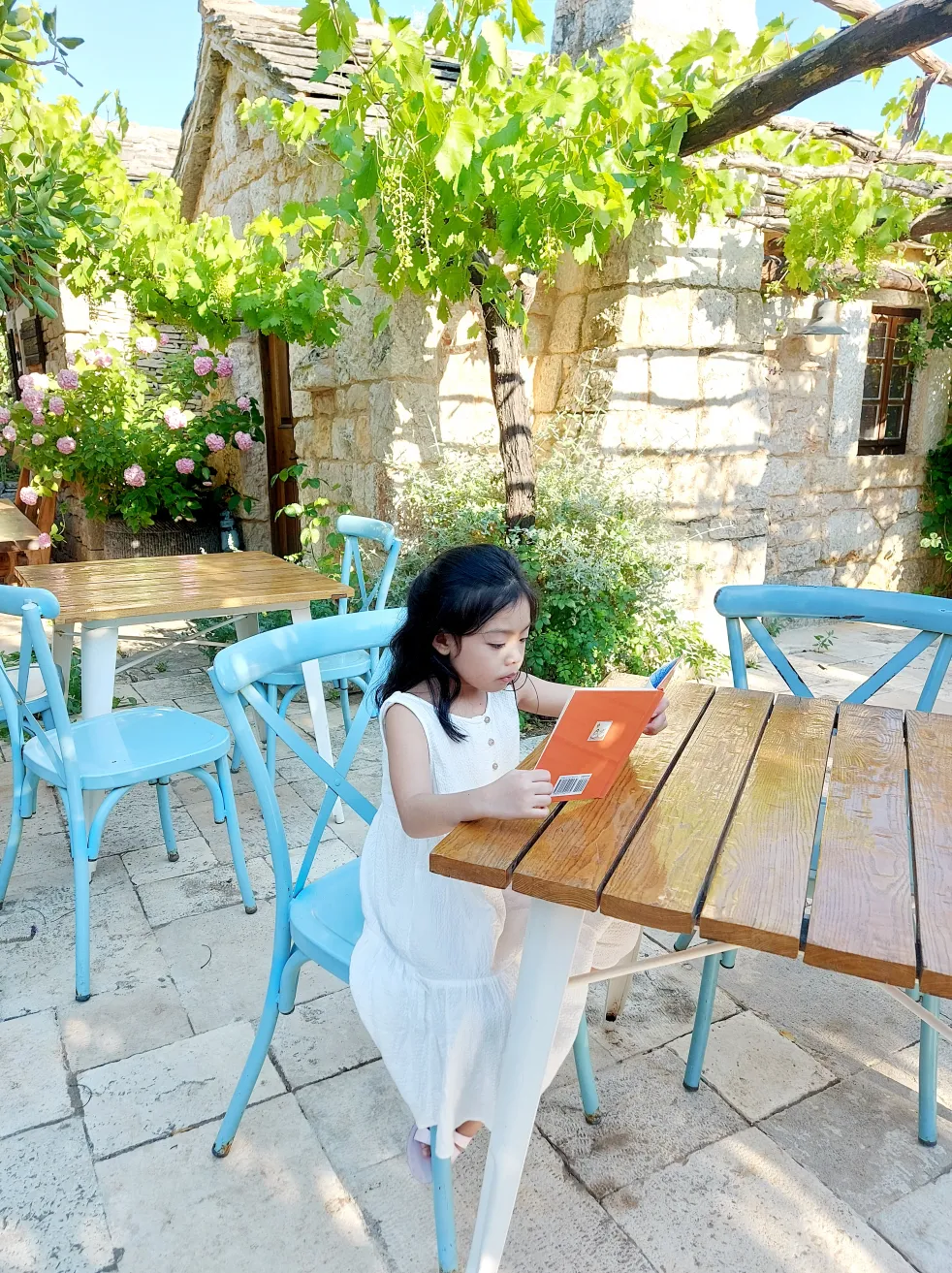
Where your child goes to school is a big decision and shouldn’t be taken lightly. Given how their education can impact their future, you might be tempted to take control and decide for them. However, you might be doing more damage than helping them in the long run. Your job as parents is to support… Continue reading HOW TO CHOOSE THE BEST SCHOOL FOR YOUR CHILD
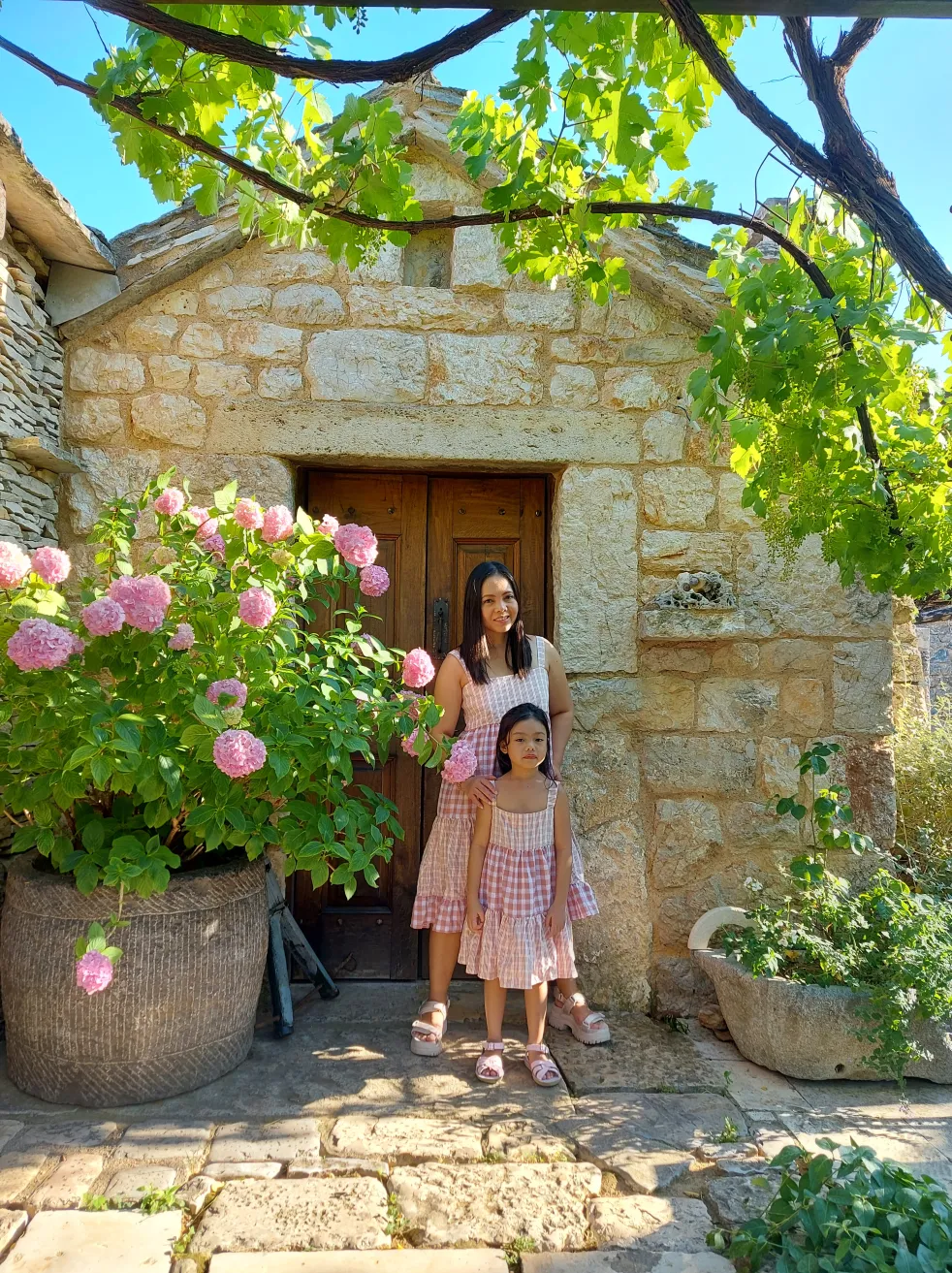
As poet and philosopher Rumi once eloquently said, “raise your words, not your voice. It is rain that grows flowers, not thunder.” Parenting is a challenging journey, and the truth is that nobody has everything figured out. One parenting style might suit others best, and some might favor other methods. However, children respond better to… Continue reading A SIMPLE GUIDE TO GENTLE PARENTING

Whether you’re a new mom to be, mom of a toddler, mom who have school-aged kids, you’re bound to have so many questions. Let's start with your baby's skin. Infant skin has unique needs; gentle care is essential to prevent damage to the skin barrier, which can lead to irritation. When caring for infant skin,… Continue reading Keeping Baby’s Diapered Skin Healthy
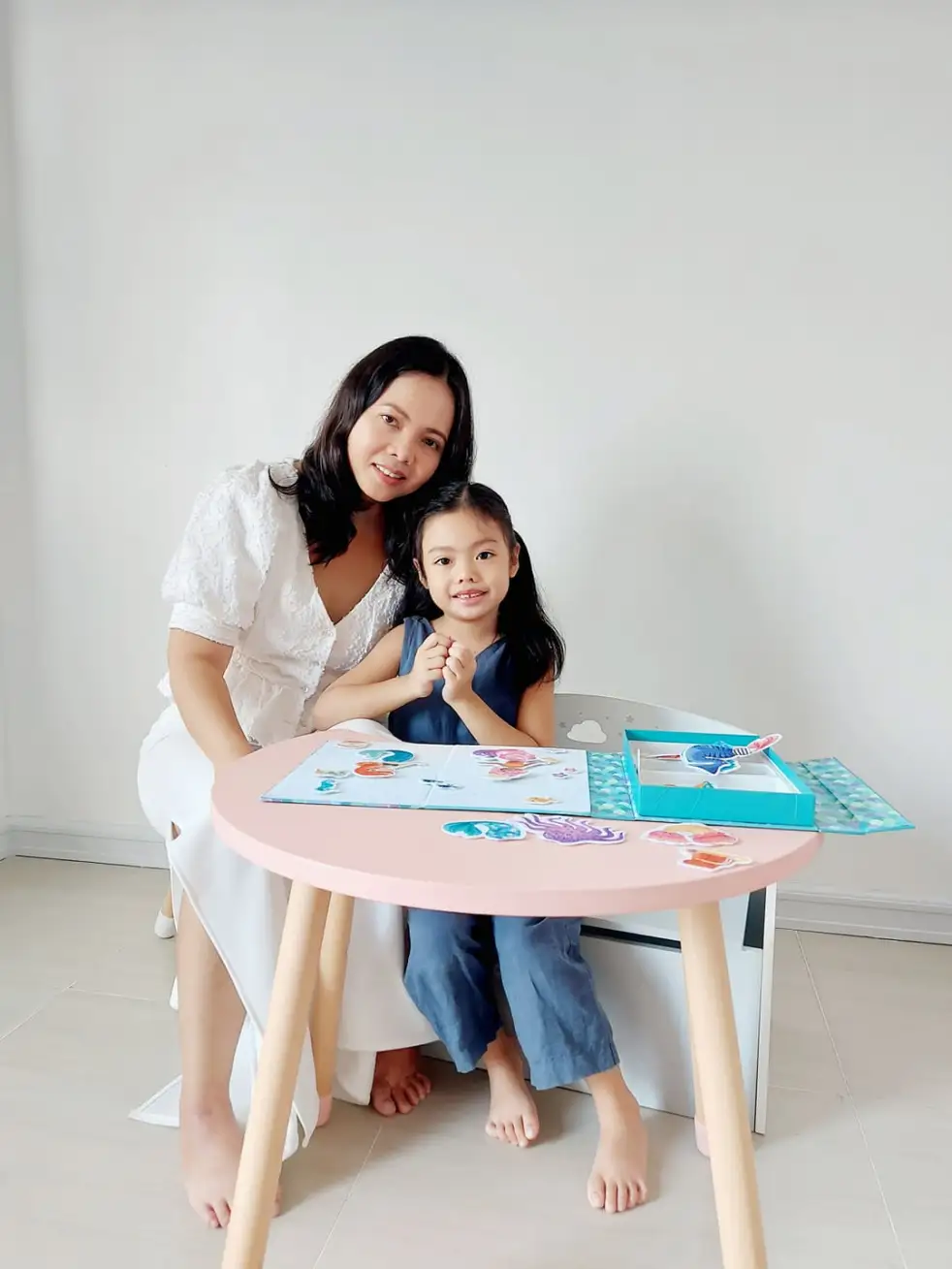
As parents, we want to give our child the best possible start in life and that begins with nurturing their intelligence. Throughout history, the notion of success has been linked to academic intelligence. However, there has been an increased awareness on the importance of emotional intelligence. This question gets at the heart of the never-ending… Continue reading IQ or EQ, which one is a better predictor of your child’s success?
 wondermomma.net