

Last August, IKEA Philippines engaged with Better World Smokey Mountain, a newly opened community center operated by the San Miguel Foundation, which shares a similar goal of improving the lives of many Filipino people. Through this partnership, IKEA Philippines provided and assembled home furnishings for the classrooms and library of Better World Smokey Mountain community… Continue reading Help Create a Better World with IKEA Soft Toys

NutriAsia, the country’s top producer of condiments and sauces, continues its support of Refill Revolution; a project by the Department of Environment and Natural Resources EMB 3 that aims to help reduce Filipinos’ single-use plastics consumption. At Refill Revolution, residents get to recycle their single-use plastic bottles by reusing and filling it with their choice… Continue reading NutriAsia and DENR renews partnership for Refill Revolution

Teaching Your Child About Stranger Danger Without Fear
Children need practical safety skills, but they also need to feel that the world is generally full of caring, trustworthy people. A conversation about unfamiliar adults should build awareness rather than make children anxious about every person they meet. The goal is to help them notice unsafe situations, seek help quickly, and trust their instincts.
Traditional warnings about “stranger danger” can be too broad for young children. Many children are approached by people they do not know, such as a teacher, security guard, doctor, neighbor, or another parent. At the same time, unsafe behavior may come from someone familiar. Teaching children to focus on actions, boundaries, and safety plans gives them a clearer and more useful framework.
These lessons work best when they are short, calm, and repeated during ordinary family moments. A child does not need frightening stories or graphic examples. They need simple words, role-play, and confidence that a trusted adult will listen and help.
Why A Gentle Safety Message Works Better
Young children often think in concrete terms. If they hear that every stranger is dangerous, they may become afraid of people who look different, ask for directions, or offer appropriate help. They may also assume that everyone they know is automatically safe. Neither belief prepares them well for real-life situations.
Instead, explain that most people are kind, while some behaviors are unsafe. An adult should not ask a child to keep a secret from their parents, request help finding a lost pet, ask them to leave with them, or make them feel uncomfortable. Children can learn that they have permission to say no and move away, even when the person is familiar or appears friendly.
Use reassuring language such as, “Your job is not to decide whether someone is good or bad. Your job is to notice when something feels wrong and come to us.” This keeps responsibility with the adults while giving children useful choices.
Teach Safety Through Everyday Scenarios
Stories and pretend play help children rehearse what to do without experiencing real fear. Practice situations that match their age and routine: someone at the park asks them to come closer, a person outside school says a parent sent them, or they become separated from you in a busy shopping center.
Give the child a short response they can remember. They can say, “No, I need to ask my parent,” step away, and find a trusted adult. If someone tries to grab them, they can shout, “This is not my parent!” or “I need help!” Specific words are more useful than telling a child simply to be careful.
Include situations involving familiar adults and older children. A relative, coach, family friend, or neighbor should respect a child’s personal space and consent. Explain that no adult should ask them to hide touching, messages, gifts, rides, or conversations from their caregivers.
Give Children Clear Rules And Helpful Scripts
A family safety plan should be simple enough to remember under stress. Teach children to stay close in public places, ask before going anywhere with another person, and never change plans without checking with a parent or approved caregiver. Create a family password for unexpected pickups, and explain that it should not be shared casually.
Children should know how to identify safe helpers. Depending on the setting, these may include a uniformed security officer, school staff member, police officer, cashier, or another parent with children. Teach them to move toward a staffed, busy location rather than hiding or wandering around looking for you.
A few practiced phrases can make a major difference:
- “I don’t know you, so I’m going to ask my parent.”
- “Stop. I don’t like that.”
- “I need help finding my family.”
- “My family password is required.”
- “I will not keep unsafe secrets.”
Avoid telling children to be polite at the expense of their safety. They can be respectful, but they do not owe an adult a hug, an answer, or obedience when something feels wrong.
Match The Conversation To Your Child’s Age
Safety education should grow as children become more independent. A preschooler needs simple rules and close supervision, while a school-age child can learn about online contact, public transport, and responding to pressure. Teenagers may need guidance about rides, parties, dating, digital privacy, and helping younger siblings.
The table below offers a starting point. Adjust the language to your child’s development, temperament, and daily environment in the Philippines, whether they walk through a school gate, spend time at a barangay activity, or visit a busy mall.
| Age range | Main lesson | Practice idea |
|---|---|---|
| Three to five | Stay with a trusted adult and do not leave with anyone without permission | Play “stay close” games at the park or store |
| Six to eight | Ask before accepting rides, gifts, or invitations | Rehearse saying no and finding a uniformed helper |
| Nine to twelve | Recognize pressure, secrecy, and unsafe online messages | Discuss screenshots, blocking, and reporting |
| Thirteen and older | Set boundaries and make safer choices in social situations | Plan check-ins, transport, and emergency contacts |
Avoid overwhelming children with every possible risk in one conversation. Introduce one idea, practice it, and revisit it later. Praise good judgment rather than rewarding fear: “You remembered to check with me before leaving. That was a safe choice.”
Practice Calm Responses To Common Situations
Role-play should feel like a game, not a test. Let your child know the scenario is pretend and allow them to try more than once. If they freeze or give an uncertain answer, guide them gently instead of criticizing them. The purpose is to build confidence and muscle memory.
For a lost-child plan, teach them to stay where they are if the area is safe, call your name loudly, and approach an approved helper. Some families also teach children to memorize a caregiver’s full name and phone number. Younger children can carry an identification card, but explain that it is for trusted helpers only.
Digital safety belongs in the same conversation. An unfamiliar person online is still a stranger, even if they know your child’s name or favorite game. Children should not share their school, address, passwords, live location, or private photos. Encourage them to show you upsetting messages without fear of losing their device immediately.
Keep daily routines predictable where possible. Before heading out for a school morning, pack essentials and review the day’s pickup plan while using these quick breakfast ideas to make the routine less rushed. Calm transitions leave more space for children to listen and remember safety instructions.
Build Trust Before A Child Needs Help
The most protective message is that your child can always tell you what happened. Make it clear that they will not be punished for speaking up, breaking a rule to get away, or accepting help during an emergency. If a child reveals a worrying interaction, listen without interrupting, thank them for telling you, and avoid blaming questions.
Use everyday opportunities to reinforce boundaries. Ask permission before tickling, respect a child who declines a hug, and avoid forcing kisses for relatives. These small experiences teach children that their bodies and feelings matter, while showing them that safe adults accept a clear no.
Helpful family practices include:
- Create a short list of trusted adults and review it regularly.
- Establish a pickup password and change it when necessary.
- Teach children how to call a caregiver and local emergency services.
- Identify safe places near home, school, and common destinations.
- Schedule regular conversations about online and in-person boundaries.
Safety rules should never suggest that a child caused harm by trusting someone, getting lost, or failing to react perfectly. Children may run, freeze, comply, or struggle to speak during frightening moments. Reassure them that adults are responsible for protecting children and that telling a trusted person afterward is always worthwhile.
Keep The Conversation Open
A calm approach to stranger safety gives children both awareness and emotional security. They learn that most people can be treated with basic kindness, while unsafe requests, secrecy, pressure, and boundary violations deserve immediate attention. This balanced message is more realistic than teaching fear of every unfamiliar face.
Return to the topic as your child enters new spaces and gains independence. Walk through the school route, review online settings, practice emergency phrases, and invite honest conversations about anything that feels confusing. Keep listening, keep practicing, and make your family safety plan a familiar part of growing up.

Mercato Centrale, in collaboration with Indian Women in Enterprise Philippines (I-We), is set to host "The Great Indian Fiesta" to mark 75 years of friendship between India and the Philippines. The dynamic two-day event is scheduled to take place on September 30 to October 1, 2023, at Paseo De Roxas Street, Makati City. Aiming to… Continue reading Mercato Centrale Partners with I-We to Host ‘The Great Indian Fiesta’, Commemorating 75 Years of India-Philippines Friendship

My stomach would usually start growling at 10 am even after taking a big breakfast. This is probably because I am a morning person and I move a lot throughout the day hence snacking is something that I can't avoid. This potatoes and chicken wrap recipe is easy to prepare and would keep me full… Continue reading Potato and Chicken Wrap
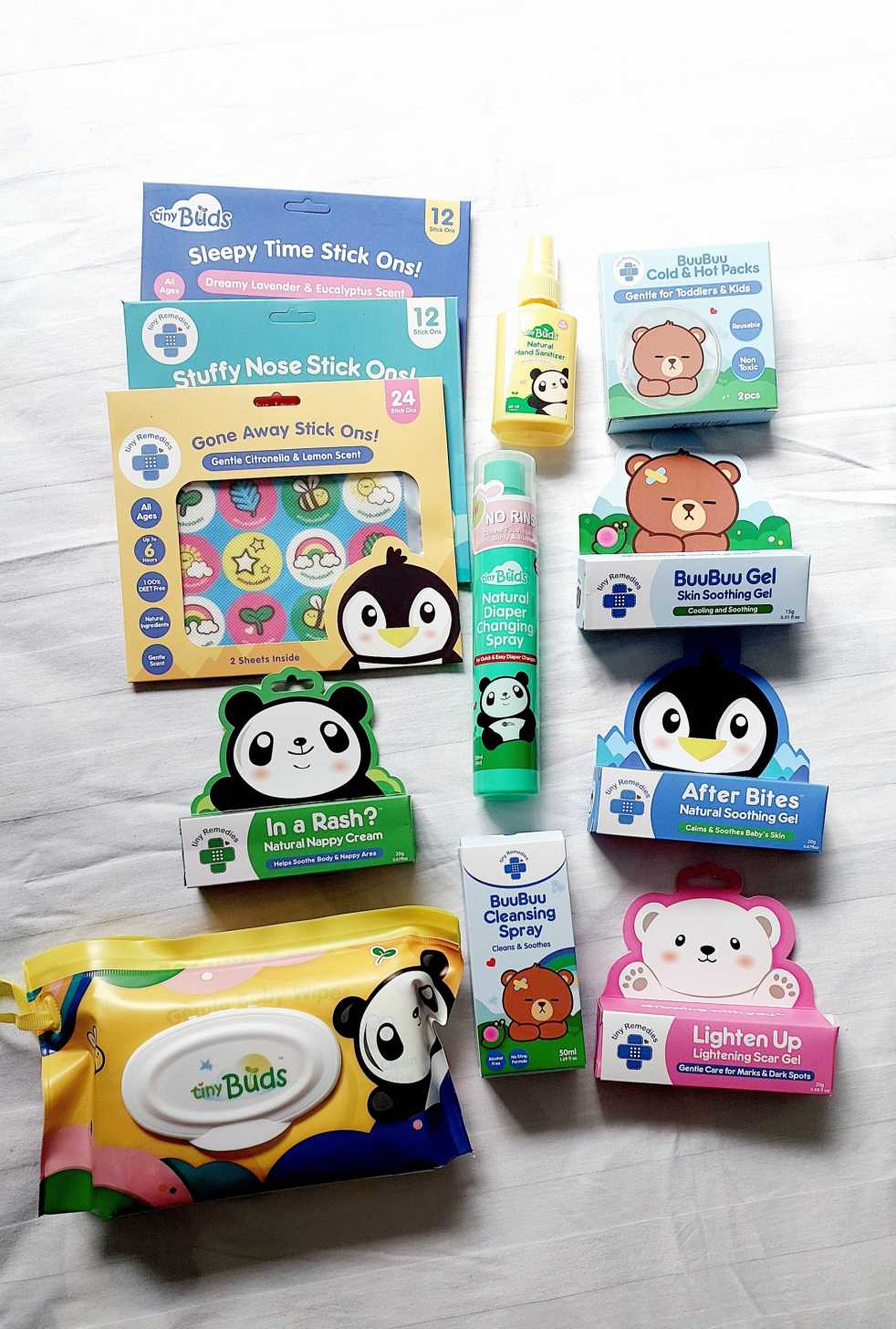
Your baby’s skin is more delicate than most, this is why you have to choose products that are designed for sensitive skin. Tiny Buds is a pioneer in integrating natural ingredients into baby care and today has over 50 innovative natural baby care essentials and is one of the Top Baby Personal Care brands. Here… Continue reading Product Review: Tiny Buds Baby Naturals Baby Essentials
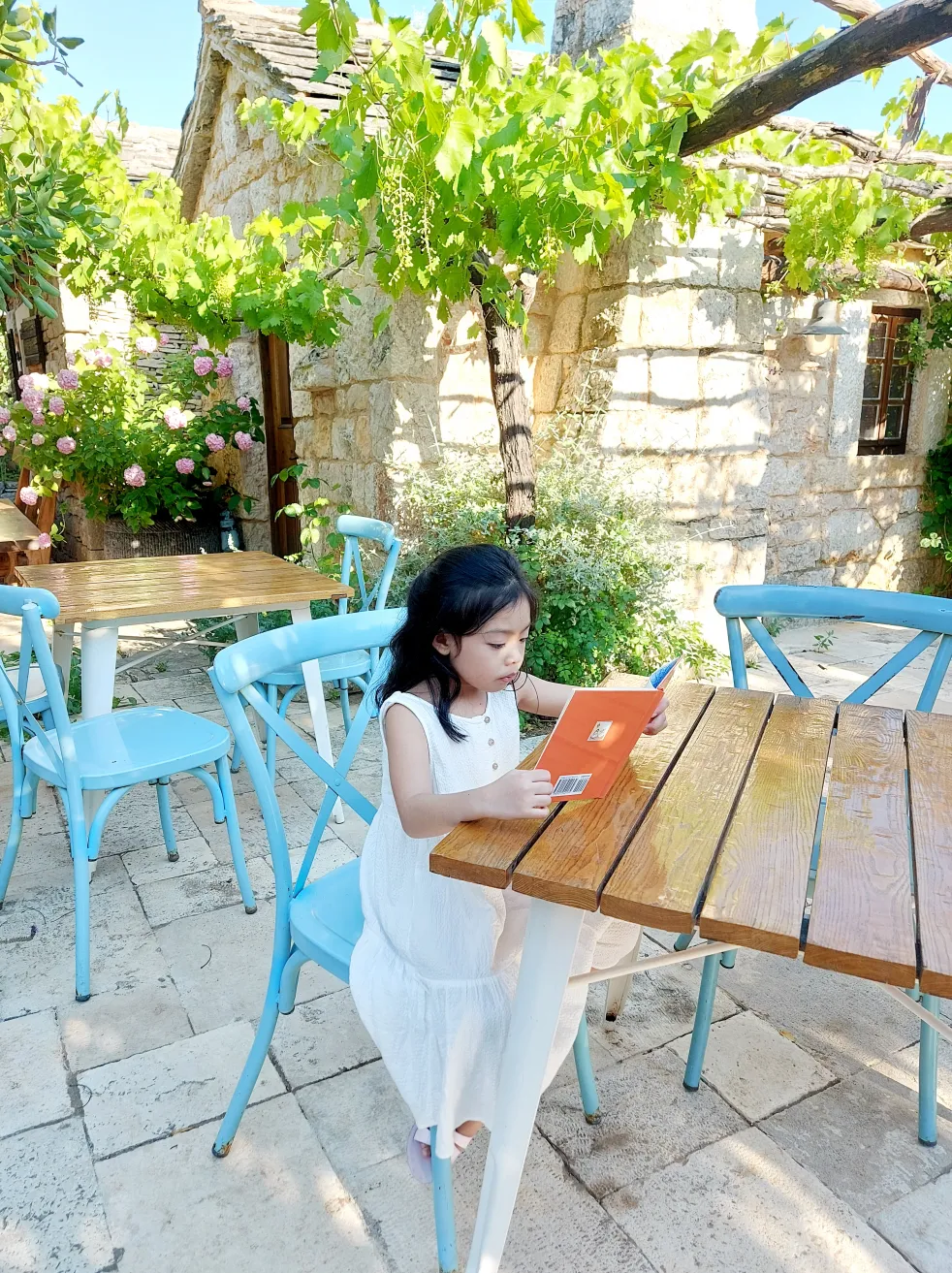
Where your child goes to school is a big decision and shouldn’t be taken lightly. Given how their education can impact their future, you might be tempted to take control and decide for them. However, you might be doing more damage than helping them in the long run. Your job as parents is to support… Continue reading HOW TO CHOOSE THE BEST SCHOOL FOR YOUR CHILD
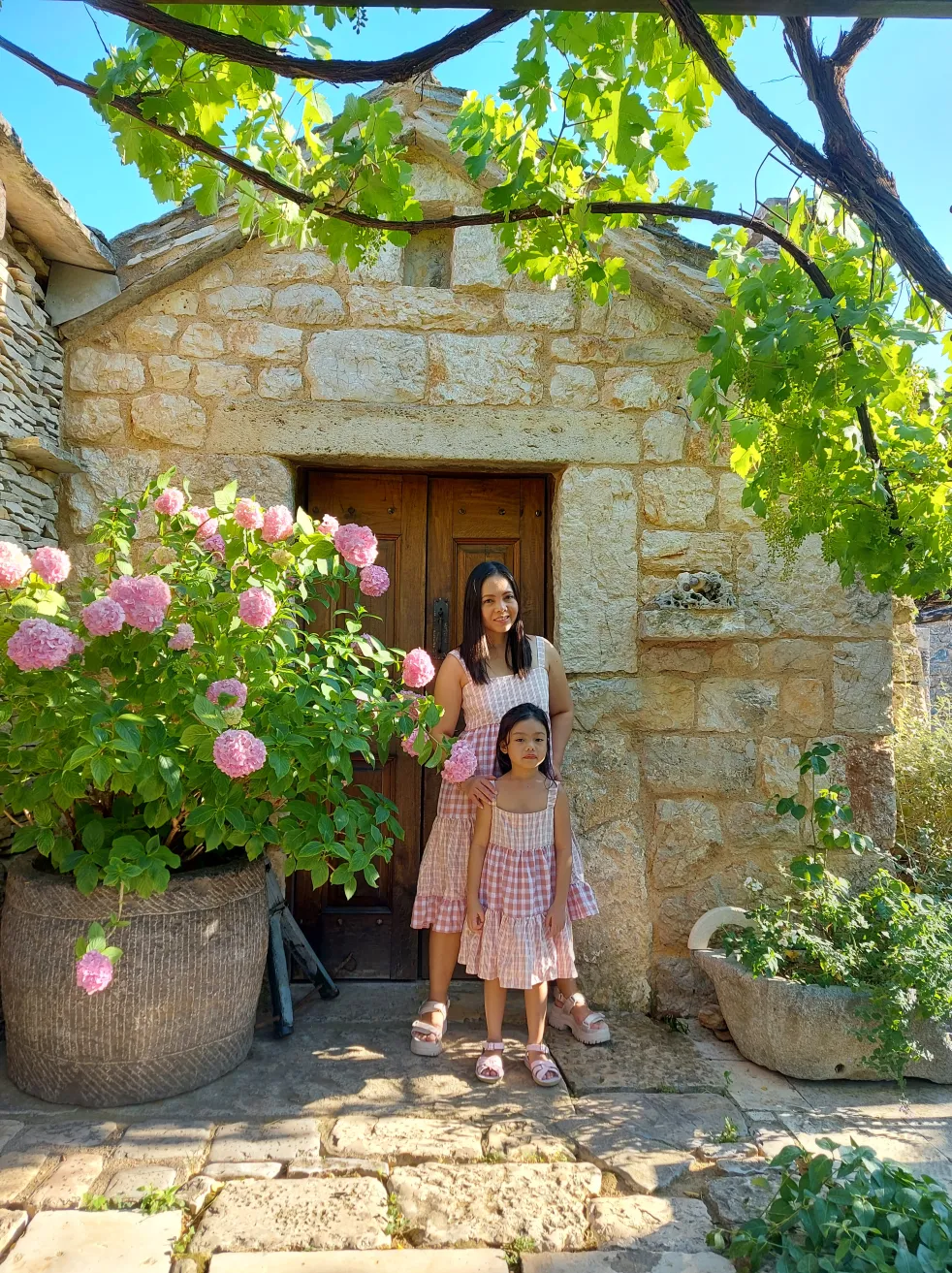
As poet and philosopher Rumi once eloquently said, “raise your words, not your voice. It is rain that grows flowers, not thunder.” Parenting is a challenging journey, and the truth is that nobody has everything figured out. One parenting style might suit others best, and some might favor other methods. However, children respond better to… Continue reading A SIMPLE GUIDE TO GENTLE PARENTING

Whether you’re a new mom to be, mom of a toddler, mom who have school-aged kids, you’re bound to have so many questions. Let's start with your baby's skin. Infant skin has unique needs; gentle care is essential to prevent damage to the skin barrier, which can lead to irritation. When caring for infant skin,… Continue reading Keeping Baby’s Diapered Skin Healthy
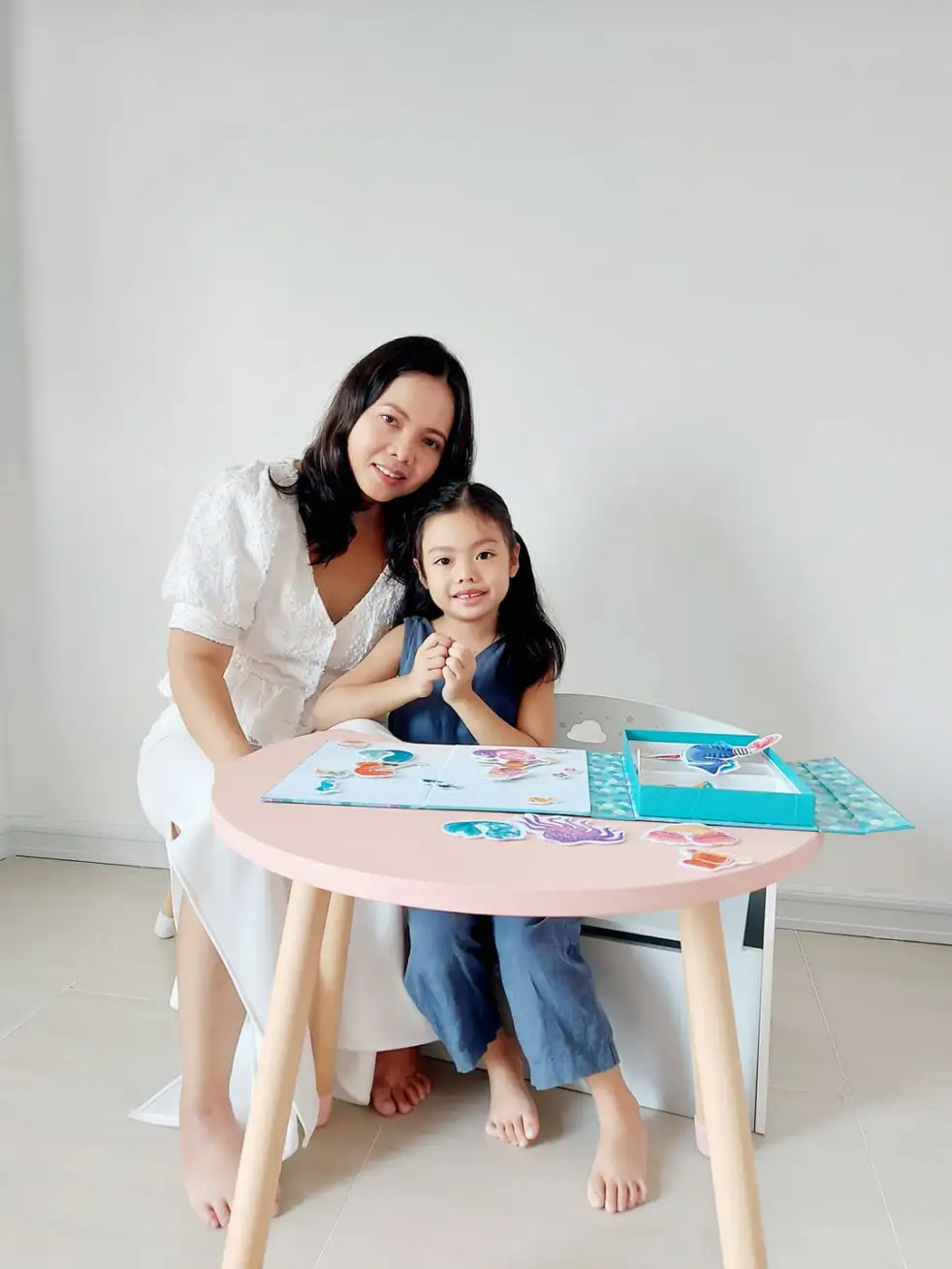
As parents, we want to give our child the best possible start in life and that begins with nurturing their intelligence. Throughout history, the notion of success has been linked to academic intelligence. However, there has been an increased awareness on the importance of emotional intelligence. This question gets at the heart of the never-ending… Continue reading IQ or EQ, which one is a better predictor of your child’s success?
 wondermomma.net