
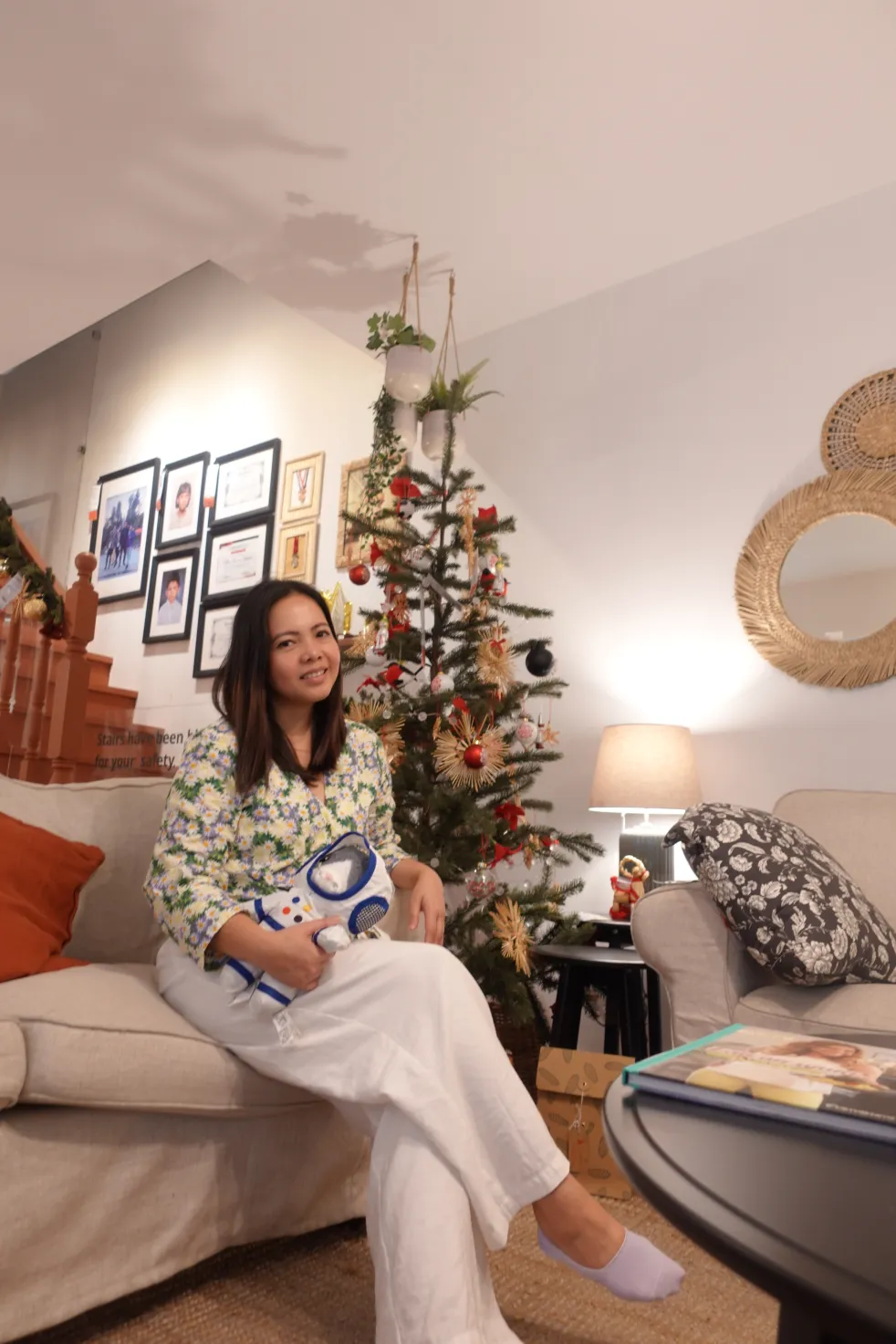
Last August, IKEA Philippines engaged with Better World Smokey Mountain, a newly opened community center operated by the San Miguel Foundation, which shares a similar goal of improving the lives of many Filipino people. Through this partnership, IKEA Philippines provided and assembled home furnishings for the classrooms and library of Better World Smokey Mountain community… Continue reading Help Create a Better World with IKEA Soft Toys
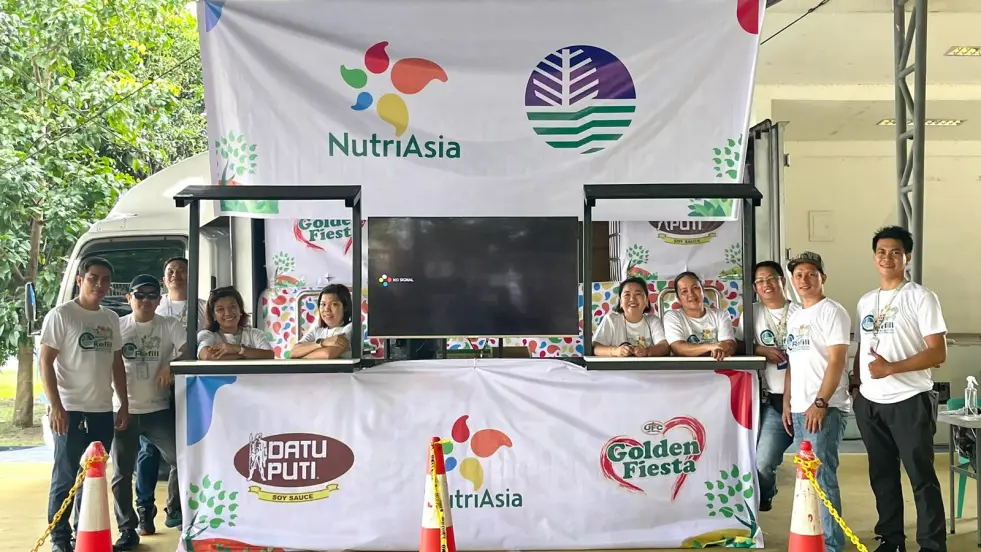
NutriAsia, the country’s top producer of condiments and sauces, continues its support of Refill Revolution; a project by the Department of Environment and Natural Resources EMB 3 that aims to help reduce Filipinos’ single-use plastics consumption. At Refill Revolution, residents get to recycle their single-use plastic bottles by reusing and filling it with their choice… Continue reading NutriAsia and DENR renews partnership for Refill Revolution

Handprint and footprint keepsakes that capture growing little hands
There's something quietly powerful about pressing a toddler's pudgy palm onto a sheet of paper and watching the print dry into a permanent record of a moment that will never come again. Within a year those fingers will lengthen, the toes will stretch, and the hand that once curled around your thumb will be reaching for a pencil at school. Handprint and footprint keepsakes offer a tangible pause button, a way of holding onto a chapter of childhood that moves faster than most parents expect.
The beauty of these projects is that they don't demand professional skills or expensive supplies. A few basic craft items from Kmart or Big W, some washable paint, and a forgiving attitude toward mess are usually all that's required. Many Australian families find that these crafts slot beautifully into long weekend afternoons, particularly during the cooler months in Sydney or Melbourne when outdoor play is less appealing.
For parents who feel hesitant about involving very young children, remember that the process itself matters as much as the result. The giggles when paint tickles, the concentration on a small face, the pride when a finished piece is placed on the fridge — these are the memories layered into the keepsake itself, long after the paint has dried.
Choosing safe materials that suit sensitive skin
Australian families are right to be cautious about what touches their baby's skin. The Therapeutic Goods Administration regulates many products, but craft supplies fall outside that framework, so a little label-reading goes a long way. Look for non-toxic, water-based paints that carry the Australian Standard AS/NZS 8124 for art materials, or pick formulas labelled "child-safe" and "washable" from brands like Mont Marte, available at most Spotlight stores.
For very young children, edible options such as homemade yogurt paint or cooled porridge mixed with a few drops of food colouring offer a worry-free alternative. These recipes wipe off tile easily and won't cause harm if a curious toddler sneaks a taste. Older children tend to tolerate regular washable poster paint without issue, especially when you explain the rules beforehand.
Sun protection also matters during outdoor craft sessions, even in winter. The UV index in Brisbane or Perth can remain surprisingly high, so a shaded verandah or a north-facing window indoors is often the smartest spot for setting up your art station.
Setting up a calm, mess-friendly space
Before a single brush is dipped, decide where the crafting will happen. Many mums swear by the kitchen table covered in a cheap plastic tablecloth from the Reject Shop, since the floor underneath is easy to sweep afterwards. Others prefer the laundry, where a tiled surface can be wiped down in minutes.
Gather everything you'll need before bringing your child to the table: wipes, a damp cloth, paper towels, a change of clothes, and the finished paper or canvas ready to receive the print. Children as young as eight months old can sense hesitation, so a calm, prepared parent usually translates into a calm, willing participant. If your little one starts to fuss, take a break rather than forcing a print — there will always be another afternoon.
Music helps set the mood, and an Australian family playlist of Banjo Paterson poems or a Wiggles singalong can turn a nervous moment into a fun one. Older toddlers and preschoolers sometimes feel anxious about new textures on their skin, and a soothing bedtime song that helps them relax — much like the comfort strategies described in overcoming a fear of the dark — can ease them into the activity more gently than rushing straight into the paint.
Ink pad and stamp techniques for tiny prints
The classic method involves a washable ink pad, available in packs from Officeworks or the craft aisle at Big W. Press your baby's hand gently but firmly onto the pad, then onto the paper, holding for two or three seconds to ensure a clear impression. Younger babies sometimes clench their fists, so a quick massage of the palm beforehand helps relax the fingers.
Footsies require a bit more choreography. Wait until your baby is relaxed after a nap, then lay them on a soft rug. Press the foot onto the ink pad and quickly onto your chosen surface. If the first attempt is smudged, simply print another — most packs include multiple sheets, so a few practice runs won't matter.
For families who prefer a more polished look, clear acrylic blocks with rubber stamps can create decorative borders around the print. Some Australian crafters add the date, baby's name, and weight in kilograms using a fine-tipped Posca pen, turning the print into a proper birth record that looks intentional rather than homemade.
Salt dough, air-dry clay, and three-dimensional options
Two-dimensional prints aren't the only way to capture those tiny features. Salt dough, made from two parts flour to one part salt and one part water, creates lasting ornaments when baked at a low temperature. Press a hand or foot firmly into the rolled dough, cut around the impression, and pierce a hole at the top before baking. Once cool, paint with water-based acrylics and seal with clear varnish for a keepsake that lasts decades.
Air-dry clay is even simpler, though it costs a little more per kilogram. Brands like Darwi or Claydough are stocked at Spotlight and independent craft shops in Adelaide and Perth. These clays dry overnight without an oven, making them practical for renters or households without reliable baking facilities.
Three-dimensional keepsakes work particularly well for grandparents. A small dish with a child's handprint pressed into the base, or a hanging plaque for a nursery wall, becomes a treasured gift at Christmas or for a first birthday celebration in May or June when many Australian families gather.
Paint projects on canvas, wood, and fabric
Canvas prints look gallery-worthy with very little effort. Stretch a budget canvas from Kmart over a piece of cardboard, brush your child's hand with washable paint, and press firmly onto the surface. Once dry, frame the canvas in a simple flat frame for a polished finish that suits modern Australian interiors.
Wood slices from a Bunnings craft aisle make rustic keepsakes that fit coastal and country home aesthetics equally well. Sand the surface smooth, press a print onto the raw timber, and seal with clear matte varnish. These look beautiful grouped as a set in a hallway or above a fireplace, and they cost only a few dollars each.
Fabric printing opens another world entirely. Plain cotton tote bags, tea towels, and even T-shirts from budget chains can become wearable memories. Use fabric paint, heat-set with an iron once dry, and you have a piece that survives the washing machine. Many mums make matching parent-and-child versions for Mother's Day in May or for Father's Day in September, turning the keepsake into an annual tradition.
Storing, labelling, and displaying the collection
Once the project is complete, proper storage protects your work for decades. Slip paper prints into acid-free archival sleeves, available online or from art supply stores. Avoid regular plastic sleeves, which can yellow and stick over time. For dough or clay pieces, wrap in acid-free tissue and store in a dry cupboard away from humidity, particularly important in tropical parts of the country like Cairns or Darwin.
Labelling makes a huge difference years later when memory fades. Write the date, the child's age in months, and a small note about what was happening at the time. "First trip to the beach at Bondi," or "started daycare at Coogee," turns a print into a time capsule that future teenagers will find surprisingly moving to read.
Displaying rotating favourites keeps them part of daily life rather than hidden in a drawer. A clip frame on a hallway wall, a string of pegs in a playroom, or a dedicated shelf in the living room all work well. Many Australian families create a yearly tradition, adding a new print on each birthday so the progression is visible side by side, a quiet record of how quickly childhood passes.
Recommended supplies for a stress-free project
- A set of washable, non-toxic poster paints in assorted colours from a major Australian retailer, usually priced between $5 and $15
- Acid-free archival sleeves or a large flat folder for safe paper storage
- A plastic tablecloth or old shower curtain to protect your work surface
- Plain white paper, canvas, or pre-sanded wood slices depending on the chosen project
- A damp cloth, baby wipes, and a spare change of clothes for both child and adult

Mercato Centrale, in collaboration with Indian Women in Enterprise Philippines (I-We), is set to host "The Great Indian Fiesta" to mark 75 years of friendship between India and the Philippines. The dynamic two-day event is scheduled to take place on September 30 to October 1, 2023, at Paseo De Roxas Street, Makati City. Aiming to… Continue reading Mercato Centrale Partners with I-We to Host ‘The Great Indian Fiesta’, Commemorating 75 Years of India-Philippines Friendship

My stomach would usually start growling at 10 am even after taking a big breakfast. This is probably because I am a morning person and I move a lot throughout the day hence snacking is something that I can't avoid. This potatoes and chicken wrap recipe is easy to prepare and would keep me full… Continue reading Potato and Chicken Wrap
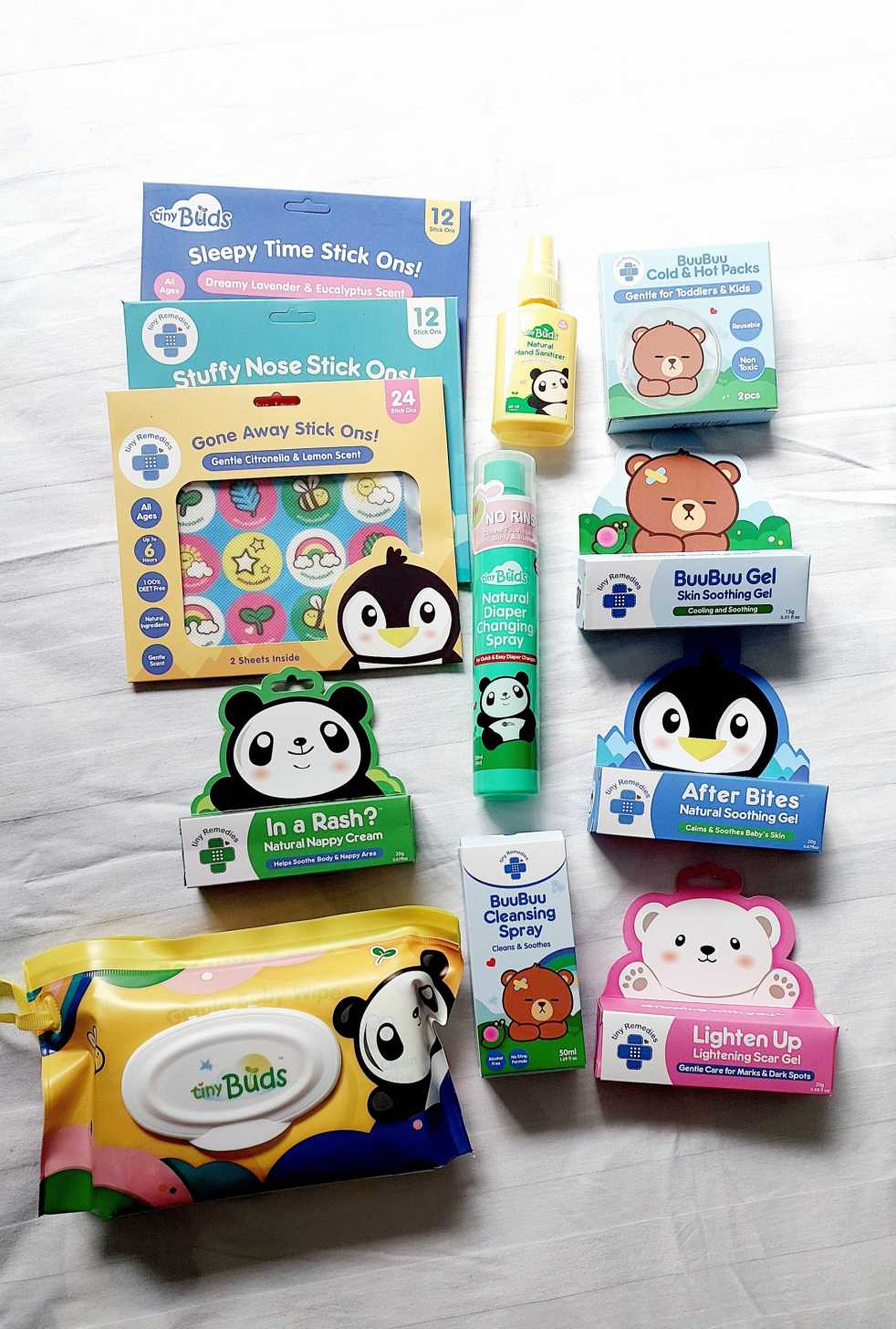
Your baby’s skin is more delicate than most, this is why you have to choose products that are designed for sensitive skin. Tiny Buds is a pioneer in integrating natural ingredients into baby care and today has over 50 innovative natural baby care essentials and is one of the Top Baby Personal Care brands. Here… Continue reading Product Review: Tiny Buds Baby Naturals Baby Essentials
Where your child goes to school is a big decision and shouldn’t be taken lightly. Given how their education can impact their future, you might be tempted to take control and decide for them. However, you might be doing more damage than helping them in the long run. Your job as parents is to support… Continue reading HOW TO CHOOSE THE BEST SCHOOL FOR YOUR CHILD
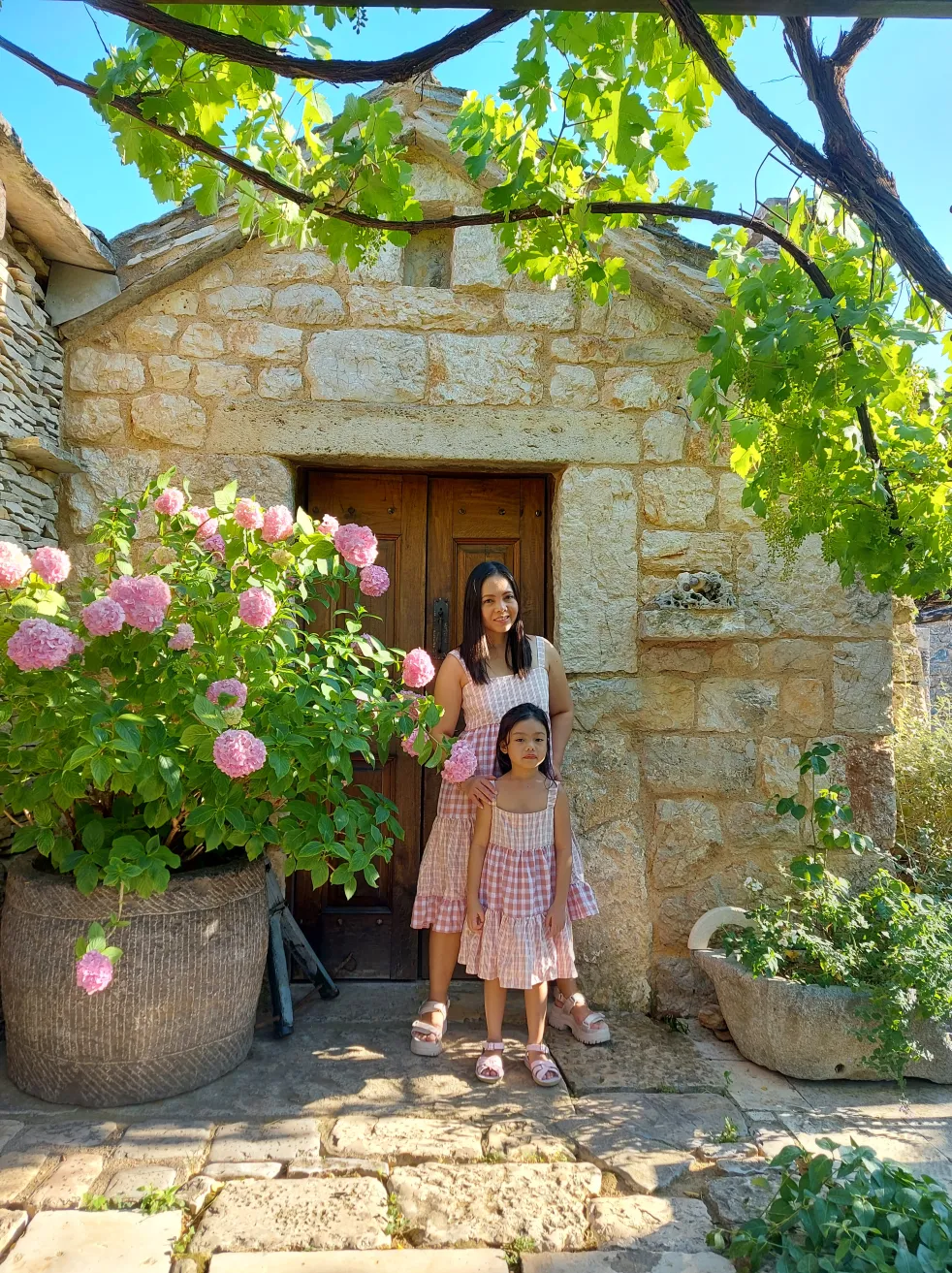
As poet and philosopher Rumi once eloquently said, “raise your words, not your voice. It is rain that grows flowers, not thunder.” Parenting is a challenging journey, and the truth is that nobody has everything figured out. One parenting style might suit others best, and some might favor other methods. However, children respond better to… Continue reading A SIMPLE GUIDE TO GENTLE PARENTING
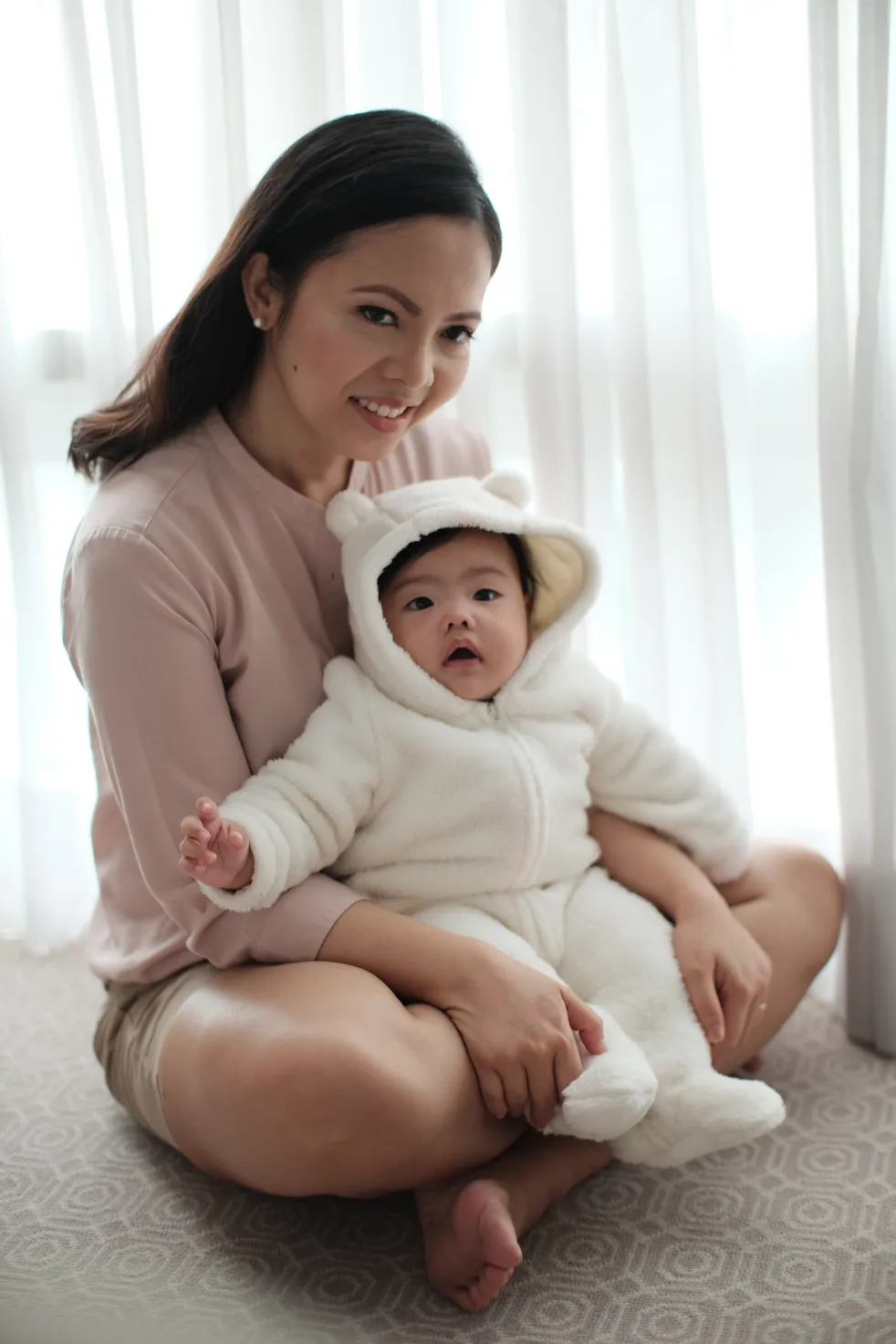
Whether you’re a new mom to be, mom of a toddler, mom who have school-aged kids, you’re bound to have so many questions. Let's start with your baby's skin. Infant skin has unique needs; gentle care is essential to prevent damage to the skin barrier, which can lead to irritation. When caring for infant skin,… Continue reading Keeping Baby’s Diapered Skin Healthy
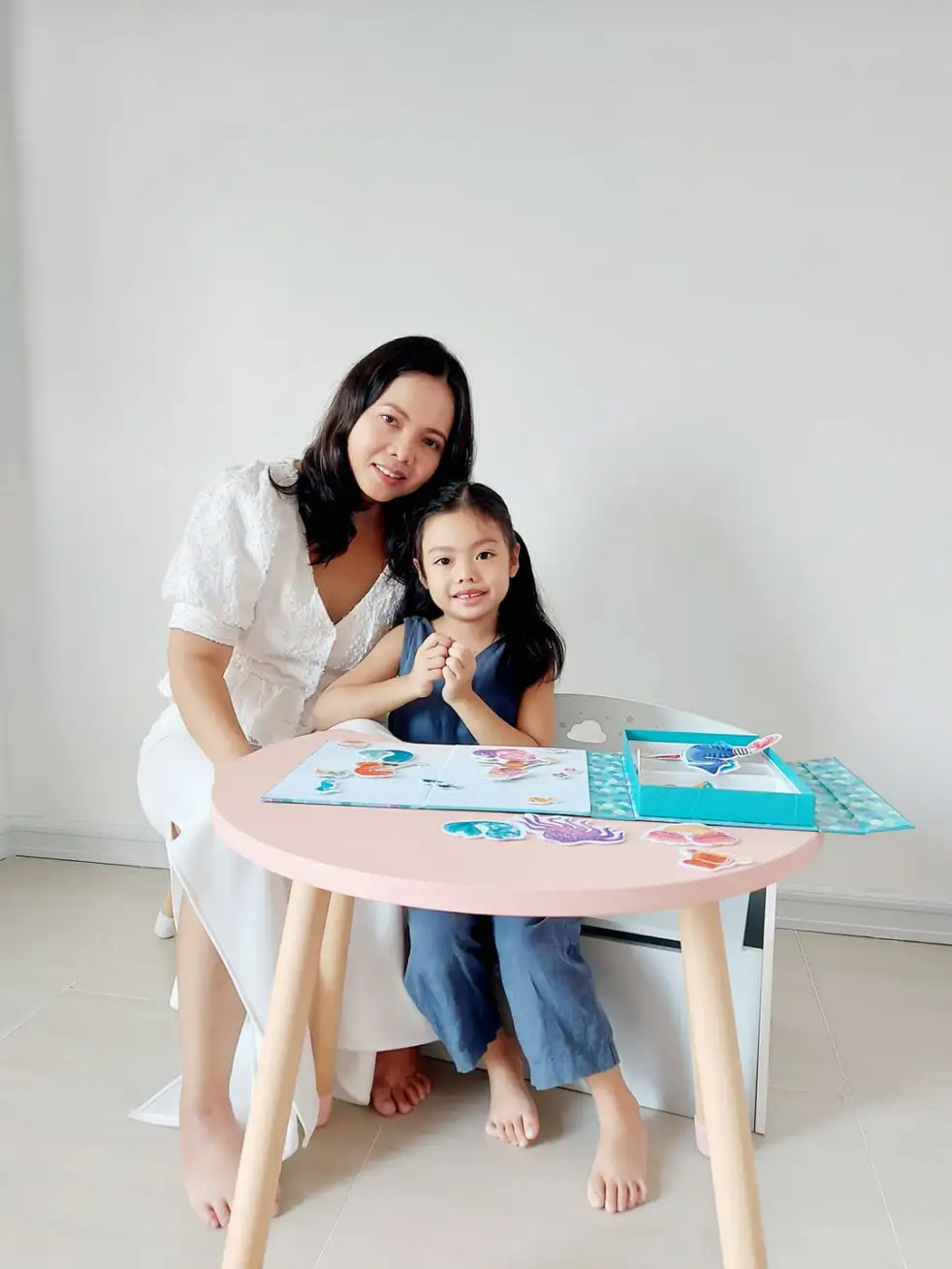
As parents, we want to give our child the best possible start in life and that begins with nurturing their intelligence. Throughout history, the notion of success has been linked to academic intelligence. However, there has been an increased awareness on the importance of emotional intelligence. This question gets at the heart of the never-ending… Continue reading IQ or EQ, which one is a better predictor of your child’s success?
 wondermomma.net