

Last August, IKEA Philippines engaged with Better World Smokey Mountain, a newly opened community center operated by the San Miguel Foundation, which shares a similar goal of improving the lives of many Filipino people. Through this partnership, IKEA Philippines provided and assembled home furnishings for the classrooms and library of Better World Smokey Mountain community… Continue reading Help Create a Better World with IKEA Soft Toys
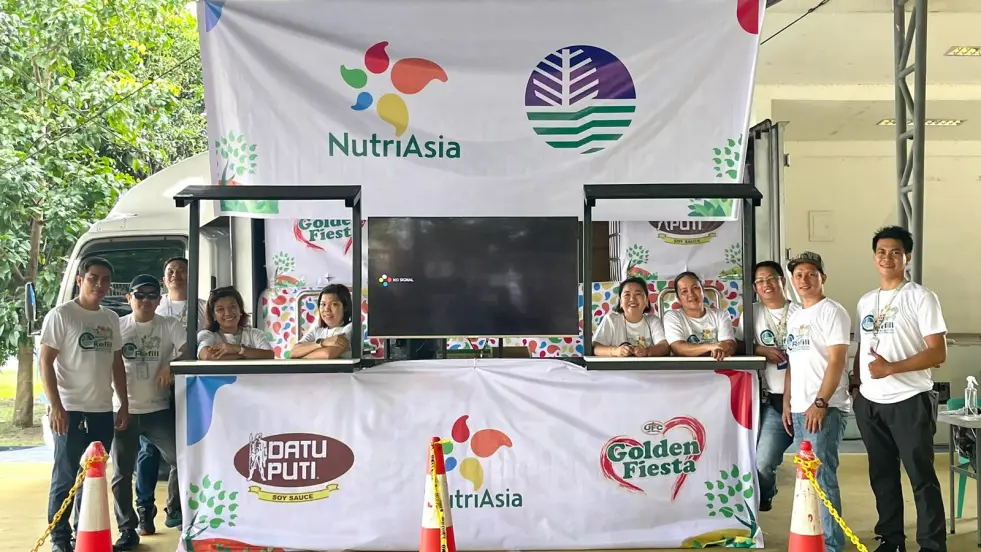
NutriAsia, the country’s top producer of condiments and sauces, continues its support of Refill Revolution; a project by the Department of Environment and Natural Resources EMB 3 that aims to help reduce Filipinos’ single-use plastics consumption. At Refill Revolution, residents get to recycle their single-use plastic bottles by reusing and filling it with their choice… Continue reading NutriAsia and DENR renews partnership for Refill Revolution

Weekly Meal Planning for Picky Eaters That Actually Works
Feeding a child who refuses vegetables, gags at anything green, or insists on eating the same three foods on rotation can feel like a daily negotiation. Many Australian parents know the frustration of preparing a lovingly cooked meal only to watch it sit untouched on the plate while the child asks for plain pasta, again. Picky eating is one of the most common concerns raised at maternal child health nurse visits across Melbourne, Sydney, and Brisbane, and it rarely resolves on its own without a thoughtful approach.
A structured weekly meal plan changes the dynamic completely. Instead of scrambling for ideas at 5pm when everyone is hungry and tired, parents can approach dinnertime with calm intention. Planning ahead also makes it easier to balance nutrients, control grocery spending at places like Woolworths and Coles, and reduce food waste at home. Children benefit too, because repeated exposure to a variety of foods in low-pressure settings is one of the strongest predictors of long-term healthy eating habits.
Australian families have unique resources to draw on, from the NHMRC Australian Dietary Guidelines to the Healthy Kids Association school canteen framework. Supermarket own-brand ranges have expanded dramatically, seasonal produce follows southern hemisphere cycles, and the National Allergy Strategy influences how labels are read at the shops. With a few local tweaks, meal planning becomes far less overwhelming and far more effective for fussy eaters.
Understanding Picky Eating Behaviour in Children
Picky eating in toddlers and young children usually peaks between the ages of two and six, when neophobia, the fear of new foods, is at its strongest. Researchers at the CSIRO and Flinders University have both contributed to Australian studies showing that repeated, neutral exposure is more effective than pressure or reward-based tactics. Children often need to see, smell, or touch a new food between ten and fifteen times before they feel safe enough to try it.
It is worth distinguishing between genuine sensory sensitivities, such as those linked with autism spectrum disorder or oral motor difficulties, and normal developmental fussiness. A chat with a GP or paediatric dietitian through a Medicare-funded care plan can rule out underlying issues. For most families, however, picky eating is a passing phase that responds well to predictable routines and patient repetition.
Temperament also matters. Some children are highly sensitive to textures, smells, and temperatures, while others are adventurous from the start. Recognising your child's profile helps you plan meals that stretch their comfort zone without overwhelming them. A child who dislikes wet, mushy foods might still enjoy crunchy roasted vegetables, for example, giving you a useful starting point for the weekly plan.
Building Blocks from Australian Dietary Guidelines
The NHMRC Australian Dietary Guidelines recommend five food groups: vegetables, fruit, grain foods, lean meats and alternatives, and dairy or fortified alternatives. For picky eaters, the goal is not to hit every group every meal, but to spread exposure across the week. A rough weekly target of thirty different plant foods is often cited by Australian dietitians as a realistic benchmark for the whole family.
Portion sizes for children are smaller than many parents expect. A toddler's serve of meat is roughly the size of their palm, and a serve of cooked pasta is around half a cup. Using kid-sized plates from shops like Kmart or Big W helps reinforce appropriate portions and prevents the visual overwhelm of adult-sized dinnerware piled high.
The Healthy Kids Association provides canteen guidelines used in New South Wales, Victoria, and Western Australia schools, categorising foods as everyday, occasional, or rare. While these apply primarily to school canteens, parents can adopt the same traffic-light thinking at home. Everyday foods fill most of the plate, occasional foods appear once or twice a week, and rare treats remain genuinely rare.
Designing the Weekly Meal Plan Structure
Start with a simple template rather than seven brand new recipes. Many Australian parents find success with a four-recipe rotation, with leftovers or simplified sides filling the remaining nights. Monday could be a roast chicken, Wednesday a stir-fry using the same vegetables, and Friday a pasta bake with hidden legumes. This cuts cooking time dramatically and reduces the mental load of daily decisions.
Involve children in age-appropriate ways. Toddlers can wash lettuce or tear herbs, preschoolers can stir ingredients, and school-aged kids can choose between two vegetable options for the week. A magnetic weekly planner stuck to the fridge, similar to those sold at Typo or Big W, makes the plan visible and gives children a sense of ownership over mealtimes.
Theme nights work well for busy families. Taco Tuesday, Soupy Sunday, or Sausage Saturday align with the casual weekend culture common in Adelaide and Perth households. Themes reduce decision fatigue and let parents batch-shop ingredients at a local IGA or farmers market rather than running to the supermarket midweek.
Navigating Local Supermarket Aisles
Woolworths, Coles, and Aldi dominate the Australian grocery landscape, and each has strengths for feeding picky eaters. Woolworths' free from range and Macro line suit families managing allergies, while Coles offers a strong budget range with clear nutritional labelling. Aldi's seasonal produce, particularly berries, stone fruit, and leafy greens, often arrives at lower prices during peak Australian harvest months from October to March.
Farmers markets in Brisbane's Jan Powers, Melbourne's Queen Victoria, or the Adelaide Showground offer fresh, seasonal produce that often wins over children who reject supermarket vegetables. Letting kids pick a "weird" vegetable to try each week, such as purple carrots or kohlrabi, turns shopping into an adventure. The seasonal nature also matches the Australian climate, so produce tends to be at peak flavour and nutritional value.
Reading labels is easier now thanks to Food Standards Australia New Zealand requirements. The voluntary Health Star Rating system appears on most packaged foods, allowing quick comparison. For picky eaters, look for products with 3.5 stars or higher that still feel familiar, such as wholemeal wraps, mild cheeses, or plain yoghurt, and use these as building blocks for new meals.
Recipe Swaps and Sneaky Vegetable Wins
Pureed vegetables work beautifully in pasta sauces, casseroles, and even pancake batter. A basic bolognese can absorb finely grated carrot, zucchini, and capsicum without changing the flavour profile. Similarly, mashed cauliflower can replace half the potato in mash, and blended silken tofu can thicken a chicken curry without affecting taste. These techniques are endorsed by Australian dietitians as gentle ways to boost intake without triggering resistance.
Sauces and dips often bridge the gap for fussy eaters. A mild cheese sauce poured over broccoli or cauliflower florets transforms a rejected vegetable into a family favourite. Hummus, tzatziki, or a simple avocado dip can encourage children to try crackers, pita, or raw vegetable sticks. Many Australian supermarkets now stock pre-made dips in lunchbox-friendly sizes, but homemade versions are cheaper and allow you to control sodium levels.
Smoothies are another flexible tool, especially for breakfast or afternoon snacks. Combining frozen banana, oats, milk, and a handful of spinach creates a sweet, mild drink that masks green flavour entirely. Adding a spoon of peanut butter or Greek yoghurt boosts protein and creates a satisfying texture. Just remember to keep added sugar modest and rotate the fruit base to expose children to different flavour notes over time.
Lunchboxes, Canteen Days, and Family Mealtimes
The Australian school lunchbox culture is its own beast. With many primary schools running over-the-counter canteen days once or twice a week, parents need a hybrid approach. A simple formula works well: include a protein, a fruit, a vegetable or two, a grain, and one treat item. Sandwiches, wraps, or rice-based salads hold up well in eskies during summer in Sydney or Brisbane, and insulated bags keep food cool until lunch.
Children learn eating habits by watching their families eat together. Regular family meals, even three nights a week, are linked with better dietary variety and reduced fussy eating in Australian studies. Phones off, plates served at the same time, and a relaxed atmosphere all signal that mealtimes are safe and social. For households struggling with evening chaos, pairing a calm dinner with how to create a bedtime routine that actually works for your family can make the whole evening flow more smoothly and set children up for a settled sleep.
When children reject the planned meal, keep the boundary gentle but firm. Offer the same meal without alternatives, clear the plate after twenty minutes, and wait until the next scheduled snack or meal. Grazing on toast or biscuits between meals is one of the biggest saboteurs of picky eating plans, as it reduces appetite for proper meals and reinforces selective food preferences over time.
| Strategy | Best For | Time Required | Picky Eater Success |
|---|---|---|---|
| Four-recipe weekly rotation | Busy dual-income families | 2-3 hours weekly prep | High |
| Theme nights (Taco Tuesday) | Families needing structure | Minimal midweek decisions | Moderate-High |
| Sneaky vegetable purees | Children rejecting visible veg | 30 mins extra per meal | Moderate |
| Farmers market fresh produce | Adventurous eaters, weekends | 2 hours weekend shopping | High for willing triers |
| Canteen day hybrid lunchbox | School-aged children | 15 mins packing daily | High |

Mercato Centrale, in collaboration with Indian Women in Enterprise Philippines (I-We), is set to host "The Great Indian Fiesta" to mark 75 years of friendship between India and the Philippines. The dynamic two-day event is scheduled to take place on September 30 to October 1, 2023, at Paseo De Roxas Street, Makati City. Aiming to… Continue reading Mercato Centrale Partners with I-We to Host ‘The Great Indian Fiesta’, Commemorating 75 Years of India-Philippines Friendship

My stomach would usually start growling at 10 am even after taking a big breakfast. This is probably because I am a morning person and I move a lot throughout the day hence snacking is something that I can't avoid. This potatoes and chicken wrap recipe is easy to prepare and would keep me full… Continue reading Potato and Chicken Wrap
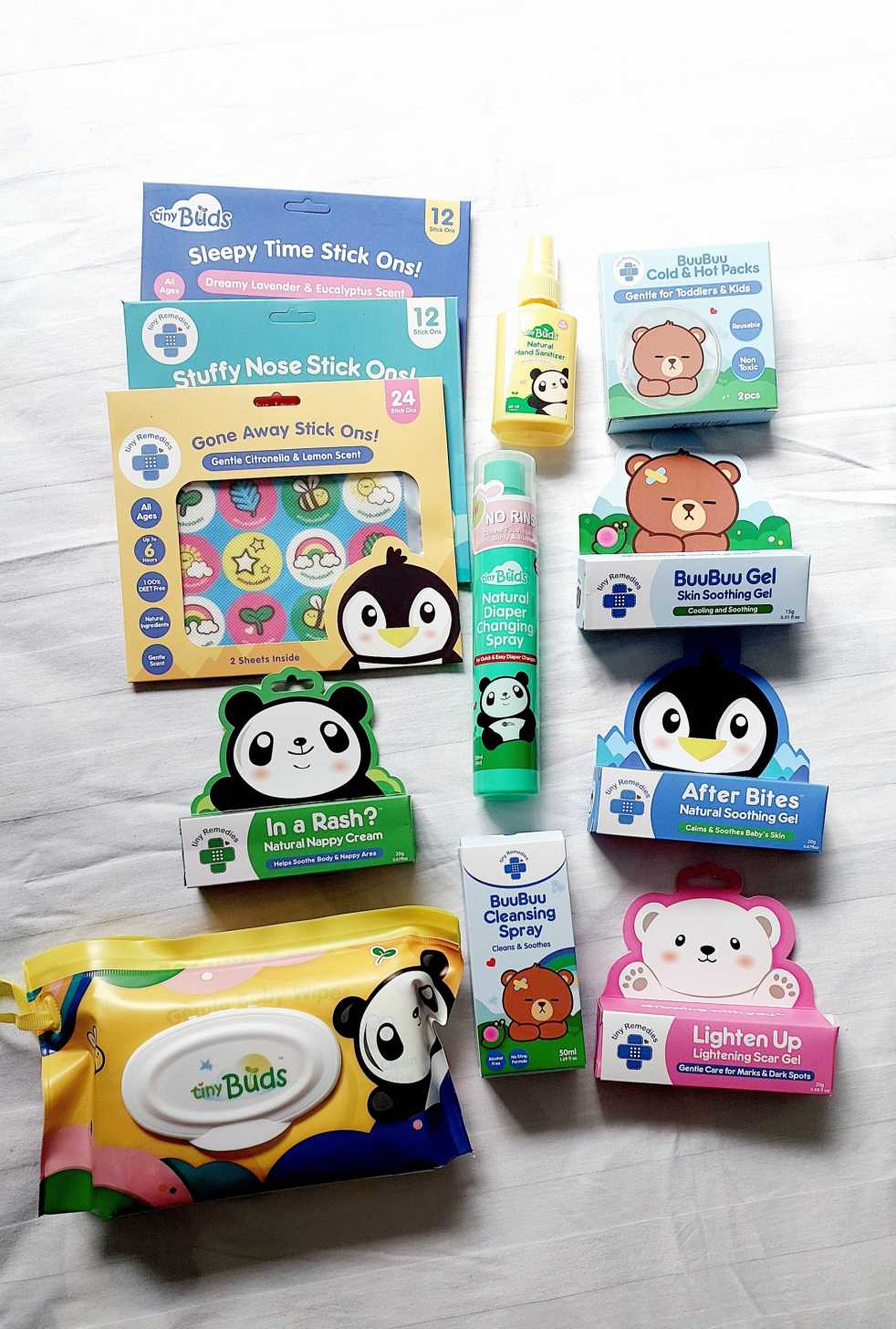
Your baby’s skin is more delicate than most, this is why you have to choose products that are designed for sensitive skin. Tiny Buds is a pioneer in integrating natural ingredients into baby care and today has over 50 innovative natural baby care essentials and is one of the Top Baby Personal Care brands. Here… Continue reading Product Review: Tiny Buds Baby Naturals Baby Essentials
Where your child goes to school is a big decision and shouldn’t be taken lightly. Given how their education can impact their future, you might be tempted to take control and decide for them. However, you might be doing more damage than helping them in the long run. Your job as parents is to support… Continue reading HOW TO CHOOSE THE BEST SCHOOL FOR YOUR CHILD

As poet and philosopher Rumi once eloquently said, “raise your words, not your voice. It is rain that grows flowers, not thunder.” Parenting is a challenging journey, and the truth is that nobody has everything figured out. One parenting style might suit others best, and some might favor other methods. However, children respond better to… Continue reading A SIMPLE GUIDE TO GENTLE PARENTING

Whether you’re a new mom to be, mom of a toddler, mom who have school-aged kids, you’re bound to have so many questions. Let's start with your baby's skin. Infant skin has unique needs; gentle care is essential to prevent damage to the skin barrier, which can lead to irritation. When caring for infant skin,… Continue reading Keeping Baby’s Diapered Skin Healthy

As parents, we want to give our child the best possible start in life and that begins with nurturing their intelligence. Throughout history, the notion of success has been linked to academic intelligence. However, there has been an increased awareness on the importance of emotional intelligence. This question gets at the heart of the never-ending… Continue reading IQ or EQ, which one is a better predictor of your child’s success?
 wondermomma.net