

Last August, IKEA Philippines engaged with Better World Smokey Mountain, a newly opened community center operated by the San Miguel Foundation, which shares a similar goal of improving the lives of many Filipino people. Through this partnership, IKEA Philippines provided and assembled home furnishings for the classrooms and library of Better World Smokey Mountain community… Continue reading Help Create a Better World with IKEA Soft Toys

NutriAsia, the country’s top producer of condiments and sauces, continues its support of Refill Revolution; a project by the Department of Environment and Natural Resources EMB 3 that aims to help reduce Filipinos’ single-use plastics consumption. At Refill Revolution, residents get to recycle their single-use plastic bottles by reusing and filling it with their choice… Continue reading NutriAsia and DENR renews partnership for Refill Revolution

A Bedtime Routine That Works for Your Family
Bedtime can shape the mood of an entire household. When children are overtired, parents may face stalling, tears, endless requests, or sudden bursts of energy just when everyone needs rest. A predictable evening rhythm can make those moments calmer without turning sleep into a nightly battle.
The most effective routine is not the one with the most steps. It is the one your family can repeat on ordinary days, busy days, and slightly chaotic days. A good plan considers your child’s age, temperament, sleep needs, and the practical limits of family life.
Creating a bedtime routine that actually works for your family means building a sequence that feels familiar and reassuring. It should offer enough structure for children to know what comes next while leaving room for flexibility when illness, travel, homework, or family events change the schedule.
Start With Your Family’s Real Sleep Pattern
Before changing bedtime, observe what already happens for several evenings. Note when your child begins showing sleepy signs, how long the wind-down takes, which activities cause excitement, and where delays usually occur. This information is more useful than choosing a schedule based on another family’s routine.
Common signs of tiredness include yawning, rubbing the eyes, becoming unusually clingy, losing interest in play, or getting upset over small things. Some children become hyperactive instead of quiet when they are overtired. If your child regularly takes a long time to fall asleep, bedtime may be too early, the evening may be too stimulating, or daytime sleep may need adjustment.
Consider the whole household, too. A routine that requires one parent to manage six separate steps every night may be difficult to sustain. Families with babies, older siblings, shift workers, or limited evening support need a plan that fits their circumstances rather than an idealized schedule.
Choose One Reliable Evening Anchor
A consistent wake-up time is often helpful for a child’s body clock, but a dependable bedtime anchor can also bring order to the evening. This might be bath time, putting on pajamas, dimming the lights, or beginning the final story. Choose an event that can happen at roughly the same time most nights.
Work backward from the desired sleep time. Allow enough space for dinner, quiet play, hygiene, connection, and unexpected delays. If your child needs to be asleep by 8:30 p.m., starting the routine at 8:20 will probably create pressure. A 30- to 60-minute wind-down period is more realistic for many young children.
Make changes gradually when the current bedtime is far from your goal. Move it earlier or later by about 10 to 15 minutes every few nights. Small adjustments are easier for children to accept and give their natural sleepiness time to catch up.
Build A Short, Predictable Sequence
Children often cooperate better when bedtime follows the same order each night. A simple sequence could be tidy-up time, bath or wash-up, pajamas, brushing teeth, a story, cuddles, and lights out. The exact activities matter less than the repetition and the calm pace.
Use visual reminders for toddlers and preschoolers who cannot yet read. Pictures showing a toothbrush, pajamas, a book, and a bed can help them understand the routine without repeated verbal instructions. Older children may prefer a written checklist, especially if they are learning to manage parts of bedtime independently.
Keep stimulating activities away from the final part of the routine. Active games, loud music, exciting videos, and difficult conversations can make it harder to settle. For families who enjoy reading together, a gentle story can create connection while helping the brain shift toward sleep. Parenting resources can also provide ideas for adapting calming rituals to different ages and family needs.
| Bedtime stage | Helpful approach | Common issue |
|---|---|---|
| Transition from play | Give a five-minute warning and offer a clear next step | A sudden stop can trigger resistance |
| Hygiene | Keep bath, washing, and brushing simple | Too many choices can prolong the routine |
| Connection | Use one story, song, or quiet cuddle | Repeated requests may extend bedtime |
| Lights out | Use the same short goodnight phrase | New negotiations can restart the routine |
| After lights out | Respond calmly and briefly | Long conversations reward stalling |
Match The Routine To Your Child’s Age
Babies need flexible cues more than a strict clock. Feeding, naps, growth, and developmental changes can affect sleep from week to week. A gentle infant bedtime pattern might include feeding, a clean diaper, sleepwear, a dim room, a short song, and settling. Safe sleep guidance should remain a priority, including placing babies on their backs in an appropriate sleep space.
Toddlers benefit from consistency and limited choices. You might ask whether they want the blue or yellow pajamas, or whether they would like one short book before brushing teeth. Choices should give a sense of control without changing the essential steps. If a toddler keeps leaving the room, return them with minimal conversation and repeat the same calm response.
Preschoolers may need help with fears, imagination, and separation. A night-light, comfort item, or brief check-in can be reassuring. School-age children may need support balancing homework, screen use, extracurricular activities, and sufficient sleep. In every age group, the goal is to protect rest while gradually increasing independence.
Handle Resistance With Calm Boundaries
Bedtime stalling often appears as requests for water, another story, a different blanket, or one last trip to the bathroom. Some requests are genuine, while others help a child delay separation. Meet basic needs before lights out, then use a consistent limit once the routine is complete.
A calm script can prevent long explanations: “You have your water, your blanket, and your story. It is time to sleep.” Repeat it in a neutral voice if necessary. Avoid threatening, pleading, or starting a debate, since strong emotional reactions can make the delay more rewarding.
Connection is still important. A child who resists bedtime may be seeking extra attention after a busy day. Add a few minutes of focused, screen-free time before the final steps so affection does not have to be requested through stalling. Even a short cuddle or conversation about the day can help a child feel secure.
Protect The Conditions For Rest
A bedtime routine works better when the sleep environment supports it. Keep the room comfortable, dim, and reasonably quiet. If the home is active in the evening, steady background sound may help soften household noise. Make sure sleepwear and bedding suit the temperature and that the bed feels inviting rather than associated with punishment.
Screens deserve special attention. Phones, tablets, television, and gaming can delay sleep through bright light and mental stimulation. Create a practical screen-free period before bed, then replace devices with low-energy activities such as drawing, listening to quiet music, looking at books, or talking together.
Daytime habits also influence nighttime sleep. Outdoor play, movement, regular meals, and exposure to natural light can support a healthy sleep rhythm. Naps may be necessary for younger children, but late or lengthy naps can make bedtime harder. Watch patterns over several days instead of judging the routine after one difficult night.
Keep The Plan Flexible And Sustainable
A family bedtime routine should have a minimum version for exhausting days. For example, the shortened plan might include washing, pajamas, teeth, one brief story, and bed. Knowing which steps are essential prevents a missed bath or late dinner from turning into a completely unstructured evening.
When a routine stops working, change one factor at a time. Look at bedtime timing, naps, screen use, hunger, fears, and the amount of connection your child receives before sleep. Give an adjustment several nights before deciding whether it helped. Sleep patterns can vary during growth spurts, illness, travel, and developmental transitions.
Use these practical reminders to keep the routine manageable:
- Set a predictable wake-up time whenever your family schedule allows.
- Give warnings before each major transition instead of announcing bedtime suddenly.
- Offer limited choices while keeping the order of essential steps unchanged.
- Keep responses brief and calm after lights out.
- Praise cooperation and growing independence in the morning.
A routine does not need to be perfect to be effective. Some evenings will run late, children will test limits, and unexpected events will interrupt the plan. Returning to the familiar sequence the next night teaches children that bedtime remains dependable.
Begin with one small change tonight: choose your anchor, shorten the final steps, or prepare a visual bedtime checklist. Repeat it consistently, notice what helps your child settle, and adjust with patience. With time, those ordinary signals can turn the end of the day into a calmer, more connected part of family life.

Mercato Centrale, in collaboration with Indian Women in Enterprise Philippines (I-We), is set to host "The Great Indian Fiesta" to mark 75 years of friendship between India and the Philippines. The dynamic two-day event is scheduled to take place on September 30 to October 1, 2023, at Paseo De Roxas Street, Makati City. Aiming to… Continue reading Mercato Centrale Partners with I-We to Host ‘The Great Indian Fiesta’, Commemorating 75 Years of India-Philippines Friendship

My stomach would usually start growling at 10 am even after taking a big breakfast. This is probably because I am a morning person and I move a lot throughout the day hence snacking is something that I can't avoid. This potatoes and chicken wrap recipe is easy to prepare and would keep me full… Continue reading Potato and Chicken Wrap
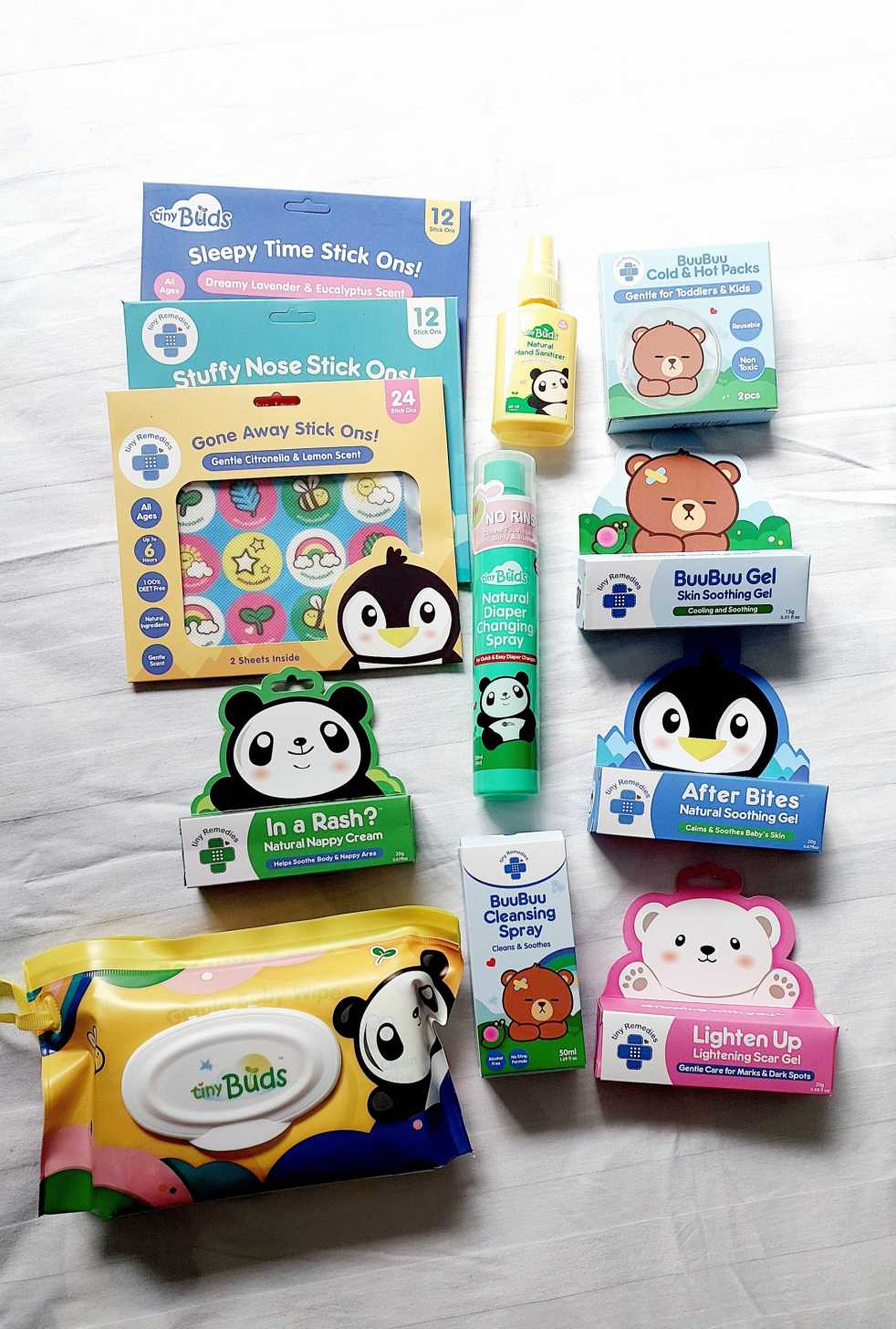
Your baby’s skin is more delicate than most, this is why you have to choose products that are designed for sensitive skin. Tiny Buds is a pioneer in integrating natural ingredients into baby care and today has over 50 innovative natural baby care essentials and is one of the Top Baby Personal Care brands. Here… Continue reading Product Review: Tiny Buds Baby Naturals Baby Essentials
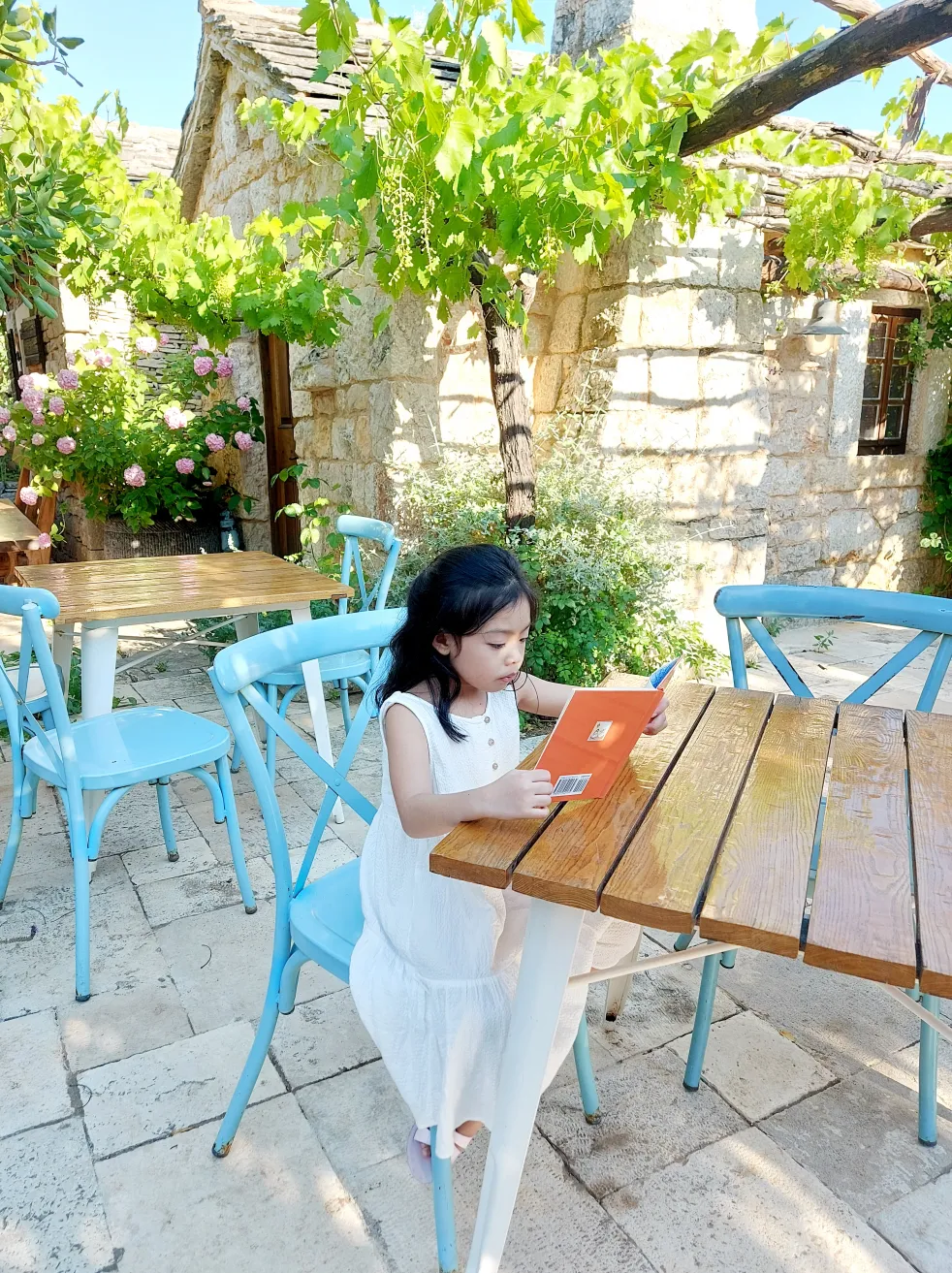
Where your child goes to school is a big decision and shouldn’t be taken lightly. Given how their education can impact their future, you might be tempted to take control and decide for them. However, you might be doing more damage than helping them in the long run. Your job as parents is to support… Continue reading HOW TO CHOOSE THE BEST SCHOOL FOR YOUR CHILD

As poet and philosopher Rumi once eloquently said, “raise your words, not your voice. It is rain that grows flowers, not thunder.” Parenting is a challenging journey, and the truth is that nobody has everything figured out. One parenting style might suit others best, and some might favor other methods. However, children respond better to… Continue reading A SIMPLE GUIDE TO GENTLE PARENTING

Whether you’re a new mom to be, mom of a toddler, mom who have school-aged kids, you’re bound to have so many questions. Let's start with your baby's skin. Infant skin has unique needs; gentle care is essential to prevent damage to the skin barrier, which can lead to irritation. When caring for infant skin,… Continue reading Keeping Baby’s Diapered Skin Healthy
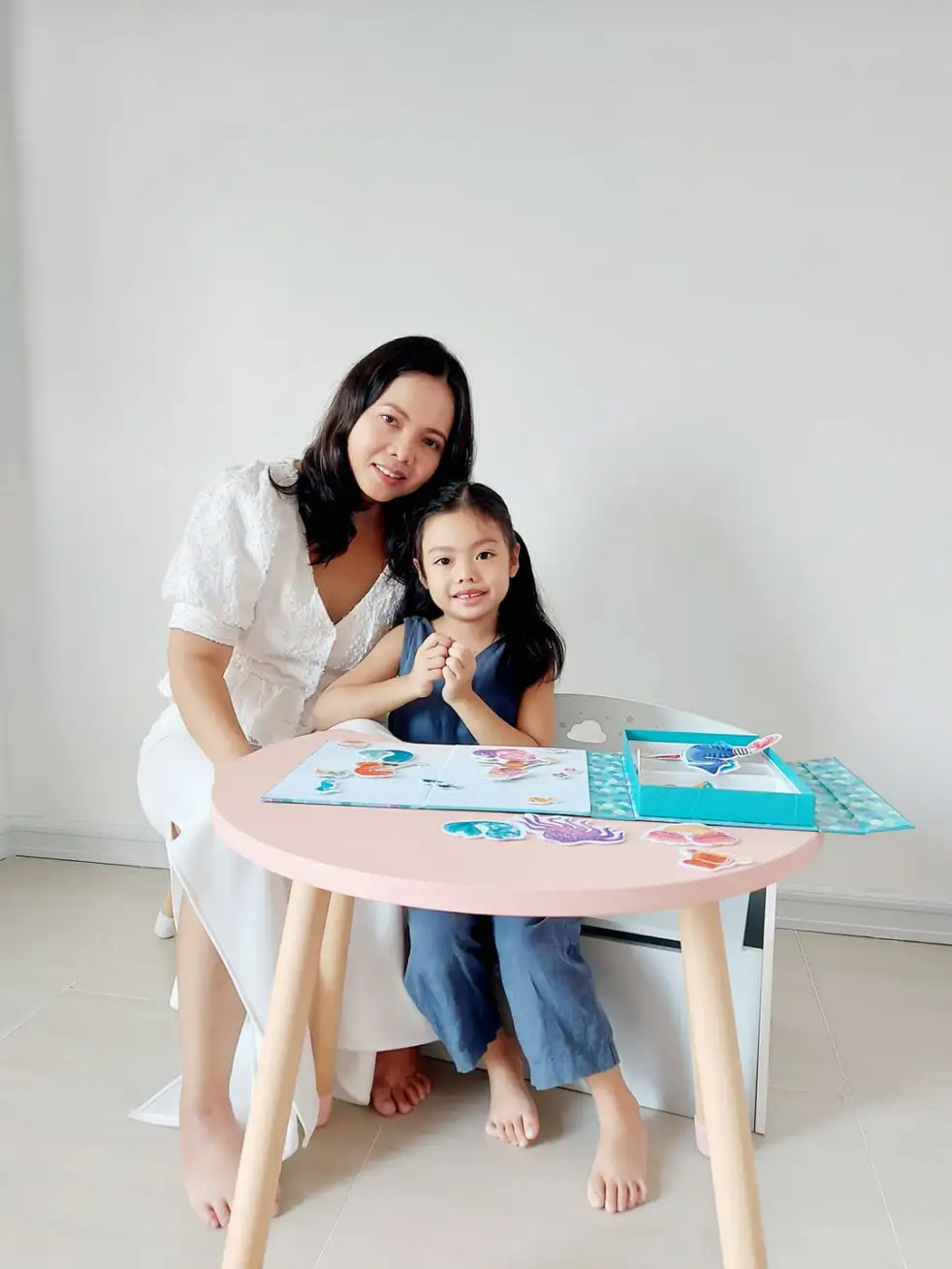
As parents, we want to give our child the best possible start in life and that begins with nurturing their intelligence. Throughout history, the notion of success has been linked to academic intelligence. However, there has been an increased awareness on the importance of emotional intelligence. This question gets at the heart of the never-ending… Continue reading IQ or EQ, which one is a better predictor of your child’s success?
 wondermomma.net