
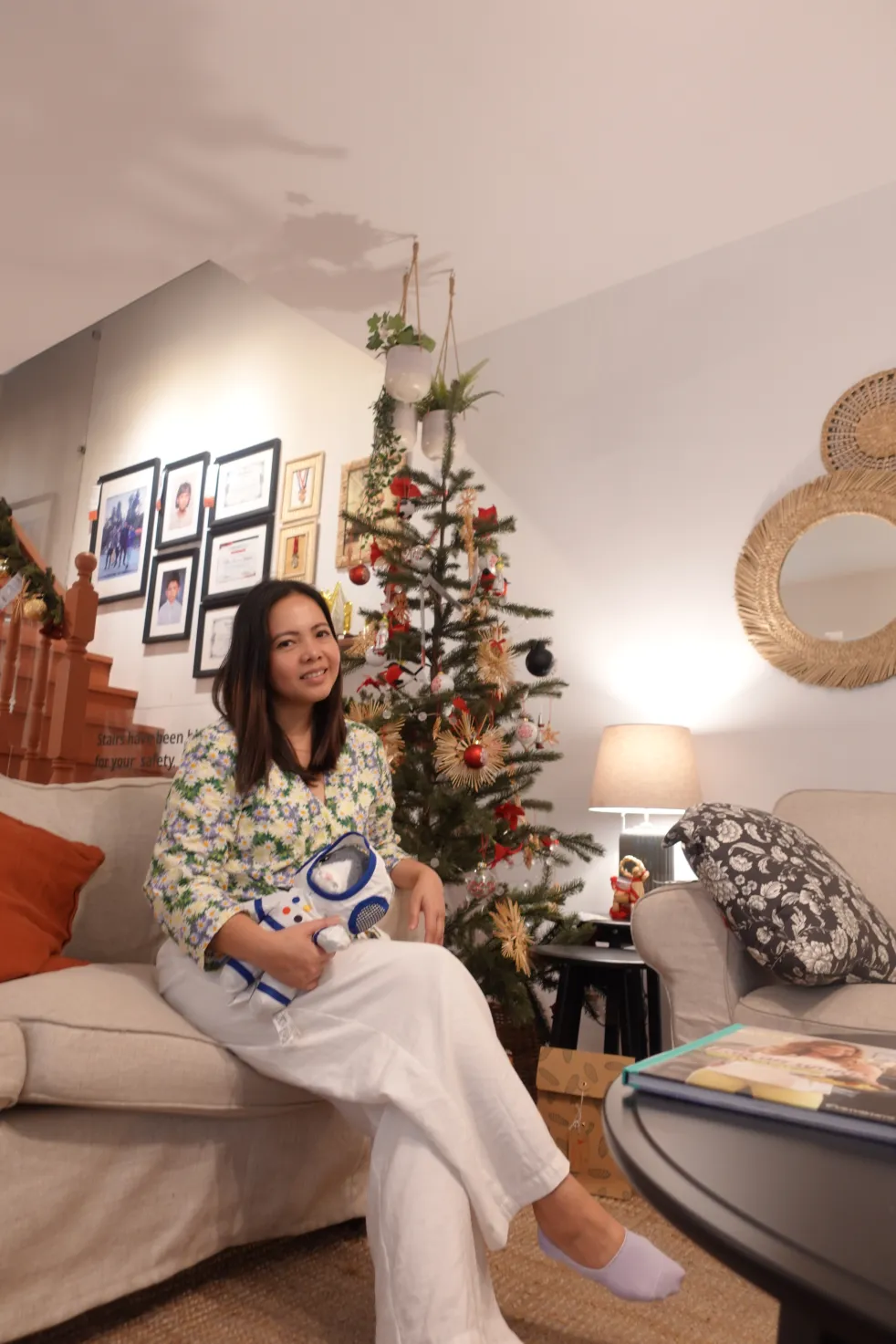
Last August, IKEA Philippines engaged with Better World Smokey Mountain, a newly opened community center operated by the San Miguel Foundation, which shares a similar goal of improving the lives of many Filipino people. Through this partnership, IKEA Philippines provided and assembled home furnishings for the classrooms and library of Better World Smokey Mountain community… Continue reading Help Create a Better World with IKEA Soft Toys
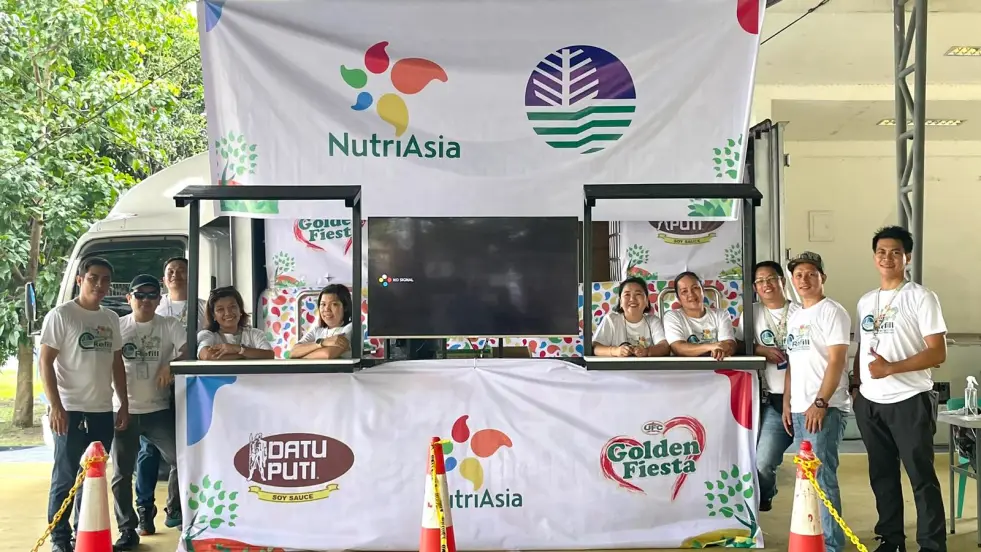
NutriAsia, the country’s top producer of condiments and sauces, continues its support of Refill Revolution; a project by the Department of Environment and Natural Resources EMB 3 that aims to help reduce Filipinos’ single-use plastics consumption. At Refill Revolution, residents get to recycle their single-use plastic bottles by reusing and filling it with their choice… Continue reading NutriAsia and DENR renews partnership for Refill Revolution
Create a cosy family reading nook everyone will use
A family reading nook gives books a visible, welcoming place in everyday life. It does not need to be a dedicated room or an expensive makeover. A quiet corner in the loungeroom, a section of a child’s bedroom or a sunny spot near a window can become a shared space for stories, independent reading and relaxed family time.
The best reading corner reflects how your household actually lives. Some families may read after school, while others fit in a few pages before bed or enjoy picture books during a slow Sunday morning. In Australia, where homes can range from compact city flats to spacious suburban houses, the right nook is one that feels comfortable rather than perfectly styled.
A thoughtful setup can also support children who find transitions difficult. A predictable reading routine, soft lighting and familiar books may help a child settle after a busy day. If outings or public spaces sometimes bring big feelings, these gentle calming strategies can complement the sense of safety created at home.
Choose a practical spot
Start by observing where your family naturally slows down. A corner beside the sofa may work better than an unused area upstairs because parents can supervise younger children while folding washing or preparing dinner. If the home has an open-plan layout, a small rug and low bookcase can define the reading area without making it feel closed off.
Natural light is useful during the day, but avoid placing books in strong direct sun, which can fade covers and make a nook uncomfortably warm. A spot near a window with curtains or blinds offers flexibility. In warmer parts of Australia, cross-ventilation and a ceiling fan can make summer reading more pleasant, while a draughty corner may need a floor lamp and a washable throw during winter.
Think about noise as well as appearance. A reading nook beside a television or a busy kitchen may be attractive but difficult to use. If space is limited, create a portable nook with a basket of books, a cushion and a small blanket that can move from the lounge to a bedroom when the household gets noisy.
Make comfort work for children
Children need furniture that matches their size and stage of development. A firm floor cushion, foam mat or low armchair can give preschoolers a stable place to sit. Older children may prefer a beanbag, bench seat or lounge chair where they can read independently. Choose washable covers and avoid loose cords, unstable shelving or furniture that can tip.
A nook should invite different reading positions. Include a cushion for lying down, a supportive seat for looking at longer books and enough floor space for a parent and child to sit together. Toddlers often move while listening, so comfort does not have to mean sitting perfectly still. A small blanket can make story time feel special without turning the area into a cluttered fort.
Safety matters particularly for babies and toddlers. Anchor bookcases to the wall, keep heavy items on lower shelves and check that baskets do not have sharp edges or loose handles. Avoid placing a cot, changing table or climbable furniture directly beside a window. A simple setup is often easier to supervise and maintain.
Organise books for easy access
Display a selection with covers facing out, especially for babies and young children who respond to pictures. A low shelf or forward-facing rack lets children make their own choices and see the range clearly. Store most books nearby in a closed cupboard or sturdy basket, then rotate the collection every few weeks to renew interest.
Organise books in a way that suits your household rather than following a strict system. You might group picture books, early readers, nonfiction, poetry and chapter books separately. Another approach is to create baskets for bedtime stories, Australian authors, animal books or current interests such as space, dinosaurs and vehicles.
Keep favourites within easy reach and place delicate pop-up books higher if younger siblings share the nook. A “return basket” can prevent books from being left across the house, although children may need help learning to use it. Regularly repair torn pages, recycle books that are no longer safe and pass on duplicates through a local op shop, school fundraiser or community book exchange.
Add light, texture and personality
Lighting can determine whether a nook is used after sunset. Daylight is ideal for shared reading, but a warm lamp makes the space inviting in the evening. Choose a stable lamp with a covered bulb and position it so that the light falls across the page rather than into a child’s eyes. Rechargeable lamps may suit rentals or areas without a nearby power point.
Use a few textures to create warmth: a washable rug, cotton cushions, a knitted throw or a fabric wall hanging. Australian homes can become very hot in the afternoon, so choose breathable materials rather than thick layers that trap heat. A light cotton canopy or sheer curtain may soften the space, but it should be securely fitted and kept away from heaters and lamps.
Personality can come from book-themed artwork, children’s drawings or a framed family photograph. A small plant may add colour, provided it is non-toxic and placed out of reach. There is no need to match every item. A nook feels more meaningful when it includes objects connected to the family, such as a shell collected at the beach or a handmade bookmark from school.
Build a reading rhythm
The nook becomes valuable through regular use, not decoration alone. Set aside a consistent time that fits your household, such as a few stories after dinner, a Saturday morning read or ten quiet minutes after school. Calling it a “reading arvo” can make the routine feel relaxed rather than like another formal task.
Let children choose some of the books, even when their selections seem repetitive. Re-reading supports language development, memory and confidence. Parents can pause to notice illustrations, predict what might happen or connect the story to daily life. These conversations matter more than rushing through a set number of pages.
For babies, reading may involve pointing at pictures, singing, naming objects and turning pages together. Preschoolers may enjoy acting out a story, while primary school children can alternate between silent reading and reading aloud. Older children may appreciate a comfortable nook for graphic novels, magazines, audiobooks with headphones or school projects.
In Australia, library visits can keep the collection fresh without adding to the household budget. Local council libraries often run story time, school-holiday activities and summer reading programs. Borrowing books also introduces children to authors and perspectives beyond the titles commonly seen in supermarkets.
Keep the nook flexible and welcoming
A family reading nook should change as children grow. A baby may need board books and a padded floor, while a primary school reader may need a brighter task lamp and a small writing surface. Review the space each season and remove items that are no longer useful. In a rental, removable hooks, freestanding shelves and baskets can achieve plenty without permanent changes.
Budget-friendly materials are easy to find. A second-hand armchair, an op-shop basket or a flat-pack shelf from Bunnings can be adapted with cushions and a fresh coat of child-safe paint. Before buying, measure the area and check doorways, shelving height and cleaning requirements. A beautiful piece that blocks a walkway will quickly become frustrating.
Leave room for the nook to be imperfect. Books may pile up, cushions may move and children may use the area for drawing or quiet play. The aim is to create a dependable invitation to read, talk and rest. When the space feels accessible rather than precious, children are more likely to return to it on their own.
A successful family reading space can be as simple as a rug, a basket of carefully chosen books and a comfortable place to sit together. Add good lighting, safe storage and a routine that suits Australian family life, then allow the nook to develop naturally. Over time, it can become a familiar part of home life where stories are shared, questions are welcomed and reading feels like a pleasure rather than a chore.

Mercato Centrale, in collaboration with Indian Women in Enterprise Philippines (I-We), is set to host "The Great Indian Fiesta" to mark 75 years of friendship between India and the Philippines. The dynamic two-day event is scheduled to take place on September 30 to October 1, 2023, at Paseo De Roxas Street, Makati City. Aiming to… Continue reading Mercato Centrale Partners with I-We to Host ‘The Great Indian Fiesta’, Commemorating 75 Years of India-Philippines Friendship

My stomach would usually start growling at 10 am even after taking a big breakfast. This is probably because I am a morning person and I move a lot throughout the day hence snacking is something that I can't avoid. This potatoes and chicken wrap recipe is easy to prepare and would keep me full… Continue reading Potato and Chicken Wrap
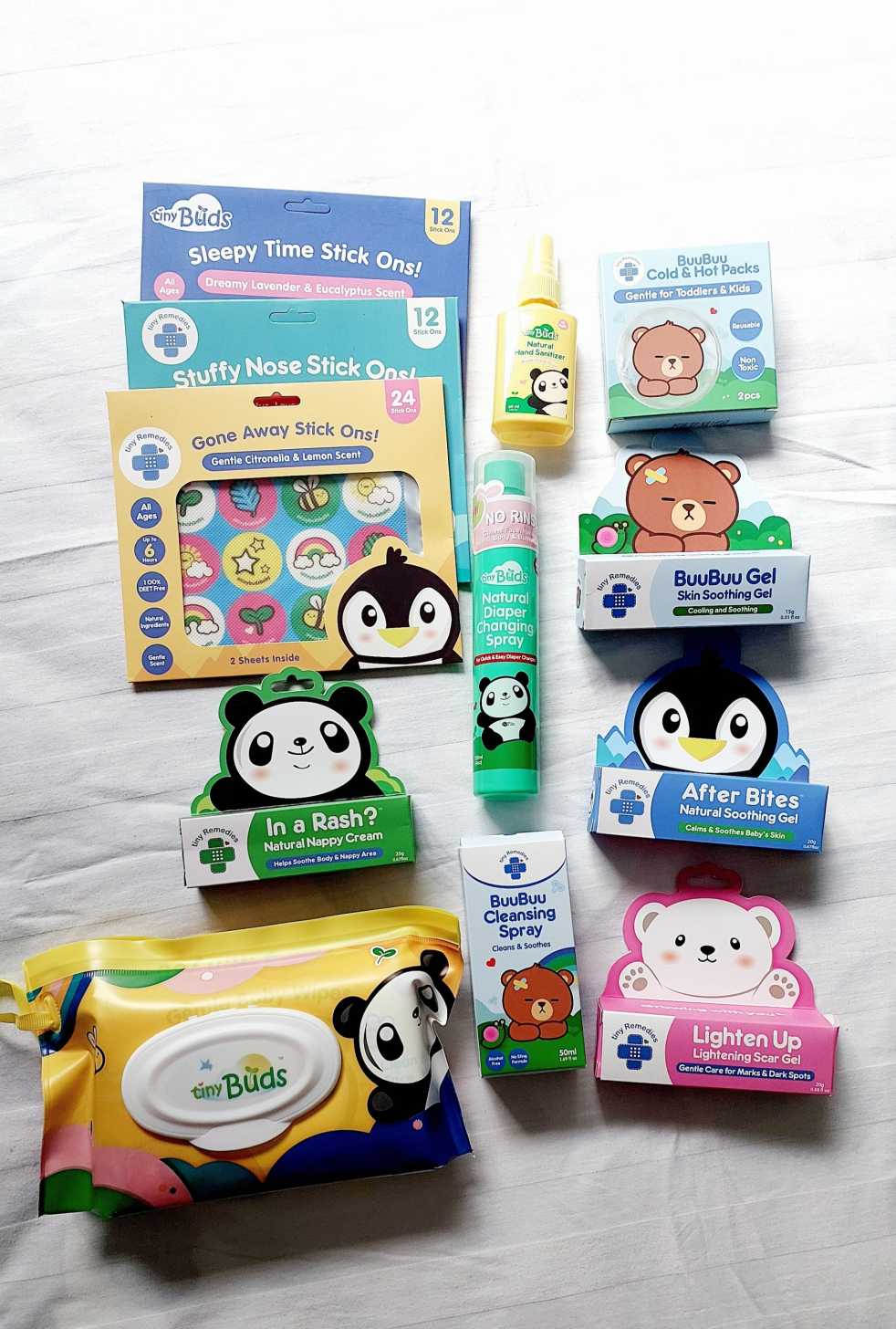
Your baby’s skin is more delicate than most, this is why you have to choose products that are designed for sensitive skin. Tiny Buds is a pioneer in integrating natural ingredients into baby care and today has over 50 innovative natural baby care essentials and is one of the Top Baby Personal Care brands. Here… Continue reading Product Review: Tiny Buds Baby Naturals Baby Essentials
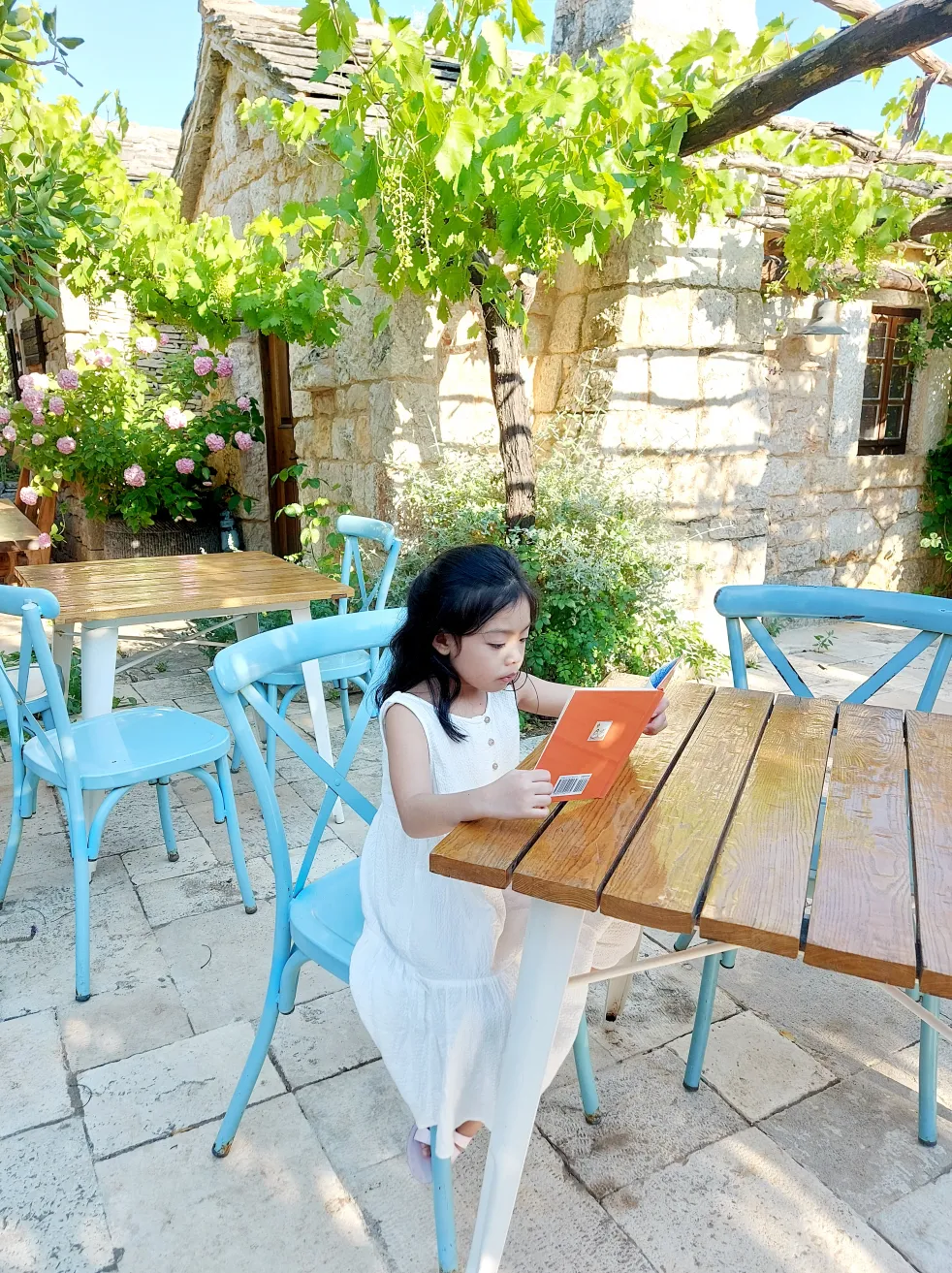
Where your child goes to school is a big decision and shouldn’t be taken lightly. Given how their education can impact their future, you might be tempted to take control and decide for them. However, you might be doing more damage than helping them in the long run. Your job as parents is to support… Continue reading HOW TO CHOOSE THE BEST SCHOOL FOR YOUR CHILD
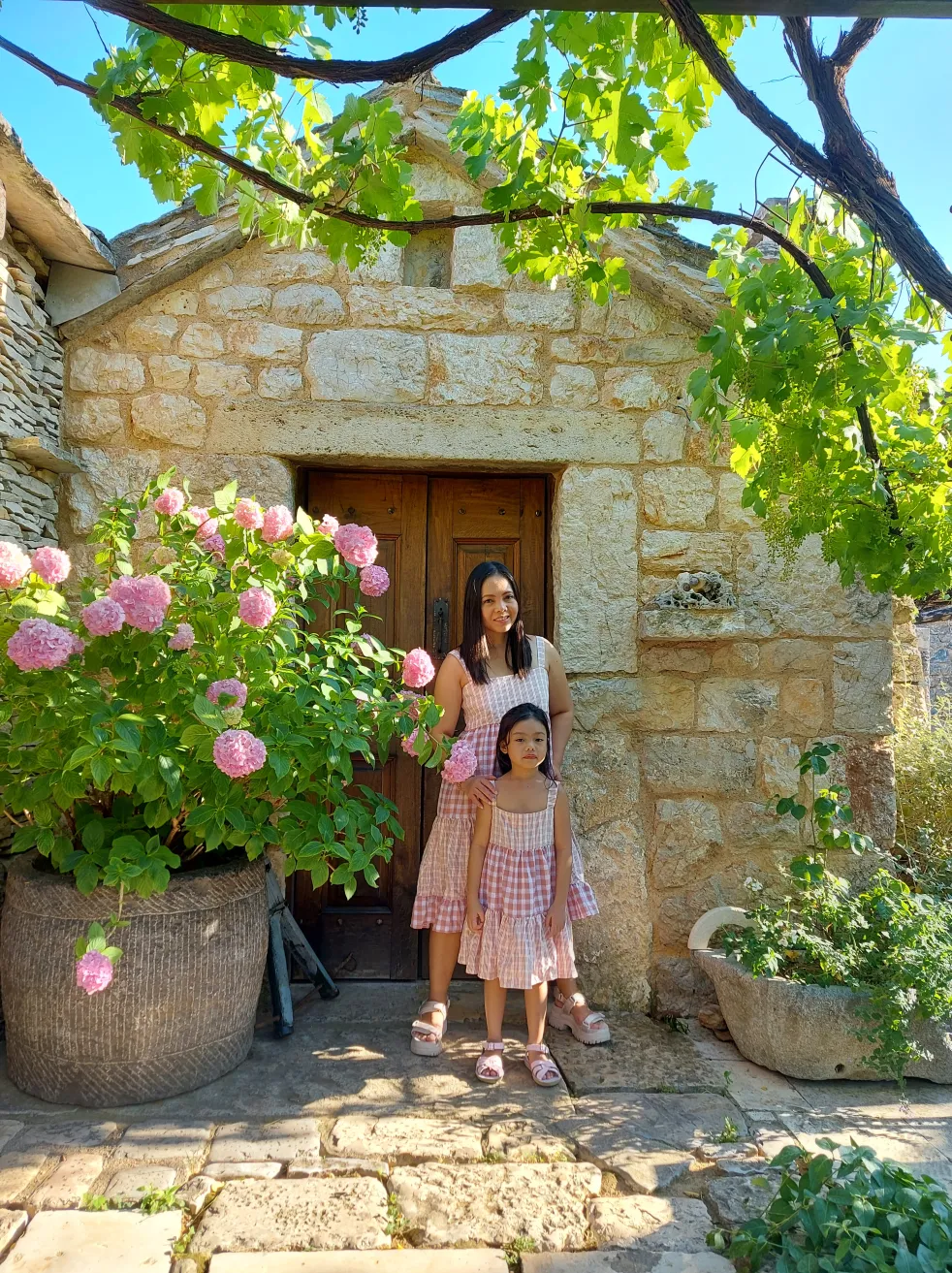
As poet and philosopher Rumi once eloquently said, “raise your words, not your voice. It is rain that grows flowers, not thunder.” Parenting is a challenging journey, and the truth is that nobody has everything figured out. One parenting style might suit others best, and some might favor other methods. However, children respond better to… Continue reading A SIMPLE GUIDE TO GENTLE PARENTING
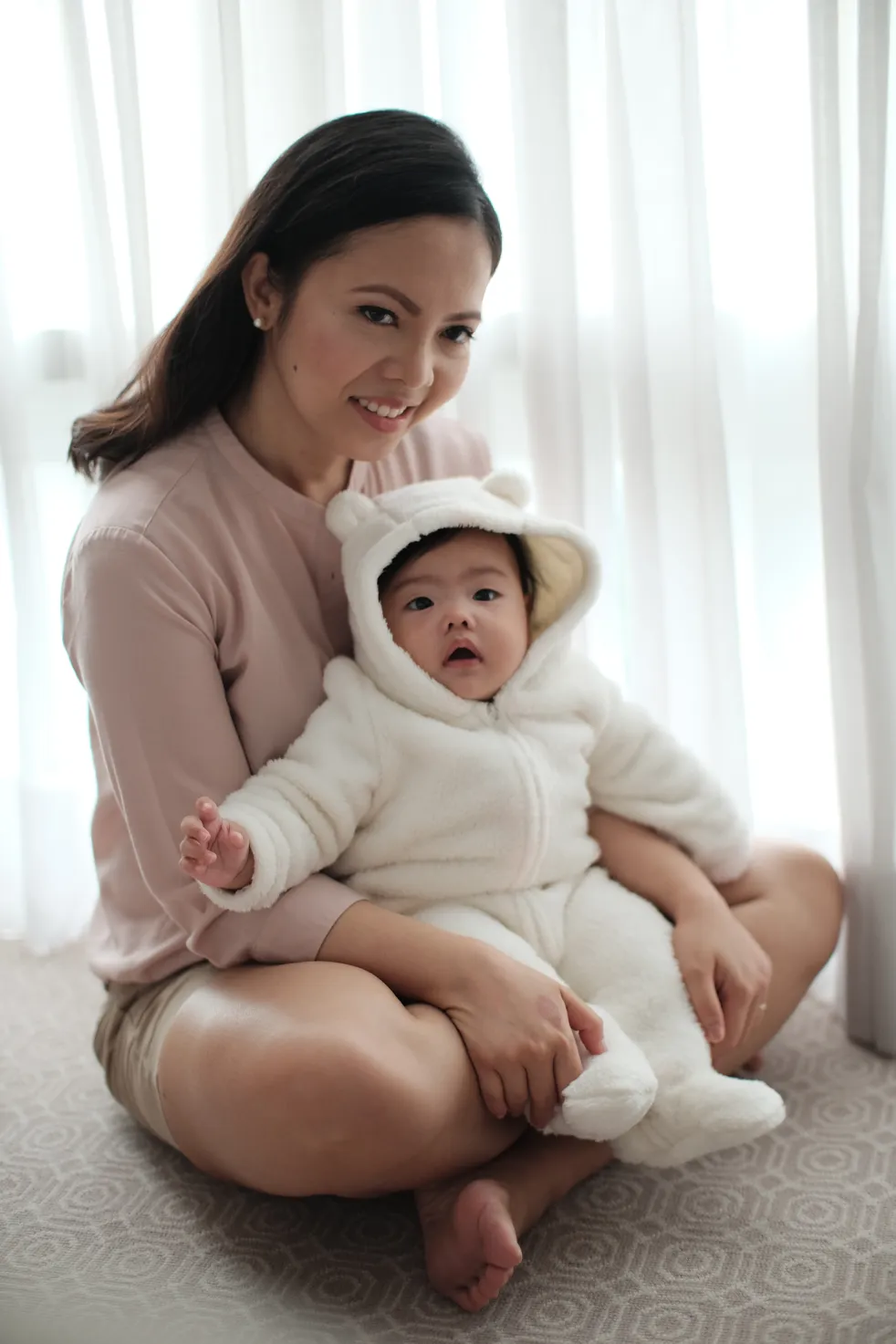
Whether you’re a new mom to be, mom of a toddler, mom who have school-aged kids, you’re bound to have so many questions. Let's start with your baby's skin. Infant skin has unique needs; gentle care is essential to prevent damage to the skin barrier, which can lead to irritation. When caring for infant skin,… Continue reading Keeping Baby’s Diapered Skin Healthy
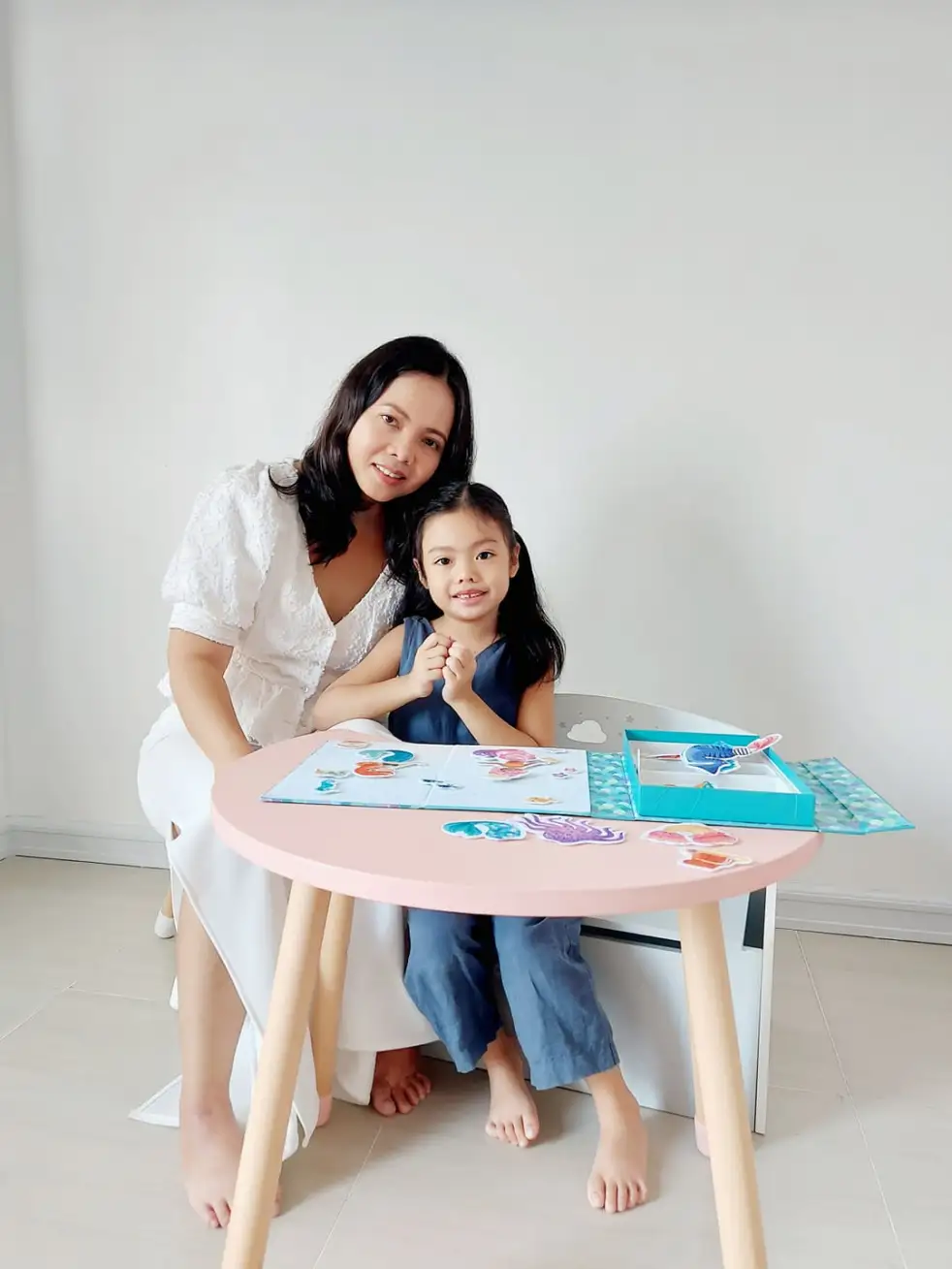
As parents, we want to give our child the best possible start in life and that begins with nurturing their intelligence. Throughout history, the notion of success has been linked to academic intelligence. However, there has been an increased awareness on the importance of emotional intelligence. This question gets at the heart of the never-ending… Continue reading IQ or EQ, which one is a better predictor of your child’s success?
 wondermomma.net