

Last August, IKEA Philippines engaged with Better World Smokey Mountain, a newly opened community center operated by the San Miguel Foundation, which shares a similar goal of improving the lives of many Filipino people. Through this partnership, IKEA Philippines provided and assembled home furnishings for the classrooms and library of Better World Smokey Mountain community… Continue reading Help Create a Better World with IKEA Soft Toys
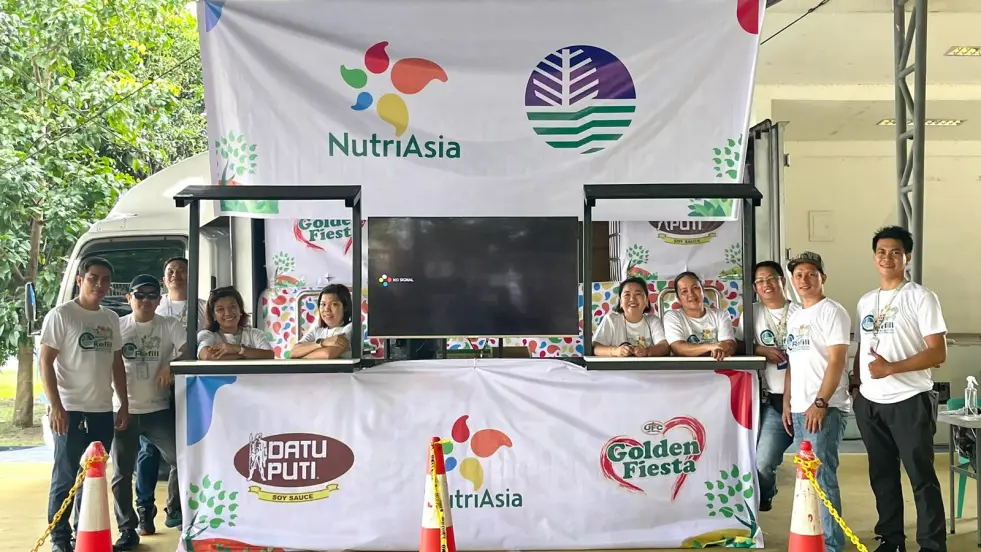
NutriAsia, the country’s top producer of condiments and sauces, continues its support of Refill Revolution; a project by the Department of Environment and Natural Resources EMB 3 that aims to help reduce Filipinos’ single-use plastics consumption. At Refill Revolution, residents get to recycle their single-use plastic bottles by reusing and filling it with their choice… Continue reading NutriAsia and DENR renews partnership for Refill Revolution

Gentle Ways to Handle Public Meltdowns
A child’s public meltdown can feel overwhelming, especially when strangers are watching, time is limited, and everyone in the family is already tired. A tantrum in a supermarket, mall, restaurant, or jeepney may bring embarrassment, but it is usually a sign that a young child has reached the limit of their emotional or sensory capacity.
Children do not always have the language, self-control, or maturity to explain that they are hungry, overstimulated, disappointed, frightened, or exhausted. Their distress comes out through crying, shouting, dropping to the floor, hitting, or refusing to move. A calm and respectful response helps the child feel safe while teaching them that strong feelings can be managed.
Gentle parenting does not mean allowing unsafe or disrespectful behaviour. It means holding a clear boundary without shaming the child. With preparation, connection, and a few practical strategies, parents can handle difficult moments with greater confidence and compassion.
Prepare before leaving home
Many public tantrums can be reduced by considering a child’s basic needs before heading out. A hungry, sleepy, hot, or uncomfortable child is more likely to lose control. Offer a meal or snack at an appropriate time, bring water, and consider whether the outing fits your child’s current energy level.
Young children also benefit from knowing what to expect. Explain the plan in simple language: “We are going to the grocery store, we will buy food, and then we will go home.” If there is a limit on toys or treats, mention it before entering the shop rather than during a conflict.
A small bag with familiar items can make outings easier. Depending on your child’s age, this might include a snack, comfort object, headphones, tissues, or a quiet toy. In busy Philippine malls, markets, and family gatherings, a short break from bright lights, crowds, and noise can prevent sensory overload.
Regulate yourself first
When a child screams in public, a parent’s body may immediately tense. You may feel the pressure to stop the noise quickly or worry about judgment from other people. Take one slow breath, lower your voice, and remind yourself that your child needs a regulated adult more than a perfect response.
Use fewer words while the meltdown is happening. A long explanation or repeated demand can add to the child’s overload. Try a calm statement such as, “You are very upset. I am here,” or “I will keep you safe.” Your facial expression, body position, and tone often communicate more effectively than a lecture.
If another trusted adult is present, divide responsibilities. One person can take the child to a quieter place while the other gathers belongings or finishes the purchase. If you are alone, it is acceptable to leave the queue or pause the errand. Protecting your child’s wellbeing matters more than completing a shopping trip.
Connect before correcting
During the peak of a meltdown, reasoning skills are temporarily limited. The child may not be able to listen to a lesson about patience, manners, or consequences. Start with emotional connection by naming what you observe without blame: “You wanted the blue cup, and we are not buying it today. That feels really hard.”
Validation does not mean agreeing to every demand. It communicates that the feeling makes sense, even when the behaviour has a limit. You can say, “It is okay to feel angry. I will not let you hit me,” or “You wanted to keep playing. It is time to leave, and I will help you.”
Give physical space when needed. Some children calm with a hug, while others become more distressed when touched. Stay nearby, keep your movements slow, and offer a choice: “Would you like a cuddle or space beside me?” If your child is too upset to answer, quietly remain available without forcing contact.
| Situation | Gentle response | Boundary to keep |
|---|---|---|
| Crying because a treat was refused | “You really wanted that biscuit. You are disappointed.” | “We are not buying it today.” |
| Screaming while leaving a playground | “Leaving is hard when you are having fun.” | “Playtime is finished. I will help you go.” |
| Hitting or kicking | “You are angry, and I will keep everyone safe.” | “I will stop your hands and feet from hurting people.” |
| Running away in a crowded place | “You want to move, but this area is busy.” | “You must hold my hand or stay in the stroller.” |
| Overload from noise or crowds | “It is very loud here. Your body needs a quiet space.” | “We are taking a break away from the crowd.” |
Set clear, calm limits
A public meltdown may include behaviour that is unsafe, such as hitting, biting, throwing objects, running into traffic, or pulling items from shelves. Gentle discipline requires immediate action when safety is at risk. Move objects away, block a hit, hold a young child securely if necessary, or carry them to a safer place using a steady voice.
Keep the limit short and specific. “I will not let you hit” is clearer than “Stop being naughty.” Avoid threats that you do not intend to keep, public humiliation, or comments about what other people think. Shame may stop a behaviour briefly, but it does not teach the child what to do with anger or disappointment.
Offer two acceptable choices when your child is able to respond. For example: “You may walk beside me or sit in the trolley,” or “You can hold my hand or I can carry you.” Choices provide a sense of control without removing the adult boundary.
Do not negotiate endlessly during the outburst. Repeat the limit once or twice, then focus on safety and calming. The lesson can come later, when your child’s brain is ready to listen and reflect.
Move to a calmer place
Changing the environment is often more effective than insisting that a child calm down in the exact spot where the meltdown began. Move to the side of a shop, a quiet hallway, an outdoor area, or the family car if it is safe. In a restaurant, ask for a brief pause away from crowded tables rather than trying to manage the entire episode beside other diners.
Speak softly and reduce stimulation. Turn down music, move away from bright displays, and limit the number of adults talking to the child. If a relative or bystander offers advice, a simple “Thank you, we are giving them a quiet moment” can protect the child’s space.
Some children need several minutes before they can accept comfort. Stay close without demanding eye contact or immediate silence. A child who is crying in your arms, breathing slowly beside you, or sitting quietly with a comfort item is already beginning to recover.
Use support without feeling judged
Parents often worry that a public tantrum reflects poor parenting. In reality, almost every family experiences difficult moments, and strangers usually see only a small part of the situation. Your responsibility is to respond safely and respectfully, not to perform calmness for an audience.
Accept practical help from people you trust. A partner, grandparent, older sibling, or friend may be able to carry a bag, speak to staff, or guide another child away from the scene. If someone is critical, you do not need to defend your whole parenting approach. “We are handling it, thank you” is enough.
For outings with toddlers, plan an exit route and keep expectations realistic. A child may manage a short supermarket trip but struggle after a long day at an event. Build in breaks, allow extra time, and remember that leaving early is sometimes the most caring choice.
Helpful phrases to keep ready
- “You are safe. I am staying with you.”
- “You may be angry, but I will not let you hurt anyone.”
- “You wanted more time. It is hard to stop.”
- “Your body is having a big feeling. Let us find a quieter place.”
- “I will help you. We can talk when you are calm.”
Teach and reconnect afterwards
When the child has fully calmed, keep the follow-up brief and warm. Start with reconnection: offer water, a cuddle if wanted, or a quiet activity. Then describe what happened without labelling the child as bad. “You were angry when we left. You screamed and kicked. Next time, you can say ‘more time’ or squeeze my hand.”
Practise replacement skills at home when everyone is calm. Role-play asking for help, waiting, leaving a favourite activity, or choosing a calming tool. Picture cards, simple feeling words, and playful breathing exercises can help toddlers and preschoolers build emotional vocabulary.
A child does not need punishment for having a feeling, but they may need to repair harm caused during the meltdown. This could mean helping pick up thrown items, checking on someone who was hurt, or practising a safer way to express anger. Keep the repair connected to the action rather than forcing an apology before the child understands it.
If meltdowns are extremely frequent, last unusually long, involve serious self-injury, or interfere with daily life, discuss them with a paediatrician or child development professional. Hearing, speech, sleep, sensory, developmental, and emotional factors can all affect a child’s ability to cope.
A public meltdown is a hard moment, not a measure of your worth as a parent or your child’s character. Prepare for predictable triggers, stay close, set firm safety limits, and return to teaching after the storm has passed. Save these phrases, share the approach with your child’s caregivers, and practise one calming strategy during your next family outing.

Mercato Centrale, in collaboration with Indian Women in Enterprise Philippines (I-We), is set to host "The Great Indian Fiesta" to mark 75 years of friendship between India and the Philippines. The dynamic two-day event is scheduled to take place on September 30 to October 1, 2023, at Paseo De Roxas Street, Makati City. Aiming to… Continue reading Mercato Centrale Partners with I-We to Host ‘The Great Indian Fiesta’, Commemorating 75 Years of India-Philippines Friendship

My stomach would usually start growling at 10 am even after taking a big breakfast. This is probably because I am a morning person and I move a lot throughout the day hence snacking is something that I can't avoid. This potatoes and chicken wrap recipe is easy to prepare and would keep me full… Continue reading Potato and Chicken Wrap
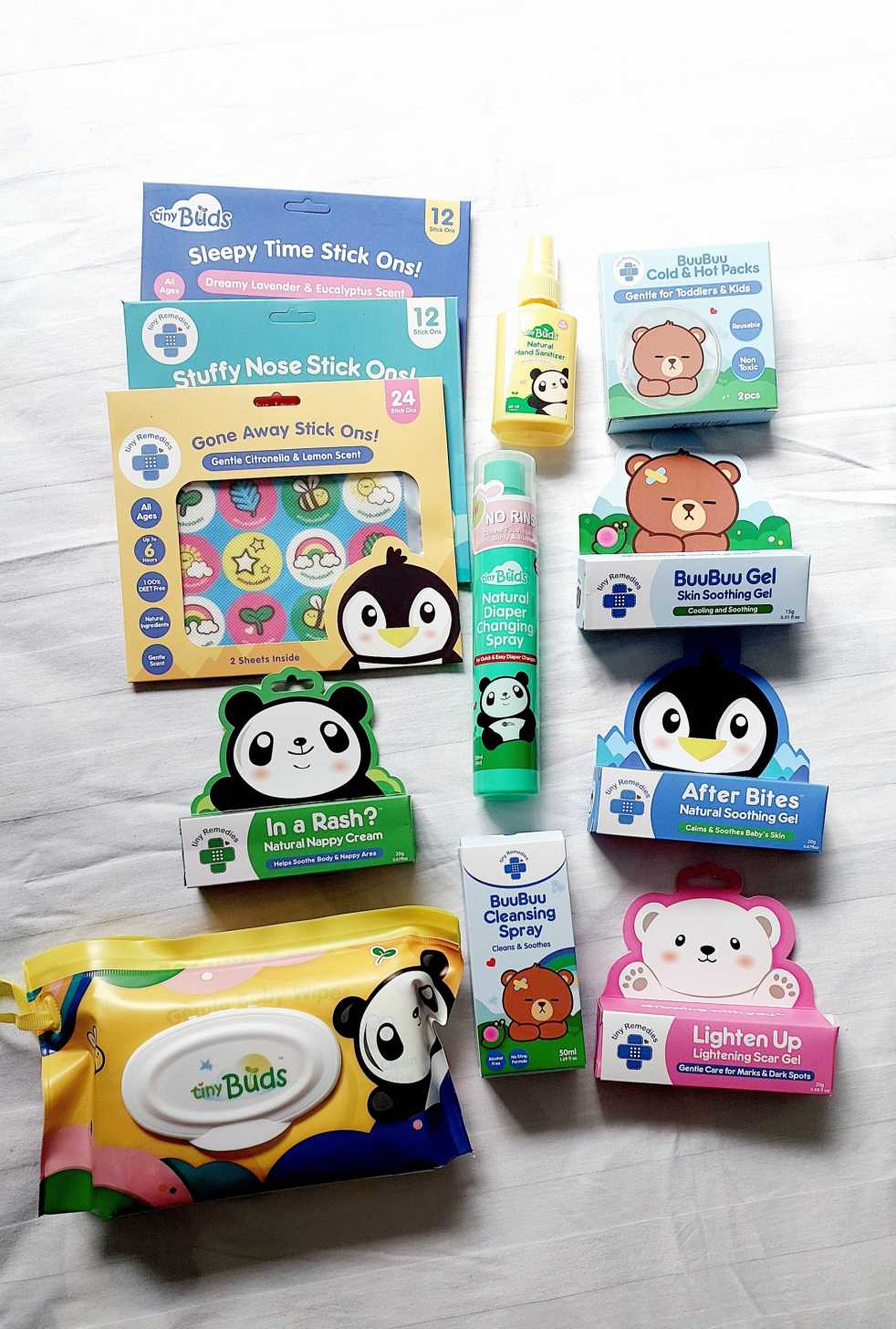
Your baby’s skin is more delicate than most, this is why you have to choose products that are designed for sensitive skin. Tiny Buds is a pioneer in integrating natural ingredients into baby care and today has over 50 innovative natural baby care essentials and is one of the Top Baby Personal Care brands. Here… Continue reading Product Review: Tiny Buds Baby Naturals Baby Essentials
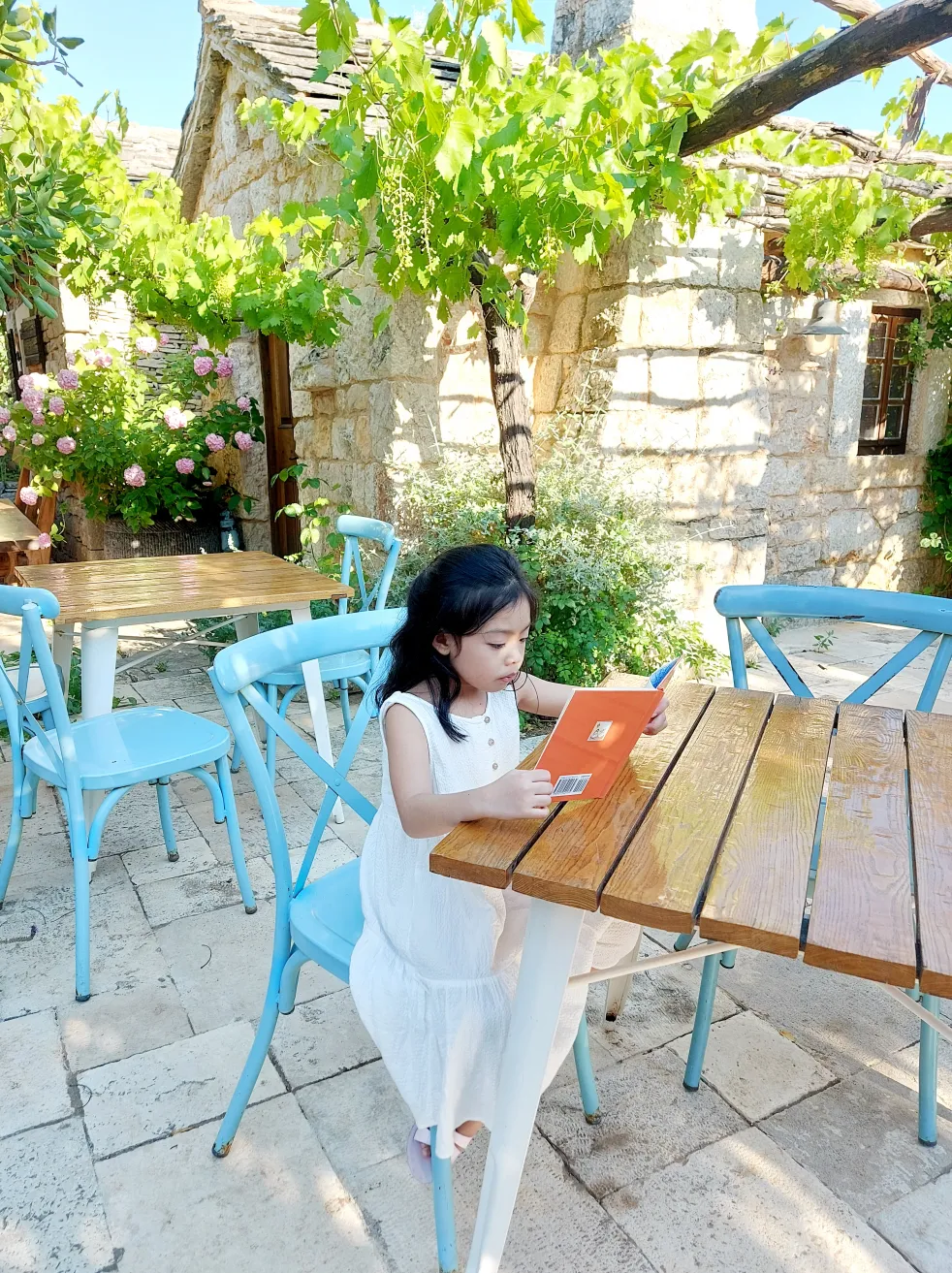
Where your child goes to school is a big decision and shouldn’t be taken lightly. Given how their education can impact their future, you might be tempted to take control and decide for them. However, you might be doing more damage than helping them in the long run. Your job as parents is to support… Continue reading HOW TO CHOOSE THE BEST SCHOOL FOR YOUR CHILD
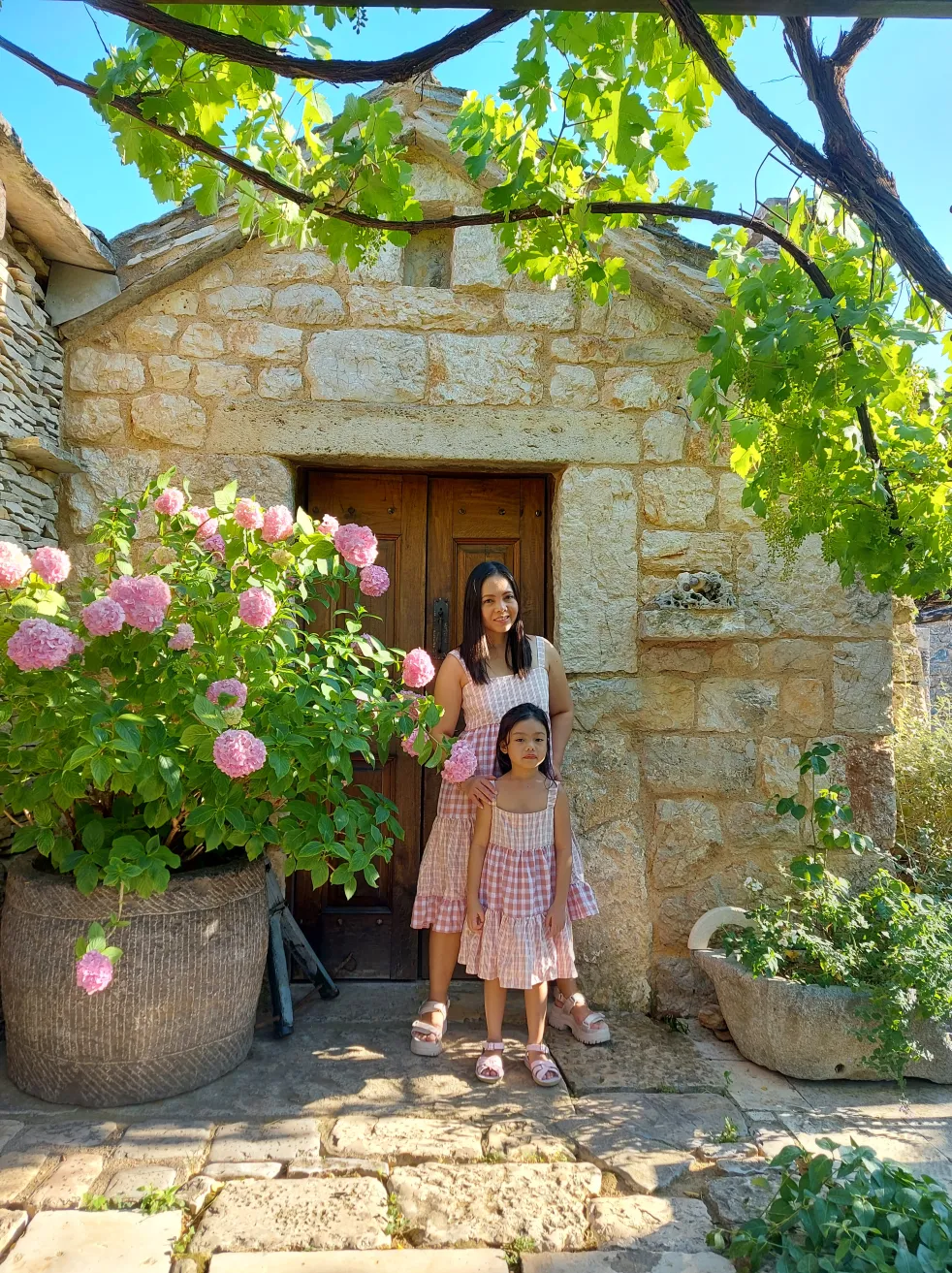
As poet and philosopher Rumi once eloquently said, “raise your words, not your voice. It is rain that grows flowers, not thunder.” Parenting is a challenging journey, and the truth is that nobody has everything figured out. One parenting style might suit others best, and some might favor other methods. However, children respond better to… Continue reading A SIMPLE GUIDE TO GENTLE PARENTING

Whether you’re a new mom to be, mom of a toddler, mom who have school-aged kids, you’re bound to have so many questions. Let's start with your baby's skin. Infant skin has unique needs; gentle care is essential to prevent damage to the skin barrier, which can lead to irritation. When caring for infant skin,… Continue reading Keeping Baby’s Diapered Skin Healthy
As parents, we want to give our child the best possible start in life and that begins with nurturing their intelligence. Throughout history, the notion of success has been linked to academic intelligence. However, there has been an increased awareness on the importance of emotional intelligence. This question gets at the heart of the never-ending… Continue reading IQ or EQ, which one is a better predictor of your child’s success?
 wondermomma.net