

Last August, IKEA Philippines engaged with Better World Smokey Mountain, a newly opened community center operated by the San Miguel Foundation, which shares a similar goal of improving the lives of many Filipino people. Through this partnership, IKEA Philippines provided and assembled home furnishings for the classrooms and library of Better World Smokey Mountain community… Continue reading Help Create a Better World with IKEA Soft Toys

NutriAsia, the country’s top producer of condiments and sauces, continues its support of Refill Revolution; a project by the Department of Environment and Natural Resources EMB 3 that aims to help reduce Filipinos’ single-use plastics consumption. At Refill Revolution, residents get to recycle their single-use plastic bottles by reusing and filling it with their choice… Continue reading NutriAsia and DENR renews partnership for Refill Revolution

Gentle ways to set boundaries when your toddler hits or bites
Toddlers may hit, bite, scratch or push when big feelings move faster than their language. A child who lashes out is not necessarily being defiant or “naughty”; they may be tired, overwhelmed, frustrated, excited or unable to explain what they need. Gentle parenting still includes firm limits, safety and follow-through.
The aim is to stop the behaviour calmly while teaching a safer alternative. Your toddler needs to learn that biting hurts, hands are not for hitting, and adults will step in every time. They also need help returning to calm before they can absorb a lesson.
In busy Australian homes, triggers can appear during the morning rush to childcare, a hot afternoon at the park in Brisbane or Perth, or a crowded supermarket trip in Melbourne or Sydney. Hunger, skipped naps and too much stimulation often sit underneath an aggressive moment.
A respectful response protects everyone without shaming the child. It separates the toddler from the behaviour: hitting is unacceptable, but the child remains worthy of connection, guidance and care.
| What is happening | Calm boundary | Helpful next step |
|---|---|---|
| Your toddler hits you | “I won’t let you hit. I’m moving my body back.” | Offer a cushion to push or help them use words |
| Your toddler bites another child | “Biting hurts. I’m stopping you.” | Comfort the child who was bitten, then supervise closely |
| Your toddler hits during a transition | “You wanted more play. It’s time to leave.” | Give a brief choice and visual warning |
| Your toddler is too distressed to listen | “You’re safe. I’m here. I won’t let anyone get hurt.” | Reduce noise, wait for calm, then teach |
Stop the action with a simple limit
Move close and use a low, steady voice. Gently block the hand, remove your arm from reach or place your body between children. Keep the first sentence short: “I won’t let you hit,” “Biting hurts,” or “Hands stay gentle.” A long explanation is difficult for a distressed toddler to process.
Avoid grabbing, smacking or threatening. These responses can frighten a child and model the very behaviour you are trying to stop. Your physical intervention should be protective rather than punitive, using only the amount of contact needed to prevent injury.
If your toddler continues, repeat the same words without adding anger. Consistency makes the boundary predictable. In Australian early learning services governed by the National Quality Framework, educators are expected to protect children from harm and use positive guidance rather than corporal punishment. Home responses can reflect that same standard.
Name the feeling without excusing the behaviour
Once the immediate danger has passed, put the likely feeling into words. “You were angry when I turned off the television,” or “You wanted the truck and felt upset when Liam took it.” You may not guess perfectly, but the language gives your child a useful emotional map.
Then connect the feeling to the limit: “It is okay to feel angry. It is not okay to bite.” This distinction supports emotional regulation while keeping the rule clear. Avoid labelling your toddler as a “biter” or “violent”; labels can become part of how children understand themselves.
Toddlers often need repeated practice before they can use a replacement behaviour independently. Teach phrases such as “my turn,” “help please,” “stop,” or “move back.” For children with limited speech, pointing, simple signs or picture cards can make communication easier.
Offer a safe replacement for hitting and biting
A replacement should meet the same sensory or emotional need as closely as possible. If your child bites when teething or tired, offer a chilled teething ring, a firm food that is safe for their age, or a drink of water. Supervise anything used for chewing and follow current choking-safety advice.
For a toddler who needs to discharge energy, suggest stomping feet, pushing against a wall, squeezing playdough, tearing scrap paper or hitting a cushion. Say, “You can hit the cushion, not people.” Do not present these activities as a reward for hurting someone; introduce them during calm moments so they are familiar before the next outburst.
Practise when everyone is settled. Use a teddy bear to demonstrate gentle hands, role-play asking for a turn, or sing a short phrase such as “stop, hands down.” Play-based learning suits the approach used in Australia’s Early Years Learning Framework, which values responsive relationships and children’s developing agency.
Make transitions easier to manage
Many incidents happen when a preferred activity ends. Give a warning before leaving the playground, bath or screen time: “Five more minutes, then shoes.” A visual timer, photo schedule or simple “first-then” statement can make the change more concrete. For example, “First pyjamas, then one story.”
Offer two acceptable choices rather than opening a negotiation about the limit. “Do you want to walk to the car or hold my hand?” keeps the adult boundary intact while giving the child some control. In a childcare routine, the same approach might be used for packing away, washing hands or moving to lunch.
Plan around predictable pressure points. Carry a snack for the trip home, allow extra time before preschool, and avoid adding errands after a very long day when possible. A tired toddler in a pram at a busy Westfield or shopping strip may have far less capacity than they had that morning.
Support the child after an incident
First attend to the person who was hurt, especially if another child has been bitten. Say, “Mia is crying because the bite hurt. I’m going to help her.” This teaches empathy without forcing your toddler to perform an apology before they are ready. When calm, your child can offer a gentle gesture, fetch an ice pack with help or say “sorry” if they understand the meaning.
Check the injury. A bite that breaks the skin may need prompt medical advice because human bites can become infected. Wash the area with soap and running water, apply gentle pressure for bleeding and contact a GP or health service if the wound is deep, on the face or showing redness, swelling or discharge.
Your toddler may also need reconnection with you. A cuddle, quiet drink or sitting beside them can restore safety after the limit. Comfort is not approval; children learn best when they feel secure enough to listen and try again.
Create a calmer space for big feelings
A small, welcoming area can help your toddler settle before behaviour escalates. Add a soft mat, a few books, cushions and perhaps a sensory toy, keeping it free from objects that could be thrown. Present it as a place to calm down with an adult, not a punishment corner or locked-away isolation space.
Ideas for setting up this kind of area are explained in this calming corner guide, which can help families choose simple materials and make the space feel reassuring. In a hot Australian summer, keep the area cool, shaded and well ventilated rather than treating it as a closed retreat.
Stay nearby while your toddler is highly upset. Use few words, slow breathing and a relaxed posture. Some children want a hug; others need space. You can say, “I’m close by. You are safe. I won’t let you hurt me.” Connection should be offered, never forced.
Look for patterns and seek support
Keep a brief record for several days: what happened before the incident, the time, who was present, how your child responded and what helped. Patterns may reveal hunger, disrupted sleep, teething, language frustration, sensory overload or a particular transition. Share useful observations with childcare educators so adults can respond consistently.
Frequent or severe biting and hitting deserves professional support, especially if injuries occur, the behaviour appears across settings, your child loses skills or communication seems delayed. Start with your GP or child and family health nurse. In Australia, families can also speak with their local Child and Family Health Service, such as those provided through state and territory health departments.
A professional can check hearing, development, sleep, pain and emotional factors while helping you build a practical plan. Seek urgent help when anyone is seriously injured or your child cannot be kept safely away from others. Gentle boundaries are strongest when adults combine warmth, clear limits, supervision and timely support.

Mercato Centrale, in collaboration with Indian Women in Enterprise Philippines (I-We), is set to host "The Great Indian Fiesta" to mark 75 years of friendship between India and the Philippines. The dynamic two-day event is scheduled to take place on September 30 to October 1, 2023, at Paseo De Roxas Street, Makati City. Aiming to… Continue reading Mercato Centrale Partners with I-We to Host ‘The Great Indian Fiesta’, Commemorating 75 Years of India-Philippines Friendship

My stomach would usually start growling at 10 am even after taking a big breakfast. This is probably because I am a morning person and I move a lot throughout the day hence snacking is something that I can't avoid. This potatoes and chicken wrap recipe is easy to prepare and would keep me full… Continue reading Potato and Chicken Wrap
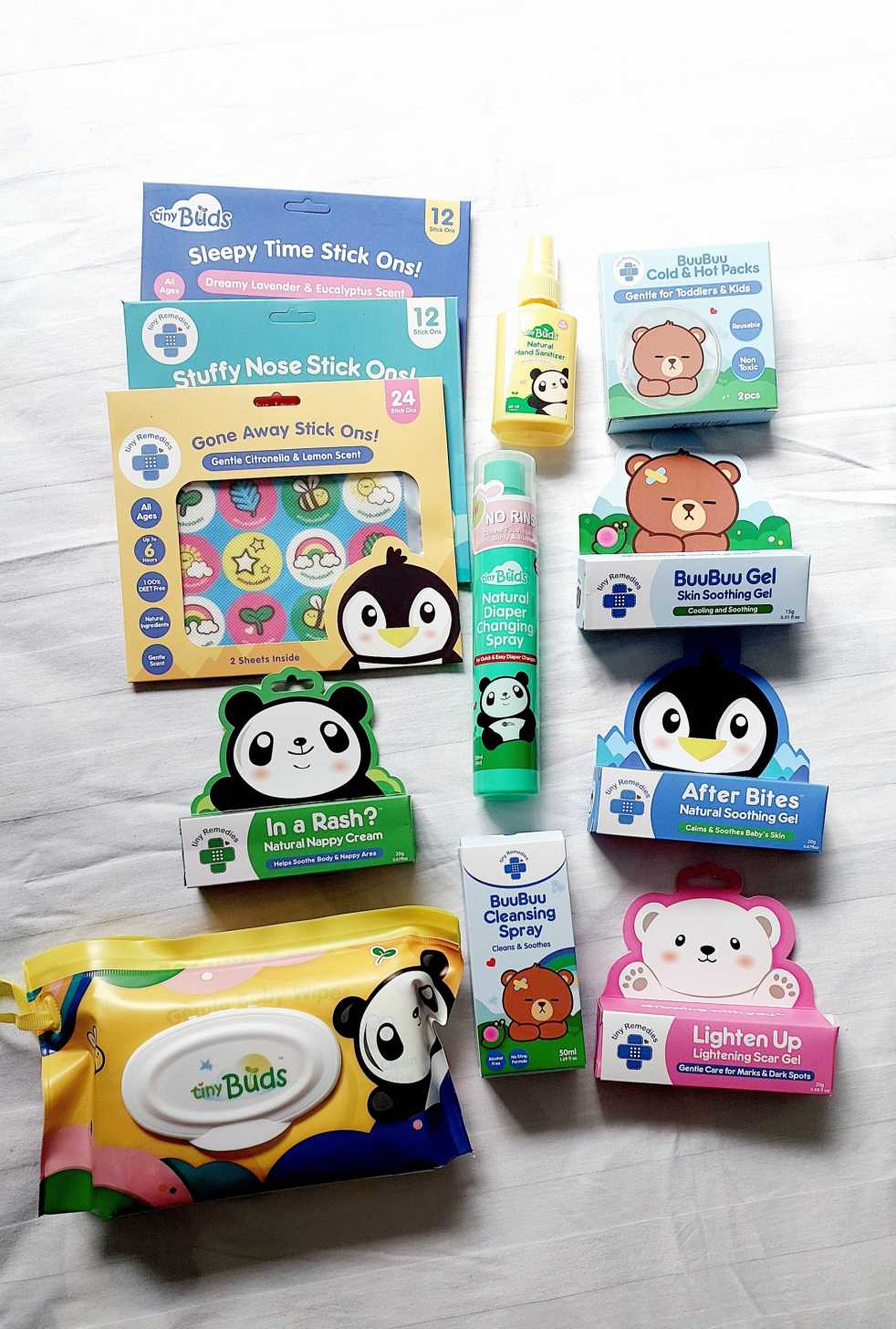
Your baby’s skin is more delicate than most, this is why you have to choose products that are designed for sensitive skin. Tiny Buds is a pioneer in integrating natural ingredients into baby care and today has over 50 innovative natural baby care essentials and is one of the Top Baby Personal Care brands. Here… Continue reading Product Review: Tiny Buds Baby Naturals Baby Essentials
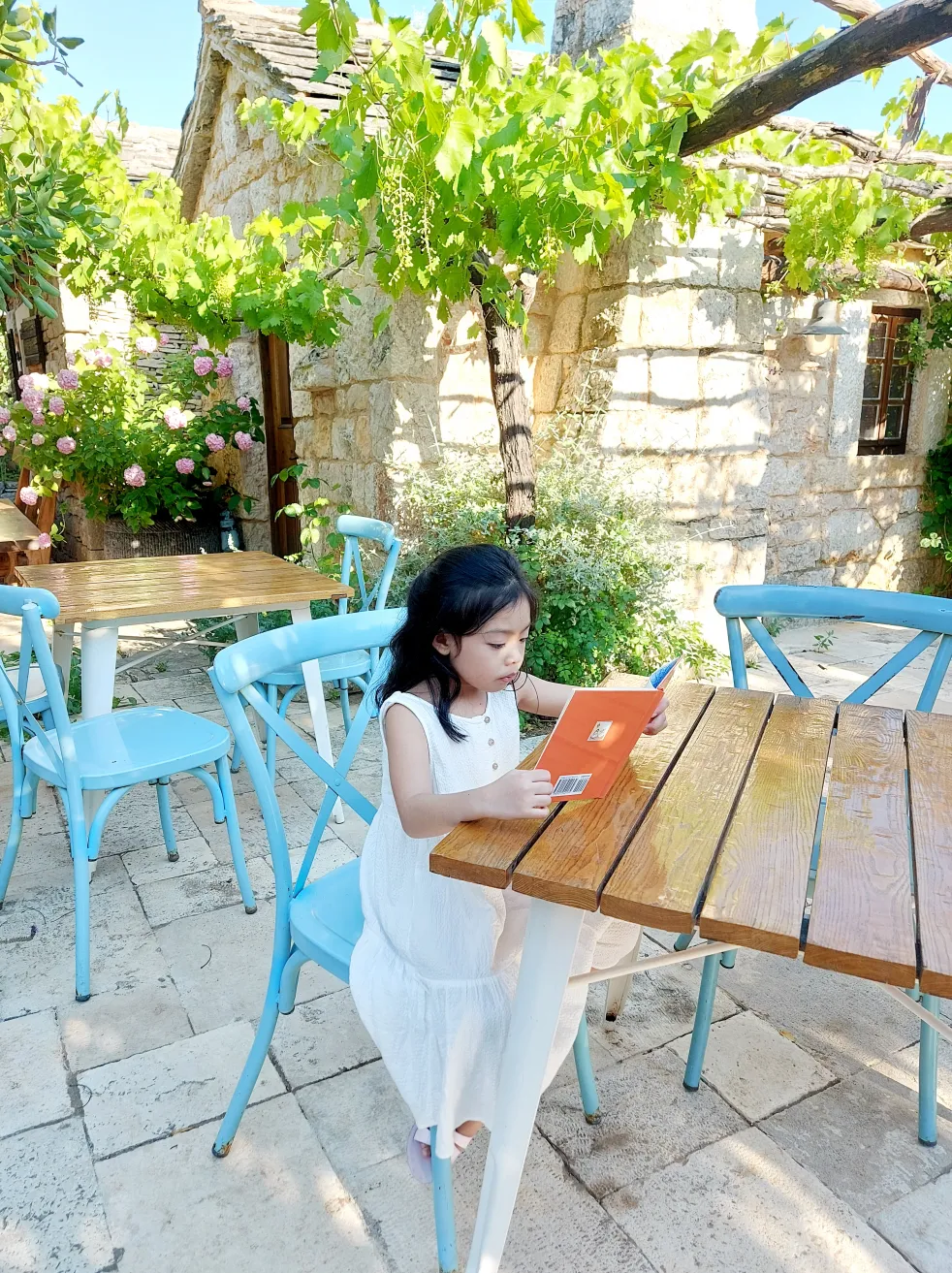
Where your child goes to school is a big decision and shouldn’t be taken lightly. Given how their education can impact their future, you might be tempted to take control and decide for them. However, you might be doing more damage than helping them in the long run. Your job as parents is to support… Continue reading HOW TO CHOOSE THE BEST SCHOOL FOR YOUR CHILD

As poet and philosopher Rumi once eloquently said, “raise your words, not your voice. It is rain that grows flowers, not thunder.” Parenting is a challenging journey, and the truth is that nobody has everything figured out. One parenting style might suit others best, and some might favor other methods. However, children respond better to… Continue reading A SIMPLE GUIDE TO GENTLE PARENTING

Whether you’re a new mom to be, mom of a toddler, mom who have school-aged kids, you’re bound to have so many questions. Let's start with your baby's skin. Infant skin has unique needs; gentle care is essential to prevent damage to the skin barrier, which can lead to irritation. When caring for infant skin,… Continue reading Keeping Baby’s Diapered Skin Healthy
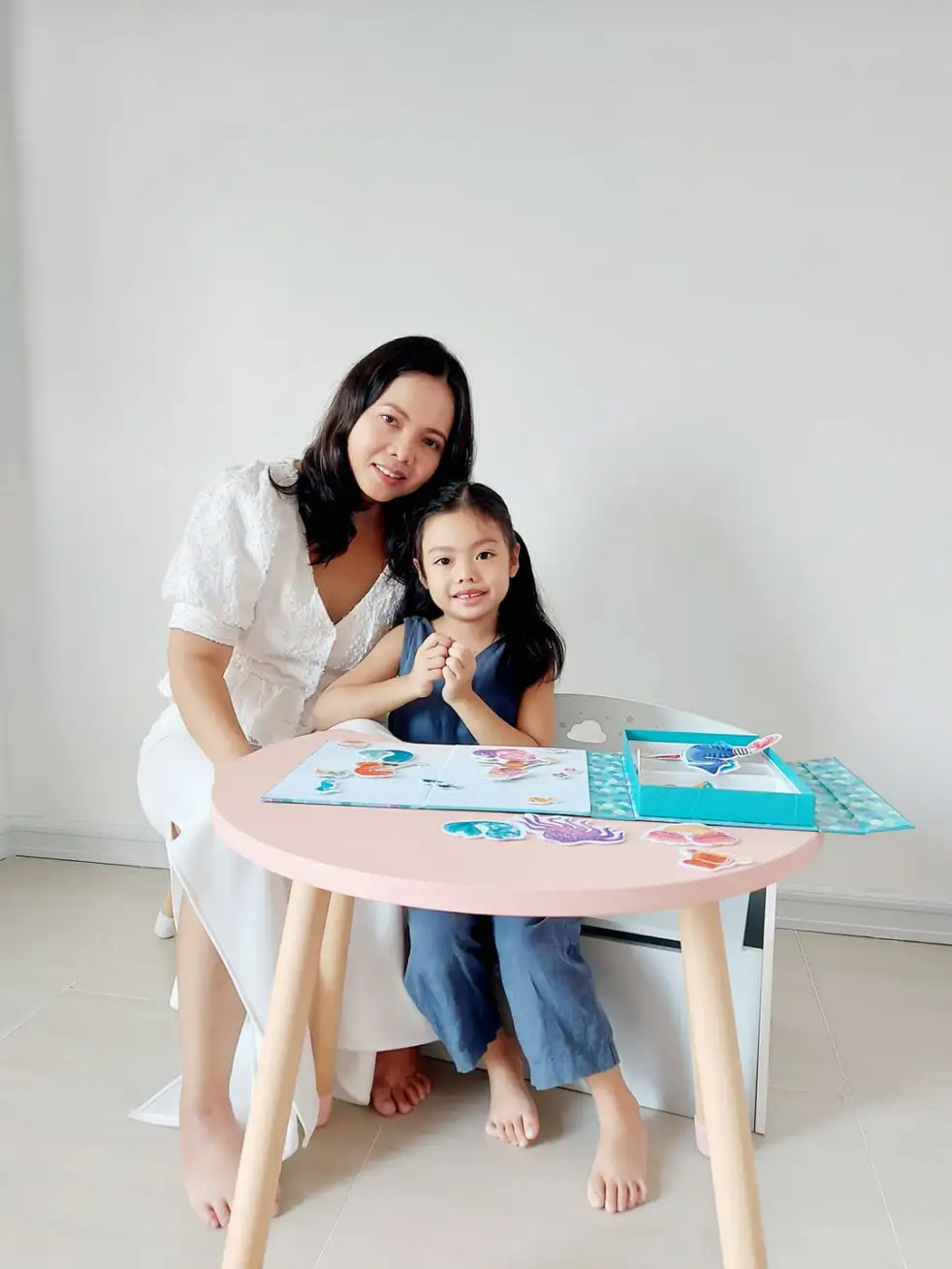
As parents, we want to give our child the best possible start in life and that begins with nurturing their intelligence. Throughout history, the notion of success has been linked to academic intelligence. However, there has been an increased awareness on the importance of emotional intelligence. This question gets at the heart of the never-ending… Continue reading IQ or EQ, which one is a better predictor of your child’s success?
 wondermomma.net