
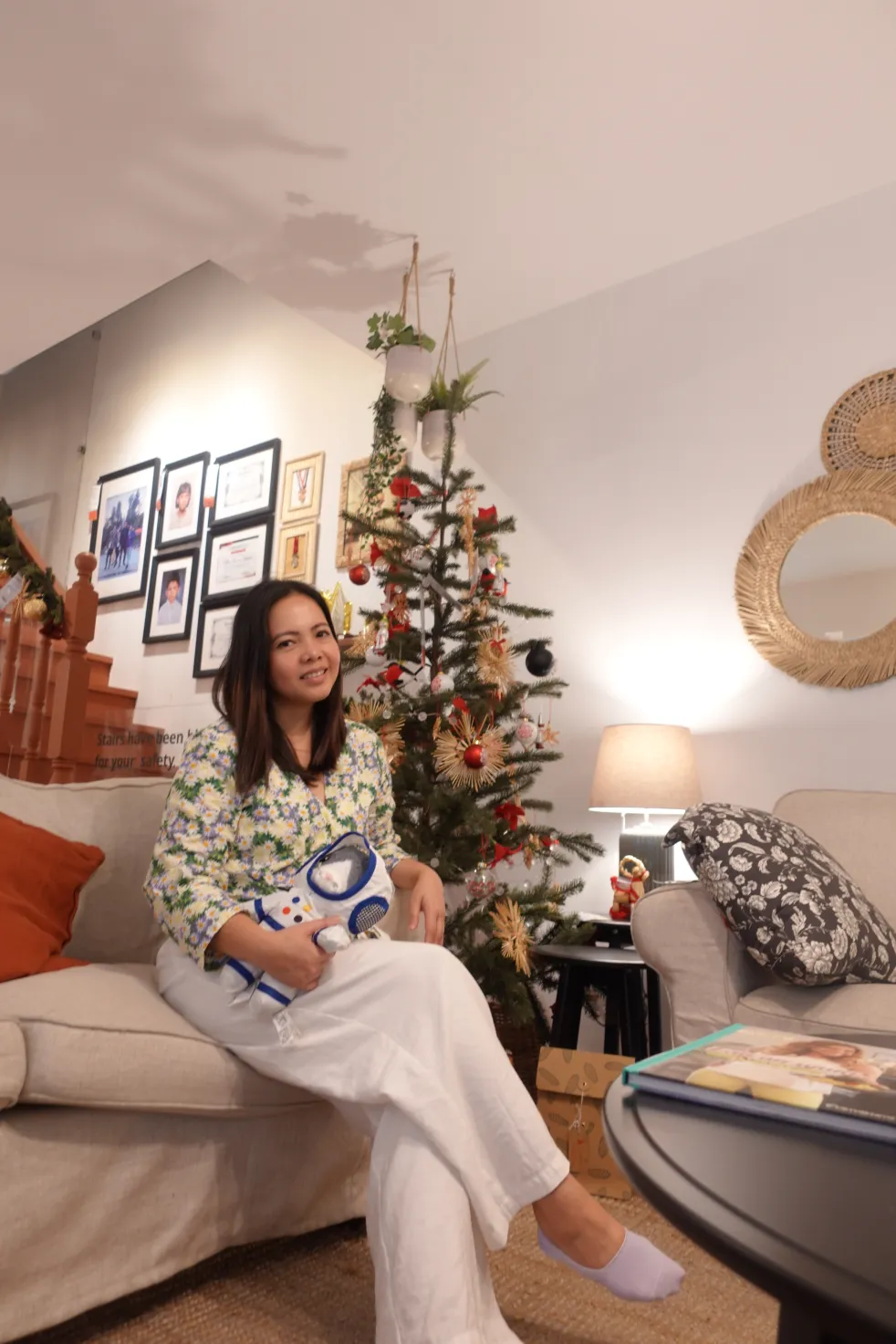
Last August, IKEA Philippines engaged with Better World Smokey Mountain, a newly opened community center operated by the San Miguel Foundation, which shares a similar goal of improving the lives of many Filipino people. Through this partnership, IKEA Philippines provided and assembled home furnishings for the classrooms and library of Better World Smokey Mountain community… Continue reading Help Create a Better World with IKEA Soft Toys

NutriAsia, the country’s top producer of condiments and sauces, continues its support of Refill Revolution; a project by the Department of Environment and Natural Resources EMB 3 that aims to help reduce Filipinos’ single-use plastics consumption. At Refill Revolution, residents get to recycle their single-use plastic bottles by reusing and filling it with their choice… Continue reading NutriAsia and DENR renews partnership for Refill Revolution

A gentle calm space for children at home
Children experience big feelings before they have the language or self-control to manage them. A loud room, a difficult transition, sibling conflict, tiredness, or an upsetting day at school can quickly become overwhelming. A calming corner gives your child a predictable place to pause, settle their body, and reconnect with a trusted adult.
This space is not a punishment area, a “naughty chair,” or somewhere to send a child away until they stop crying. It is a small, welcoming part of the home where emotions are accepted and simple regulation tools are available. The goal is to help children feel safe enough to recover, then return to family life with support.
Families can create this kind of emotional wellness space with very little money. A soft mat, a few cushions, books, and familiar sensory items may be enough. For more practical ideas about child development and family routines, explore these parenting resources alongside the approach that best suits your child.
Start with safety and connection
Choose a location that is calm but still within the family’s normal living area. A quiet corner of a bedroom, playroom, or living room may work well. Avoid placing it in a dark storage area, behind a locked door, or somewhere that makes the child feel excluded. Young children especially need to know that a parent or caregiver can reach them easily.
The space should be physically safe and easy to supervise. Secure furniture to the wall, remove choking hazards for toddlers, and avoid cords, glass objects, loose beads, or heavy items that could fall. If you use a small tent or canopy, make sure it has enough airflow and does not create a place where a child could become trapped.
Invite your child to help choose some details. Let them select a cushion colour, a picture, or one favourite soft toy. This small involvement creates ownership and communicates that the corner belongs to them. A calming space works best when it feels like an invitation rather than an adult-designed behaviour station.
Choose calming materials with care
Comfort is the foundation of a successful quiet corner. Begin with a washable rug, floor mat, beanbag, or firm cushion. Add a small blanket if your child enjoys being wrapped up, but avoid weighted blankets unless a qualified healthcare professional has recommended one and explained how to use it safely.
Sensory tools should be simple and familiar. Some children relax while looking at a glitter jar, squeezing a soft ball, tracing a textured card, or listening to gentle sounds. Others may prefer drawing, turning pages in a picture book, smelling a mild lavender-free sachet, or holding a favourite stuffed animal. Strong fragrances can trigger headaches or allergies, so unscented options are usually safer for a shared home.
Keep the selection limited. Too many toys, lights, and activities can make the area stimulating instead of peaceful. A few carefully chosen tools are easier for a child to understand and easier for a parent to maintain. Rotate items occasionally according to your child’s interests, developmental stage, and sensory preferences.
Match the space to your child
Children calm down in different ways. One child may need stillness and low light, while another needs to push against a wall, breathe loudly, or move before they can sit quietly. Observe what your child naturally does after disappointment or overstimulation, then design the space around those patterns.
| Child’s likely need | Helpful additions | Adult support |
|---|---|---|
| Quiet and reduced stimulation | Soft lighting, cushions, books, a visual timer | Lower your voice and reduce demands |
| Physical movement | Wall-push card, stretch band, floor space | Model slow stretches or animal walks |
| Tactile comfort | Fabric squares, play dough, a soft ball | Offer one item at a time |
| Help naming emotions | Feeling cards, drawing paper, crayons | Name the feeling without judging it |
| Reassurance and closeness | Family photo, comfort toy, nearby chair | Stay close or offer a hug when welcomed |
For babies and very young toddlers, the area will usually be an adult-supported comfort spot rather than an independent retreat. A floor mat beside a caregiver, a soft book, and a familiar song may be more useful than a collection of coping cards. Never leave an infant unattended with loose cushions, blankets, or small sensory objects.
Older children may want greater privacy and more control. You can agree on a signal that means they need a brief pause, while still keeping household safety rules in place. A preteen might appreciate a journal, noise-reducing headphones, or a card listing grounding exercises. The materials should grow with the child rather than becoming a decorative corner they have outgrown.
Teach how to use the corner
Introduce the calming area during a peaceful moment, not in the middle of a meltdown. Sit with your child and explain that everyone sometimes needs help when feelings become too strong. Demonstrate one or two tools, such as smelling a pretend flower and blowing out a candle, taking five slow breaths, or pressing both feet firmly into the floor.
Use clear, neutral language. You might say, “Your body looks very upset. We can take a pause here,” or, “You may sit in the quiet corner while I stay nearby.” Avoid saying, “Go there until you behave,” because this connects the space with shame and isolation. The purpose is emotional regulation, not forced compliance.
Practice when your child is already calm. Pretend that a toy is frustrated, then guide it through choosing a cushion, breathing, and asking for help. Short practice sessions help children remember the steps when their thinking is affected by strong emotion. Repetition turns the corner into a familiar routine rather than an unfamiliar demand.
Use co-regulation before independence
A child may not be able to calm alone, particularly during the early years. Co-regulation means that an adult lends calm through a steady voice, patient presence, and simple choices. Sit nearby, soften your facial expression, and keep your sentences short. Long explanations can feel overwhelming when a child is crying, yelling, or hiding.
Respect personal boundaries while staying available. Some children want a hug, while others need space. Offer choices such as, “Would you like me beside you or near the doorway?” or, “Do you want the soft ball or the book?” If your child cannot answer, make the environment quieter and wait rather than adding repeated questions.
Once the child is calm, reconnect before discussing behaviour. Offer water, a cuddle, or a few quiet minutes. Later, talk briefly about what happened, what the body felt like, and what might help next time. This teaches responsibility without turning a difficult moment into a lecture.
Build calming habits into daily life
A quiet corner is more effective when it is part of a broader rhythm of rest, play, connection, and predictable routines. Children are more likely to use regulation tools when they have enough sleep, regular meals, outdoor movement, and opportunities for unhurried play. A peaceful space cannot compensate for a schedule that consistently leaves a child exhausted or overstimulated.
Use the corner before predictable pressure points. A child might spend a few minutes there after school, before homework, or before visitors arrive. This is a chance to reset, not a requirement to remain still. Keep the routine flexible so it supports the child rather than becoming another task they must perform perfectly.
Review the setup every few weeks. Remove items that are ignored, damaged, or creating arguments. Notice whether the space is too warm, too bright, difficult to clean, or located in a busy walkway. In homes in the Philippines, good ventilation and washable fabrics are especially helpful during hot or humid weather. A small fan should be positioned safely and kept away from loose fabric and children’s reach.
Simple ways to keep it welcoming
Small details can make a calming corner easier to use and maintain. Keep the area uncluttered, label baskets with pictures for younger children, and store fragile tools out of reach. Let the space remain available during ordinary moments so it does not become associated only with anger or tears.
Helpful additions may include:
- A small basket with two or three sensory tools, such as a soft ball and textured fabric
- A feelings chart with simple faces and words in the language your family uses most
- Paper and washable crayons for drawing, scribbling, or writing
- A visual timer to show that the pause will end without making the child feel rushed
- A family photo or encouraging note that reminds the child they are loved and supported
Keep expectations realistic. Your child may use the space differently from the way you imagined, or may reject it on some days. That does not mean the idea has failed. Continue offering connection, model your own calming habits, and adjust the setup when your child’s needs change.
A calming corner becomes meaningful through repeated experiences of safety, patience, and acceptance. Create the space together, introduce it gently, and use it as one tool among many for handling strong feelings. Begin with one comfortable spot and a few simple items, then give your child time to discover what helps.

Mercato Centrale, in collaboration with Indian Women in Enterprise Philippines (I-We), is set to host "The Great Indian Fiesta" to mark 75 years of friendship between India and the Philippines. The dynamic two-day event is scheduled to take place on September 30 to October 1, 2023, at Paseo De Roxas Street, Makati City. Aiming to… Continue reading Mercato Centrale Partners with I-We to Host ‘The Great Indian Fiesta’, Commemorating 75 Years of India-Philippines Friendship

My stomach would usually start growling at 10 am even after taking a big breakfast. This is probably because I am a morning person and I move a lot throughout the day hence snacking is something that I can't avoid. This potatoes and chicken wrap recipe is easy to prepare and would keep me full… Continue reading Potato and Chicken Wrap
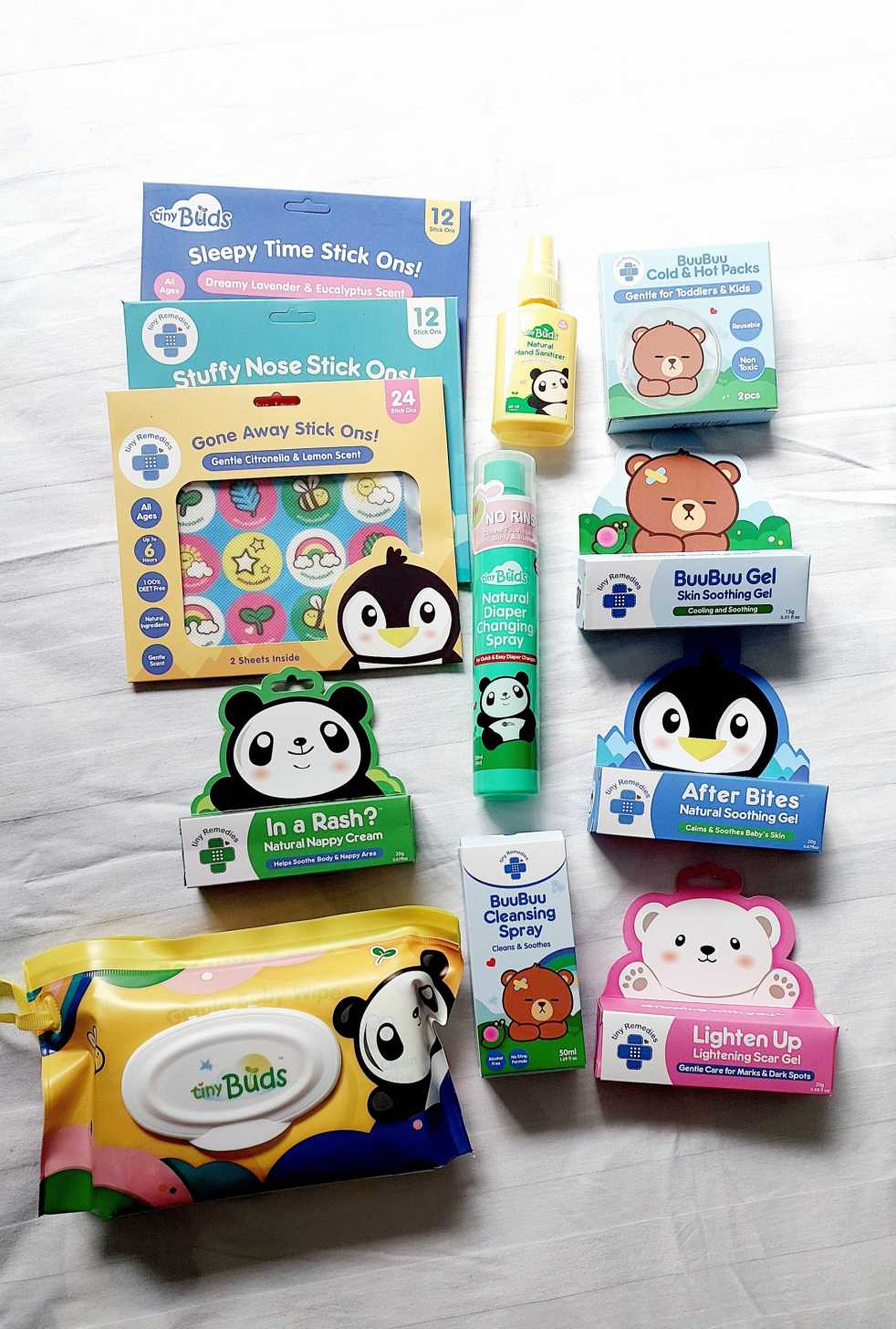
Your baby’s skin is more delicate than most, this is why you have to choose products that are designed for sensitive skin. Tiny Buds is a pioneer in integrating natural ingredients into baby care and today has over 50 innovative natural baby care essentials and is one of the Top Baby Personal Care brands. Here… Continue reading Product Review: Tiny Buds Baby Naturals Baby Essentials
Where your child goes to school is a big decision and shouldn’t be taken lightly. Given how their education can impact their future, you might be tempted to take control and decide for them. However, you might be doing more damage than helping them in the long run. Your job as parents is to support… Continue reading HOW TO CHOOSE THE BEST SCHOOL FOR YOUR CHILD
As poet and philosopher Rumi once eloquently said, “raise your words, not your voice. It is rain that grows flowers, not thunder.” Parenting is a challenging journey, and the truth is that nobody has everything figured out. One parenting style might suit others best, and some might favor other methods. However, children respond better to… Continue reading A SIMPLE GUIDE TO GENTLE PARENTING

Whether you’re a new mom to be, mom of a toddler, mom who have school-aged kids, you’re bound to have so many questions. Let's start with your baby's skin. Infant skin has unique needs; gentle care is essential to prevent damage to the skin barrier, which can lead to irritation. When caring for infant skin,… Continue reading Keeping Baby’s Diapered Skin Healthy
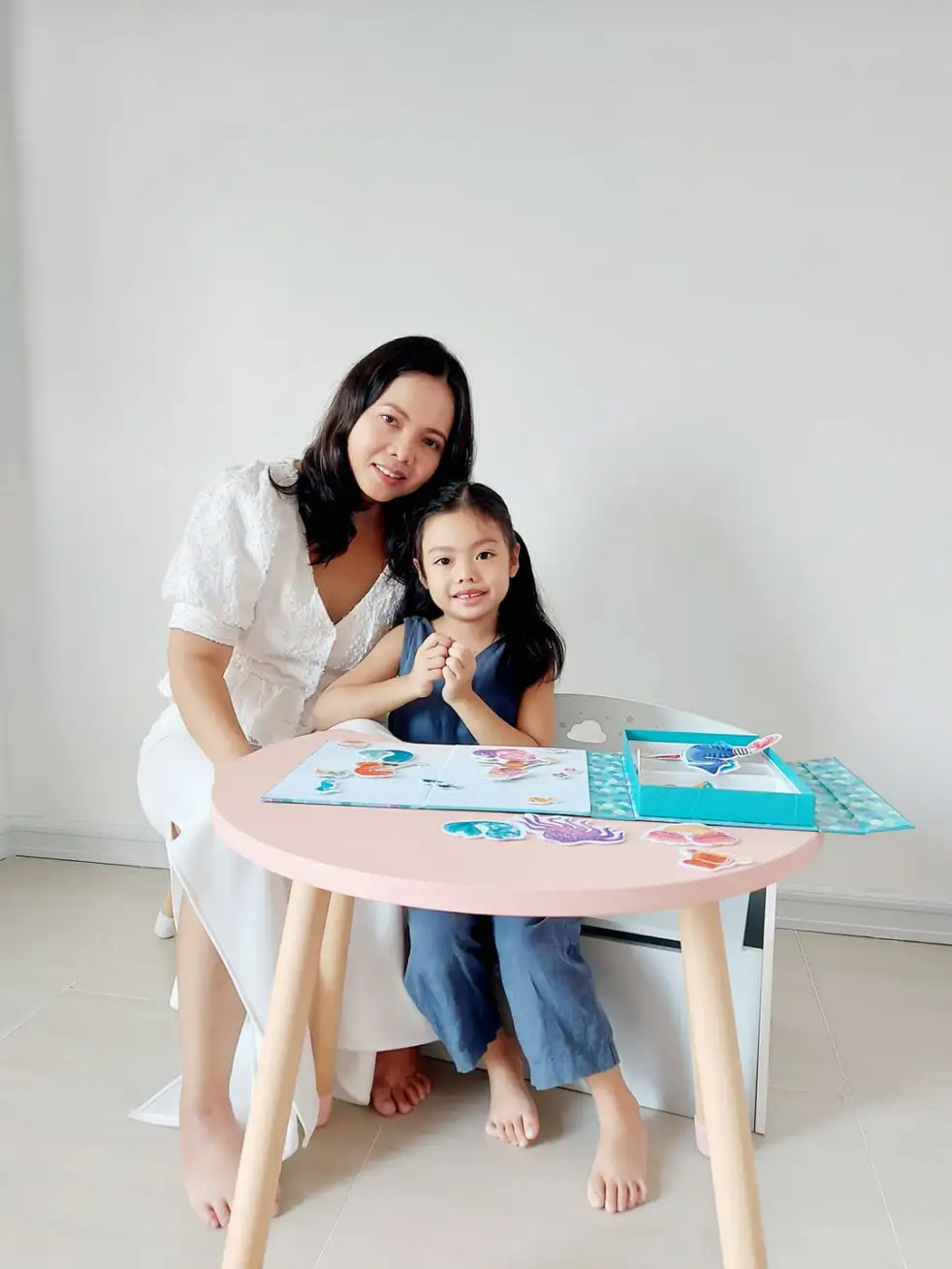
As parents, we want to give our child the best possible start in life and that begins with nurturing their intelligence. Throughout history, the notion of success has been linked to academic intelligence. However, there has been an increased awareness on the importance of emotional intelligence. This question gets at the heart of the never-ending… Continue reading IQ or EQ, which one is a better predictor of your child’s success?
 wondermomma.net